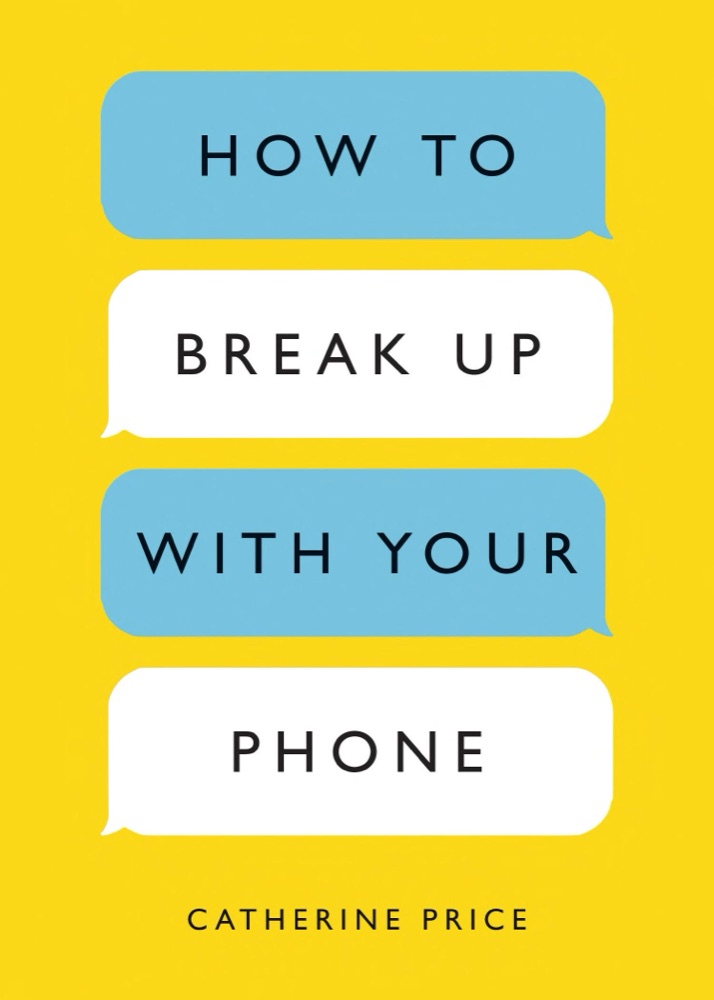

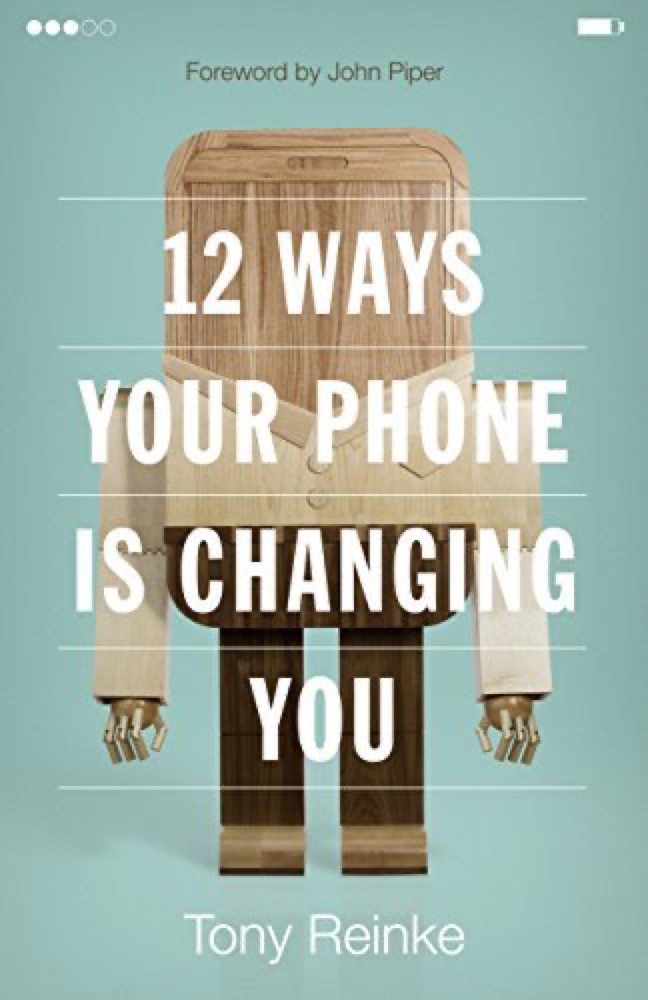
 12 Ways Your Phone Is Changing You
Quotes from the Book
Steve Jobs was right: smartphones really are different. They’re different in a lot of good ways, obviously. But smartphones also talk back at us. They nag us. They disturb us when we’re working. They demand our attention and reward us when we give it to them. Smartphones engage in disruptive behaviours that have traditionally been performed only by extremely annoying people.
8
And just like time, once we’ve spent attention, we can never get it back.
4
The difference between technology and slavery is that slaves are fully aware that they are not free. —Nassim Nicholas Taleb
4
Multiple studies have associated the heavy use of smartphones (especially when used for social media) with negative effects on neuroticism, self-esteem, impulsivity, empathy, self-identity, and self-image, as well as with sleep problems, anxiety, stress, and depression.
4
Put this all together, and it makes sense that spending a lot of time on social media could be associated with depression and lower self-esteem. What doesn’t make sense is that we are deliberately choosing to relive the worst parts of middle school.
4
I reached for my phone to soothe myself, but I often crossed the line from feeling soothed to going numb.
3
so many tech executives limit their own kids’ exposure suggests that they don’t think the benefits always outweigh the risks—to the point that they feel the need to protect their families from the devices that they create.
2
the fact that so many tech executives limit their own kids’ exposure suggests that they don’t think the benefits always outweigh the risks – to the point that they feel the need to protect their families from the devices that they create. It’s the Silicon Valley version of the drug dealer’s adage: “Never get high on your own supply.
2
Breaking up with your phone means giving yourself the space, freedom, and tools necessary to create a new, long-term relationship with it, one that keeps what you love about your phone and gets rid of what you don’t.
2
our attention is the most valuable thing we have. We experience only what we pay attention to. We remember only what we pay attention to. When we decide what to pay attention to in the moment, we are making a broader decision about how we want to spend our lives.
1
the explicit goal of getting us to spend as much time and attention as possible on our devices. In industry terms, this is called “user engagement.” Why do companies care so much about engagement? Because, as we’ll talk about in more detail in a bit, it’s how they make money.
1
The key is to keep asking yourself the same question, again and again and again: this is your life - what do you want to pay attention to?
1
Facebook, in fact, is the biggest surveillance-based enterprise in the history of mankind. It knows far, far more about you than the most intrusive government has ever known about its citizens. —John Lanchester
1
ONE OF THE MOST COMMON defenses of phones is the idea that they’re making us better at multitasking and, in so doing, more efficient. Unfortunately, this isn’t true. There’s actually no such thing as multitasking (that is, simultaneously processing two or more attention-demanding tasks), because our brains can’t do two cognitively demanding things at once.* When we think we’re multitasking, we’re actually doing what researchers call “task-switching.” Like cars making sharp turns, our brains need to slow down and switch gears every time we stop thinking about one thing and engage with another—a process that has been estimated to take twenty-five minutes every time you do it.
1
In short, if ignorance is bliss, 'tis folly to look at your phone.
1
The more you practice being mindful, the more it becomes obvious that your brain has a mind of its own. (I like to think of my mind as a good friend who also happens to be totally crazy.) The moment you recognize that you don’t have to say yes to every invitation is the moment you gain control over your life
1
I’d argue that we can take this even further: if you wanted to invent a device that could rewire our minds, if you wanted to create a society of people who were perpetually distracted, isolated, and overtired, if you wanted to weaken our memories and damage our capacity for focus and deep thought, if you wanted to reduce empathy, encourage self-absorption, and redraw the lines of social etiquette, you’d likely end up with a smartphone.
1
Whenever you check for a new post on Instagram or whenever you go on the New York Times to see if there’s a new thing, it’s not even about the content. It’s just about seeing a new thing. You get addicted to that feeling. —Aziz Ansari
1
The irony, of course, is that most people’s feeds do not accurately represent the proportion of their lives they actually spend skiing/surfing/sitting in hot tubs with models. Also, many people with enormous social media followings are actually paid to glamorize their lives. If someone’s existence looks too good to be true, it probably is.
1
Today, just over a decade since smartphones entered our lives, we’re beginning to suspect that their impact on our lives might not be entirely good. We feel busy but ineffective. Connected but lonely. The same technology that gives us freedom can also act like a leash—and the more tethered we become, the more it raises the question of who’s actually in control.
1
Perhaps this is part of the reason that Jobs—the man who introduced the iPhone—restricted his own children’s access to his company’s products.
1
When all you have is a hammer, every problem looks like a nail: the more I used my phone to navigate my life, the less capable I felt of navigating life without my phone.
1
Psychologists refer to unpredictable rewards as “intermittent reinforcements.” I call them “the reason we date jerks.
1
I find it terrifying to think about all the ideas and insights that humanity is not having as a result of our being constantly distracted by our phones—the potential opportunity costs are enormous. But encouraging distraction isn’t the only way that our phones are affecting our memories and creativity; they’re also overloading us with information—which is a problem because creativity requires relaxation and mental space. It also is often sparked by boredom
In his book The Shallows: What the Internet Is Doing to Our Brains, journalist Nicholas Carr wrote that “[if] you were to set out to invent a medium that would rewire our mental circuits as quickly and thoroughly as possible, you would probably end up designing something that looks and works a lot like the internet.” Today, I’d argue that we can take this even further: if you wanted to invent a device that could rewire our brains, if you wanted to create a society of people who were perpetually distracted, burned out, and overtired, if you wanted to weaken our ability to focus, remember, and engage in deep thought, if you wanted to increase our rates of loneliness, anxiety, depression, self-absorption, and self-harm, if you wanted to reduce empathy and creativity, encourage polarization and extremism, and damage our most important relationships, you’d likely end up with a smartphone.
Today, I’d argue that we can take this even further: if you wanted to invent a device that could rewire our brains, if you wanted to create a society of people who were perpetually distracted, burned out, and overtired, if you wanted to weaken our ability to focus, remember, and engage in deep thought, if you wanted to increase our rates of loneliness, anxiety, depression, self-absorption, and self-harm, if you wanted to reduce empathy and creativity, encourage polarization and extremism, and damage our most important relationships, you’d likely end up with a smartphone.
Facebook users were spending a collective 39,757 years’ worth of attention on the site, every single day.
our phones are like digital Trojan horses: innocuous-seeming accessories packed with manipulative tricks meant to get us to let down our guard. As soon as we do so, our attention is theirs for the taking.
If our smartphones excel at one thing, it’s making sure we never, ever have to be alone with ourselves.
The non-technical term for this anxiety is FOMO: fear of missing out (not to be confused with its underappreciated counterpart, JOMO: the joy of missing out).
Watch on YouTube
About Catherine Price
We have collected 30 quotes from 1 book by Catherine Price on BookQuoters.
More about the author →About the book
This evidence-based, user-friendly guide presents a 30-day digital detox plan that will help you set boundaries with your phone and live a more joyful and fulfilling life.
“I wrote The Anxious Generation to help adults improve the lives of children. Many readers have asked me for a version of the book aimed at helping adults and teens help themselves. Catherine Price has written the best such book.”—Jonathan Haidt
Do you feel addicted to your phone? Do you frequently pick it up “just to check,” only to look up forty-five minutes later wondering where the time has gone? Does social media make you anxious? Have you tried to spend less time mindlessly scrolling—and failed? If so, this book is your solution.
Award-winning health and science journalist and TED speaker Catherine Price presents a practical, evidence-based 30-day digital detox plan that will help you break up—and then
Book details
- First published
- 2018
- Author
- Catherine Price
- Genre
- Nonfiction
- Goodreads rating
- 3.91 (23k ratings)
Keep reading
12 Ways Your Phone Is Changing You
 Stolen Focus: Why You Can't Pay Attention— and How to Think Deeply Again
 Irresistible: The Rise of Addictive Technology and the Business of Keeping Us Hooked
 The Anxious Generation: How the Great Rewiring of Childhood Caused an Epidemic of Mental Illness
 Little Victories: Perfect Rules for Imperfect Living
 The Bullet Journal Method: Track Your Past, Order Your Present, Plan Your Future
 The Organized Mind: Thinking Straight in the Age of Information Overload
 The Attention Merchants: The Epic Scramble to Get Inside Our Heads
 Scarcity Brain: Fix Your Craving Mindset and Rewire Your Habits to Thrive with Enough
 The Age of Magical Overthinking: Notes on Modern Irrationality
 Overwhelmed: Work, Love, and Play When No One Has the Time
 Make Time: How to Focus on What Matters Every Day
 How Do We Know We're Doing It Right: & Other Essays on Modern Life
 The Circle
 The Candy House
 Notes on a Nervous Planet
 Dopamine Nation: Finding Balance in the Age of Indulgence
 Microserfs
 First, We Make the Beast Beautiful: A New Story About Anxiety
 Antifragile: Things That Gain from Disorder
 Hooked: How to Build Habit-Forming Products
 Trick Mirror: Reflections on Self-Delusion
 The Freedom Manifesto
 The Intern's Handbook
 Permanent Record
 Social Intelligence: The New Science of Human Relationships
 Distrust That Particular Flavor
 The Art of Thinking Clearly
 Unfuck Your Brain: Using Science to Get Over Anxiety, Depression, Anger, Freak-Outs, and Triggers
 You Are Not So Smart
 Social: Why Our Brains Are Wired to Connect
 Stuffocation: Living More with Less
 What Made Maddy Run: The Secret Struggles and Tragic Death of an All-American Teen
 Stillness Is the Key
 Steve Jobs
 The Common Rule: Habits of Purpose for an Age of Distraction
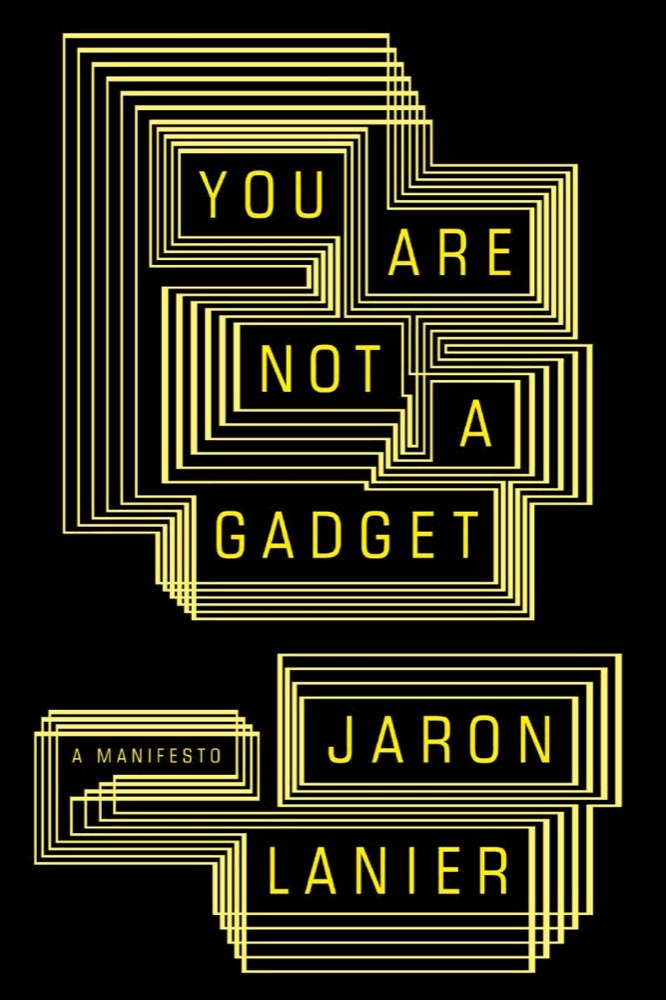 You Are Not a Gadget
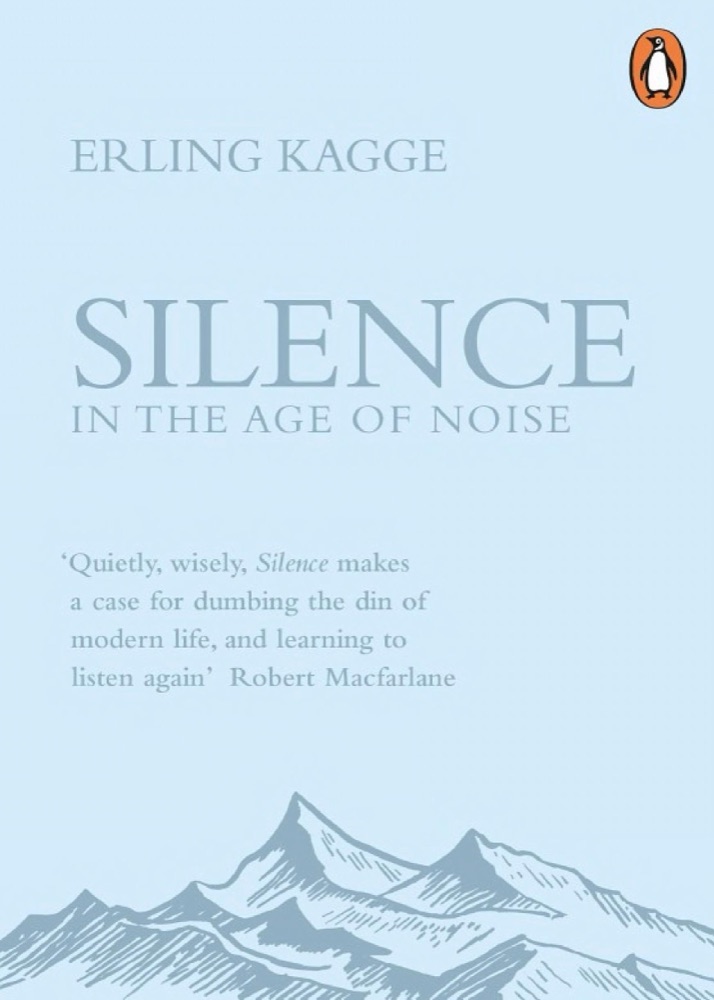 Silence: In the Age of Noise
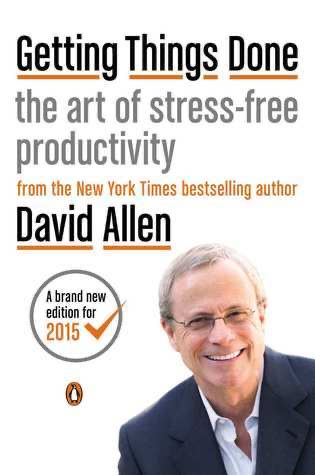 Getting Things Done: The Art of Stress-Free Productivity
 The Future
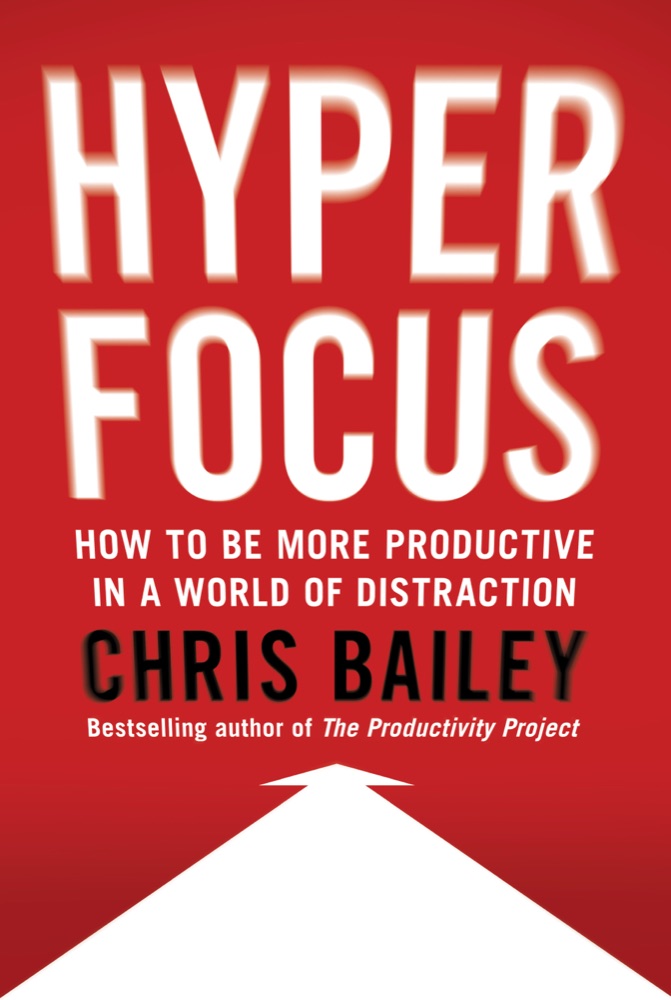 Hyperfocus: How to Be More Productive in a World of Distraction
 What If This Were Enough?: Essays
 Ready for Anything: 52 Productivity Principles for Getting Things Done
 Why Has Nobody Told Me This Before?
 Zen and the Art of Motorcycle Maintenance
 Attempting Normal
 The Filter Bubble: What the Internet is Hiding From You
 Trust Me, I'm Lying: Confessions of a Media Manipulator
 Tribe Of Mentors: Transformative Wisdom From Icons and Innovators to Help You Navigate Life's Challenges
 Finding Flow: The Psychology of Engagement with Everyday Life
 Lost Connections: Uncovering the Real Causes of Depression - and the Unexpected Solutions
 On Connection
 The Productivity Project: Accomplishing More by Managing Your Time, Attention, and Energy
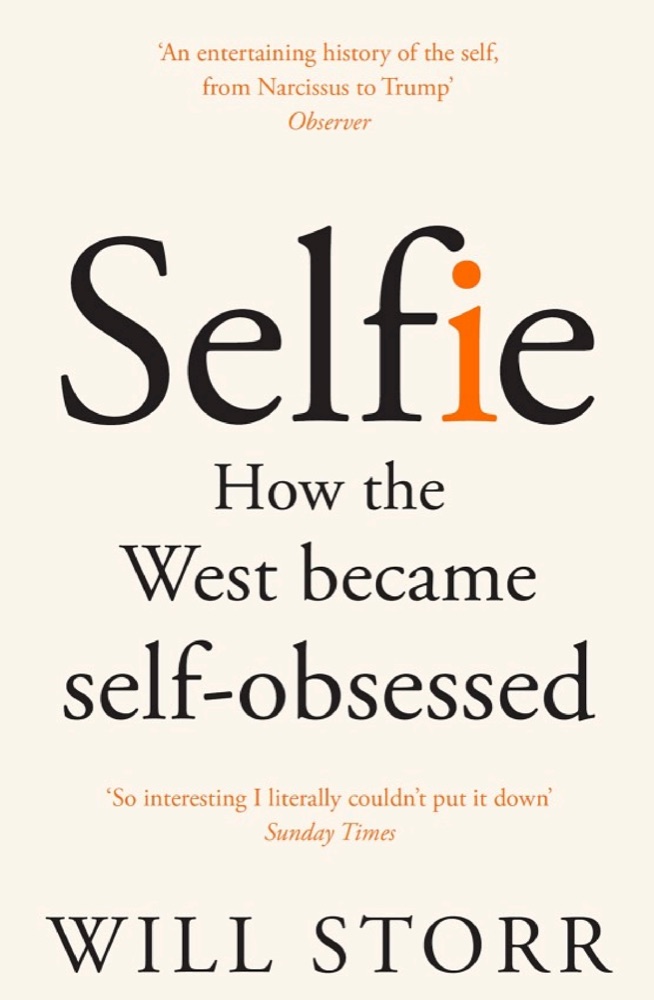 Selfie: How the West Became Self-Obsessed
 No One Writes Back
 Essentialism: The Disciplined Pursuit of Less
 The Game
 The 7 Habits Of Highly Effective Teens
 Buffering: Unshared Tales of a Life Fully Loaded