 The Common Reader
Quotes from the Book
We read, frequently if not unknowingly, in search of a mind more original than our own.
54
Read deeply, not to believe, not to accept, not to contradict, but to learn to share in that one nature that writes and reads.
39
The creator of Sir John Falstaff, of Hamlet, and of Rosalind also makes me wish I could be more myself. But that, as I argue throughout this book, is why we should read, and why we should read only the best of what has been written.
15
We read not only because we cannot know enough people, but because friendship is so vulnerable, so likely to diminish or disappear, overcome by space, time, imperfect sympathies and all the sorrows of familial and passional life.
13
Since ideology, particularly in it's shallower versions, is peculiarly destructive of the capacity to apprehend and appreciate irony, I suggest that the recovery of the ironic might be our fifth principle for the restoration of reading. ... But with this principle, I am close to despair, since you can no more teach someone to be ironic than you can instruct them to become solitary. And yet the loss of irony is the death of reading, and of what had been civilized in our natures.
12
Poetry, at the best, does us a kind of violence that prose fiction rarely attempts or accomplishes.
9
Imaginative literature is otherness, and as such alleviates loneliness
8
Jesus is present only as a supreme representation of suffering and change, one that Shakespeare (in his dangerous era) shrewdly and invariably avoided.
6
Hope and joy, however irrational, are stronger than dispair, and ultimately more pernicious.
3
If there is a function of criticism at the present time, it must be to address itself to the solitary reader, who reads for herself, and not for the interests that supposedly transcend the self.
2
Watch on YouTube
About Harold Bloom
We have collected 10 quotes from 1 book by Harold Bloom on BookQuoters.
More about the author →About the book
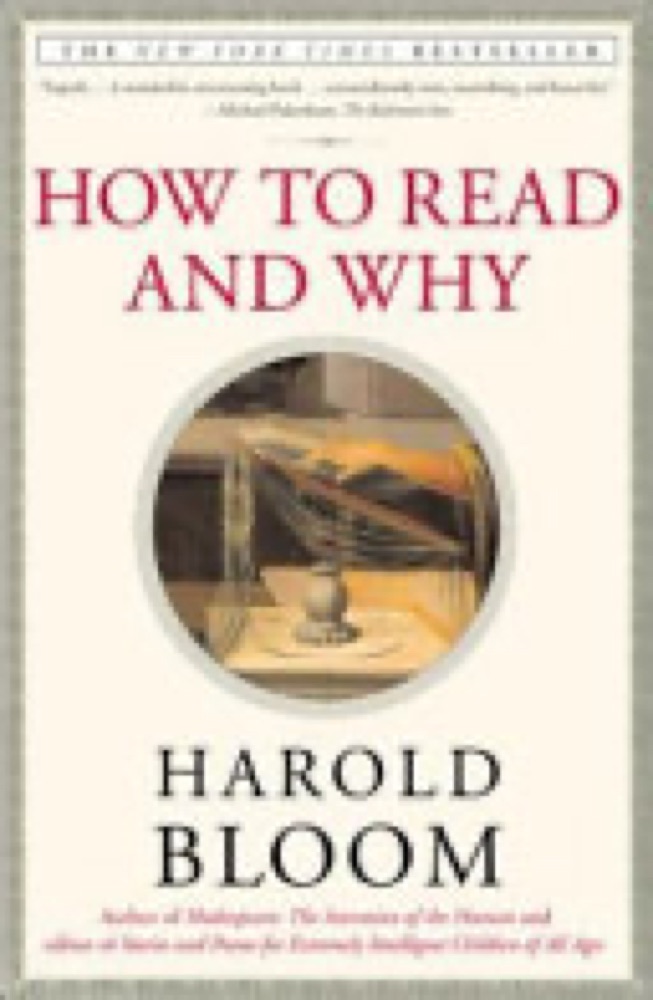
Information is endlessly available to us; where shall wisdom be found?" is the crucial question with which renowned literary critic Harold Bloom begins this impassioned book on the pleasures and benefits of reading well. For more than forty years, Bloom has transformed college students into lifelong readers with his unrivaled love for literature. Now, at a time when faster and easier electronic media threatens to eclipse the practice of reading, Bloom draws on his experience as critic, teacher, and prolific reader to plumb the great books for their sustaining wisdom. Shedding all polemic, Bloom addresses the solitary reader, who, he urges, should read for the purest of all reasons: to discover and augment the self. His ultimate faith in the restorative power of literature resonates on every page of this infinitely rewarding and important book.
Book details
- First published
- 2000
- Author
- Harold Bloom
- Genre
- Nonfiction
- Goodreads rating
- 3.61 (4k ratings)
Keep reading
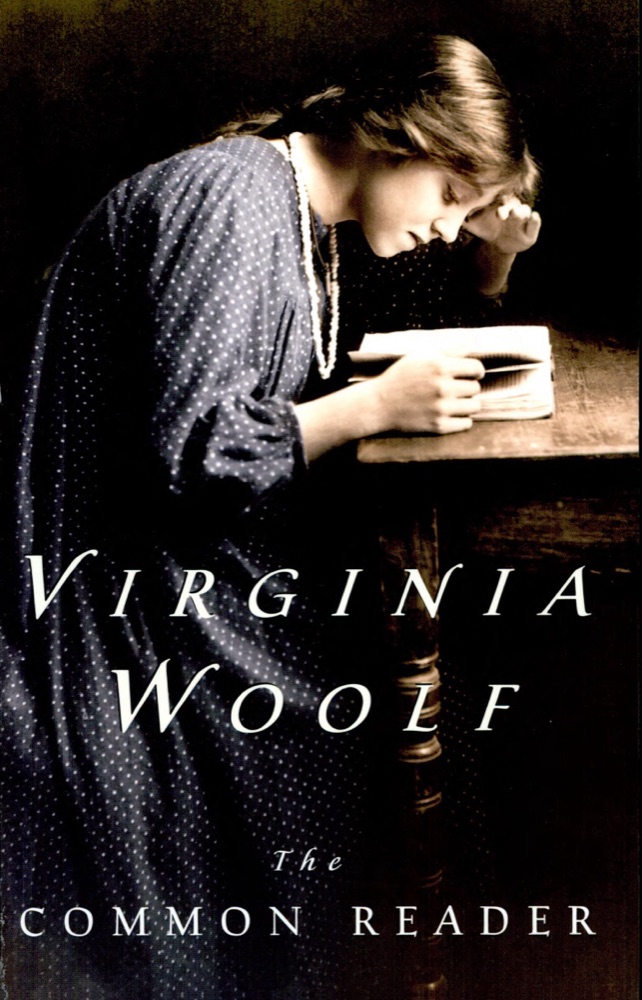
The Common Reader
 How to Read Literature
 An Experiment in Criticism
 Aspects of the Novel
 How Proust Can Change Your Life
 Leave Me Alone, I'm Reading: Finding and Losing Myself in Books
 Lectures on Literature
 Read Dangerously: The Subversive Power of Literature in Troubled Times
 How to Be Alone
 Only Dull People Are Brilliant at Breakfast
 Reading Lolita in Tehran: A Memoir in Books
 Selected Non-Fictions
 How Reading Changed My Life
 Time Regained
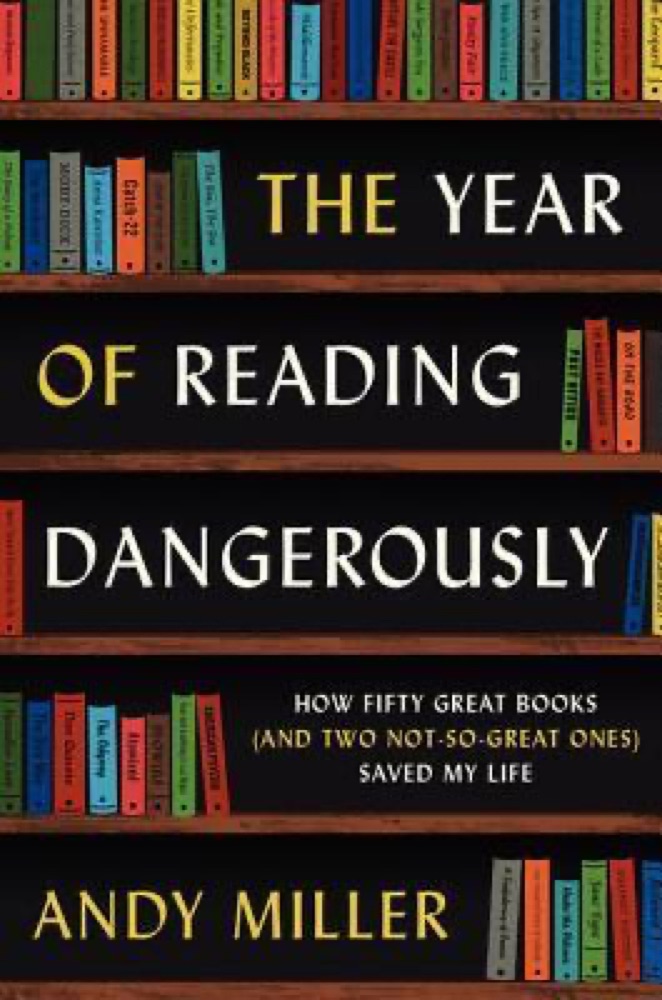 The Year of Reading Dangerously
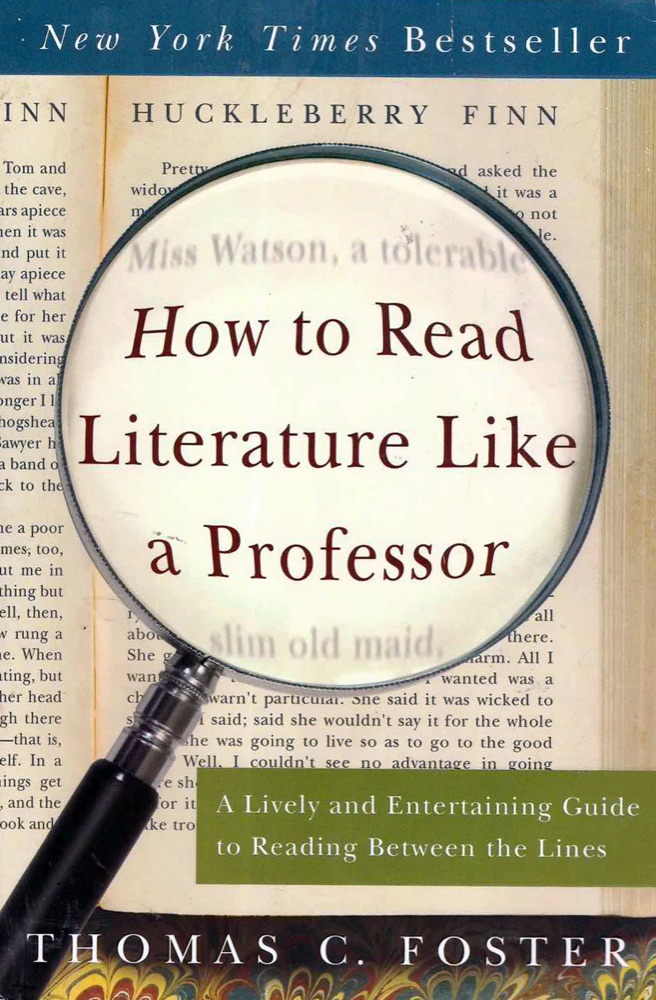 How to Read Literature Like a Professor
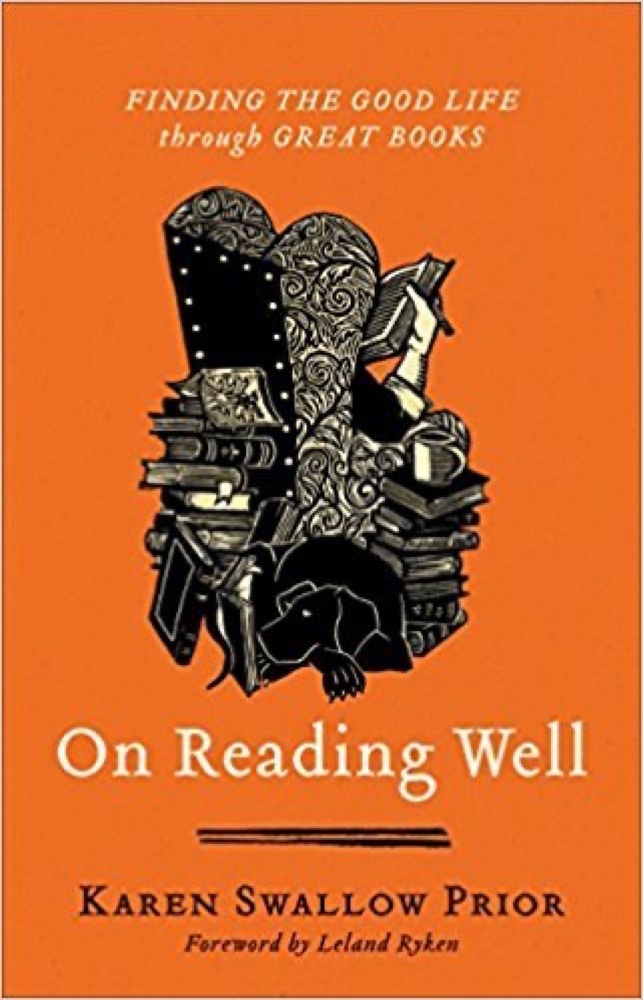 On Reading Well: Finding the Good Life through Great Books
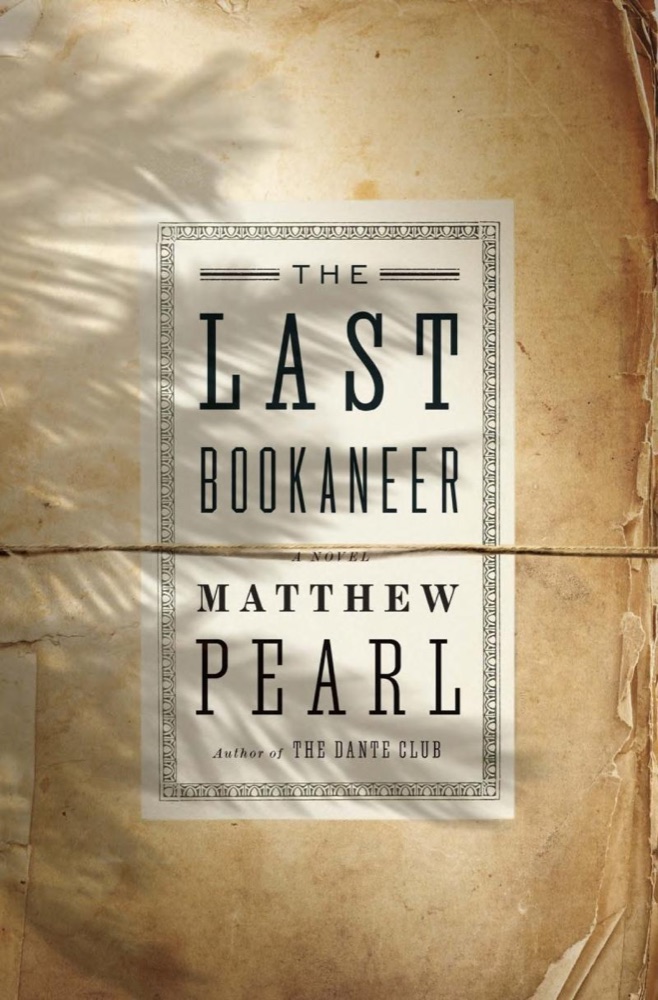 The Last Bookaneer
 A Novel Bookstore
 How Should One Read a Book?
 My Life in Middlemarch
 Daniel Deronda
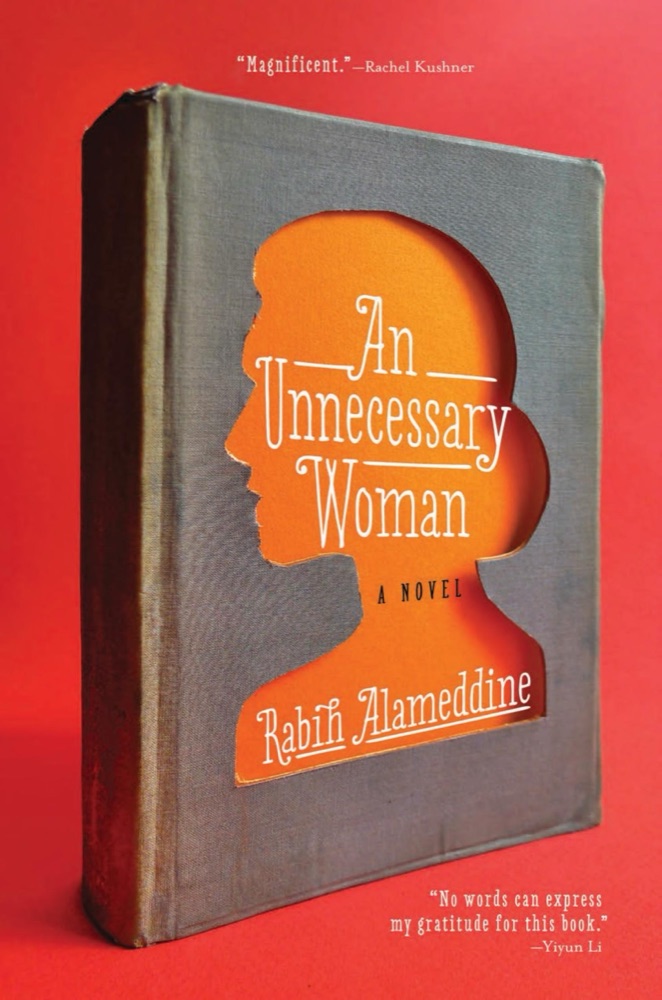 An Unnecessary Woman
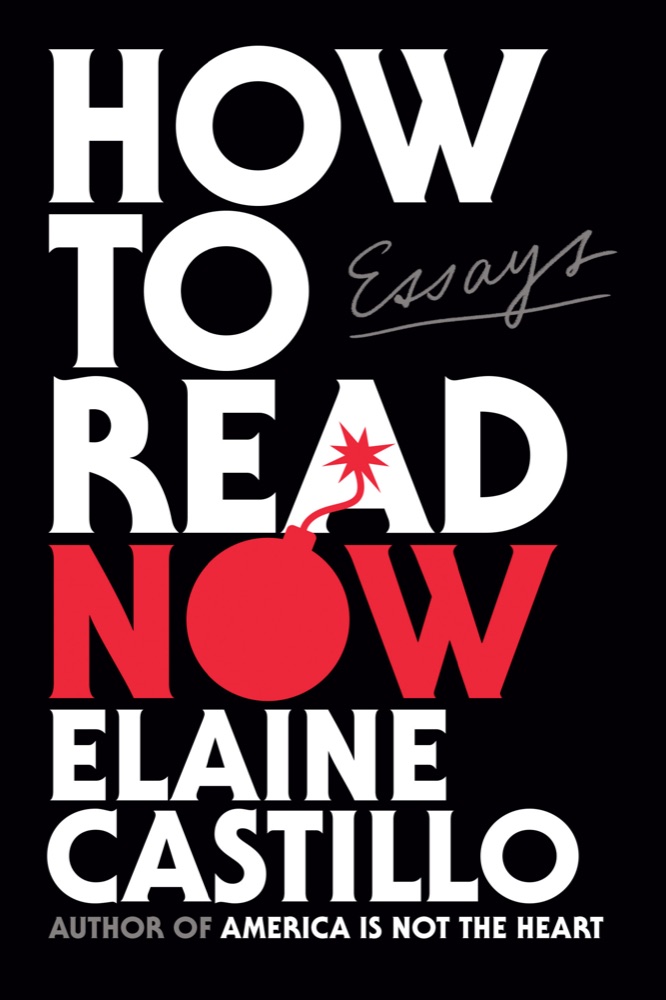 How to Read Now
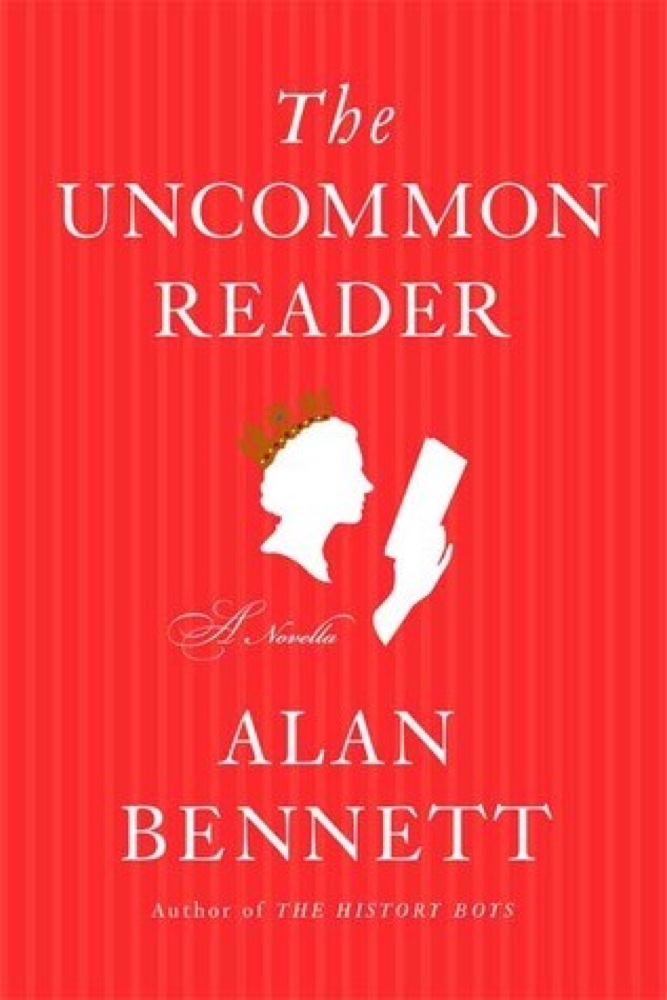 The Uncommon Reader
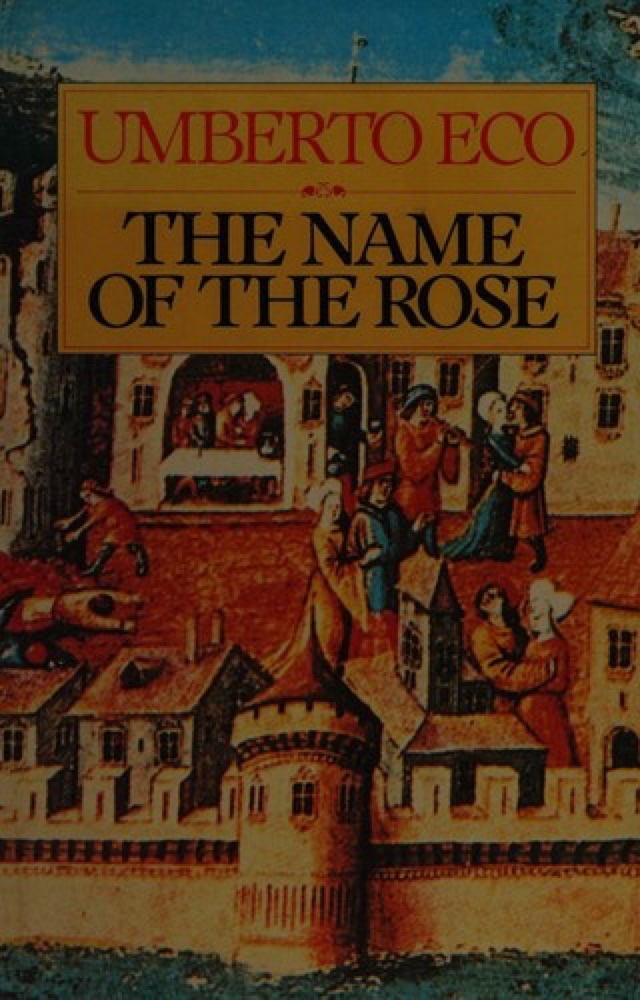 The Name of the Rose
 Madness, Rack, and Honey: Collected Lectures
 The Storied Life of A.J. Fikry
 The Faraway Nearby
 The Thirteenth Tale
 The Consolations of Philosophy
 Middlemarch
 The View from the Cheap Seats: Selected Nonfiction
 The Swerve: How the World Became Modern
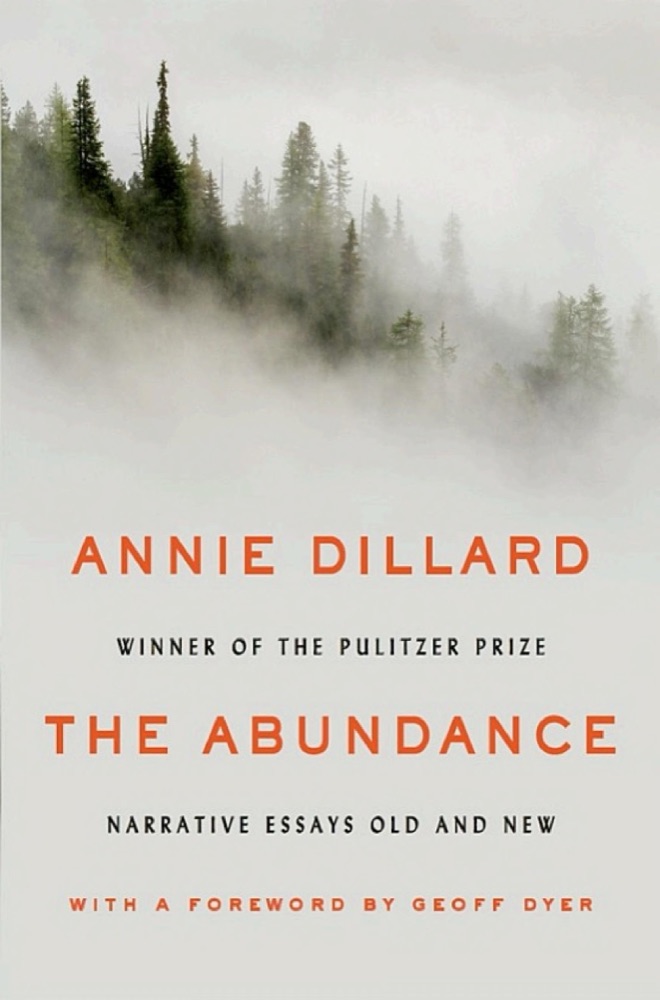 The Abundance
 The Summer Without Men
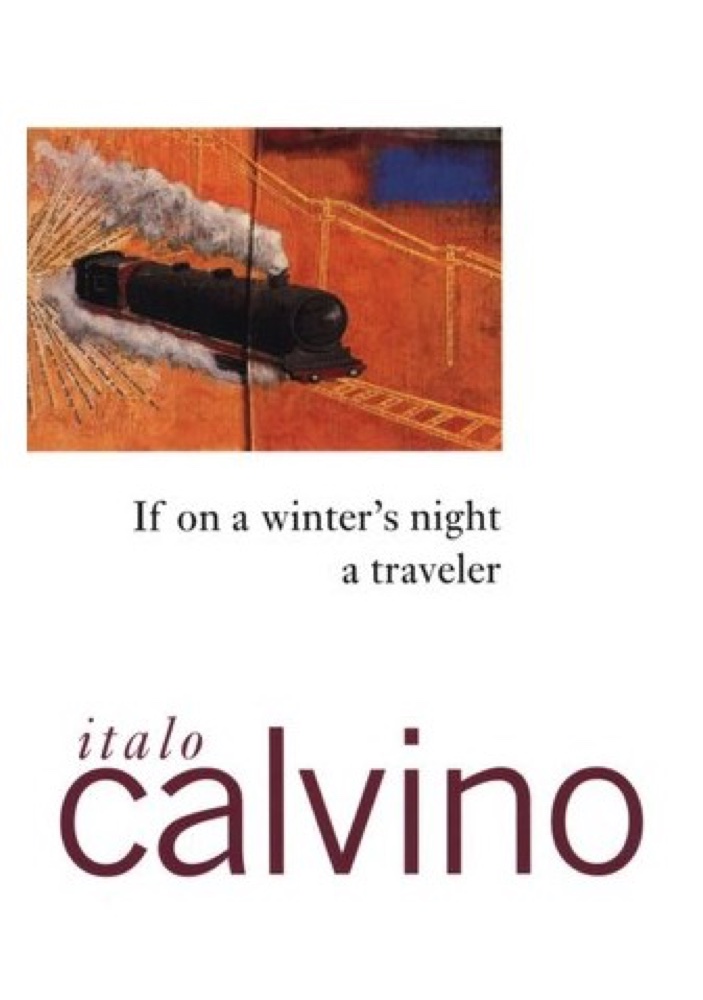 If on a Winter's Night a Traveler
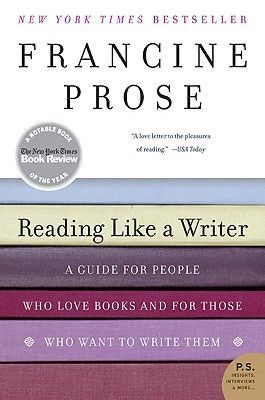 Reading Like a Writer: A Guide for People Who Love Books and for Those Who Want to Write Them
 In Search of Lost Time
 Mystery and Manners: Occasional Prose
 Figuring
 When I Was a Child I Read Books
 Illuminations: Essays and Reflections
 Why We Read: On Bookworms, Libraries, and Just One More Page Before Lights Out
 The Wave in the Mind: Talks and Essays on the Writer, the Reader and the Imagination
 The Last Librarian
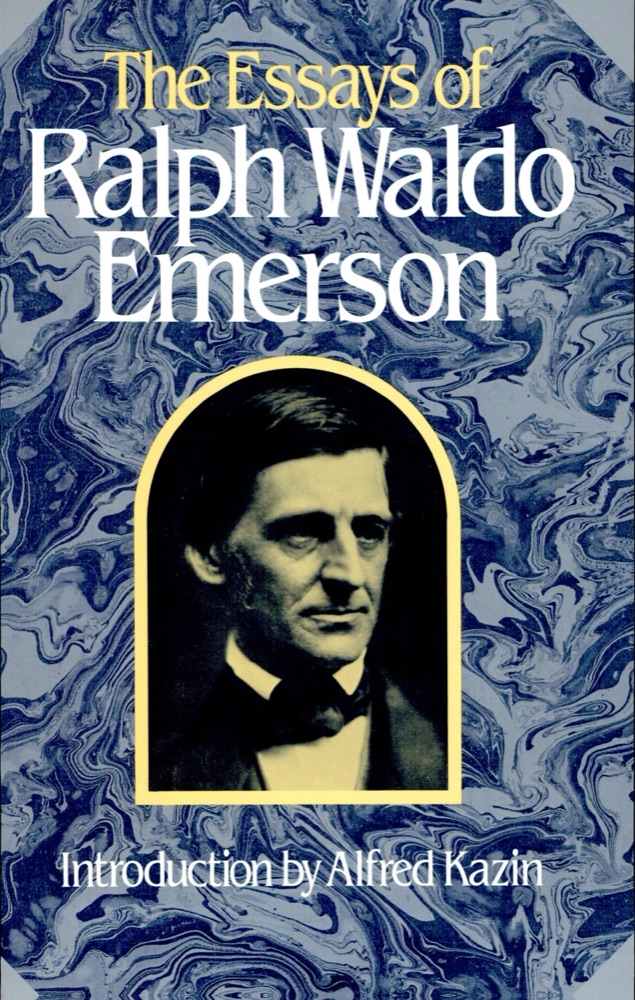 The Essays of Ralph Waldo Emerson
 Monday or Tuesday
 Flaubert's Parrot
 The Writing Life
 How to Read a Book: The Classic Guide to Intelligent Reading
 The Shadow of the Wind
 The Life of Charlotte Brontë
 Memoirs of Hadrian
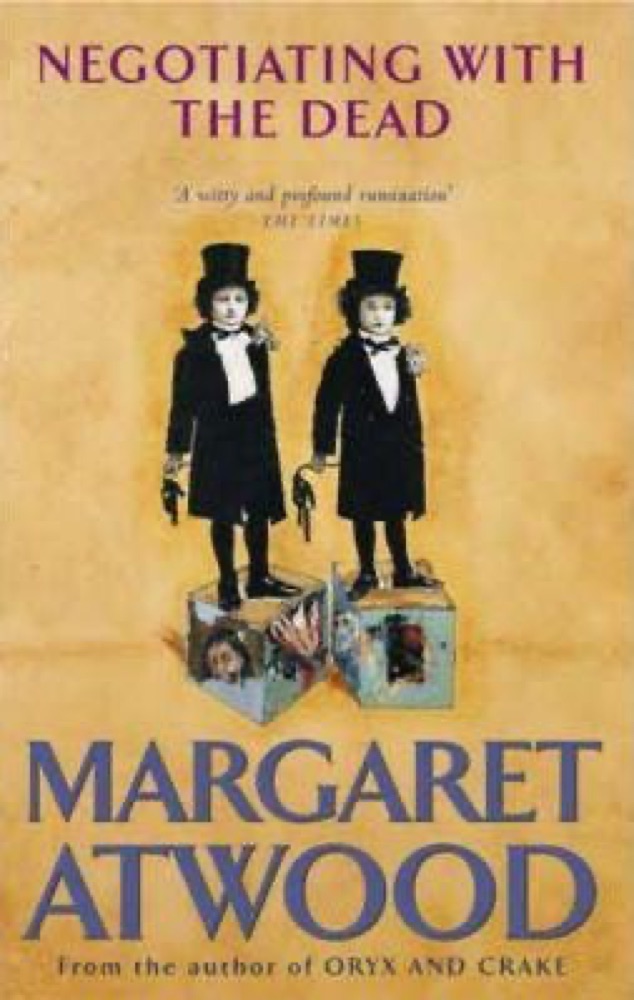 Negotiating with the Dead: A Writer on Writing
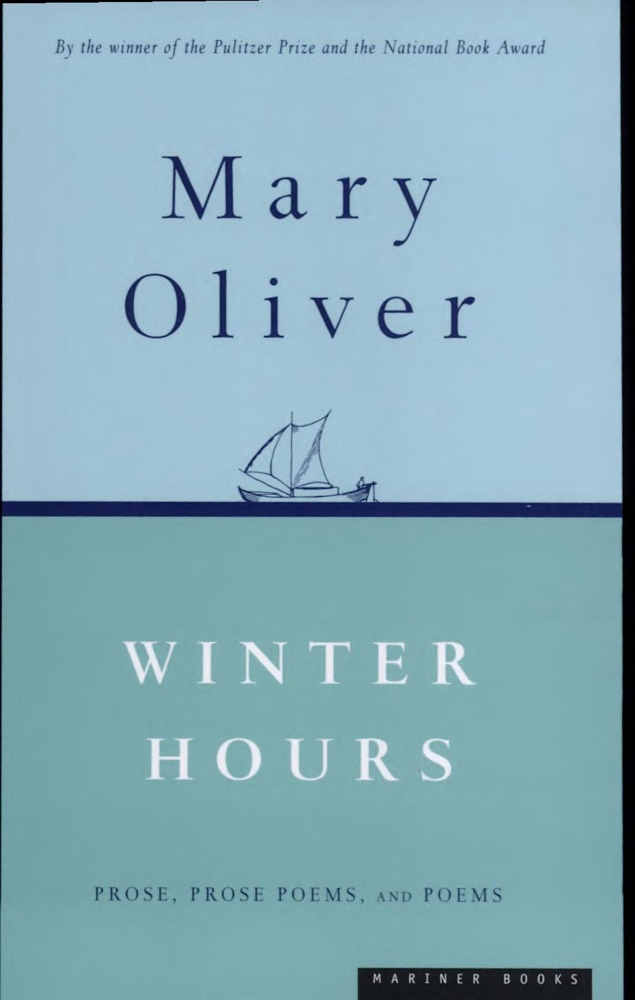 Winter Hours: Prose, Prose Poems, and Poems
 The Scarlet Letter
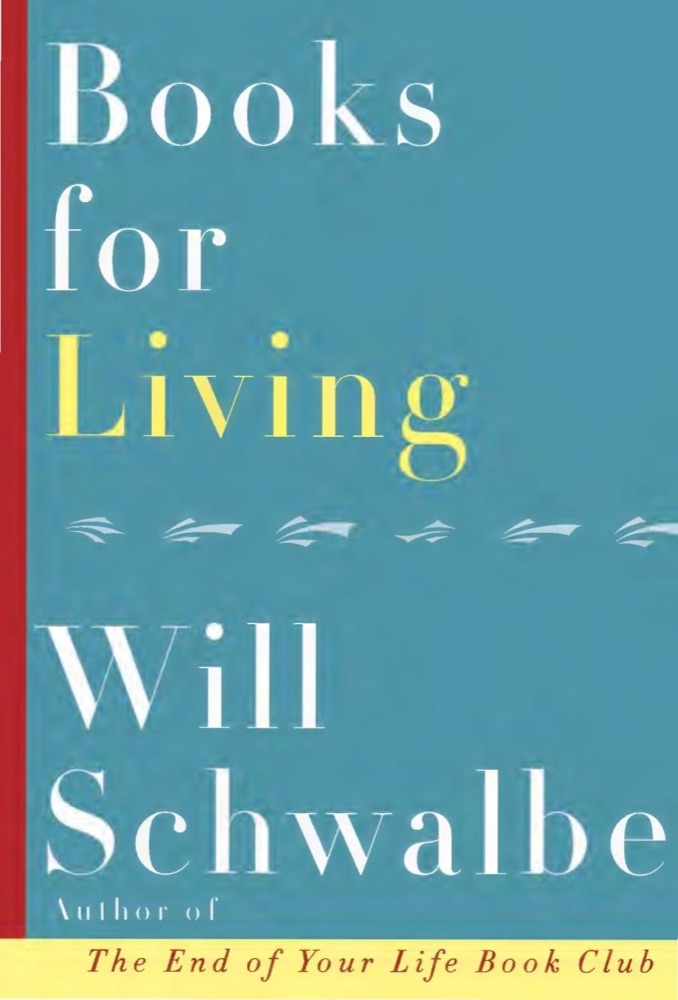 Books for Living
 Death in Venice and Other Tales
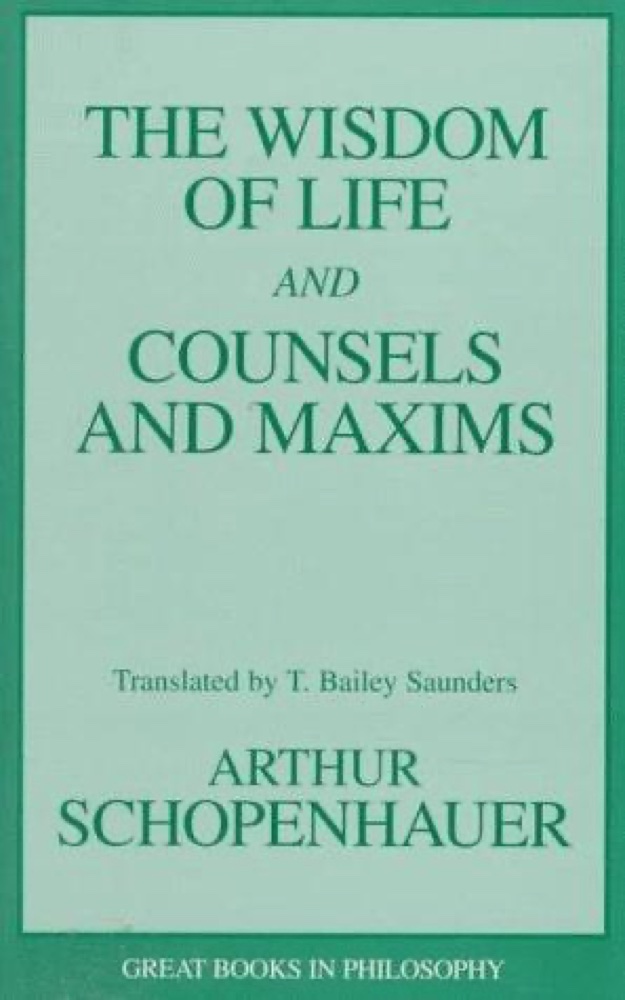 The Wisdom of Life