
 The 4-Hour Body: An Uncommon Guide to Rapid Fat-Loss, Incredible Sex, and Becoming Superhuman
Quotes from the Book
For all of the most important things, the timing always sucks. Waiting for a good time to quit your job? The stars will never align and the traffic lights of life will never all be green at the same time. The universe doesn't conspire against you, but it doesn't go out of its way to line up the pins either. Conditions are never perfect. "Someday" is a disease that will take your dreams to the grave with you. Pro and con lists are just as bad. If it's important to you and you want to do it "eventually," just do it and correct course along the way.
But you are the average of the five people you associate with most, so do not underestimate the effects of your pessimistic, unambitious, or disorganized friends. If someone isn't making you stronger, they're making you weaker.
If you are insecure, guess what? The rest of the world is, too. Do not overestimate the competition and underestimate yourself. You are better than you think.
The question you should be asking isn't, "What do I want?" or "What are my goals?" but "What would excite me?
The opposite of love is indifference, and the opposite of happiness is boredom.
To enjoy life, you don't need fancy nonsense, but you do need to control your time and realize that most things just aren't as serious as you make them out to be.
Slow Dance: Have you ever watched kids, On a merry-go-round? Or listened to the rain, Slapping on the ground? Ever followed a butterfly's erratic flight? Or gazed at the sun into the fading night? You better slow down. Don't dance too fast. Time is short. The music won't last. Do you run through each day, On the fly? When you ask: How are you? Do you hear the reply? When the day is done, do you lie in your bed, With the next hundred chores, Running through your head? You'd better slow down, Don't dance too fast. Time is short, The music won't last. Ever told your child we'll do it tomorrow? And in your haste, Not see his sorrow? Ever lost touch, Let a good friendship die, Cause you never had time, To call and say Hi? You'd better slow down. Don't dance so fast. Time is short. The music won't last. When you run so fast to get somewhere, You miss half the fun of getting there. When you worry and hurry through your day, It is like an unopened gift thrown away. Life is not a race. Do take it slower. Hear the music, Before the song is over.
Focus on being productive instead of busy.
Most people are fast to stop you before you get started but hesitate to get in the way if you're moving.
Being able to quit things that don't work is integral to being a winner
Poisonous people do not deserve your time. To think otherwise is masochistic.
Learn to be difficult when it counts. In school as in life, having a reputation for being assertive will help you receive preferential treatment without having to beg or fight for it every time.
Many a false step was made by standing still.
Excitement is the more practical synonym for happiness, and it is precisely what you should strive to chase. It is the cure-all.
It's lonely at the top. Ninety-nine percent of people in the world are convinced they are incapable of achieving great things, so they aim for the mediocre. The level of competition is thus fiercest for 'realistic' goals, paradoxically making them the most time and energy-consuming.
I'll repeat something you might consider tattooing on your forehead: What we fear doing most is usually what we most need to do.
The bottom line is that you only have the rights you fight for.
Life is too short to be small.
Remember—boredom is the enemy, not some abstract "failure.
Role models who push us to exceed our limits, physical training that removes our spare tires, and risks that expand our sphere of comfortable action are all examples of eustress—stress that is healthful and the stimulus for growth.
Information is useless if it is not applied to something important or if you will forget it before you have a chance to apply it.
The goal is not to simply eliminate the bad, which does nothing more than leave you with a vacuum, but to pursue and experience the best in the world.
By working only when you are most effective, life is both more productive and more enjoyable. It's the perfect example of having your cake and eating it, too.
Never automate something that can be eliminated, and never delegate something that can be automated or streamlined. Otherwise, you waste someone else's time instead of your own, which now wastes your hard-earned cash. How's that for incentive to be effective and efficient?
Someday” is a disease that will take your dreams to the grave with you.
Different is better when it is more effective or more fun.
If you spend your time, worth $20-25 per hour, doing something that someone else will do for $10 per hour, it's simply a poor use of resources.
Alternating periods of activity and rest is necessary to survive, let alone thrive. Capacity, interest, and mental endurance all wax and wane. Plan accordingly.
Did you know?
- The book's method is built around the acronym DEAL: Definition, Elimination, Automation, and Liberation.
- Ferriss developed its ideas after burning out on 14-hour days at his company BrainQUICKEN and then restructuring the business while traveling abroad.
- It spent four years on The New York Times Best Seller List.
- The book has been translated into dozens of languages and sold roughly 2.1 million copies.
- Ferriss coined the term "muse" for a low-maintenance, semi-automated business designed to fund a mobile lifestyle.
- The book helped popularize "lifestyle design," "mini-retirements," and outsourcing to virtual assistants.
About Timothy Ferriss
Timothy Ferriss is an American author, entrepreneur, and podcaster, a Princeton graduate who founded the sports-nutrition company BrainQUICKEN before writing his debut book. He is known for the bestselling "4-Hour" series and the interview podcast The Tim Ferriss Show.
More about the author →More by Timothy Ferriss
The 4-Hour Body: An Uncommon Guide to Rapid Fat-Loss, Incredible Sex, and Becoming Superhuman
 Tools of Titans: The Tactics, Routines, and Habits of Billionaires, Icons, and World-Class Performers
 Tribe Of Mentors: Transformative Wisdom From Icons and Innovators to Help You Navigate Life's Challenges
 The 4-Hour Chef: The Simple Path to Cooking Like a Pro, Learning Anything, and Living the Good Life
About the book
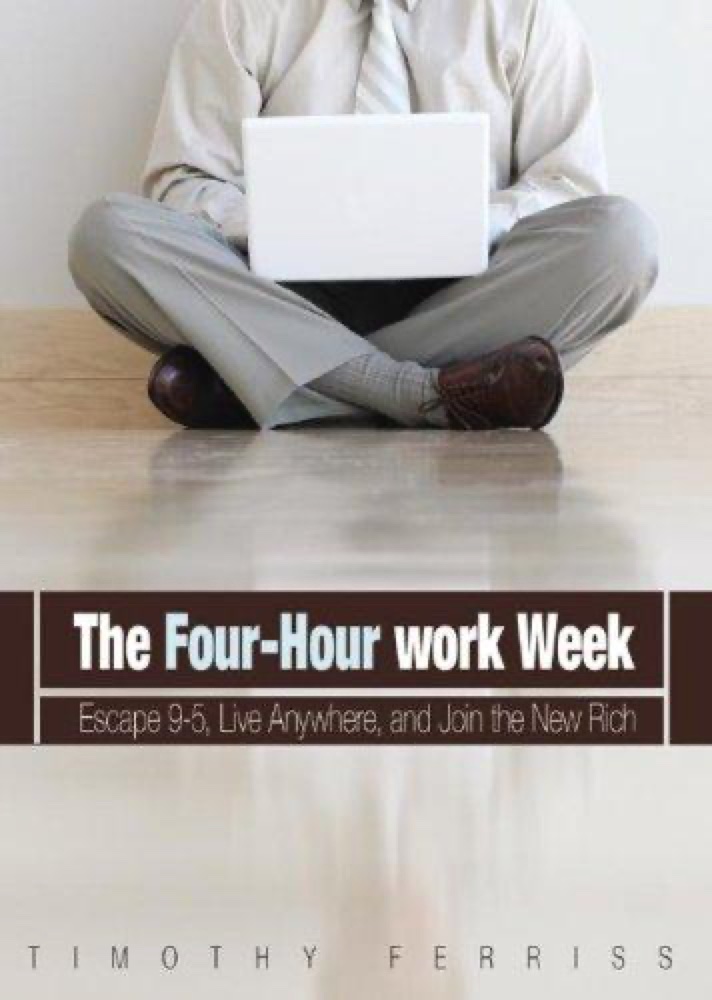
"The 4-Hour Workweek: Escape 9-5, Live Anywhere, and Join the New Rich" is a 2007 self-help and personal-productivity book by Timothy Ferriss. It repudiates the traditional "deferred" life plan, in which people work grueling hours for decades and save money in order to relax only after retirement, and instead promotes what Ferriss calls "lifestyle design": restructuring how you work so you can enjoy freedom, mobility, and fulfillment now rather than later. Ferriss developed the ideas while working punishing hours at his supplement company, BrainQUICKEN, then reworking his business around automation and outsourcing during extended travel through Europe, Asia, and South America.
The book is organized around a four-step framework Ferriss abbreviates as DEAL: Definition (deciding what you actually want and rejecting default assumptions about success), Elimination (applying the 80/20 principle to cut low-value tasks, limiting email to once or twice a day, and reclaiming attention), Automation (building a low-maintenance income source he calls a "muse" and delegating routine work to virtual assistants), and Liberation (untethering from a fixed location so work can be done from anywhere). A central aim is joining the "New Rich," people who trade time and mobility for freedom instead of deferring life to a distant retirement, in part through repeated "mini-retirements" taken throughout one's working years.
On publication the book became a major commercial success, spending four years on The New York Times Best Seller List, selling roughly 2.1 million copies, and being translated into dozens of languages. It helped popularize concepts such as lifestyle design, remote work, outsourcing to virtual assistants, and location independence well before those ideas entered the mainstream. Reviews were mixed on the practicality of Ferriss's specific tactics, but the book is widely credited with reframing conversations about work, time, and early freedom for a generation of entrepreneurs and remote workers.
Book details
- First published
- 2007
- Length
- 308 pages
- Reading time
- 6 hours
- Author
- Timothy Ferriss
- Genre
- Nonfiction
- Goodreads rating
- 3.91 (340k ratings) →
If you liked this, read…
- 1The $100 StartupChris Guillebeau's guide to building small, freedom-focused businesses on a shoestring.
- 2Deep WorkCal Newport on eliminating distraction and focusing on high-value work, echoing the Elimination step.
- 3ReworkJason Fried and David Heinemeier Hansson challenge conventional work norms in a similarly contrarian spirit.
- 4The 4-Hour BodyFerriss's own follow-up applying the same minimum-effective-dose experimentation to health and fitness.
Keep reading
 How to Be a Bawse: A Guide to Conquering Life
 Do Over: Rescue Monday, Reinvent Your Work, and Never Get Stuck
 Rework
 The Last Lecture
 Eat That Frog! 21 Great Ways to Stop Procrastinating and Get More Done in Less Time
 The Happiness of Pursuit: Finding the Quest That Will Bring Purpose to Your Life
Tools of Titans: The Tactics, Routines, and Habits of Billionaires, Icons, and World-Class Performers
The Happiness of Pursuit: Finding the Quest That Will Bring Purpose to Your Life
Tools of Titans: The Tactics, Routines, and Habits of Billionaires, Icons, and World-Class Performers
 The Dip: A Little Book That Teaches You When to Quit (and When to Stick)
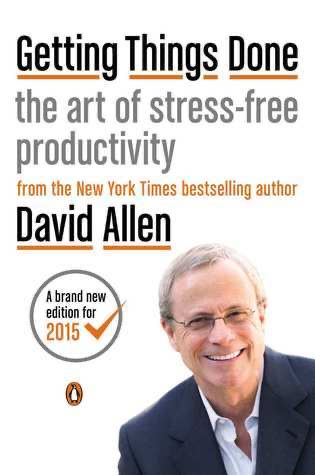 Getting Things Done: The Art of Stress-Free Productivity
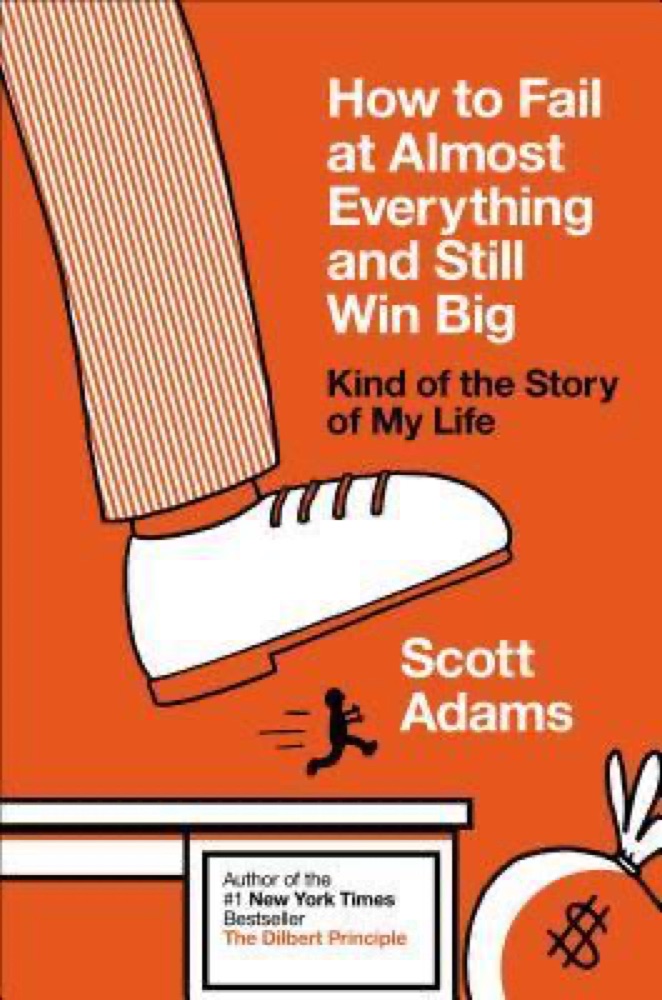 How to Fail at Almost Everything and Still Win Big: Kind of the Story of My Life
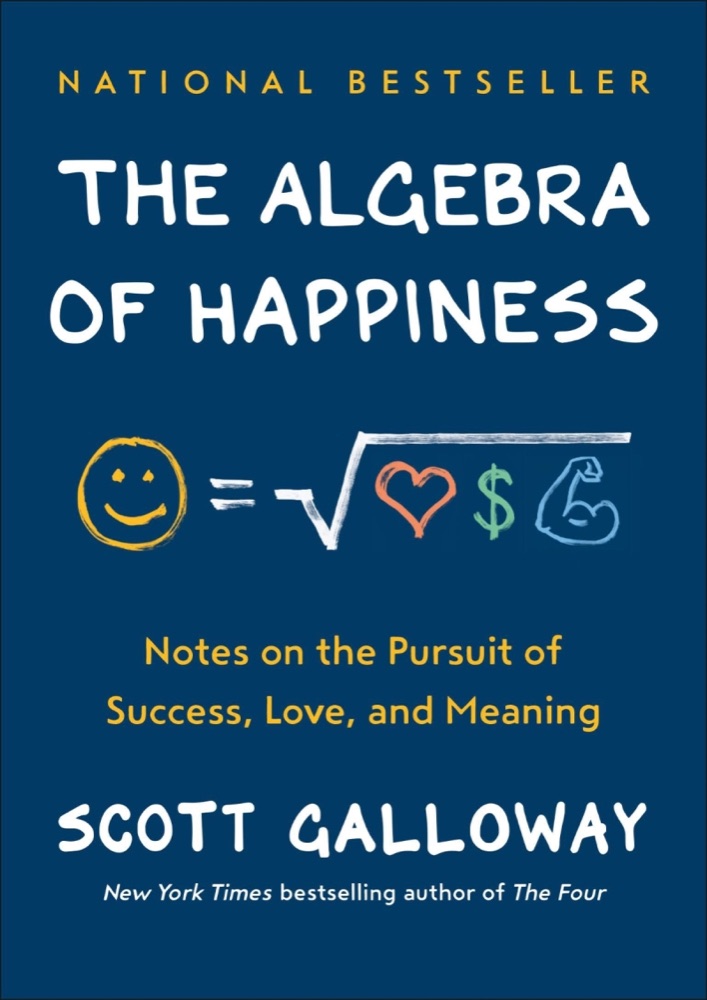 The Algebra of Happiness: Notes on the Pursuit of Success, Love, and Meaning
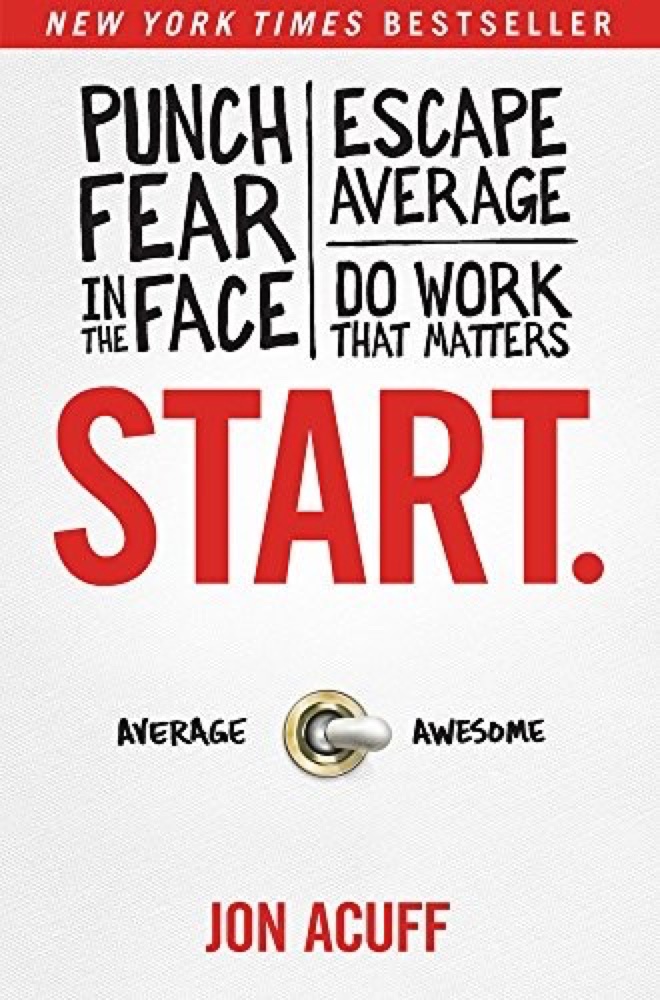 Start: Punch Fear in the Face, Escape Average and Do Work that Matters
 Getting There: A Book of Mentors
 The Accidental Creative: How to Be Brilliant at a Moment's Notice
 Antifragile: Things That Gain from Disorder
 Be Useful: Seven Tools for Life
 The Happiness Project
 The 5 AM Club: Own Your Morning. Elevate Your Life
 EntreLeadership: 20 Years of Practical Business Wisdom from the Trenches
 Do Epic Shit
 Discipline Is Destiny: The Power of Self-Control
 Ready for Anything: 52 Productivity Principles for Getting Things Done
 Overwhelmed: Work, Love, and Play When No One Has the Time
 Make Time: How to Focus on What Matters Every Day
 The Power of Focus
 Four Thousand Weeks: Time Management for Mortals
Tribe Of Mentors: Transformative Wisdom From Icons and Innovators to Help You Navigate Life's Challenges
Four Thousand Weeks: Time Management for Mortals
Tribe Of Mentors: Transformative Wisdom From Icons and Innovators to Help You Navigate Life's Challenges
 #Girlboss
 Choose Yourself: Be Happy, Make Millions, Live the Dream
 Excellent Advice for Living: Wisdom I Wish I'd Known Earlier
 Principles: Life and Work
 High Performance Habits: How Extraordinary People Become That Way
 We Were Three
 Wooden: A Lifetime of Observations and Reflections On and Off the Court
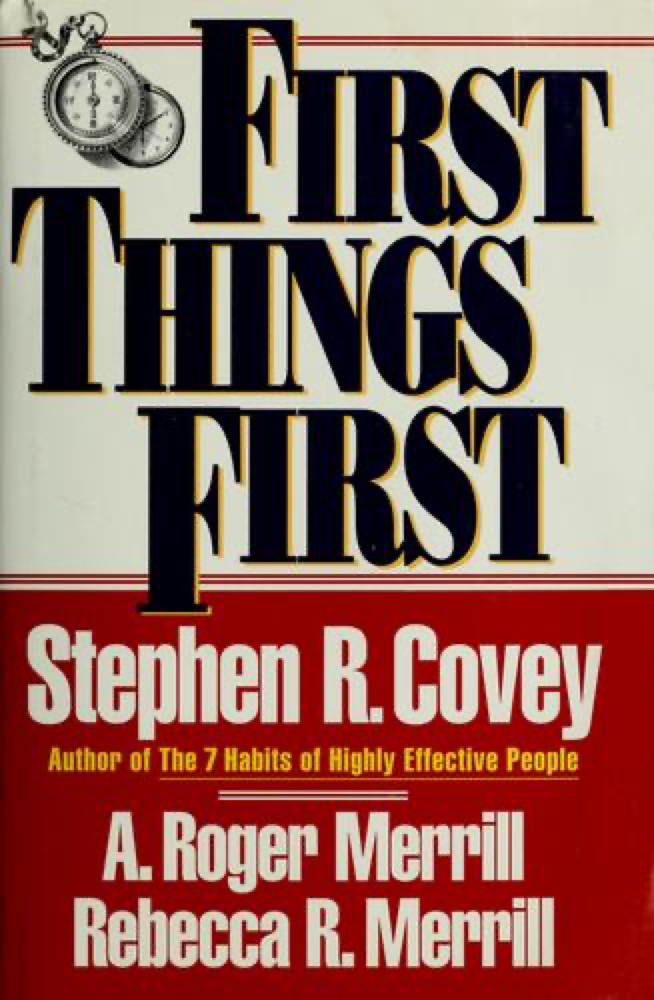 First Things First
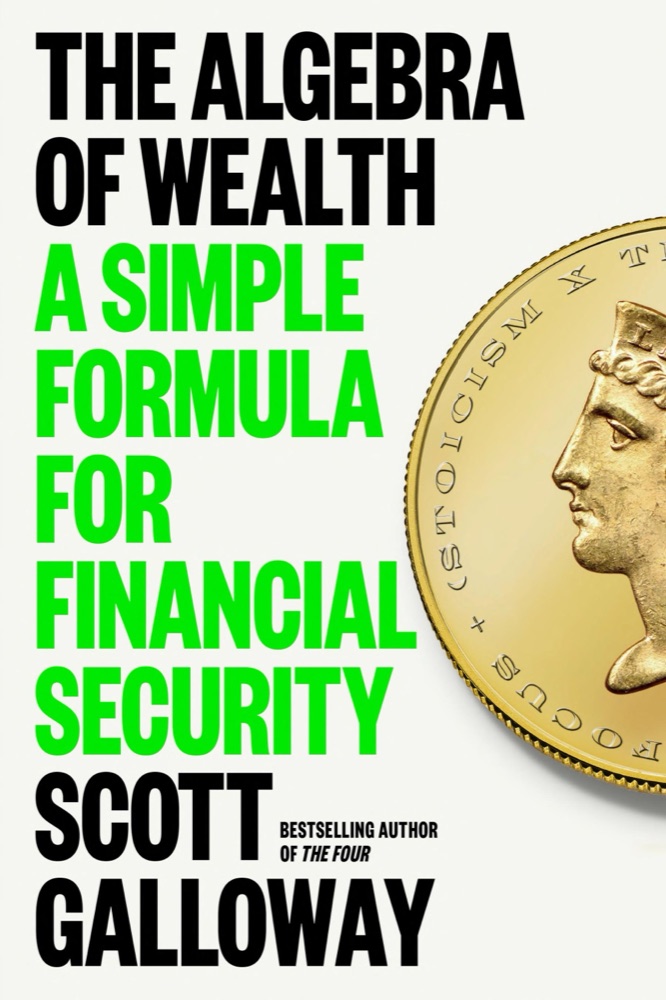 The Algebra of Wealth: A Simple Formula for Financial Security
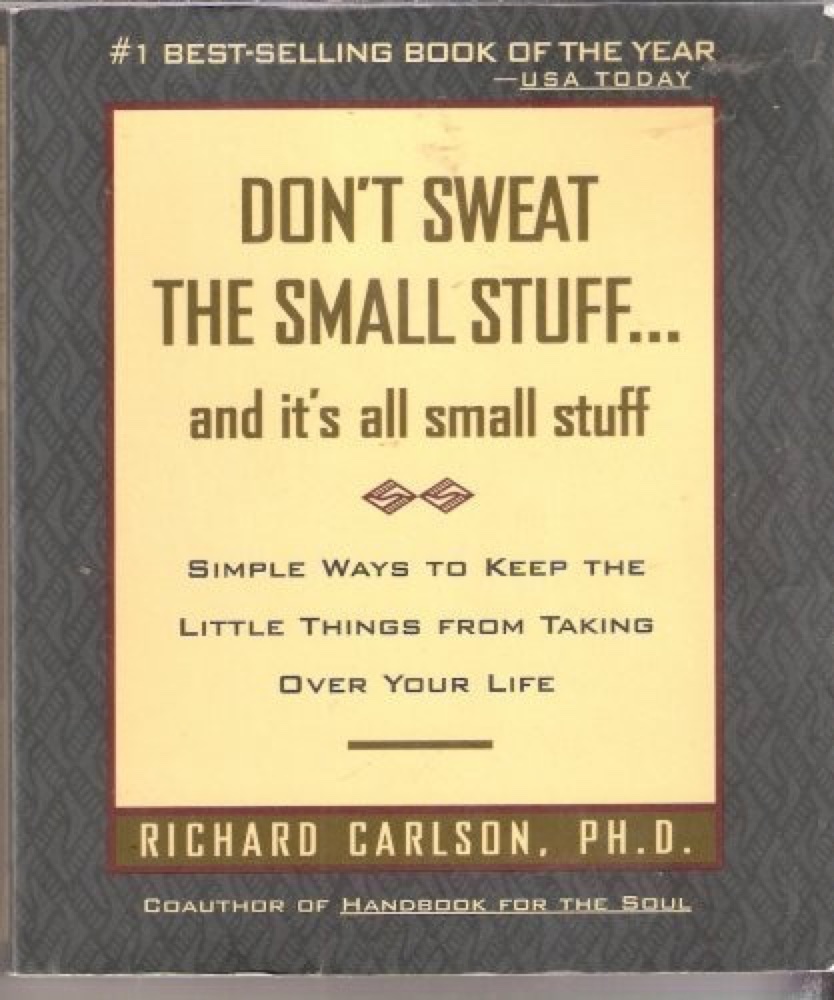 Don't Sweat the Small Stuff ... and it's all small stuff: Simple Ways to Keep the Little Things from Taking Over Your Life
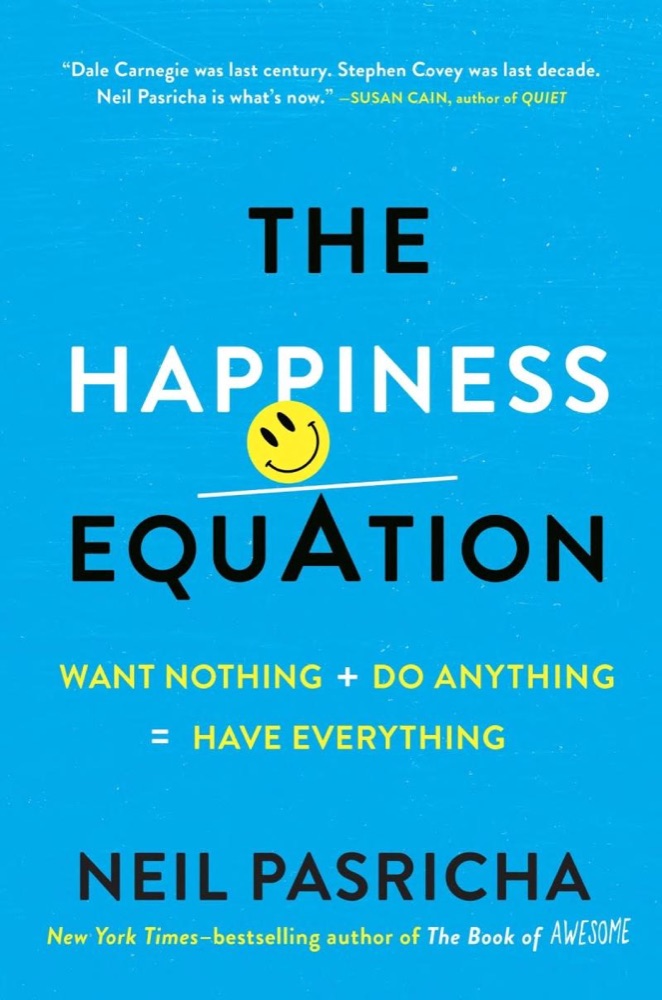 The Happiness Equation: Want Nothing + Do Anything = Have Everything
 Essentialism: The Disciplined Pursuit of Less
 The Success Principles: How to Get from Where You Are to Where You Want to Be
 The Freedom Manifesto
 Crazy Busy: A (Mercifully) Short Book about a (Really) Big Problem
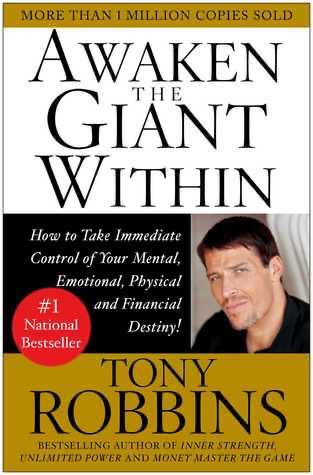 Awaken The Giant Within
 Time Enough for Love
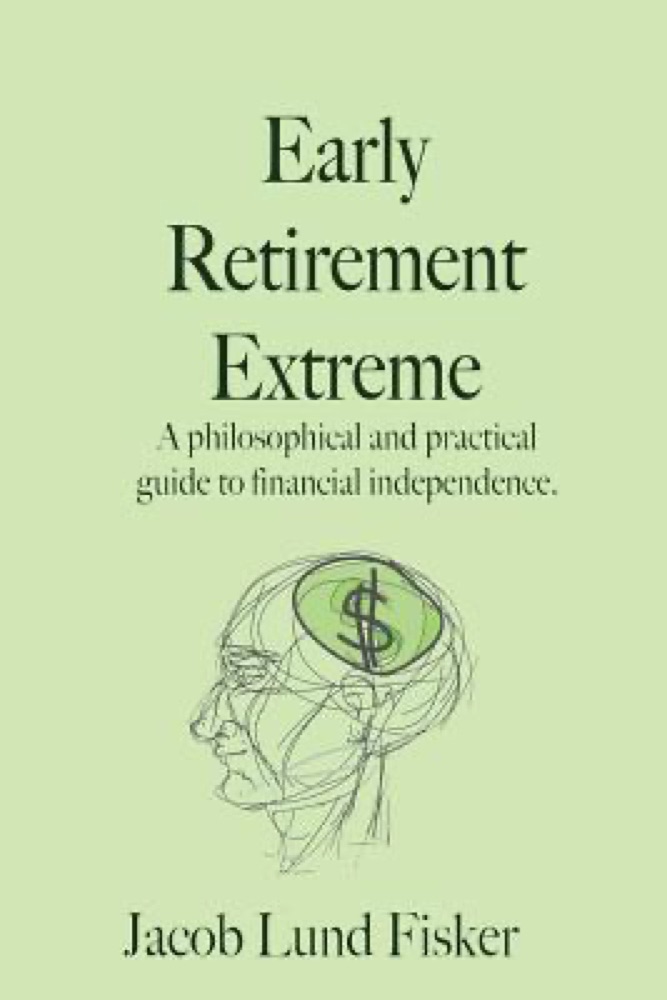 Early Retirement Extreme: A Philosophical and Practical Guide to Financial Independence
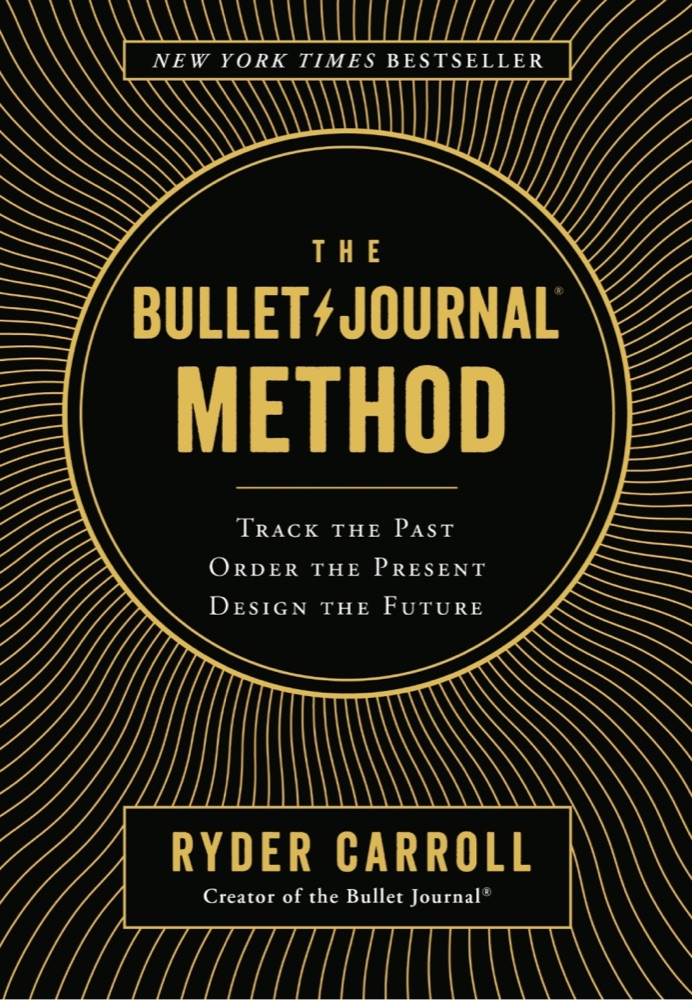 The Bullet Journal Method: Track Your Past, Order Your Present, Plan Your Future
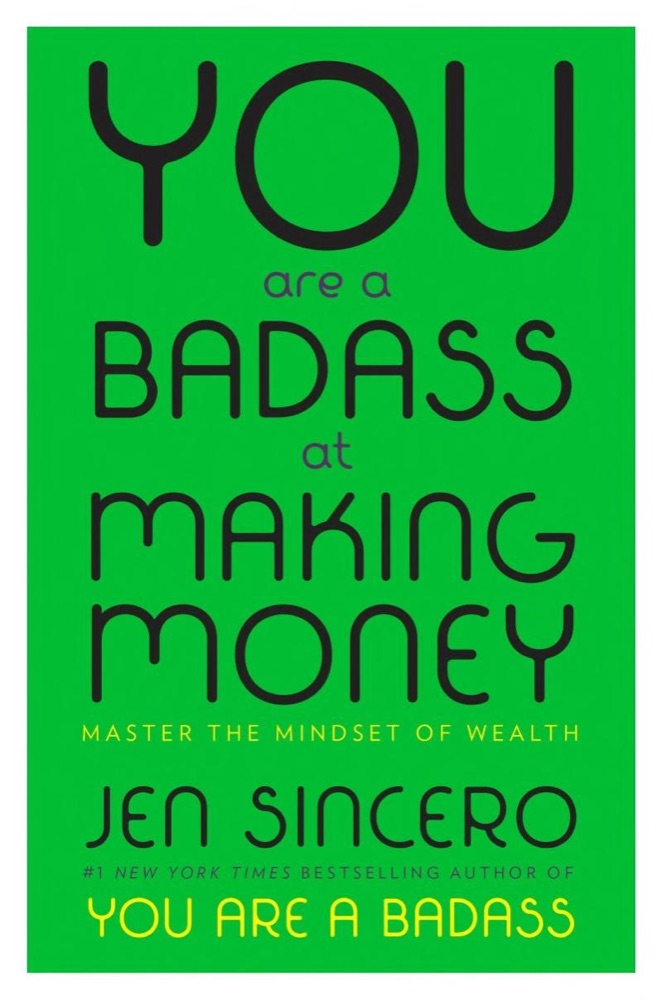 You Are a Badass at Making Money: Master the Mindset of Wealth
 How Will You Measure Your Life?
 The 5 Second Rule: Transform Your Life, Work, and Confidence with Everyday Courage
 Think Like a Freak
 The Compound Effect: Jumpstart Your Income, Your Life, Your Success
 Shoe Dog: A Memoir by the Creator of NIKE
 The 7 Habits of Highly Effective People: Personal Workbook
 The Millionaire Fastlane: Crack the Code to Wealth and Live Rich for a Lifetime!
 Capital Gaines: Smart Things I Learned Doing Stupid Stuff
 Winning
 I Can't Make This Up: Life Lessons