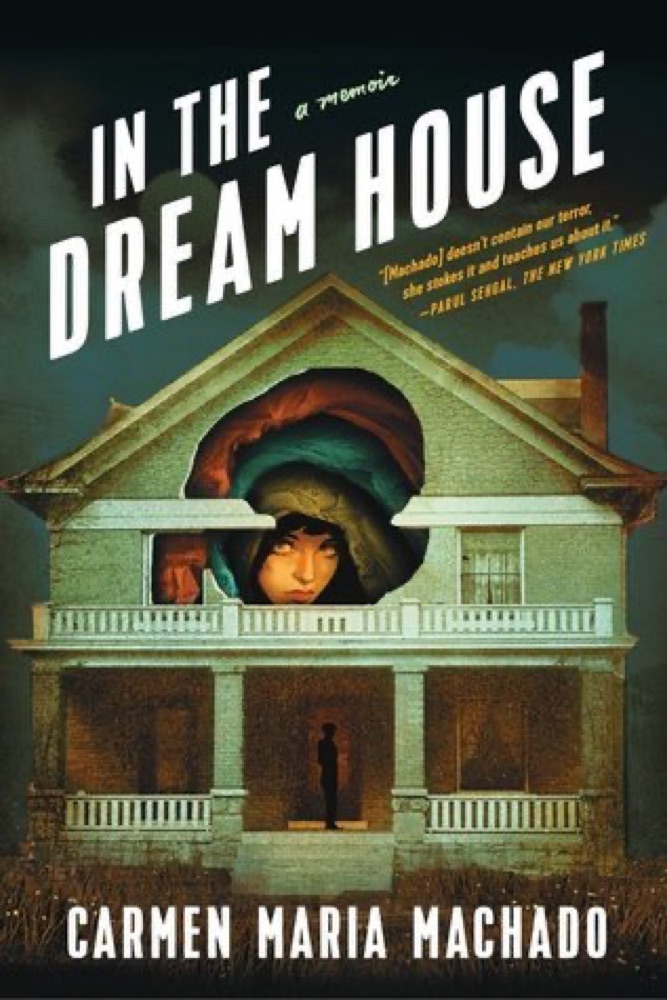

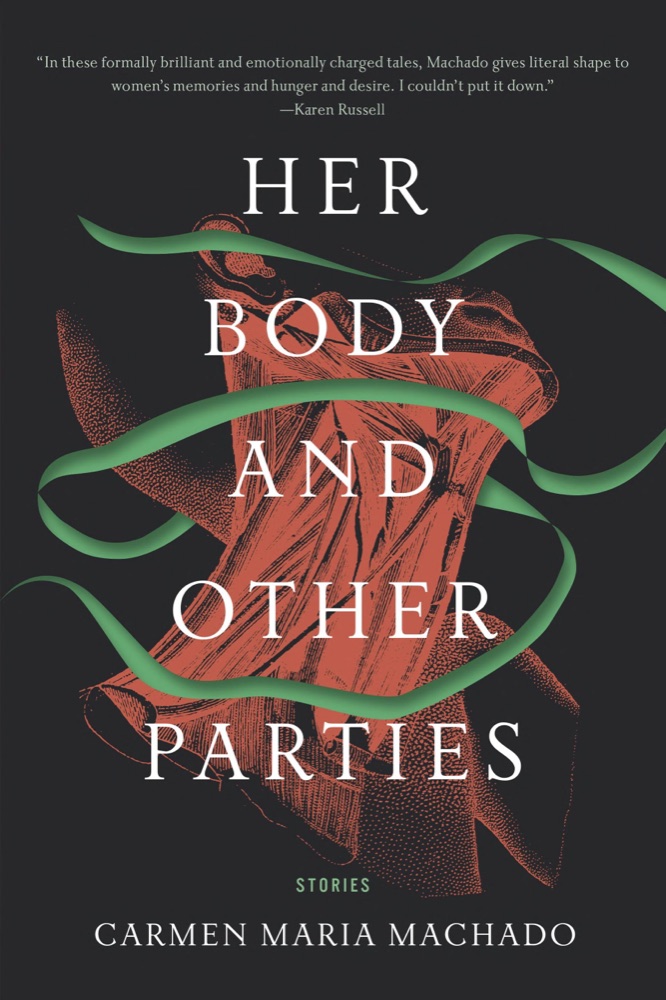
 Her Body and Other Parties
Quotes from the Book
A reminder to remember: just because the sharpness of the sadness has faded does not mean that it was not, once, terrible. It means only that time and space, creatures of infinite girth and tenderness, have stepped between the two of you, and they are keeping you safe as they were once unable to.
419
We deserve to have our wrongdoing represented as much as our heroism, because when we refuse wrongdoing as a possibility for a group of people, we refuse their humanity.
261
Abusers do not need to be, and rarely are, cackling maniacs. They just need to want something and not care how they get it.
165
We can’t stop living. Which means we have to live, which means we are alive, which means we are humans and we are human: some of us are unkind and some of us are confused and some of us sleep with the wrong people and some of us make bad decisions and some of us are murderers. And it sounds terrible but it is, in fact, freeing: the idea that queer does not equal good or pure or right. It is simply a state of being—one subject to politics, to its own social forces, to larger narratives, to moral complexities of every kind. So bring on the queer villains, the queer heroes, the queer sidekicks and secondary characters and protagonists and extras. They can be a complete cast unto themselves. Let them have agency, and then let them go.
148
You tried to tell your story to people who didn't know how to listen.
125
Love cannot be won or lost; a relationship doesn't have a scoring system. We are partners, paired against the world. We cannot succeed if we are at odds with each other.
124
Places are never just places in a piece of writing. If they are, the author has failed. Setting is not inert. It is activated by point of view.
101
There is a Quichua riddle: El que me nombra, me rompe. Whatever names me, breaks me. The solution, your course, is "silence." But the truth is, anyone who knows your name can break you in two.
92
The trouble with letting people see you at your worst isn’t that they’ll remember; it’s that you’ll remember. —Sarah Manguso
87
I had a room to myself as a kid, but my mother was always quick to point out that it wasn't my room, it was her room and I was merely permitted to occupy it. Her point, of course, was that my parents had earned everything and I was merely borrowing the space, and while this is technically true I cannot help but marvel at the singular damage of this dark idea: That my existence as a child was a kind of debt and nothing, no matter how small, was mine. That no space was truly private; anything of mine could be forfeited at someone else's whim.
84
I speak into the silence. I toss the stone of my story into a vast crevice; measure the emptiness by its small sound.
81
I think a lot about queer villains, the problem and pleasure and audacity of them. I know I should have a very specific political response to them. I know, for example, I should be offended by Disney’s lineup of vain, effete ne’er-do-wells (Scar, Jafar), sinister drag queens (Ursula, Cruella de Vil), and constipated, man-hating power dykes (Lady Tremaine, Maleficent). I should be furious at Downton Abbey’s scheming gay butler and Girlfriend’s controlling, lunatic lesbian, and I should be indignant about Rebecca and Strangers on a Train and Laura and The Terror and All About Eve, and every other classic and contemporary foppish, conniving, sissy, cruel, humorless, depraved, evil, insane homosexual on the large and small screen. And yet, while I recognize the problem intellectually—the system of coding, the way villainy and queerness became a kind of shorthand for each other—I cannot help but love these fictional queer villains. I love them for all of their aesthetic lushness and theatrical glee, their fabulousness, their ruthlessness, their power. They’re always by far the most interesting characters on the screen. After all, they live in a world that hates them. They’ve adapted; they’ve learned to conceal themselves. They’ve survived.
78
Nonstalgia (noun) The unsettling sensation that you are never be able to fully access the past; that once you are departed from an event, some essential quality of it is lost forever. A reminder to remember: just because the sharpness of the sadness has faded does not mean that it was not, once, terrible. It means only that time and space, creatures of infinite girth and tenderness, have stepped between the two of you, and they are keeping you safe as they were once unable to.
66
In this way, the Dream House was a haunted house. You were the sudden, inadvertent occupant of a place where bad things had happened. And then it occurs to you one day, standing in the living room, that you are this house's ghost: you are the one wandering from room to room with no purpose, gaping at the moving boxes that are never unpacked, never certain what you're supposed to do. After all, you don't need to die to leave a mark of psychic pain. If anyone is living in the Dream House now, he or she might be seeing the echo of you.
66
The truth is, there is no better place to live than in the shadow of a beautiful, furious mountain.
52
You are embarrassed about your blood, its redness, the way it is just coming out of you with no concern for anyone’s feelings. You are (…) embarrassed to be alive.
49
I thought you died, but writing this, I'm not sure you did.
49
She was a stranger because something essential was shielded, released in tiny bursts until it became a flood---a flood of what I realized I did not know. Afterward, I would mourn her as if she'd died, because something had: someone we had created together.
47
Fear makes liars of us all.
45
It’s not being radical to point out that people on the fringe have to be better than people in the mainstream, that they have twice as much to prove. In trying to get people to see your humanity, you reveal just that: your humanity. Your fundamentally problematic nature. All the unique and terrible ways in which people can, and do, fail.
42
Why do we teach girls their perspectives are inherently untrustworthy?" I would yell. I want to reclaim these word. After all, melodrama comes from melos, which means music, honey. A drama queen is nonetheless a queen.
41
How to read her coldness: She is preoccupied. She is unhappy. She is unhappy with you. You did something and now she’s unhappy, and you need to find out what it is so she will stop being unhappy. You talk to her. You are clear. You think you are clear. You say what you are thinking and you say it after thinking a lot, and yet when she repeats what you’ve said back to you nothing makes sense. Did you say that? Really? You can’t remember saying that or even thinking it, and yet she is letting you know that it was said, and you definitely meant it that way.
41
Your female crushes were always floating past you, out of reach, but she touches your arm and looks directly at you and you feel like a child buying something with her own money for the first time.
37
A house is never apolitical. It is conceived, constructed, occupied, and policed by people with power, needs, and fears.
36
you can be hurt by people who look just like you. Not only can it happen, it probably will, because the world is full of hurt people who hurt people. Even if the dominant culture considers you an anomaly, that doesn’t mean you can’t be common, common as fucking dirt.
35
When the historian of queer experience attempts to document a queer past, there is often a gatekeeper, representing a straight present.
33
If, one day, a milky portal had opened up in your bedroom and an older version of yourself had stepped out and told you what you know now, would you have listened?
32
Our bodies are ecosystems, and they shed and replace and repair until we die. And when we die, our bodies feed the hungry earth, our cells becoming part of other cells, and in the world of the living, where. we used to be, people kiss and hold hands and fall in love and fuck and laugh and cry and hurt others and nurse broken hearts and start wars and pull sleeping children out of car seats and shout at each other. If you could harness that energy – that constant, roving hunger – you could do wonders with it. You could push the earth inch by inch through the cosmos until it collided heart first with the sun.
30
The inhabitant gives the room its purpose. Your actions are mightier than any architect's intentions.
28
This is how emotions work, right? They get tangled and complicated? They take on their own life? Trying to control them is like trying to control a wild animal: no matter how much you think you’ve taught them, they’re willful. They have minds of their own. That’s the beauty of wildness.
27
Watch on YouTube
About Carmen Maria Machado
We have collected 71 quotes from 2 books by Carmen Maria Machado on BookQuoters.
More about the author →More by Carmen Maria Machado
Her Body and Other Parties
About the book
For years Carmen Maria Machado has struggled to articulate her experiences in an abusive same-sex relationship. In this extraordinarily candid and radically inventive memoir, Machado tackles a dark and difficult subject with wit, inventiveness and an inquiring spirit, as she uses a series of narrative tropes—including classic horror themes—to create an entirely unique piece of work which is destined to become an instant classic.
Book details
- First published
- 2019
- Author
- Carmen Maria Machado
- Genre
- Nonfiction
- Goodreads rating
- 4.37 (168k ratings)
The buzz
- NPRIn The Dream House' Conveys A Haunting Nightmare By Inventing A New Form Of Memoir2019praises the inventive, genre-shifting form of the memoir
- The New YorkerCarmen Maria Machado's Many Haunted Stories of a Toxic Relationship2019Katy Waldman on how Machado renders queer abuse through narrative tropes
- The GuardianIn the Dream House review – a raw account of an abusive lesbian relationship2020UK review of the memoir's account of same-sex domestic abuse
- VoxIn the Dream House review: Carmen Maria Machado's memoir stuns2019Constance Grady on the book's formal ambition and emotional force
- SlateCarmen Maria Machado's memoir, In the Dream House, reviewed2019Laura Miller on the memoir's structure and archive of queer abuse
- Los Angeles Review of BooksThe Ghosts That Have Always Been Here: Queer Abuse in Carmen Maria Machado's In the Dream House2019long-form essay on queer abuse and erasure in the memoir
Keep reading
 The House of Hidden Meanings
 The Silent Patient
 Conviction
 The Blind Assassin
 Dear Senthuran: A Black Spirit Memoir
 Every Heart a Doorway
 Haunted
 Stay
Stay
 The Yearbook
 The Trauma Cleaner: One Woman's Extraordinary Life in the Business of Death, Decay, and Disaster
 Blueberries: Essays Concerning Understanding
 Make It Scream, Make It Burn
Her Body and Other Parties
Make It Scream, Make It Burn
Her Body and Other Parties
 The Story of the Lost Child
 Oranges Are Not the Only Fruit
 Black Iris
 Take Me With You
 The New Couple in 5B
 Brief Interviews with Hideous Men
 Gone Girl
 Anthropology of an American Girl
 Yumi and the Nightmare Painter
 Cam Girl
 Tell Me More: Stories About the 12 Hardest Things I'm Learning to Say
 The Unbound
 Special Topics in Calamity Physics
 The Harder I Fight the More I Love You: A Memoir
 The Shock of the Fall
 Girl with Curious Hair
 The Argonauts
 Trigger Warning: Short Fictions and Disturbances
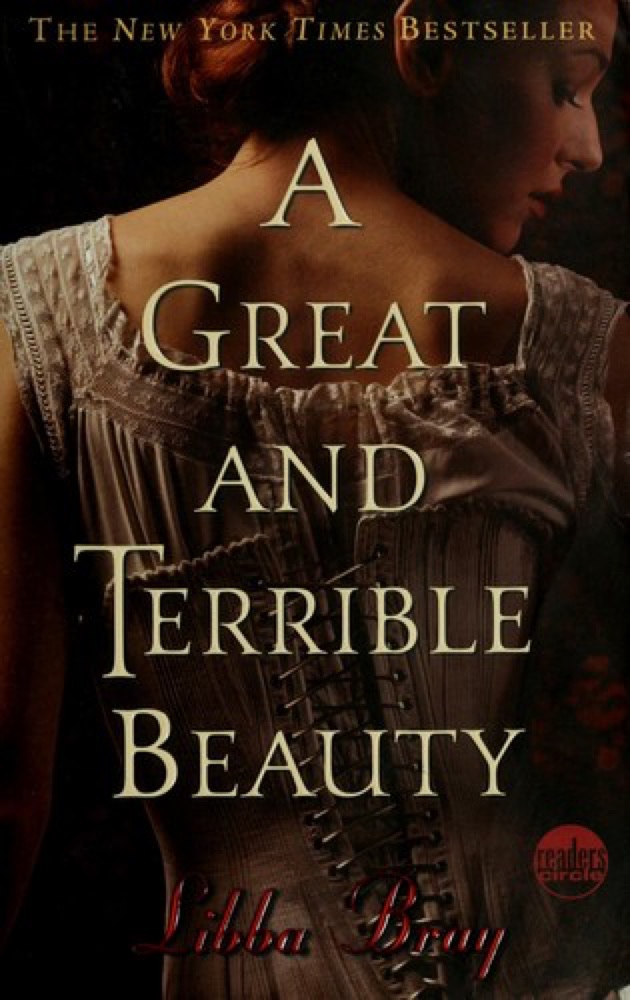 A Great and Terrible Beauty
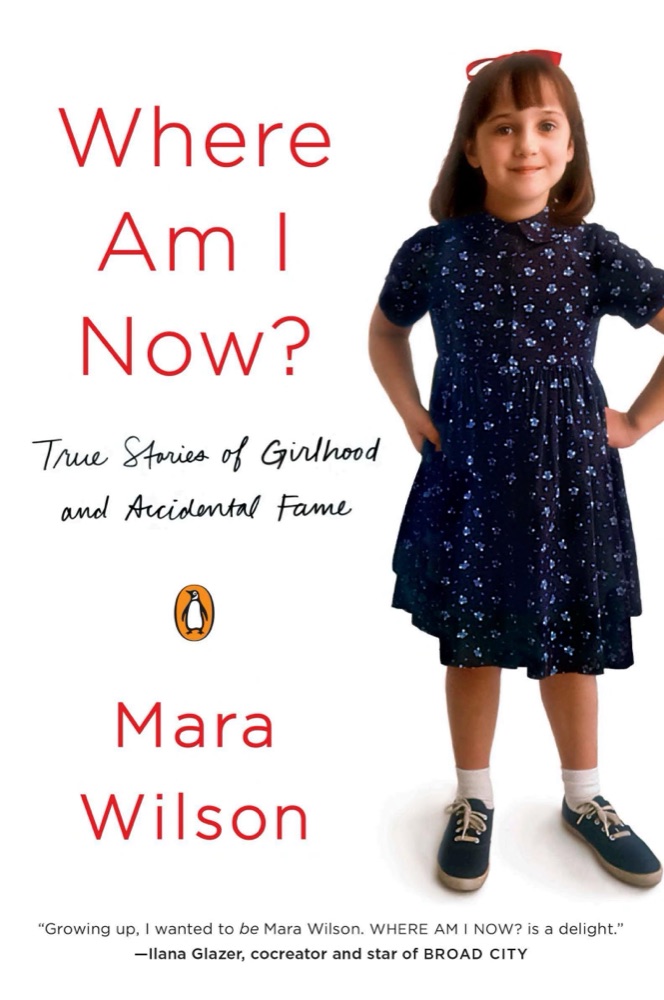 Where Am I Now?
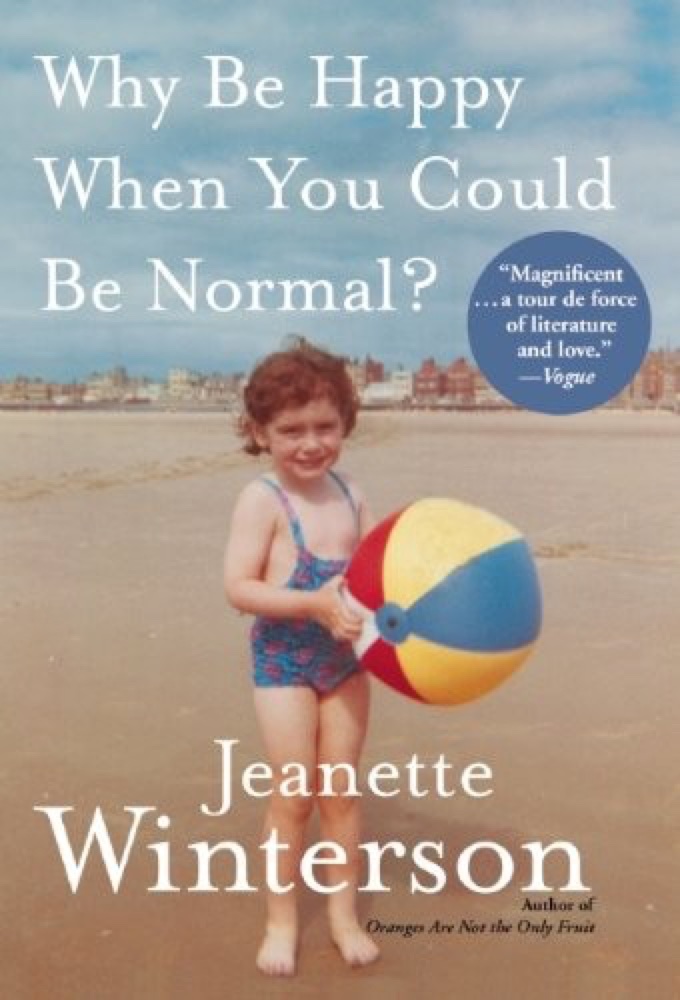 Why Be Happy When You Could Be Normal?
 The Tsar of Love and Techno
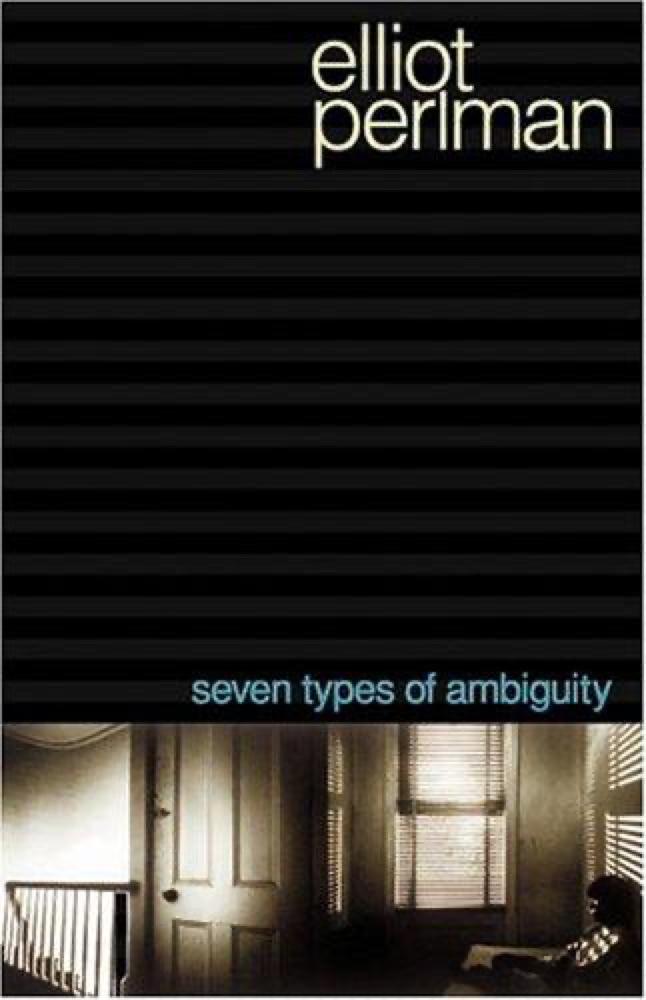 Seven Types of Ambiguity
 In The Blood
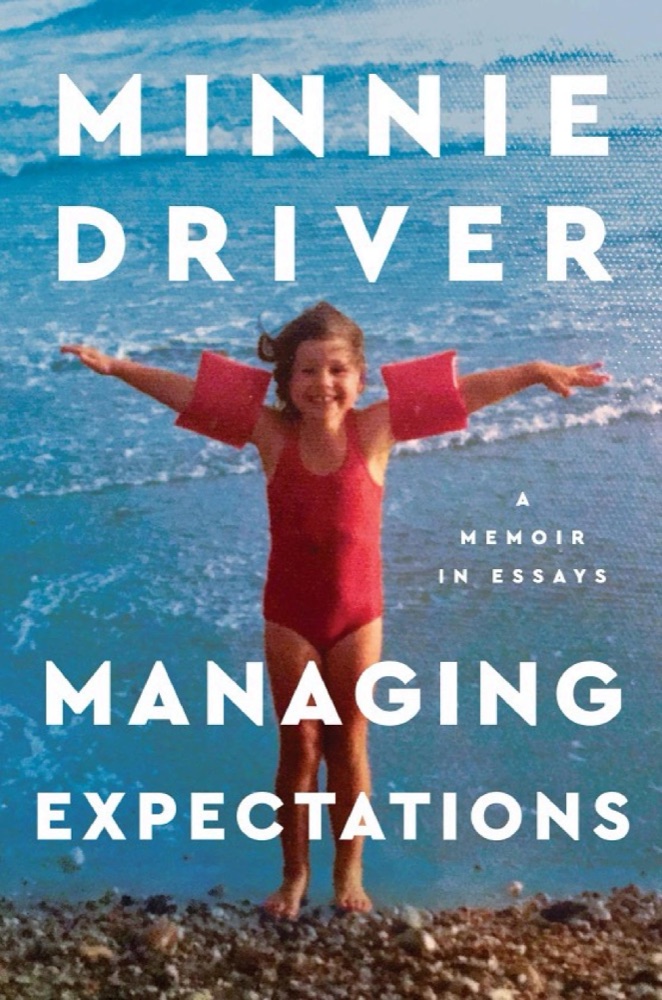 Managing Expectations: A Memoir in Essays – A Poignant Collection of Personal Stories on Acting, Failure, and Motherhood's Joy
 The Storyteller
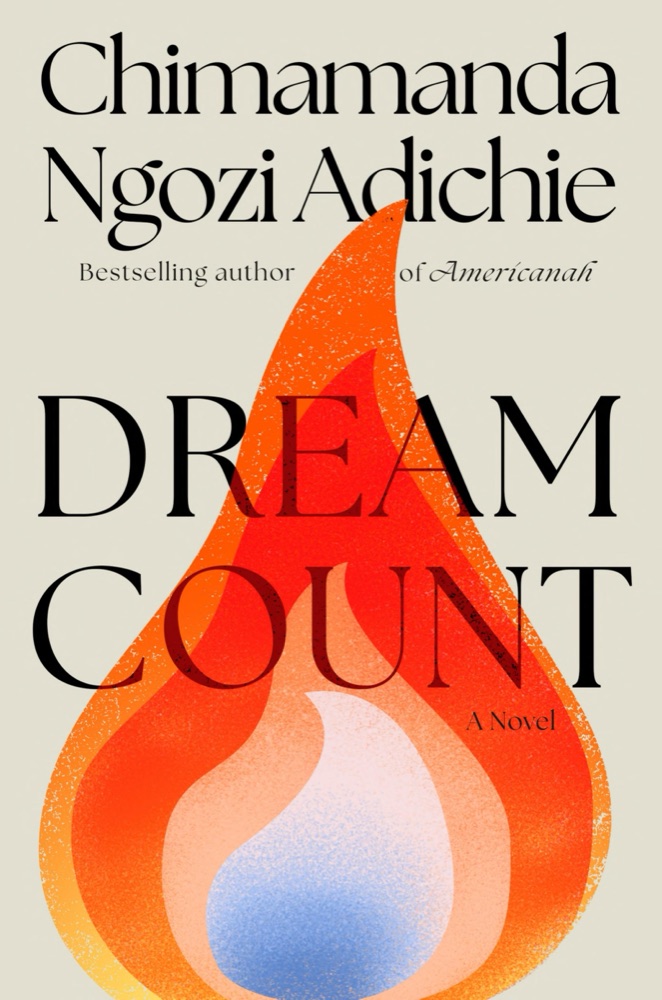 Dream Count
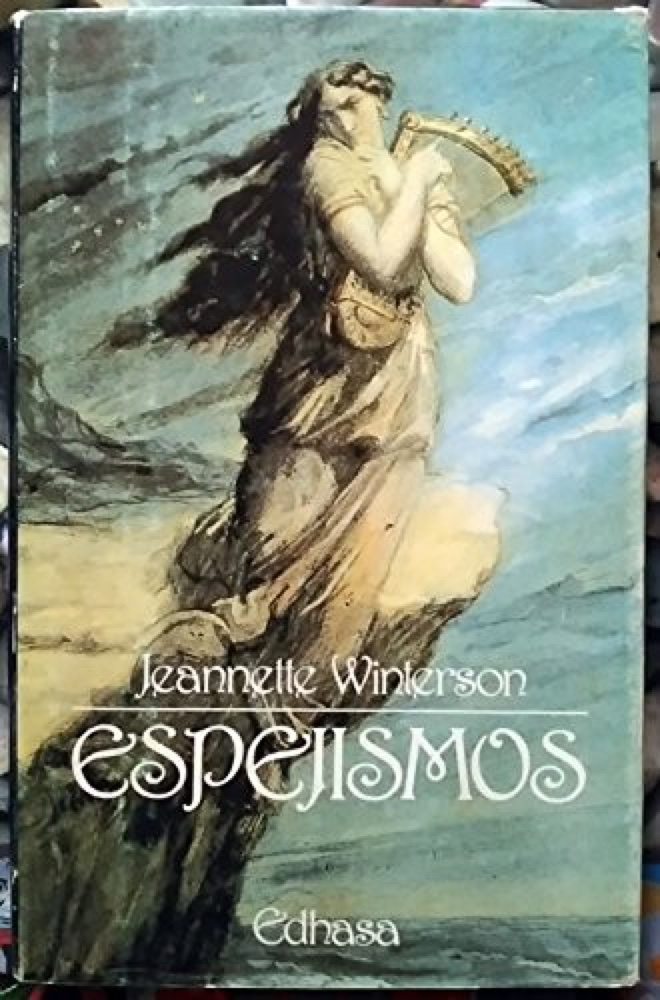 Sexing the Cherry
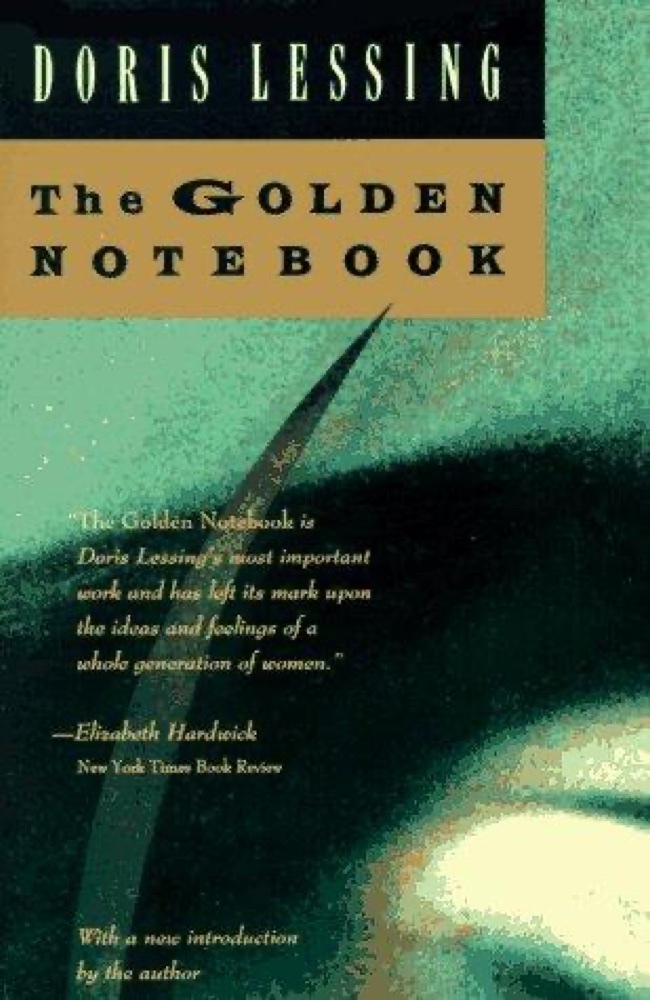 The Golden Notebook
 Biography of X
 A History of My Brief Body
 Horror Stories: A Memoir
 All Is Not Forgotten
 Hollywood Park
 Fear of Flying
 The Handmaid's Tale
 Like Streams to the Ocean: Notes on Ego, Love, and the Things That Make Us Who We Are
 Words on Bathroom Walls
 Everything Sad Is Untrue
 Fierce Femmes and Notorious Liars
 Hold Tight
 The Name of the Wind
 Riding the Elephant: A Memoir of Altercations, Humiliations, Hallucinations, and Observations
 The Likeness
 The Chronology of Water
 No One Writes Back
 A Small Indiscretion