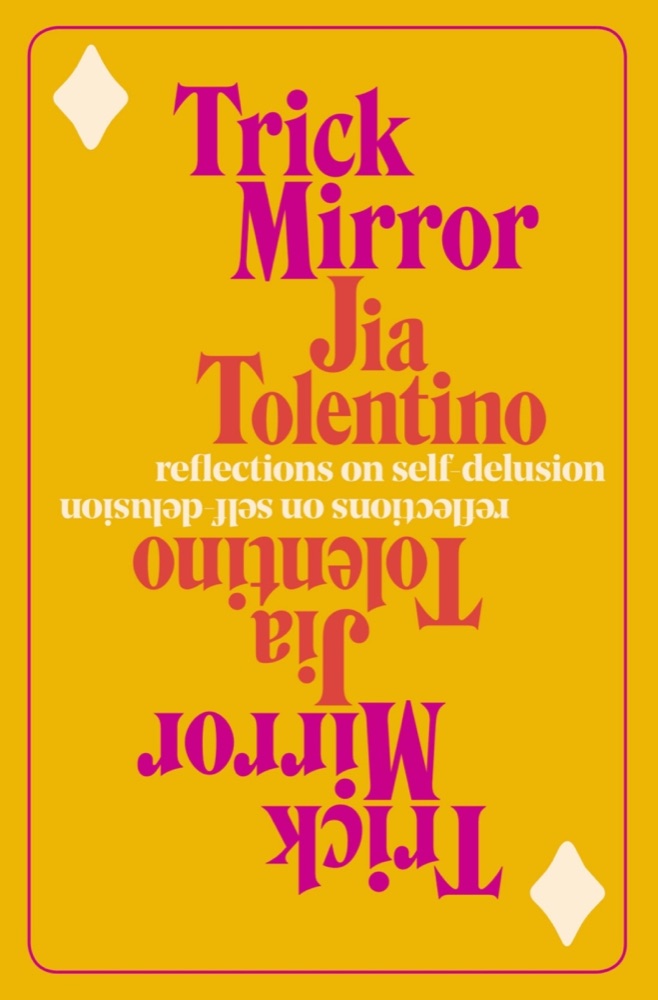

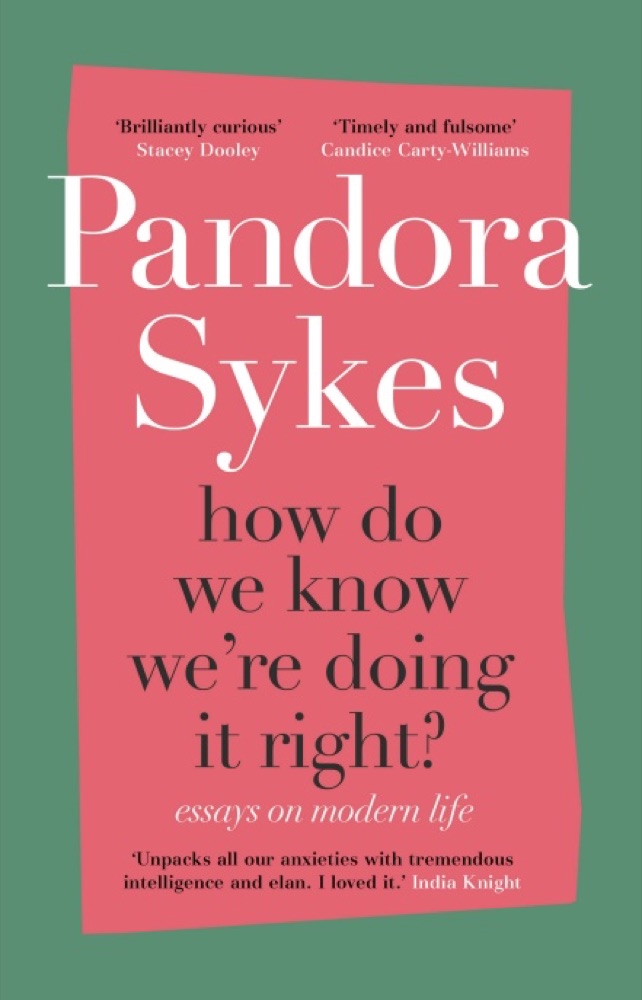
 How Do We Know We're Doing It Right: & Other Essays on Modern Life
Quotes from the Book
The default assumption tends to be that it is politically important to designate everyone as beautiful, that it is a meaningful project to make sure that everyone can become, and feel, increasingly beautiful. We have hardly tried to imagine what it might look like if our culture could do the opposite—de-escalate the situation, make beauty matter less.
122
And here one of the most soul-crushing things about the Trump era reveals itself: to get through it with any psychological stability—to get through it without routinely descending into an emotional abyss—a person’s best strategy is to think mostly of himself, herself. As wealth continues to flow upward, as Americans are increasingly shut out of their own democracy, as political action is constrained into online spectacle, I have felt so many times that the choice of this era is to be destroyed or to morally compromise ourselves in order to be functional—to be wrecked, or to be functional for reasons that contribute to the wreck.
76
how the internet is built to distend our sense of identity; second, how it encourages us to overvalue our opinions; third, how it maximizes our sense of opposition; fourth, how it cheapens our understanding of solidarity; and, finally, how it destroys our sense of scale.
76
I’ve been thinking about five intersecting problems: first, how the internet is built to distend our sense of identity; second, how it encourages us to overvalue our opinions; third, how it maximizes our sense of opposition; fourth, how it cheapens our understanding of solidarity; and, finally, how it destroys our sense of scale.
59
Beauty work is labeled “self-care” to make it sound progressive
58
Writing is either a way to shed my self-delusions or a way to develop them. A well-practiced, conclusive narrative is usually a dubious one:
54
The freedom I want is located in a world where we wouldn't need to love women, or even monitor our feelings about women as meaningful—in which we wouldn't need to parse the contours of female worth and liberation by paying meticulous personal attention to any of this at all.
50
A woman is unruly if anyone has incorrectly decided that she’s too much of something, and if she, in turn, has chosen to believe that she’s just fine.
49
When you are a woman, the things you like get used against you. Or, alternatively, the things that get used against you have all been prefigured as things you should like. Sexual availability falls into this category. So does basic kindness, and generosity. Wanting to look good—taking pleasure in trying to look good—does, too.
41
The fact that everything feels like God to me ensured that I would not remain a Christian.
36
striving to look carefree and happy can interfere with your ability to feel so.
35
There is less time these days for anything other than economic survival. The internet has moved seamlessly into the interstices of this situation, redistributing our minimum of free time into unsatisfying micro-installments, spread throughout the day. In the absence of time to physically and politically engage with our community the way many of us want to, the internet provides a cheap substitute: it gives us brief moments of pleasure and connection, tied up in the opportunity to constantly listen and speak. Under these circumstances, opinion stops being a first step toward something and starts seeming like an end in itself.
30
Women are genuinely trapped at the intersection of capitalism and patriarchy—two systems that, at their extremes, ensure that individual success comes at the expense of collective morality. And yet there is enormous pleasure in individual success. It can feel like license and agency to approach an ideal, to find yourself—in a good picture, on your wedding day, in a flash of identical movement—exemplifying a prototype. There are rewards for succeeding under capitalism and patriarchy; there are rewards even for being willing to work on its terms. There are nothing but rewards, at the surface level. The trap looks beautiful. It’s well-lit. It welcomes you in.
29
There is no good answer to being a woman; the art may instead lie in how we refuse the question.
28
I cling to the Milan women's understanding of these literary heroines as mothers. I wish I had learned to read them in this way years ago--with the same complicated, ambivalent, essential freedom that a daughter feels when she looks at her mother, understanding her as a figure that she simultaneously resists and depends on; a figure that she uses, cruelly and lovingly and gratefully, as the base from which to become something more.
28
It’s very easy, under conditions of artificial but continually escalating obligation, to find yourself organizing your life around practices you find ridiculous and possibly indefensible. Women have known this intimately for a long time.
27
The internet reminds us on a daily basis that it is not at all rewarding to become aware of problems that you have no reasonable hope of solving. And, more important, the internet already is what it is. It has already become the central organ of contemporary life. It has already rewired the brains of its users, returning us to a state of primitive hyperawareness and distraction while overloading us with much more sensory input than was ever possible in primitive times. It has already built an ecosystem that runs on exploiting attention and monetizing the self. Even if you avoid the internet completely—my partner does: he thought #tbt meant “truth be told” for ages—you still live in the world that this internet has created, a world in which selfhood has become capitalism’s last natural resource, a world whose terms are set by centralized platforms that have deliberately established themselves as near-impossible to regulate or control.
26
Has anyone ever written a great novel about a woman who is happy in her marriage? Of course, most protagonists are unhappy. But heroes are mostly unhappy for existential reasons; heroines suffer for social reasons, because of male power, because of men.
25
I have felt so many times that the choice of this era is to be destroyed or to morally compromise ourselves in order to be functional—to be wrecked, or to be functional for reasons that contribute to the wreck.
24
The last few years have taught me to suspend my desire for a conclusion, to assume that nothing is static and that renegotiation will be perpetual, to hope primarily that little truths will keep emerging in time.
20
Identity, according to Cavarero, is not something that we innately possess and reveal, but something we understand through narratives provided to us by others.
18
Not all men have made women fearful, but yes, all women have experienced fear because of men.
18
There was no limit to the amount of misfortune a person could take in via the internet, I wrote, and there was no way to calibrate this information correctly—no guidebook for how to expand our hearts to accommodate these simultaneous scales of human experience, no way to teach ourselves to separate the banal from the profound. The internet was dramatically increasing our ability to know about things, while our ability to change things stayed the same, or possibly shrank right in front of us. I had started to feel that the internet would only ever induce this cycle of heartbreak and hardening—a hyper-engagement that would make less sense every day.
18
Something had happened, and she wanted to tell other people, so that they would know what happened and how she felt. But when she tried to tell it—maybe to somebody else, maybe to herself—the story had no power. It didn’t sound, in the telling, anything like what it felt like in the living. It sounded ordinary, mundane, eminently forgettable, like a million things that had happened to a million other women—but that wasn’t what it felt like to her.
17
all my life I’ve been leaving myself breadcrumbs. It didn’t matter that I didn’t always know what I was walking toward. It was worthwhile, I told myself, just trying to see clearly, even if it took me years to understand what I was trying to see.
16
What’s amazing is that things like hashtag design—these essentially ad hoc experiments in digital architecture—have shaped so much of our political discourse. Our world would be different if Anonymous hadn’t been the default username on 4chan, or if every social media platform didn’t center on the personal profile, or if YouTube algorithms didn’t show viewers increasingly extreme content to retain their attention, or if hashtags and retweets simply didn’t exist. It’s because of the hashtag, the retweet, and the profile that solidarity on the internet gets inextricably tangled up with visibility, identity, and self-promotion. It’s telling that the most mainstream gestures of solidarity are pure representation, like viral reposts or avatar photos with cause-related filters, and meanwhile the actual mechanisms through which political solidarity is enacted, like strikes and boycotts, still exist on the fringe.
15
Capitalism has no land left to cultivate but the self. Everything is being cannibalized—not just goods and labor, but personality and relationships and attention. The next step is complete identification with the online marketplace, physical and spiritual inseparability from the internet: a nightmare that is already banging down the door.
14
Facebook’s goal of showing people only what they were interested in seeing resulted, within a decade, in the effective end of shared civic reality. And this choice, combined with the company’s financial incentive to continually trigger heightened emotional responses in its users, ultimately solidified the current norm in news media consumption: today we mostly consume news that corresponds with our ideological alignment, which has been fine-tuned to make us feel self-righteous and also mad.
14
Where we had once been free to be ourselves online, we were now chained to ourselves online, and this made us self-conscious. Platforms that promised connection began inducing mass alienation.
14
We have to have our dark corners and the unexplained. We will become uninhabitable in a way an apartment will become uninhabitable if you illuminate every single dark corner and under the table and wherever—you cannot live in a house like this anymore.
14
Watch on YouTube
About Jia Tolentino
We have collected 30 quotes from 1 book by Jia Tolentino on BookQuoters.
More about the author →About the book
Trick Mirror is an enlightening, unforgettable trip through the river of self-delusion that surges just beneath the surface of our lives. This is a book about the incentives that shape us, and about how hard it is to see ourselves clearly in a culture that revolves around the self. In each essay, Jia writes about the cultural prisms that have shaped her: the rise of the nightmare social internet; the American scammer as millennial hero; the literary heroine’s journey from brave to blank to bitter; the mandate that everything, including our bodies, should always be getting more efficient and beautiful until we die.
Book details
- First published
- 2019
- Author
- Jia Tolentino
- Genre
- Nonfiction
- Goodreads rating
- 4.02 (79k ratings)
The buzz
- The New York TimesReview in The New York Timesprofessional review (via Book Marks)
- The Washington PostReview in The Washington Postprofessional review (via Book Marks)
- The Wall Street JournalReview in The Wall Street Journalprofessional review (via Book Marks)
- The GuardianReview in The Guardianprofessional review (via Book Marks)
- NPRReview in NPRprofessional review (via Book Marks)
- The TimesReview in The Timesprofessional review (via Book Marks)
Keep reading
How Do We Know We're Doing It Right: & Other Essays on Modern Life
 Selfie: How the West Became Self-Obsessed
 The Argonauts
 White
White
 The Age of Magical Overthinking: Notes on Modern Irrationality
 On Our Best Behavior: The Seven Deadly Sins and the Price Women Pay to Be Good
 My Life on the Road
 What If This Were Enough?: Essays
 Hunger Makes Me a Modern Girl
 The Mother of All Questions
 Shrill: Notes from a Loud Woman
 Becoming
 The Folded Clock: A Diary
 Recollections of My Nonexistence: A Memoir
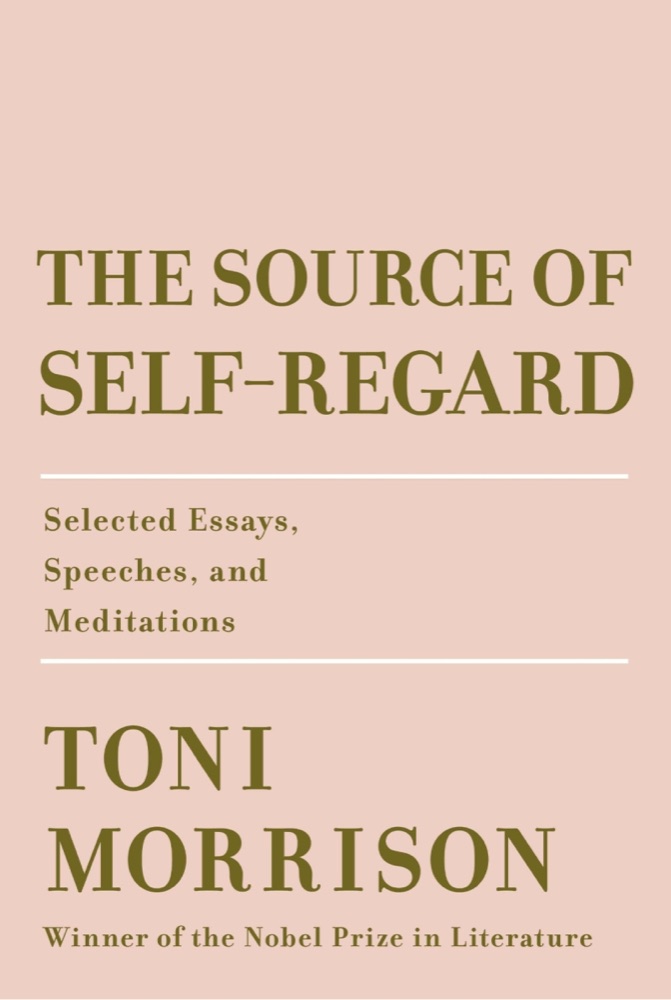 The Source of Self-Regard: Selected Essays, Speeches, and Meditations
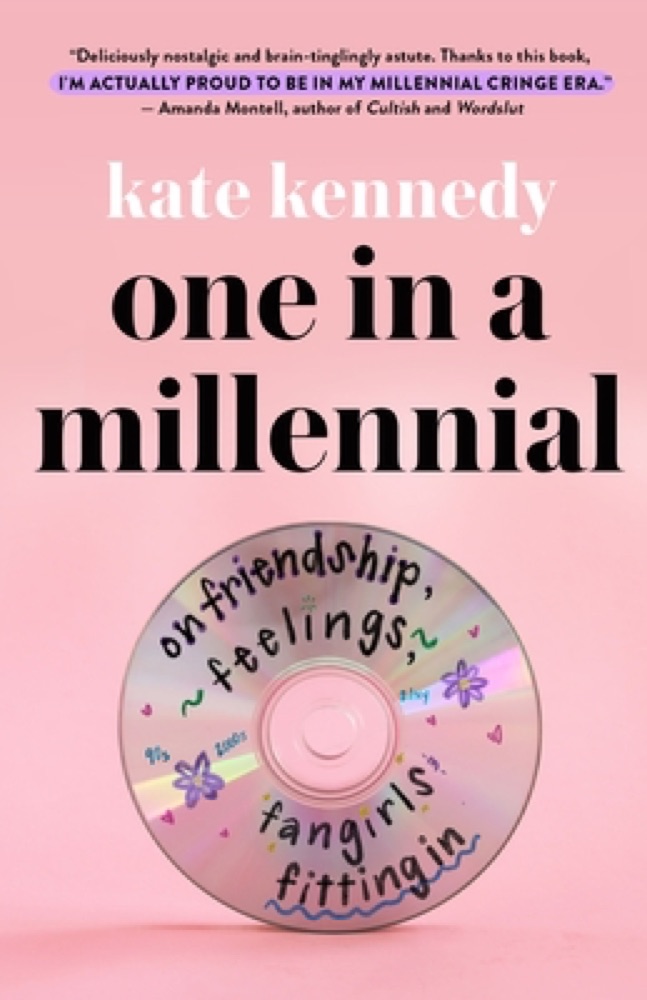 One in a Millennial: On Friendship, Feelings, Fangirls, and Fitting In
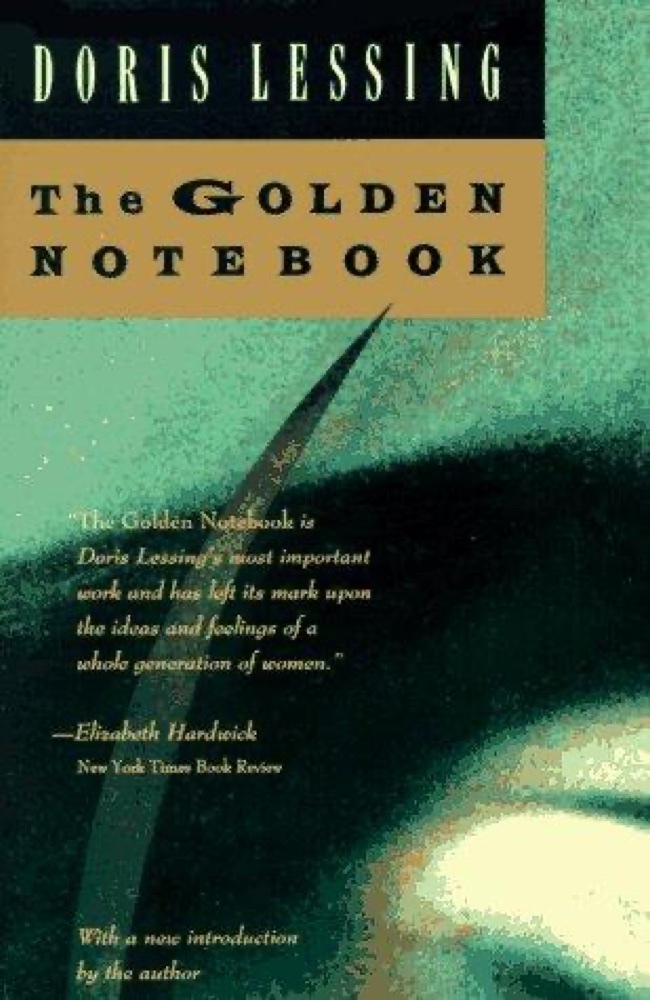 The Golden Notebook
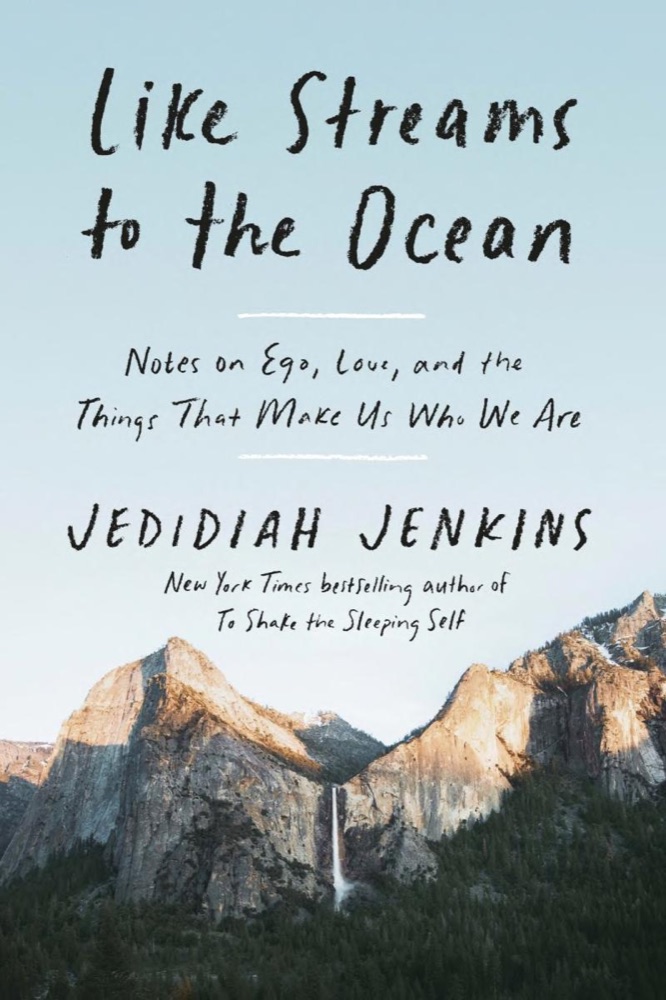 Like Streams to the Ocean: Notes on Ego, Love, and the Things That Make Us Who We Are
 On Connection
 The House of Hidden Meanings
 Girls Can Kiss Now: Essays
 The Cost of Living: A Working Autobiography
 No Time To Spare: Thinking About What Matters
 Skin: Talking About Sex, Class And Literature
 Revolution from Within: A Book of Self-Esteem
 Opinions: A Decade of Arguments, Criticism, and Minding Other People’s Business
 Living a Feminist Life
 How to Stay Sane in an Age of Division
 We Learn Nothing
 Dream Count
 Monsters: A Fan's Dilemma
 More Than Enough: Claiming Space for Who You Are
 The Candy House
 This Is Not a Book About Benedict Cumberbatch: The Joy of Loving Something--Anything--Like Your Life Depends On It
 Brave
Brave
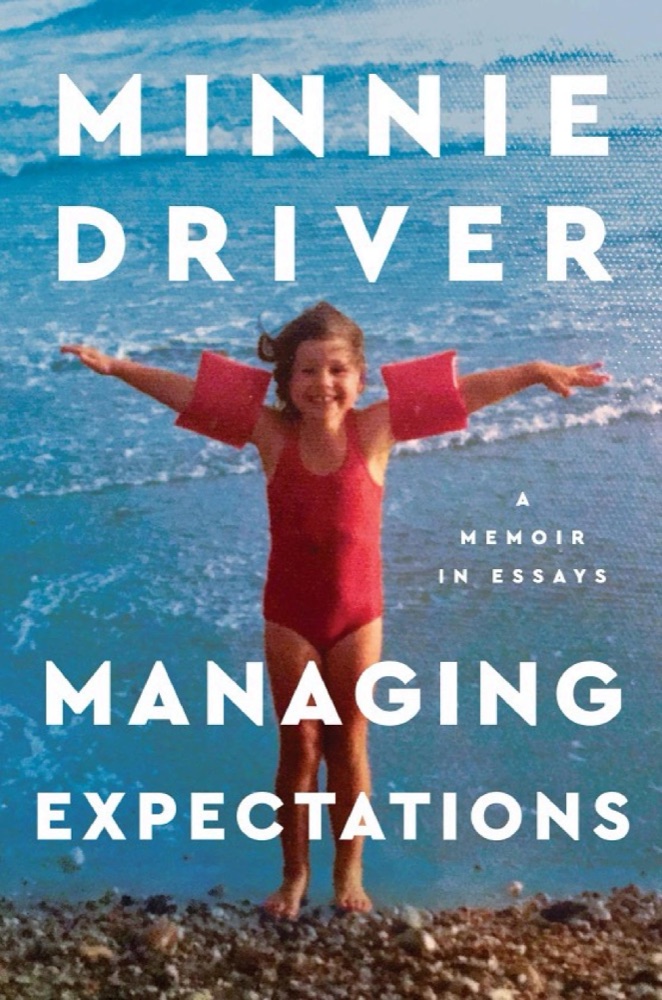 Managing Expectations: A Memoir in Essays – A Poignant Collection of Personal Stories on Acting, Failure, and Motherhood's Joy
 An Absolutely Remarkable Thing
 A Room Called Earth
 All Fours
 Where Am I Now?
 Stories of Your Life and Others
 Bright-Sided: How the Relentless Promotion of Positive Thinking Has Undermined America
 Thick: And Other Essays
 Old Babes in the Wood: Stories
 This Bridge Called My Back: Writings by Radical Women of Color
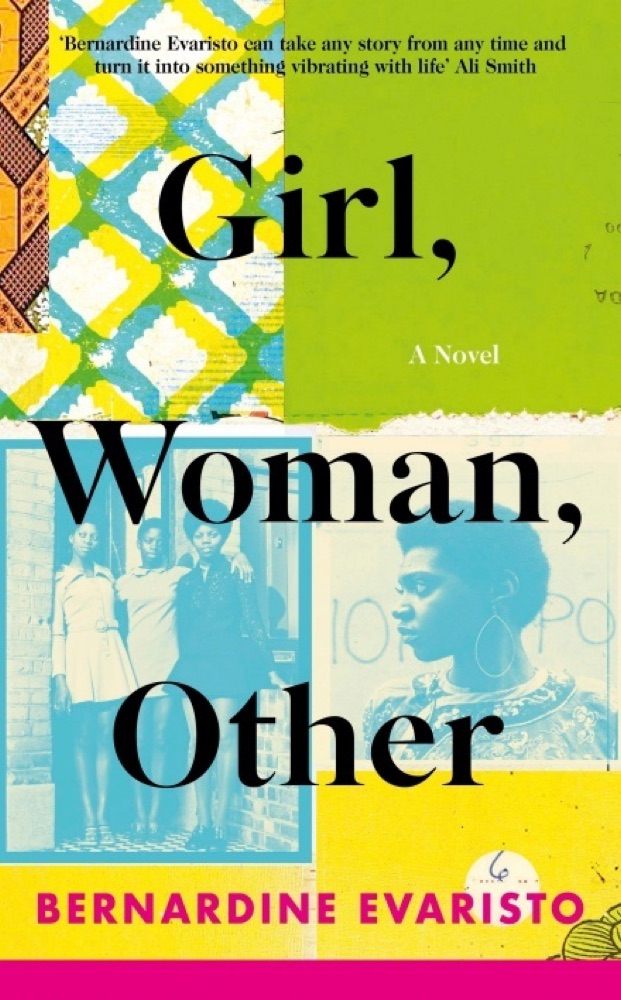 Girl, Woman, Other
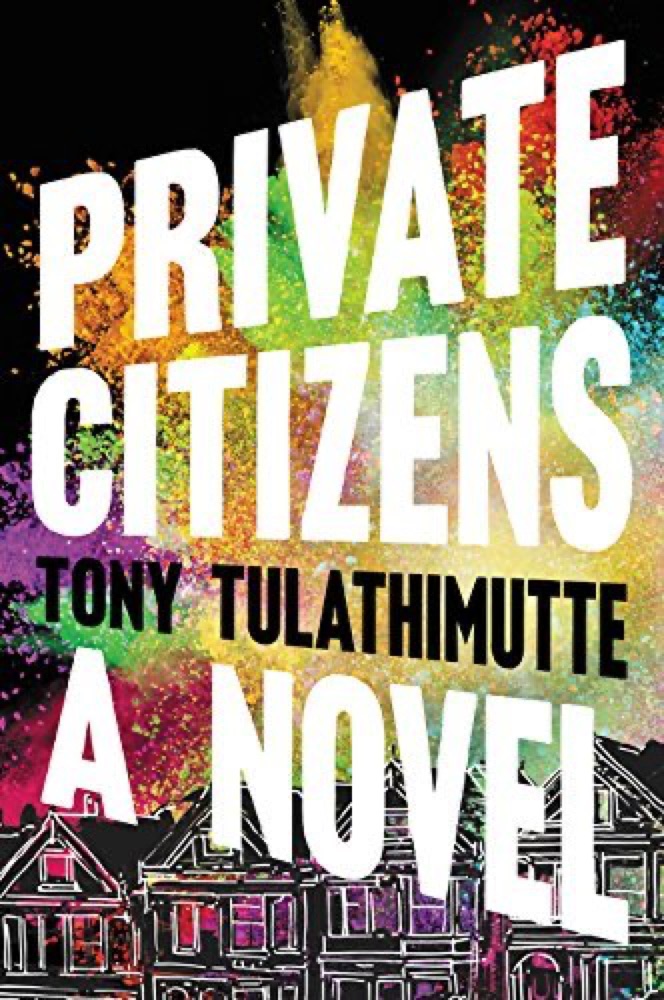 Private Citizens
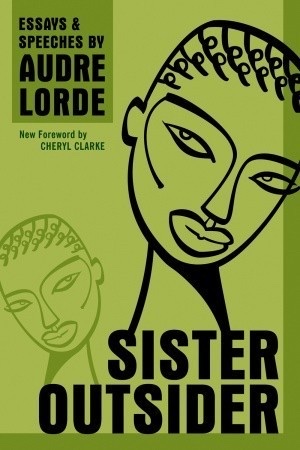 Sister Outsider: Essays and Speeches
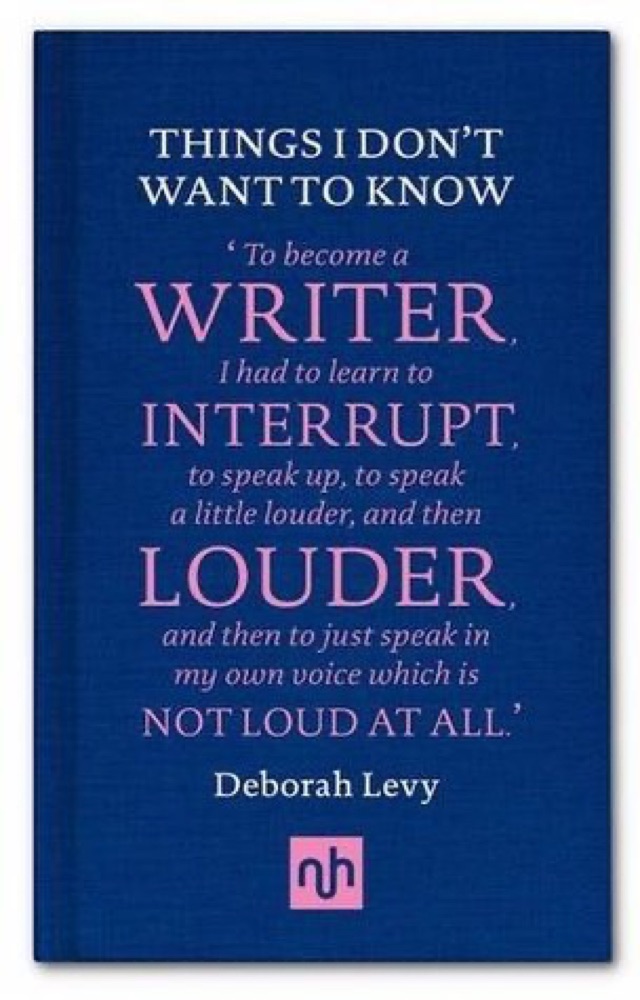 Things I Don't Want to Know
 Untamed
 Horror Stories: A Memoir
 Asymmetry
 On Freedom: Four Songs of Care and Constraint
 When Women Were Dragons
 Uncanny Valley
 Underground: The Tokyo Gas Attack and the Japanese Psyche
 Unspeakable Things: Sex, Lies and Revolution
 The Laws of Human Nature
 Lakewood
 Notes on a Nervous Planet