
 Midnight's Children
Quotes from the Book
Something strange has happened to the idea of privacy in our surreal time. Instead of being cherished, it appears to have become, a valueless quality—actually undesirable. If a thing is not made public, it doesn’t really exist. Your dog, your wedding, your beach, your baby, your dinner, the interesting meme you recently saw—these things need, on a daily basis, to be shared. Where attention has become the thing most hungered for, where the quest for followers and likes is the new gluttony, privacy has become unnecessary, unwanted, even absurd.
19
Art is not a luxury. It stands at the essence of our humanity, and it asks for no special protection except the right to exist.
18
This is who we are as a species: We contain within ourselves both the possibility of murdering an old stranger for almost no reason—the capacity in Shakespeare’s Iago which Coleridge called “motiveless Malignity”—and we also contain the antidote to that disease—courage, selflessness, the willingness to risk oneself to help that old stranger lying on the ground.
16
we would not be who we are today without the calamities of our yesterdays.
13
We are engaged in a world war of stories—a war between incompatible versions of reality—and we need to learn how to fight it. A tyrant has arisen in Russia and brutality engulfs Ukraine, whose people, led by a satirist turned hero, offer heroic resistance, and are already creating a legend of freedom. The tyrant creates false narratives to justify his assault—the Ukrainians are Nazis, and Russia is menaced by Western conspiracies. He seeks to brainwash his own citizens with such lying stories. Meanwhile, America is sliding back towards the Middle Ages, as white supremacy exerts itself not only over Black bodies, but over women’s bodies too. False narratives rooted in antiquated religiosity and bigoted ideas from hundreds of years ago are used to justify this, and find willing audiences and believers. In India, religious sectarianism and political authoritarianism go hand in hand, and violence grows as democracy dies. Once again, false narratives of Indian history are in play, narratives that privilege the majority and oppress minorities; and these narratives, let it be said, are popular, just as the Russian tyrant’s lies are believed. This, now, is the ugly dailiness of the world. How should we respond? It has been said, I have said it myself, that the powerful may own the present, but writers own the future, for it is through our work, or the best of it at least, the work which endures into that future, that the present misdeeds of the powerful will be judged. But how can we think of the future when the present screams for our attention, and what, if we turn away from posterity and pay attention to this dreadful moment, can we usefully or effectively do? A poem will not stop a bullet. A novel cannot defuse a bomb. Not all our satirists are heroes. But we are not helpless. Even after Orpheus was torn to pieces, his severed head, floating down the river Hebrus, went on singing, reminding us that the song is stronger than death. We can sing the truth and name the liars, we can join in solidarity with our fellows on the front lines and magnify their voices by adding our own to them. Above all, we must understand that stories are at the heart of what’s happening, and the dishonest narratives of oppressors have proved attractive to many. So we must work to overturn the false narratives of tyrants, populists, and fools by telling better stories than they do, stories within which people want to live. The battleground is not only on the battlefield. The stories we live in are contested territories too. Perhaps we can seek to emulate Joyce’s Dedalus, who sought to forge, in the smithy of his soul, the uncreated conscience of his race. We can emulate Orpheus and sing on in the face of horror, and not stop singing until the tide turns, and a better day begins.
11
When Death comes very close to you, the rest of the world goes far away and you can feel a great loneliness. At such a time kind words are comforting and strengthening.
11
During those empty, sleepless nights, I thought a lot about The Knife as an idea. A knife was a tool, and acquired meaning from the use we made of it. Language, too, was a knife. I could cut open the world and reveal its meaning, its inner workings, its secrets, its truths. It could cut through from one reality to another. It could call bullshit, open people's eyes, create beauty. Language was my knife. If I had unexpectedly been caught in an unwanted knife fight, maybe this was the knife I could use to fight back.
8
Waiting is thinking, and to think deeply is, very often, to change one’s mind.
8
An intimacy of strangers. That's a phrase I've sometimes used to express the joyful thing that happens in the act of reading, that happy union of the interior lives of author and reader.
7
His courage is a consequence of who he is.
7
So my first thought when I saw this murderous shape rushing toward me was: So it’s you. Here you are.
6
The most important of these things is that art challenges orthodoxy
5
I have always believed that love is a force, that in its most potent form it can move mountains. It can change the world.
5
To have a room of one’s own, one must have money. (I don’t think Virginia Woolf ever went to India, but her dictum stands, even there, even for men.)
5
Children going to school, a congregation in a synagogue, shoppers in a supermarket, a man on the stage of an amphitheater are all, so to speak, inhabiting a stable picture of the world. A school is a place of education. A synagogue is a place of worship. A supermarket is a place to shop. A stage is a performance space. That’s the frame in which they see themselves. Violence smashes that picture. Suddenly they don’t know the rules—what to say, how to behave, what choices to make. They no longer know the shape of things. Reality dissolves and is replaced by the incomprehensible
4
Happiness writes in white ink on white pages. In other words, you can’t make it appear on the page. It’s invisible.
3
But as we stood there in the stillness I realized that a burden had lifted from me somehow, and the best word I could find for what I was feeling was lightness. A circle had been closed, and I was doing what I had hoped I could do here - I was making my peace with what had happened, making my peace with my life. I stood where I had almost been killed, wearing, I have to tell you, my new Ralph Lauren suit, and I felt... whole.
3
I don’t usually think of my books as prophecies. I’ve had some trouble with prophets in my life, and I’m not applying for the job.
3
However, as the attentive reader will have guessed, I survived.
3
I wanted to say: I believe that art is a waking dream. And that imagination can bridge the gulf between dreams and reality and allow us to understand the real in new ways by seeing it through the lens of the unreal. No, I don’t believe in miracles, but, yes, my books do, and, to use Whitman’s formulation, do I contradict myself? Very well, then, I contradict myself. I don’t believe in miracles, but my survival is miraculous. Okay, then. So be it. The reality of my books—oh, call it magic realism if you must—is now the actual reality in which I’m living. Maybe my books had been building that bridge for decades, and now the miraculous could cross it. The magic had become realism. Maybe my books saved my life.
2
Even better than that: it was a relationship not of competitiveness but of total mutual support. Happiness.
2
On such coin-toss moments a life can turn. Chance determines our fates at least as profoundly as choice, or those nonexistent notions karma, qismat, “destiny.
2
I have no need of commandments, popes, or god-men of any sort to hand down my morals to me. I have my own ethical sense, thank you very much. God did not hand down morality to us. We created God to embody our moral instincts.
2
To regret what your life has been is the true folly, I told myself, because the person doing the regretting has been shaped by the life he subsequently regrets.
2
A person filled with gumption doesn’t sit around dissipating and stewing about things. He’s at the front of the train of his own awareness, watching to see what’s up the track and meeting it when it comes.
2
God did not hand down morality to us. We created God to embody our moral instincts.
1
I want that on a T-shirt: Fran Lebowitz thinks about me every day
1
In the next months there would be many more such bodily humiliations. In the presence of serious injuries, your body’s privacy ceases to exist, you lose autonomy over your physical self, over the vessel in which you sail. You allow this because you have no alternative. You surrender the captaincy of your ship so that it won’t sink.
1
Watch on YouTube
About Salman Rushdie
We have collected 349 quotes from 14 books by Salman Rushdie on BookQuoters.
More about the author →More by Salman Rushdie
All books by Salman Rushdie →
About the book
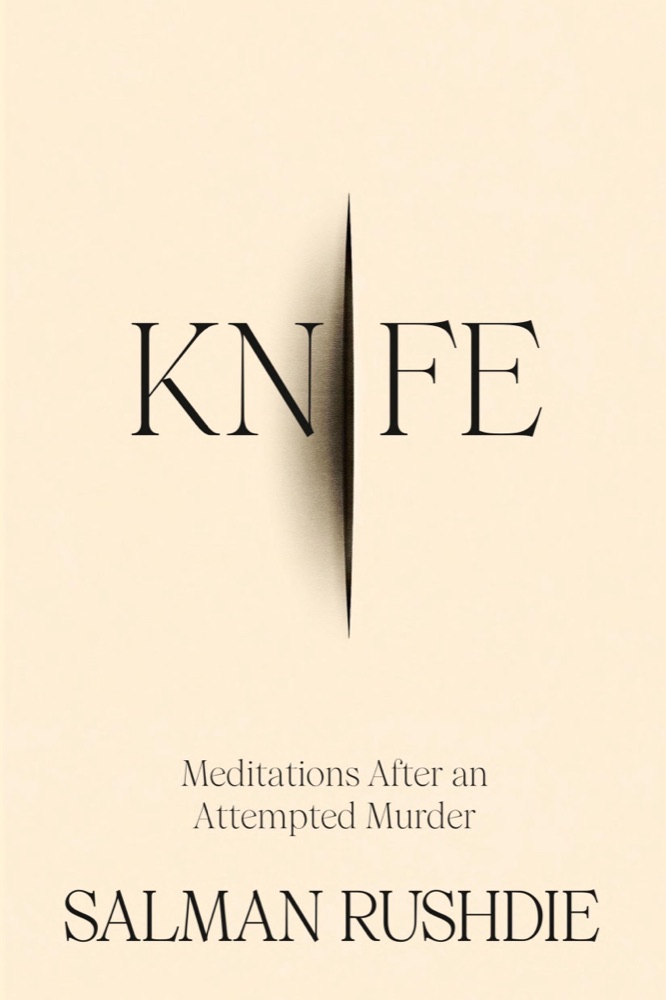
From internationally renowned writer and Booker Prize winner Salman Rushdie, a searing, deeply personal account of enduring—and surviving—an attempt on his life thirty years after the fatwa that was ordered against him
On the morning of August 12, 2022, Salman Rushdie was standing onstage at the Chautauqua Institution, preparing to give a lecture on the importance of keeping writers safe from harm, when a man in black—black clothes, black mask—rushed down the aisle toward him, wielding a knife. His first thought: So it’s you. Here you are.
What followed was a horrific act of violence that shook the literary world and beyond. Now, for the first time, and in unforgettable detail, Rushdie relives the traumatic events of that day and its aftermath, as well as his journey toward physical recovery and the healing that was made possible by the love and support of his wife, Eliza, his fam
Book details
- First published
- 2024
- Author
- Salman Rushdie
- Genre
- Nonfiction
- Goodreads rating
- 3.98 (29k ratings)
The buzz
- The New York TimesReview in The New York Timesprofessional review (via Book Marks)
- The Washington PostReview in The Washington Postprofessional review (via Book Marks)
- The Wall Street JournalReview in The Wall Street Journalprofessional review (via Book Marks)
- The GuardianReview in The Guardianprofessional review (via Book Marks)
- The AtlanticReview in The Atlanticprofessional review (via Book Marks)
- The TimesReview in The Timesprofessional review (via Book Marks)
Keep reading
 My Friends
 Open City
 No Time To Spare: Thinking About What Matters
 These Precious Days: Essays
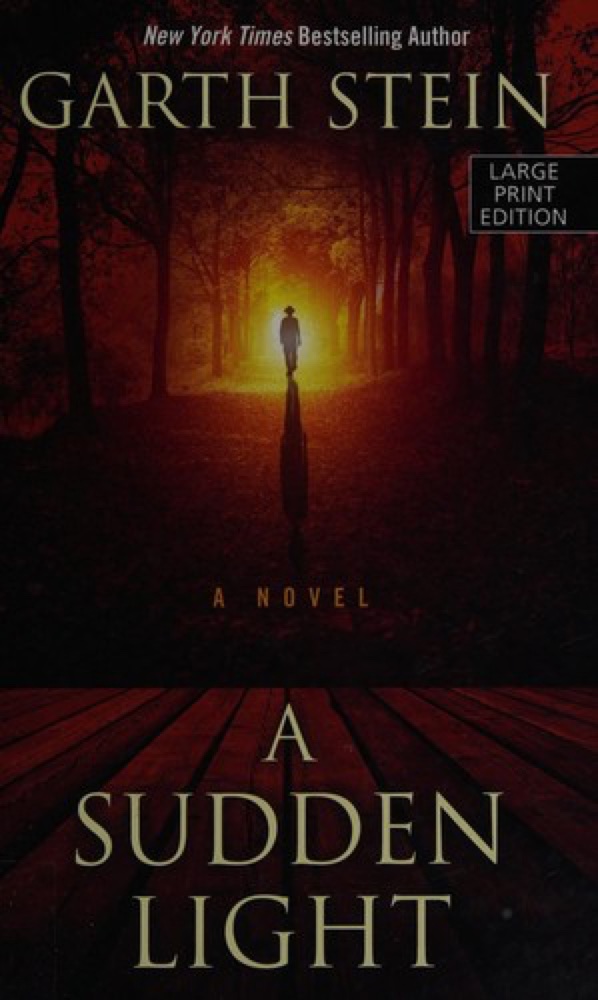 A Sudden Light
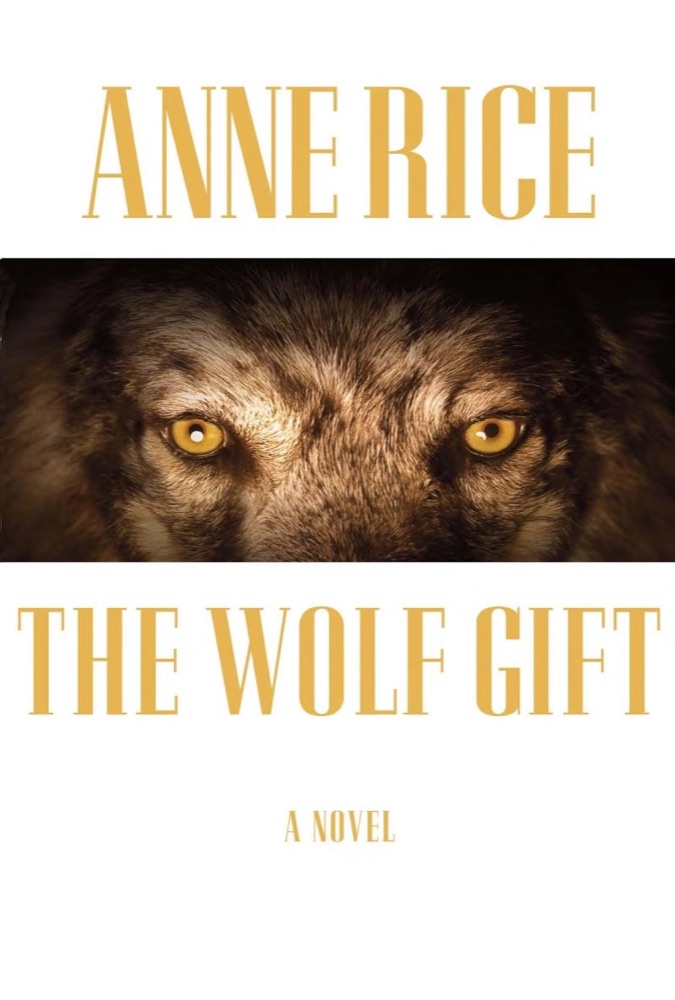 The Wolf Gift
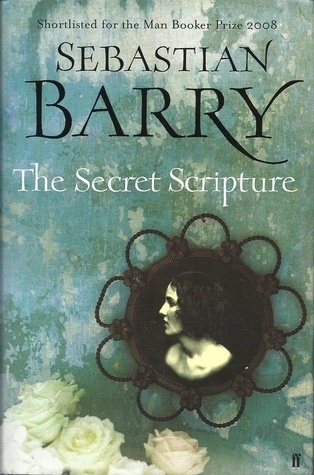 The Secret Scripture
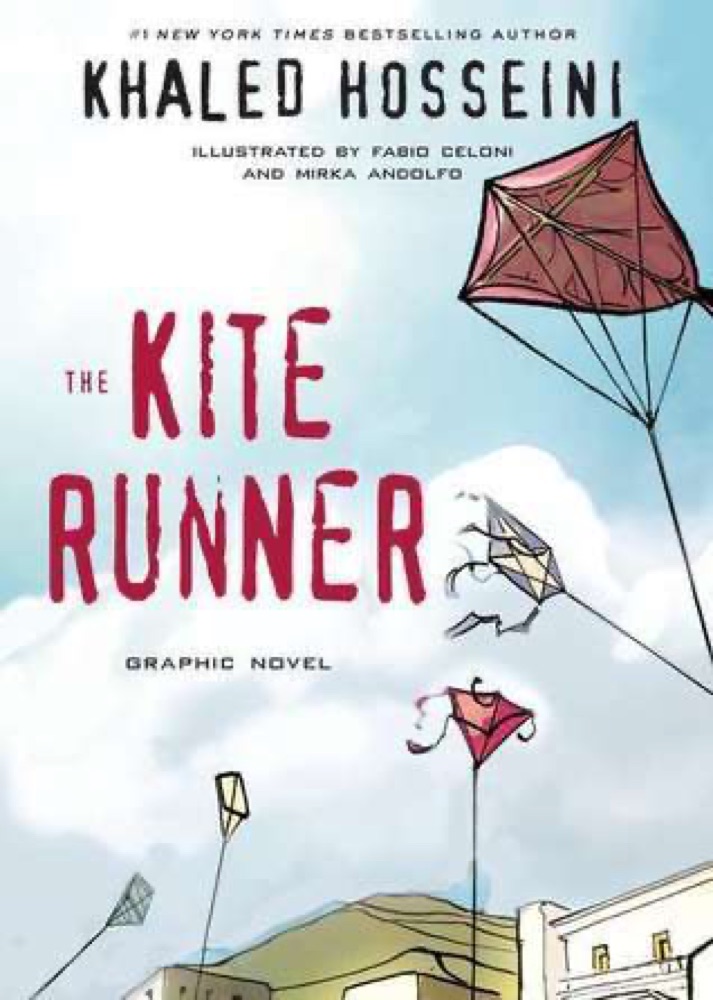 The Kite Runner
 Letter to My Daughter
 Close to the Knives: A Memoir of Disintegration
 Children of the Mind
 The Fall
 The World and Other Places: Stories
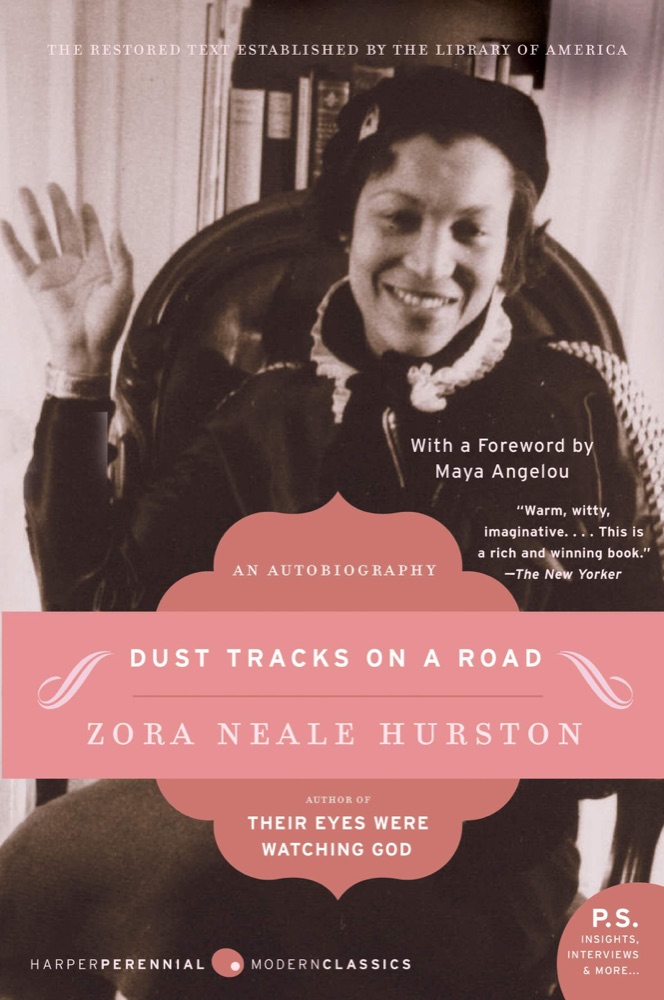 Dust Tracks on a Road
 The Source of Self-Regard: Selected Essays, Speeches, and Meditations
 Mao II
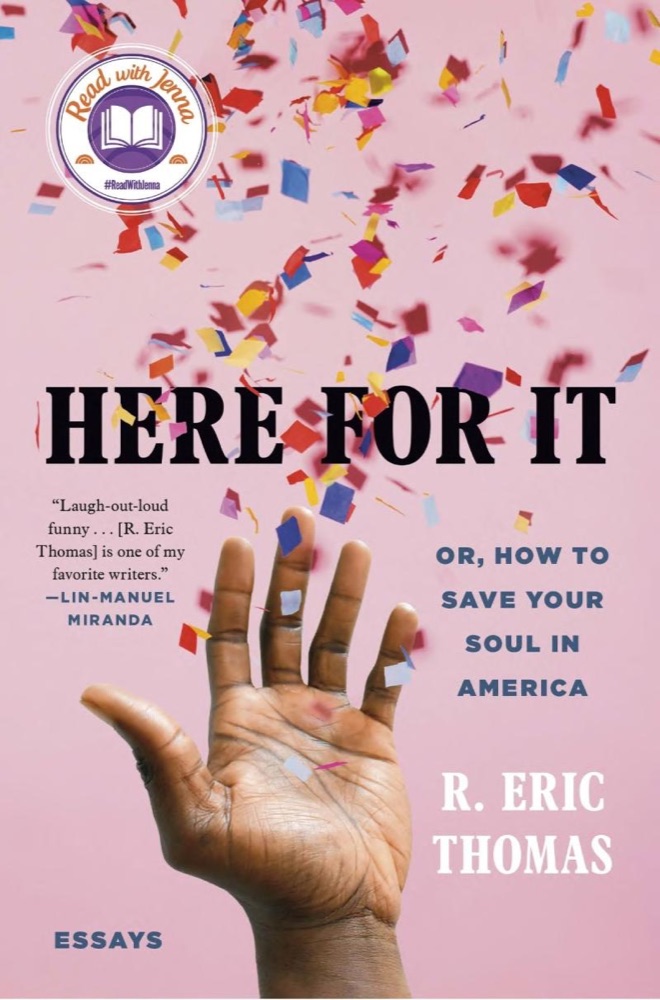 Here for It; Or, How to Save Your Soul in America: Essays
 Like Streams to the Ocean: Notes on Ego, Love, and the Things That Make Us Who We Are
 The Zahir
 James
James
 Kafka on the Shore
 Asymmetry
 Underworld
 The Hour I First Believed
 An Unnecessary Woman
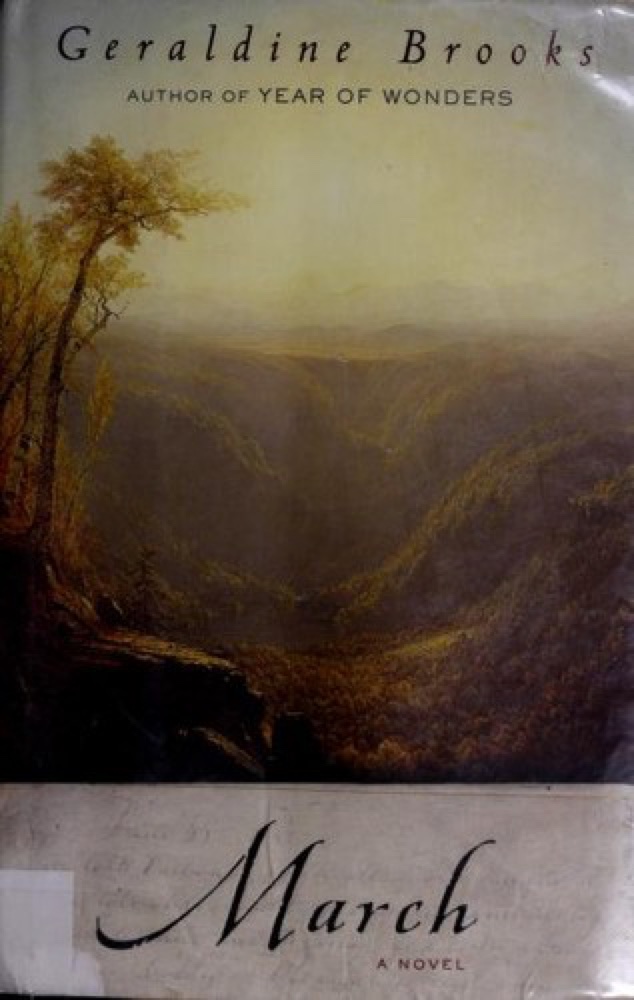 March
March
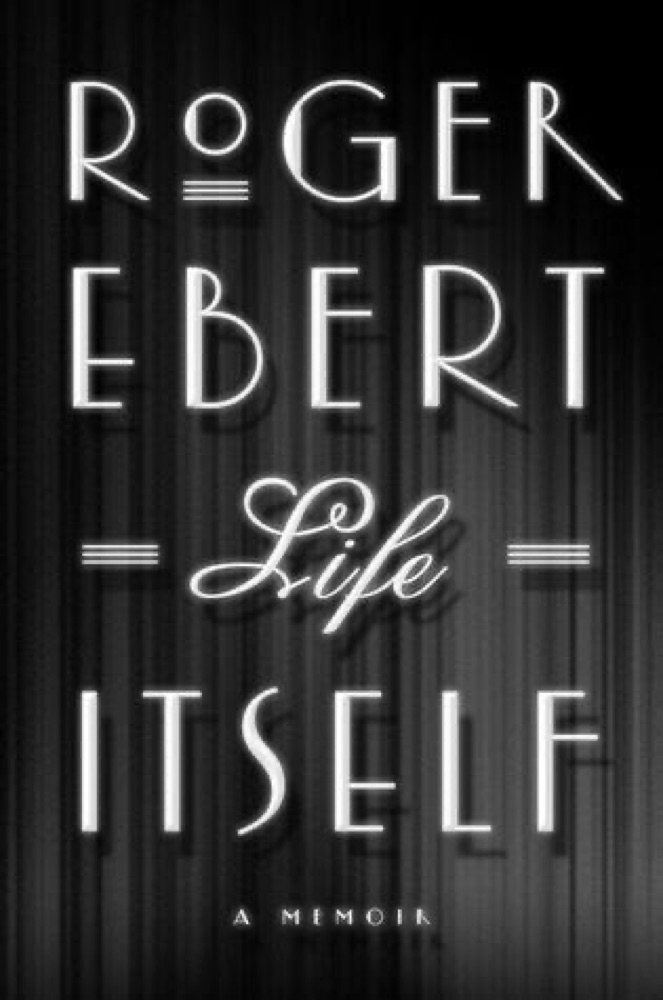 Life Itself
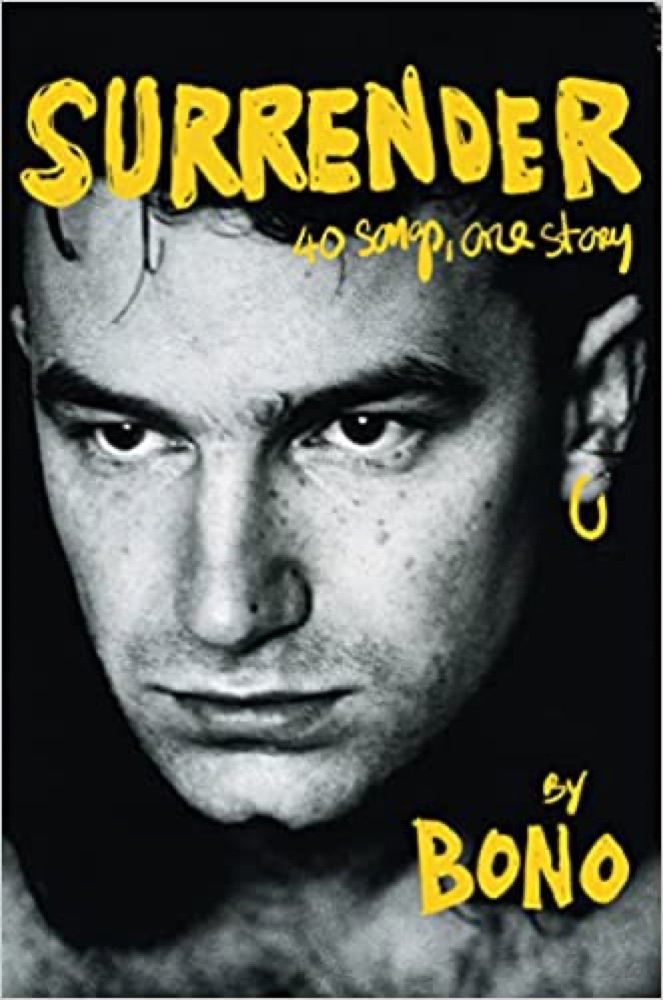 Surrender: 40 Songs, One Story
 The Tsar of Love and Techno
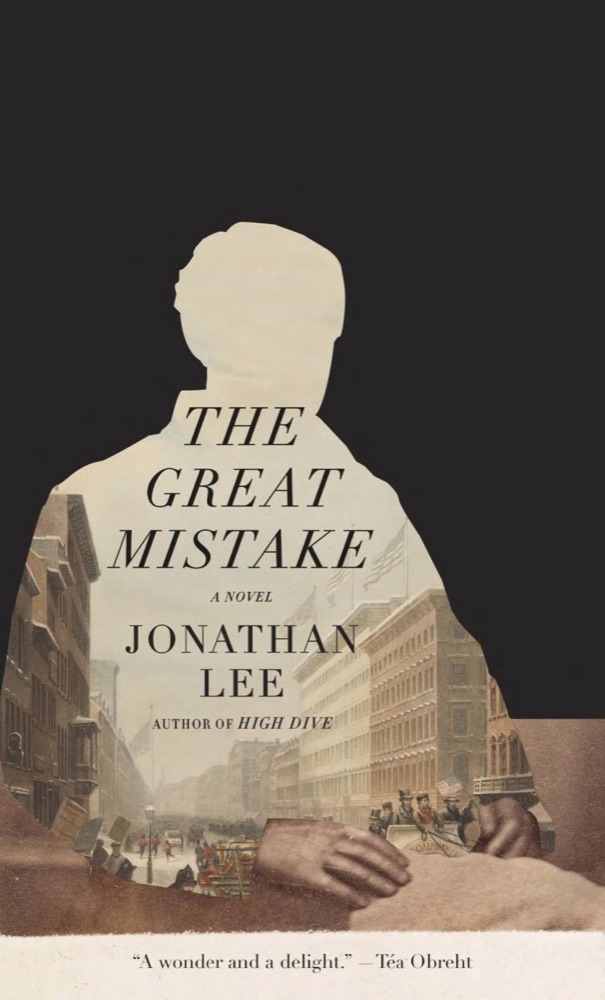 The Great Mistake
 The Fall of Babel
 The Fountainhead
 Embers
 Two Years Eight Months and Twenty-Eight Nights
 Surprised by Joy: The Shape of My Early Life
 A Circle of Quiet
 A Soldier of the Great War
 Humboldt's Gift
 Sexus
Sexus
 Small Wonder
 In the Light of What We Know
 The Tunnel
 Arm of the Sphinx
 The Story of the Lost Child
 Library of Souls
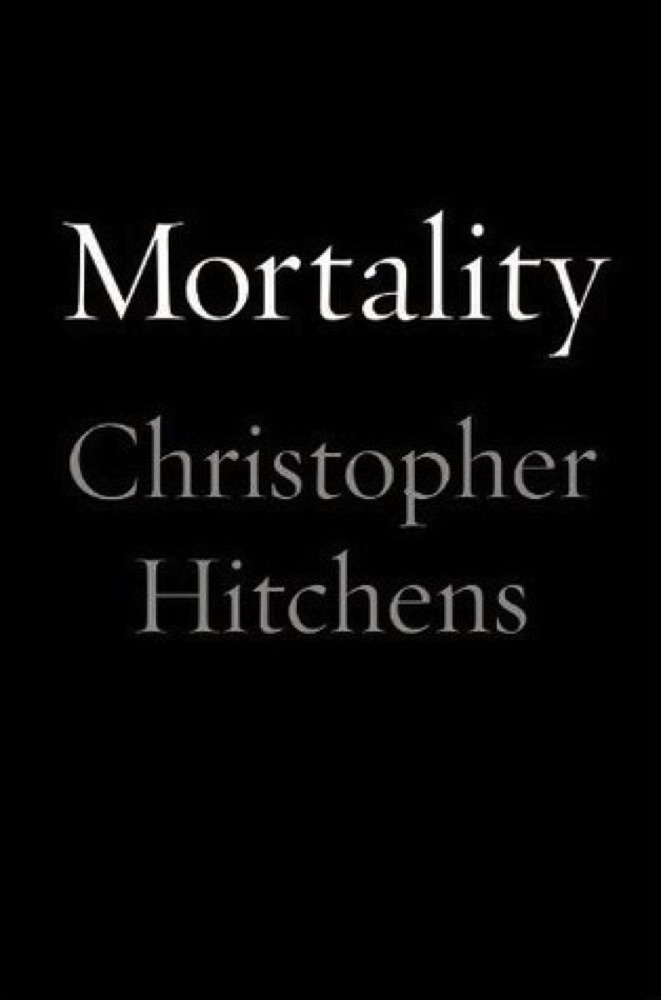 Mortality
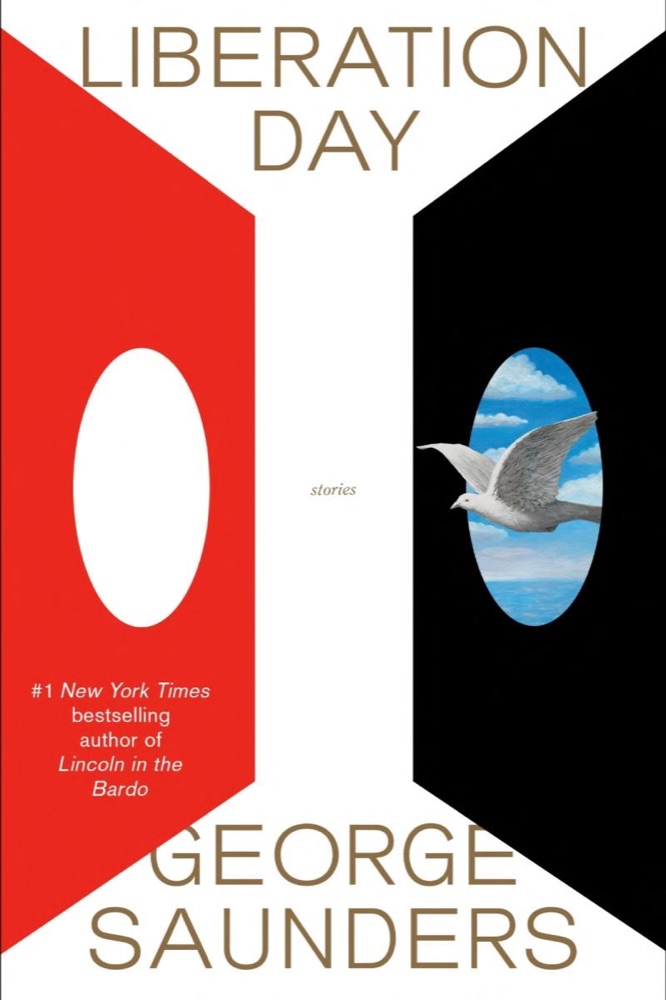 Liberation Day
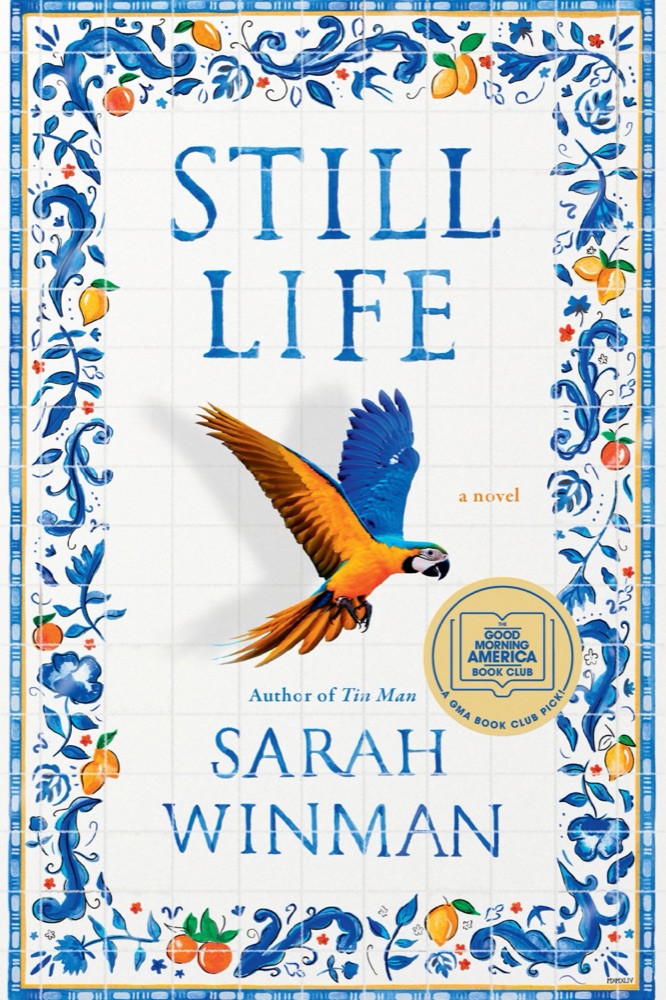 Still Life
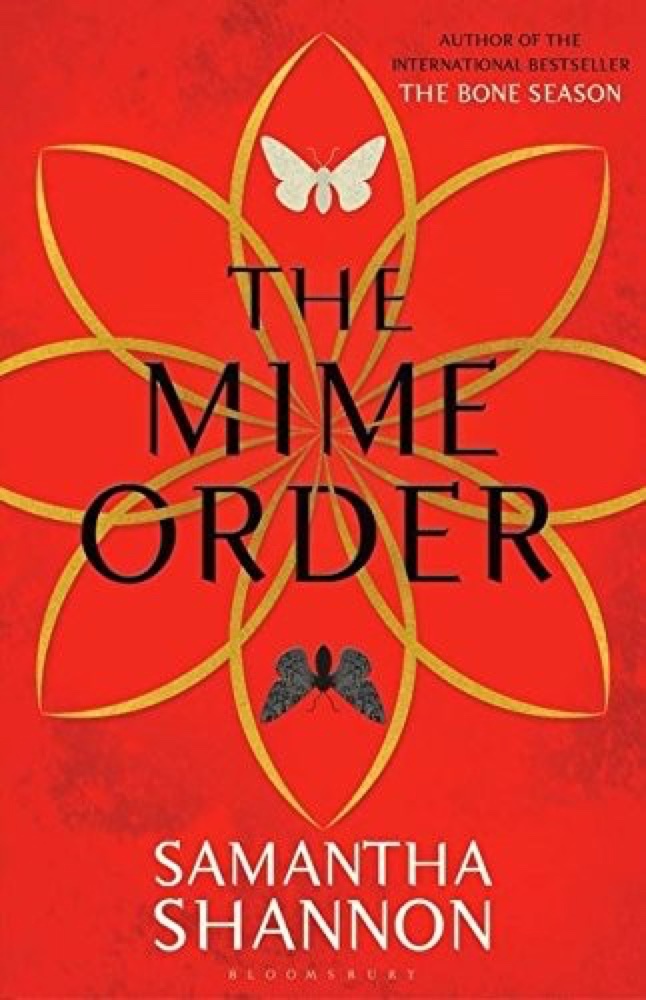 The Mime Order
 Winter Hours: Prose, Prose Poems, and Poems
 Relentless
 The Book of Dreams
 East of Eden
 Upstream: Selected Essays
 Wide Awake
 The First Fifteen Lives of Harry August
 A Bright Ray of Darkness
 The Year of Magical Thinking
 The Manticore
 Possession