 Beginners: The Joy and Transformative Power of Lifelong Learning
Quotes from the Book
The way humans hunt for parking and the way animals hunt for food are not as different as you might think.
15
Men may or may not be better drivers than women, but they seem to die more often trying to prove that they are.
11
Human attention, in the best of circumstances, is a fluid but fragile entity. Beyond a certain threshold, the more that is asked of it, the less well it performs. When this happens in a psychological experiment, it is interesting. When it happens in traffic, it can be fatal.
10
It's probably no accident that whenever one hears of a smart technology, it refers to something that has been taken out of human control.
5
As Harvard University psychologist Daniel Gilbert argues, 'You can't adapt to commuting, because it's entirely unpredictable. Driving in traffic is a different kind of hell every day.'
4
When a situation feels dangerous to you, it's probably more safe than you know; when a situation feels safe, that is precisely when you should feel on guard.
3
This raises the interesting, if seemingly outlandish, question of why car drivers, virtually alone among users of wheeled transport, do not wear helmets. Yes, cars do provide a nice metal cocoon with inflatable cushions. But in Australia, for example, head injuries among car occupants, according to research by the Federal Office of Road Safety, make up half the country’s traffic-injury costs. Helmets, cheaper and more reliable than side-impact air bags, would reduce injuries and cut fatalities by some 25 percent.95 A crazy idea, perhaps, but so were air bags once.
2
The pursuit of a kind of absolute safety, above all other considerations of what makes places good environments, has not only made those streets and cities less attractive, it has, in many cases, made them less safe.
2
There is a simple mantra you can carry about you in traffic: When a situation feels dangerous to you, it's probably more safe than you know; when a situation feels safe, that is precisely when you should feel on guard. Most crashes, after all, happen on dry roads, on clear, sunny days, to sober drivers.
2
This is the reason the whole ‘keep your eyes on the road, your hands upon the wheel, use the hands-free handset’ idea is a silly thing,” Simons said. “Having your eyes on the road doesn’t do any good unless your attention is on the road too.
1
The relative ease of most driving lures us into thinking we can get away with doing other things. Indeed, those other things, like listening to the radio, can help when driving itself is threatening to cause fatigue. But we buy into the myth of multitasking with little actual knowledge of how much we can really add in or, as with the television news, how much we are missing. As the inner life of the driver begins to come into focus, it is becoming clear not only that distraction is the single biggest problem on the road but that we have little concept of just how distracted we are.
1
The road, more than simply a system of regulations and designs, is a place where many millions of us, with only loose parameters for how to behave, are thrown together daily in a kind of massive petri dish in which all kinds of uncharted, little-understood dynamics are at work. There is no other place where so many people from different walks of life--different ages, races, classes, religions, genders, political preferences, lifestyle choices, levels of psychological stability--mingle so freely.
1
'Can you imagine, 30 years ago, saying nobody will make coffee at home?' Nancy McGuckin, a travel researcher in Washington, D.C.
1
astute drivers will echo local inflections like the “Pittsburgh left,” that act of driving practiced primarily in the Steel City (but also Beijing) in which the change of a traffic light to green is an “unofficial” signal for a left-turning driver to quickly bolt across the oncoming traffic. New arrivals to Los Angeles soon become versed in the “California roll,” a.k.a. the “sushi stop,” which involves never quite coming to a complete halt at a stop sign.
That which is best for an individual's interest may not be best for the common good.
We all want to be individuals on the road, but smooth-flowing traffic requires conformity. We want all the lights to be green, unless we are on the intersecting road, in which case we want those lights to be green. We want little traffic on our own street but a convenient ten-lane highway blazing just nearby. We all wish the other person would not drive, so that our trip would be faster. What’s best for us on the road is often not best for everyone else, and vice versa.
The nations that rank as the least corrupt—such countries as Finland, Norway, New Zealand, Sweden, and Singapore—are also the safest places in the world to drive.
Katz argues that we are engaging in a kind of theatrical storytelling, inside of our cars, angrily “constructing moral dramas”15 in which we are the wronged victims—and the “avenging hero”—in some traffic epic of larger importance.
Drivers should not drive more than a minute without having a (purposefully-designed) curve.
The road itself tells us far more than signs do.
Traffic is more of the in between time where we think more about where we are going than where we are at the moment.
In America, a pedestrian is someone who has just parked their car.
Traffic was as much an emotional problem as it was a mechanical one.
Knowing where to look—and remembering what you have seen—is a hallmark of experience and expertise.
Whether advanced driver training helps drivers in the long term is one of those controversial and unresolved mysteries of the road, but my eye-opening experience at Bondurant raises the curious idea that we buy cars—for most people one of the most costly things they will ever own—with an underdeveloped sense of how to use them. This is true for many things, arguably, but not knowing what the F9 key does in Microsoft Word is less life-threatening than not knowing how to properly operate antilock brakes.
Many traffic signs have become like placebos, giving false comfort to the afflicted, or simple boilerplate to ward off lawsuits, the roadway version of the Kellogg’s Pop-Tarts box that says, “Warning: Pastry Filling May Be Hot When Heated.
Watch on YouTube
About Tom Vanderbilt
We have collected 44 quotes from 2 books by Tom Vanderbilt on BookQuoters.
More about the author →More by Tom Vanderbilt
Beginners: The Joy and Transformative Power of Lifelong Learning
About the book
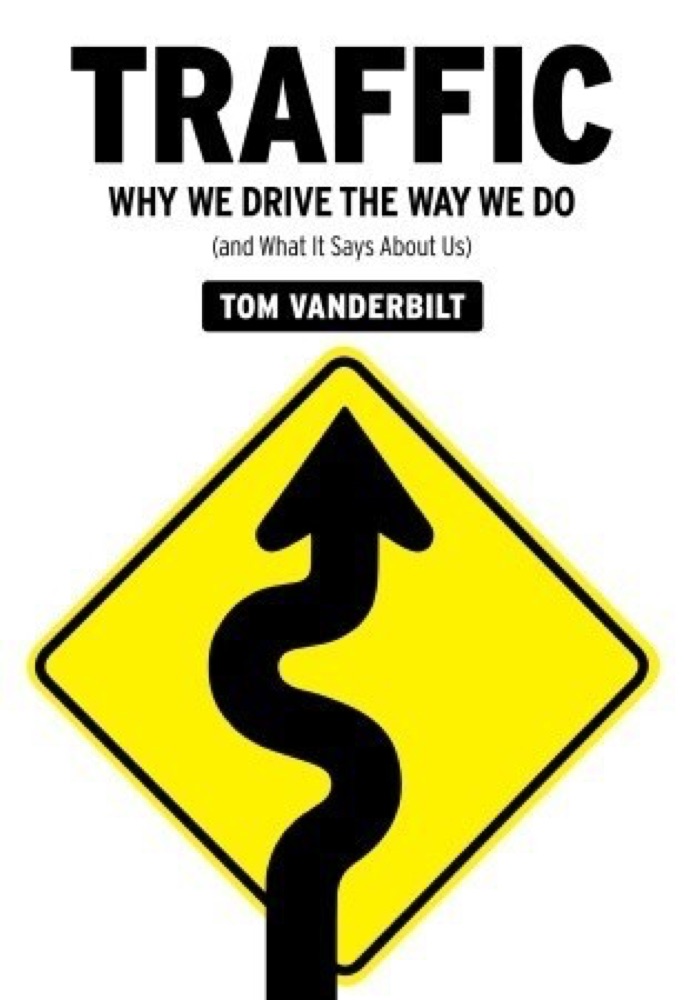
Would you be surprised that road rage can be good for society? Or that most crashes happen on sunny, dry days? That our minds can trick us into thinking the next lane is moving faster? Or that you can gauge a nation’s driving behavior by its levels of corruption? These are only a few of the remarkable dynamics that Tom Vanderbilt explores in this fascinating tour through the mysteries of the road.
Based on exhaustive research and interviews with driving experts and traffic officials around the globe, Traffic gets under the hood of the everyday activity of driving to uncover the surprisingly complex web of physical, psychological, and technical factors that explain how traffic works, why we drive the way we do, and what our driving says about us. Vanderbilt examines the perceptual limits and cognitive underpinnings that make us worse drivers than we think we are. He demonstrates why plan
Book details
- First published
- 2008
- Author
- Tom Vanderbilt
- Genre
- Nonfiction
- Goodreads rating
- 3.72 (8k ratings)
Keep reading
 Happy City: Transforming Our Lives Through Urban Design
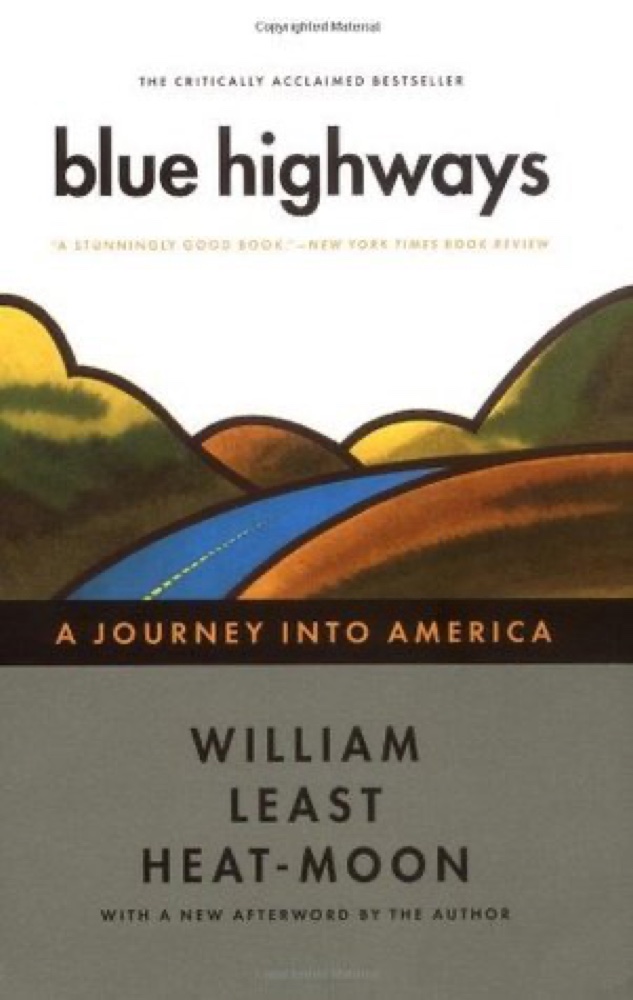 Blue Highways
 Bicycle Diaries
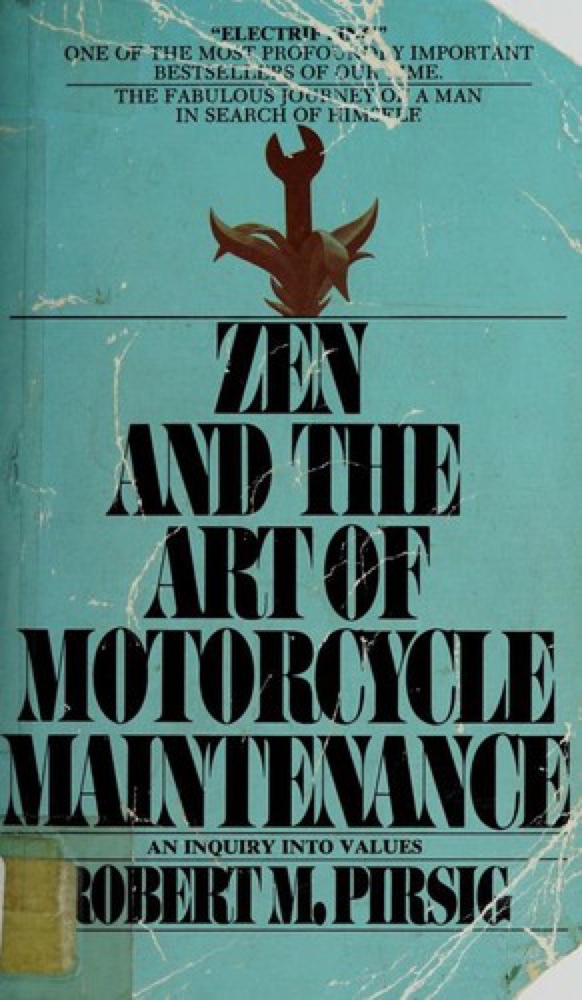 Zen and the Art of Motorcycle Maintenance
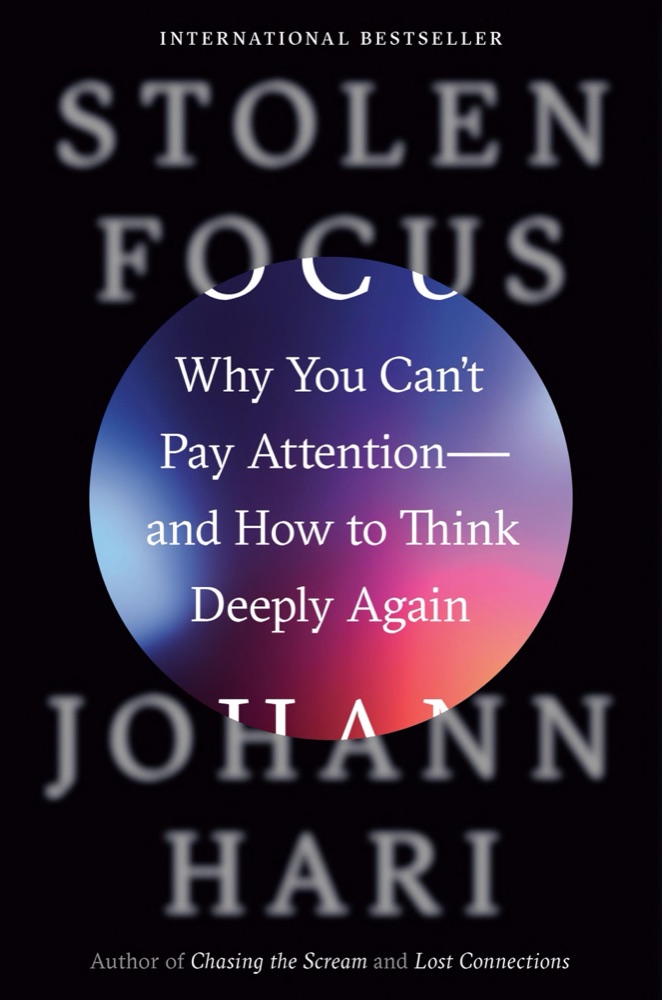 Stolen Focus: Why You Can't Pay Attention— and How to Think Deeply Again
 My Life on the Road
 The Shockwave Rider
 This Book Will Save Your Life
 Antifragile: Things That Gain from Disorder
 Mostly Harmless
 The Black Swan: The Impact of the Highly Improbable
 Algorithms to Live By: The Computer Science of Human Decisions
 Friday
 Think Like a Freak
 Shouldn't You Be in School?
 The Art of Racing in the Rain
 Freakonomics: A Rogue Economist Explores the Hidden Side of Everything
 The Last Englishman
 Snow Crash
 Sully: My Search for What Really Matters
 Destination Truth: Memoirs of a Monster Hunter
 Crossing to Safety
 Independent Study
 Deeply Odd
 Early Retirement Extreme: A Philosophical and Practical Guide to Financial Independence
 The Salmon of Doubt
 Revenge of the Tipping Point
 The Art of Thinking Clearly
 Shortest Way Home: One Mayor's Challenge and a Model for America's Future
 I'm a Stranger Here Myself: Notes on Returning to America after Twenty Years Away
 The Tipping Point: How Little Things Can Make a Big Difference
 The Lay of the Land
 The Thursday Murder Club
 The Slippery Slope
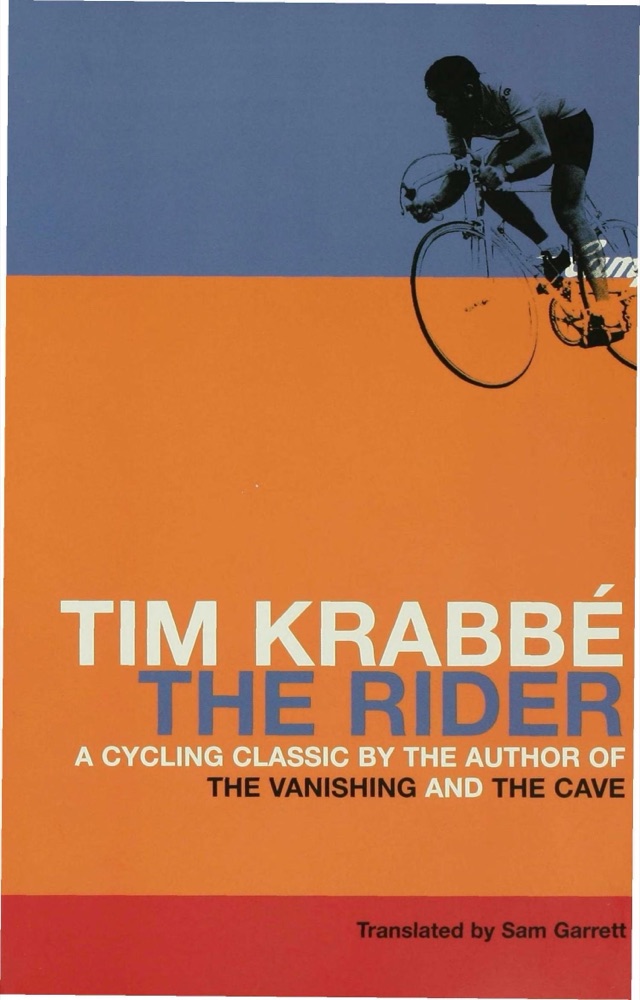 The Rider
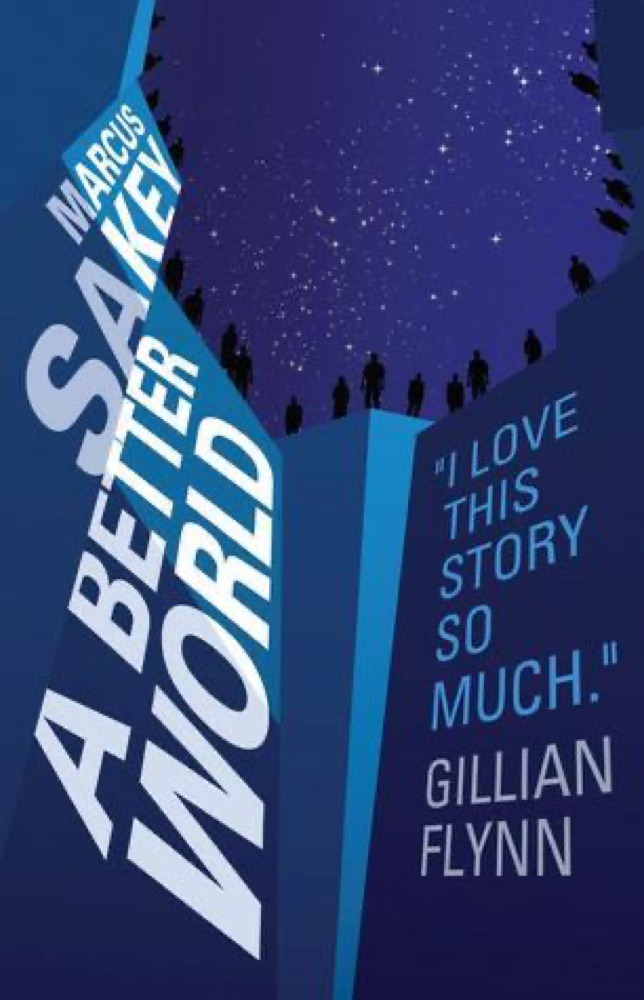 A Better World
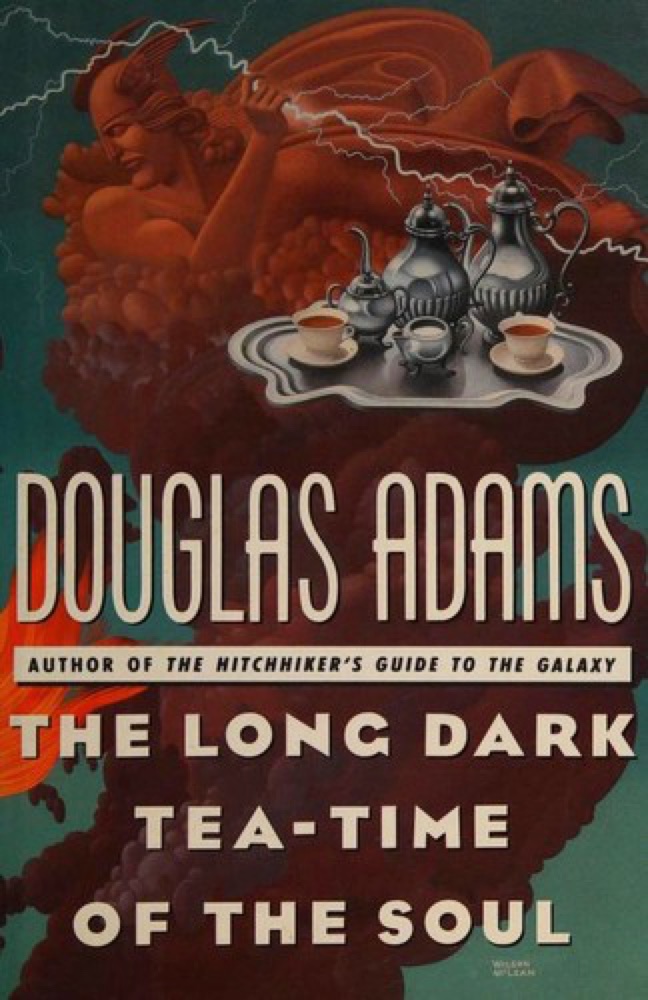 The Long Dark Tea-Time of the Soul
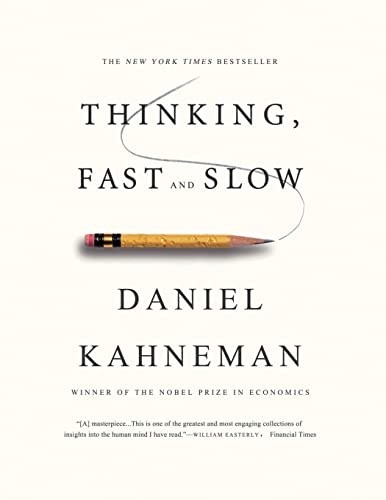 Thinking, Fast and Slow
 Another Roadside Attraction
 Drive
Drive
 We Took to the Woods
 The Leisure Seeker
 The Death and Life of Great American Cities
 The Organized Mind: Thinking Straight in the Age of Information Overload
 The World According to Clarkson
 Flight Behavior
 On Trails: An Exploration
 The World Is Flat: A Brief History of the Twenty-first Century
 Sleepless
 The Attention Merchants: The Epic Scramble to Get Inside Our Heads
 Blink: The Power of Thinking Without Thinking
 Emotional Design: Why We Love (or Hate) Everyday Things
 Travels with Charley: In Search of America
 Little Brother
 The Electric Kool-Aid Acid Test
 Table for Two
 Black Box Thinking: Why Some People Never Learn from Their Mistakes - But Some Do
 Flights
 SuperFreakonomics: Global Cooling, Patriotic Prostitutes And Why Suicide Bombers Should Buy Life Insurance
 The 4-Hour Workweek