
 Be Useful: Seven Tools for Life
Quotes from the Book
Don’t tell people how to do things, tell them what to do and let them surprise you with their results.
The single easiest way to find out how you feel about someone. Say goodbye.
The cowards never started and the weak died along the way. That leaves us, ladies and gentlemen. Us.
So that morning in 1962 I told myself: Let everyone else call your idea crazy . . . just keep going. Don’t stop. Don’t even think about stopping until you get there, and don’t give much thought to where “there” is. Whatever comes, just don’t stop.
When you see only problems, you’re not seeing clearly.
You are remembered, he said, prophetically, for the rules you break. I
Life is growth. You grow or you die.
I thought back on my running career at Oregon. I’d competed with, and against, men far better, faster, more physically gifted. Many were future Olympians. And yet I’d trained myself to forget this unhappy fact. People reflexively assume that competition is always a good thing, that it always brings out the best in people, but that’s only true of people who can forget the competition. The art of competing, I’d learned from track, was the art of forgetting, and I now reminded myself of that fact. You must forget your limits. You must forget your doubts, your pain, your past. You
How can I leave my mark on the world, I thought, unless I get out there first and see it?
In the beginner’s mind there are many possibilities, but in the expert’s mind there are few. —Shunryu
I was a linear thinker, and according to Zen linear thinking is nothing but a delusion, one of the many that keep us unhappy. Reality is nonlinear, Zen says. No future, no past. All is now.
I’d tell men and women in their midtwenties not to settle for a job or a profession or even a career. Seek a calling. Even if you don’t know what that means, seek it. If you’re following your calling, the fatigue will be easier to bear, the disappointments will be fuel, the highs will be like nothing you’ve ever felt.
Like books, sports give people a sense of having lived other lives, of taking part in other people’s victories. And defeats. When sports are at their best, the spirit of the fan merges with the spirit of the athlete.
Have faith in yourself, but also have faith in faith. Not faith as others define it. Faith as you define it. Faith as faith defines itself in your heart. In
And those who urge entrepreneurs to never give up? Charlatans. Sometimes you have to give up. Sometimes knowing when to give up, when to try something else, is genius. Giving up doesn’t mean stopping. Don’t ever stop. Luck plays a big role. Yes, I’d like to publicly acknowledge the power of luck. Athletes get lucky, poets get lucky, businesses get lucky. Hard work is critical, a good team is essential, brains and determination are invaluable, but luck may decide the outcome. Some people might not call it luck. They might call it Tao, or Logos, or Jñāna, or Dharma. Or Spirit. Or God. Put
Like it or not, life is a game.
But that’s the nature of money. Whether you have it or not, whether you want it or not, whether you like it or not, it will try to define your days. Our task as human beings is not to let it.
There were many ways down Mount Fuji, according to my guidebook, but only one way up. Life lesson in that, I thought. Signs
Driving back to Portland I’d puzzle over my sudden success at selling. I’d been unable to sell encyclopedias, and I’d despised it to boot. I’d been slightly better at selling mutual funds, but I’d felt dead inside. So why was selling shoes so different? Because, I realized, it wasn’t selling. I believed in running. I believed that if people got out and ran a few miles every day, the world would be a better place, and I believed these shoes were better to run in. People, sensing my belief, wanted some of that belief for themselves. Belief, I decided. Belief is irresistible. Sometimes
It’s never just business. It never will be. If it ever does become just business, that will mean that business is very bad.
Starting my own business was the only thing that made life’s other risks—marriage, Vegas, alligator wrestling—seem like sure things. But my hope was that when I failed, if I failed, I’d fail quickly, so I’d have enough time, enough years, to implement all the hard-won lessons. I wasn’t much for setting goals, but this goal kept flashing through my mind every day, until it became my internal chant: Fail fast.
History is one long processional of crazy ideas.
He was easy to talk to, and easy not to talk to-equally important qualities in a friend. Essential in a travel companion.
Hard work is critical, a good team is essential, brains and determination are invaluable, but luck may decide the outcome.
Don’t go to sleep one night, wrote Rūmī, the thirteenth-century Persian poet. What you most want will come to you then. Warmed
I refused to even consider ordering less inventory. Grow or die, that’s what I believed, no matter the situation.
People reflexively assume that competition is always a good thing, that it always brings out the best in people, but that’s only true of people who can forget the competition.
The art of competing, I’d learned from track, was the art of forgetting, and I now reminded myself of that fact. You must forget your limits. You must forget your doubts, your pain, your past.
If you’re following your calling, the fatigue will be easier to bear, the disappointments will be fuel, the highs will be like nothing you’ve ever felt. I’d
So that morning in 1962 I told myself: Let everyone else call your idea crazy . . . just keep going. Don’t stop. Don’t even think about stopping until you get there, and don’t give much thought to where “there” is. Whatever comes, just don’t stop. That’s
Beating the competition is relatively easy. Beating yourself is a never-ending commitment.
58
I wanted to build something that was my own, something I could point to and say: I made that. It was the only way I saw to make life meaningful.
36
When you make something, when you improve something, when you deliver something, when you add some new thing or service to the lives of strangers, making them happier, or healthier, or safer, or better, and when you do it all crisply and efficiently, smartly, the way everything should be done but so seldom is—you’re participating more fully in the whole grand human drama. More than simply alive, you’re helping others to live more fully, and if that’s business, all right, call me a businessman. Maybe it will grow on me. THERE
24
You measure yourself by the people who measure themselves by you.” I
21
Did you know?
- The memoir was ghostwritten with the help of author J. R. Moehringer.
- Nike began as Blue Ribbon Sports, importing Japanese Onitsuka Tiger running shoes to the United States.
- Bill Gates selected Shoe Dog as one of his favorite books of 2016.
- Warren Buffett publicly praised the book, calling it one of the best he had read.
- Phil Knight ran track at the University of Oregon under the coach Bill Bowerman, who became his Nike co-founder.
Watch on YouTube
About Phil Knight
Phil Knight is an American businessman who co-founded Nike, Inc. (originally Blue Ribbon Sports) in the 1960s and served as its longtime chairman and CEO. A former middle-distance runner at the University of Oregon, he built Nike into one of the world's most recognizable companies.
More about the author →About the book
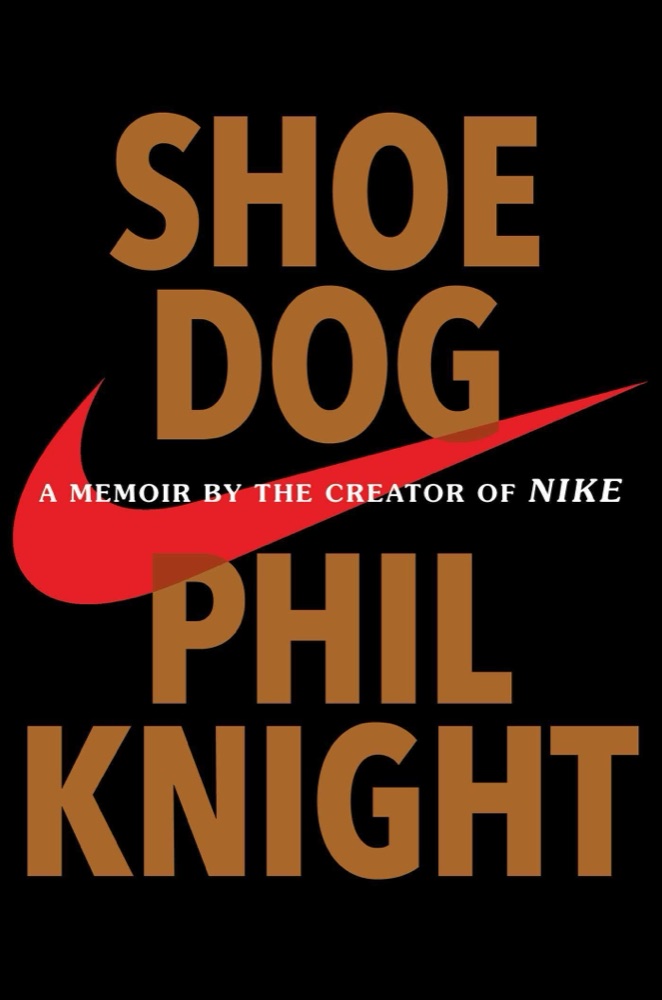
Shoe Dog is Phil Knight's memoir of how he built Nike from a one-man importing operation into a global brand. It opens in 1962, when the recently graduated Knight borrows fifty dollars from his father and travels to Japan to strike a deal to sell Onitsuka Tiger running shoes in the United States, launching a company he calls Blue Ribbon Sports. The narrative follows the precarious early years as Knight sells shoes out of the trunk of his car, recruits a small band of eccentric and devoted employees, and gradually transforms the venture into the company that would become Nike.
At its heart the book is about entrepreneurship, risk, and perseverance in the face of near-constant adversity. Knight recounts chronic cash-flow crises, fraught relationships with banks and suppliers, and a bruising legal and business battle with his Japanese partners, while reflecting candidly on the personal costs of his obsession with the company. Recurring themes include the tension between passion and pragmatism, loyalty among an unlikely team, and the idea of pursuing a calling rather than merely chasing profit.
Published in 2016, Shoe Dog was widely praised for its candor and storytelling, an unusually frank departure from typical triumphalist business memoirs. Bill Gates named it one of his favorite books of the year and Warren Buffett also lauded it, and the memoir became a bestseller. Critics noted its emotional honesty about failure, debt, and family, helping it reach a broad readership well beyond business circles.
Book details
- First published
- 2016
- Length
- 386 pages
- Reading time
- 6 hours
- Author
- Phil Knight
- Genre
- Nonfiction
- Goodreads rating
- 4.45 (383k ratings)
- First line
- “I was up before the others, before the birds, before the sun.”
Critical reception
- Named by Bill Gates as one of his favorite books of 2016.
- Praised by Warren Buffett as one of the best books he had read that year.
- Became a bestseller and was widely commended for its candor about the difficulties of building a business.
The buzz
- Kirkus ReviewsShoe Dog: A Memoir by the Creator of Nike2016professional trade review; mixed verdict, 'straight from the source' for business students
Keep reading
Be Useful: Seven Tools for Life
 Total Recall: My Unbelievably True Life Story
 Tools of Titans: The Tactics, Routines, and Habits of Billionaires, Icons, and World-Class Performers
 Do Epic Shit
 The Leader Who Had No Title: A Modern Fable on Real Success in Business and in Life
 Think and Grow Rich
 Tribe Of Mentors: Transformative Wisdom From Icons and Innovators to Help You Navigate Life's Challenges
 Can't Hurt Me: Master Your Mind and Defy the Odds
 Will
Will
 The Power of One
 Greenlights
 Capital Gaines: Smart Things I Learned Doing Stupid Stuff
 Choose Yourself: Be Happy, Make Millions, Live the Dream
 The Success Principles: How to Get from Where You Are to Where You Want to Be
 Wooden: A Lifetime of Observations and Reflections On and Off the Court
 Wings of Fire: An Autobiography
 I Can't Make This Up: Life Lessons
 The 7 Habits Of Highly Effective Teens
 Pour Your Heart Into It: How Starbucks Built a Company One Cup at a Time
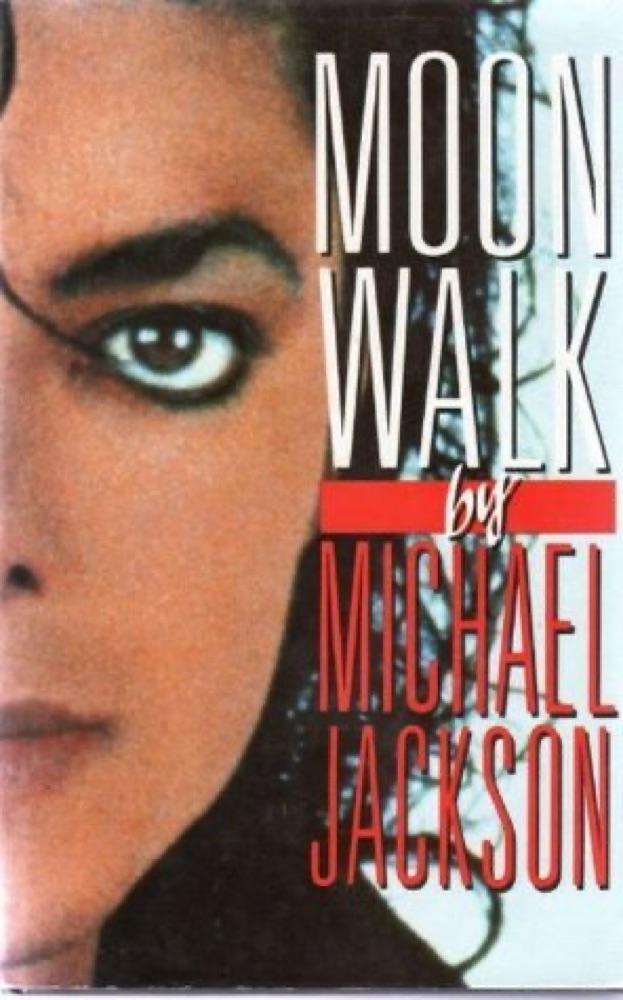 Moonwalk
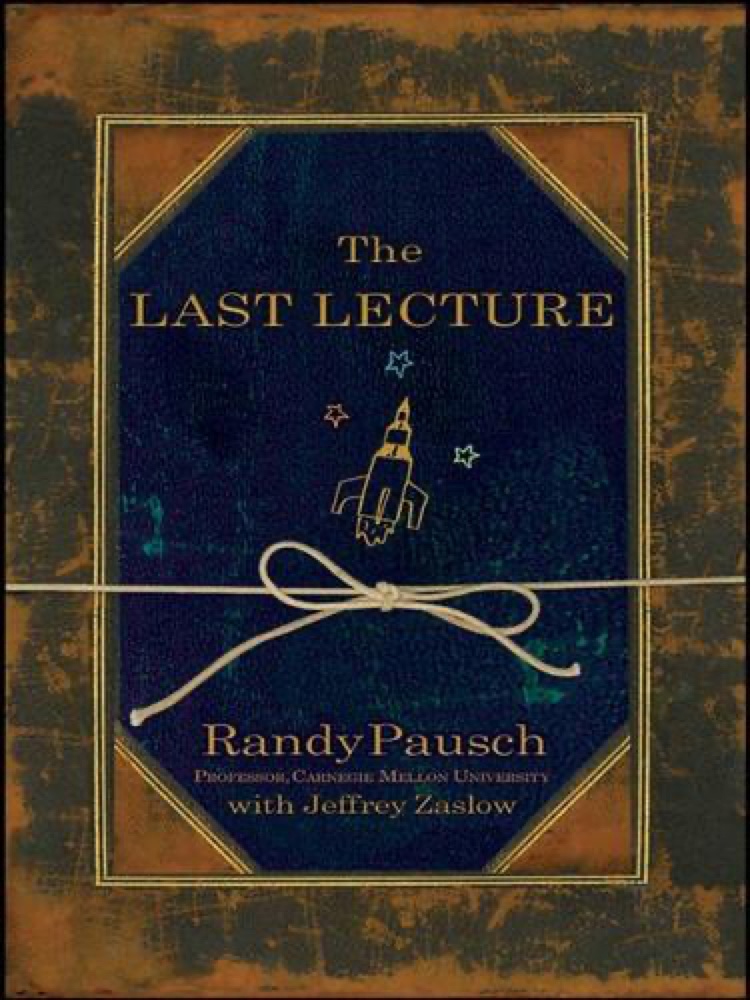 The Last Lecture
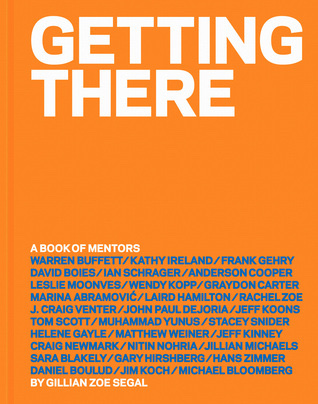 Getting There: A Book of Mentors
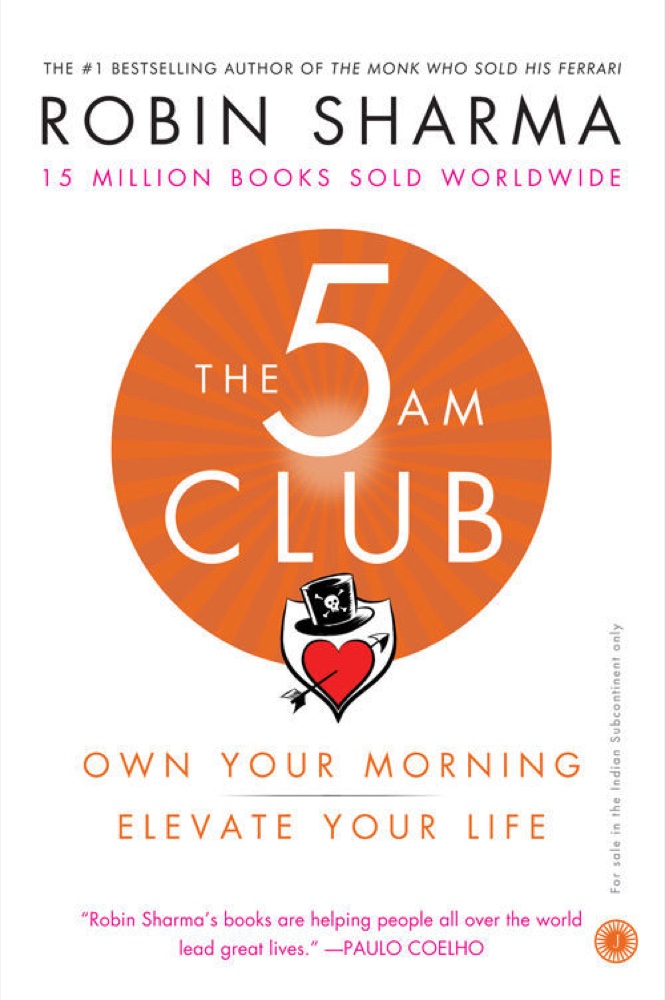 The 5 AM Club: Own Your Morning. Elevate Your Life
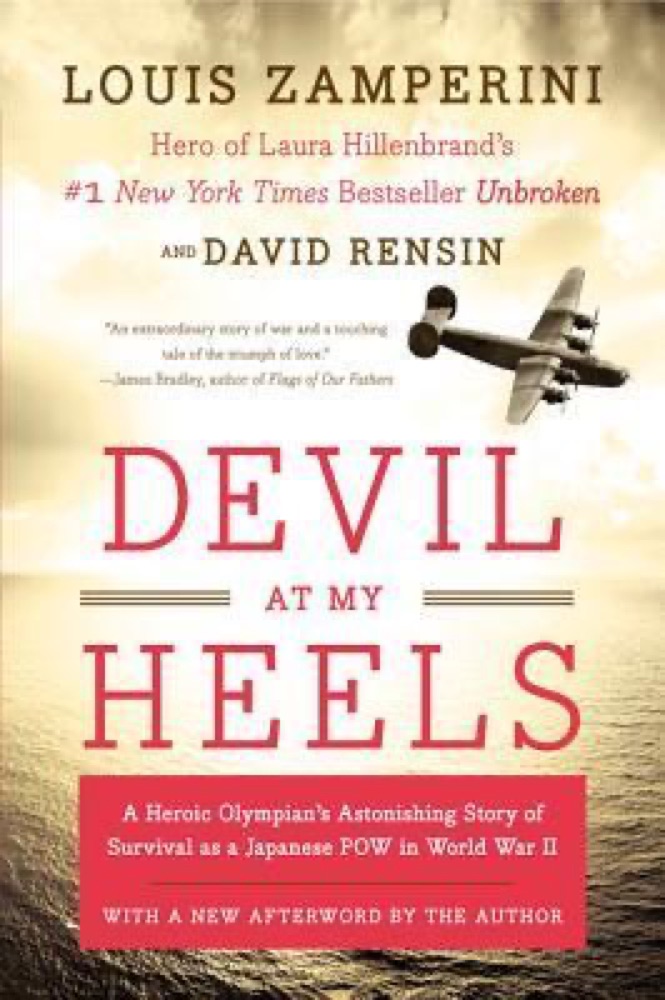 Devil at My Heels: A Heroic Olympian's Astonishing Story of Survival as a Japanese POW in World War II
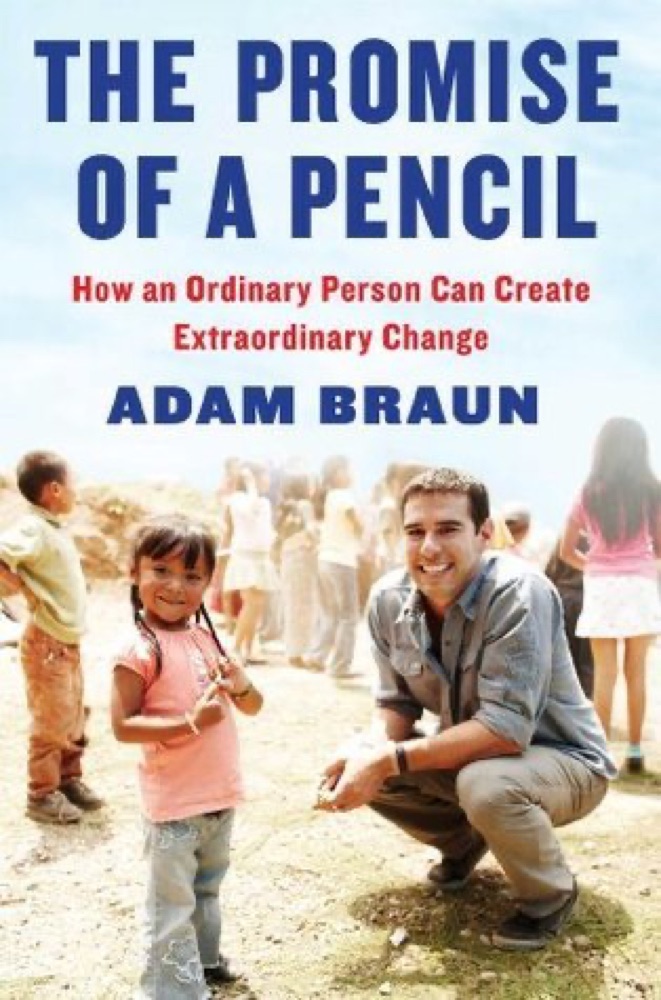 The Promise of a Pencil: How an Ordinary Person Can Create Extraordinary Change
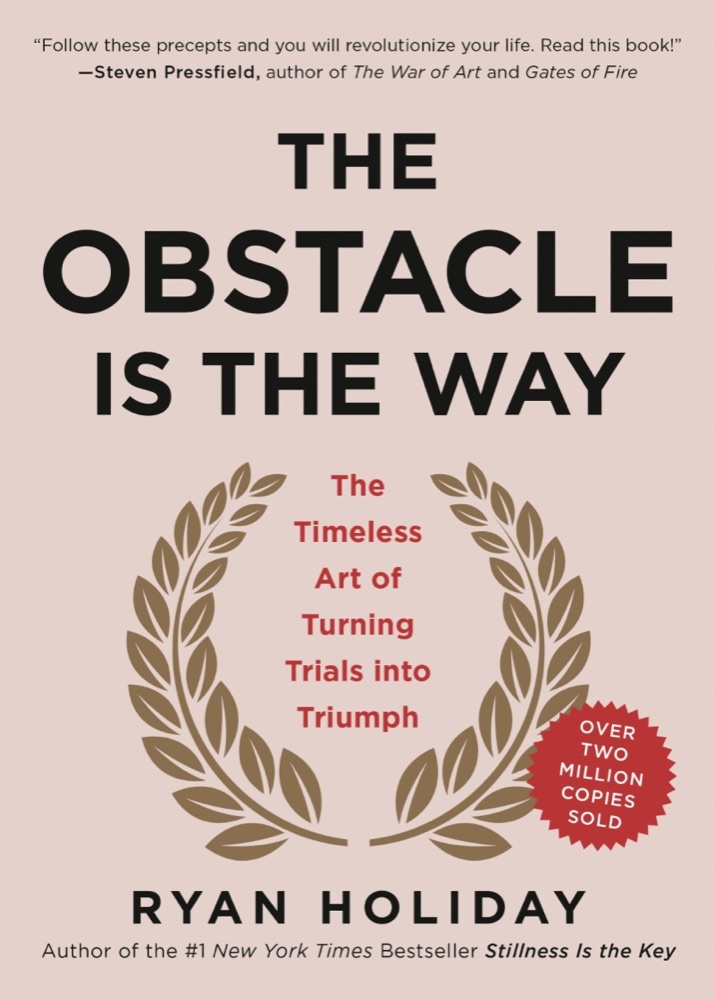 The Obstacle Is the Way: The Timeless Art of Turning Trials into Triumph
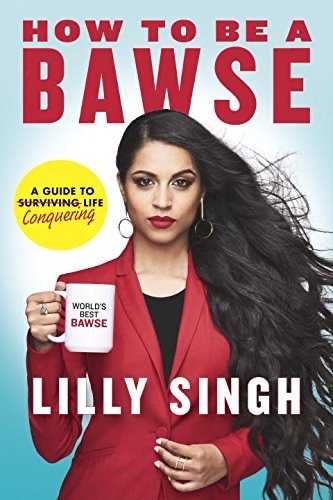 How to Be a Bawse: A Guide to Conquering Life
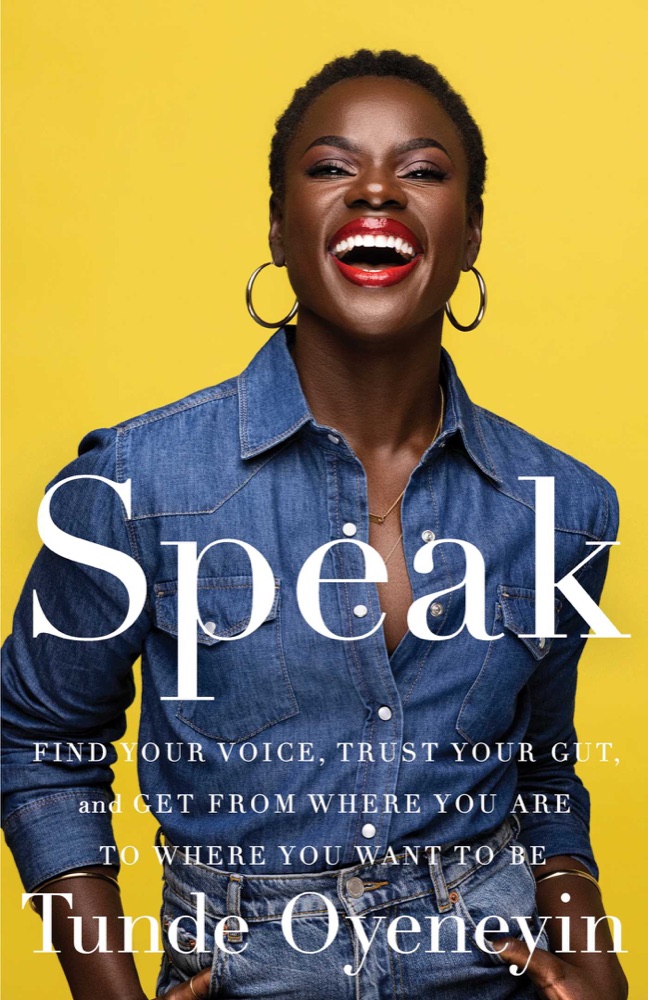 Speak: Find Your Voice, Trust Your Gut, and Get from Where You Are to Where You Want to Be
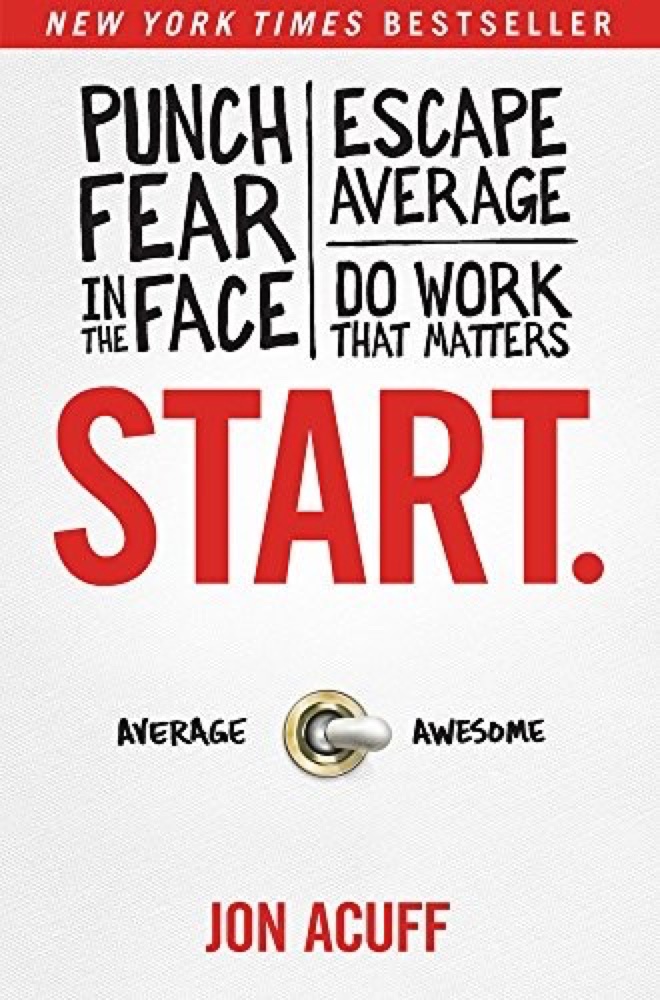 Start: Punch Fear in the Face, Escape Average and Do Work that Matters
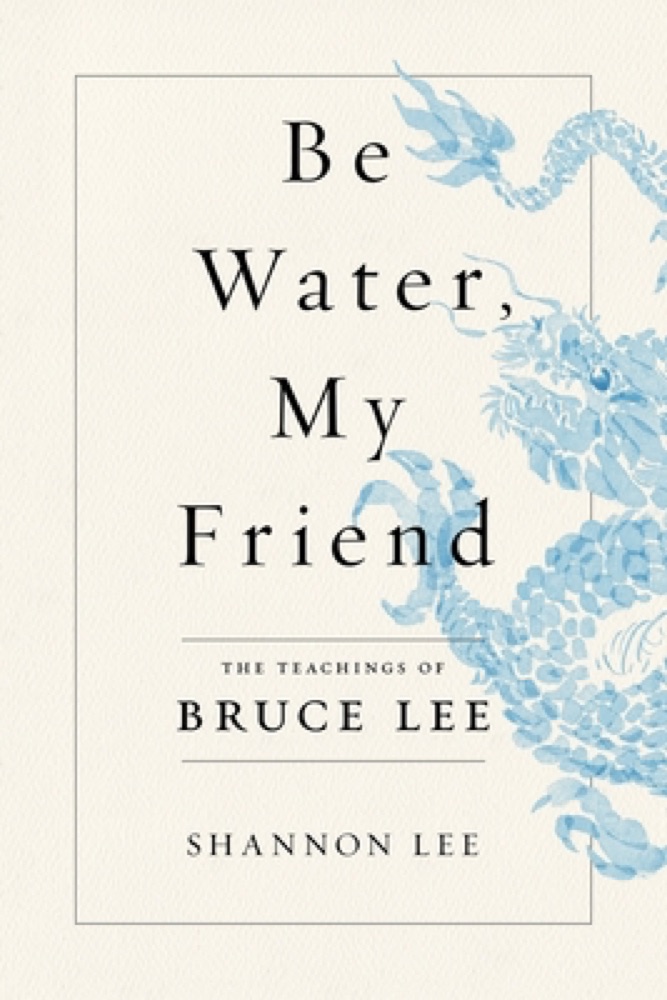 Be Water, My Friend: The Teachings of Bruce Lee
 #Girlboss
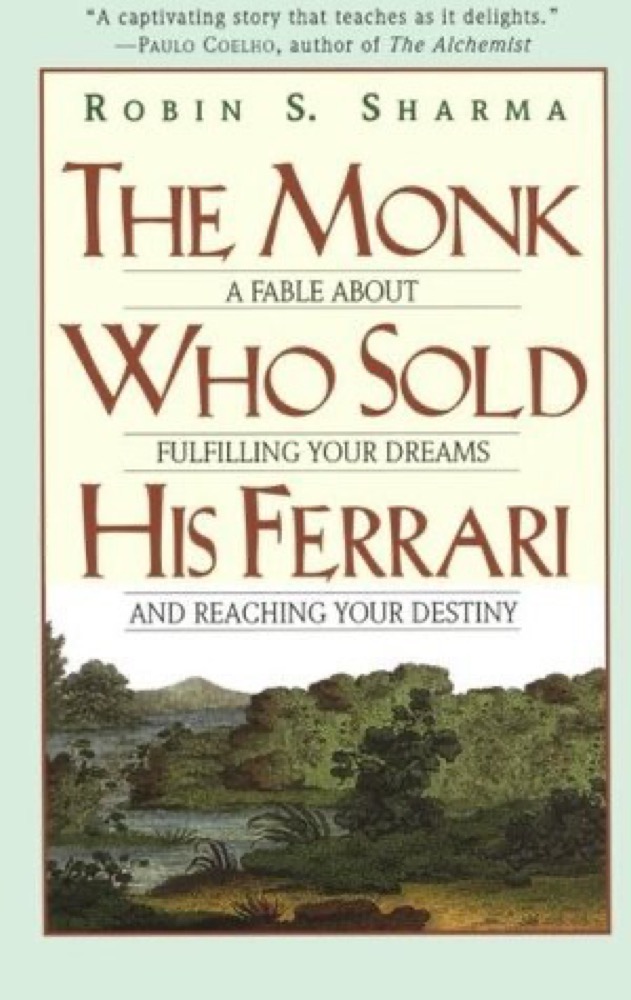 The Monk Who Sold His Ferrari: A Fable About Fulfilling Your Dreams and Reaching Your Destiny
 One
One
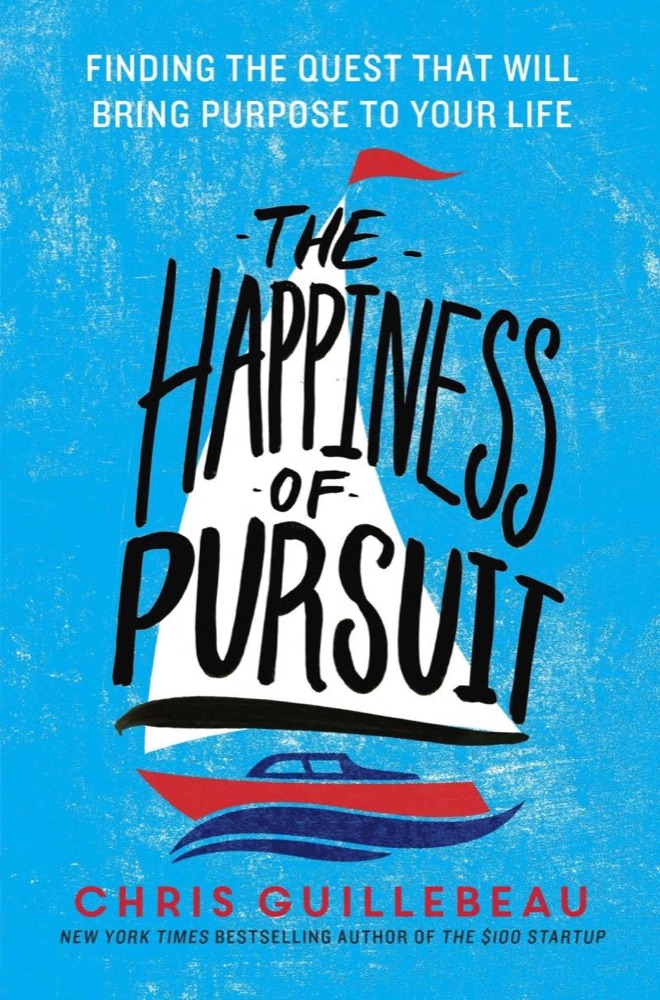 The Happiness of Pursuit: Finding the Quest That Will Bring Purpose to Your Life
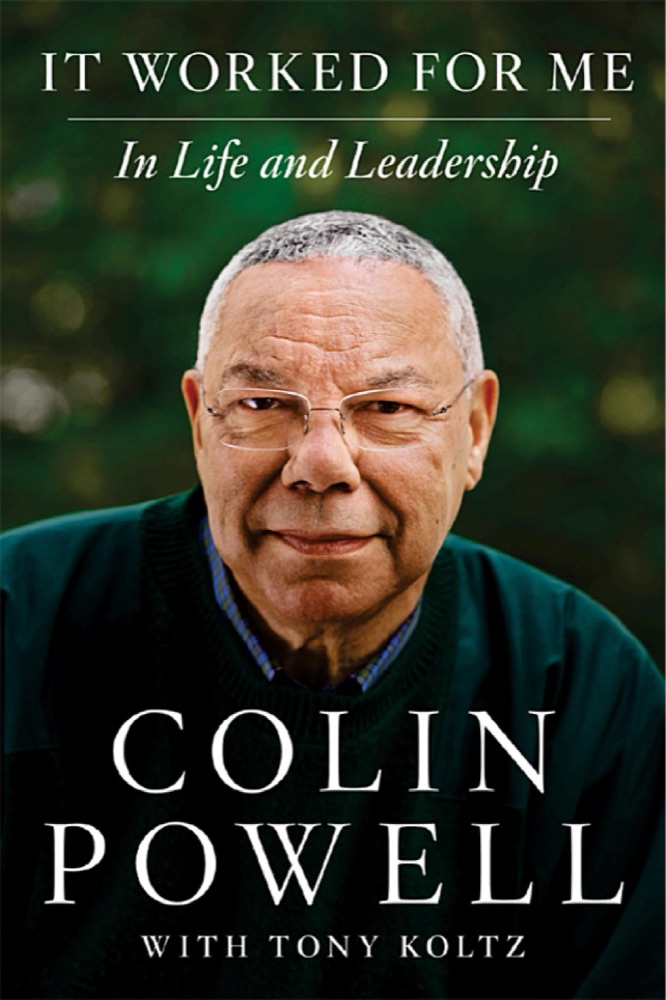 It Worked for Me: In Life and Leadership
 Thrive: The Third Metric to Redefining Success and Creating a Life of Well-Being, Wisdom, and Wonder
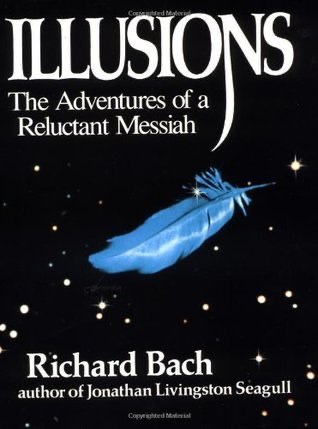 Illusions: The Adventures of a Reluctant Messiah
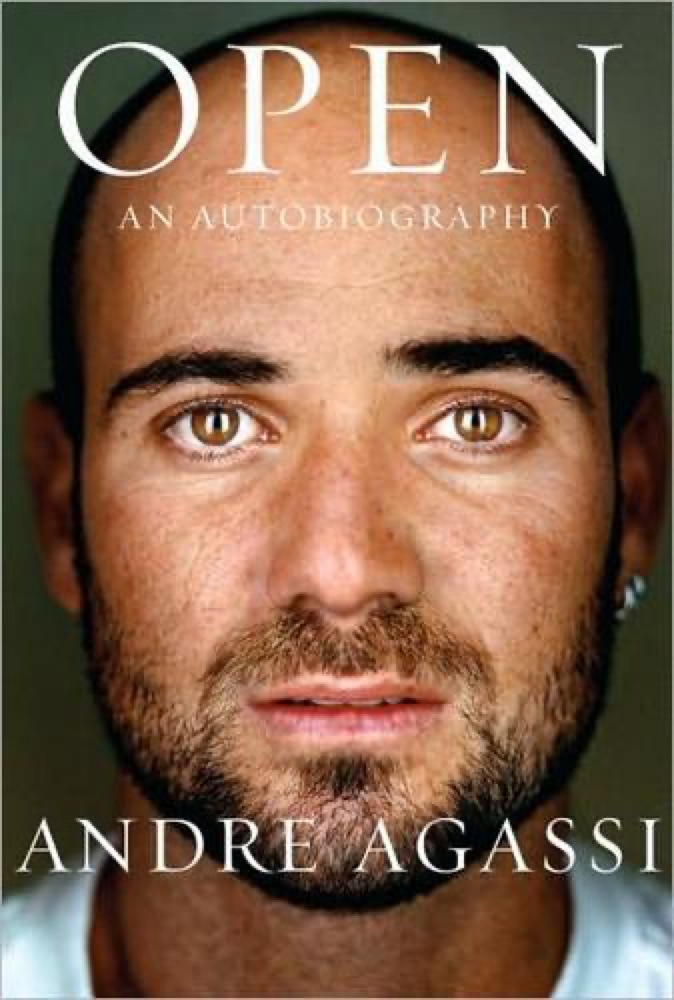 Open
Open
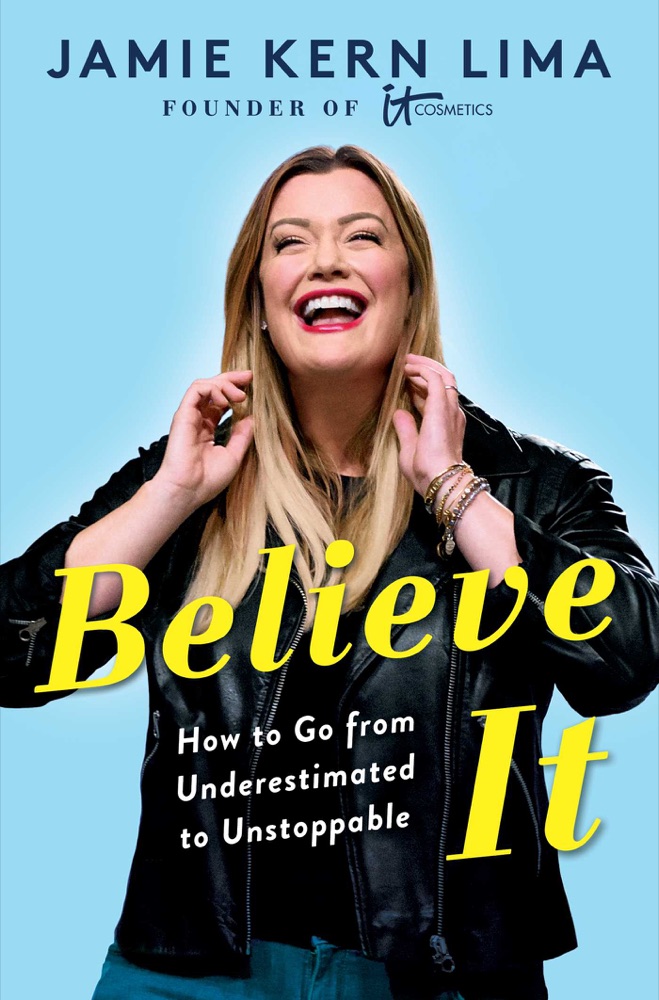 Believe It: How to Go from Underestimated to Unstoppable
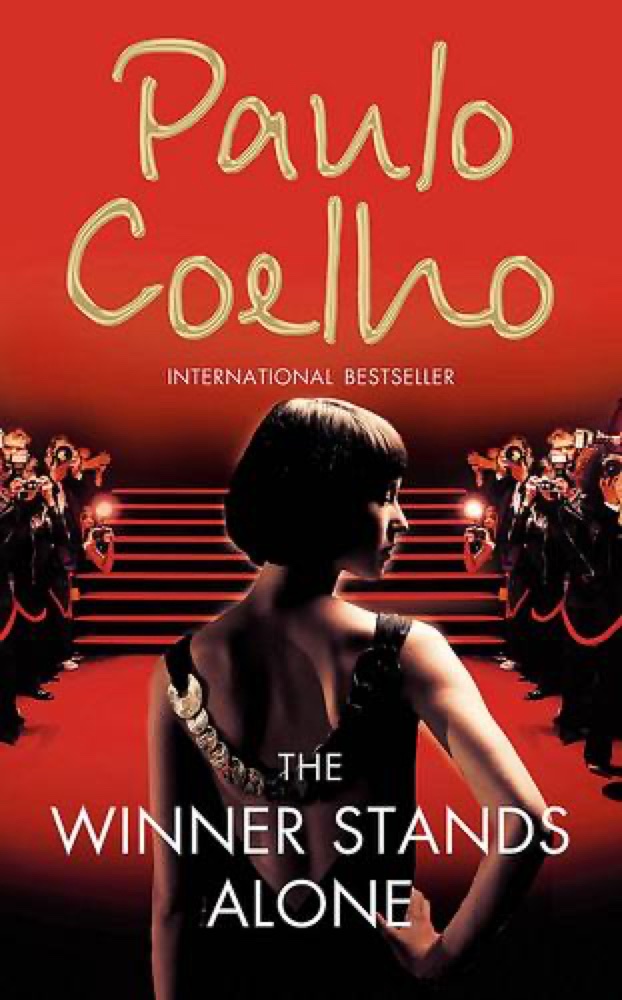 The Winner Stands Alone
 The Resistance
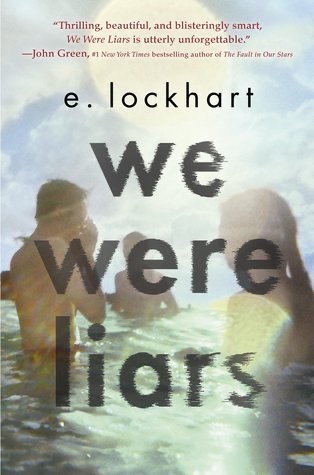 We Were Three
 The Art of Thinking Clearly
 The Intern's Handbook
 How to Fail at Almost Everything and Still Win Big: Kind of the Story of My Life
 The Traveler's Gift: Seven Decisions that Determine Personal Success
 A Sudden Light
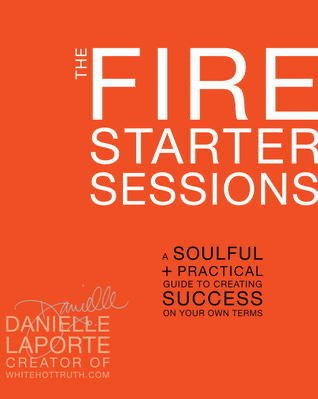 The Fire Starter Sessions: A Soulful + Practical Guide to Creating Success on Your Own Terms
 Delivering Happiness: A Path to Profits, Passion, and Purpose
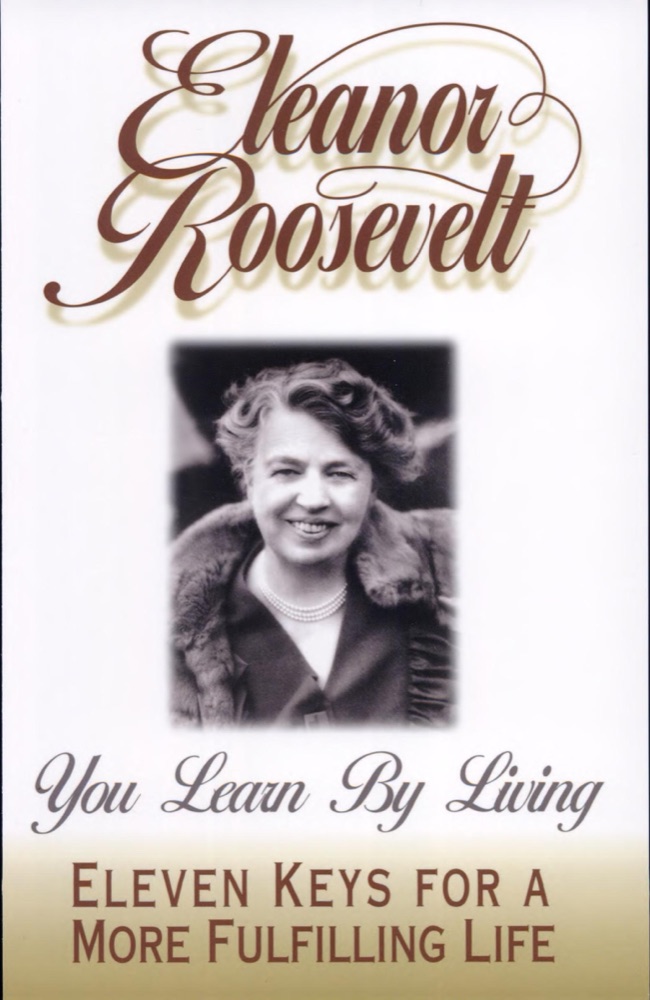 You Learn by Living: Eleven Keys for a More Fulfilling Life
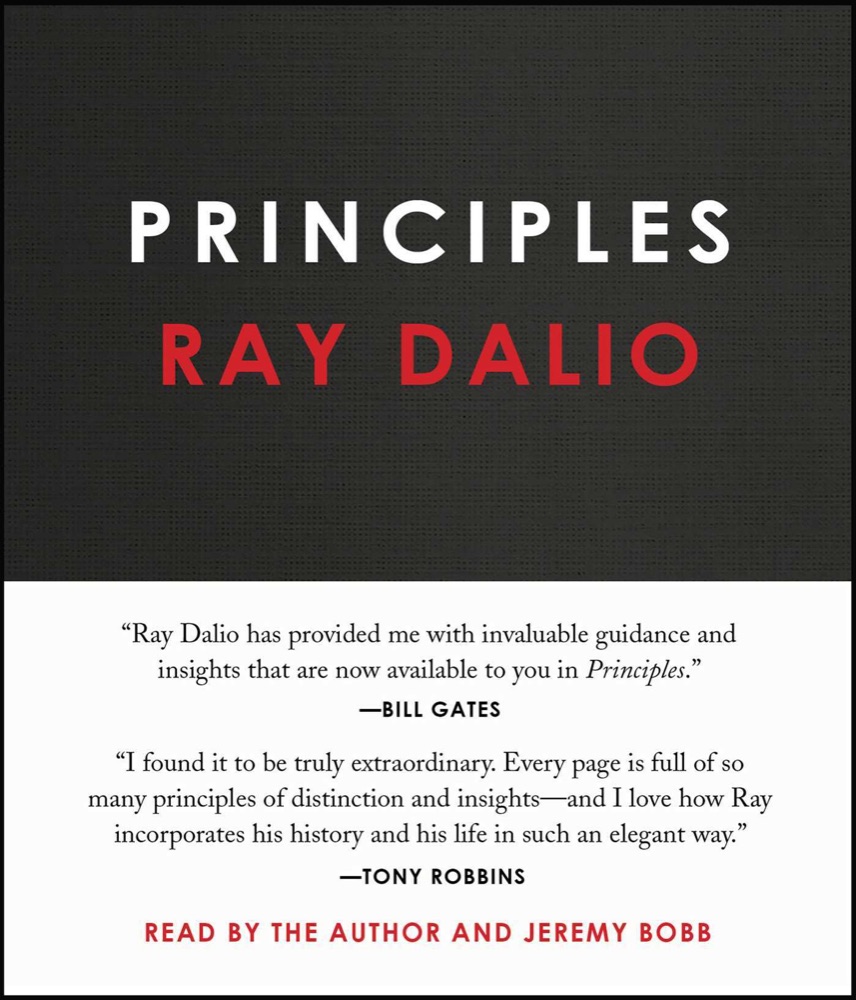 Principles: Life and Work
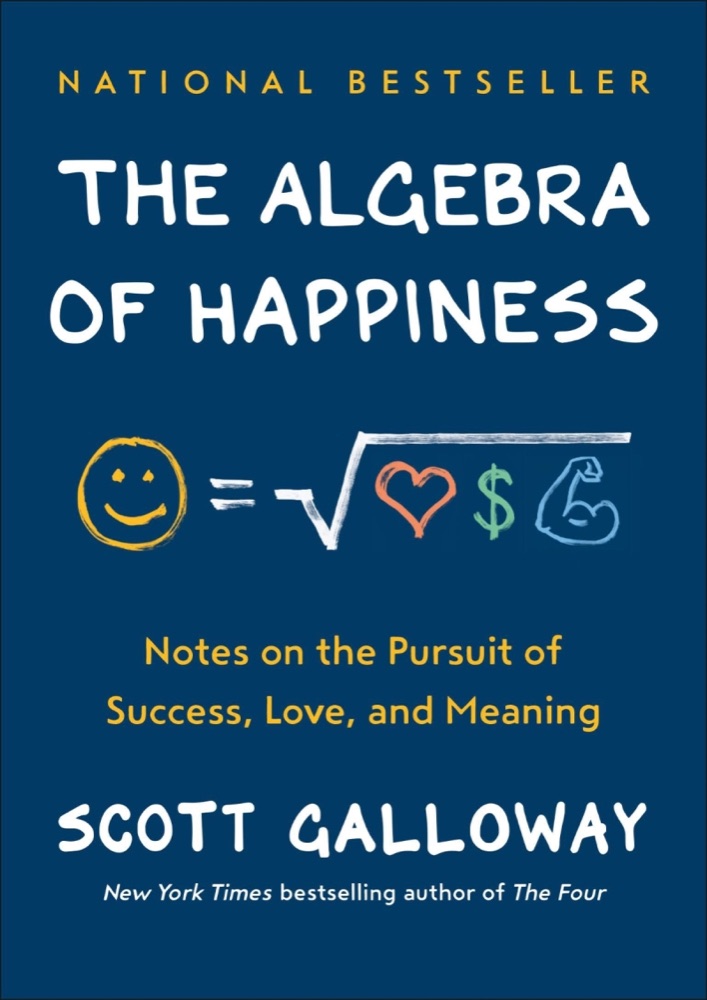 The Algebra of Happiness: Notes on the Pursuit of Success, Love, and Meaning
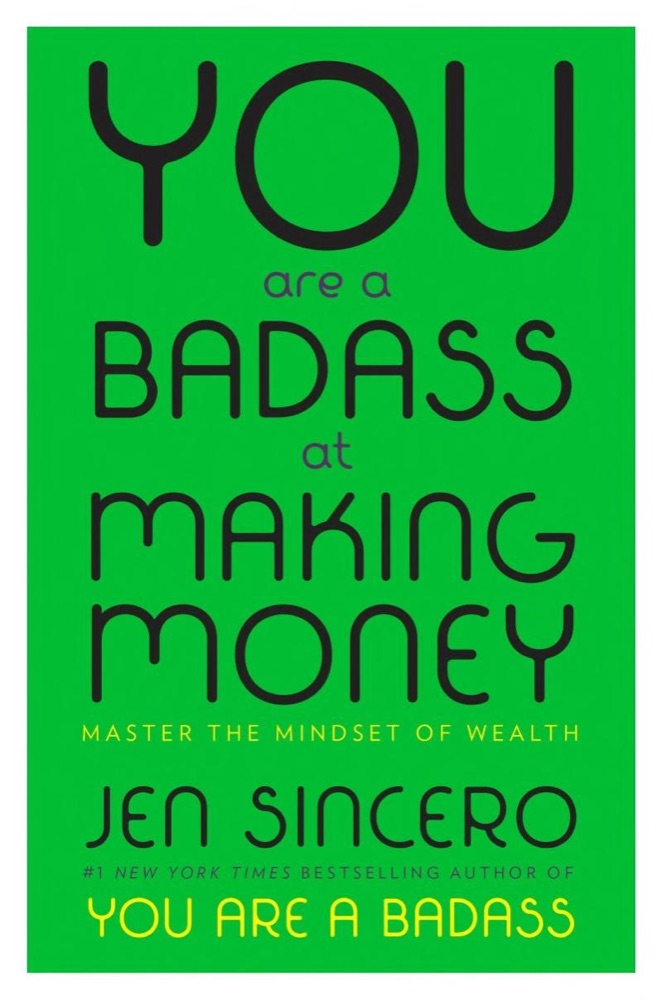 You Are a Badass at Making Money: Master the Mindset of Wealth
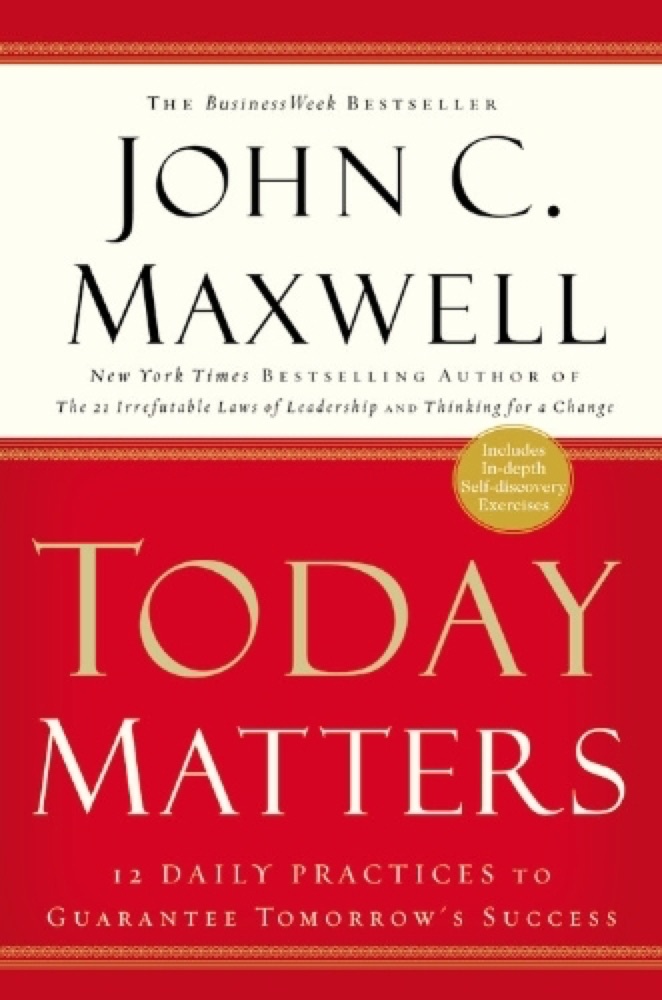 Today Matters: 12 Daily Practices to Guarantee Tomorrow's Success
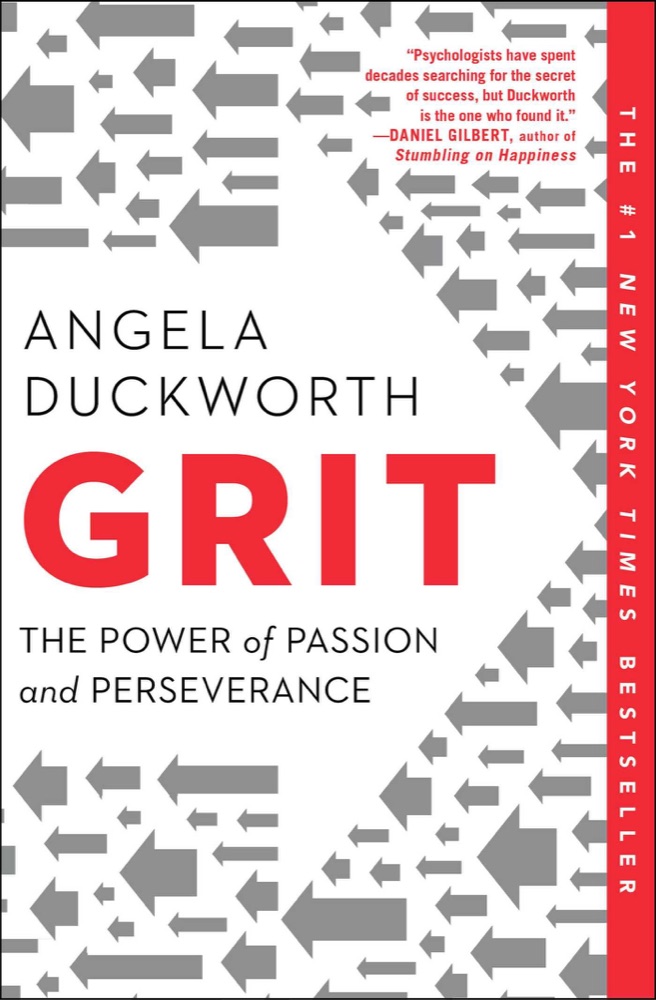 Grit: The Power of Passion and Perseverance
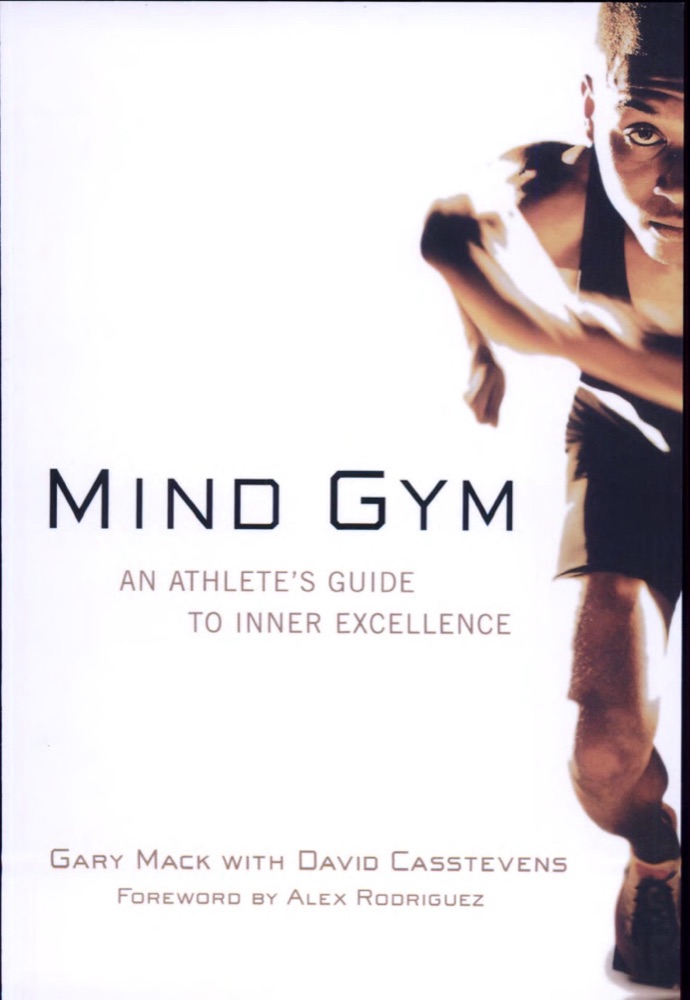 Mind Gym: An Athlete's Guide to Inner Excellence
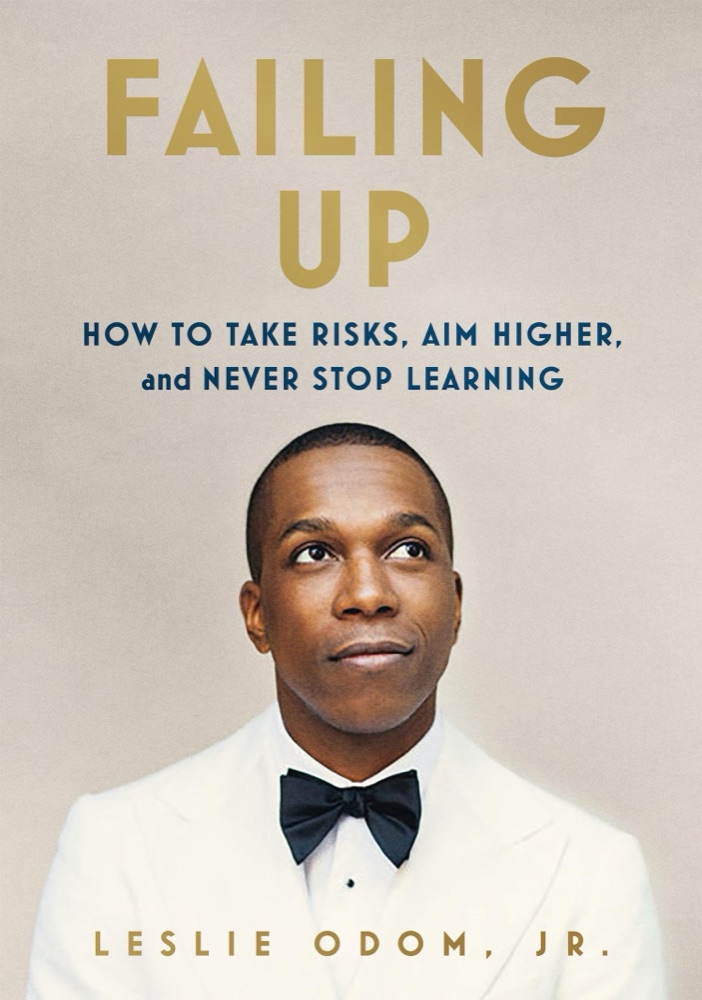 Failing Up: How to Take Risks, Aim Higher, and Never Stop Learning
 A Work in Progress
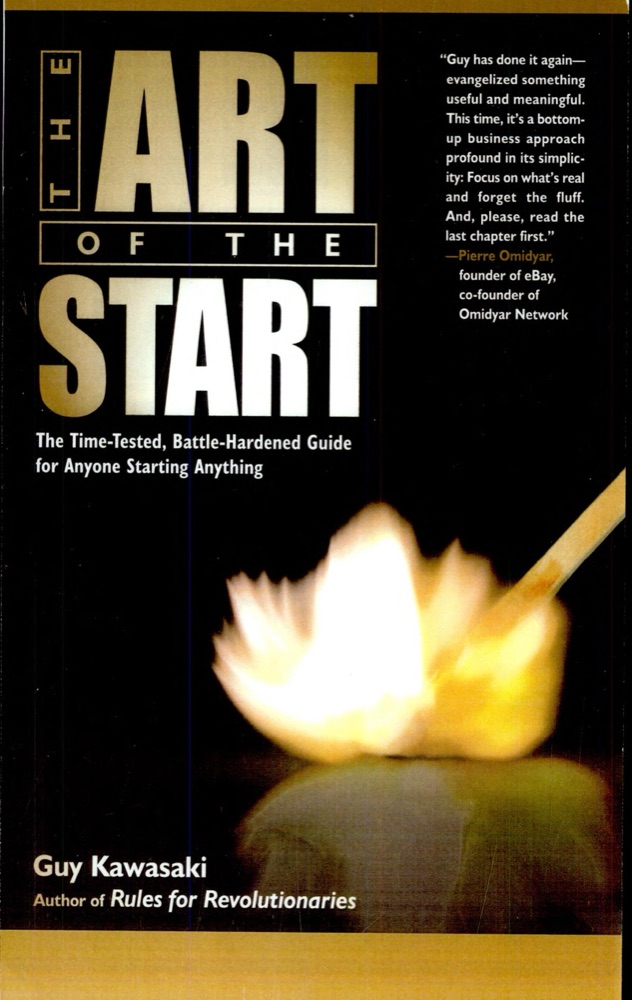 The Art of the Start: The Time-Tested, Battle-Hardened Guide for Anyone Starting Anything