

 First As Tragedy, Then As Farce
Quotes from the Book
The surest way to keep a problem from being solved is to deny that problem exists. Telling people not to complain is a way of keeping social issues from being addressed. It trivializes the grievances of the vulnerable, making the burdened feel like burdens. Telling people not to complain is an act of power, a way of asserting that one's position is more important than another one's pain. People who say "stop complaining" always have the right to stop listening. But those who complain have often been denied the right to speak.
55
In the American media, white people debate whether race matters, rich people debate whether poverty matters, and men debate whether gender matters. People for whom these problems must matter -- for they structure the limitations of their lives -- are locked out of the discussion.
25
Charity, as a supplement to justice, should be applauded. But charity as a substitute for justice is neither charity nor justice. It is cruelty.
16
Americans should not fear riots. They should fear apathy. They should fear acquiescence. They should not fear each other. But it is understandable, now, that they do.
12
Poverty is a sentence for the crime of existing. Poverty is a denial of rights sold as a character flaw.
12
Gentrifiers focus on aesthetics, not people. Because people, to them, are aesthetics.
11
All social movements are dismissed at some point as complaining. Over time, they are recognized as speaking truth to power.
9
It is easy, when people feel frightened and abandoned, for a demagogue to exploit those feelings of despair for political gain. It is easy for that demagogue to translate fear into fanaticism, to shift extremism into the mainstream and market it under the guise of populism. By the time buyer's remorse hits, a new and more brutal political culture has arisen. A gaslit nation becomes engulfed in flames.
9
I think right-wing populists hate the `liberal elite` more than economic elites because they've grabbed all the jobs where you get paid to do something that isn't just for the money - the pursuit of art, or truth, or charity", notes David Graeber, an anthropologist whose ideas helped shape the Occupy movement. "All they can do if they want to do something bigger than themselves and still get paid is join the army.
7
College is a purchased loyalty oath to an imagined employer.
5
Paranoia is aggression masked as defense. It was paranoia (and hubris, and greed) that caused the run-up to the Iraq War; it is paranoia that leads to thousands of innocent Muslims being profiled in New York; it is paranoia that led to Trayvon Martin being shot to death on the street. In Congress, paranoia is less a style than a sickness, employed less with flourish than with fear. Paranoia is the refusal to recognize others except as filtered through ourselves—and how do Americans see themselves? Afraid, afraid, afraid.
4
The Iraq war is notable not only for journalistic weakness, but for journalistic futility: the futility of fact itself. Fact could not match the fabrications of power. Eventually, our reality shifted to become what they conceived. “I could have set myself on fire in protest on the White House lawn and the war would have proceeded without me,” wrote Bush speechwriter David Frum. That was the message of the Iraq war: there is no point in speaking truth to power when power is the only truth.
3
Mistaking wealth for virtue is a cruelty of our time. By treating poverty as inevitable for parts of the population, and giving impoverished workers no means to rise out of it, America deprives not only them but society as a whole. Talented and hardworking people are denied the ability to contribute, and society is denied the benefits of their gifts. Poverty is not a character flaw. Poverty is not emblematic of intelligence. Poverty is lost potential, unheard contributions, silenced voices.
3
Dependence may be the primary trait of the millennial generation, but it is a structural dependence, caused not by "laziness" or "narcissism" but by a lack of options or social mobility.
3
Teaching, nursing, social work, child care, and other “pink collar” professions do not pay poorly because, as Slate’s Hanna Rosin argues, women “flock to less prestigious jobs,” but because jobs are considered less prestigious when they are worked by women. The jobs are not worth less—but the people who work them are supposed to be.
2
The absence of complaining should be taken as a sign that something is rotting in a society. Complaining is beautiful. Complaining should be encouraged. Complaining means you have a chance.
2
The condemnation of digital media has two sides. There is a legitimate claim that digital media has given old viciousness new visibility. . .. Certain facets of social media—speed, anonymity, the ability to "dox"—have changed the nature of harassment, making it easier to accomplish and less likely to be redressed. But are the mainstream media any different in their biases and cruelty? They do not appear to be. Mainstream media cruelty is actually more dangerous, for it incorporates language that, were it blogged by an unknown, would likely be written off as the irrelevant ramblings of a sociopath. Instead, the prestige of old media gives bigoted ranting respectability. Even in the digital age, old media define and shape the culture, repositioning the lunatic fringe as the voice of reason.
2
The internet would seem an antidote to conspiracy theories and state secrecy, but it has only amplified both.
2
It could always be worse, they say. They don't like to say that it could always be better, because that would require redress. Ranking
2
Exponential increases in university tuition have erased the possibility of education as a path out of poverty. These are not revelations - these are hard limitations faced by most Americans.
2
You are not your job. But you are how you treat people. So what can you do? You can work your hardest and do your best. You can organize and push for collective change. You can hustle and scrounge and play the odds. But when you fall, know that millions are falling with you. Know that it is, to a large extent, out of your hands. And when you see someone else falling, reach out your hands to catch them. --Originally
2
Poverty is a sentence for the crime of existing. Poverty
2
Changing your major will not change a broken economy.
2
Talented and hardworking people are denied the ability to contribute, and society is denied the benefits of their gifts. Poverty is not a character flaw. Poverty is not emblematic of intelligence. Poverty is lost potential, unheard contributions, silenced voices.
1
People not only fall through the cracks, they live in the cracks as a full-time occupation. The view from the cracks is a lot clearer than the view from above. When you look down on people, they stop being people. But when you watch from below, you see how easy it is to fall.
1
When the bubbles popped, and the jobs disappeared, and the debt soared, and the desperation hit, Americans were told to stay positive. Stop complaining—things will not be like this forever. Stop complaining—this is the way things have always been. Complainers suffer the cruel imperatives of optimism: lighten up, suck it up, chin up, buck up. In other words: shut up.
1
Who are the telegenically dead? The telegenically dead are the dead, plain and simple. That we see them is the novelty, that we grieve them is human, and to be human, today, is a hostile act. To grieve is to acknowledge loss, to acknowledge loss is to affirm life, to affirm life is to contemplate how it was taken.
1
Free speech means not only the right to offend, but the right to defend.
1
You begin to have nostalgia for disappointment,because at least that means you had expectations
1
Watch on YouTube
About Sarah Kendzior
We have collected 29 quotes from 1 book by Sarah Kendzior on BookQuoters.
More about the author →About the book
In this collection of essays, St. Louis journalist Sarah Kendzior tackles issues including labor exploitation, racism, gentrification, media bias and other aspects of the post-employment economy. Sample titles: "The Peril of Hipster Economics", "The Wrong Kind of Caucasian", "Survival is Not an Aspiration". "Mothers Are Not 'Opting Out' -- They Are Out of Options", "Academia's Indentured Servants", "Meritocracy for Sale", "The Immorality of College Admissions", "Expensive Cities Are Killing Creativity". A former columnist for Al Jazeera English, Kendzior has spent years chronicling an America of diminishing opportunities. This collection contains the best of her work.
Book details
- First published
- 2015
- Author
- Sarah Kendzior
- Genre
- Nonfiction
- Goodreads rating
- 4.10 (5k ratings)
Keep reading
First As Tragedy, Then As Farce
 Empire of Illusion: The End of Literacy and the Triumph of Spectacle
 America: The Farewell Tour
 The Mandibles: A Family, 2029–2047
 The Audacity of Hope: Thoughts on Reclaiming the American Dream
 You Can't Be Neutral on a Moving Train: A Personal History of Our Times
 Occupy
 The Coming Insurrection
 Life at the Bottom: The Worldview That Makes the Underclass
 What's Our Problem?: A Self-Help Book for Societies
 Wealth, Poverty and Politics: An International Perspective
 Coming Apart: The State of White America, 1960-2010
 Nickel and Dimed: On (Not) Getting by in America
 On the Other Side of Freedom: The Case for Hope
 Unscripted: Life, Liberty, and the Pursuit of Entrepreneurship
 Opinions: A Decade of Arguments, Criticism, and Minding Other People’s Business
 Ill Fares the Land
 Behold a Pale Horse
 Endgame, Vol. 1: The Problem of Civilization
 The World Is Flat: A Brief History of the Twenty-first Century
 United: Thoughts on Finding Common Ground and Advancing the Common Good
 Utopia for Realists: How We Can Build the Ideal World
 The Truths We Hold: An American Journey
 Parasitic Mind: How Infectious Ideas Are Killing Common Sense
 Elite Capture: How the Powerful Took Over Identity Politics
 A People's History of the United States
 The Ministry for the Future
 Poverty, by America
 What's Wrong with the World
 Where Do We Go from Here: Chaos or Community?
 This Is What Inequality Looks Like
 Understanding Power: The Indispensable Chomsky
 Humankind: A Hopeful History
 Bright-Sided: How the Relentless Promotion of Positive Thinking Has Undermined America
 Walden Two
 Friday
 The Madness of Crowds: Gender, Race and Identity
 Between the World and Me
 Assata: An Autobiography
 Walkaway
 Death of the Liberal Class
 Nobody Knows My Name
 Power Systems: Conversations on Global Democratic Uprisings and the New Challenges to U.S. Empire
 One Day, Everyone Will Have Always Been Against This
 The Soul of Man Under Socialism
 Twilight of the Elites: America After Meritocracy
 One Nation: What We Can All Do to Save America's Future
 Civilized to Death: What Was Lost on the Way to Modernity
 The Source of Self-Regard: Selected Essays, Speeches, and Meditations
 We Gon' Be Alright: Notes on Race and Resegregation
 Hitch-22: A Memoir
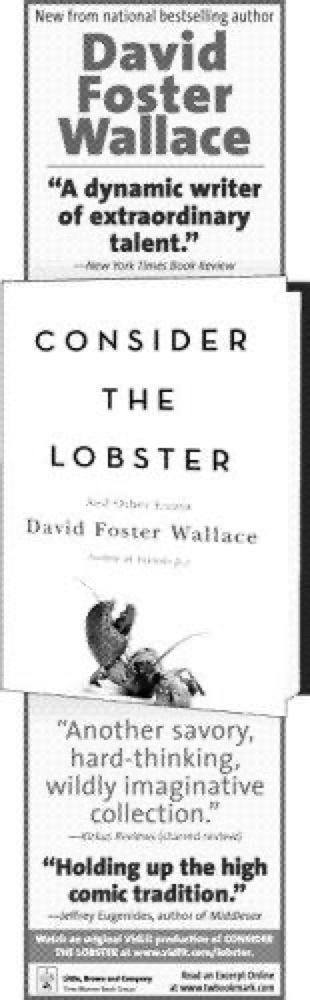 Consider the Lobster and Other Essays
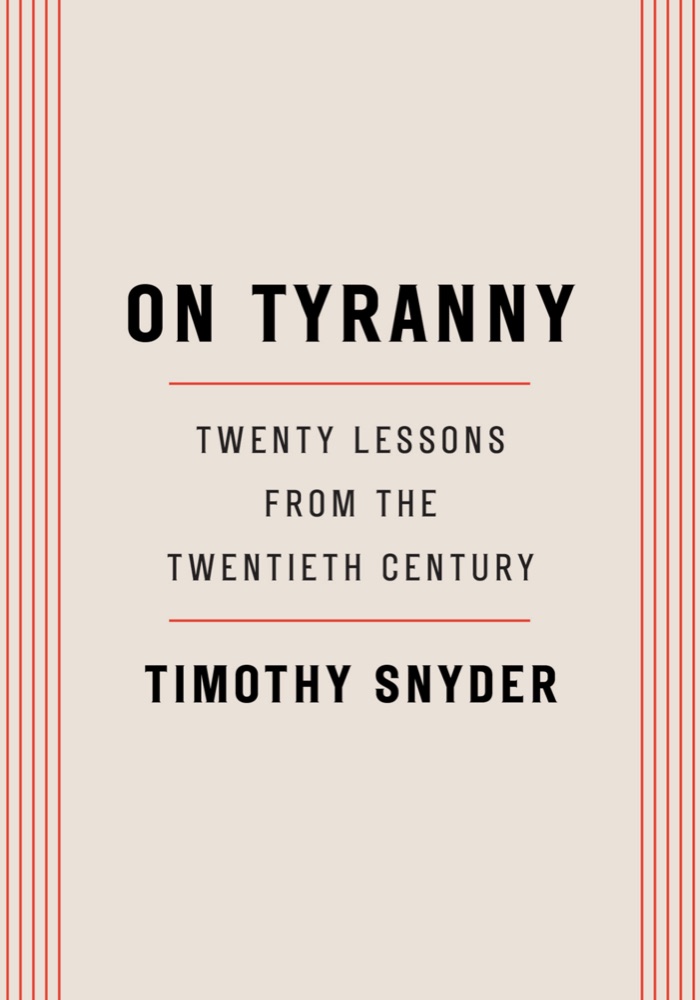 On Tyranny: Twenty Lessons from the Twentieth Century
 World War Z: An Oral History of the Zombie War
 The Witches Are Coming
 A Man Without a Country
 White Trash: The 400-Year Untold History of Class in America
 Green Mars
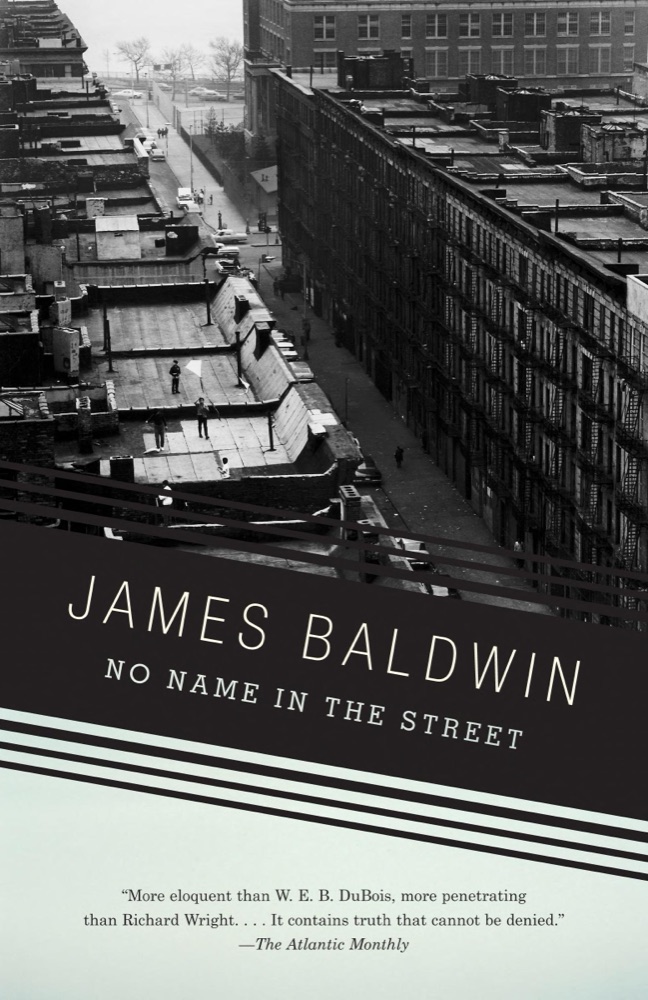 No Name in the Street
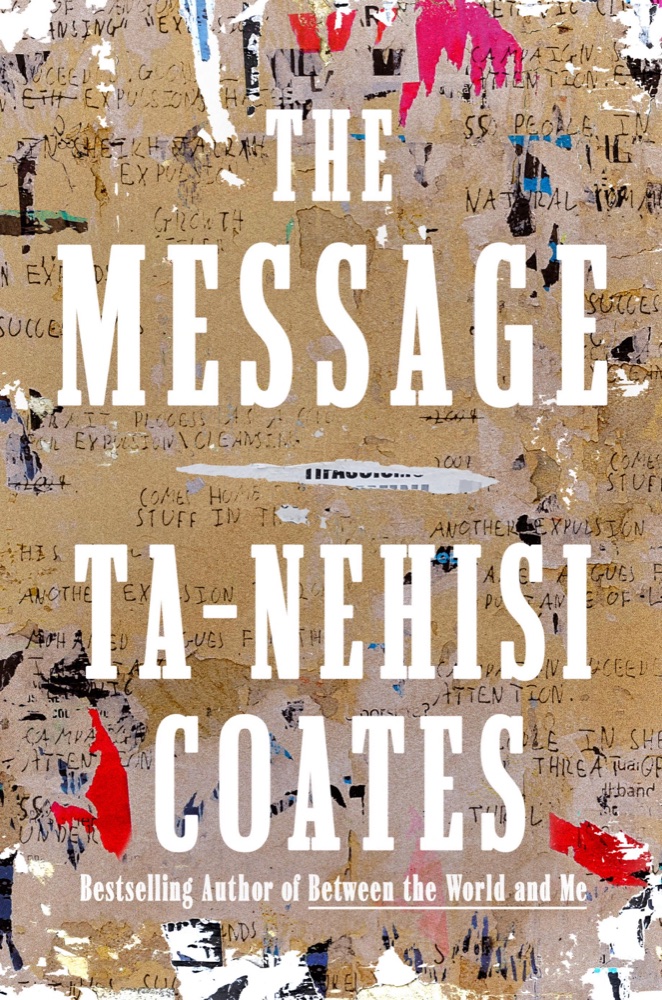 The Message