 The American Spirit: Who We Are and What We Stand For
Quotes from the Book
Facts don’t require our personal approval for them to be facts.
9
Progress is usually born out of struggle. But struggle doesn’t always mean progress, does it? What do we need to add to struggle to create progress? The answer is hope. Hope, which attorney and author Bryan Stevenson told me is not a feeling but an orientation of the spirit. Hope is a choice that we make each morning, and we do not have the luxury of hopelessness if we want to see progress.
9
They are those who know that one becomes great because of who they lift up, not who they put down.
7
Being at the forefront of progress has always come with a certain amount of fear—you’re asking people to abandon comfort for the sake of growth. It’s like asking people to follow you into the wilderness for the promise of a better tomorrow. Some people would rather stay where they are, because home is comfortable. Home is safe. Change is scary.
7
America has been just, and it has perpetuated injustice. We have been peaceful, and we have perpetrated acts of violence. We have been—and are—good. And we have done terrible things to people who didn’t deserve them. It has been the land of the free while simultaneously sanctioning oppression. Such is often the experience of any government run by fallible human beings. Sometimes we surprise ourselves in our capacity for greatness, and sometimes the weight of regret wraps around us like a chain.
6
Both of these things are true at the same time. America has been just, and it has perpetuated injustice. We have been peaceful, and we have perpetrated acts of violence. We have been—and are—good. And we have done terrible things to people who didn’t deserve them. It has been the land of the free while simultaneously sanctioning oppression.
6
None of us can do it all. But all of us can do something. And it might as well be the next needed thing.
4
If anyone tries to tell you the Civil War was a war for “state’s rights,” calmly look them in the eye, and ask, politely and inquisitively, what exactly the states wanted the “right” to do? You can follow up with, “Make their own rules about what?” The answer is, of course, that they wanted to make their own rules about whether they had the right to enslave people. All the “way of life” and “self-determination” and “economic conditions” roads lead right back to slavery.
4
The ideals outlined in the Constitution represent our national purpose, the raft we must cling to in the storm, the breath in our lungs, the beat in our chest: Just. Peaceful. Good. Free.
3
Then, and now, one of the most effective ways to stop cultural change is to create a moral panic around it.
2
What will history remember with kindness? The leader with the most cunning tweets? The one with the most self-aggrandizing speeches and the biggest audiences? No, it’s not the cynics who emerge the heroes, but the people who spent their lives in service to others. It’s those that fight for justice for someone whose reflection they don’t see in the mirror.
2
It's not the cynics who emerge the heroes, but the people who spent their lives in service to others. It's those that fight for justice for someone whose reflection they don't see in the mirror.
2
Secondly, the American South was one of the LAST places in the world to end enslavement. One of the last. Not the first.
2
Education wasn’t only liberation, she came to realize; education was self-sufficiency. It was independence. It reduced your vulnerability, because it was much harder to cheat someone who could read and do basic sums. It was connection, allowing you to read and send letters to your loved ones. It was faith, because it let you read your scriptures.
1
Why not do the unheard of thing? - Rebecca Brown Mitchell
1
I can even work with my enemies. Because I know from experience that they might have a change of heart any minute!-Septima Clark
1
I’d want you to know that there will come a moment in your life, a moment when you will be asked to choose: will I retreat, or will I move forward with courage?
1
We the People of the United States, in Order to form a more perfect Union, establish Justice, insure domestic Tranquility, provide for the common defense, promote the general Welfare, and secure the Blessings of Liberty to ourselves and our Posterity, do ordain and establish this Constitution for the United States of America.
1
Dan required seventeen units of blood, and each time the doctors would bring the bottle to his bedside, as was the custom, and show him the label. They wanted soldiers to see who had sacrificed for them, to experience the solidarity that came from giving each other blood.
1
JR refused to tie up his fortune in vaults beneath the earth, restricted in perpetual endowments. He declined to drip it out slowly, like many of his predecessors. He came by his money by chance, by virtue of proximity, and the least he could do, he believed, was use it to improve the condition of another.
1
White shopkeepers began to refuse to sell stamps to Black families, or they threw away letters addressed to Sears, aware that the catalog gave Black shoppers options they otherwise didn’t have. In response, Sears created postage-paid cards and directed people to give the ordering cards directly to their letter carriers, completely cutting out the rural postmasters. Shopkeepers in the South began to spread the rumor that Sears was Black, in an effort to keep white supremacists like them from patronizing Sears.[
1
The world cares very little about what you or I know, but it cares a great deal about what you or I do.”[
And it is us, the small and the mighty, who make America great.
Bert from Sesame Street would be proud of the U.S. Pigeon
This is but the merest taste of how the nation as a whole, not just the South, benefited from and approved of the practice of enslaving other human beings. Were some individuals morally opposed to it? Sure, I’ll grant you that. Some people were actively working for abolition. Some people refused to buy goods that had been made by enslaved labor. But most did not. Most looked the other way, reaping the benefits of an economy built on the backs of the enslaved.
Secure the blessings of liberty to ourselves and our posterity. This promise is now a hallmark of any democracy—the protections of civil liberties under the law, and a limiting of the power of the government so people are shielded from an overreaching and authoritarian regime—something Gouverneur Morris said Hamilton feared until the very end. The text of the Preamble imagined America at its finest: Just. Peaceful. Good. And free.
anyone tries to tell you the Civil War was a war for “state’s rights,” calmly look them in the eye, and ask, politely and inquisitively, what exactly the states wanted the “right” to do?
perpetuated injustice. We have been peaceful, and we have perpetrated acts of violence. We have been—and are—good. And we have done terrible things to people who didn’t deserve them. It has been the land of the free while simultaneously sanctioning oppression.
The real lesson to be learned is that beneath the surface of remarks similar to those made by the second person lurks a psychosis capable of building or destroying a nation.”[18]
Watch on YouTube
About Sharon McMahon
About the book
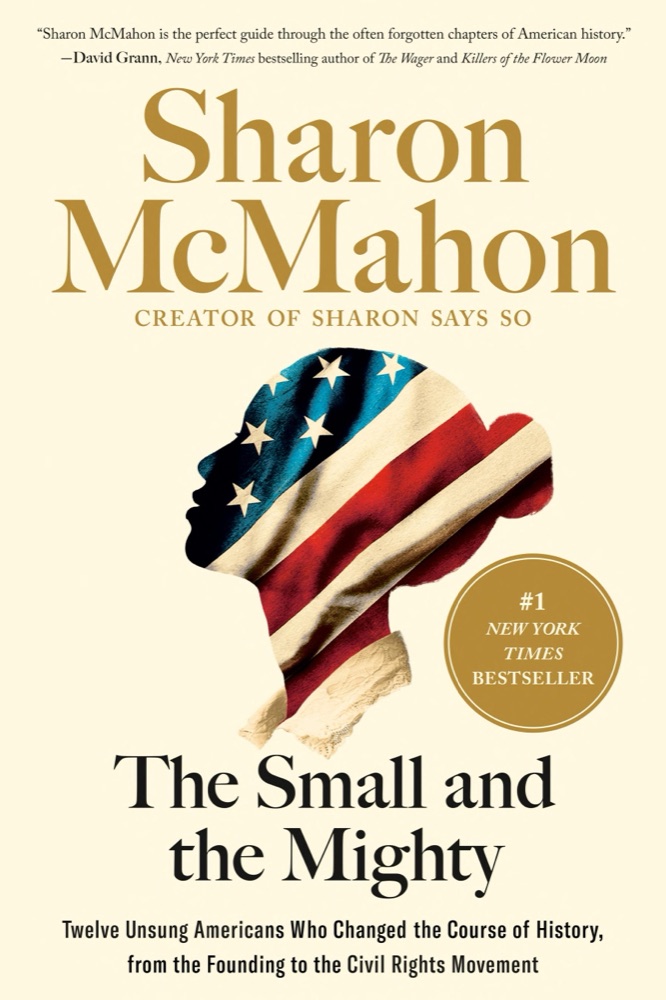
From America’s favorite government teacher, a heartfelt, inspiring portrait of twelve ordinary Americans whose courage formed the character of our country.In The Small and the Mighty, Sharon McMahon proves that the most remarkable Americans are often ordinary people who didn’t make it into the textbooks. Not the presidents, but the telephone operators. Not the aristocrats, but the schoolteachers. Through meticulous research, she discovers history’s unsung characters and brings their rich, riveting stories to light for the first time. You’ll meet a woman astride a white horse riding down Pennsylvania Ave, a young boy detained at a Japanese incarceration camp, a formerly enslaved woman on a mission to reunite with her daughter, a poet on a train, and a teacher who learns to work with her enemies. More than one thing is bombed, and multiple people surprisingly become rich. Some rich with m
Book details
- First published
- 2024
- Author
- Sharon McMahon
- Genre
- Nonfiction
- Goodreads rating
- 4.37 (43k ratings)
Keep reading
The American Spirit: Who We Are and What We Stand For
 Across That Bridge: A Vision for Change and the Future of America
 You Can't Be Neutral on a Moving Train: A Personal History of Our Times
 The Truths We Hold: An American Journey
 The Soul of America: The Battle for Our Better Angels
 United: Thoughts on Finding Common Ground and Advancing the Common Good
 The Autobiography of Eleanor Roosevelt
 A People's History of the United States
 A Promised Land
 One Nation: What We Can All Do to Save America's Future
 Becoming Madam Secretary
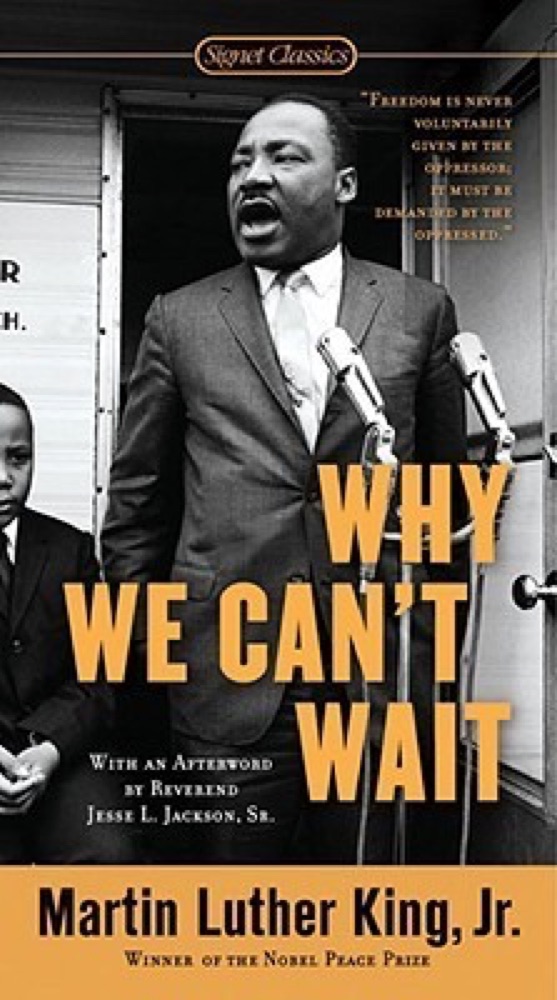 Why We Can't Wait
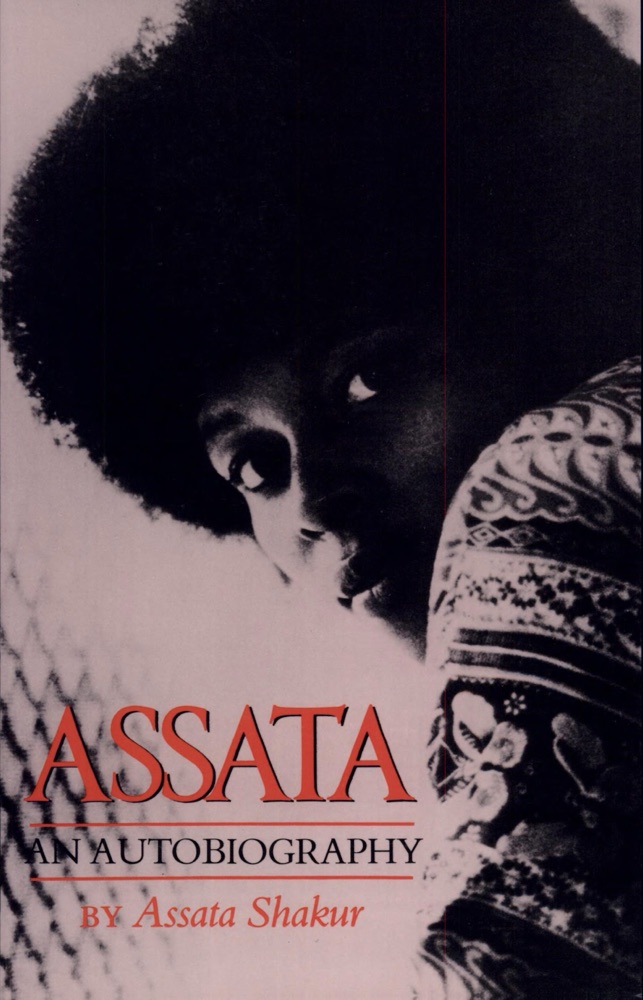 Assata: An Autobiography
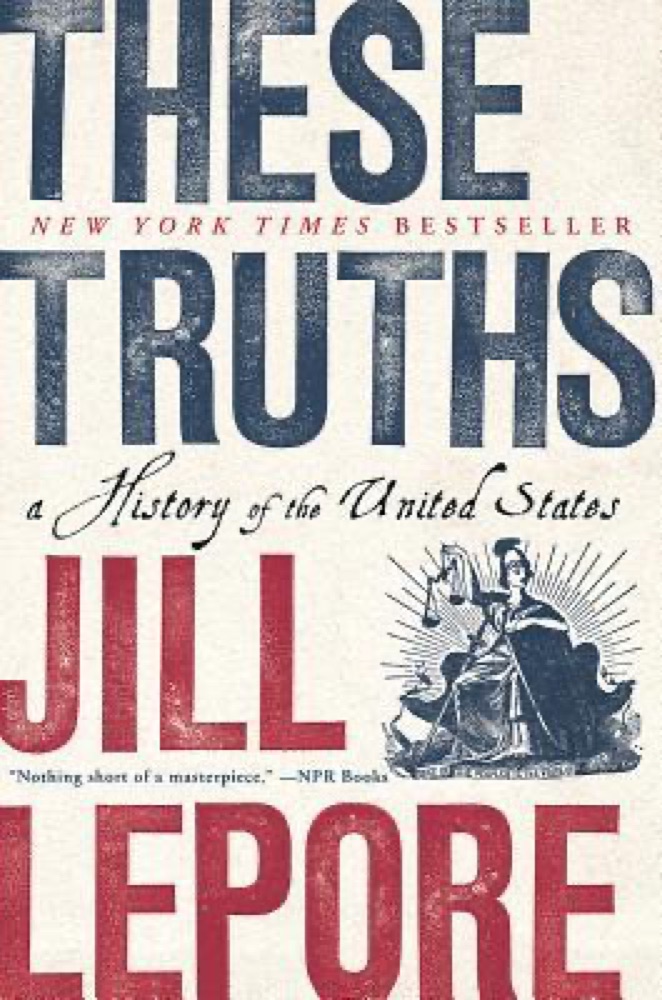 These Truths: A History of the United States
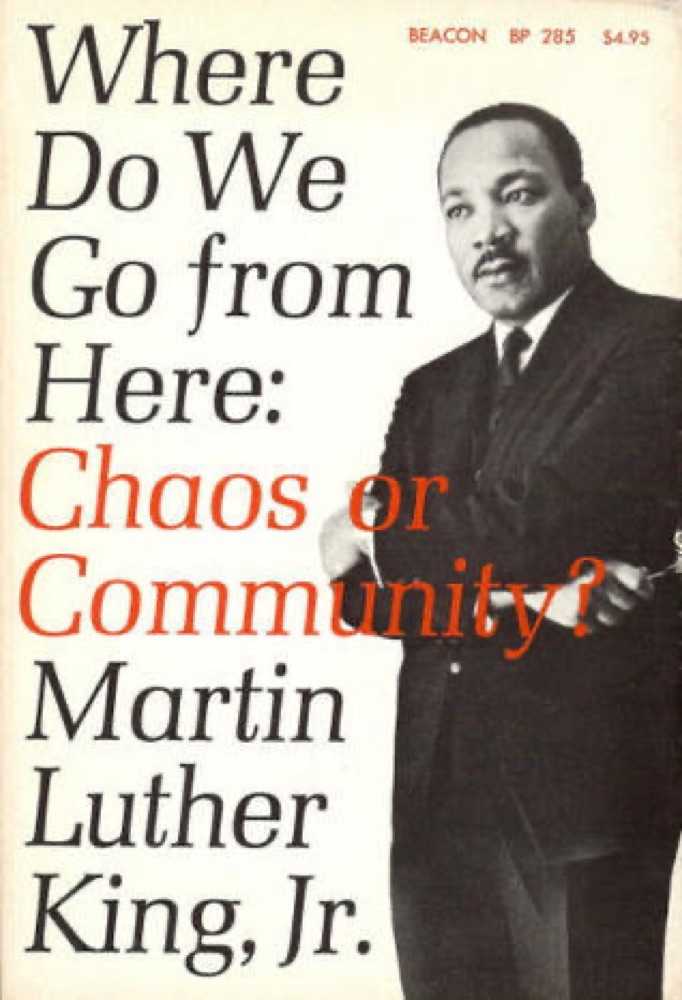 Where Do We Go from Here: Chaos or Community?
 The Autobiography of Martin Luther King, Jr.
 Promises to Keep: On Life and Politics
 On Freedom
 Shortest Way Home: One Mayor's Challenge and a Model for America's Future
 Between the World and Me
 Becoming
 Independent Study
 What Unites Us: Reflections on Patriotism
 Doing Justice: A Prosecutor's Thoughts on Crime, Punishment, and the Rule of Law
 The Audacity of Hope: Thoughts on Reclaiming the American Dream
 We Were Eight Years in Power: An American Tragedy
 The Person You Mean to Be: How Good People Fight Bias
 Democracy in America
 The Heart and the Fist: The Education of a Humanitarian, the Making of a Navy SEAL
 Parable of the Talents
 Edge of Eternity
 Empire
 No Name in the Street
 Freedom
 Rules for Radicals: A Pragmatic Primer for Realistic Radicals
 My Own Words
 On the Other Side of Freedom: The Case for Hope
 Gifted Hands: The Ben Carson Story
 How Long 'til Black Future Month?
 Wide Awake
 Four Hundred Souls: A Community History of African America, 1619-2019
 Long Walk to Freedom
 The Blue Sweater: Bridging the Gap Between Rich and Poor in an Interconnected World
 Nobody Knows My Name
 Small Wonder
 Behold a Pale Horse
 The Sympathizer
 Varina
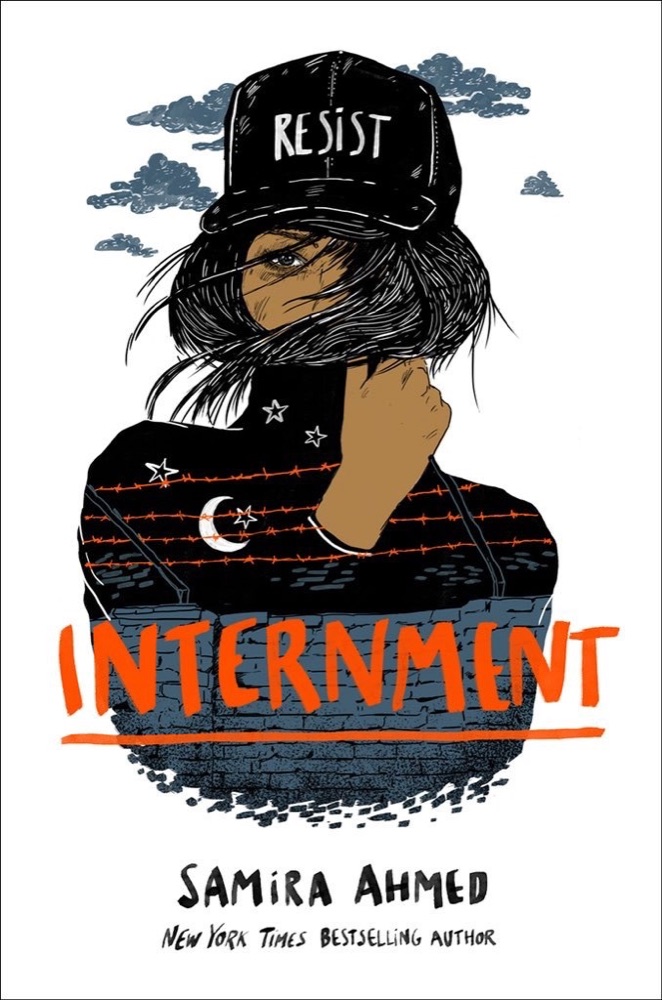 Internment
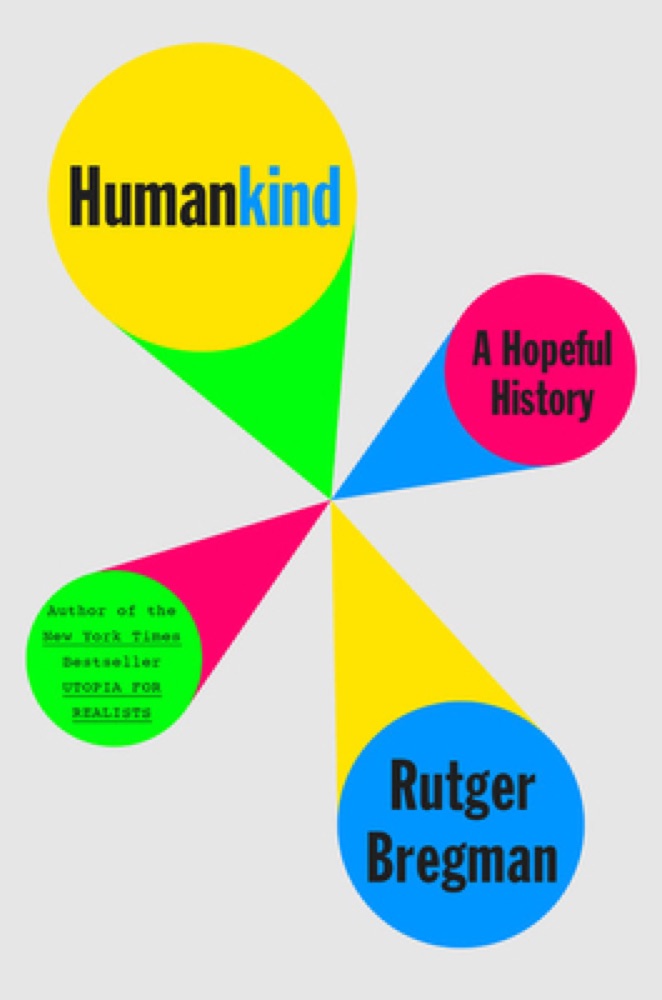 Humankind: A Hopeful History
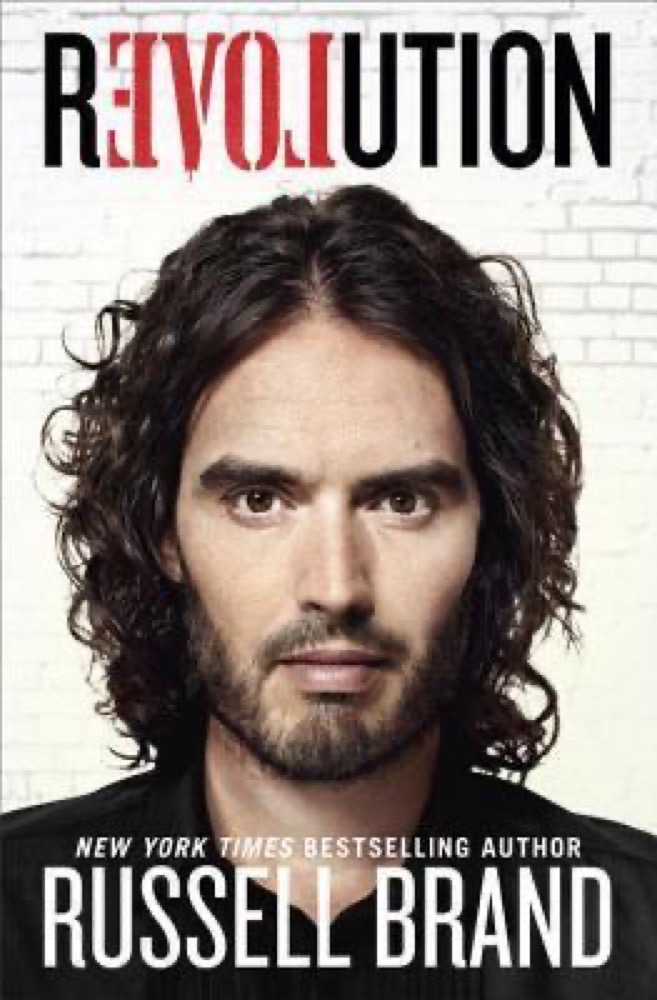 Revolution
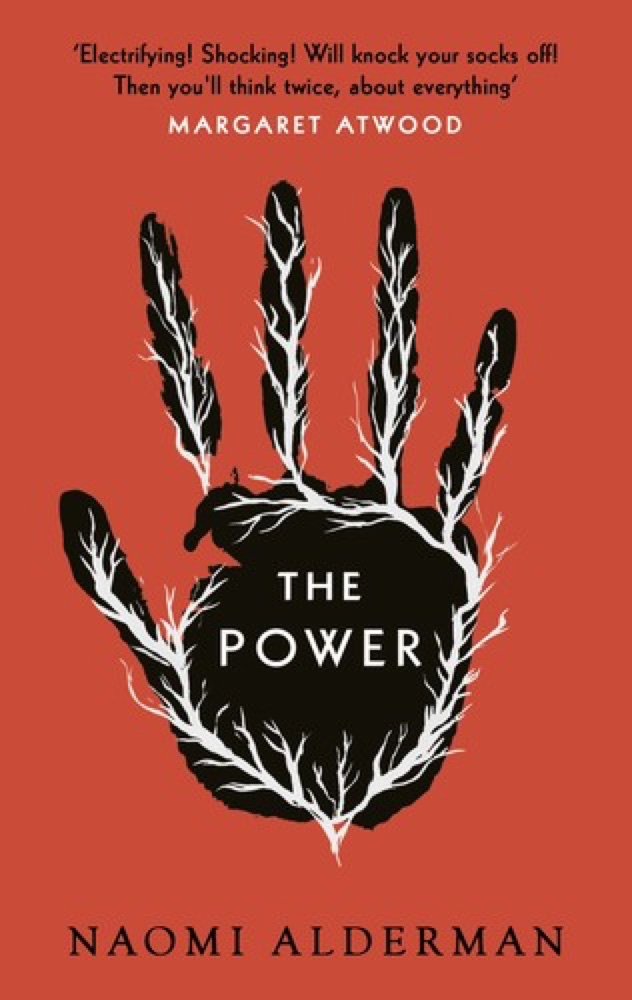 The Power
 Behold the Dreamers
 The Message
 Glenn Beck's Common Sense: The Case Against an Out-of-Control Government, Inspired by Thomas Paine
 World War Z: An Oral History of the Zombie War
 Justice: What's the Right Thing to Do?
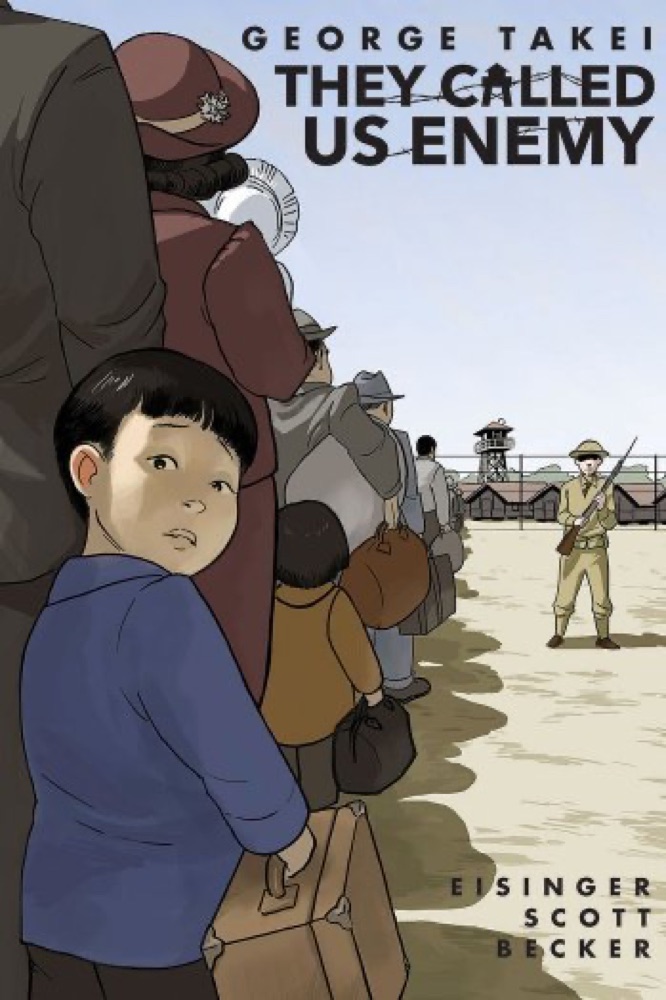 They Called Us Enemy
 The Invisible Bridge: The Fall of Nixon and the Rise of Reagan
 Coming Apart: The State of White America, 1960-2010