 The Blood of Emmett Till
Quotes from the Book
This is a book about a very simple idea: where the criminal justice system fails to respond vigorously to violent injury and death, homicide becomes endemic. African Americans have suffered from just such a lack of effective criminal justice, and this, more than anything, is the reason for the nation’s long-standing plague of black homicides.
13
Fundamentally gangs are a consequence of lawlessness, not a cause.
9
The system’s failure to catch killers effectively made black lives cheap.
8
It might not seem self-evident that impunity for white violence against blacks would engender black-on-black murder. But when people are stripped of legal protection and placed in desperate straits, they are more, not less, likely to turn on each other. Lawless settings are terrifying; if people can do whatever they want to each other, there are always enough bullies to make it ugly. Americans are nostalgic for the village setting and hold dear the notion of community, so the idea that the oppressed do not band together in solidarity is counter to our myths. But community spawns communal justice; the village gives rise to the feud.
6
White people “had the law,” to quote a curious phrase that crops up in historic sources. Black people didn’t. Formal law impinged on them only for purposes of control, not protection. Small crimes were crushed, big ones indulged—so long as the victims were black.
5
If every murder and every serious assault against a black man on the streets were investigated with Skaggs’s ceaseless vigor and determination—investigated as if one’s own child were the victim, or as if we, as a society, could not bear to lose these people—conditions would have been different.
5
There was, of course, a whole complex range of people in the ghettoside world. Some men liked hurting people. Some didn't. Some men started out not liking it but became brutalized and sadistic. Maybe the mix would differ in other groups of Americans. Maybe some other racial or ethnic cohort would contain a higher ratio of regular guys, or a lower ratio of men susceptible to becoming violent. Maybe the gnawing fear of getting murdered-- estimated as high as one in thirty-five by a Justice Department report in the 1990s-- would influence another group of men differently. But this was hairsplitting. Take a bunch of teenage boys from the whitest, safest suburb in America and plunk them down in a place where their friends are murdered and they are constantly attacked and threatened. Signal that no one cares, and fail to solve murders. Limit their options for escape. Then see what happens.
4
He said it simply, as if it were obvious. Axiomatic, even. And it was. A black assailant looking to kill a gang rival is looking, before anything else, for another black male. This was the fundamental fact of Bryant Tennelle’s death. Other elements may have contributed—the neighborhood in which he lived, the company he chose to keep, the hat he was wearing that evening. But for all that—and for all the rhetoric about bad choices, senseless acts, at-risk behavior, and so forth—what killed Bryant was the one fact about himself that he could not change: he was black.
3
In Jim Crow Mississippi, killers of black people were convicted at a rate that was only a little lower than the rate that prevailed half a century later in L.A.—30 percent then versus about 36 percent in Los Angeles County in the early 1990s.
3
Before anything else, Bryant was black. To Devin Davis, that meant he was killable.
3
If you don’t incapacitate violent actors, they keep pushing people around until someone makes them stop. When violent people are permitted to operate with impunity, they get their way. Advantage tilts to them. Others are forced to do their bidding. No amount of “community” feeling or activism can eclipse this dynamic. People often assert that the solution to homicide is for the so-called community to “step up.” It is a pernicious distortion. People like Jessica Midkiff cannot be expected to stand up to killers. They need safety, not stronger moral conviction. They need some powerful outside force to sweep in and take their tormentors away. That’s what the criminal justice system is for. It was what Skaggs was for, and he knew it.
2
When you see the suffering and pain that it brings, you’d have to be blind, mad, or a coward to resign yourself to the plague. ALBERT CAMUS, The Plague
2
The hurt was too great for crying—tears belonged to a realm of earthly physics, but the murder of her son had transcended the coordinates of her world.
2
Death was bad enough. The death of a child, unbearable. But the murder of a child? There was nothing worse.
2
There is a perception that blacks are doing it to blacks, and if I’m white, it doesn’t affect me,” said the white jury foreman. His eyes flashed with sudden anger. “Well, get over it. It does.
1
It was an evil thing, as the pastor had said. The Monster arose from what was meanest and most vicious in human nature. But the dark swath of misery it cut across generations of black Americans was a shadow thrown on the wall, a shape magnified many times the size of its source because of a refusal to see the black homicide problem for what it was: a problem of human suffering caused by the absence of a state monopoly on violence. The Monster's source was not general perversity of mind in the population that suffered. It was a weak legal apparatus that had long failed to place black injuries and the loss of black lives at the heart of its response when mobilizing the law, first in the South and later in segregated cities. The cases didn't get solved, and year after year, assaults piled one upon another, black men got shot up and killed, no one answered for it and no one really cared much.
1
There was something faintly comic about it all, DeeDee found herself thinking as she scrambled around the floor, her grandmother screaming nearby. The next instant, she marveled at life's paradoxes, the way human nature perceives humor even at the height of disaster... Wally Jr. had a similar insight: he woke up the next morning surprised to find he had slept through the night. He was unfamiliar with the way a breathless, suspended state of shock precedes grief.
1
She sensed that they expected her to fall apart, but she didn't know how to fall apart. She knew it was strange. She looked the same despite this massive piece of herself that had gone missing. She acted the same. She went to work, greeted people, went home. Everything normal on the outside, except the occassional muffled crying on the job.
1
Homicide thrives on intimacy, communal interactions, barter, and a shared sense of private rules. The intimacy part was also why homicide was so stubbornly intraracial. You had to be involved with people to want to kill them.
1
He presented justice as a psychological relief...
1
Paul Williams and reflected his deepest values—California living and “a passion for small homes for everyday people”—according to his Memphis archivist, Deborah Brackstone.
1
Walking with a bopping limp that suggests you have survived your share of street fights, yelling a lot, wheeling your eyes around angrily—these were learned behaviors among ghettoside men, affections they adopted as preemptive defense against attack.
They were murdered every day, in every city, their bodies stacking up by the thousands, year after year.
...ghettoside. ... It was both a place and a predicament....
Forty years after the civil rights movement, impunity for the murder of black men remained America’s great, though mostly invisible, race problem. The institutions of criminal justice, so remorseless in other ways in an era of get-tough sentencing and “preventive” policing, remained feeble when it came to answering for the lives of black murder victims. Few experts examined what was evident every day of John Skaggs’s working life: that the state’s inability to catch and punish even a bare majority of murderers in black enclaves such as Watts was itself a root cause of the violence, and that this was a terrible problem—perhaps the most terrible thing in contemporary American life. The system’s failure to catch killers effectively made black lives cheap.
Watch on YouTube
About Jill Leovy
About the book
On a warm spring evening in South Los Angeles, a young man was shot and killed on a sidewalk minutes away from his home, one of hundreds of young men slain in LA every year. His assailant ran down the street, jumped into an SUV, and vanished, hoping to join the vast majority of killers in American cities who are never arrested for their crimes. But as soon as the case was assigned to Detective John Skaggs, the odds shifted. Here is the kaleidoscopic story of the quintessential American murder--one young black man slaying another--and a determined crew of detectives whose creed was to pursue justice at all costs for its forgotten victims. Ghettoside is a fast-paced narrative of a devastating crime, an intimate portrait of detectives and a community bonded in tragedy, and a surprising new lens into the great subject of murder in America--why it happens and how the plague of killings might
Book details
- First published
- 2015
- Author
- Jill Leovy
- Genre
- Nonfiction
- Goodreads rating
- 4.07 (20k ratings)
The buzz
- The New York TimesReview in The New York Timesprofessional review (via Book Marks)
- The Washington PostReview in The Washington Postprofessional review (via Book Marks)
- The GuardianReview in The Guardianprofessional review (via Book Marks)
- Los Angeles TimesReview in Los Angeles Timesprofessional review (via Book Marks)
- LA Review of BooksReview in LA Review of Booksprofessional review (via Book Marks)
- The Boston GlobeReview in The Boston Globeprofessional review (via Book Marks)
Keep reading
The Blood of Emmett Till
 Crook Manifesto
 A Time to Kill
 A Colony in a Nation
 The Fire This Time: A New Generation Speaks About Race
 No Name in the Street
 All American Boys
 Native Son
 When They Call You a Terrorist: A Black Lives Matter Memoir
 Homicide: A Year on the Killing Streets
 Blood Done Sign My Name: A True Story
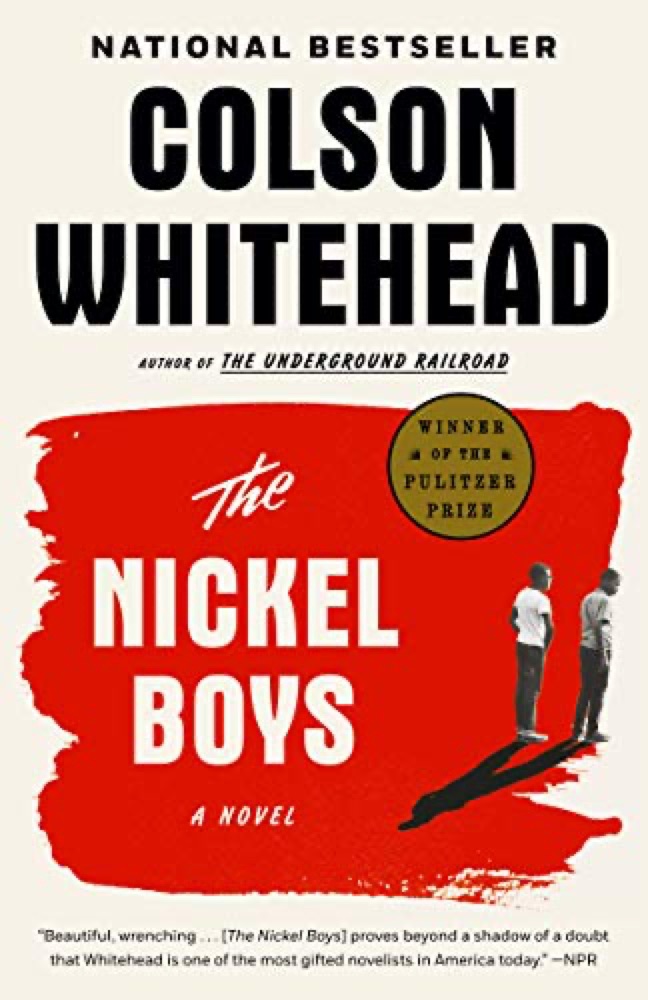 The Nickel Boys
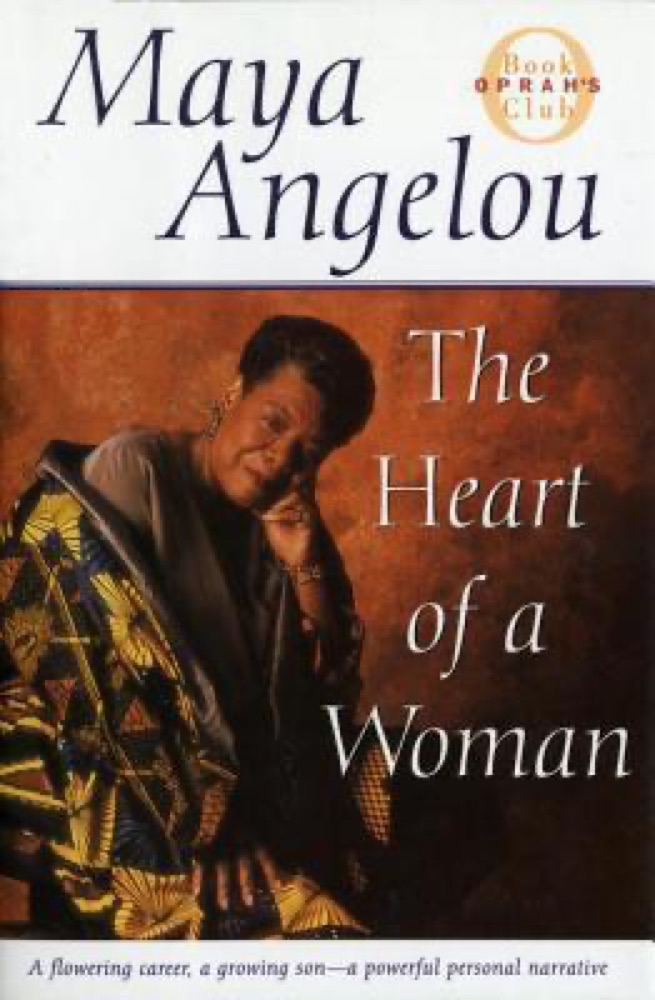 The Heart of a Woman
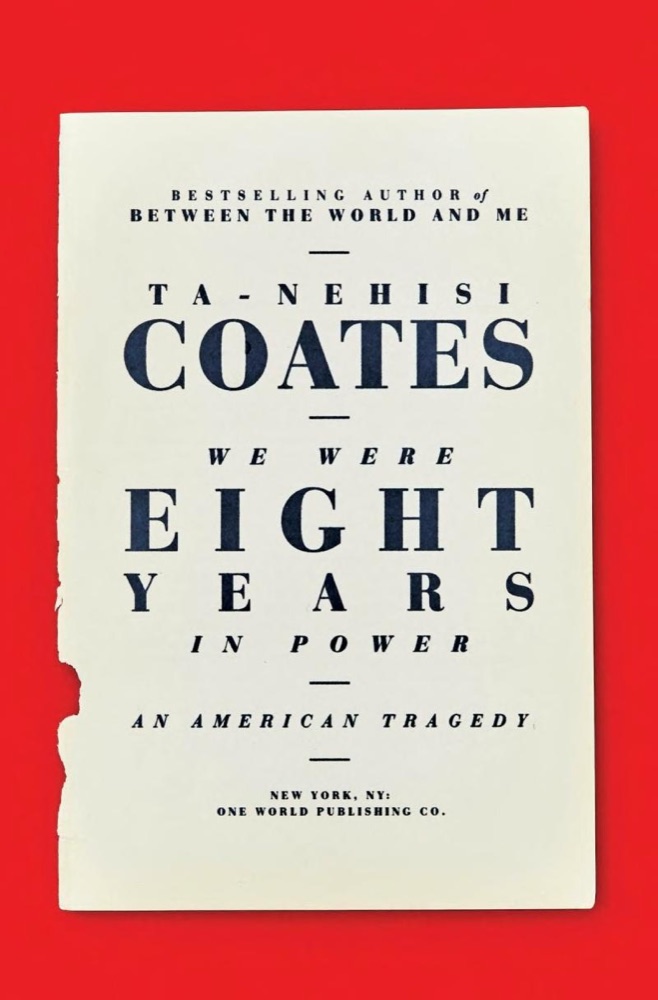 We Were Eight Years in Power: An American Tragedy
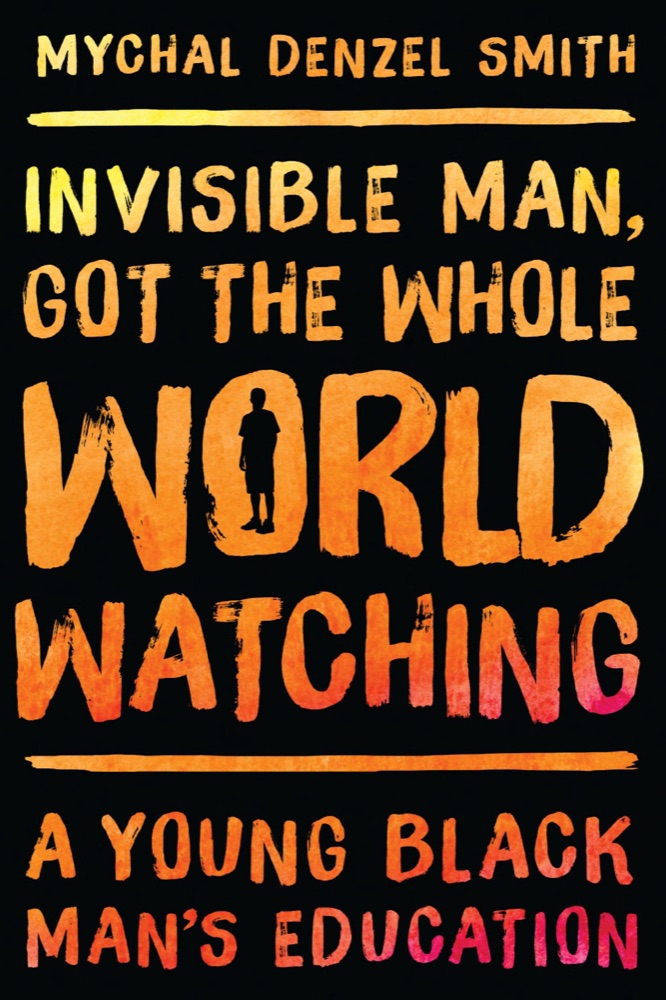 Invisible Man, Got the Whole World Watching: A Young Black Man's Education
 Notes from No Man's Land
 A Knock at Midnight: A Story of Hope, Justice, and Freedom
 Between the World and Me
 Columbine
 The New Jim Crow: Mass Incarceration in the Age of Colorblindness
 Devil in the Grove: Thurgood Marshall, the Groveland Boys, and the Dawn of a New America
 Becoming Abolitionists: Police, Protests, and the Pursuit of Freedom
 Why We Can't Wait
 The Trees
 Little Boy Lost
 A Rule Against Murder
 The Force
 Black Like Me
 The Killing Kind
 Scenes from My Life: A Memoir
 Orange Is the New Black
 Postmortem
 White Rage: The Unspoken Truth of Our Racial Divide
 Detroit: An American Autopsy
 An Ordinary Man: An Autobiography
 Hell of a Book
 Dark Days
 Solitary: Unbroken by Four Decades in Solitary Confinement
 The Fifth Woman
 Notes of a Native Son
 The Stranger Beside Me: Ted Bundy The Shocking Inside Story
 Bright Young Women
 Dreams from My Father: A Story of Race and Inheritance
 What Doesn't Kill You Makes You Blacker: A Memoir in Essays
 The Bone Tree
 Homegoing
 Helter Skelter: The True Story of the Manson Murders
 The Confessions of Nat Turner
 Pym
Pym
 The Black Ice
 Black Betty
 How Long 'til Black Future Month?
 Assata: An Autobiography
 Say Nothing: A True Story of Murder and Memory in Northern Ireland
 Uncomfortable Conversations With a Black Man
 The Warmth of Other Suns: The Epic Story of America's Great Migration
 What Truth Sounds Like: Robert F. Kennedy, James Baldwin, and Our Unfinished Conversation About Race in America
 Men We Reaped
 All God's Children Need Traveling Shoes
 The Naked and the Dead