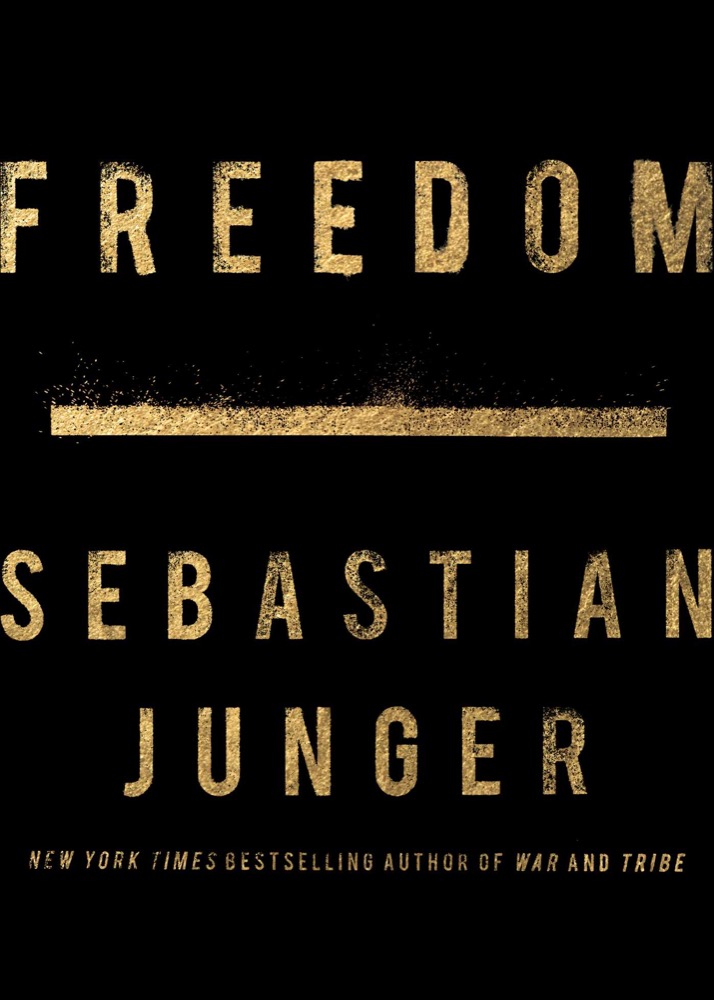

 War
War
Quotes from the Book
For most of human history, freedom had to be at least suffered for, if not died for, and that raised its value to something almost sacred. In modern democracies, however, an ethos of public sacrifice is rarely needed because freedom and survival are more or less guaranteed. That is a great blessing but allows people to believe that any sacrifice at all--rationing water during a drought, for example--are forms of government tyranny. They are no more forms of tyranny than rationing water on a lifeboat. The idea that we can enjoy the benefits of society while owing nothing in return is literally infantile. Only children owe nothing.
8
Poverty is its own cruel trap but still raises questions about whether we own our possessions or are owned by them. Somewhere in the middle of Pennsylvania we saw a man who had tied the handle of a snow shovel to his belt and then piled all his belongings onto the blade, which sledded along behind him. Depending on your perspective he was either the freest man in the country or just the poorest.
5
But in any society, leaders who aren’t willing to make sacrifices aren’t leaders, they’re opportunists, and opportunists rarely have the common good in mind. They’re easy to spot, though: opportunists lie reflexively, blame others for failures, and are unapologetic cowards.
4
Wealth is supposed to liberate us from the dangers of dependency, but quickly becomes a dependency in its own right. The wealthier we are, the higher our standard of living and the more—not less—we depend on society for our safety and comfort.
2
In modern democracies, however, an ethos of public sacrifice is rarely needed because freedom and survival are more or less guaranteed. That is a great blessing but allows people to believe that any sacrifice at all—rationing water during a drought, for example—are forms of government tyranny. They are no more forms of tyranny than rationing water on a lifeboat. The idea that we can enjoy the benefits of society while owing nothing in return is literally infantile. Only children owe nothing.
2
At the heart of most stable governments is a willingness to share power with people you disagree with--and may even hate.
2
One of God’s greatest oversights is that dogs don’t live as long as man.
1
Self-serving leaders can literally get people killed. But in any society, leaders who aren’t willing to make sacrifices aren’t leaders, they’re opportunists, and opportunists rarely have the common good in mind. They’re easy to spot, though: opportunists live reflexively, blame others for failure, and are unapologetic cowards.
1
We walked around four hundred miles and most nights we were the only people in the world who knew where we were. There are many definitions of freedom but surely that is one of them.
1
The central problem for human freedom is that groups that are well organized enough to defend themselves against others are well organized enough to oppress their own. Power is so readily abused that one could almost say that its concentration is antithetical to freedom.
1
Everyone—including people who vehemently oppose any form of federal government—depend on a sprawling supply chain that can only function with federal oversight, and most of them pay roughly one-third of their income in taxes for the right to participate in this system.
1
The word freedom comes from vridom, which means “beloved” in medieval German, and is thought to reflect the idea that only people in one’s immediate group were considered worthy of having rights or protection. Outsiders, on the other hand, could be tortured, enslaved, or killed at will. This was true throughout the world and for most of human history, and neither law nor religion nor common decency held otherwise.
1
An important part of freedom is not having to make sacrifices for people who don’t have to make sacrifices for you.
1
If democratic power-sharing is a potent form of freedom, accepting an election loss may be the ultimate demonstration of how free you want to be. History is littered with fascist leaders who have rigged elections and tortured or killed critics, but their regimes are remarkably short-lived - especially considering the obsession these men usually have with holding power. Many wind up dead or in prison, and almost none leave behind stable regime. Western democracies, on the other hand, are amont the most enduring and prosperous political systems in history. They seem to be able to transfer power almost indefinitely, which further bolsters their economies and cements their alliances.
1
The poor neighborhoods were easy to walk through because people would offer us water or ask if we were okay; in affluent areas they were more likely to call the cops.
The Iroquois Great Law of Peace, for example, was established generations before whites arrived in North America and served as a philosophical starting point for the U.S. Constitution. In both Western and Native traditions, a warrior culture was fostered that could defend the tribe or nation but was under the direct control of civilians. And civilians had to be willing to give up leadership when they were overruled by a majority, because they presumably valued having no power in a fair system more than they valued having all the power in an unfair one.
(One classic defensive position comes from our most basic instincts: hands up to protect the face, chin down to protect the throat, and arms in close to guard the torso. A child who is being tickled will naturally adopt an almost identical pose.)
Enshrining human rights as the apex of international law is one of the greatest achievements of Western society
Grotius based his ideas on something called natural law, which held that human beings—because they were created by God—had rights, such as liberty, that could not be taken away. To do so would be to subvert God’s will. Natural law was easy to circumvent, though, because a government or army could just consider the enemy to be subhuman, which happens naturally enough in war anyway.
The temptation to ignore reality while believing in a divine benevolence that will protect you from harm has gotten a lot of people killed over the ages. What truly is benevolent, though—what will save you over and over, or often die trying—are other people.
The things that had to happen out there were so clear and simple—eat, walk, hide, sleep—that just getting through the day felt like scripture: a true and honest accounting of everything that underlies the frantic performance of life.
The first sedentary communities were established around ten thousand years ago in Mesopotamia when Neolithic hunters began to plant wild grains like wheat and einkorn and barley.
He didn’t need us in order to walk out his own front door, but lots of things that look like freedom when you’re with other people are just a form of exile when you’re alone, and vagrancy might be one of them. But the inside joke about freedom—he would have found out soon enough—is that you’re always trading obedience to one thing for obedience to another.
(The ancient Celtic measurement of a “league” was defined as the distance a man could walk in an hour—roughly three or four miles.)
The idea that we can enjoy the benefits of society while owing nothing in return is literally infantile. Only children owe nothing.
Christianity is a high moral system based on the preaching of a destitute ascetic.
However it is defined, freedom is due, in part, to the fact that powerful nations do not always win wars and powerful men do not always win fights.
One of God’s great oversights is that dogs don’t live as long as men, I thought. And that men don’t move as fast as dogs.
About Sebastian Junger
We have collected 89 quotes from 4 books by Sebastian Junger on BookQuoters.
More about the author →More by Sebastian Junger
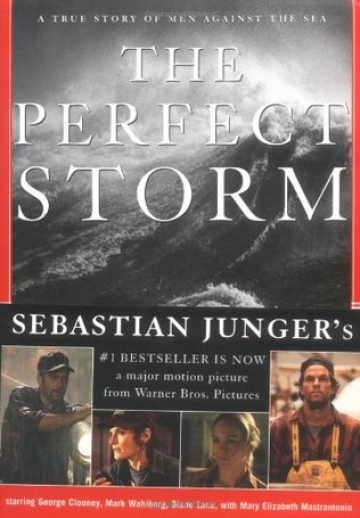
About the book
A profound rumination on the concept of freedom from the New York Times bestselling author of Tribe.
Throughout history, humans have been driven by the quest for two cherished ideals: community and freedom. The two don’t coexist easily. We value individuality and self-reliance, yet are utterly dependent on community for our most basic needs. In this intricately crafted and thought-provoking book, Sebastian Junger examines the tension that lies at the heart of what it means to be human.
For much of a year, Junger and three friends—a conflict photographer and two Afghan War vets—walked the railroad lines of the East Coast. It was an experiment in personal autonomy, but also in interdependence. Dodging railroad cops, sleeping under bridges, cooking over fires, and drinking from creeks and rivers, the four men forged a unique reliance on one another.
In Freedom , Junger weaves his account
Book details
- First published
- 2021
- Author
- Sebastian Junger
- Genre
- Nonfiction
- Goodreads rating
- 3.76 (5k ratings) →
Keep reading
 On Freedom
 Humankind: A Hopeful History
 The Social Contract
 The Soul of Man Under Socialism
 Democracy in America
 Capitalism: The Unknown Ideal
 Tribe: On Homecoming and Belonging
 The Constitution of Liberty
 The Road to Serfdom
 Escape from Freedom
 Revolution
 Walden Two
 Long Walk to Freedom
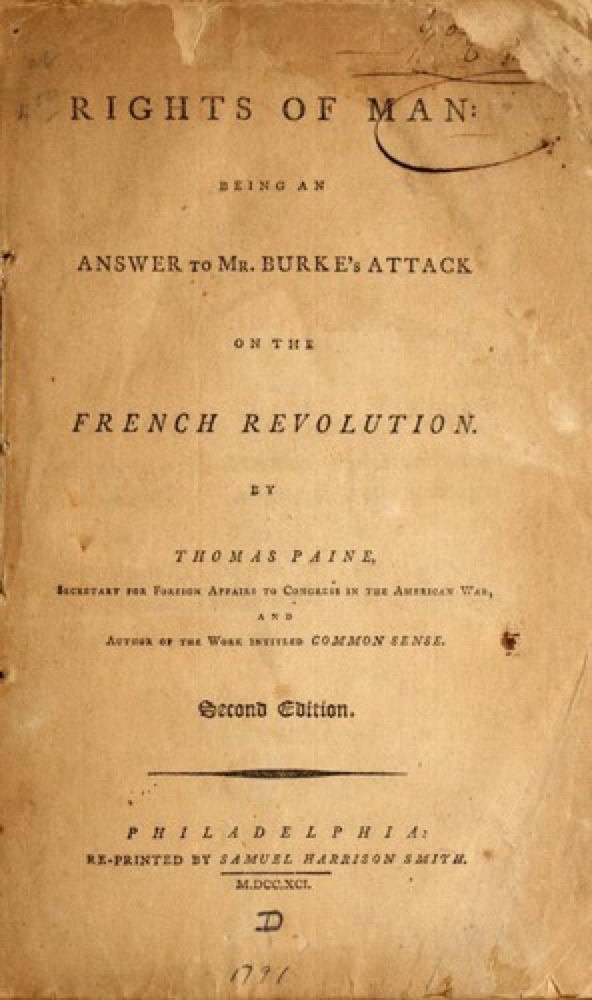 Rights of Man
 Debt: The First 5,000 Years
 You Can't Be Neutral on a Moving Train: A Personal History of Our Times
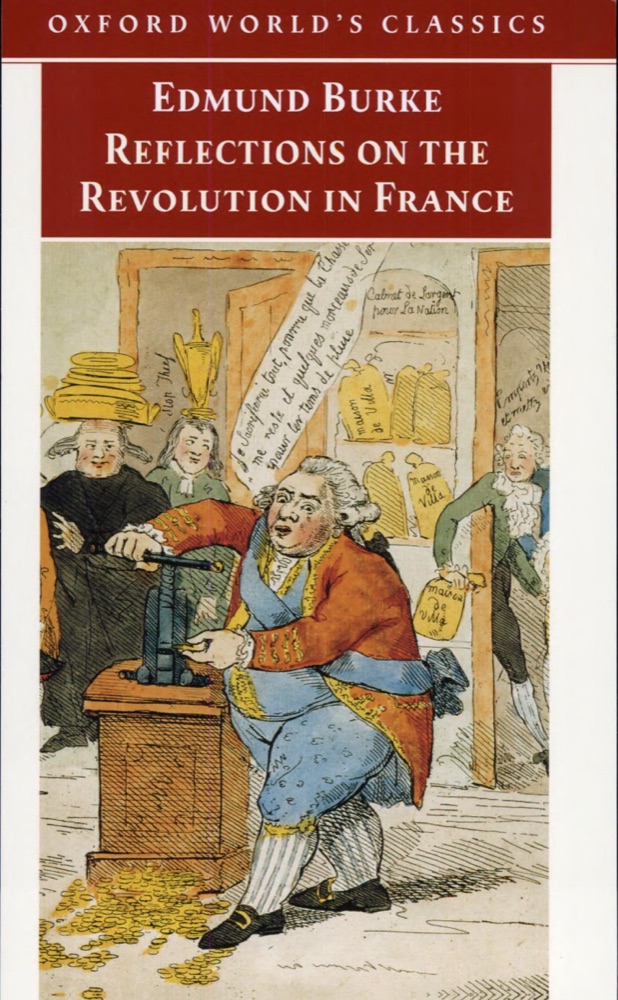 Reflections on the Revolution in France
 The Small and the Mighty: Twelve Unsung Americans Who Changed the Course of History, from the Founding to the Civil Rights Movement
 Liberty Defined: 50 Essential Issues That Affect Our Freedom
 Empire
 Common Sense
 The Dawn of Everything: A New History of Humanity
 The Better Angels of Our Nature: Why Violence Has Declined
 Starship Troopers
 Rules for Radicals: A Pragmatic Primer for Realistic Radicals
 United: Thoughts on Finding Common Ground and Advancing the Common Good
 Behold a Pale Horse
 Civil Disobedience
 On Liberty
 Enlightenment Now: The Case for Reason, Science, Humanism, and Progress
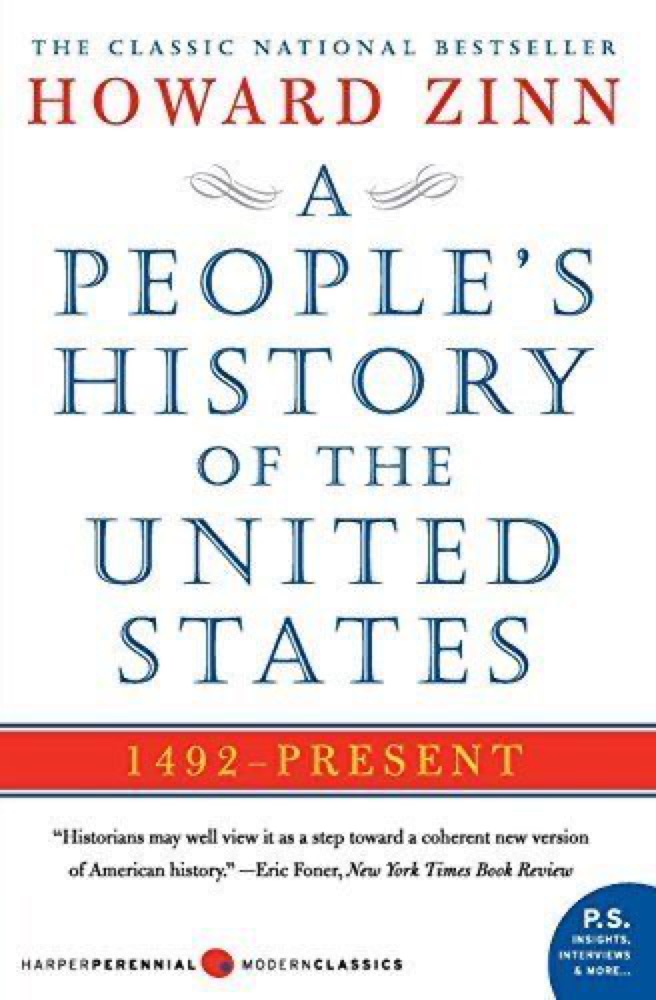 A People's History of the United States
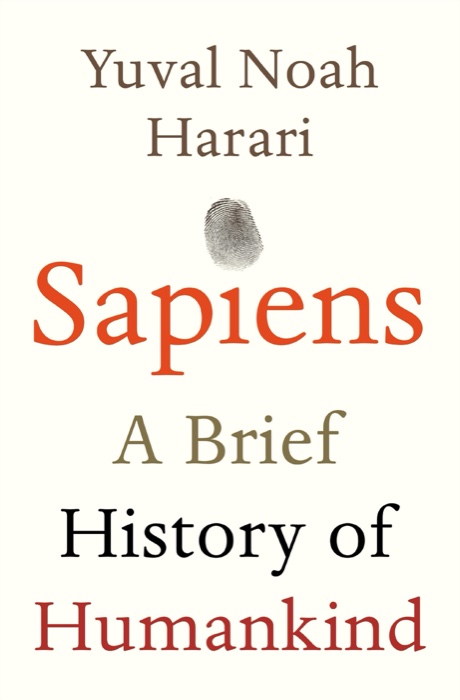 Sapiens: A Brief History of Humankind
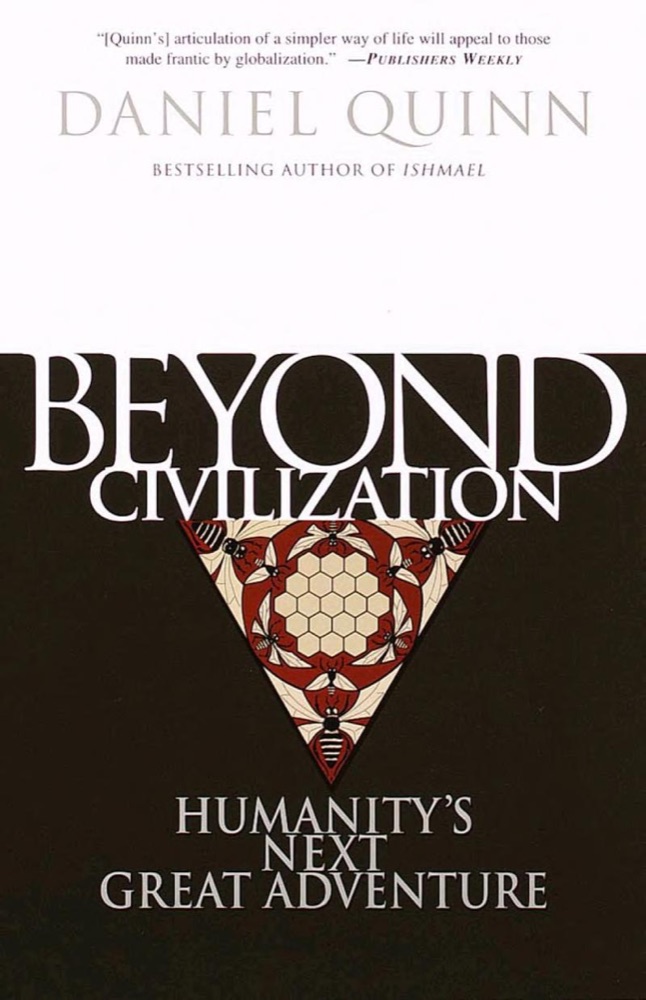 Beyond Civilization: Humanity's Next Great Adventure
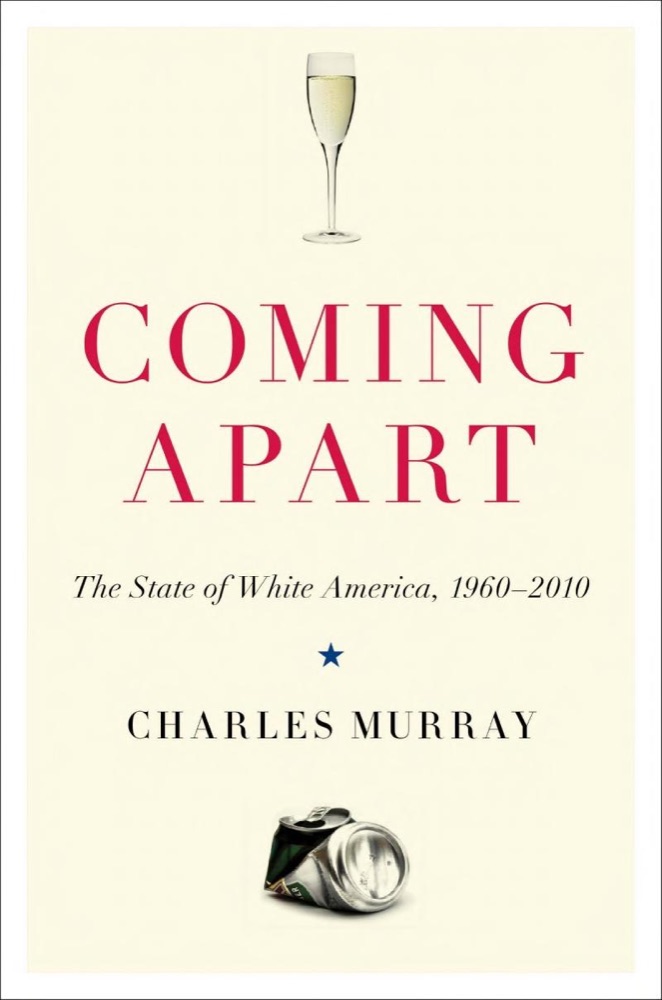 Coming Apart: The State of White America, 1960-2010
 Assata: An Autobiography
 The Autobiography of Martin Luther King, Jr.
 Utopia
 God Emperor of Dune
 Politics
 The World-Ending Fire: The Essential Wendell Berry
 Justice: What's the Right Thing to Do?
 The Dispossessed
 The 5000 Year Leap: A Miracle That Changed the World
 Civil Disobedience and Other Essays
 Parable of the Talents
 The Moon is a Harsh Mistress
 The Second Mountain
 Endgame, Vol. 1: The Problem of Civilization
 Civilized to Death: What Was Lost on the Way to Modernity
 Everything I Want To Do Is Illegal: War Stories from the Local Food Front
 The Autobiography of Eleanor Roosevelt
 Blue Mars
 Friday
 Brave New World Revisited
 Let Us Dream: The Path to a Better Future
 One Nation: What We Can All Do to Save America's Future
 Across That Bridge: A Vision for Change and the Future of America
 On the Republic / On the Laws
 Ishmael: An Adventure of the Mind and Spirit
 What Kind of Creatures Are We?