
 Babel-17
Quotes from the Book
He flipped through the biggest book imaginable, the dictionary, a book that contained and explained every word in the language, he said. The print was so small it looked like print for a mouse to read.
2
The word is "love," the story tells her, but she says No, that is nonsense. "Love" is a four-letter word, the story says, but Sally says, No, you are missing the point. There is no word, just words, lots and lots of them, a universe of words, galaxies of them
1
There were not words for what she felt, the depth of the emptiness, the breadth of the emptiness, the emptiness of the emptiness. Words could only cloak what she felt. Words were supposed to illuminate and clarify. Words were meant to communicate and and feelings from one person to another. But today words stood numb and in the way.
1
Copyediting is helping the words survive the misconceptions of their authors.
1
Arthur took me for granted, she thought. And I took him for granted. That is the point of marriage. That's what marriage is.
Once, just once, Sally had suggested that Daphne worked too hard. "And now with this big house. . ." Daphne had turned to the house, looked up at the three narrow stories, and said, "Only in New York would this be considered a big house. It has one bathroom." She turned back to her mother. "One bathroom," she said, in a kind of wonder.
His point is, informal English is not wrong, and some of it stems from models older than 'standard' English, and he always puts 'standard' in quotes because there is no standard English, language keeps changing. And to understand language and teach it, you have to know what is actually spoken.
Words and students, Laurel thought—they could be recalcitrant, out of order, trying to slip by without being noticed. But once you got them working together, unobtrusive and efficient, it was beautiful.
What if the blue I see is different than the blue you see?” one of you says in the morning. “The blue is the same, and our eyes are the same. So no way,” says the other of you. Twins in literature are always disguised as each other, or they are sleeping with each other. The banality of “twin sweater sets” cannot make up for Siegmund and Sieglinde. You think that later, of course, much later, when no one wears sweater sets anymore and you have just read a disturbing story by Thomas Mann. “But what if we both call it blue and it’s really a different color but we both have always called it blue so we think we’re seeing the same color but we’re not?” says one of you. “Blue is blue,” the other of you says. “What I see as blue might be what you see as green. We don’t know. You’re not in my eyes. I’m not in your eyes.
It is difficult to notice your faces beyond that, partly because of the dazzling red hair but mostly because there are two of you. You understand this when you are older, when someone brings too many gifts to a birthday party or too many bottles of good wine to a dinner party, and the presents and the wine are undervalued in their own abundance. You are indistinct, undervalued in your own abundance. Sometimes
Don was called Don Thumb throughout school. Maybe that was why Don was such a touchy son of a bitch.
Watch on YouTube
About Cathleen Schine
We have collected 11 quotes from 1 book by Cathleen Schine on BookQuoters.
More about the author →About the book
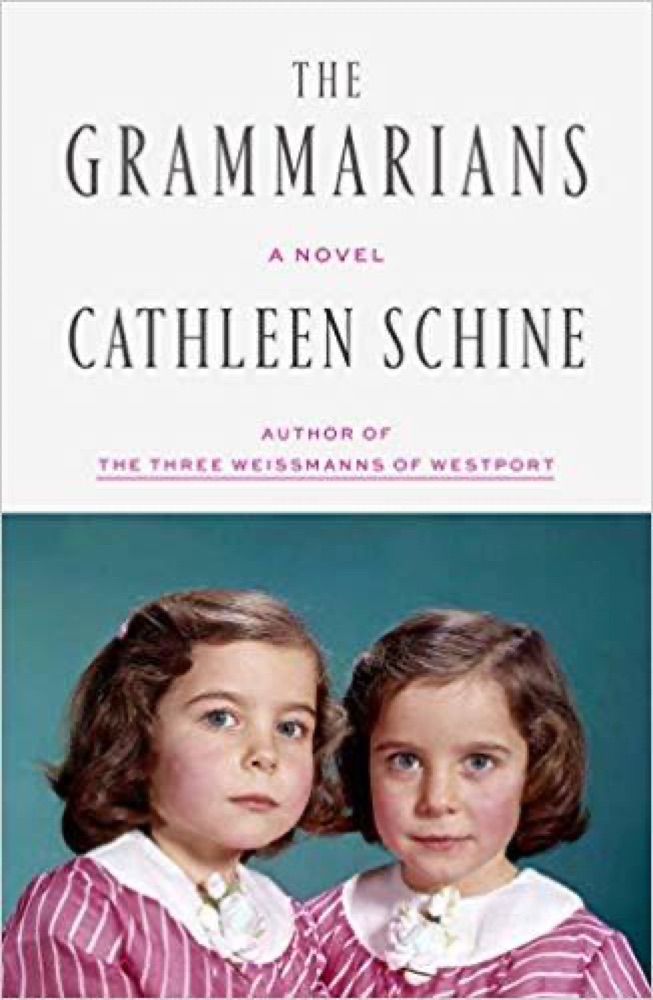
"The Grammarians" are Laurel and Daphne Wolfe, identical, inseparable redheaded twins who share an obsession with words. They speak a secret “twin” tongue of their own as toddlers; as adults making their way in 1980s Manhattan, their verbal infatuation continues, but this love, which has always bound them together, begins instead to push them apart. Daphne, copy editor and grammar columnist, devotes herself to preserving the dignity and elegance of Standard English. Laurel, who gives up teaching kindergarten to write poetry, is drawn, instead, to the polymorphous, chameleon nature of the written and spoken word. Their fraying twin-ship finally shreds completely when the sisters go to war, absurdly but passionately, over custody of their most prized family heirloom: Merriam Webster’s New International Dictionary, Second Edition.
Cathleen Schine has written a playful and joyful celebrat
Book details
- First published
- 2019
- Author
- Cathleen Schine
- Genre
- Fiction
- Goodreads rating
- 3.58 (9k ratings)
The buzz
- The New York TimesReview in The New York Timesprofessional review (via Book Marks)
- NPRReview in NPRprofessional review (via Book Marks)
- Kirkus ReviewsReview in Kirkus Reviewsprofessional review (via Book Marks)
- Publishers WeeklyReview in Publishers Weeklyprofessional review (via Book Marks)
- Star TribuneReview in Star Tribuneprofessional review (via Book Marks)
- BooklistReview in Booklistprofessional review (via Book Marks)
Keep reading
Babel-17
 The Word Exchange
 The Dictionary of Lost Words
 Gliff
Gliff
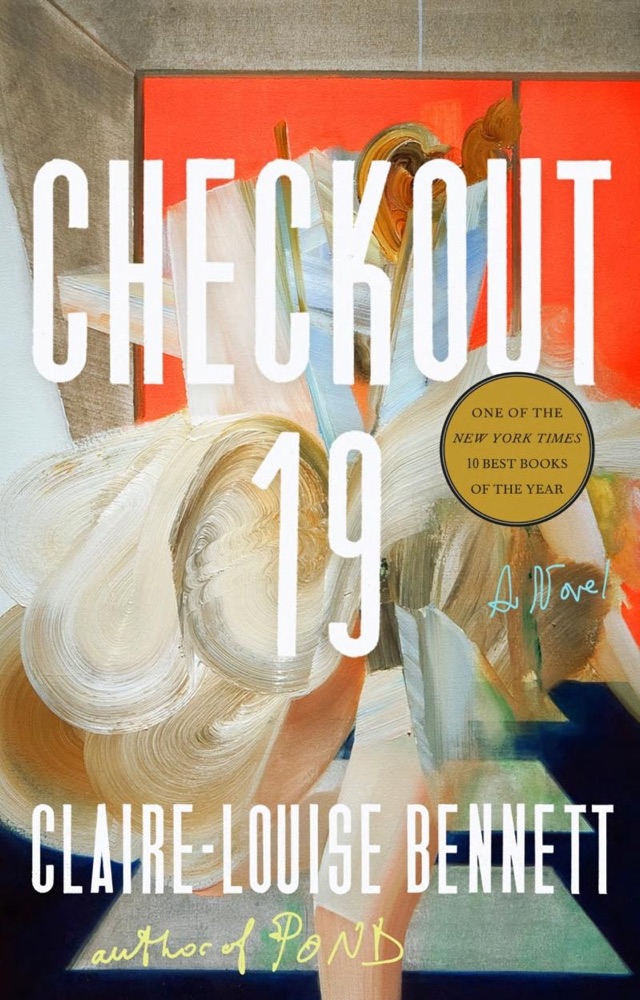 Checkout 19
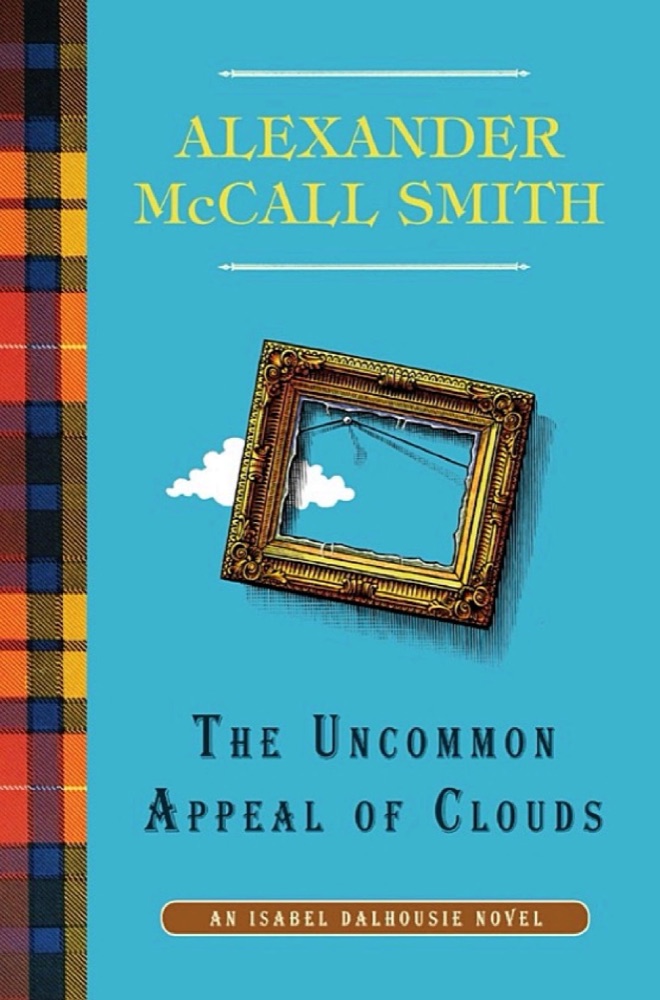 The Uncommon Appeal of Clouds
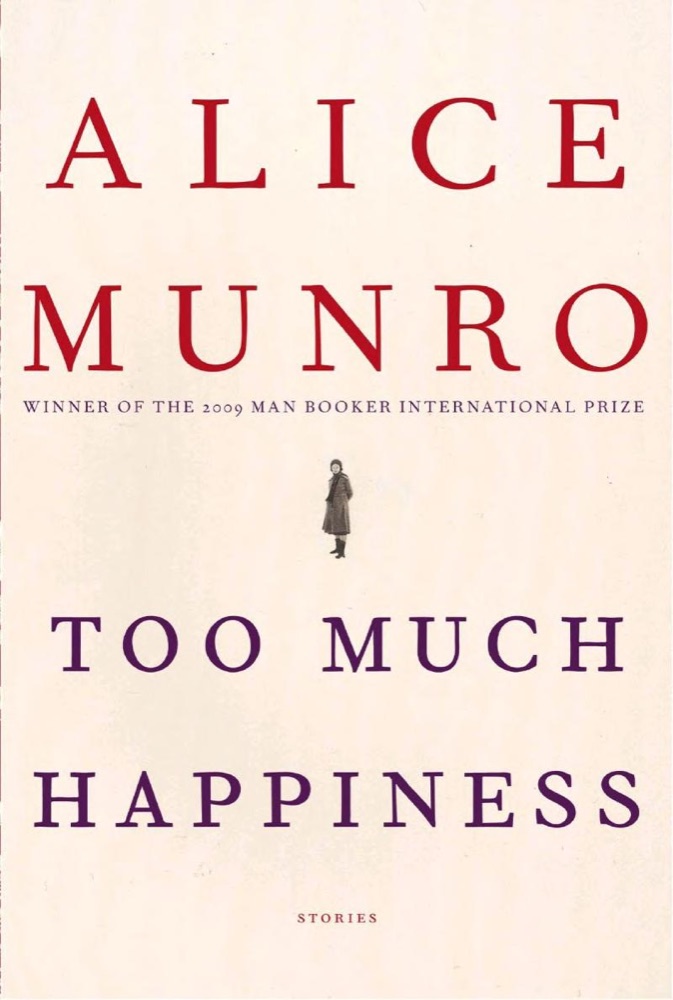 Too Much Happiness: Stories
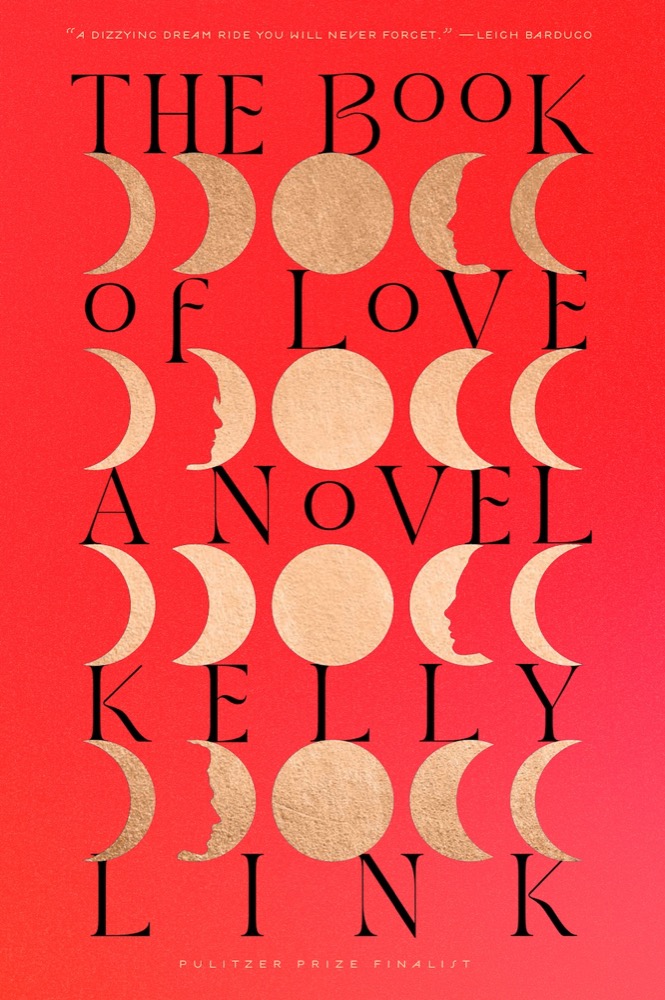 The Book of Love
 NW
NW
 Lexicon
 Stories of Your Life and Others
 The Elements of Eloquence: How to Turn the Perfect English Phrase
 Babel
Babel
 The Children's Book
 The Novel Habits of Happiness
 A Wrinkle in Time
 Little, Big
 The Unlikely Escape of Uriah Heep
 Nine Stories
 The Austere Academy
 Honey, Baby, Sweetheart
 Almond
 The Enchanted
 What Is Not Yours Is Not Yours
 The Railway Children
 The Name of the Wind
 The Telling
 The Marriage Plot
 There but for the
 The Color Master: Stories
 The Jane Austen Book Club
 Breadcrumbs
 A Widow for One Year
 Pretty Girls
 The Wednesday Wars
 Dear Mr. M
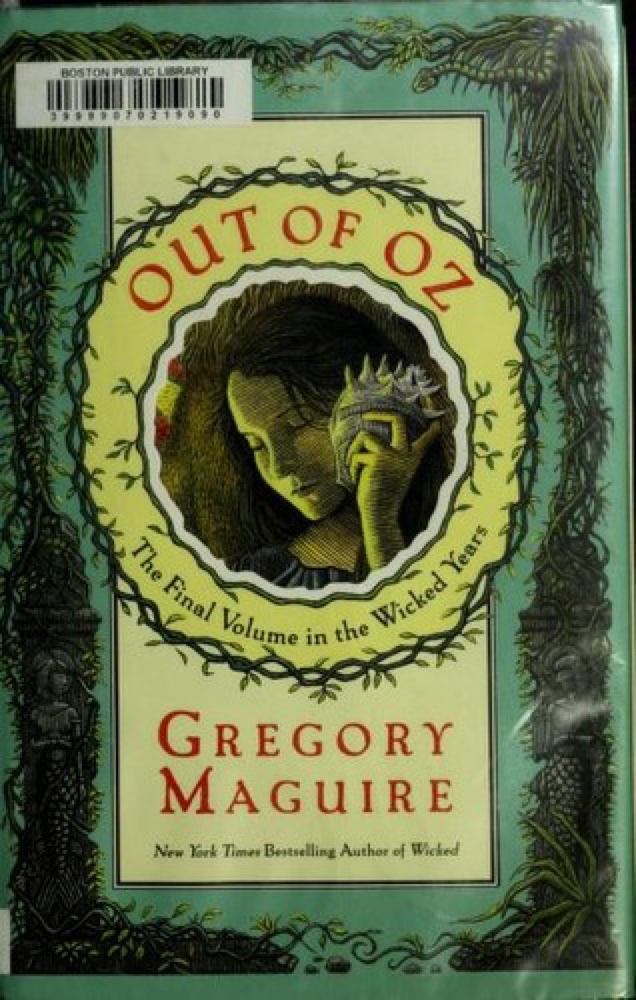 Out of Oz
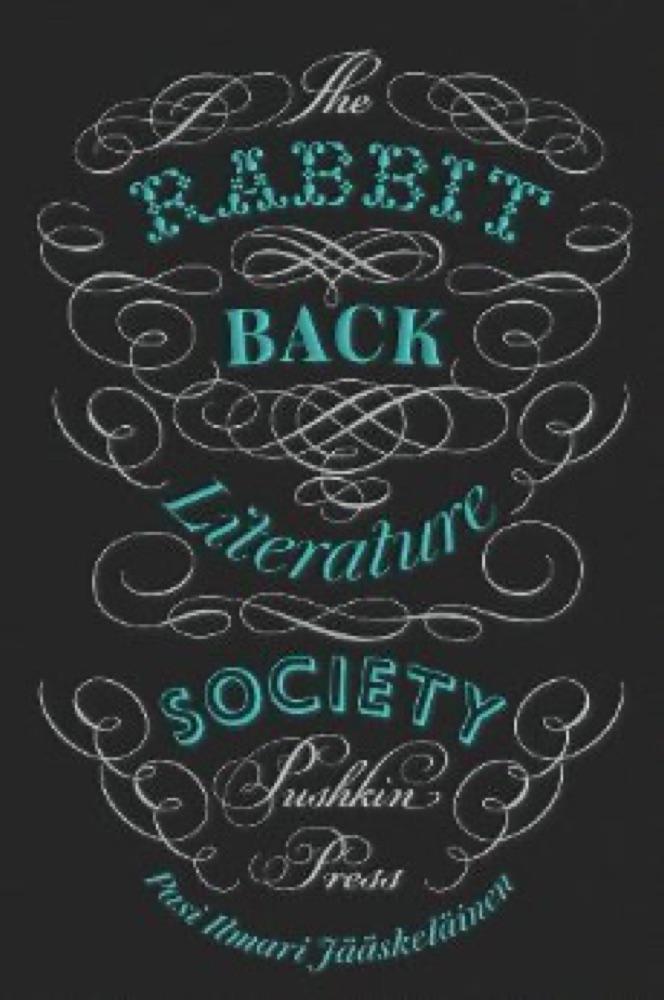 The Rabbit Back Literature Society
 Inkdeath
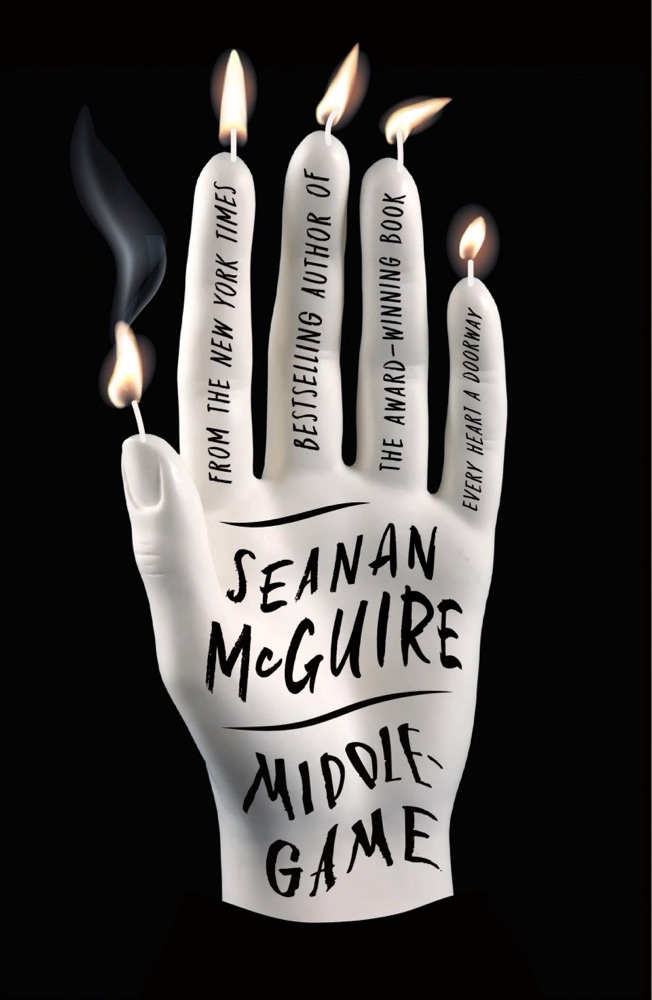 Middlegame
 Monday or Tuesday
 The Ogress and the Orphans
 Between You & Me: Confessions of a Comma Queen
 The Boy Who Lost Fairyland
 Dept. of Speculation
 Dreyer's English: An Utterly Correct Guide to Clarity and Style
 The Girl Who Soared Over Fairyland and Cut the Moon in Two
 The Summer Without Men
 Impossible Creatures
 Skinny Legs and All
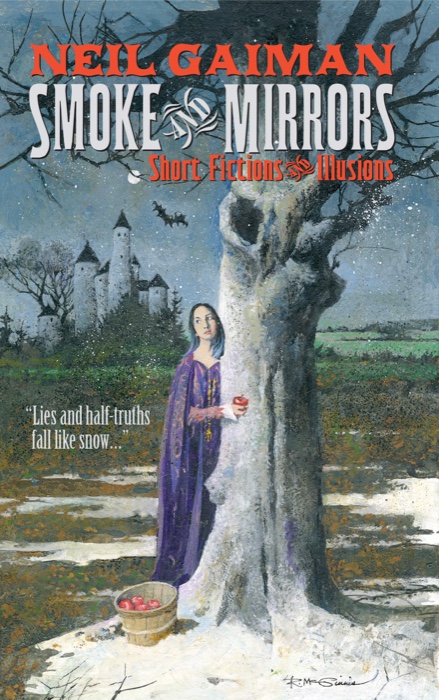 Smoke and Mirrors: Short Fiction and Illusions
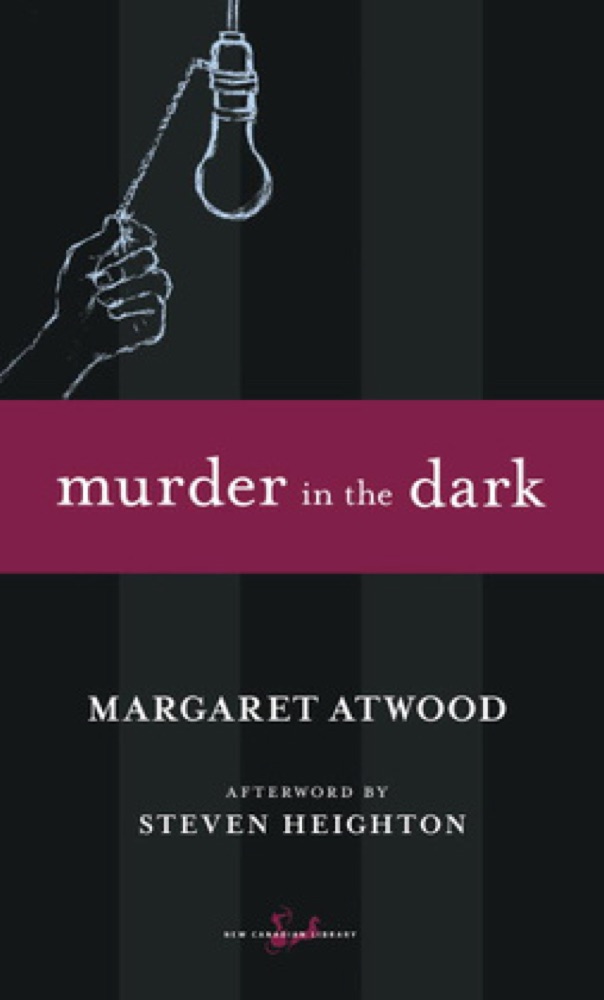 Murder in the Dark: Short Fictions and Prose Poems
 The Giant's House
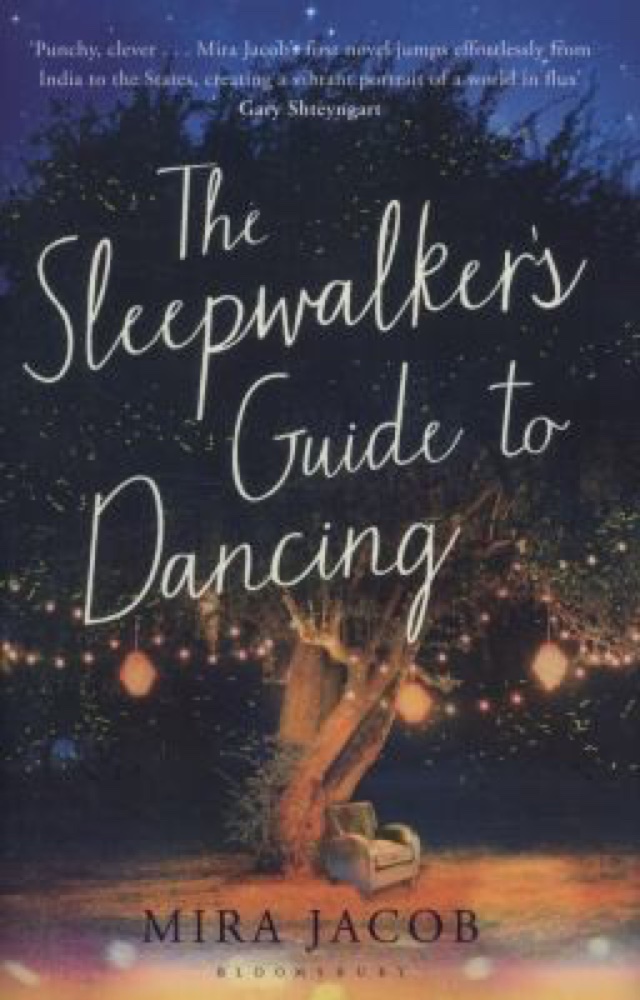 The Sleepwalker's Guide to Dancing
 The Last Little Blue Envelope
 The Hostile Hospital
 On Beauty
 The Rose Field
 The English Patient
 The Magicians and Mrs. Quent