
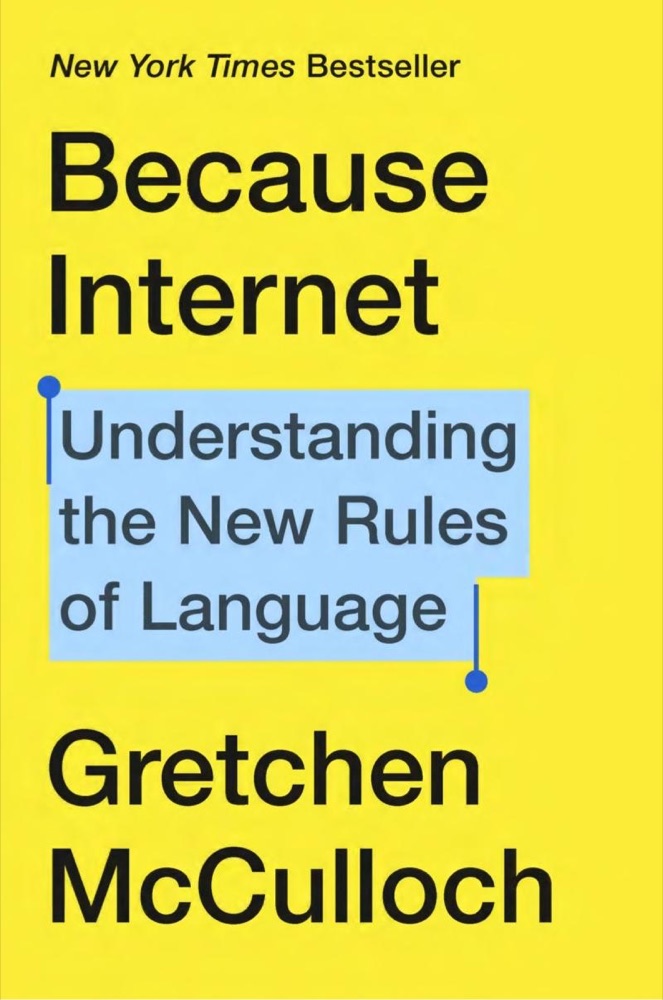
 Because Internet: Understanding the New Rules of Language
Quotes from the Book
There will be more words written on Twitter in the next two years than contained in all books ever printed.
12
But realize this: we are living through writing’s Cambrian explosion, not its mass extinction. Language is more varied than ever before, even if some of it is directly copied from the clipboard—variety is the preservation of an art, not a threat to it.
10
for anything to be made whole, the first step is to know what’s missing.
7
Twitter, Reddit, Tumblr, Instagram, all these companies are businesses first, but, as a close second, they’re demographers of unprecedented reach, thoroughness, and importance. Practically as an accident, digital data can now show us how we fight, how we love, how we age, who we are, and how we’re changing. All we have to do is look:
7
Twitter actually may be improving its users’ writing, as it forces them to wring meaning from fewer letters—it embodies William Strunk’s famous dictum, Omit needless words, at the keystroke level.
6
Tonight, some thirty thousand couples will have their first date because of OkCupid. Roughly three thousand of them will end up together long-term. Two hundred of those will get married, and many of them, of course, will have kids. There are children alive and pouting today, grouchy little humans refusing to put their shoes on right now, who would never have existed but for the whims of our HTML.
6
He's completely correct, for as with music, as with movies, and as with a wide variety of human phenomena: a flaw is a powerful thing. Even at the person-to-person level, to be universally liked is to be relatively ignored. To be disliked by some is to be loved all the more by others.
4
I don’t like the dinosaur in this graphic. It looks too fake. Use a real photo of a dinosaur instead.
3
Everything points to the same conclusion: that Twitter hasn’t so much altered our writing as just gotten it to fit into a smaller place. Looking through the data, instead of a wasteland of cut stumps, we find a forest of bonsai. This kind of in-depth analysis (lexical density, word frequency) hints at the real nature of the transformation under way. The change Twitter has wrought on language itself is nothing compared with the change it is bringing to the study of language. Twitter gives us a sense of words not only as the building blocks of thought but as a social connector, which indeed has been the purpose of language since humanity hunched its way across the Serengeti.
3
It even has a name. It’s called WEIRD research: white, educated, industrialized, rich, and democratic. And most published social research papers are WEIRD.
3
Observers call the phenomenon Black Twitter, described here by Farhad Manjoo in Slate: Black people—specifically, young black people—do seem to use Twitter differently from everyone else on the service. They form tighter clusters on the network—they follow one another more readily, they retweet each other more often, and more of their posts are @-replies—posts directed at other users. It’s this behavior, intentional or not, that gives black people—and in particular, black teenagers—the means to dominate the conversation on Twitter.
2
The change Twitter has wrought on language itself is nothing compared with the change it is bringing to the study of language.
2
When you see people in middle management dickering with their Fitbits in the elevator, you know the Quantified Self movement is here to stay. The
2
On the corporate side, the upshot of our data (the benefit to us) isn't all that interesting unless you're an economist. In theory, your data means ads are better targeted, which means less marketing spend is wasted, which means lower prices. At the very least, the data they sell means you get to use genuinely useful services like Facebook and Google without paying money for them.
2
Think about the progression of a young relationship. Two people meet for the first time in person. Talk, drink, get to know each other. Next, if there is a next, is the apartments. The unfamiliar number on the door, a brass handle where yours is steel. The strange but pleasant smell of another person’s sheets. Shampoos in the shower, used, but new to you. Loganberry: Okay, why not? Back at your place next time, she opens the fridge, and it’s just … mustards. Sorry.
2
Even at the person-to-person level, to be universally liked is to be relatively ignored. To be disliked by some is to be loved all the more by others. And, specifically, a woman’s overall sex appeal is enhanced when some men find her ugly.
2
the DOLLY Project (Digital OnLine Life and You)—it’s a searchable repository of every geotagged tweet since December 2011,
2
By forcing people to hide, intolerance creates its own cynical logic: when a large portion of a group goes unrecognized, it only makes marginalizing the whole easier. Visibility, on the other hand, creates acceptance.
1
When you want to learn about how people write, their unpolished, unguarded words are the best place to start, and we have reams of them.
1
Computers, however, have nothing better to do; keeping track is their only job. They don't lose the scrapbook, or travel, or get drunk, or grow senile, or even blink. They just sit there and remember.
1
A person’s “like” pattern even makes a decent proxy for intelligence—this model could reliably predict someone’s score on a standard (separately administered) IQ test, without the person answering a single direct question.
1
Online, you can always get what you want. But what you need, that’s a much harder thing to find.
1
Algorithms are crude. Computers are machines. Data science is trying to make digital sense of an analog world.
1
People tend to run wild with those match questions, marking all kinds of stuff as “mandatory,” in essence putting a checklist to the world: I’m looking for a dog-loving, agnostic, nonsmoking liberal who’s never had kids—and who’s good in bed, of course. But very humble questions like Do you like scary movies? and Have you ever traveled alone to another country? have amazing predictive power. If you’re ever stumped on what to ask someone on a first date, try those. In about three-quarters of the long-term couples OkCupid has ever brought together, both people have answered them the same way, either both “yes” or both “no.” People tend to overemphasize the big, splashy things: faith, politics, and certainly looks, but they don’t matter nearly as much as everyone thinks. Sometimes they don’t matter at all.
1
You write how you write, wherever you write.
1
Unlike other features on OkCupid, there is no visual component to match percentage. The number between two people only reflects what you might call their inner selves—everything about what they believe, need, and want, even what they think is funny, but nothing about what they look like. Judging by just this compatibility measure, the four largest racial groups on OkCupid—Asian, black, Latino, and white—all get along about the same.1 In fact, race has less effect on match percentage than religion, politics, or education. Among the details that users believe are important, the closest comparison to race is Zodiac sign, which has no effect at all. To a computer not acculturated to the categories, “Asian” and “black” and “white” could just as easily be “Aries” and “Virgo” and “Capricorn.” But this racial neutrality is only in theory; things change once the users’ own opinions, and not just the color-blind workings of an algorithm, come into play.
1
The Internet has many regrettable sides to it, but that’s one thing that’s always stood it in good stead with me: it’s a writer’s world. Your life online is mediated through words. You work, you socialize, you flirt, all by typing. I honestly feel there’s a certain epistolary, Austenian grandness to the whole enterprise.
1
when you read findings like the one above, and see that Jamal doesn’t get the job, it’s easy to shake your head at the few racist hiring managers who’ve tilted the odds against him. But the data we see in this chapter shows racism isn’t a problem of outliers. It is pervasive.
1
Watch on YouTube
About Christian Rudder
We have collected 28 quotes from 1 book by Christian Rudder on BookQuoters.
More about the author →About the book
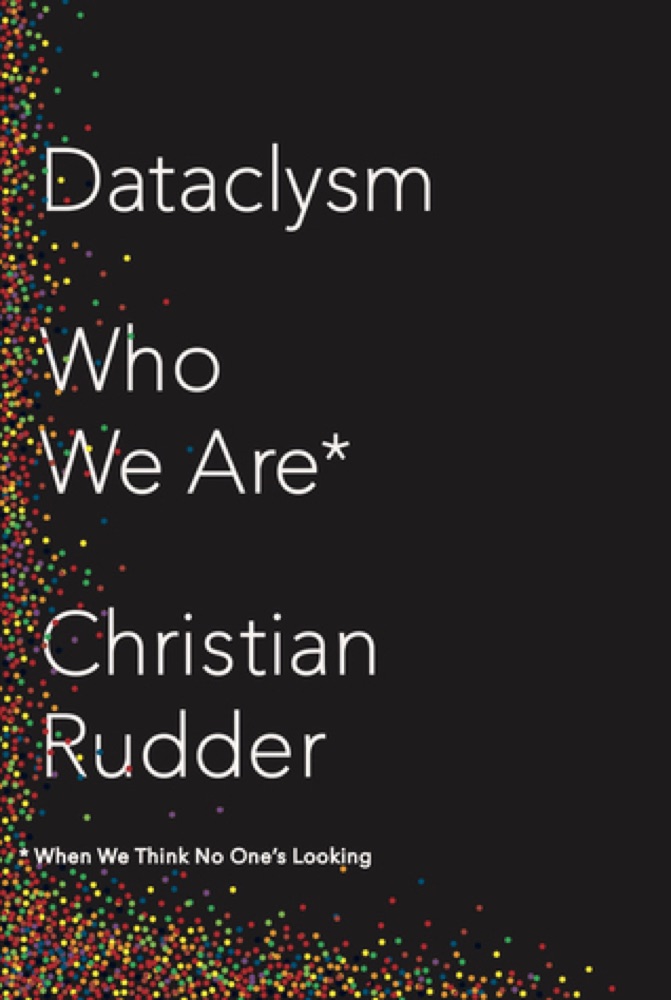
A New York Times Bestseller
An audacious, irreverent investigation of human behavior—and a first look at a revolution in the making
Our personal data has been used to spy on us, hire and fire us, and sell us stuff we don’t need. In Dataclysm , Christian Rudder uses it to show us who we truly are.
For centuries, we’ve relied on polling or small-scale lab experiments to study human behavior. Today, a new approach is possible. As we live more of our lives online, researchers can finally observe us directly, in vast numbers, and without filters. Data scientists have become the new demographers.
In this daring and original book, Rudder explains how Facebook "likes" can predict, with surprising accuracy, a person’s sexual orientation and even intelligence; how attractive women receive exponentially more interview requests; and why you must have haters to be hot. He charts the rise and f
Book details
- First published
- 2014
- Author
- Christian Rudder
- Genre
- Nonfiction
- Goodreads rating
- 3.73 (13k ratings)
Keep reading
Because Internet: Understanding the New Rules of Language
 The Most Human Human: What Talking with Computers Teaches Us About What It Means to Be Alive
 The Filter Bubble: What the Internet is Hiding From You
 You Are Not a Gadget
 Hatching Twitter: A True Story of Money, Power, Friendship, and Betrayal
 Trust Me, I'm Lying: Confessions of a Media Manipulator
 Distrust That Particular Flavor
 Lexicon
 Microserfs
 No Filter: The Inside Story of Instagram
 The World Is Flat: A Brief History of the Twenty-first Century
 The Word Exchange
 Hit Makers: The Science of Popularity in an Age of Distraction
 What the Dog Saw and Other Adventures
 Eating the Dinosaur
 The Tipping Point: How Little Things Can Make a Big Difference
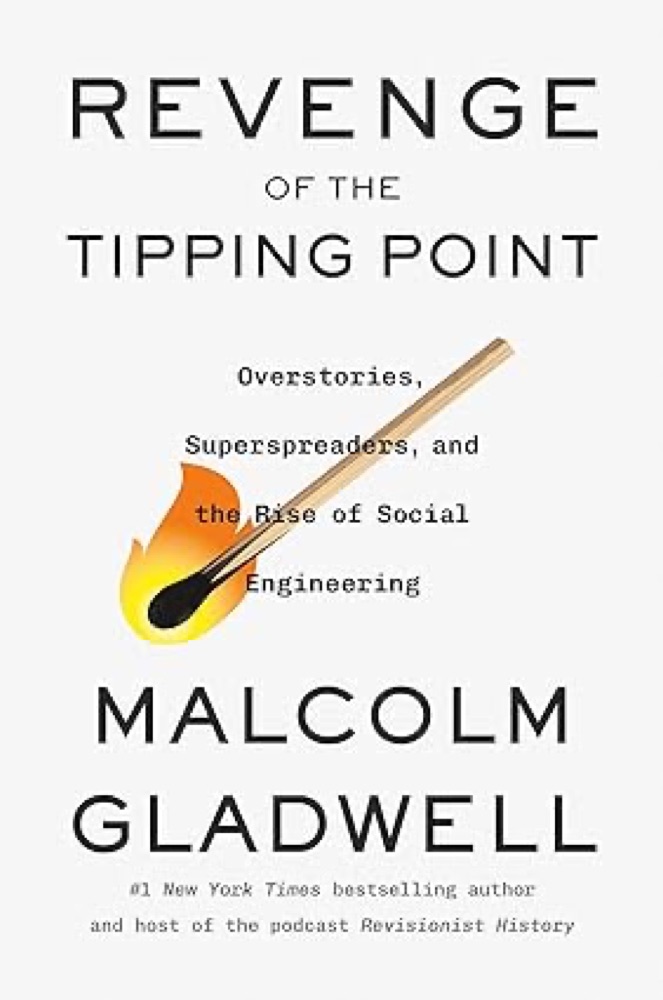 Revenge of the Tipping Point
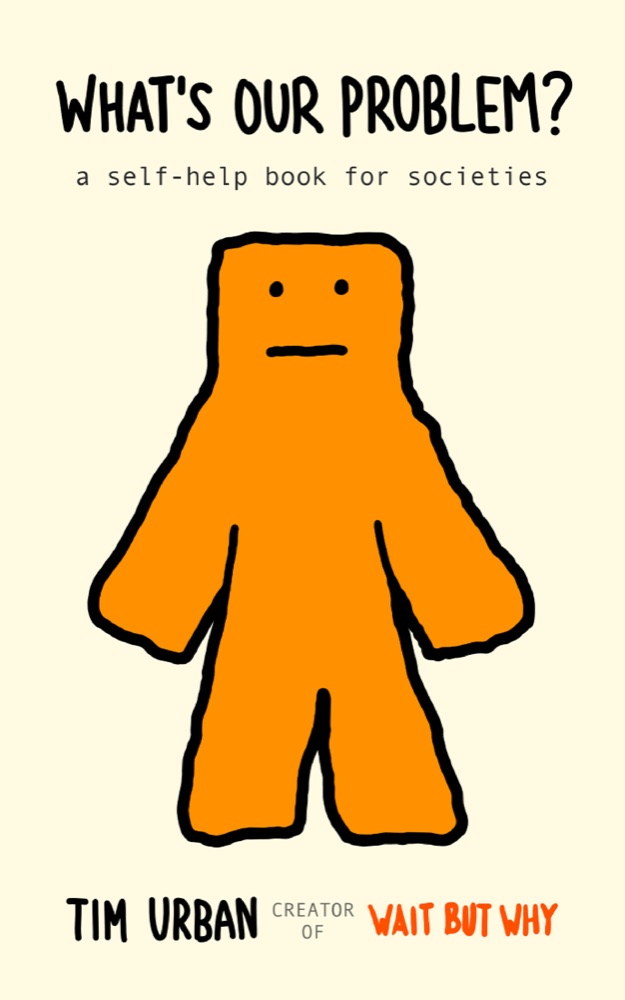 What's Our Problem?: A Self-Help Book for Societies
 The Circle
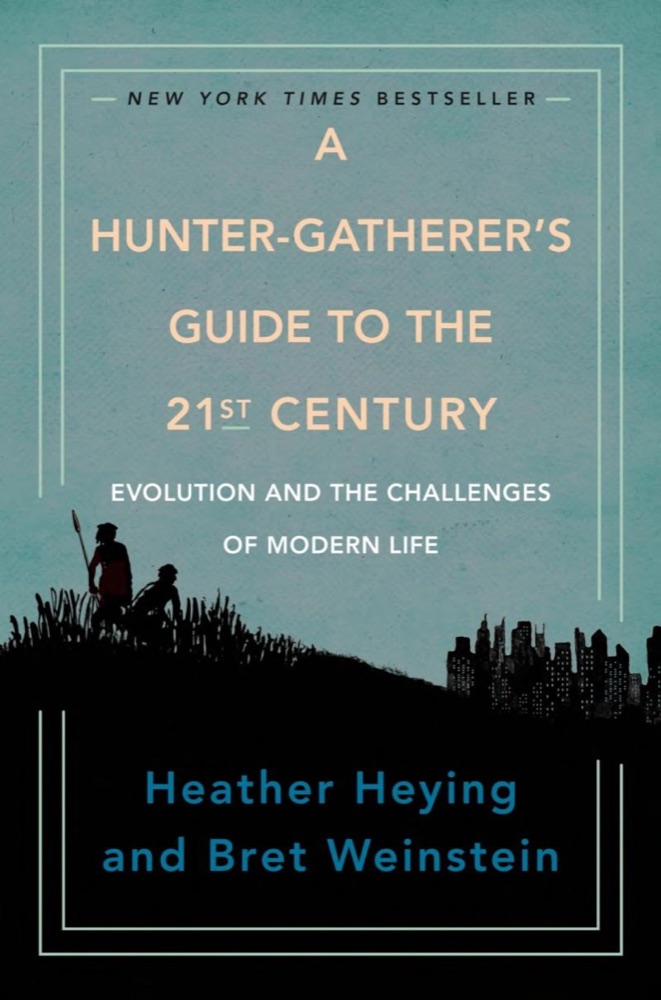 A Hunter-Gatherer's Guide to the 21st Century: Evolution and the Challenges of Modern Life
 The Art of Thinking Clearly
 Made to Stick: Why Some Ideas Survive and Others Die
 Hackers & Painters: Big Ideas from the Computer Age
 The Age of Magical Overthinking: Notes on Modern Irrationality
 Bicycle Diaries
 Ghostwritten
 Burning Questions: Essays and Occasional Pieces, 2004 to 2021
 Chaos Monkeys: Obscene Fortune and Random Failure in Silicon Valley
 Dear Mr. M
 Word by Word: The Secret Life of Dictionaries
 Weapons of Math Destruction: How Big Data Increases Inequality and Threatens Democracy
 Permanent Record
 Consider This: Moments in My Writing Life After Which Everything Was Different
 Genome
 The Salmon of Doubt
 Between You & Me: Confessions of a Comma Queen
 Who Owns the Future?
 Gnomon
 Opinions: A Decade of Arguments, Criticism, and Minding Other People’s Business
 How Do We Know We're Doing It Right: & Other Essays on Modern Life
 The Ghost
 Sex, Drugs, and Cocoa Puffs: A Low Culture Manifesto
 American Girls: Social Media and the Secret Lives of Teenagers
 Humble Pi: A Comedy of Maths Errors
 In the Beginning...Was the Command Line
 The Information: A History, a Theory, a Flood
 The Undoing Project: A Friendship That Changed Our Minds
 The Lost World
 The Wave in the Mind: Talks and Essays on the Writer, the Reader and the Imagination
 Think Like a Freak
 Don't Make Me Think, Revisited: A Common Sense Approach to Web Usability
 Little Brother
 A Work in Progress
 Influx
 The Names
 The Imperfectionists
 You Are Now Less Dumb: How to Conquer Mob Mentality, How to Buy Happiness, and All the Other Ways to Outsmart Yourself
 Believe Me: A Memoir of Love, Death, and Jazz Chickens
 300 Arguments: Essays
 Small Great Things