
 The Mother Tongue: English and How It Got That Way
Quotes from the Book
It is intended, as the French so enticingly put it, as an amuse-bouche.
1
Gönnen (also spelt as goennen) – the exact opposite of ‘to envy’: to be gladdened by someone else’s fortune. Old
1
If you're one of those people who worry that the English language is going to the dogs, linguists are of no help to you. Whatever it is that annoys you - double negatives, the demise of whom, the non-standard usage of literally - linguists will answer that a language is a living thing, and is always changing. You can't stop the process, so you'd better get used to it.
1
Just as all English speakers can understand one another provided a dash of goodwill is thrown into the mix, so too can Serbs, Montenegrins, Bosnians, and Croats. But if your family was massacred by your neighbour's army, goodwill is hard to find.
The attitude of English speakers to foreign languages can be summed up thus: let’s plunder, not learn them.
Vrtíčkar – strictly speaking no more than a hobby gardener with an allotment, but the word also suggests that the person is more interested in spending time drinking beer with other vrtíčkars than in growing vegetables and flowers. It could be extended in English to refer to people with any hobby that’s a cover for conviviality.
Modifying one's vocabulary to avoid embarrassment is a universal human behaviour.
About Gaston Dorren
We have collected 7 quotes from 1 book by Gaston Dorren on BookQuoters.
More about the author →About the book
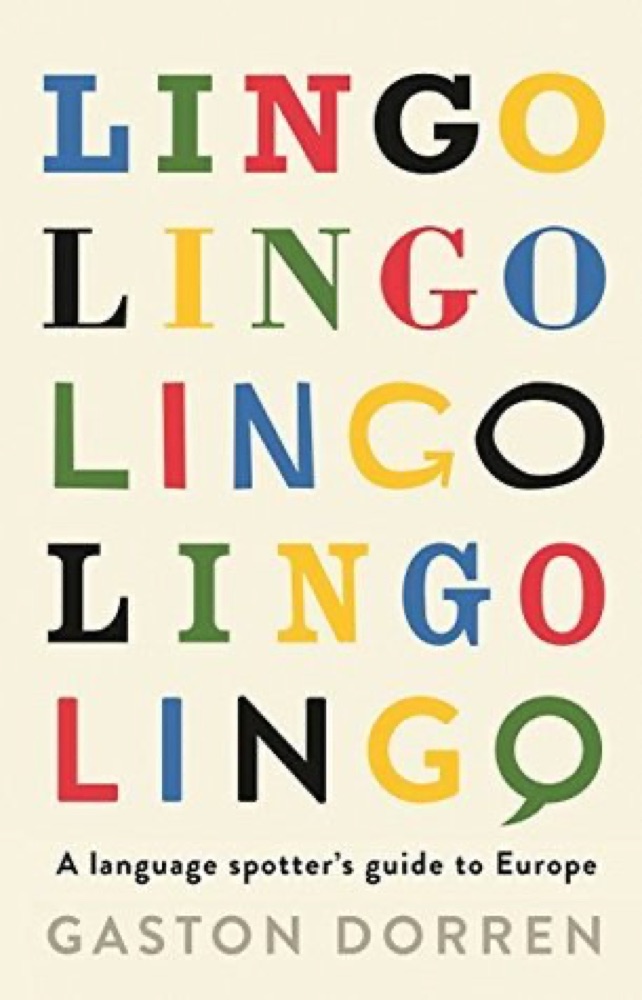
Welcome to Europe as you've never known it before, seen through the peculiarities of its languages and dialects. Combining linguistics and cultural history, Gaston Dorren takes us on an intriguing tour of the continent, from Proto-Indo-European (the common ancestor of most European languages) to the rise and rise of English, via the complexities of Welsh plurals and Czech pronunciation. Along the way we learn why Esperanto will never catch on, how the language of William the Conqueror lives on in the Channel Islands and why Finnish is the easiest European language.
Surprising, witty and full of extraordinary facts, this book will change the way you think about the languages around you. Polyglot Gaston Dorren might even persuade you that English is like Chinese.
Book details
- First published
- 2014
- Author
- Gaston Dorren
- Genre
- Nonfiction
- Goodreads rating
- 3.92 (5k ratings)
Keep reading
The Mother Tongue: English and How It Got That Way
 The Unfolding of Language: An Evolutionary Tour of Mankind's Greatest Invention
 Through the Language Glass: Why the World Looks Different in Other Languages
 Because Internet: Understanding the New Rules of Language
 Word by Word: The Secret Life of Dictionaries
 In the Land of Invented Languages: Esperanto Rock Stars, Klingon Poets, Loglan Lovers, and the Mad Dreamers Who Tried to Build a Perfect Language
 Watching the English: The Hidden Rules of English Behaviour
 The Language Instinct: How the Mind Creates Language
 Fluent in 3 Months: How Anyone at Any Age Can Learn to Speak Any Language from Anywhere in the World
 Is That a Fish in Your Ear? Translation and the Meaning of Everything
 Proto: How One Ancient Language Went Global
 The Word Exchange
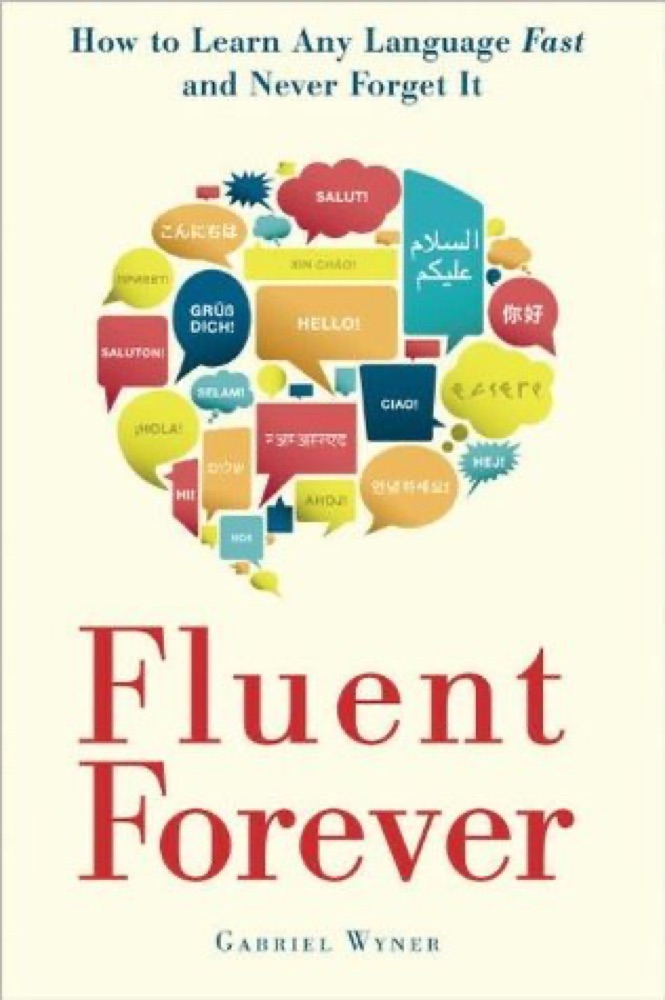 Fluent Forever: How to Learn Any Language Fast and Never Forget It
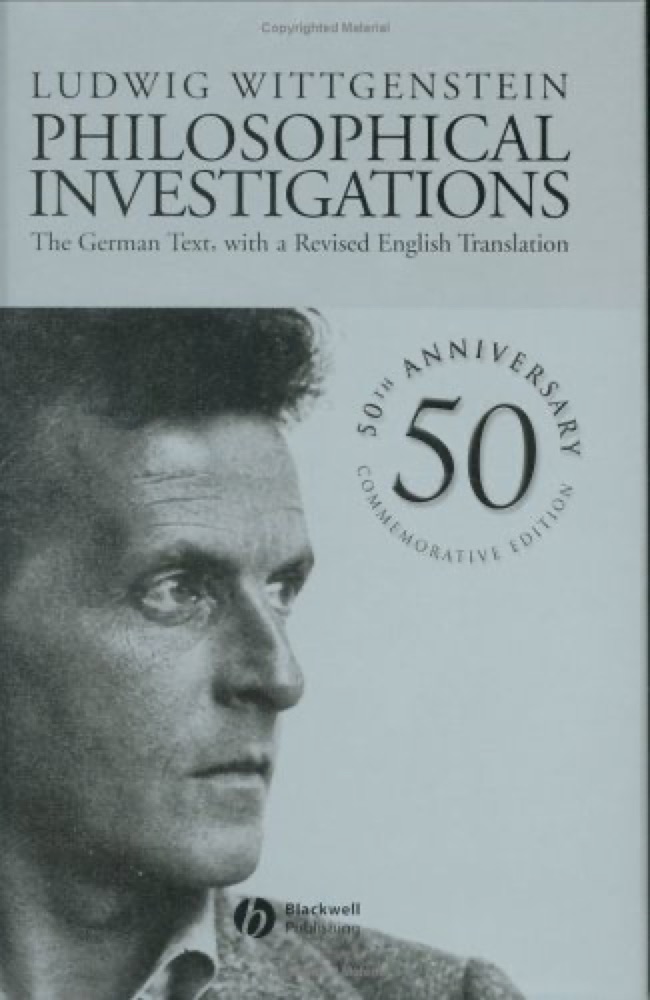 Philosophical Investigations
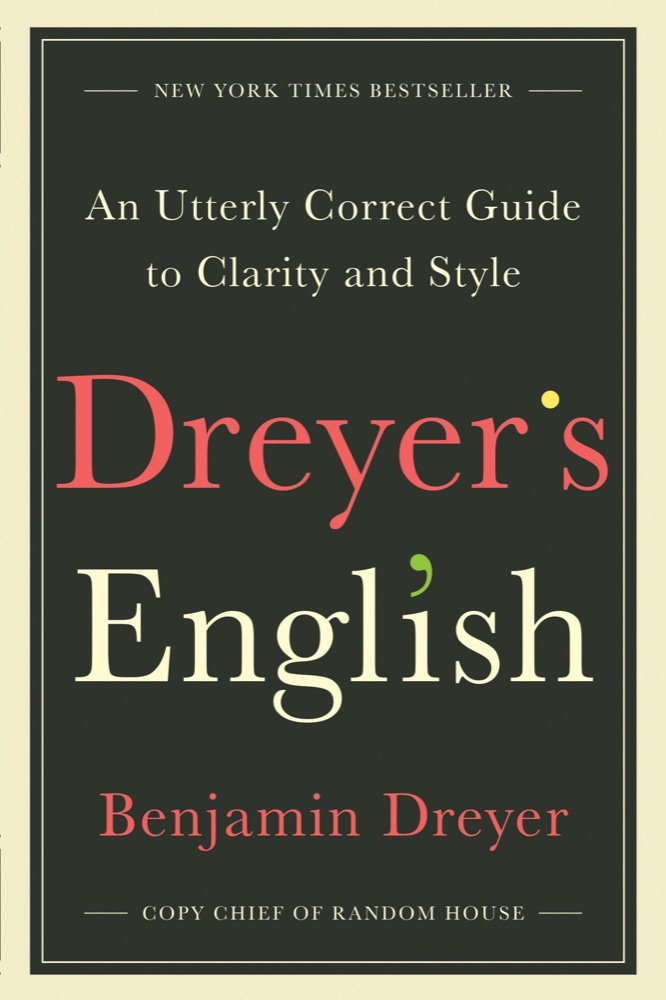 Dreyer's English: An Utterly Correct Guide to Clarity and Style
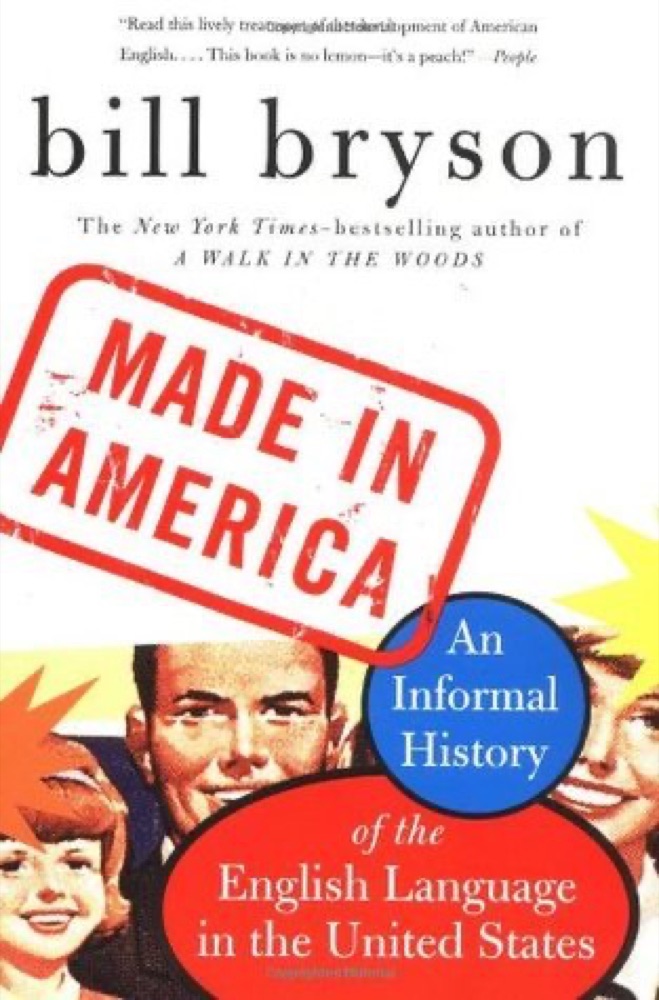 Made in America: An Informal History of the English Language in the United States
 Between You & Me: Confessions of a Comma Queen
 The Etymologicon: A Circular Stroll through the Hidden Connections of the English Language
 Following the Equator: A Journey Around the World
 Babel
Babel
 The Ministry of Pain
 The Best Laid Plans
 Three Men on the Bummel
 The Stuff of Thought: Language as a Window into Human Nature
 A Tramp Abroad
 The Liar's Dictionary
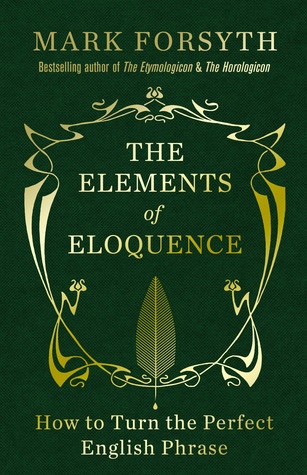 The Elements of Eloquence: How to Turn the Perfect English Phrase
 The Professor and the Madman: A Tale of Murder, Insanity and the Making of the Oxford English Dictionary
 The Innocents Abroad
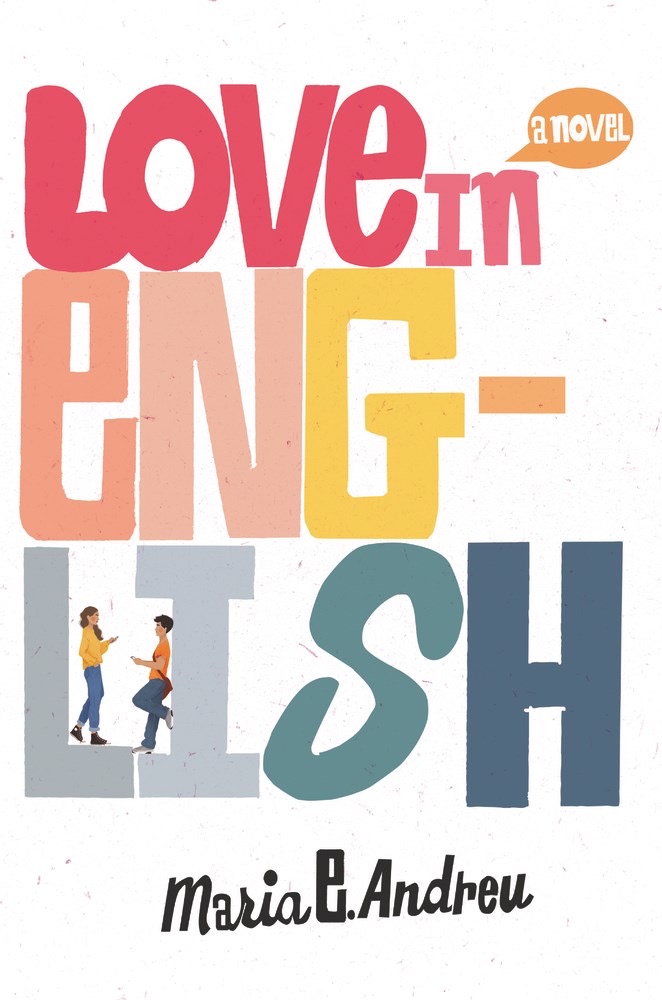 Love in English
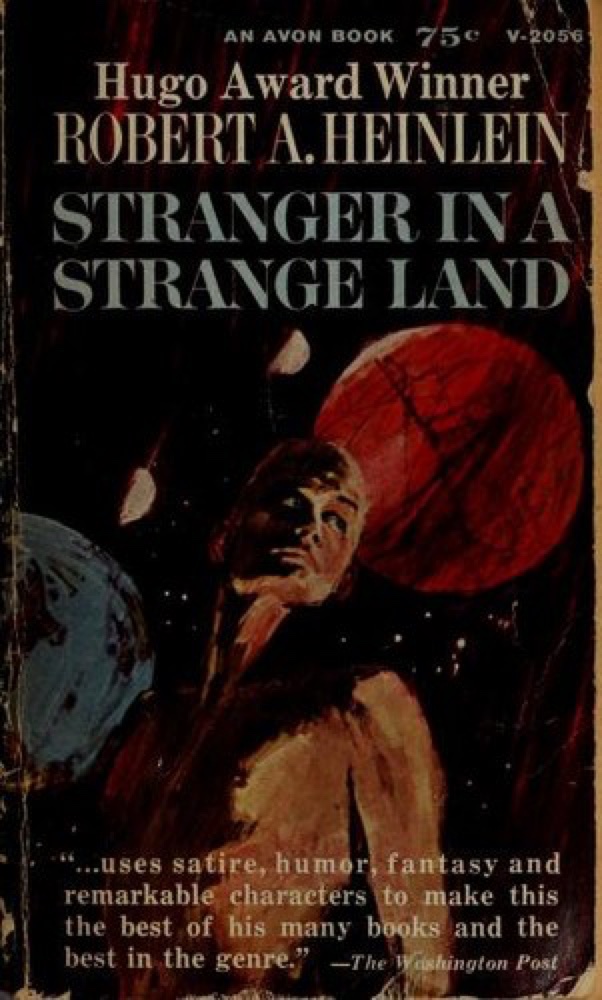 Stranger in a Strange Land
 Paris to the Moon
 Politics and the English Language
 The Culture Map: Breaking Through the Invisible Boundaries of Global Business
 The Prague Cemetery
 Confabulations
 Lexicon
 The Elements of Style
 Babel-17
 The Rhetoric & The Poetics of Aristotle
 Please Understand Me II: Temperament, Character, Intelligence
 The Seventh Function of Language
 Incidental Inventions
 Boomerang: Travels in the New Third World
 Scattered All Over the Earth
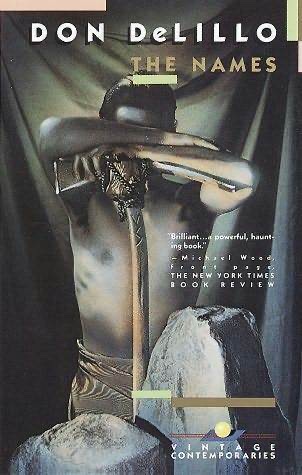 The Names
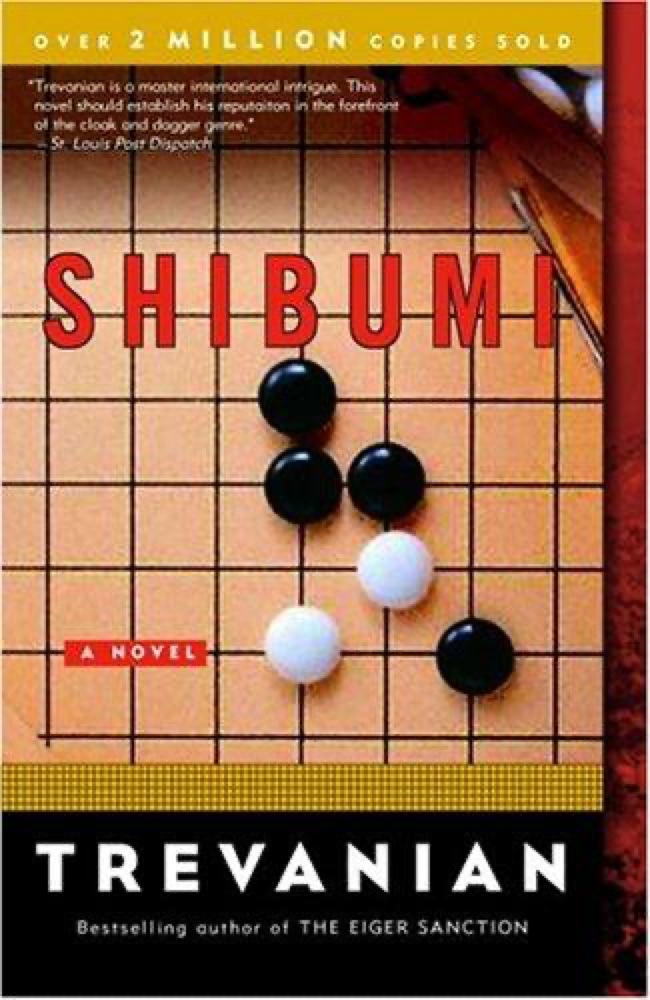 Shibumi
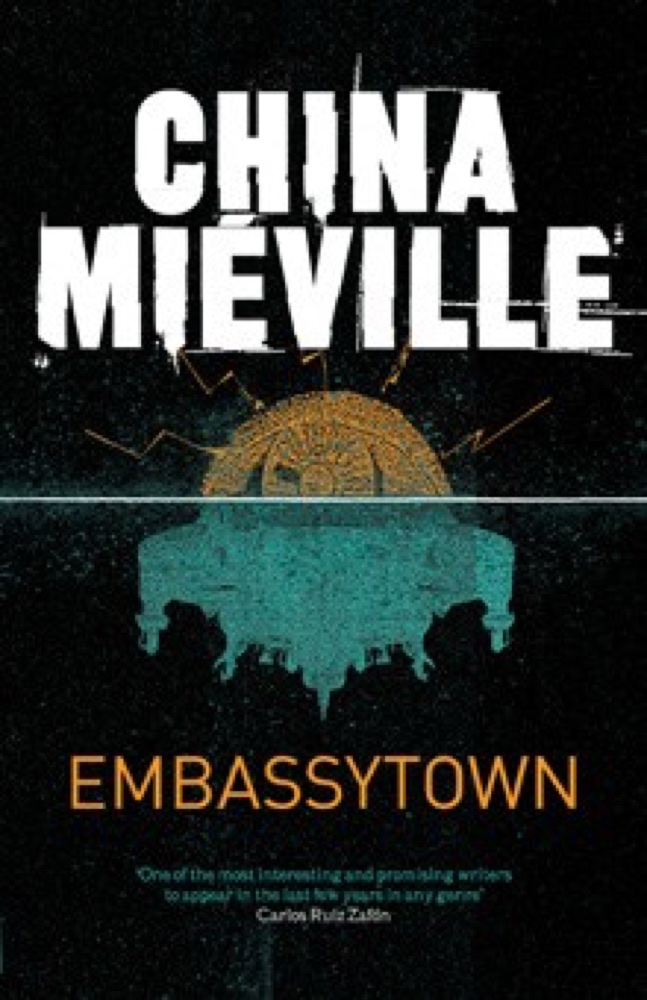 Embassytown
 The Fry Chronicles
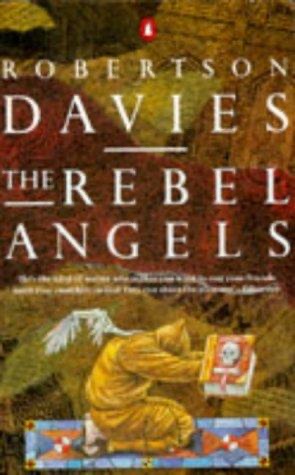 The Rebel Angels
 InterWorld
 The Long Earth
 An Italian Affair
 Me Talk Pretty One Day
 Flaubert's Parrot
 Influence: The Psychology of Persuasion
 Frankly in Love
 The Further Adventures of An Idiot Abroad
 Heartbreak House