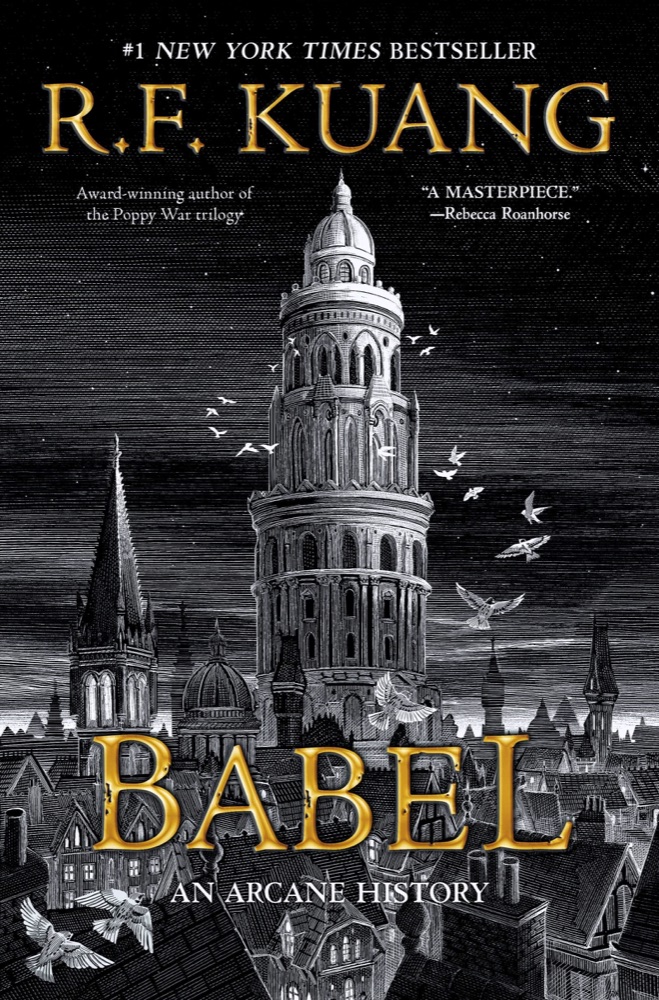

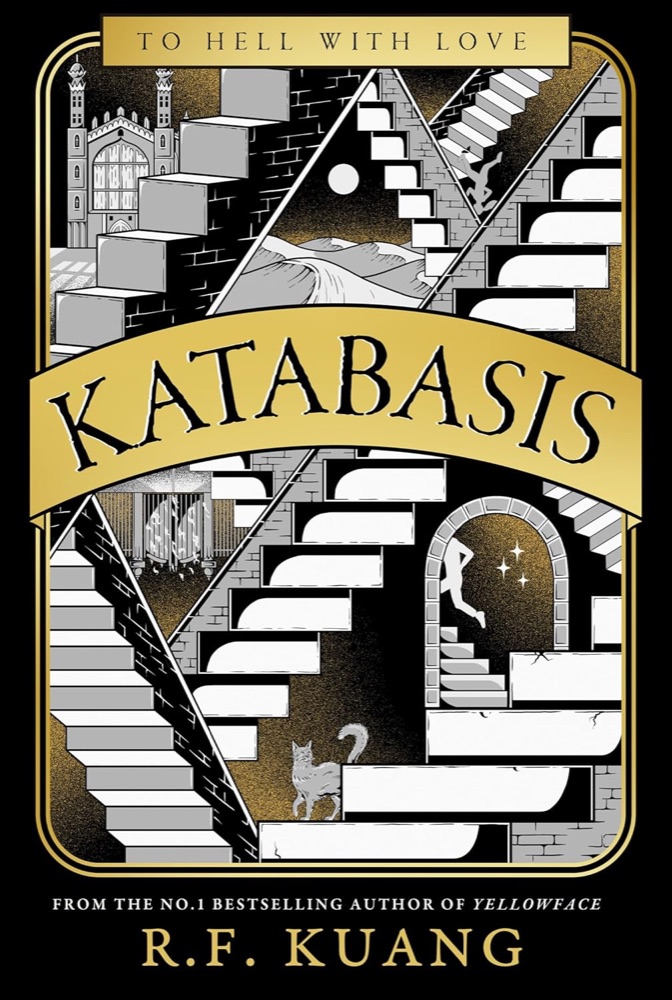
 Katabasis
Quotes from the Book
That's just what translation is, I think. That's all speaking is. Listening to the other and trying to see past your own biases to glimpse what they're trying to say. Showing yourself to the world, and hoping someone else understands.
1.1k
English did not just borrow words from other languages; it was stuffed to the brim with foreign influences, a Frankenstein vernacular. And Robin found it incredible, how this country, whose citizens prided themselves so much on being better than the rest of the world, could not make it through an afternoon tea without borrowed goods.
753
This is how colonialism works. It convinces us that the fallout from resistance is entirely our fault, that the immoral choice is resistance itself rather than the circumstances that demanded it.
740
Betrayal. Translation means doing violence upon the original, means warping and distorting it for foreign, unintended eyes. So then where does that leave us? How can we conclude, except by acknowledging that an act of translation is then necessarily always an act of betrayal?
491
Nice comes from the Latin word for “stupid”,’ said Griffin. ‘We do not want to be nice.
464
Be selfish," he whispered. "Be brave.
358
But what is the opposite of fidelity?' asked Professor Playfair. He was approaching the end of his dialitic; now he needed only to draw it to a close with a punch. 'Betrayal. Translation means doing violence upon the original, it means warping and distorting it for foreign, unintended eyes. So, where does that leave us? How can we conclude except by acknowledging that an act of translation is always an act of betrayal?
314
How strange,’ said Ramy. ‘To love the stuff and the language, but to hate the country.’ ‘Not as odd as you’d think,’ said Victoire. ‘There are people, after all, and then there are things.
284
Grief suffocated. Grief paralysed. Grief was a cruel, heavy boot pressed so hard against his chest that he could not breathe.
246
You have such a great fear of freedom, brother. It's shackling you. You've identified so hard with the colonizer, you think any threat to them is a threat to you. When are you going to realize you can't be one of them?
241
There are no kind masters, Letty,’ Anthony continued. ‘It doesn’t matter how lenient, how gracious, how invested in your education they make out to be. Masters are masters in the end.
224
That's the beauty of learning a new language. It should feel like an enormous undertaking. It ought to intimidate you. It makes you appreciate the complexity of the ones you know already.
216
So, you see, translators do not so much deliver a message as the rewrite the original. And herein lies the difficulty - rewriting is still writing, and writing always reflects the authors ideology and biases.
213
Trying, he thought, to express some unutterable truth about themselves. Which was that translation was impossible. That the realm of pure meaning they captured and manifested would and could not ever be known. That the enterprise of this tower had been impossible from inception. For how could there ever be an Adamic language? The thought now made him laugh. There was no innate, perfectly comprehensible language. There was no candidate - not English, not French - that could bully and absorb enough to become one. Language was just difference. A thousand different ways of seeing, of moving through the world. No, a thousand worlds within one. And translation, a necessary endeavor however futile, to move between them.
193
She learned revolution is, in fact, always unimaginable. It shatters the world you know. The future is unwritten, brimming with potential. The colonizers have no idea what is coming, and that makes them panic. It terrifies them. Good. It should.
188
I suppose we decided to be girls because being boys seems to require giving up half your brain cells.
174
Still, something did not seem right, and Robin could tell from Victoire’s and Ramy’s faces that they thought so too. It took him a moment to realize what it was that grated on him, and when he did, it would bother him constantly, now and thereafter; it would seem a great paradox, the fact that after everything they had told Letty, all the pain they had shared, she was the one who needed comfort.
156
We're here to make magic with words
137
He went back to his first morning in Oxford: climbing a sunny hill with Ramy, picnic basket in hand. Elderflower cordial. Warm brioche, sharp cheese, a chocolate tart for dessert. The air smelled like a promise, all of Oxford shone like an illumination, and he was falling in love.
134
Translation means doing violence upon the original, means warping and distorting it for foreign, unintended eyes. So then where does that leave us? How can we conclude, except by acknowledging that an act of translation is then necessarily always an act of betrayal?
133
…there is no such thing as humane colonization.
127
Words tell stories. Specifically, the history of those words - how they came into use, and how their meaning morphed into what they mean today - tell us just as much about a people, if not more, than any other kind of historical artefact.
123
Why, he wondered, did white people get so very upset when anyone disagreed with them?
123
History isn't a premade tapestry that we've got to suffer, a closed world with no exit. We can form it. Make it. We just have to choose to make it.
119
A lie was not a lie if it was never uttered; questions that were never asked did not need answers. They would both remain perfectly content to linger in the liminal, endless space between truth and denial.
112
Words and phrases you think are carved into your bones can disappear in no time.
92
I want to live,’ she repeated, ‘and live, and thrive, and survive them. I want a future. I don’t think death is a reprieve. I think it’s – it’s just the end. It forecloses everything – a future where I might be happy, and free. And it’s not about being brave. It’s about wanting another chance. Even if all I did was run away, even if I never lifted a finger to help anyone else as long as I lived – at least I would get to be happy. At least the world might be all right, just for a day, just for me. Is that selfish?
87
No one’s focused on how we’re all connected. We only think about how we suffer, individually. The poor and middle-class of this country don’t realize they have more in common with us than they do with Westminster.
79
Power did not lie in the tip of a pen. Power did not work against its own interests. Power could only be brought to heel by acts of defiance it could not ignore. With brute, unflinching force. With violence.
74
If we push in the right spots - then we've moved things to the breaking point. The the future becomes fluid, and change is possible. History isn't a premed tapestry that we've got to suffer, a closed world with no exit. We can form it. Make it. We just have to choose to make it.
73
Did you know?
- The novel's full title is Babel, or the Necessity of Violence: An Arcane History of the Oxford Translators' Revolution.
- It is set largely at Oxford University, where author R.F. Kuang herself studied.
- The book debuted at number one on the New York Times bestseller list.
- Its magic system is powered by silver bars that draw power from meanings lost in translation between languages.
- Babel won the 2022 Nebula Award for Best Novel.
- The story incorporates the historical backdrop of the First Opium War between Britain and China.
About R.F. Kuang
R.F. Kuang (born 1996 in Guangzhou, China) is an American author of speculative and literary fiction whose works include The Poppy War trilogy and Yellowface. She has studied Chinese history at Cambridge, Oxford, and Yale.
More about the author →More by R.F. Kuang
All books by R.F. Kuang →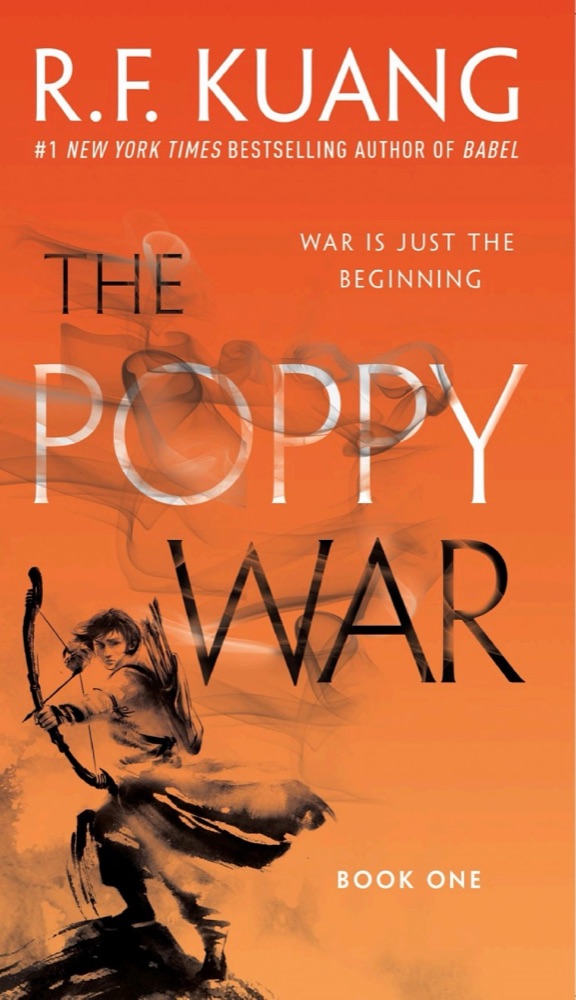
About the book
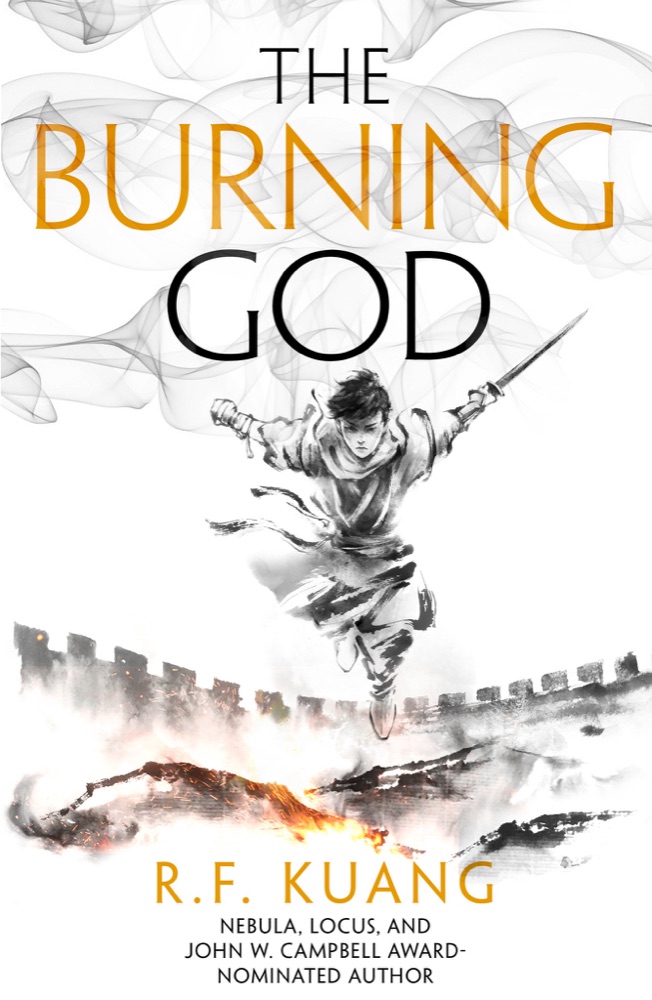
Babel, or the Necessity of Violence: An Arcane History of the Oxford Translators' Revolution is a 2022 speculative novel by R.F. Kuang. Set in an alternate 1830s Britain whose imperial power is fueled by enchanted silver bars activated through the untranslatable gaps between languages, it follows Robin Swift, a Chinese orphan brought to England and trained at Oxford's Royal Institute of Translation, known as Babel. As Robin and his fellow students master the art of translation that sustains the empire, they confront how their scholarship props up colonial exploitation.
The novel weaves together themes of imperialism, language and translation, colonial complicity, racism, and class. Kuang uses the magic of translation as a metaphor for how empire extracts value from colonized peoples and cultures, dramatizing the moral cost of academic privilege and the question of whether violence becomes necessary to resist systemic oppression.
Babel was both a commercial and critical success, debuting at number one on the New York Times bestseller list. It won the 2022 Nebula Award for Best Novel, the 2023 Locus Award for Best Fantasy Novel, and the British Book Award for Fiction, among other honors. Reviews were largely positive, praising its ambition and emotional power, though some critics found its political messaging overly didactic.
Key characters
- Robin SwiftA Chinese orphan brought to England and trained as a translator at Oxford's Babel
- Ramy MirzaAn Indian student at Babel and Robin's closest friend
- Victoire DesgravesA Haitian student at Babel with strong moral conviction
- Letty PriceA British admiral's daughter studying at Babel who faces gender discrimination
- Professor Richard LovellRobin's guardian and a committed servant of British empire
Book details
- First published
- 2022
- Length
- 545 pages
- Reading time
- 11 hours
- Author
- R.F. Kuang
- Genre
- Fantasy
- Goodreads rating
- 4.13 (521k ratings)
- First line
- “By the time Professor Richard Lovell found his way through Canton's narrow alleys to the faded address in his diary, the boy was the only one in the house left alive.”
Critical reception
- Debuted at number one on the New York Times bestseller list.
- Won the 2022 Nebula Award for Best Novel and the 2023 Locus Award for Best Fantasy Novel.
- Kirkus Reviews called it ambitious and powerful, while some critics, such as Publishers Weekly, found it didactic and unsubtle.
Movie & TV adaptations
- IMDb
If you liked this, read…
- 1The Poppy WarR.F. Kuang's earlier work, also blending history, empire, and dark fantasy
- 2Jonathan Strange & Mr NorrellAlternate-history Britain with scholarly magic and 19th-century setting
- 3The Atlas SixDark academia centered on gifted students and the ethics of arcane knowledge
Keep reading
 Arm of the Sphinx
 Embassytown
 The Telling
 That Hideous Strength
 Four Ways to Forgiveness
 The Book That Broke the World
 Too Like the Lightning
 Impossible Creatures
 In the Light of What We Know
 The Fall of Babel
 Plainwater: Essays and Poetry
 Xenocide
 Senlin Ascends
 The Stone Gods
 Disgrace
 Under the Same Stars
 Gnomon
 Always Coming Home
 The Word Exchange
 Out of Oz
 Two Years Eight Months and Twenty-Eight Nights
 Academ's Fury
 The Chrysalids
 Cloud of Sparrows
 Babel-17
 The Amber Spyglass
 Lexicon
 Sigh, Gone: A Misfit's Memoir of Great Books, Punk Rock, and the Fight to Fit In
 A History of the World in 10½ Chapters
 The Sunlit Man
 Thirteen
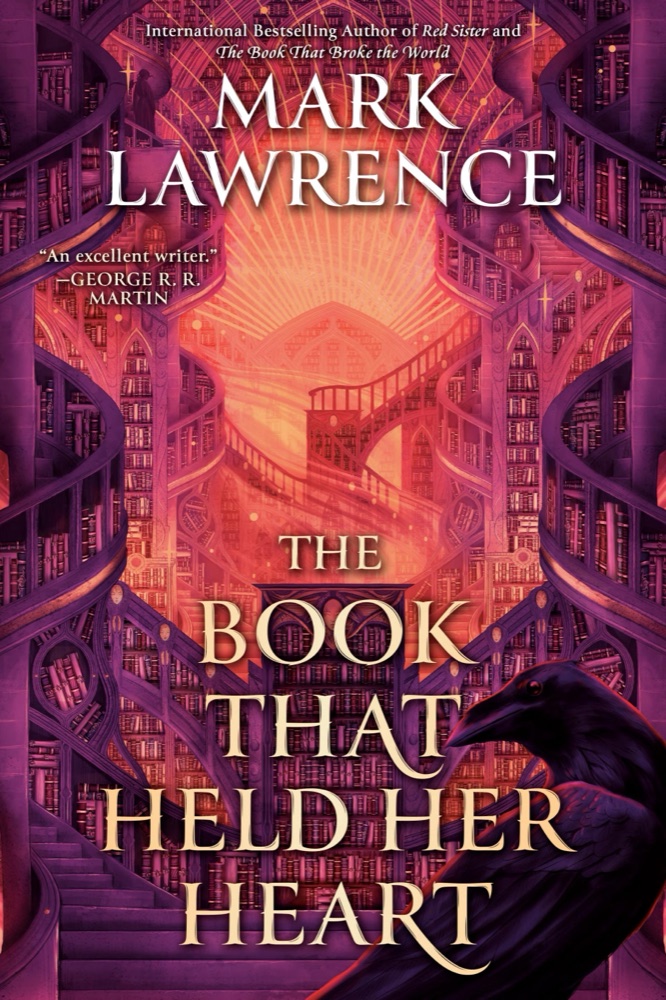 The Book That Held Her Heart
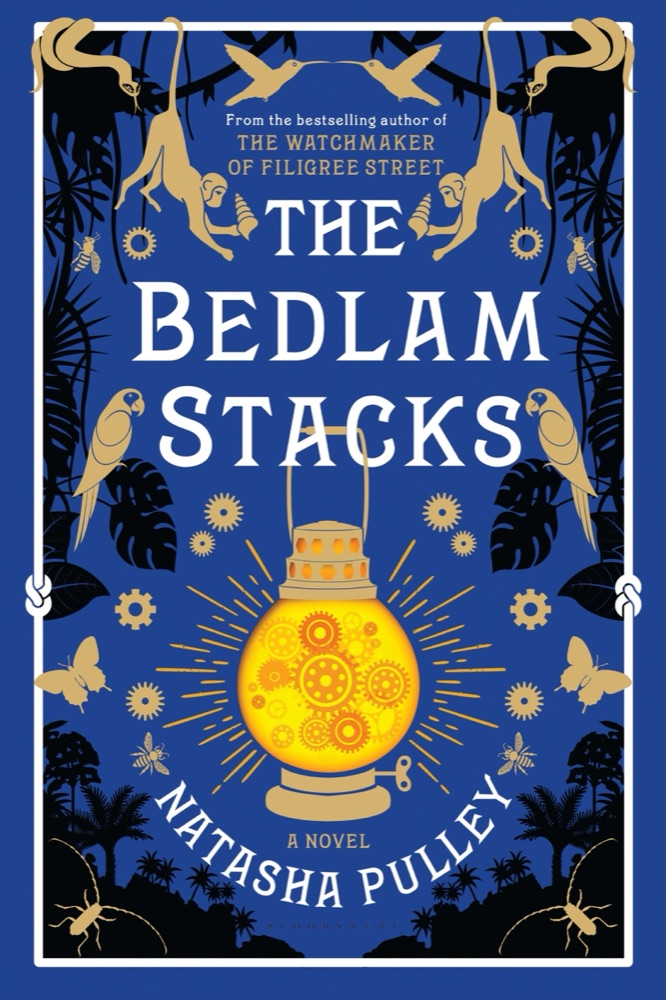 The Bedlam Stacks
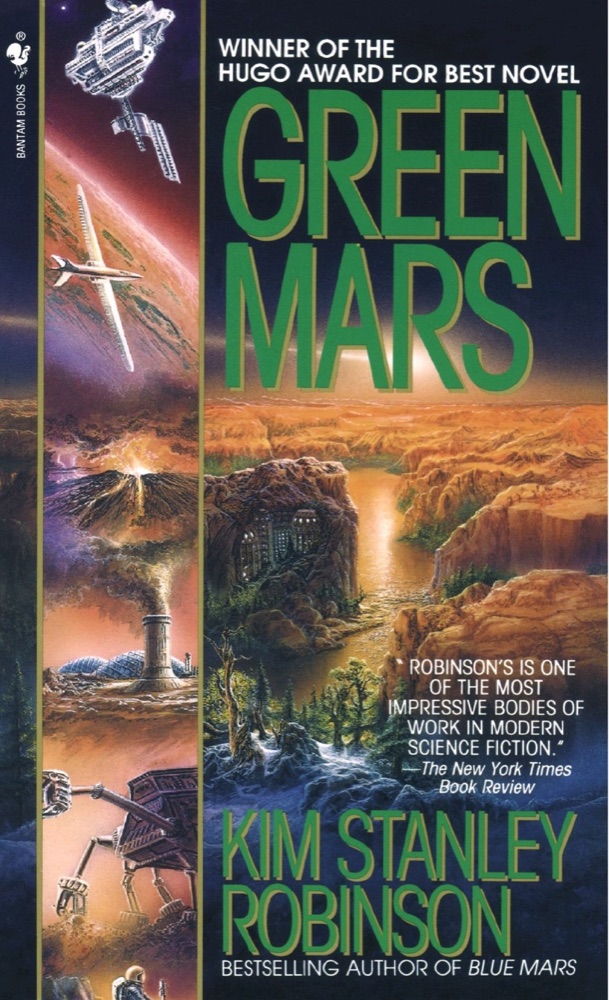 Green Mars
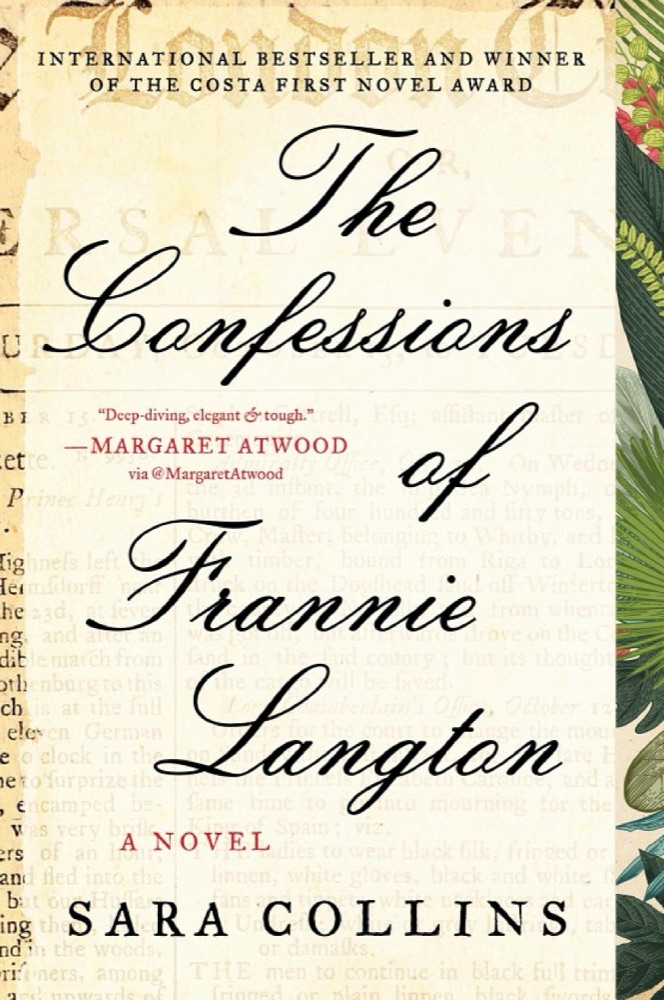 The Confessions of Frannie Langton
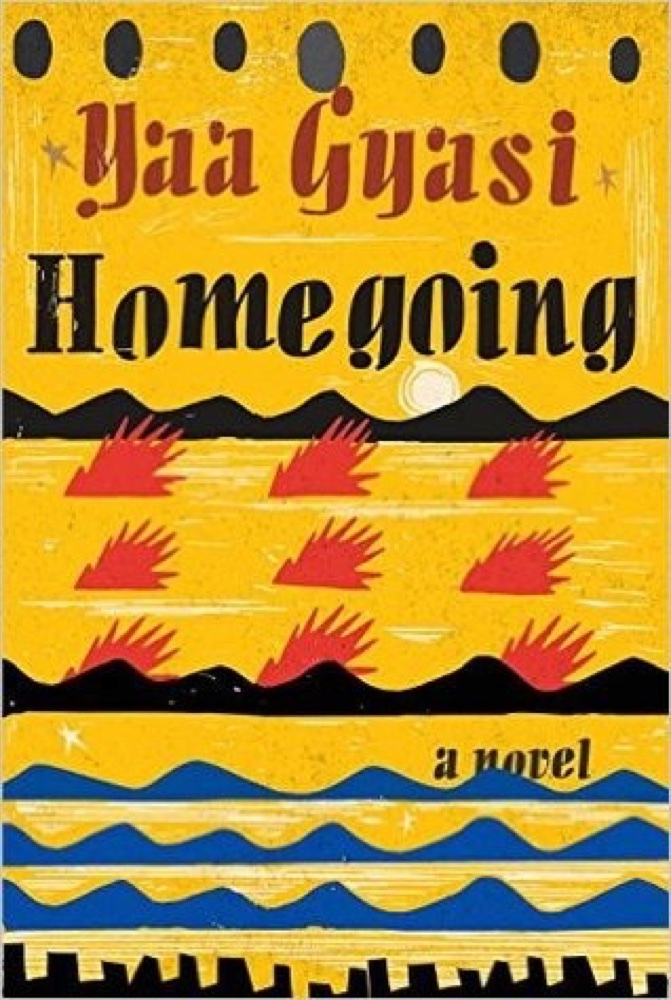 Homegoing
 Lanark
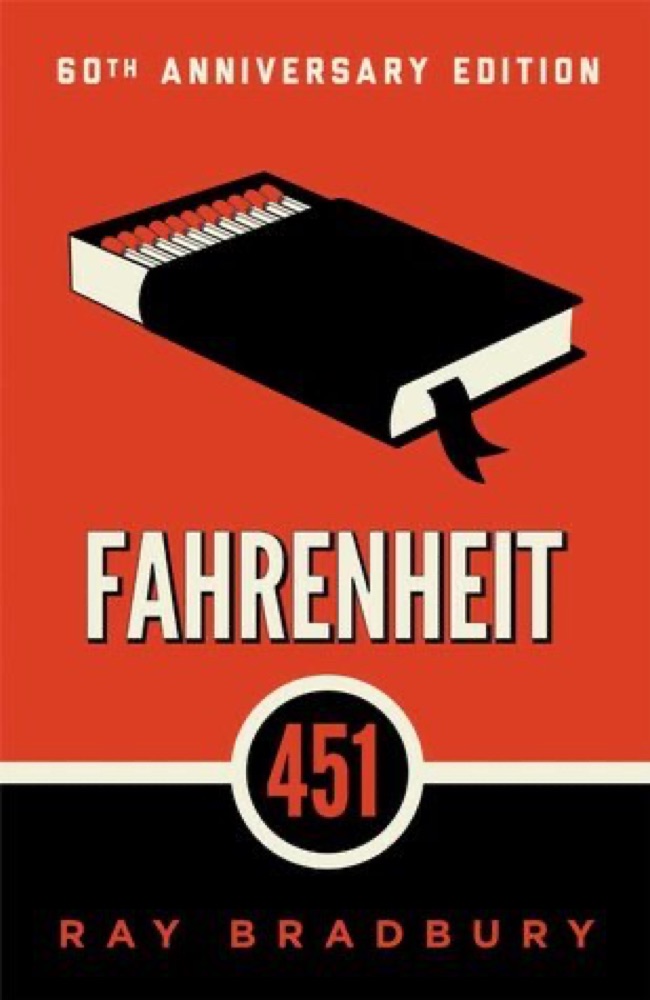 Fahrenheit 451
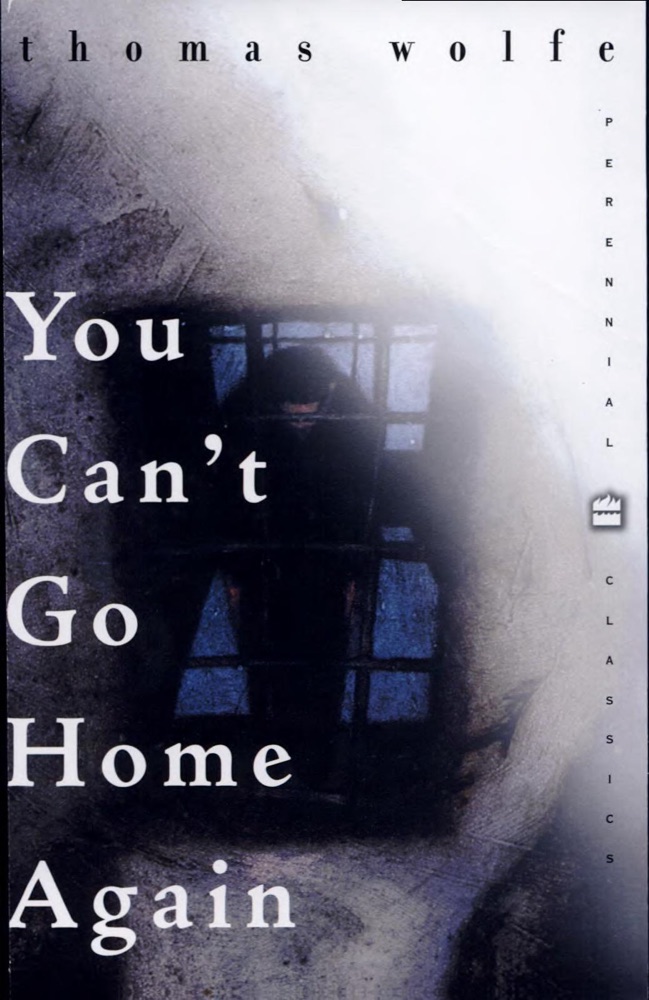 You Can't Go Home Again
 The Kite Runner
 The Mime Order
 The Golden Compass
 The Enchantress of Florence
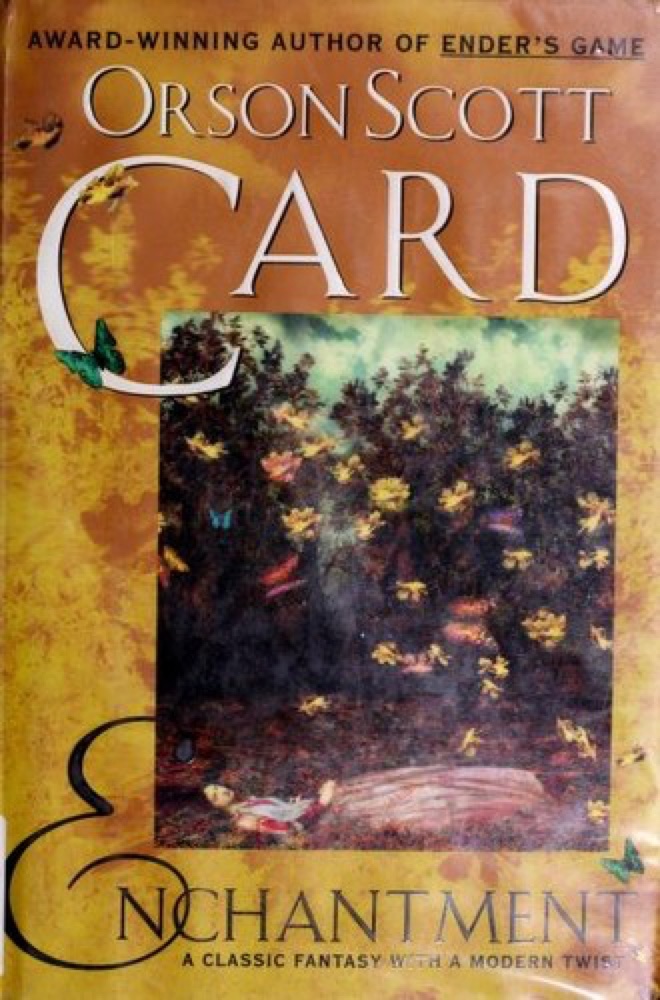 Enchantment
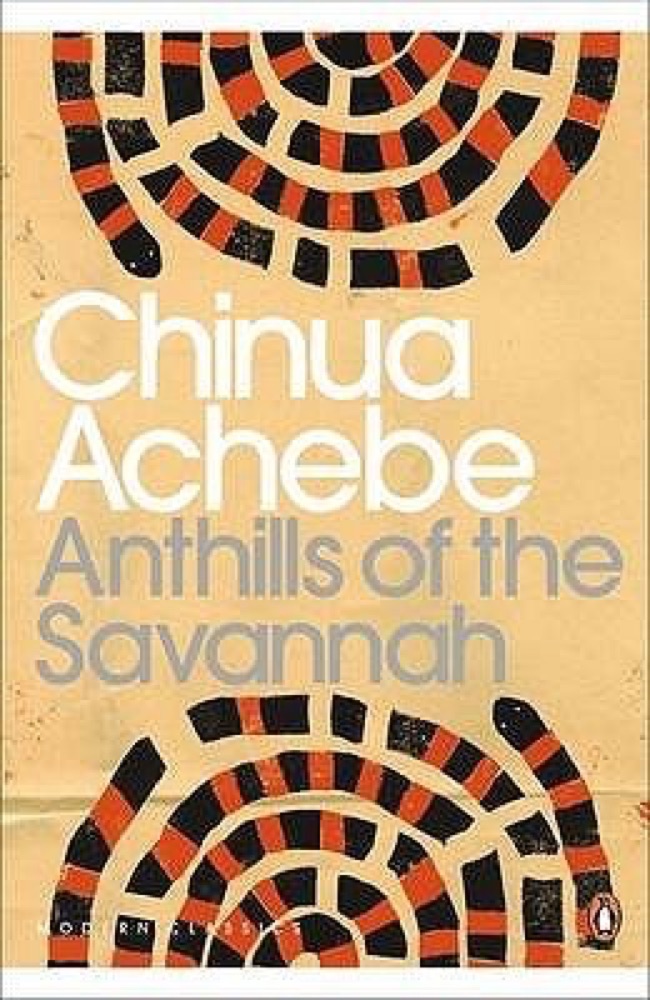 Anthills of the Savannah
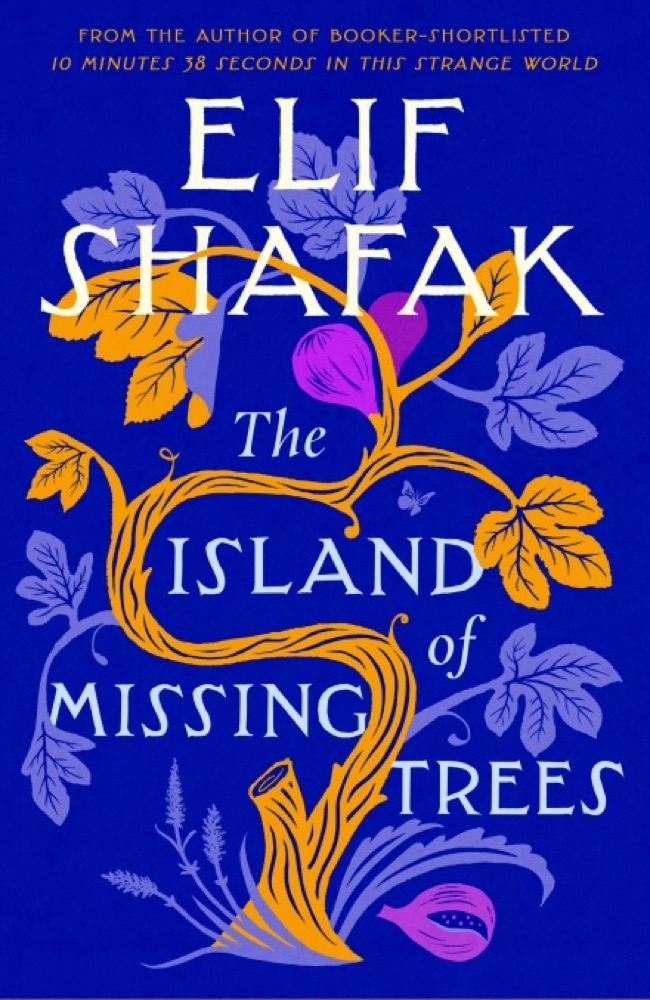 The Island of Missing Trees
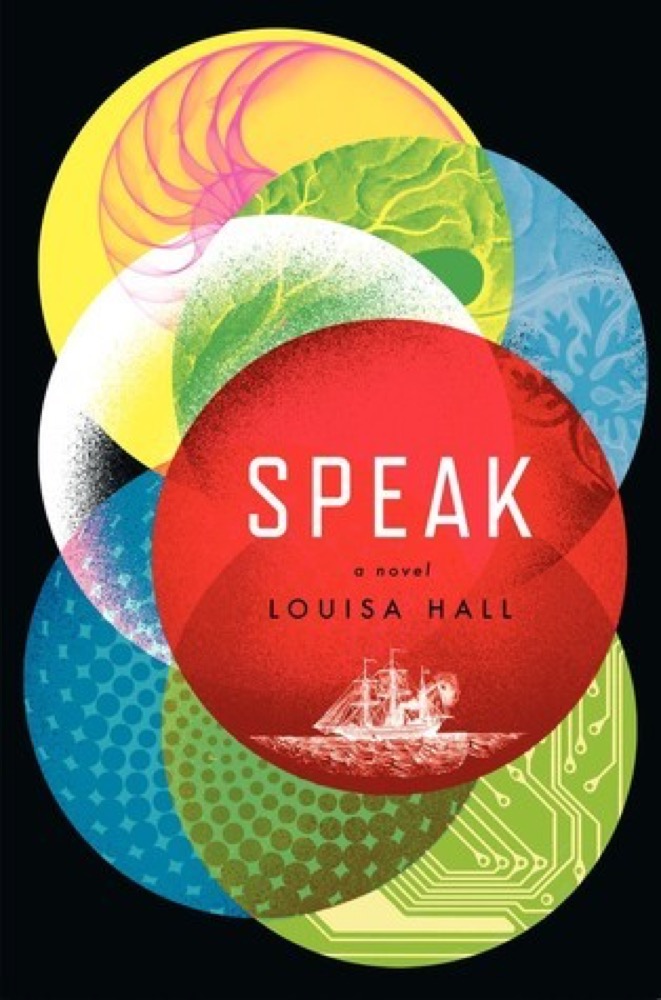 Speak
Speak
 The Last Librarian
 The Secret History
 Nutshell
 All the King's Men
 Winter
 Skinny Legs and All
 The Boy on the Bridge
 Seven Surrenders
 The Long Way to a Small, Angry Planet
 The Hydrogen Sonata
 The Story of the Lost Child
 Sword & Citadel
 A Language Older Than Words