 The Sun Over Breda
Quotes from the Book
And why have you burnt our Gods, when others are brought from other Regions by the Spaniards? Are the Gods of other Provinces more sacred than ours?
2
En las cuales (si se permitiesen) han de tornarse a hacer, pues de sí mismas (hechas contra aquellas indianas gentes, pacíficas, humildes y mansas que a nadie ofenden) son inicuas, tiránicas, y por toda ley natural, divina y humana condenadas, detestadas
1
yo he oído decir a muchos seglares españoles de muchos años acá e muchas veces, no pudiendo negar la bondad que en ellos veen: “cierto, estas gentes eran las más bienaventuradas del mundo, si solamente conoscieran a Dios”.
1
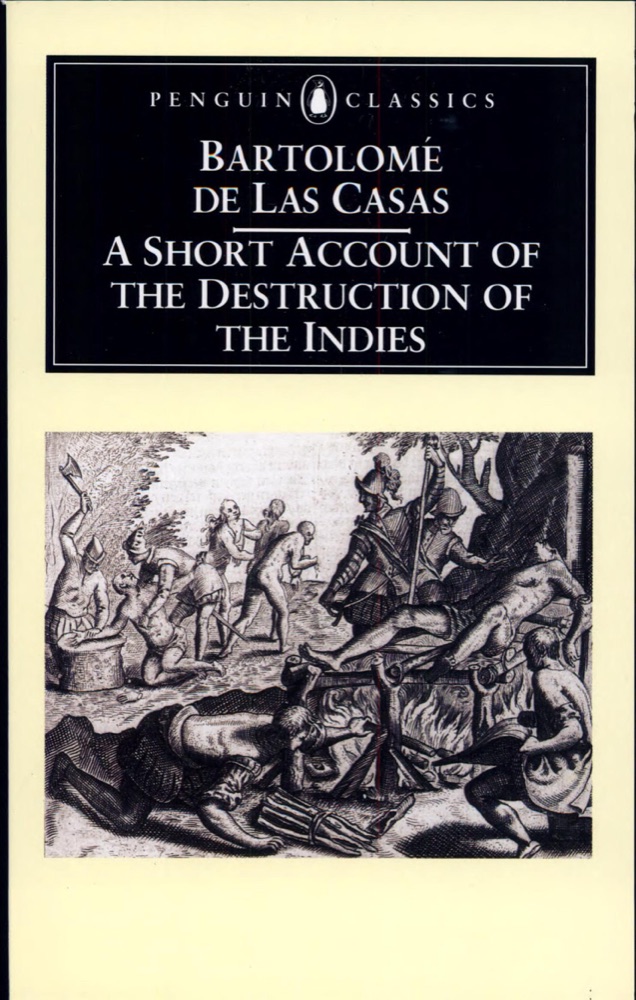
Comúnmente mataban a los señores y nobles de esta manera: que hacían unas parrillas de varas sobre horquetas y atábanlos en ellas y poníanles por debajo fuego manso, para que poco a poco, dando alaridos en aquellos tormentos, desesperados, se les salían las ánimas.
Todas estas universas e infinitas gentes a toto genero crió Dios los más simples, sin maldades ni dobleces, obedientísimas, fidelísimas a sus señores naturales e a los cristianos a quien sirven; más humildes, más pacientes, más pacíficas e quietas, sin rencillas ni bollicios, no rijosos, no querulosos, sin rancores, sin odios, sin desear venganzas, que hay en el mundo. Son
Esto parece haber dado a entender la divina escriptura en los proverbios de Salomón: Rex, qui sedet in solio judicii, dissipat omne malum in tuitu suo [El Rey que está sentado en el solio del juicio disipa todo mal con su mirada]. Porque
Y porque toda la gente que huir podía se encerraba en los montes y subía a las sierras huyendo de hombres tan inhumanos, tan sin piedad y tan feroces bestias, extirpadores y capitales enemigos del linaje humano, ense
secábaseles la leche de las tetas a las mujeres paridas, e así murieron en breve todas las criaturas. Y por estar los maridos apartados, que nunca vían a las mujeres, cesó entre ellos la generación; murieron ellos en las minas, de trabajos y hambre, y ellas en las estancias o granjas, de lo mesmo, e así se acabaron tantas e tales multitúdines de gentes de aquella isla; e así se pudiera haber acabado todas las del mundo.
Watch on YouTube
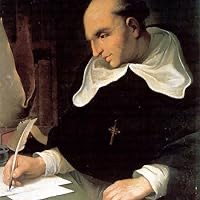
About Bartolomé de las Casas
We have collected 8 quotes from 1 book by Bartolomé de las Casas on BookQuoters.
More about the author →About the book
Bartolomé de Las Casas was the first and fiercest critic of Spanish colonialism in the New World. An early traveller to the Americas who sailed on one of Columbus's voyages, Las Casas was so horrified by the wholesale massacre he witnessed that he dedicated his life to protecting the Indian community. He wrote A Short Account of the Destruction of the Indies in 1542, a shocking catalogue of mass slaughter, torture and slavery, which showed that the evangelizing vision of Columbus had descended under later conquistadors into genocide. Dedicated to Philip II to alert the Castilian Crown to these atrocities and demand that the Indians be entitled to the basic rights of humankind, this passionate work of documentary vividness outraged Europe and contributed to the idea of the Spanish 'Black Legend' that would last for centuries.
Book details
- First published
- 1552
- Author
- Bartolomé de las Casas
- Genre
- History
- Goodreads rating
- 3.72 (4k ratings)
Keep reading
The Sun Over Breda
 The Time of the Hero
 On Heroes and Tombs
 Days and Nights of Love and War
 Captain Alatriste
 Malinche
 Lost Illusions
 Don Quixote de La Mancha, Vol. 1
 The Feast of the Goat
 Cronopios and Famas
 Upside Down: A Primer for the Looking-Glass World
 Ripper
 The Family of Pascual Duarte
 Eartheater
 The Last Cato
 Of Love and Shadows
 The Lost Steps
 Bestiario
 Forest of the Pygmies
 Nada
Nada
 Stories
 The Death of Artemio Cruz
 The Traitor's Emblem
 Liliana's Invincible Summer: A Sister's Search for Justice
 The Labyrinth of Solitude and Other Writings
 62: A Model Kit
 Things We Lost in the Fire
 God and the State
 Dancing Girls and Other Stories
 Everything You and I Could Have Been If We Weren't You and I
 The Life Before Us ("Madame Rosa'')
 The Third Eye
 The Horse Healer
 Returning to Reims
 Miss Kim Knows and Other Stories
 Strange Pilgrims
 Forsaken
 So Much for That
 Gomorrah
 Thus Bad Begins
 The Ingredients of Love
 The Yellow World
 The Wild Ass's Skin
 Brodie's Report
 Tuareg
 White River Burning
 Memoirs
 The Vicomte de Bragelonne
 Aunt Julia and the Scriptwriter
 The Yellow Eyes of Crocodiles
 Ordesa
 Mondays with My Old Pastor: Sometimes All We Need Is a Reminder from Someone Who Has Walked Before Us
 The Key
 Grass for His Pillow
 Peeling the Onion
 Distant Star
 The Little Virtues
 Without Feathers
 La reina del sur
 A Sunny Place for Shady People