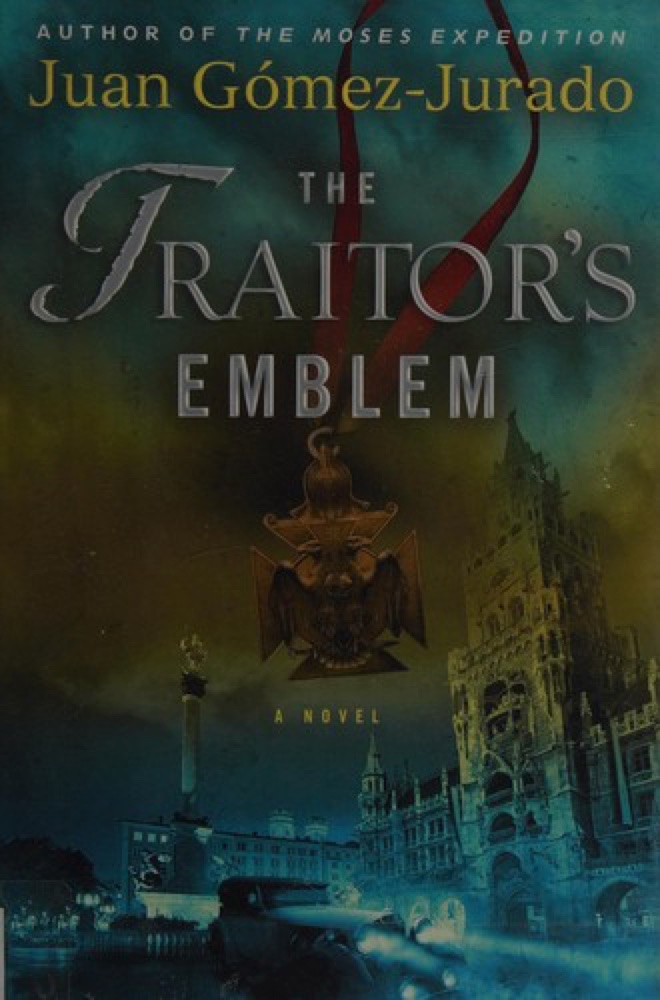

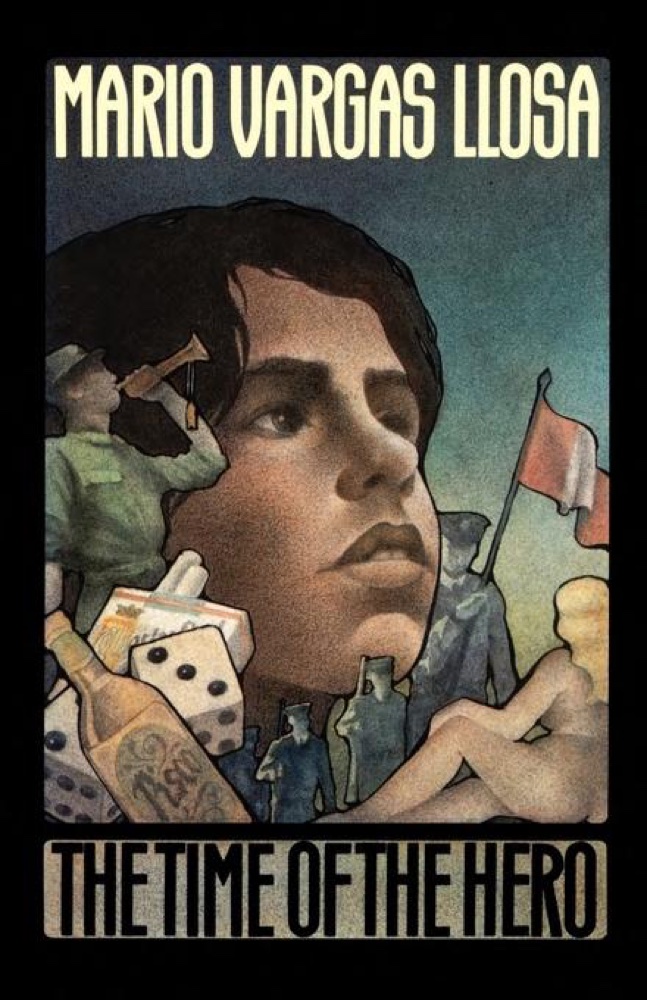
 The Time of the Hero
Quotes from the Book
Ah, ah. No releas, Paul. Eres muy joven, y aquellos que releen tienden a llenarse de la sabiduría inadecuada antes de tiempo. Ahora tienes que leer, leer todo lo que puedas, lo más heterogéneo posible. Sólo cuando llegas a mis años sabes que aquello que relees no es una pérdida de tiempo.
La traición y el asesinato van siempre juntos, como dos diablos unidos en un yugo que por el mismo fin trabajan tan groseramente por interés natural que la imaginación no se asombra ante ellos. Pero a ti, contra todo decoro, te estaba reservado, provocar asombro, al tiempo que traición y asesinato. Sea cual fuere el diablo que ha obrado sobre ti, se ha ganado fama de excelente en el Infierno.
Donde el entendimiento no ve más allá de uno mismo
El día empieza a medianoche, en mitad de la oscuridad. Y luego todo es luz.
Éste es el apretón de manos secreto del aprendiz, y sirve para que dos hermanos masones se reconozcan como tales. Se realiza presionando el pulgar contra la parte alta del nudillo del índice del saludado, que devolverá idéntico el apretón. Su nombre secreto es BOAZ, el de la columna que representa a la luna en el Templo de Salomón. Si un masón tiene dudas sobre otro que se presenta como tal, le pedirá que deletree este nombre. Los impostores comienzan por la letra B, mientras que el auténtico iniciado comienza por la tercera letra, de este modo: A-B-O-Z.
Watch on YouTube
About Juan Gomez-Jurado
We have collected 5 quotes from 1 book by Juan Gomez-Jurado on BookQuoters.
More about the author →Book details
- Author
- Juan Gomez-Jurado
- Genre
- Fiction
- Goodreads rating
- 3.86 (4k ratings) →
Keep reading
The Time of the Hero
 On Heroes and Tombs
 Nada
Nada
 Cronopios and Famas
 Days and Nights of Love and War
 Bestiario
 Lost Illusions
 Of Love and Shadows
 Everything You and I Could Have Been If We Weren't You and I
 Thus Bad Begins
 The Last Cato
 Don Quixote de La Mancha, Vol. 1
 The Family of Pascual Duarte
 The Yellow World
 The Feast of the Goat
 The Sun Over Breda
 Upside Down: A Primer for the Looking-Glass World
 Ripper
 Dancing Girls and Other Stories
 The Key
 The Ingredients of Love
 Forest of the Pygmies
 Miss Kim Knows and Other Stories
 62: A Model Kit
 Mondays with My Old Pastor: Sometimes All We Need Is a Reminder from Someone Who Has Walked Before Us
 The Death of Artemio Cruz
 Captain Alatriste
 Malinche
 Returning to Reims
 Brodie's Report
 Liliana's Invincible Summer: A Sister's Search for Justice
 So Much for That
 The Horse Healer
 Forsaken
 Eartheater
 The Yellow Eyes of Crocodiles
 Strange Pilgrims
 Conversation in the Cathedral
 The Third Eye
 I'll Be There
 The Lost Steps
 Gomorrah
 The Life Before Us ("Madame Rosa'')
 Peeling the Onion
 The Dreamseller: The Calling
 Socrates In Love
 Ordesa
 The Labyrinth of Solitude and Other Writings
 Stories
 A Short Account of the Destruction of the Indies
 Foam of the Daze: L'Ecume Des Jours
 Lucinda's Secret
 Without Feathers
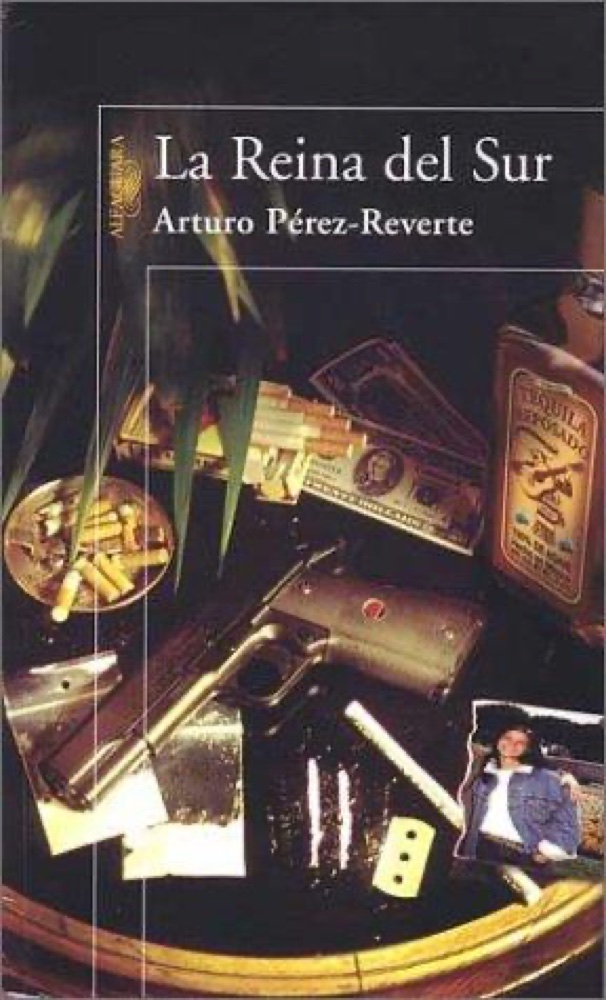 La reina del sur
 Things We Lost in the Fire
 White River Burning
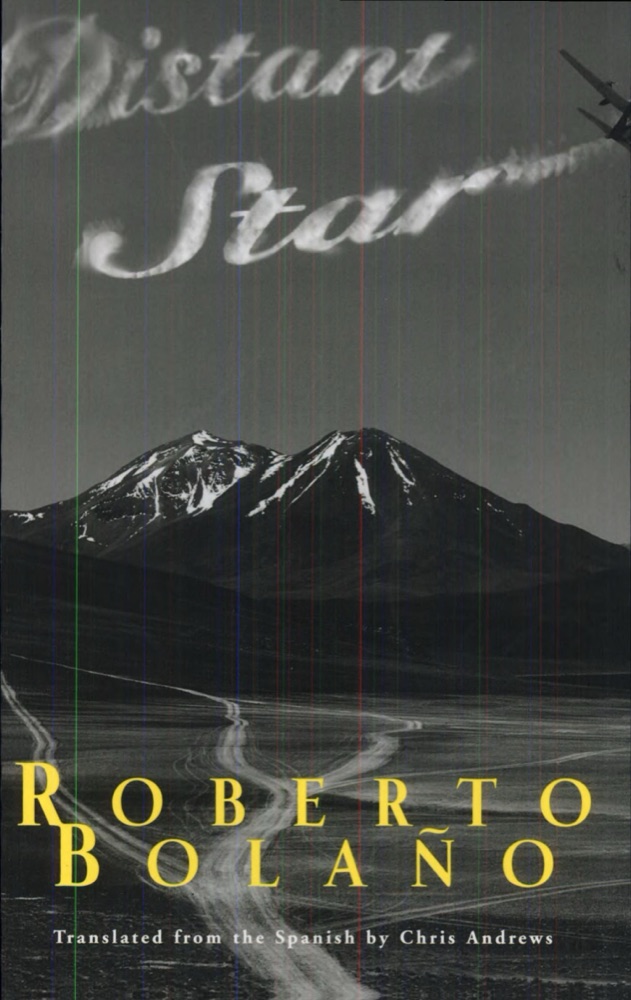 Distant Star
 Tuareg
 The Wild Ass's Skin
 Grey Souls