 Outlive: The Science & Art of Longevity
Quotes from the Book
The best bridge between despair and hope is a good night’s sleep.
183
Practice does not make perfect. It is practice, followed by a night of sleep, that leads to perfection.
109
After thirty years of intensive research, we can now answer many of the questions posed earlier. The recycle rate of a human being is around sixteen hours. After sixteen hours of being awake, the brain begins to fail. Humans need more than seven hours of sleep each night to maintain cognitive performance. After ten days of just seven hours of sleep, the brain is as dysfunctional as it would be after going without sleep for twenty-four hours. Three full nights of recovery sleep (i.e., more nights than a weekend) are insufficient to restore performance back to normal levels after a week of short sleeping. Finally, the human mind cannot accurately sense how sleep-deprived it is when sleep-deprived.
86
Inadequate sleep—even moderate reductions for just one week—disrupts blood sugar levels so profoundly that you would be classified as pre-diabetic.
70
the shorter your sleep, the shorter your life. The leading causes of disease and death in developed nations—diseases that are crippling health-care systems, such as heart disease, obesity, dementia, diabetes, and cancer—all have recognized causal links to a lack of sleep.
67
Humans are not sleeping the way nature intended. The number of sleep bouts, the duration of sleep, and when sleep occurs has all been comprehensively distorted by modernity.
64
Sleep is the single most effective thing we can do to reset our brain and body health each day -- Mother Nature's best effort yet at contra-death.
58
After all, absence of evidence is not evidence of absence.
50
if you don’t sleep the very first night after learning, you lose the chance to consolidate those memories, even if you get lots of “catch-up” sleep thereafter. In terms of memory, then, sleep is not like the bank. You cannot accumulate a debt and hope to pay it off at a later point in time. Sleep for memory consolidation is an all-or-nothing event.
44
Routinely sleeping less than six or seven hours a night demolishes your immune system, more than doubling your risk of cancer.
41
Caffeine has an average half-life of five to seven hours. Let’s say that you have a cup of coffee after your evening dinner, around 7:30 p.m. This means that by 1:30 a.m., 50 percent of that caffeine may still be active and circulating throughout your brain tissue. In other words, by 1:30 a.m., you’re only halfway to completing the job of cleansing your brain of the caffeine you drank after dinner.
35
It is disquieting to learn that vehicular accidents caused by drowsy driving exceed those caused by alcohol and drugs combined.
35
AMAZING BREAKTHROUGH! Scientists have discovered a revolutionary new treatment that makes you live longer. It enhances your memory and makes you more creative. It makes you look more attractive. It keeps you slim and lowers food cravings. It protects you from cancer and dementia. It wards off colds and the flu. It lowers your risk of heart attacks and stroke, not to mention diabetes. You’ll even feel happier, less depressed, and less anxious. Are you interested?
28
They discovered that naps as short as twenty-six minutes in length still offered a 34 percent improvement in task performance and more than a 50 percent increase in overall alertness.
27
...our lack of sleep is a slow form of self-euthanasia...
24
When sleep is abundant, minds flourish. When it is deficient, they don't.
23
In the Northern Hemisphere, the switch to daylight savings time in March results in most people losing an hour of sleep opportunity. Should you tabulate millions of daily hospital records, as researchers have done, you discover that this seemingly trivial sleep reduction comes with a frightening spike in heart attacks the following day. Impressively, it works both ways. In the autumn within the Northern Hemisphere, when the clocks move forward and we gain an hour of sleep opportunity time, rates of heart attacks plummet the day after. A similar rise-and-fall relationship can be seen with the number of traffic accidents, proving that the brain, by way of attention lapses and microsleeps, is just as sensitive as the heart to very small perturbations of sleep. Most people think nothing of losing an hour of sleep for a single night, believing it to be trivial and inconsequential. It is anything but.
20
Under-slept employees are not, therefore, going to drive your business forward with productive innovation. Like a group of people riding stationary exercise bikes, everyone looks like they are pedaling, but the scenery never changes. The irony that employees miss is that when you are not getting enough sleep, you work less productively and thus need to work longer to accomplish a goal. This means you often must work longer and later into the evening, arrive home later, go to bed later, and need to wake up earlier, creating a negative feedback loop. Why try to boil a pot of water on medium heat when you could do so in half the time on high? People often tell me that they do not have enough time to sleep because they have so much work to do. Without wanting to be combative in any way whatsoever, I respond by informing them that perhaps the reason they still have so much to do at the end of the day is precisely because they do not get enough sleep at night.
19
Ten days of six hours of sleep a night was all it took to become as impaired in performance as going without sleep for twenty-four hours straight.
18
Adults forty-five years or older who sleep fewer than six hours a night are 200 percent more likely to have a heart attack or stroke during their lifetime, as compared with those sleeping seven to eight hours a night.
17
The physical and mental impairments caused by one night of bad sleep dwarf those caused by an equivalent absence of food or exercise.
17
From this cascade comes a prediction: getting too little sleep across the adult life span will significantly raise your risk of developing Alzheimer’s disease. Precisely this relationship has now been reported in numerous epidemiological studies, including those individuals suffering from sleep disorders such as insomnia and sleep apnea.VIII Parenthetically, and unscientifically, I have always found it curious that Margaret Thatcher and Ronald Reagan—two heads of state that were very vocal, if not proud, about sleeping only four to five hours a night—both went on to develop the ruthless disease. The current US president, Donald Trump—also a vociferous proclaimer of sleeping just a few hours each night—may want to take note.
16
we estimate that more than 50 percent of all children with an ADHD diagnosis actually have a sleep disorder, yet a small fraction know of their sleep condition and its ramifications. A major public health awareness campaign by governments—perhaps without influence from pharmaceutical lobbying groups—is needed on this issue.
16
More specifically, the coolheaded ability to regulate our emotions each day—a key to what we call emotional IQ—depends on getting sufficient REM sleep night after night. (If your mind immediately jumped to particular colleagues, friends, and public figures who lack these traits, you may well wonder about how much sleep, especially late-morning REM-rich sleep, they are getting.)
15
An adult’s owlness or larkness, also known as their chronotype, is strongly determined by genetics. If you are a night owl, it’s likely that one (or both) of your parents is a night owl. Sadly, society treats night owls rather unfairly on two counts. First is the label of being lazy, based on a night owl’s wont to wake up later in the day, due to the fact that they did not fall asleep until the early-morning hours. Others (usually morning larks) will chastise night owls on the erroneous assumption that such preferences are a choice, and if they were not so slovenly, they could easily wake up early. However, night owls are not owls by choice. They are bound to a delayed schedule by unavoidable DNA hardwiring. It is not their conscious fault, but rather their genetic fate.
13
The second evolutionary contribution that the REM-sleep dreaming state fuels is creativity. NREM sleep helps transfer and make safe newly learned information into long-term storage sites of the brain. But it is REM sleep that takes these freshly minted memories and begins colliding them with the entire back catalog of your life’s autobiography. These mnemonic collisions during REM sleep spark new creative insights as novel links are forged between unrelated pieces of information. Sleep cycle by sleep cycle, REM sleep helps construct vast associative networks of information within the brain. REM sleep can even take a step back, so to speak, and divine overarching insights and gist: something akin to general knowledge—that is, what a collection of information means as a whole, not just an inert back catalogue of facts. We can awake the next morning with new solutions to previously intractable problems
12
new report has discovered that medical errors are the third-leading cause of death among Americans after heart attacks and cancer. Sleeplessness undoubtedly plays a role in those lives lost.
12
the shorter your sleep, the shorter your life span
11
During deep NREM sleep specifically, the brain communicates a calming signal to the fight-or-flight sympathetic branch of the body’s nervous system, and does so for long durations of the night. As a result, deep sleep prevents an escalation of this physiological stress that is synonymous with increased blood pressure, heart attack, heart failure, and stroke.
11
Why did we ever force doctors to learn their profession in this exhausting, sleepless way? The answer originates with the esteemed physician William Stewart Halsted, MD, who was also a helpless drug addict.
11
Did you know?
- The book was first published on October 3, 2017.
- It was released in the US by Scribner and in the UK by Allen Lane.
- The US subtitle is "Unlocking the Power of Sleep and Dreams," while the UK edition uses "The New Science of Sleep and Dreams."
- Walker directs the Center for Human Sleep Science at UC Berkeley.
- The book became a New York Times and Sunday Times bestseller.
- Critics including Alexey Guzey and Andrew Gelman publicly documented factual and statistical errors in the book.
Watch on YouTube
About Matthew Walker
Matthew Walker is an English neuroscientist and professor of neuroscience and psychology at the University of California, Berkeley, where he directs the Center for Human Sleep Science. He earned his PhD in neurophysiology in England and has spent his career studying the impact of sleep on human health.
More about the author →About the book
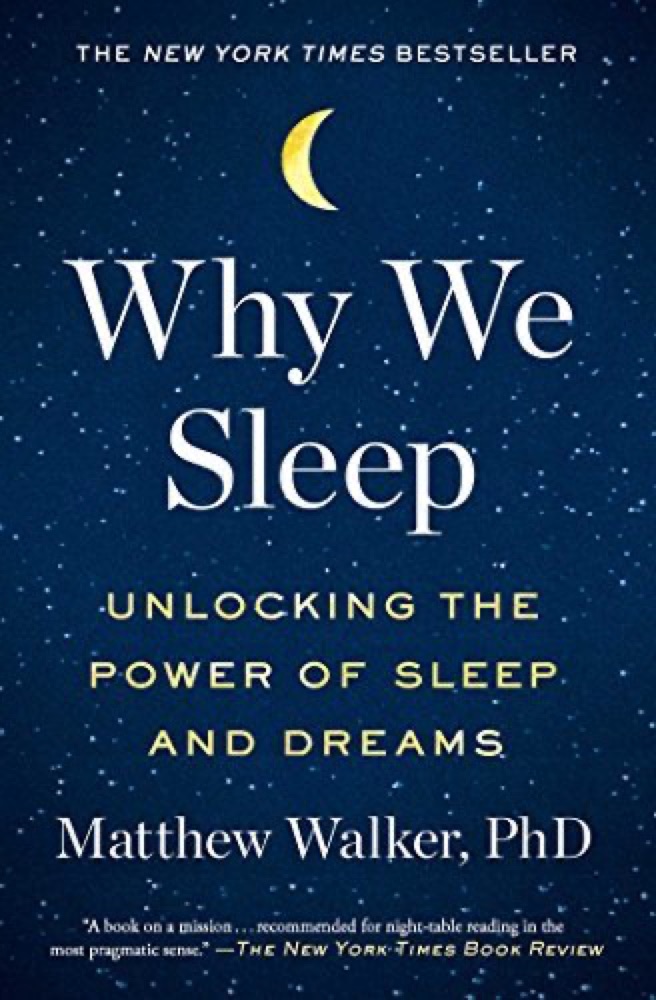
"Why We Sleep" is a popular-science book by neuroscientist Matthew Walker that makes the case for sleep as one of the most important and most neglected pillars of human health. Drawing on decades of sleep research, Walker explains what happens in the brain and body during the cycles of NREM and REM sleep, how sleep consolidates memory and regulates emotion, and why he argues most adults need around eight hours a night.
The book's central themes are the consequences of chronic sleep deprivation and the value of dreaming. Walker links insufficient sleep to risks such as impaired learning, weakened immunity, cardiovascular disease, and dementia, while presenting dreaming as essential for emotional processing and creativity. He closes with practical guidance and a broader argument that modern society systematically undervalues rest.
"Why We Sleep" became a New York Times and Sunday Times bestseller and was widely praised in the popular press for popularizing sleep science. It also drew scrutiny from critics including Alexey Guzey and statistician Andrew Gelman, who flagged factual and statistical errors and questioned the strength of some claims, making it a frequently cited example in debates about accuracy in popular science writing.
Book details
- First published
- 2017
- Length
- 368 pages
- Reading time
- 7 hours
- Author
- Matthew Walker
- Genre
- Nonfiction
- Goodreads rating
- 4.37 (235k ratings)
Critical reception
- Became a New York Times and Sunday Times bestseller and received largely positive reviews in the popular press.
- Was criticized by Alexey Guzey and statistician Andrew Gelman for statistical and factual errors and overstated claims.
The buzz
- Kirkus ReviewsWHY WE SLEEPtrade review of the accessible sleep-science bestseller
Keep reading
Outlive: The Science & Art of Longevity
 Why Zebras Don't Get Ulcers
 Successful Aging: A Neuroscientist Explores the Power and Potential of Our Lives
 The Shapeless Unease: A Year of Not Sleeping
 The Upward Spiral: Using Neuroscience to Reverse the Course of Depression, One Small Change at a Time
 The Brain That Changes Itself: Stories of Personal Triumph from the Frontiers of Brain Science
 The 4-Hour Body: An Uncommon Guide to Rapid Fat-Loss, Incredible Sex, and Becoming Superhuman
 What Doesn't Kill Us: How Freezing Water, Extreme Altitude, and Environmental Conditioning Will Renew Our Lost Evolutionary Strength
 Why We Get Sick: The New Science of Darwinian Medicine
 Scarcity Brain: Fix Your Craving Mindset and Rewire Your Habits to Thrive with Enough
 Behave: The Biology of Humans at Our Best and Worst
 The Tale of the Dueling Neurosurgeons: The History of the Human Brain as Revealed by True Stories of Trauma, Madness, and Recovery
 Natural Causes: An Epidemic of Wellness, the Certainty of Dying, and Killing Ourselves to Live Longer
 Peak Performance: Elevate Your Game, Avoid Burnout, and Thrive with the New Science of Success
 Spark: The Revolutionary New Science of Exercise and the Brain
 Stolen Focus: Why You Can't Pay Attention— and How to Think Deeply Again
 Brain Energy: A Revolutionary Breakthrough in Understanding Mental Health—and Improving Treatment for Anxiety, Depression, OCD, PTSD, and More
 A User's Guide to the Brain: Perception, Attention, and the Four Theaters of the Brain
 The Sleeping Beauties: And Other Stories of Mystery Illness
 Antifragile: Things That Gain from Disorder
 Grunt: The Curious Science of Humans at War
 What the Most Successful People Do Before Breakfast: A Short Guide to Making Over Your Mornings--and Life
 Good Reasons for Bad Feelings: Insights from the Frontier of Evolutionary Psychiatry
 The Future of the Mind: The Scientific Quest to Understand, Enhance, and Empower the Mind
 Why Has Nobody Told Me This Before?
 Dopamine Nation: Finding Balance in the Age of Indulgence
 Make Time: How to Focus on What Matters Every Day
 The Organized Mind: Thinking Straight in the Age of Information Overload
 Incognito: The Secret Lives of the Brain
 Elderhood: Redefining Aging, Transforming Medicine, Reimagining Life
 Overwhelmed: Work, Love, and Play When No One Has the Time
 Burnout: The Secret to Unlocking the Stress Cycle
 The Willpower Instinct: How Self-Control Works, Why It Matters, and What You Can Do to Get More of It
 Procrastination: Why You Do It, What To Do About It
 Breath: The New Science of a Lost Art
 DallerGut Dream Department Store
 When the Air Hits Your Brain: Tales of Neurosurgery
 Livewired: The Inside Story of the Ever-Changing Brain
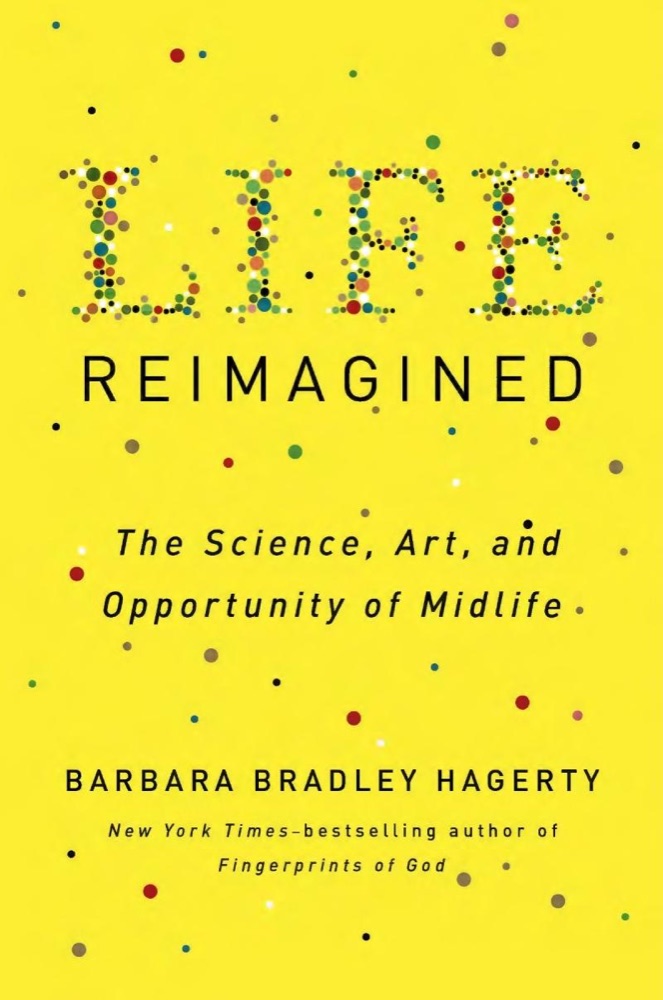 Life Reimagined: The Science, Art, and Opportunity of Midlife
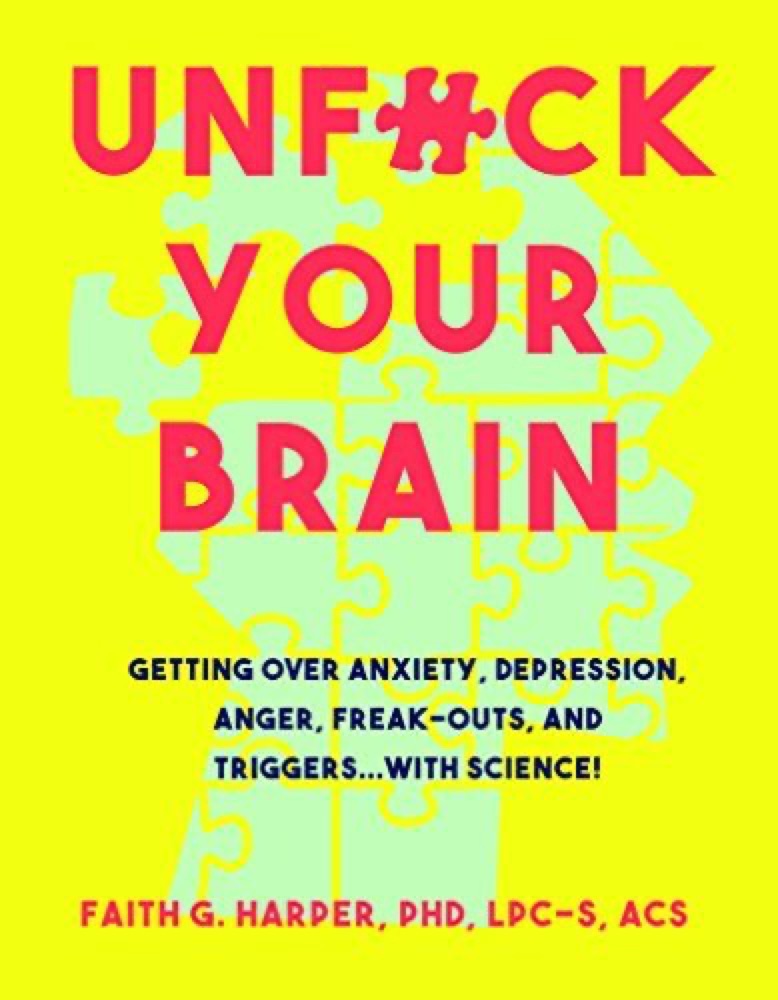 Unfuck Your Brain: Using Science to Get Over Anxiety, Depression, Anger, Freak-Outs, and Triggers
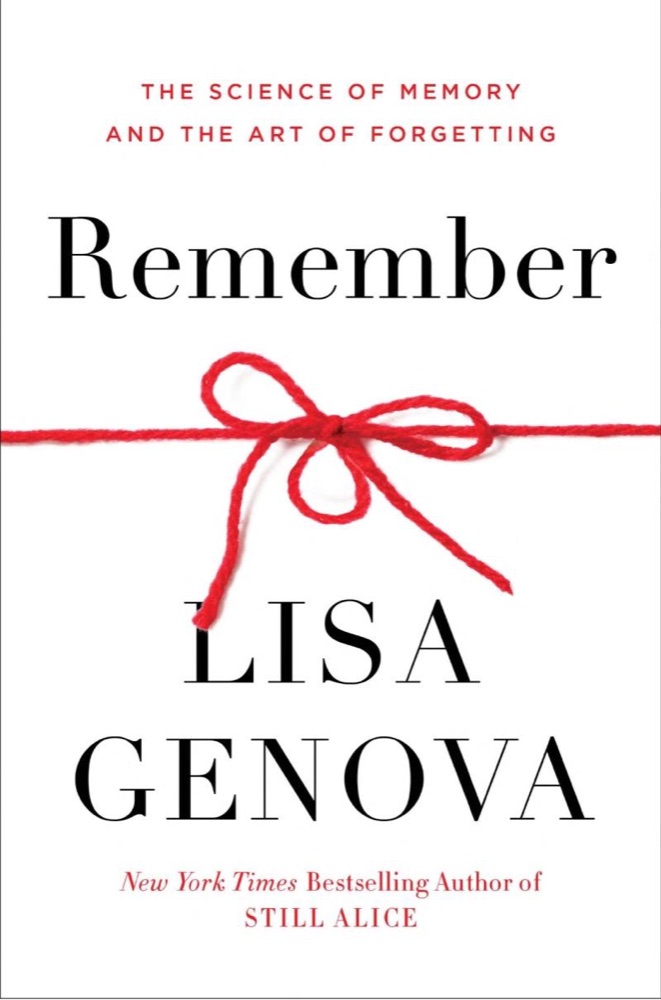 Remember: The Science of Memory and the Art of Forgetting
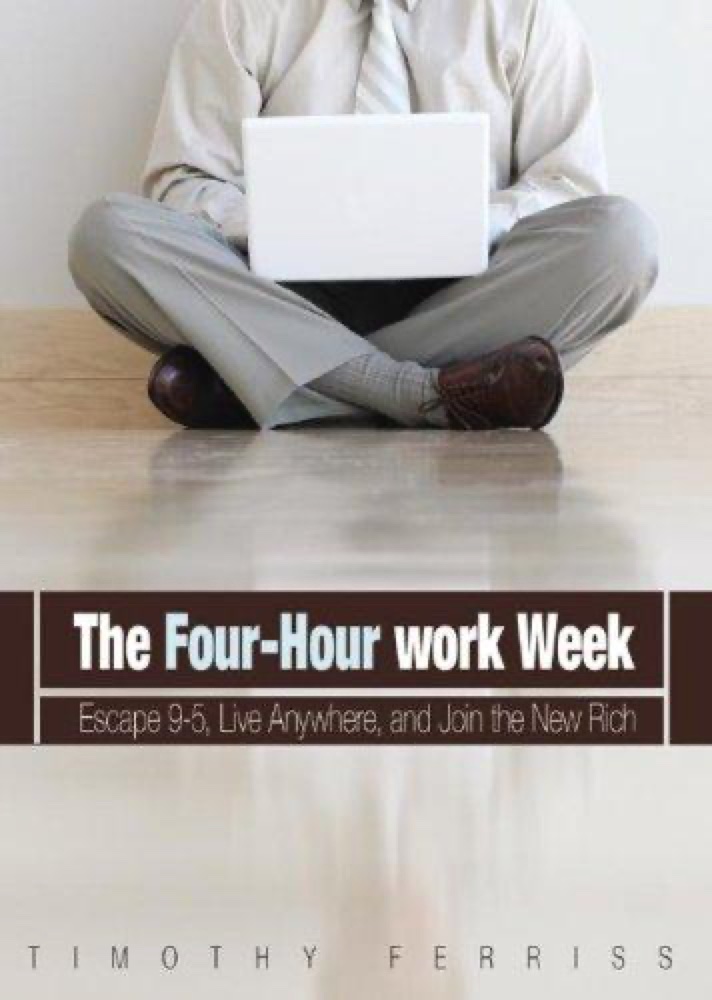 The 4-Hour Workweek
 How We Decide
 The Unexpected Joy of Being Sober
 Becoming Supernatural: How Common People are Doing the Uncommon
 How We Learn: Why Brains Learn Better Than Any Machine . . . for Now
 Being Mortal: Medicine and What Matters in the End
 Delivered from Distraction: Getting the Most out of Life with Attention Deficit Disorder
 Healing Back Pain: The Mind-Body Connection
 Ladyparts
 Early Retirement Extreme: A Philosophical and Practical Guide to Financial Independence
 Rewire Your Brain: Think Your Way to a Better Life
 The 80/10/10 Diet: Balancing Your Health, Your Weight, and Your Life, One Luscious Bite at a Time
 Just Like Someone Without Mental Illness Only More So
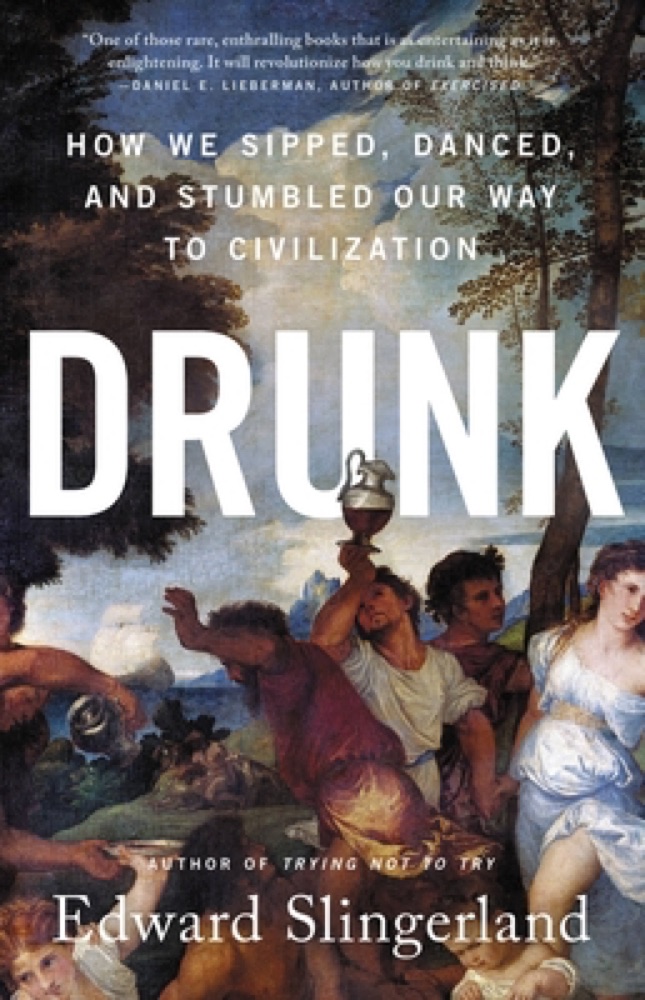 Drunk: How We Sipped, Danced, and Stumbled Our Way to Civilization
 Better Than Before: Mastering the Habits of Our Everyday Lives
 Barking Up the Wrong Tree: The Surprising Science Behind Why Everything You Know About Success Is (Mostly) Wrong
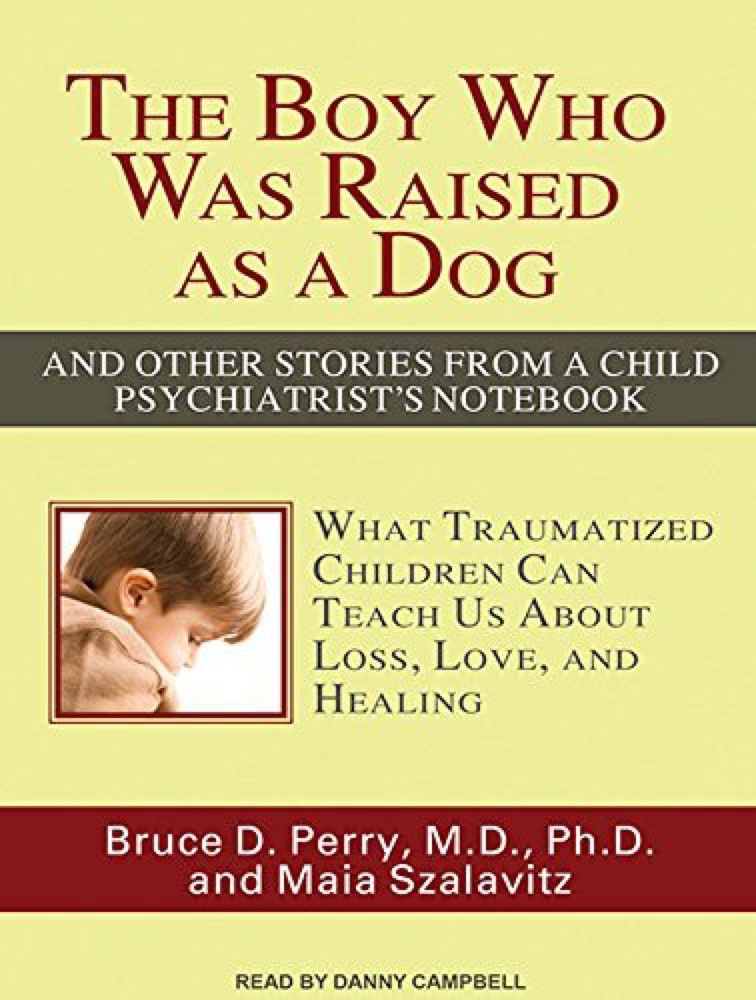 The Boy Who Was Raised as a Dog: And Other Stories from a Child Psychiatrist's Notebook
 Briefing for a Descent Into Hell