

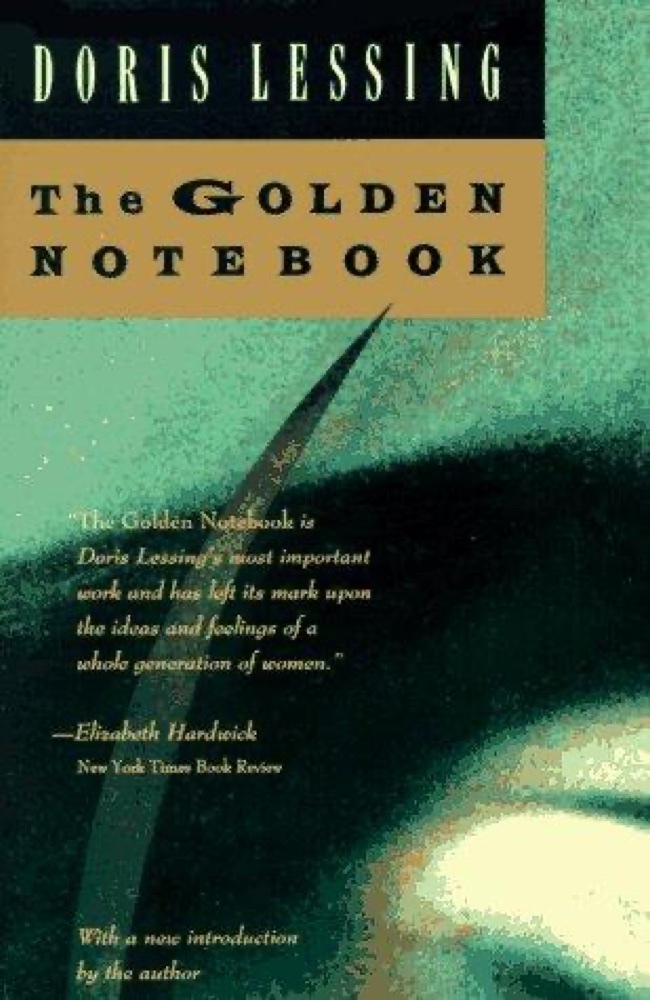
 The Golden Notebook
Quotes from the Book
There are people in the world all the time who know" the professor said. "But they keep quiet. They just move about quietly, saving the people who know they are in the trap. And then, for the ones who have got out, it's like coming around from chloroform. They realize that all their lives they've been asleep and dreaming. And then it's their turn to learn the rules and the timing. And they become the ones to live quietly in the world, just as human beings might if there were only a few human beings on a planet that had monkeys on it for inhabitants...
7
My sense of urgency is very simple,' said the professor, 'I've remembered that much. It's because what I have to remember has to do with time running out. And that's what anxiety is, in a lot of people. They know they have to do something, they should be doing something else, not just living hand-to-mouth, putting paint on their faces and decorating their caves and playing nasty tricks on their rivals. No. They have to do something else before they die—and so the mental hospitals are full and the chemists flourishing.
4
For suddenly it had changed into that gear when time is slower - as when, falling off a ladder, one has time to think: I shall land so, just there, and I must turn in the air slightly... All this in a space of time normally too short for any thought at all. But we are wrong in dividing the mind's machinery from time: they are the same. It is only in such sharp emphatic moments that we recognize this fact.
3
A hundred years of scholarly thinking has stretched back a million-fold the age of the Earth. But these same diviners, antiquarians and scholars are thinking now as they did a hundred years ago, when it comes to the age of civilizations; they can't even begin to concede that civilizations might have very old histories. The Earth is allowed to be millions of millions of years old, but the birth of civilization is still set somewhere between two thousand B.C., depending on the bias of the archaeological school and the definition of civilization.
2
It was a grief and a fear too ancient for me, it was a sorrow bred into the essence of the race. I saluted it, and passed on, for like the early all-pervading nausea, this was part of my living, kneaded into my fibres, a necessity like breathing and associated with it: this cold, this weight, this pulling and dragging and compelling. It was too old a lodestone for any individual to fight away from, or even to accurately know or place. It was there. [...] There it lay, just out of sight, deadly and punishing, for its pulse was that of a cold heaviness, it had to be a counterweight to joy.
1
They have not yet evolved into an understanding of their individual selves as merely parts of a whole, first of all humanity, their own species, let alone achieving a conscious knowledge of humanity as part of Nature; plants, animals, birds, insects reptiles, and all these together making a small chord in the Cosmic Harmony
1
they seem unable to retain this very simple truth for long, although they have been told again and again, and this is because of another and most powerful feature of their thinking, which is that anything they are told is distorted to fit their own particular personal or group bias and then added, like another pebble to the pile of the half-truths they already cherish.
1
They [humans] have not yet evolved into an understanding of their individual selves as merely parts of a whole, first of all humanity, their own species, let alone achieving a conscious knowledge of humanity as part of Nature; plants, animals, birds, insects, reptiles, all these together making a small chord in the Cosmic Harmony.
Anyone who believes a word anyone says in bed deserves what she gets.
It is only in love and in war that we escape from the sleep of necessity, the cage of ordinary life, to a state where every day is a high adventure, every moment falls sharp and clear like a snowflake drifting slowly past a dark glistening rock, or like a leaf spinning down to the forest floor.
...our society was dominated by things, artefacts, possessions, machines, objects, and that we judged previous societies by artefacts—things. There was no way of knowing an ancient society’s ideas except through the barrier of our own.
Yet within a few minutes of waking, that country of dream has gone, its taste and reality has drained away into ordinary life. All you have left is an intellectual conviction held in a set of words. You want to remember. You try to remember. You have a set of words to offer your friend, or repeat to yourself. But the reality has gone, evaporated.
SLEEP, for you are not yet dead.
Hushabye baby lulled by the storm if you don’t harm her she’ll do you no harm
For these creatures(humans) are for the most part malevolent and murderous by nature, able to tolerate others only insofar as they resemble themselves, capable of slaughtering each other because of a slight difference in skin colour or appearance. Also, they cannot tolerate those who do not think as they do. Although they know perfectly well, theoretically, that the surface of the inhabited globe is divided into thousands of areas each with it system of religious or scientific belief, and although they know that it is entirely by chance that any individual among them was born into this area or that area, this or that area of belief, this theoretical knowledge does not prevent them from hating foreigners in their own particular small area, and if not harming them, isolating them in every way possible.
Education means only this- that the lively alert fearless curiosity of children must be fed, must be kept alive. That is education.
Watch on YouTube
About Doris Lessing
We have collected 76 quotes from 5 books by Doris Lessing on BookQuoters.
More about the author →More by Doris Lessing
The Golden Notebook
 The Grass is Singing
 The Summer Before the Dark
 Re: Colonised Planet 5, Shikasta
About the book
A fascinating look inside the mind of a man who is supposedly “mad.” Professor Charles Watkins of Cambridge University is a patient at a mental hospital where the doctors try with increasing drugs to bring his mind under control. But Watkins has embarked on a tremendous psychological adventure where, after spinning endlessly on a raft in the Atlantic, he lands on a tropical island inhabited by strange creatures with strange customs. Later, he is carried off on a cosmic journey into space…
Book details
- First published
- 1971
- Author
- Doris Lessing
- Genre
- Fiction
- Goodreads rating
- 3.72 (2k ratings)
Keep reading
 The Fifth Science
 Drive Your Plow Over the Bones of the Dead
 Genesis
 The Magic Mountain
 A Language Older Than Words
 The Empusium
 That Hideous Strength
 Nod
Nod
 Red Mars
 The Midwich Cuckoos
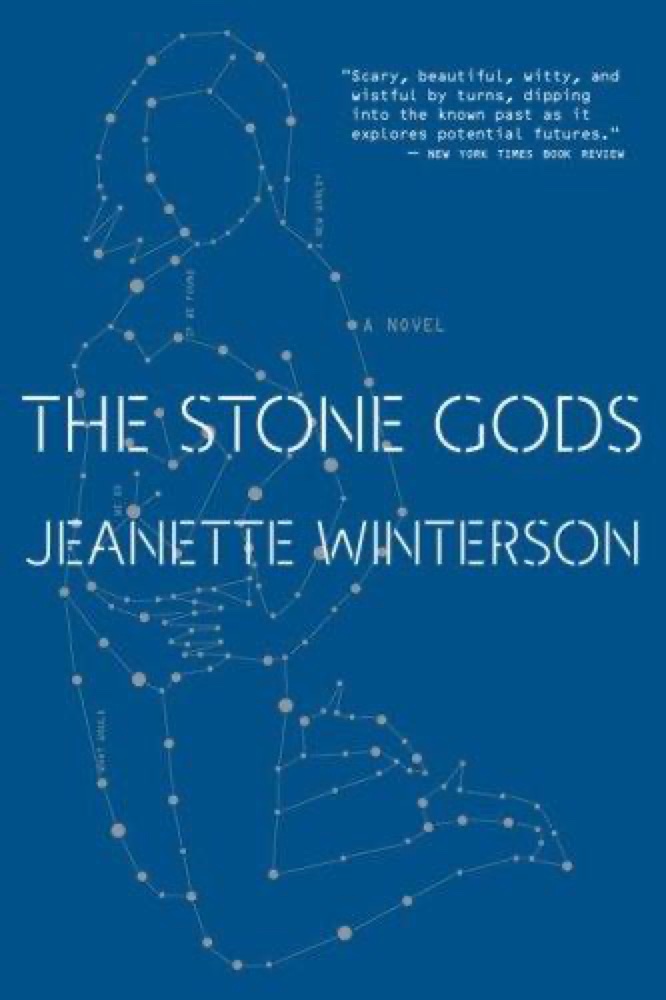 The Stone Gods
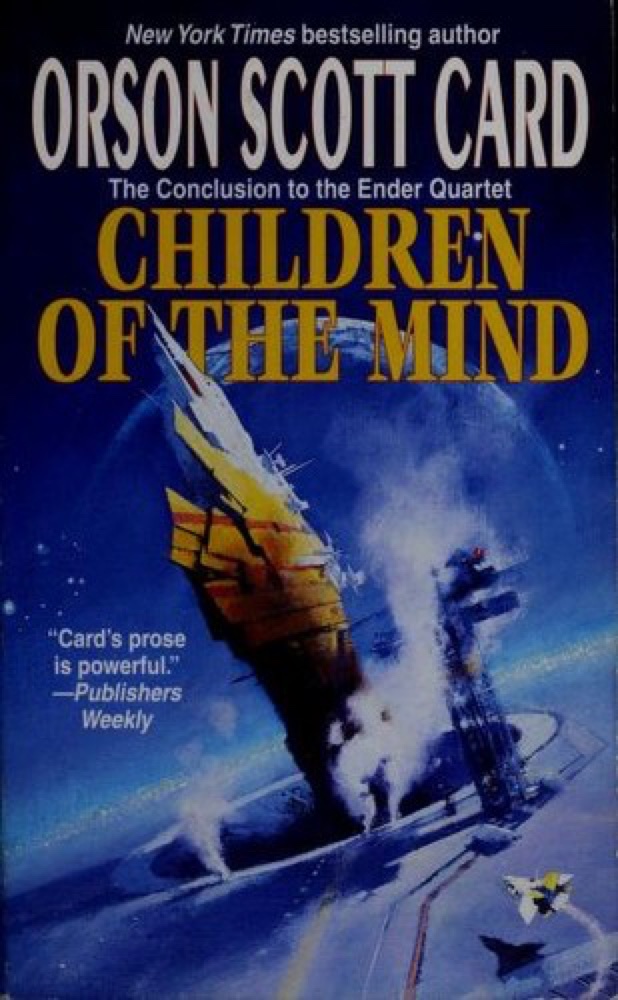 Children of the Mind
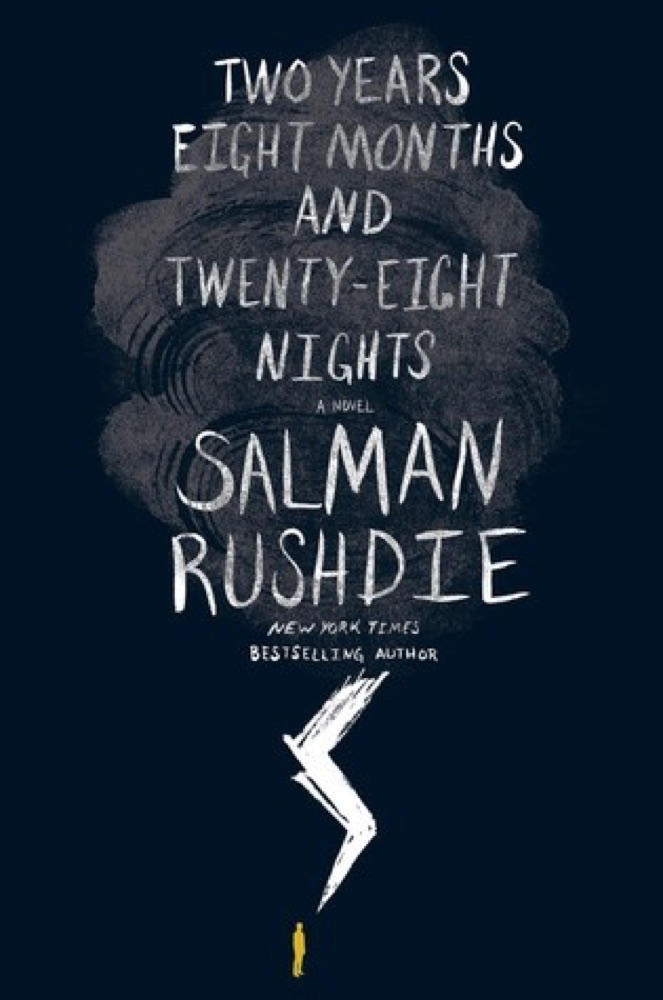 Two Years Eight Months and Twenty-Eight Nights
Re: Colonised Planet 5, Shikasta
Two Years Eight Months and Twenty-Eight Nights
Re: Colonised Planet 5, Shikasta
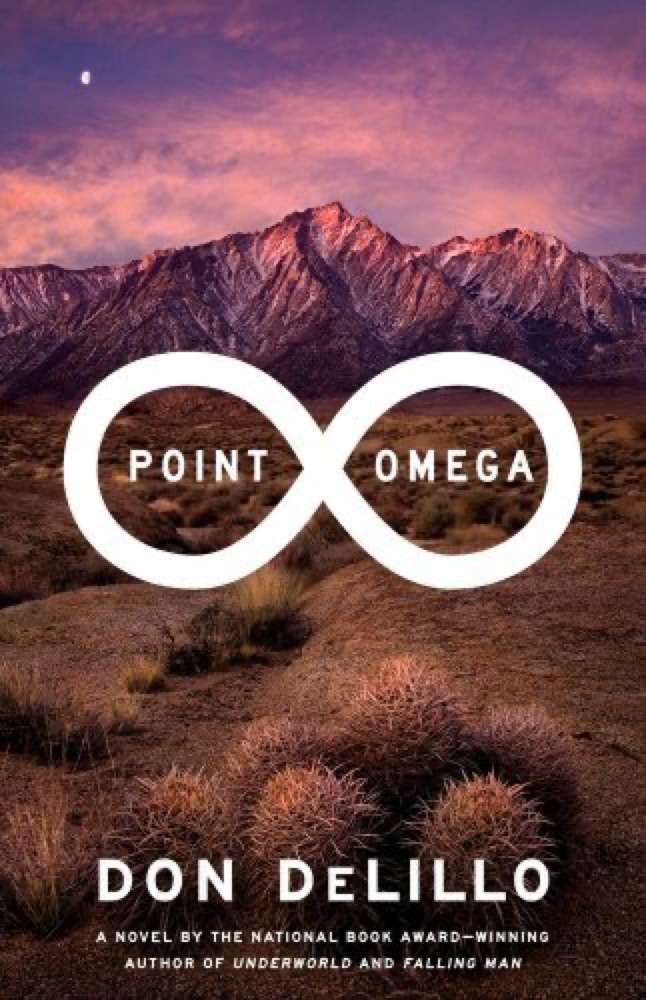 Point Omega
 Island
 Man and His Symbols
 Villa Incognito
 Dune
Dune
 Blue Remembered Earth
 The Dark Forest
 House Corrino
 Children of Dune
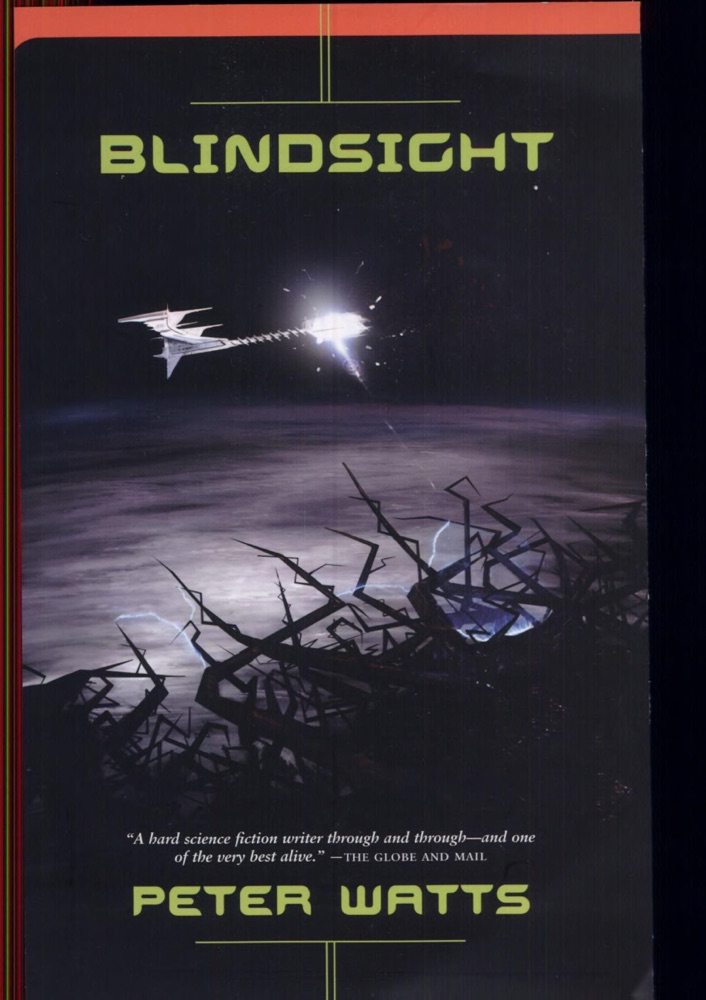 Blindsight
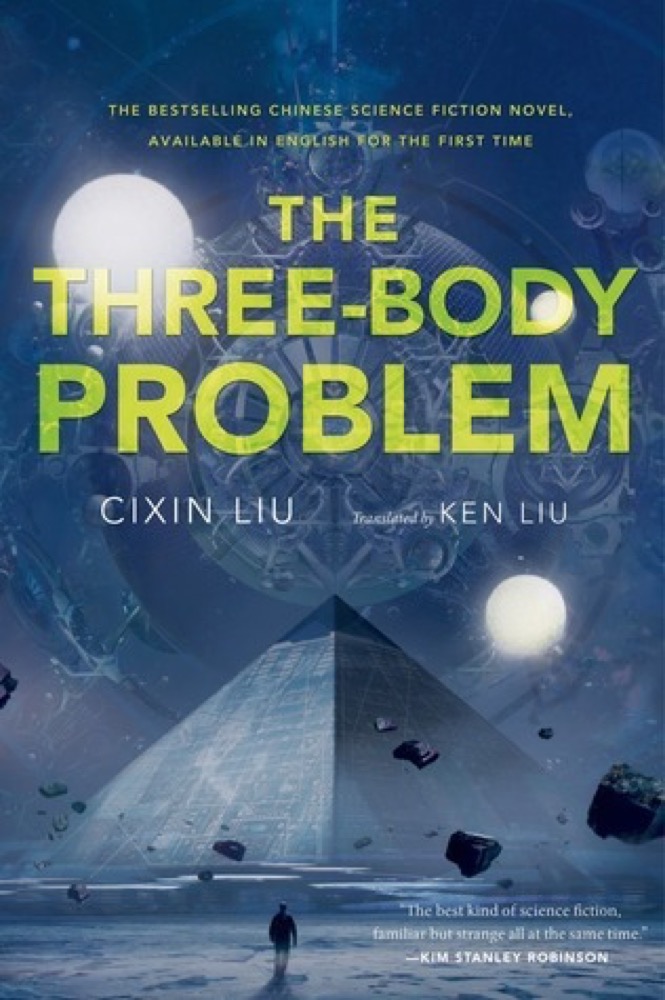 The Three-Body Problem
 The Fall of Babel
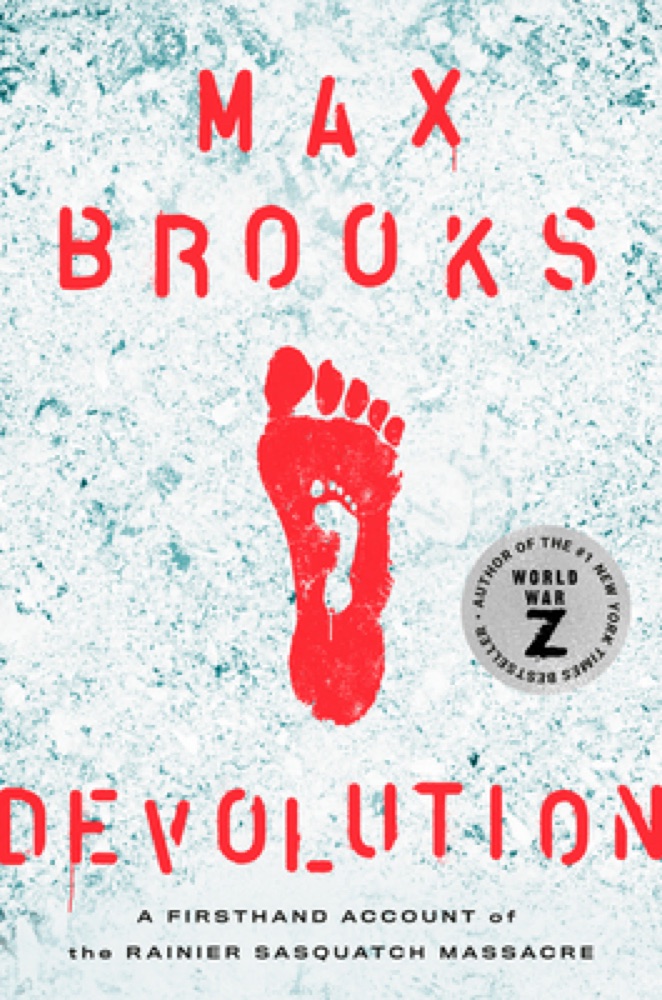 Devolution: A Firsthand Account of the Rainier Sasquatch Massacre
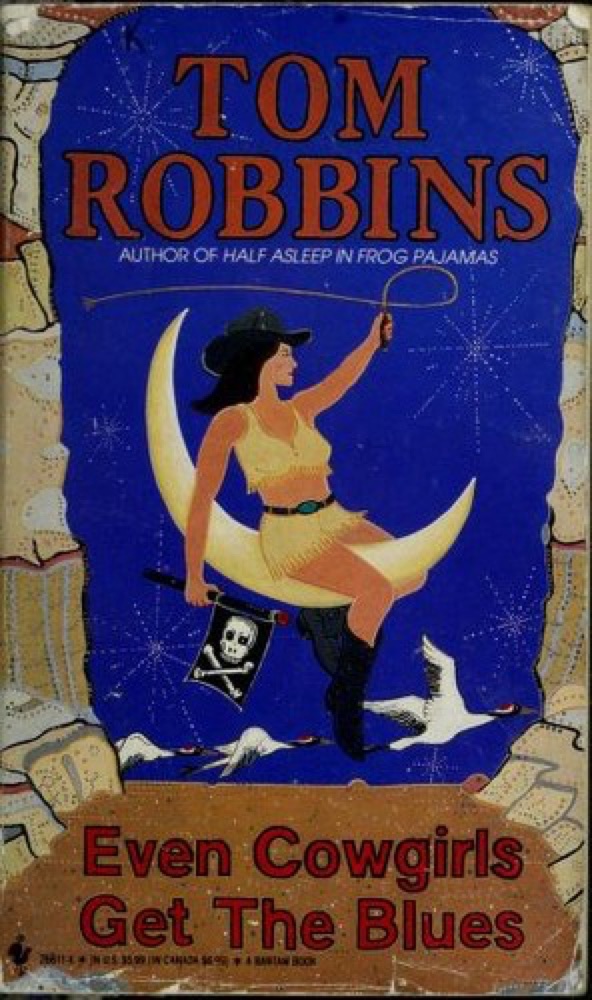 Even Cowgirls Get the Blues
 Stella Maris
 Nutshell
 Creation Lake
 Untimely Meditations
 The Ground Beneath Her Feet
 The Man in the High Castle
 The Humans
 Living with a Wild God: A Nonbeliever's Search for the Truth about Everything
 Ishmael: An Adventure of the Mind and Spirit
 When Women Were Dragons
 Arm of the Sphinx
 The Years of Rice and Salt
 The Shockwave Rider
 Myths to Live By
 The State of the Art
 The Fall
 Flights
 Varina
 Seven Surrenders
 Gnomon
 Too Like the Lightning
 Dragons of Eden: Speculations on the Evolution of Human Intelligence
 The Boy on the Bridge
 Stories of Your Life and Others
 Genome
 Slow Gods
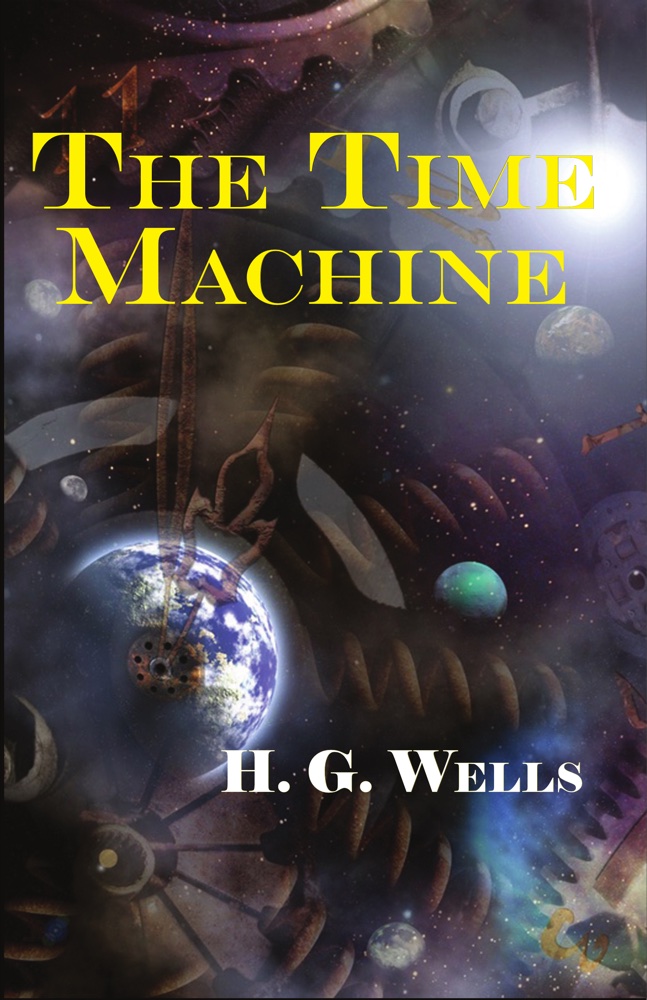 The Time Machine
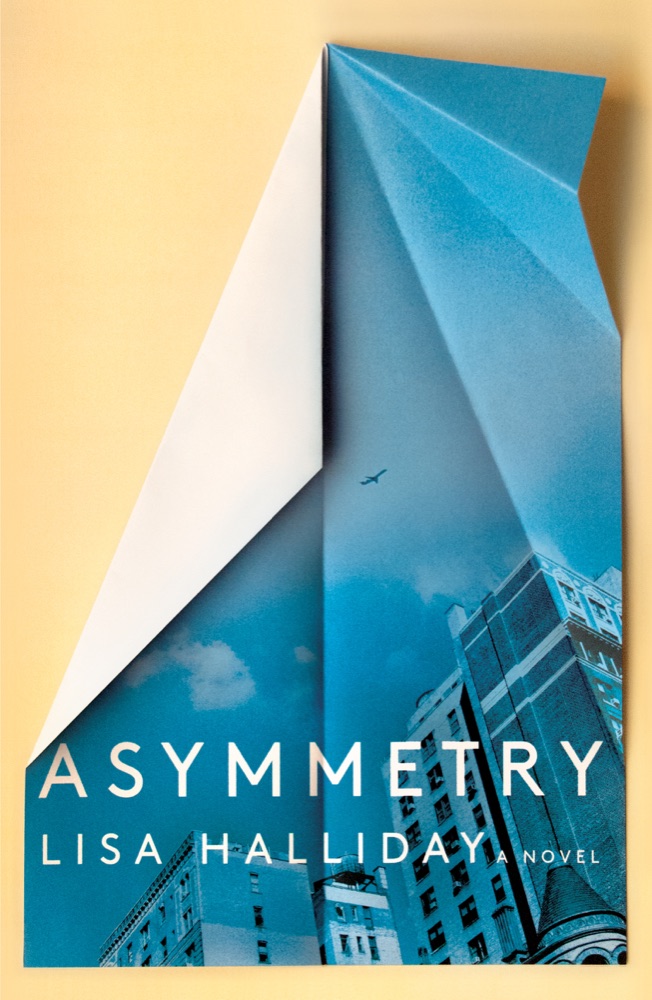 Asymmetry
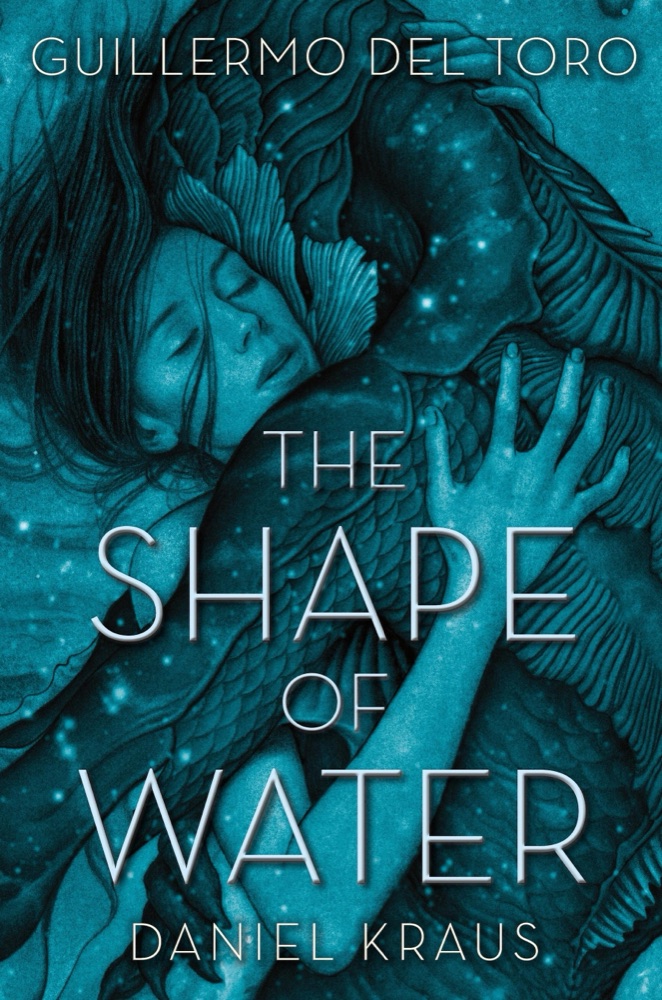 The Shape of Water
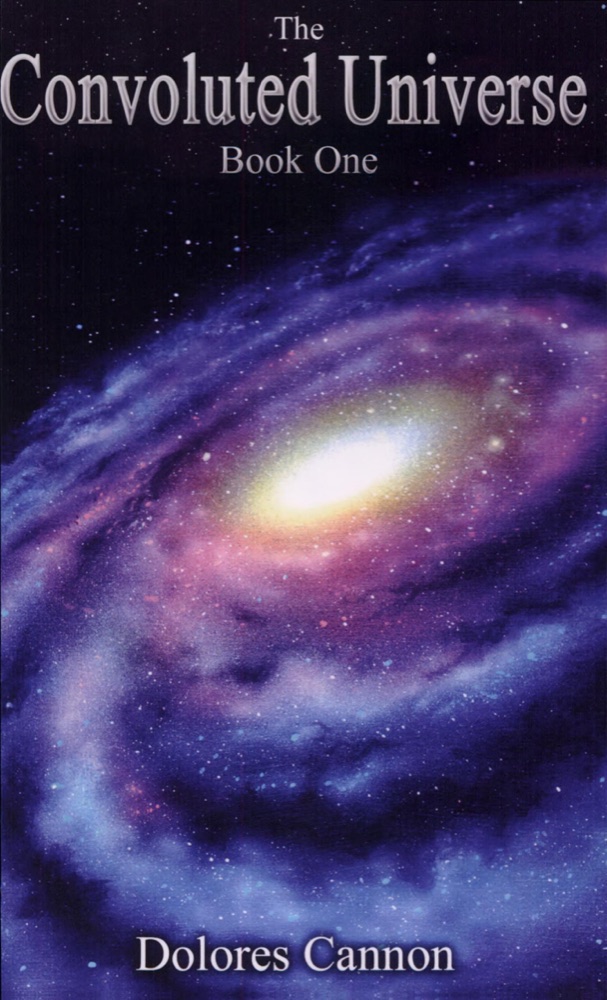 The Convoluted Universe, Book 1
 Gravity's Rainbow
 The Doors of Perception & Heaven and Hell