 Successful Aging: A Neuroscientist Explores the Power and Potential of Our Lives
Quotes from the Book
The greatest obstacle to discovery is not ignorance—it is the illusion of knowledge. —Daniel J. Boorstin
21
Strategy without tactics is the slowest route to victory. Tactics without strategy is the noise before defeat.
14
One macronutrient, in particular, demands more of our attention than most people realize: not carbs, not fat, but protein becomes critically important as we age.
14
Unfortunately, in today’s unhealthy society, “normal” or “average” is not the same as “optimal.
11
I am increasingly persuaded that our 24-7 addiction to screens and social media is perhaps our most destructive habit, not only to our ability to sleep but to our mental health in general. So I banish those from my evenings (or at least, I try to). Turn off the computer and put away your phone at least an hour before bedtime. Do NOT bring your laptop or phone into bed with you.
10
Another, related issue is that longevity itself, and healthspan in particular, doesn’t really fit into the business model of our current healthcare system. There are few insurance reimbursement codes for most of the largely preventive interventions that I believe are necessary to extend lifespan and healthspan. Health insurance companies won’t pay a doctor very much to tell a patient to change the way he eats, or to monitor his blood glucose levels in order to help prevent him from developing type 2 diabetes. Yet insurance will pay for this same patient’s (very expensive) insulin after he has been diagnosed. Similarly, there’s no billing code for putting a patient on a comprehensive exercise program designed to maintain her muscle mass and sense of balance while building her resistance to injury. But if she falls and breaks her hip, then her surgery and physical therapy will be covered. Nearly all the money flows to treatment rather than prevention—and when I say “prevention,” I mean prevention of human suffering.
9
There comes a point where we need to stop just pulling people out of the river. We need to go upstream and find out why they’re falling in. —BISHOP DESMOND TUTU
9
I never won a fight in the ring; I always won in preparation. —MUHAMMAD ALI
8
I think people get old when they stop thinking about the future,” Ric told me. “If you want to find someone’s true age, listen to them. If they talk about the past and they talk about all the things that happened that they did, they’ve gotten old. If they think about their dreams, their aspirations, what they’re still looking forward to—they’re young.
8
Each night, when I go to sleep, I die. And the next morning, when I wake up, I am reborn. —Mahatma Gandhi
8
The study reported a 24 percent relative increase in the risk of breast cancer among a subset of women taking HRT, and headlines all over the world condemned HRT as a dangerous, cancer-causing therapy. All of a sudden, on the basis of this one study, hormone replacement treatment became virtually taboo. This reported 24 percent risk increase sounded scary indeed. But nobody seemed to care that the absolute risk increase of breast cancer for women in the study remained minuscule. Roughly five out of every one thousand women in the HRT group developed breast cancer, versus four out of every one thousand in the control group, who received no hormones.
7
The single most powerful item in our preventive tool kit is exercise, which has a two-pronged impact on Alzheimer’s disease risk: it helps maintain glucose homeostasis, and it improves the health of our vasculature
7
Our tactics in Medicine 3.0 fall into five broad domains: exercise, nutrition, sleep, emotional health, and exogenous molecules, meaning drugs, hormones, or supplements.
7
but I now consider exercise to be the most potent longevity “drug” in our arsenal, in terms of lifespan and healthspan. The data are unambiguous: exercise not only delays actual death but also prevents both cognitive and physical decline, better than any other intervention.
5
But if you really want to raise your VO2 max, you need to train this zone more specifically. Typically, for patients who are new to exercising, we introduce VO2 max training after about five or six months of steady zone 2 work.
5
found that grip strength, an excellent proxy for overall strength, was strongly and inversely associated with the incidence of dementia (see figure 8). People in the lowest quartile of grip strength (i.e., the weakest) had a 72 percent higher incidence of dementia, compared to those in the top quartile.
4
The overarching point here is that a good night of sleep may depend in part on a good day of wakefulness: one that includes exercise, some outdoor time, sensible eating (no late-night snacking), minimal to no alcohol, proper management of stress, and knowing where to set boundaries around work and other life stressors.
4
We spend so much of our time in car seats, in desk chairs, at computers, and peering at our various devices that modern life sometimes seems like an all-out assault on the integrity of our spine. The spine has three parts: lumbar (lower back), thoracic (midback), and cervical (neck) spine. Radiologists see so much degeneration in the cervical spine, brought on by years of hunching forward to look at phones, that they have a name for it: “tech neck.
4
How much protein do we actually need? It varies from person to person. In my patients I typically set 1.6 g/kg/day as the minimum, which is twice the RDA.
4
the great philosopher Mike Tyson once put it, “Everyone has a plan until they get punched in the mouth.
3
As Terry had written: “Family pathology rolls from generation to generation like a fire in the woods taking down everything in its path until one person, in one generation, has the courage to turn and face the flames. That person brings peace to his ancestors and spares the children that follow.” I wanted to be that person.
3
Exercise is by far the most potent longevity “drug.” No other intervention does nearly as much to prolong our lifespan and preserve our cognitive and physical function. But most people don’t do nearly enough—and exercising the wrong way can do as much harm as good.
3
Poor or disordered breathing can affect our motor control and make us susceptible to injury, studies have found. In one experiment, researchers found that combining a breathing challenge (reducing the amount of oxygen available to study subjects) with a weight challenge reduced the subjects’ ability to stabilize their spine. In real-world terms, this means that someone who is breathing hard (and poorly) while shoveling snow is putting themselves at increased risk of a back injury. It’s extremely subtle, but the way in which someone breathes gives tremendous insight to how they move their body and, more importantly, how they stabilize their movements.
3
Next is diet or nutrition—or as I prefer to call it, nutritional biochemistry. The third domain is sleep, which has gone underappreciated by Medicine 2.0 until relatively recently. The fourth domain encompasses a set of tools and techniques to manage and improve emotional health. Our fifth and final domain consists of the various drugs, supplements, and hormones that doctors learn about in medical school and beyond. I lump these into one bucket called exogenous molecules, meaning molecules we ingest that come from outside the body.
3
Of course, exercise is not just one thing, so I break it down into its components of aerobic efficiency, maximum aerobic output (VO2 max), strength, and stability, all of which we’ll discuss in more detail.
3
WHAT’S GOOD FOR THE HEART IS GOOD FOR THE BRAIN. That is, vascular health (meaning low apoB, low inflammation, and low oxidative stress) is crucial to brain health. WHAT’S GOOD FOR THE LIVER (AND PANCREAS) IS GOOD FOR THE BRAIN. Metabolic health is crucial to brain health. TIME IS KEY. We need to think about prevention early, and the more the deck is stacked against you genetically, the harder you need to work and the sooner you need to start. As with cardiovascular disease, we need to play a very long game. OUR MOST POWERFUL TOOL FOR PREVENTING COGNITIVE DECLINE IS EXERCISE. We’ve talked a lot about diet and metabolism, but exercise appears to act in multiple ways (vascular, metabolic) to preserve brain health; we’ll get into more detail in Part III, but exercise—lots of it—is a foundation of our Alzheimer’s-prevention program.
3
But Kirk stopped me short with a simple, Socratic question. If sleep is so unimportant, he asked, then why hasn’t evolution gotten rid of it?
2
the odds are overwhelming that you will die as a result of one of the chronic diseases of aging that I call the Four Horsemen: heart disease, cancer, neurodegenerative disease, or type 2 diabetes and related metabolic dysfunction. To achieve longevity—to live longer and live better for longer—we must understand and confront these causes of slow death.
2
This study found that someone of below-average VO2 max for their age and sex (that is, between the 25th and 50th percentiles) is at double the risk of all-cause mortality compared to someone in the top quartile (75th to 97.6th percentiles). Thus, poor cardiorespiratory fitness carries a greater relative risk of death than smoking.
2
ketogenic diet means restricting carbohydrates to such an extent that the body begins metabolizing fat into “ketone bodies” that the muscles and brain can utilize as fuel.
1
Did you know?
- The book was co-written with journalist Bill Gifford.
- Attia coins the term "Medicine 3.0" to describe a proactive, prevention-oriented approach to medicine.
- He frames the major chronic diseases of aging as the "Four Horsemen": cardiovascular disease, cancer, neurodegenerative disease, and metabolic disease.
- The Economist and Apple Books both named it among the best books of 2023.
- It appeared on The New York Times Best Seller list in both 2023 and 2024.
About Peter Attia
Peter Attia is a Canadian-American physician who earned his medical degree at Stanford, trained in general surgery at Johns Hopkins, and completed a surgical oncology fellowship at the National Cancer Institute. He focuses on longevity medicine, founded the practice Early Medical, and hosts the podcast The Peter Attia Drive.
More about the author →About the book
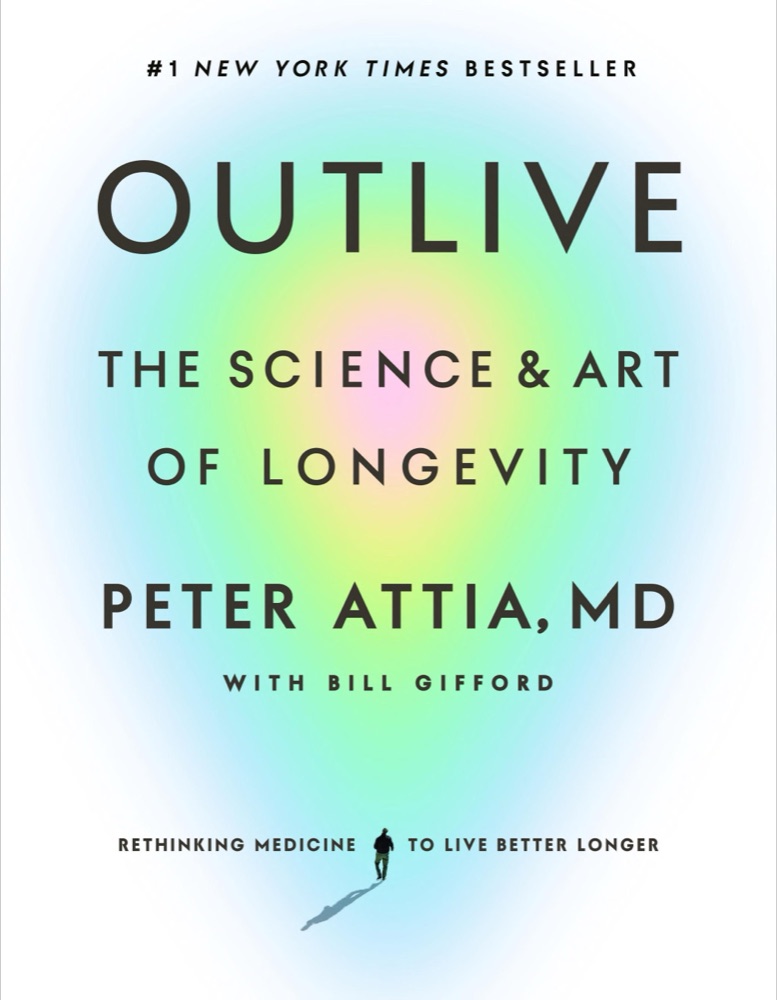
"Outlive: The Science and Art of Longevity" is a nonfiction health book by physician Peter Attia, written with journalist Bill Gifford. Its central argument is that conventional medicine focuses too much on treating disease after it appears, and that we should instead pursue a proactive, personalized strategy Attia calls "Medicine 3.0" aimed at extending not just lifespan but "healthspan"—the years lived in good physical and cognitive function. The book is organized around preventing what Attia terms the "Four Horsemen" of chronic disease in people over fifty: cardiovascular disease, cancer, neurodegenerative disease, and metabolic dysfunction.
Its core themes are prevention over reaction, individual agency, and the primacy of long-range planning for one's later decades. Attia lays out practical levers he considers most powerful: exercise (framed around stability, strength, aerobic Zone 2, and high-intensity work), nutrition tailored to the individual rather than to fad diets, sleep, the careful use of medications and supplements, and emotional and mental health, which he treats as inseparable from physical longevity.
Published in March 2023, the book was a major commercial success, reaching The New York Times Best Seller list in both 2023 and 2024. It drew largely positive reviews—The Economist and Apple Books named it among the best books of 2023, and the Wall Street Journal praised its prevention-focused message—while some reviewers cautioned that the evidence for very early intervention in conditions like cancer and Alzheimer's remains limited.
Book details
- First published
- 2023
- Length
- 496 pages
- Reading time
- 9 hours
- Author
- Peter Attia
- Genre
- Nonfiction
- Goodreads rating
- 4.30 (102k ratings)
Critical reception
- Reached The New York Times Best Seller list in 2023 and 2024.
- The Economist and Apple Books named it one of the best books of 2023.
- Kirkus Reviews described it as a "data- and anecdote-rich" guide to scientifically informed lifestyle choices.
- Some reviewers noted that clinical-trial evidence supporting very early intervention, particularly for cancer and Alzheimer's, remains limited.
Keep reading
Successful Aging: A Neuroscientist Explores the Power and Potential of Our Lives
 The 4-Hour Body: An Uncommon Guide to Rapid Fat-Loss, Incredible Sex, and Becoming Superhuman
 What Doesn't Kill Us: How Freezing Water, Extreme Altitude, and Environmental Conditioning Will Renew Our Lost Evolutionary Strength
 Spark: The Revolutionary New Science of Exercise and the Brain
 The China Study: The Most Comprehensive Study of Nutrition Ever Conducted and the Startling Implications for Diet, Weight Loss, and Long-term Health
 Natural Causes: An Epidemic of Wellness, the Certainty of Dying, and Killing Ourselves to Live Longer
 Elderhood: Redefining Aging, Transforming Medicine, Reimagining Life
 Peak Performance: Elevate Your Game, Avoid Burnout, and Thrive with the New Science of Success
 Life Reimagined: The Science, Art, and Opportunity of Midlife
 Why Zebras Don't Get Ulcers
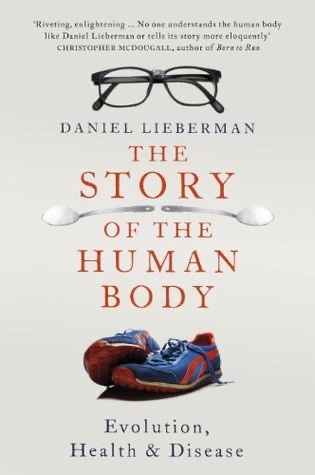 The Story of the Human Body: Evolution, Health, and Disease
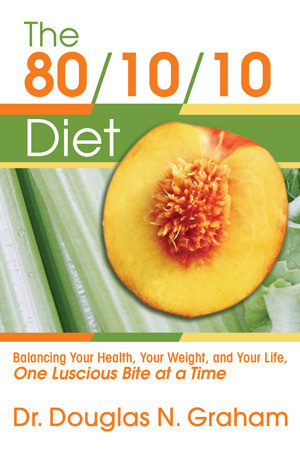 The 80/10/10 Diet: Balancing Your Health, Your Weight, and Your Life, One Luscious Bite at a Time
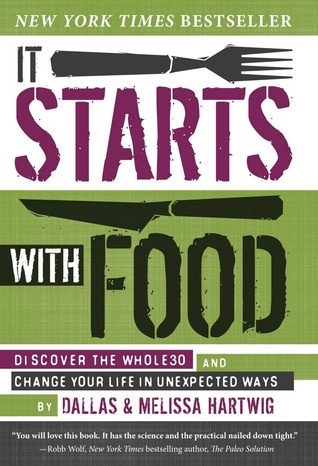 It Starts with Food: Discover the Whole30 and Change Your Life in Unexpected Ways
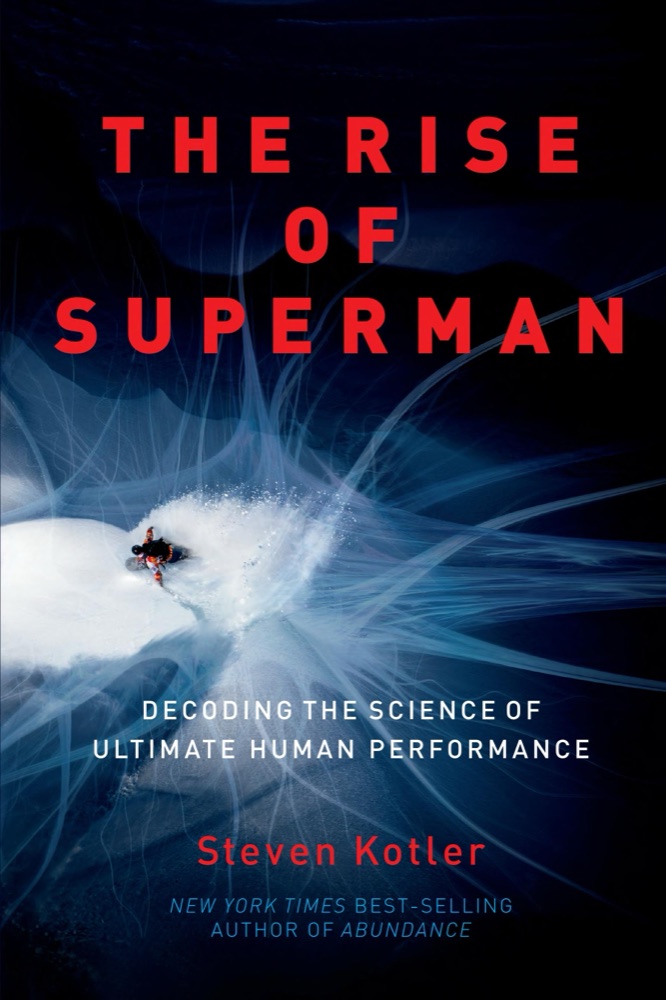 The Rise of Superman: Decoding the Science of Ultimate Human Performance
 Whole: Rethinking the Science of Nutrition
 Scarcity Brain: Fix Your Craving Mindset and Rewire Your Habits to Thrive with Enough
 Being Mortal: Medicine and What Matters in the End
 Why We Get Sick: The New Science of Darwinian Medicine
 The Upward Spiral: Using Neuroscience to Reverse the Course of Depression, One Small Change at a Time
 Burnout: The Secret to Unlocking the Stress Cycle
 The Song of the Cell: An Exploration of Medicine and the New Human
 The Art of Impossible: A Peak Performance Primer
 Behave: The Biology of Humans at Our Best and Worst
 Brain Energy: A Revolutionary Breakthrough in Understanding Mental Health—and Improving Treatment for Anxiety, Depression, OCD, PTSD, and More
 Good Reasons for Bad Feelings: Insights from the Frontier of Evolutionary Psychiatry
 A Woman Makes a Plan: Advice for a Lifetime of Adventure, Beauty, and Success
 A User's Guide to the Brain: Perception, Attention, and the Four Theaters of the Brain
 Early Retirement Extreme: A Philosophical and Practical Guide to Financial Independence
 Why We Sleep: Unlocking the Power of Sleep and Dreams
 Barking Up the Wrong Tree: The Surprising Science Behind Why Everything You Know About Success Is (Mostly) Wrong
 Eat & Run: My Unlikely Journey to Ultramarathon Greatness
 Tribe Of Mentors: Transformative Wisdom From Icons and Innovators to Help You Navigate Life's Challenges
 Good Calories, Bad Calories
 Antifragile: Things That Gain from Disorder
 Peak: Secrets from the New Science of Expertise
 Eat to Live: The Revolutionary Formula for Fast and Sustained Weight Loss
 Be Your Future Self Now: The Science of Intentional Transformation
 Grunt: The Curious Science of Humans at War
 Dopamine Nation: Finding Balance in the Age of Indulgence
 Discipline Equals Freedom: Field Manual
 Can't Hurt Me: Master Your Mind and Defy the Odds
 The Algebra of Wealth: A Simple Formula for Financial Security
 Principles: Life and Work
 Limitless: Upgrade Your Brain, Learn Anything Faster, and Unlock Your Exceptional Life
 The Happiness Equation: Want Nothing + Do Anything = Have Everything
 The Gap and The Gain: The High Achievers' Guide to Happiness, Confidence, and Success
 The Brain That Changes Itself: Stories of Personal Triumph from the Frontiers of Brain Science
 Gut: The Inside Story of Our Body's Most Underrated Organ
 Survival of the Sickest: A Medical Maverick Discovers Why We Need Disease
 Ready for Anything: 52 Productivity Principles for Getting Things Done
 Ladyparts
 When the Air Hits Your Brain: Tales of Neurosurgery
 Better: A Surgeon's Notes on Performance
 Breath: The New Science of a Lost Art
 Becoming Supernatural: How Common People are Doing the Uncommon
 7 Strategies for Wealth & Happiness: Power Ideas from America's Foremost Business Philosopher
 Smarter Faster Better: The Secrets of Being Productive in Life and Business
 The Unexpected Joy of Being Sober
 The Power of Focus