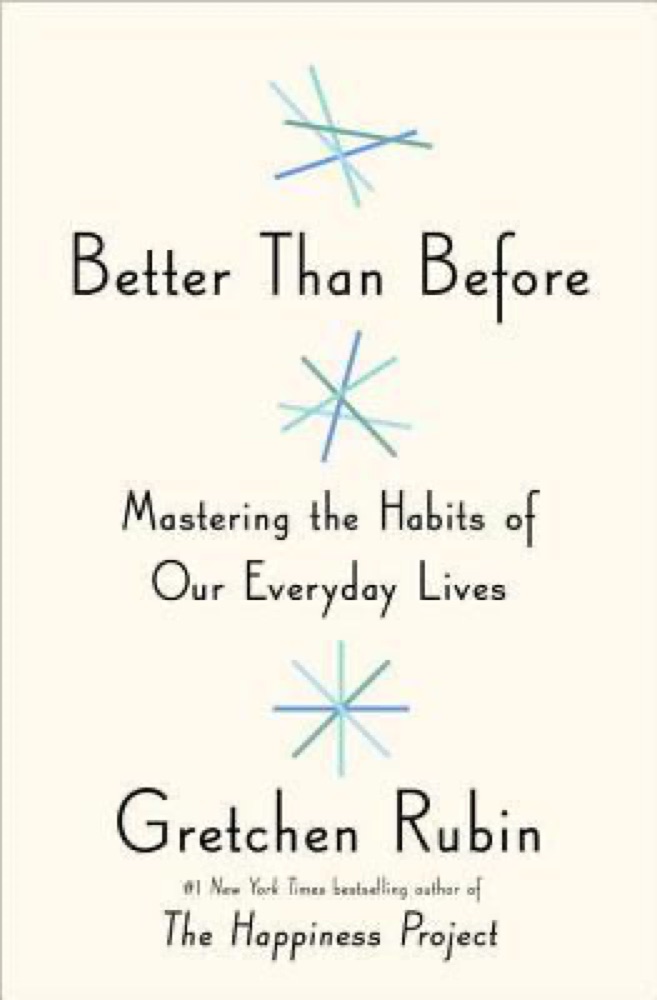

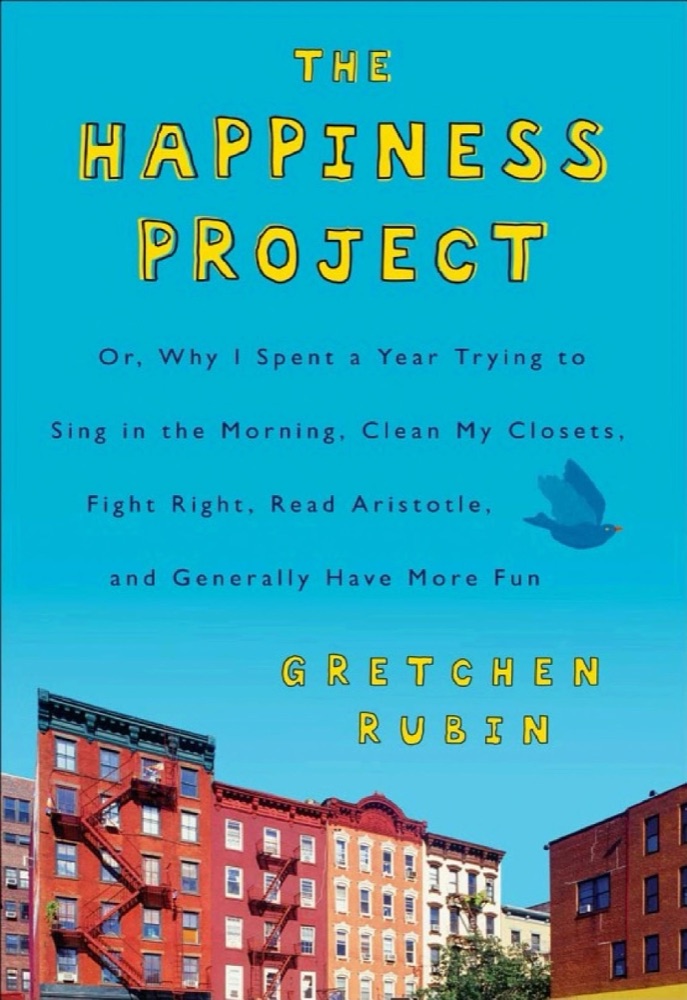
 The Happiness Project
Quotes from the Book
The biggest waste of time is to do well something that we need not do at all.
31
The desire to start something at the “right” time is usually just a justification for delay. In almost every case, the best time to start is now.
23
How we schedule our days is how we spend our lives.
22
In the chaos of everyday life, it’s easy to lose sight of what really matters, and I can use my habits to make sure that my life reflects my values.
14
We won’t make ourselves more creative and productive by copying other people’s habits, even the habits of geniuses; we must know our own nature, and what habits serve us best.
13
There's a great satisfaction in knowing that we've made good use of our days, that we've lived up to our expectations of ourselves.
13
The most important step is the first step. All those old sayings are really true. Well begun is half done. Don’t get it perfect, get it going. A journey of a thousand miles begins with a single step. Nothing is more exhausting than the task that’s never started, and strangely, starting is often far harder than continuing.
12
How about this,” I suggested. “Instead of feeling that you’ve blown the day and thinking, ‘I’ll get back on track tomorrow,’ try thinking of each day as a set of four quarters: morning, midday, afternoon, evening. If you blow one quarter, you get back on track for the next quarter. Fail small, not big.
12
I should pursue only those habits that would make me feel freer and stronger.
11
Research—and my own experience—suggests that the less we indulge in something, the less we want it. When we believe that a craving will remain unsatisfied, it may diminish; cravings are more provoked by possibility than by denial.
10
When we do stumble, it’s important not to judge ourselves harshly. Although some people assume that strong feelings of guilt or shame act as safeguards to help people stick to good habits, the opposite is true. People who feel less guilt and who show compassion toward themselves in the face of failure are better able to regain self-control, while people who feel deeply guilty and full of self-blame struggle more.
9
six obvious ways to make an activity less convenient: • Increase the amount of physical or mental energy required (leave the cell phone in another room, ban smoking inside or near a building). • Hide any cues (put the video game controller on a high shelf). • Delay it (read email only after 11:00 a.m.). • Engage in an incompatible activity (to avoid snacking, do a puzzle). • Raise the cost (one study showed that people at high risk for smoking were pleased by a rise in the cigarette tax; after London imposed a congestion charge to enter the center of the city, people’s driving habits changed, with fewer cars on the road and more use of public transportation). • Block it altogether (give away the TV set).
9
Nothing is more exhausting than the task that’s never started, and strangely, starting is often far harder than continuing.
8
I should make one healthy choice, and then stop choosing.
8
Habits are the invisible architecture of daily life. We repeat about 40 percent of our behavior almost daily, so our habits shape our existence, and our future. If we change our habits, we change our lives.
7
What saves a man is to take a step. Then another step. It is always the same step, but you have to take it. —Antoine de Saint-Exupéry, Wind, Sand and Stars
7
It is only when you meet someone of a different culture from yourself that you begin to realise what your own beliefs really are. —GEORGE ORWELL, The Road to Wigan Pier
7
It’s a Secret of Adulthood: I can’t make people change, but when I change, others may change; and when others change, I may change.
6
With habits, we don’t make decisions, we don’t use self-control, we just do the thing we want ourselves to do—or that we don’t want to do.
6
Whatever liberates our spirit without giving us mastery over ourselves is destructive.” And whatever liberates our spirit while giving us mastery over ourselves is constructive.
5
Habits make change possible by freeing us from decision making and from using self-control.
5
What I do most days matters more than what I do once in a while.” That kind of self-encouragement is a greater safeguard than self-blame.
5
By mindfully choosing our habits, we harness the power of mindlessness as a sweeping force for serenity, energy, and growth.
4
Also, accomplishing small tasks boosts our sense of “self-efficacy.” The more we trust ourselves to follow through on our own commitments, the more likely we are to believe that we can keep an important habit.
4
In the Strategy of Pairing, I couple two activities, one that I need or want to do, and one that I don’t particularly want to do, to get myself to accomplish them both. It’s not a reward, it’s not a treat, it’s just a pairing.
4
If we want something to count in our lives, we should figure out a way to count it.
4
Erasmus’s The Praise of Folly. According to a footnote, the argument of the growing heap is: If ten coins are not enough to make a man rich, what if you add one coin? What if you add another? Finally, you will have to say that no one can be rich unless one coin can make him so.
4
When scheduling a new habit, it helps to tie it to an existing habit, such as “after breakfast,” or to an external cue, such as “when my alarm rings,” because without such a trigger, it’s easy to forget to do the new action.
4
Comedian Jerry Seinfeld advised aspiring comedian Brad Isaac that, because daily writing was the key to writing better jokes, Isaac should buy a calendar with a box for every day of the year, and every day, after writing, cross off the day with a big red X. “After a few days you’ll have a chain,” Seinfeld explained. “You’ll like seeing that chain, especially when you get a few weeks under your belt. Your only job next is to not break the chain.
4
Surprisingly, stress doesn’t necessarily make us likely to indulge in bad habits; when we’re anxious or tired, we fall back on our habits, whether bad or good.
3
Watch on YouTube
About Gretchen Rubin
We have collected 147 quotes from 6 books by Gretchen Rubin on BookQuoters.
More about the author →More by Gretchen Rubin
The Happiness Project
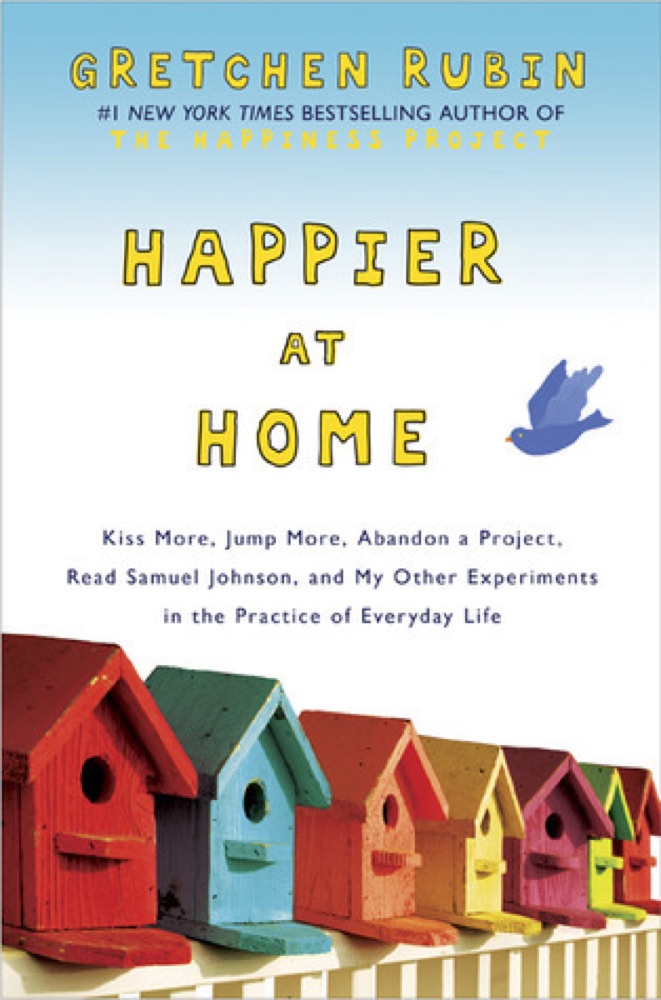 Happier at Home: Kiss More, Jump More, Abandon a Project, Read Samuel Johnson, and My Other Experiments in the Practice of Everyday Life
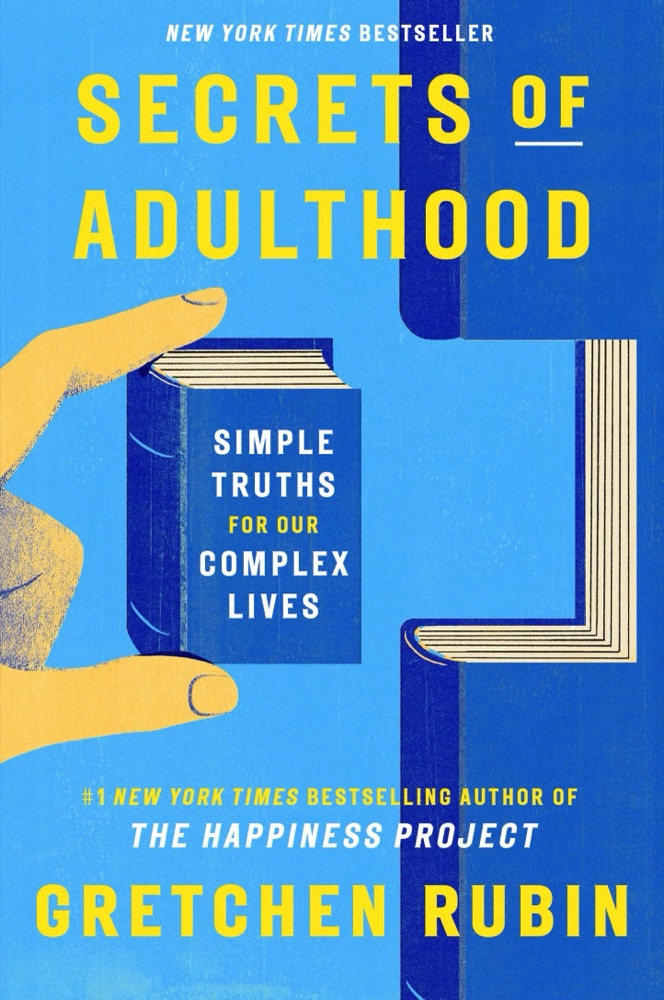 Secrets of Adulthood: Simple Truths for Our Complex Lives
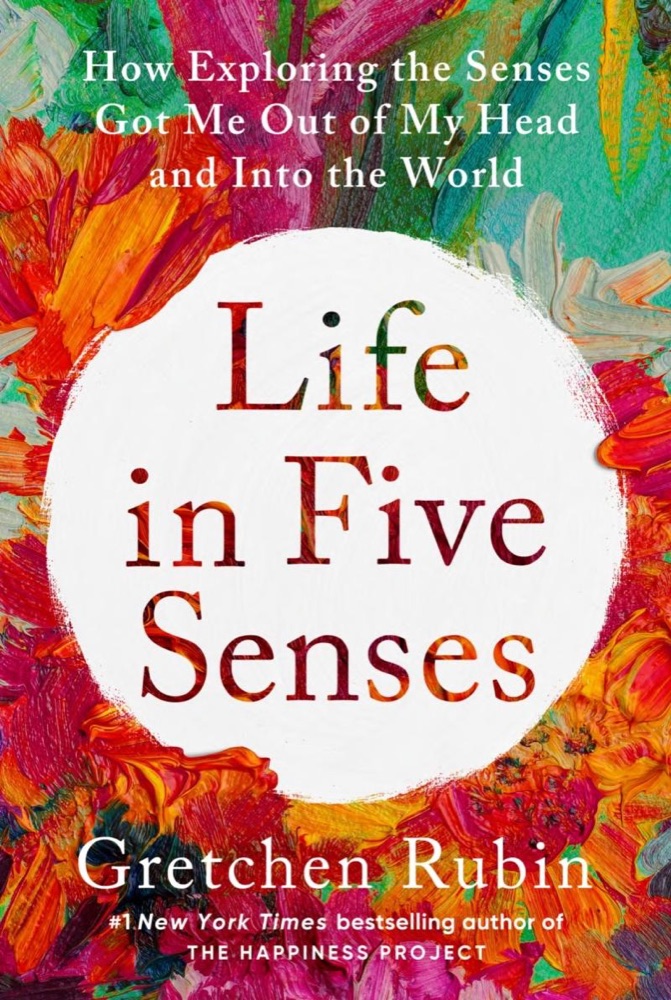 Life in Five Senses: How Exploring the Senses Got Me Out of My Head and Into the World
About the book
New York Times BestsellerWashington Post Bestseller The author of the blockbuster New York Times bestsellers, The Happiness Project and Happier at Home, tackles the critical question: How do we change? Gretchen Rubin's answer: through habits. Habits are the invisible architecture of everyday life. It takes work to make a habit, but once that habit is set, we can harness the energy of habits to build happier, stronger, more productive lives. So if habits are a key to change, then what we really need to know is: How do we change our habits? Better than Before answers that question. It presents a practical, concrete framework to allow readers to understand their habits—and to change them for good. Infused with Rubin’s compelling voice, rigorous research, and easy humor, and packed with vivid stories of lives transformed, Better than Before explains the (sometimes counter-intuitive) co
Book details
- First published
- 2015
- Author
- Gretchen Rubin
- Genre
- Nonfiction
- Goodreads rating
- 3.82 (43k ratings)
Keep reading
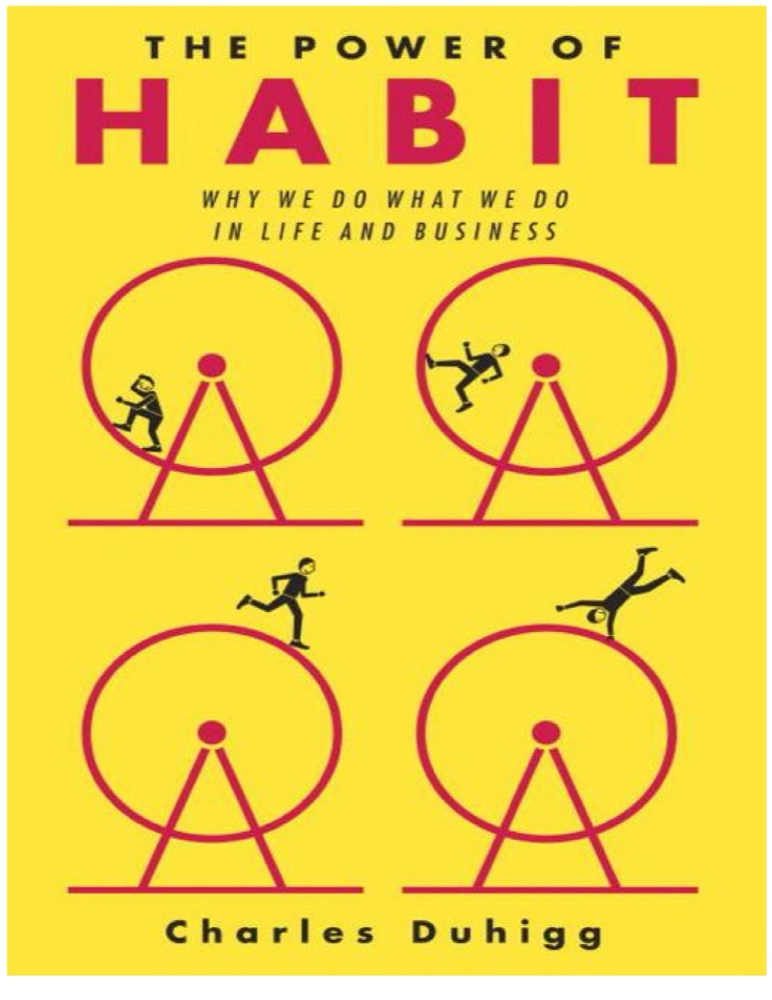 The Power of Habit: Why We Do What We Do in Life and Business
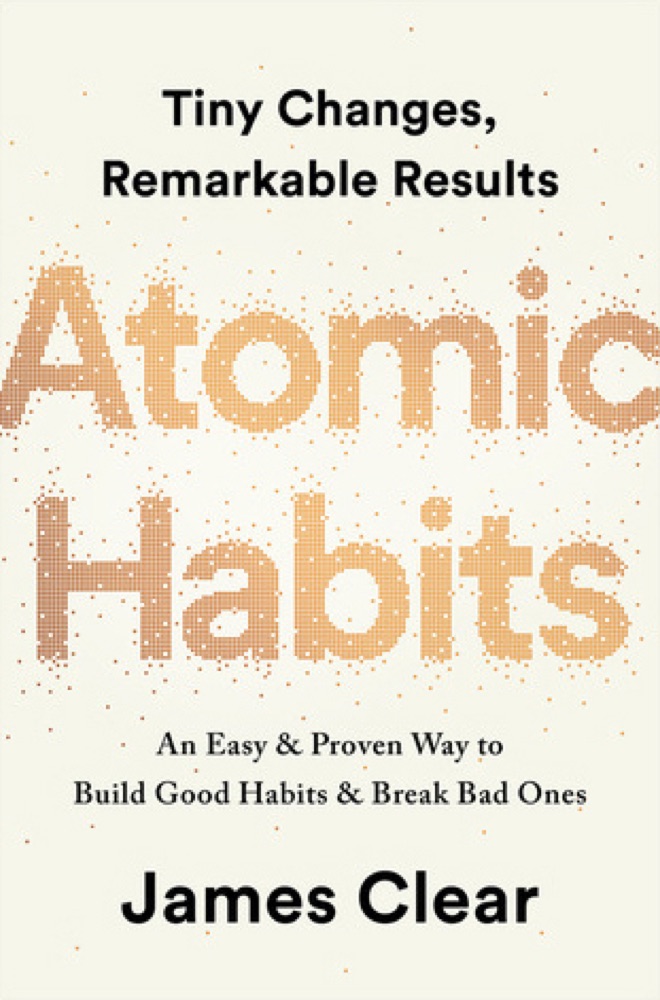 Atomic Habits: An Easy & Proven Way to Build Good Habits & Break Bad Ones
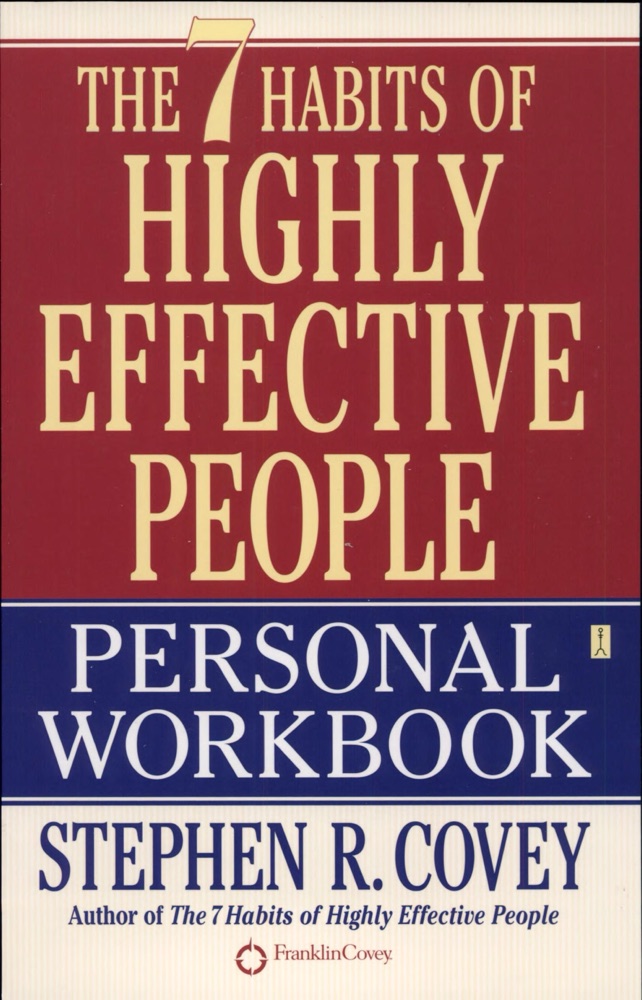 The 7 Habits of Highly Effective People: Personal Workbook
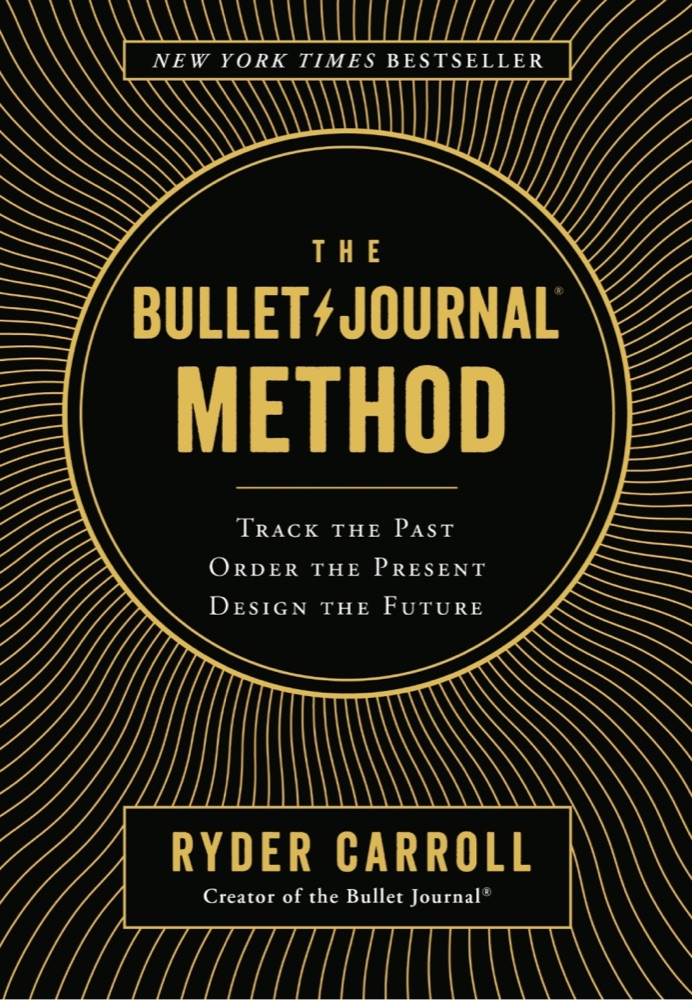 The Bullet Journal Method: Track Your Past, Order Your Present, Plan Your Future
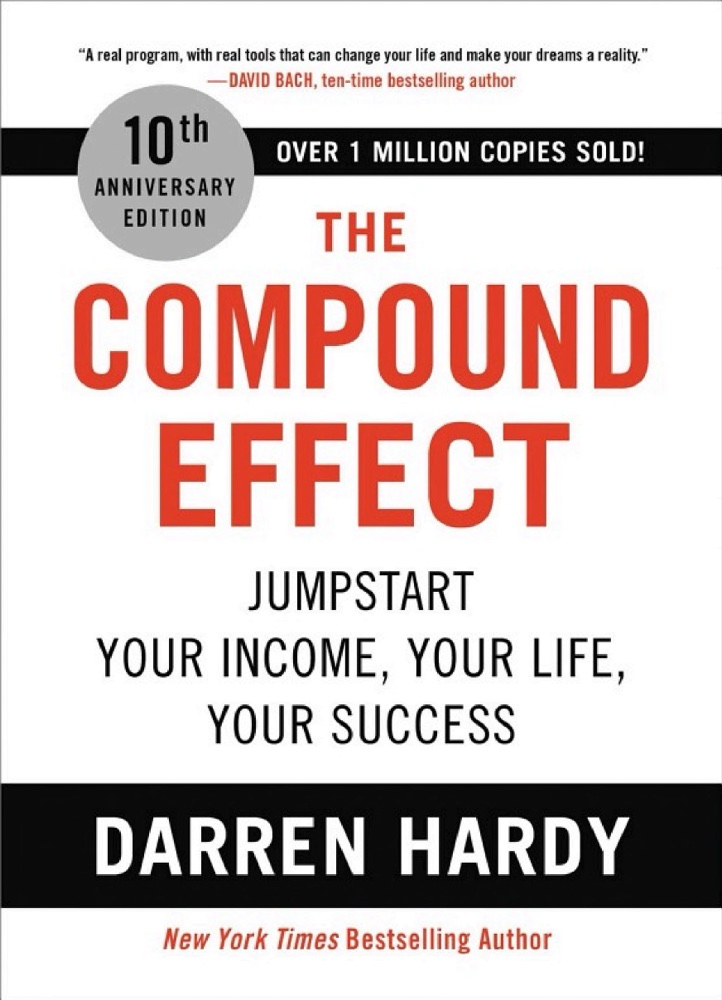 The Compound Effect: Jumpstart Your Income, Your Life, Your Success
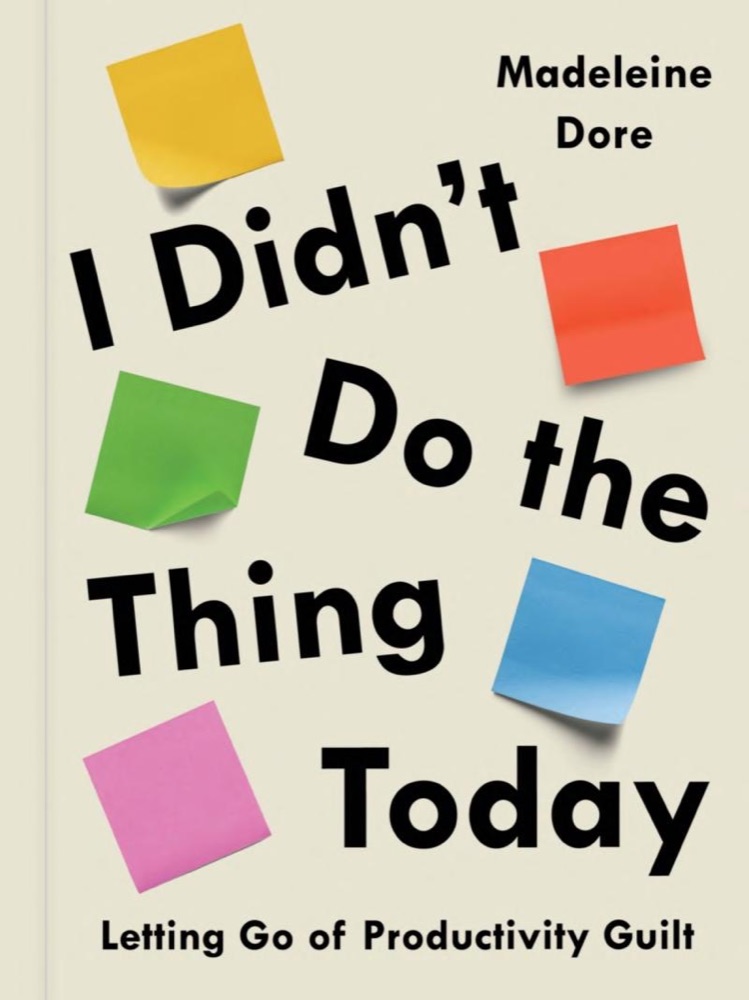 I Didn't Do the Thing Today: Letting Go of Productivity Guilt
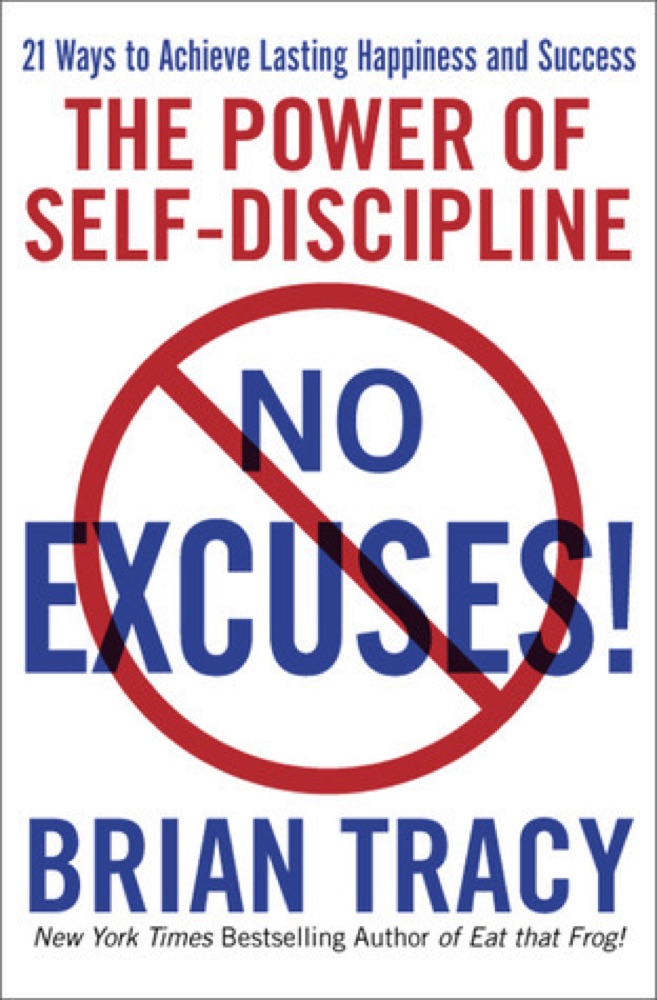 No Excuses!: The Power of Self-Discipline
Secrets of Adulthood: Simple Truths for Our Complex Lives
No Excuses!: The Power of Self-Discipline
Secrets of Adulthood: Simple Truths for Our Complex Lives
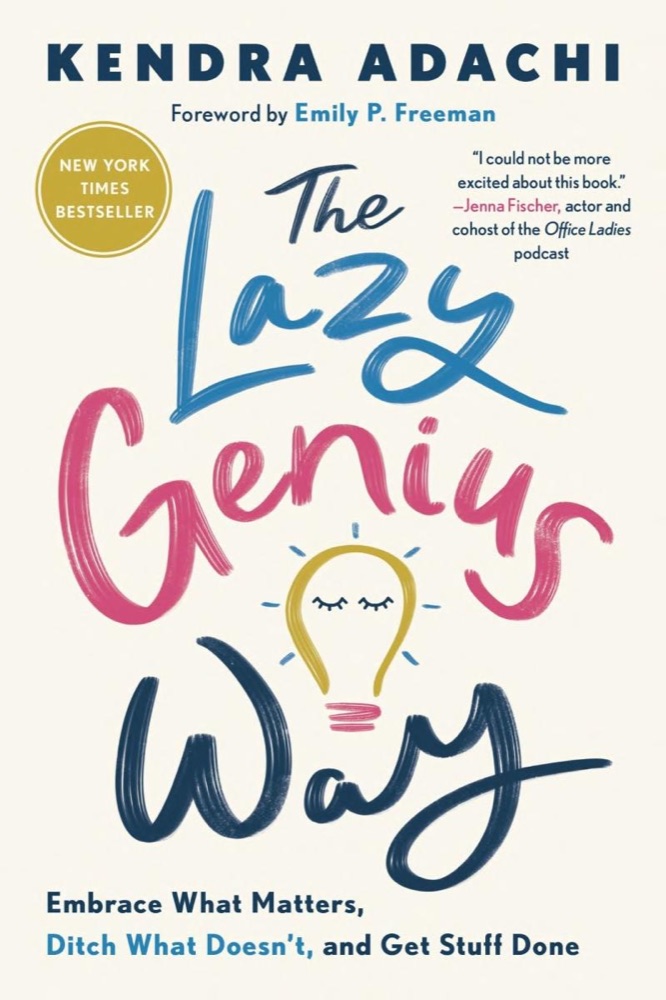 The Lazy Genius Way: Embrace What Matters, Ditch What Doesn't, and Get Stuff Done
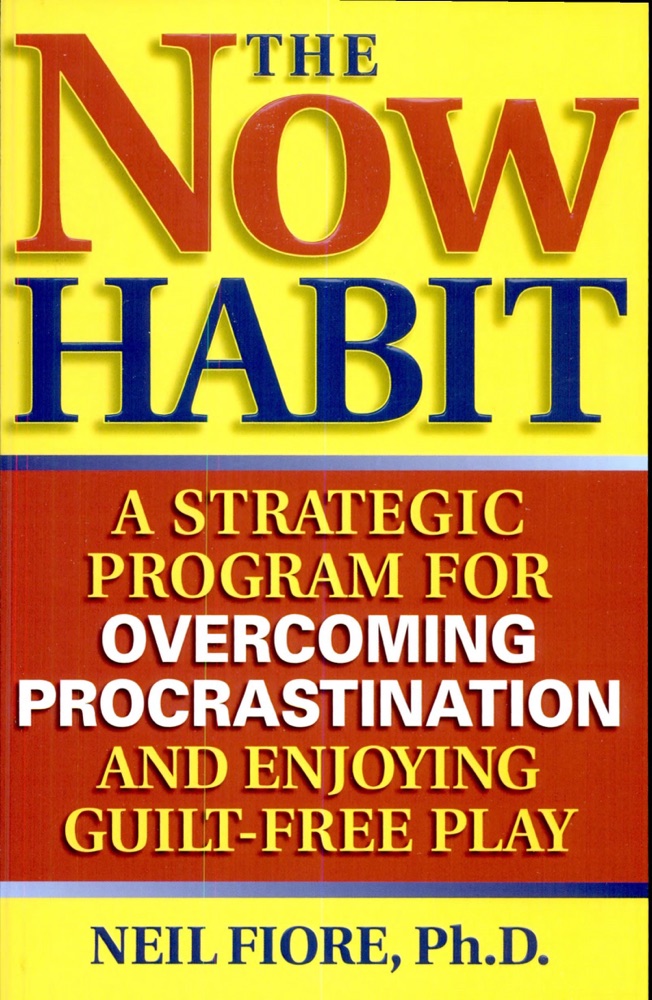 The Now Habit: A Strategic Program for Overcoming Procrastination and Enjoying Guilt-Free Play
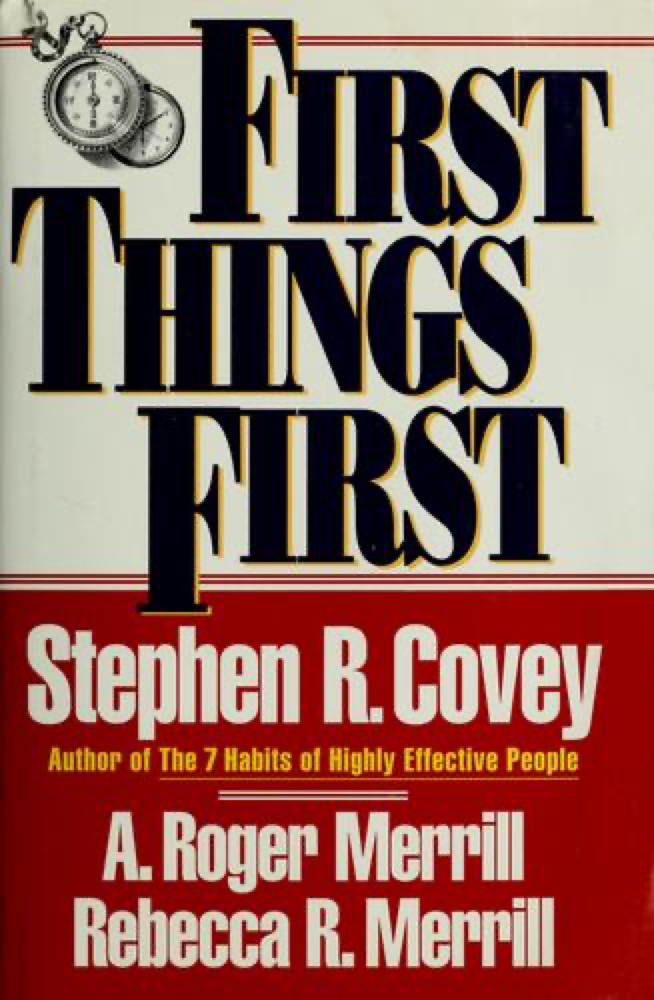 First Things First
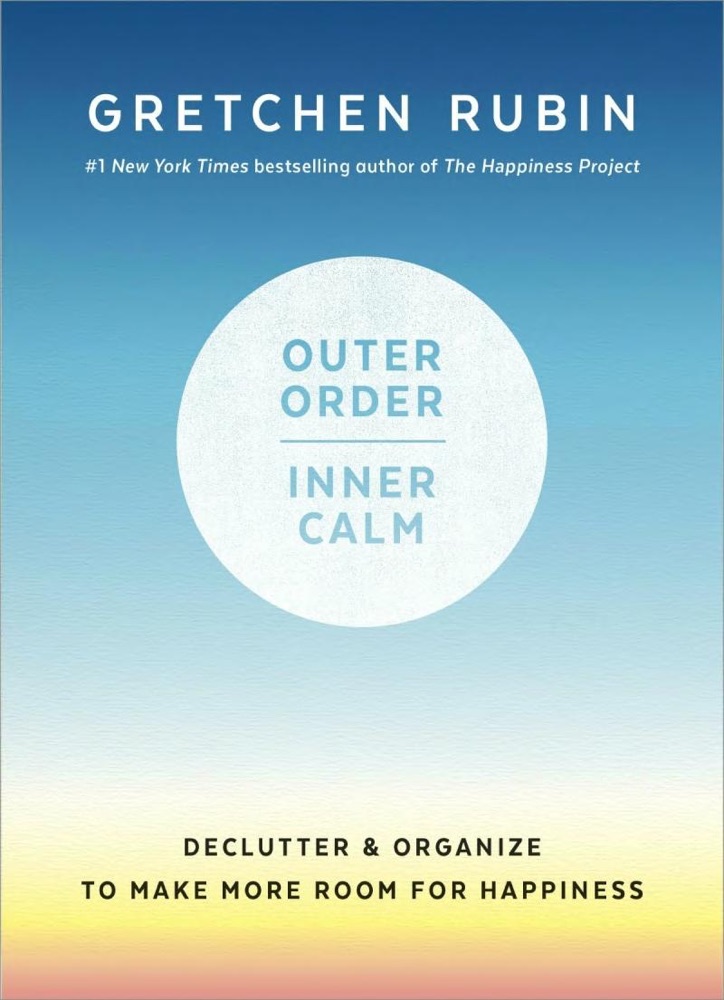 Outer Order, Inner Calm: Declutter & Organize to Make More Room for Happiness
 Ready for Anything: 52 Productivity Principles for Getting Things Done
 Make Time: How to Focus on What Matters Every Day
 Essentialism: The Disciplined Pursuit of Less
 The Willpower Instinct: How Self-Control Works, Why It Matters, and What You Can Do to Get More of It
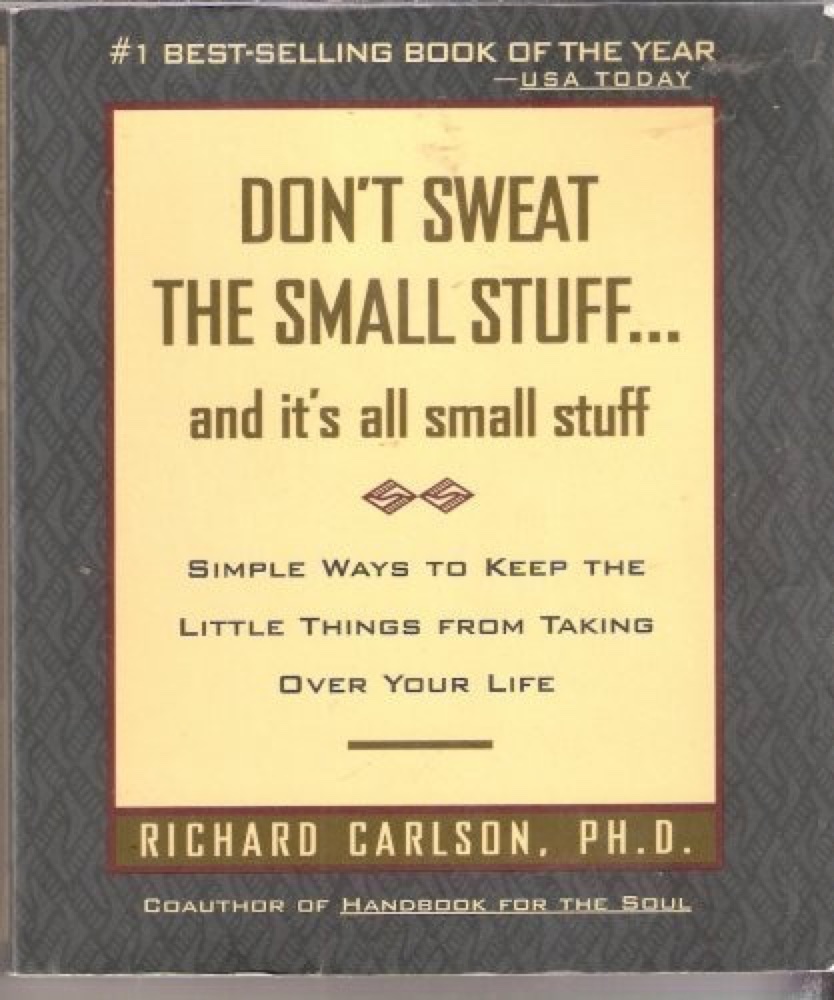 Don't Sweat the Small Stuff ... and it's all small stuff: Simple Ways to Keep the Little Things from Taking Over Your Life
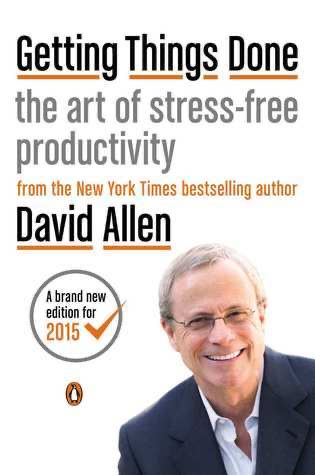 Getting Things Done: The Art of Stress-Free Productivity
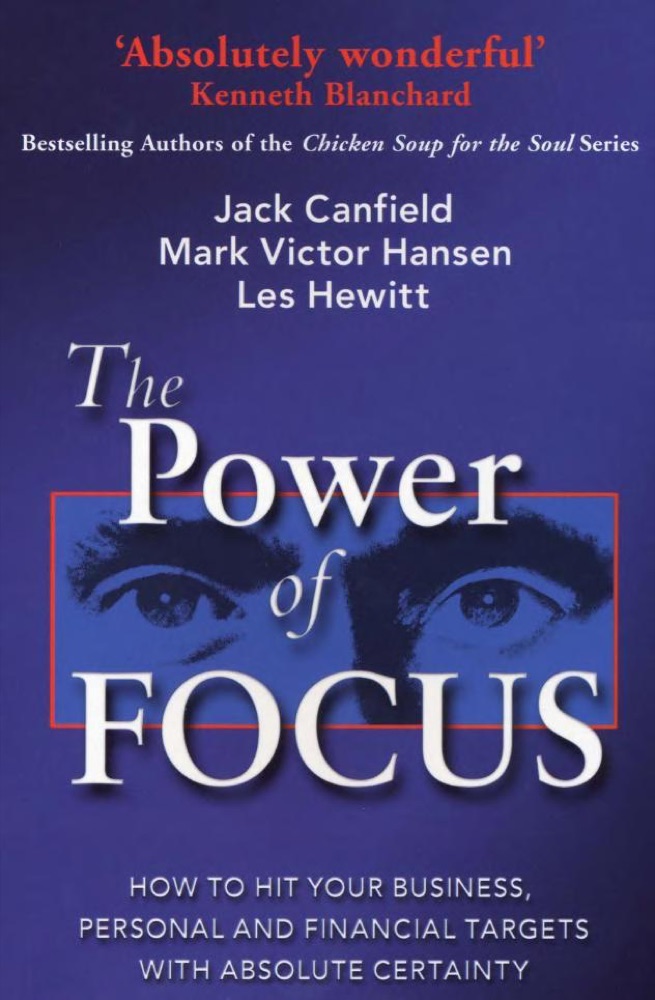 The Power of Focus
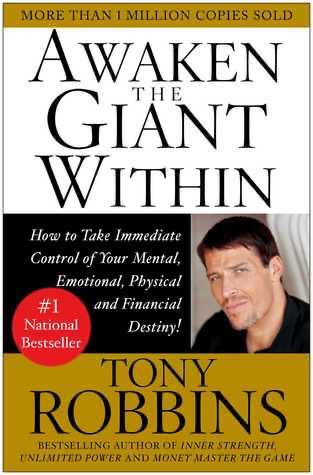 Awaken The Giant Within
 High Performance Habits: How Extraordinary People Become That Way
The Happiness Project
High Performance Habits: How Extraordinary People Become That Way
The Happiness Project
 Tribe Of Mentors: Transformative Wisdom From Icons and Innovators to Help You Navigate Life's Challenges
 What the Most Successful People Do Before Breakfast: A Short Guide to Making Over Your Mornings--and Life
 7 Strategies for Wealth & Happiness: Power Ideas from America's Foremost Business Philosopher
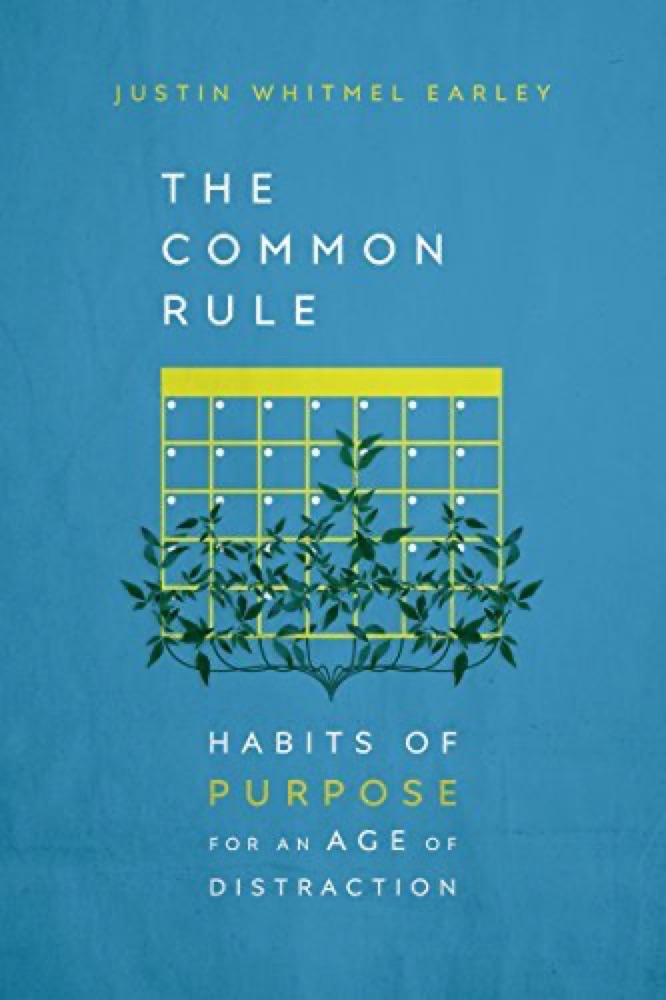 The Common Rule: Habits of Purpose for an Age of Distraction
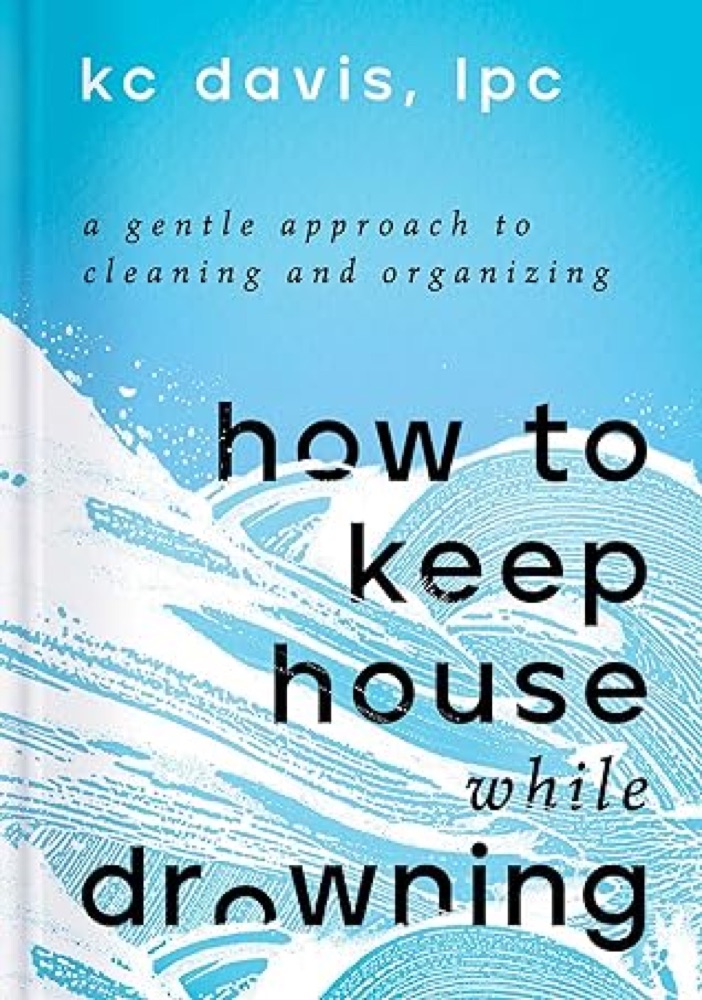 How to Keep House While Drowning
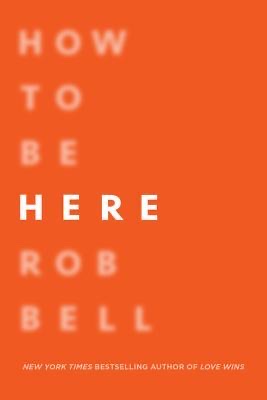 How to Be Here: A Guide to Creating a Life Worth Living
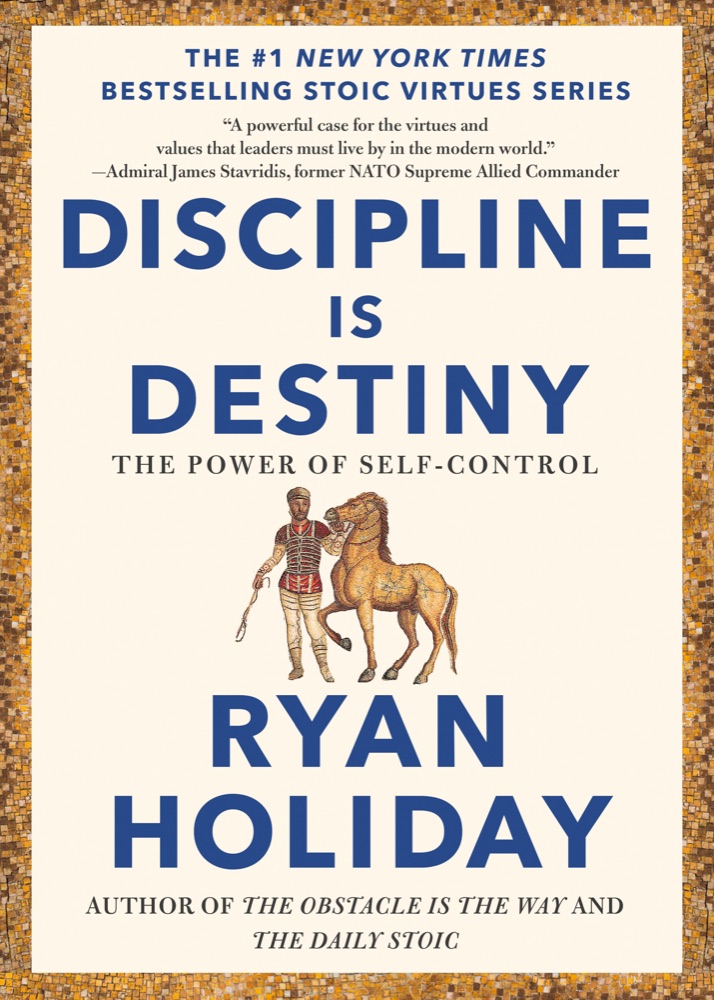 Discipline Is Destiny: The Power of Self-Control
 Be Your Future Self Now: The Science of Intentional Transformation
 How to Be a Bawse: A Guide to Conquering Life
 The 12 Week Year
 The Obstacle Is the Way: The Timeless Art of Turning Trials into Triumph
 How to ADHD: An Insider's Guide to Working with Your Brain
 Be Useful: Seven Tools for Life
 Today Matters: 12 Daily Practices to Guarantee Tomorrow's Success
 Greenlights
 Thrive: The Third Metric to Redefining Success and Creating a Life of Well-Being, Wisdom, and Wonder
 Lead the Field
 Solving the Procrastination Puzzle: A Concise Guide to Strategies for Change
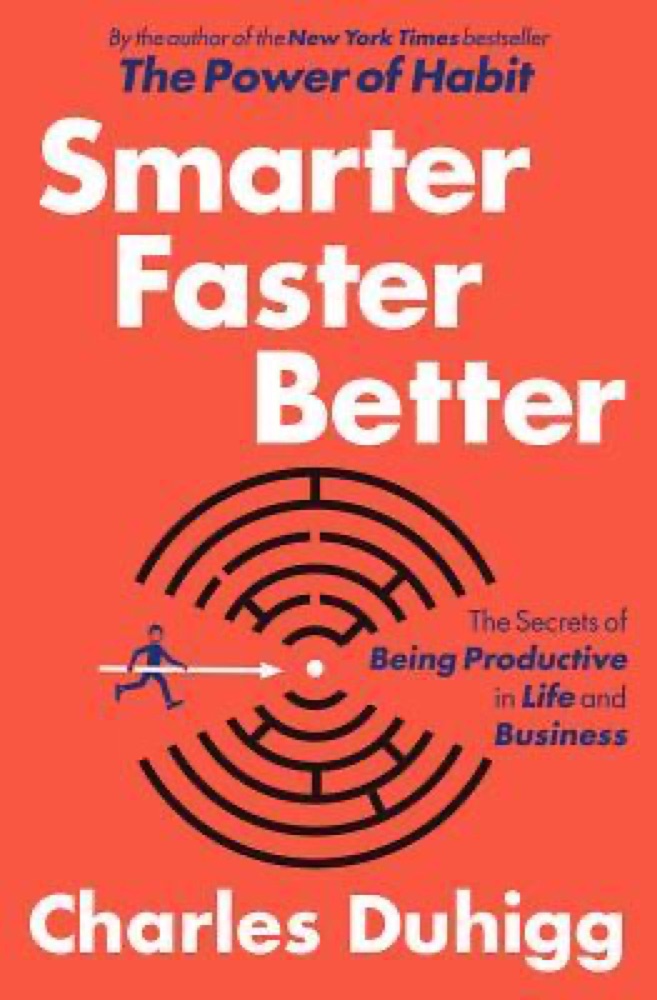 Smarter Faster Better: The Secrets of Being Productive in Life and Business
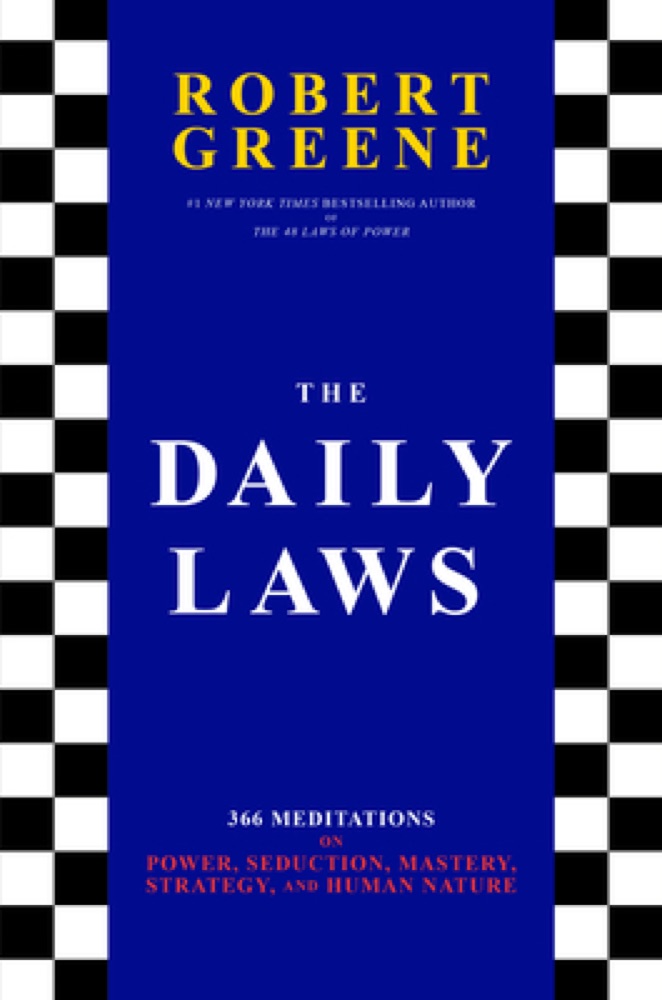 The Daily Laws: 366 Meditations
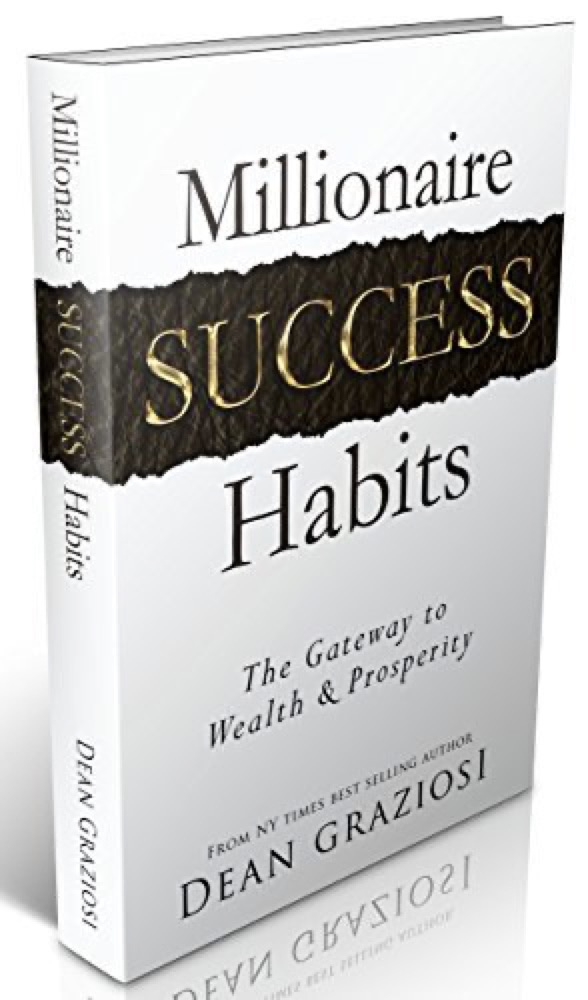 Millionaire Success Habits: The Gateway To Wealth & Prosperity
 The Practicing Mind: Bringing Discipline and Focus into Your Life
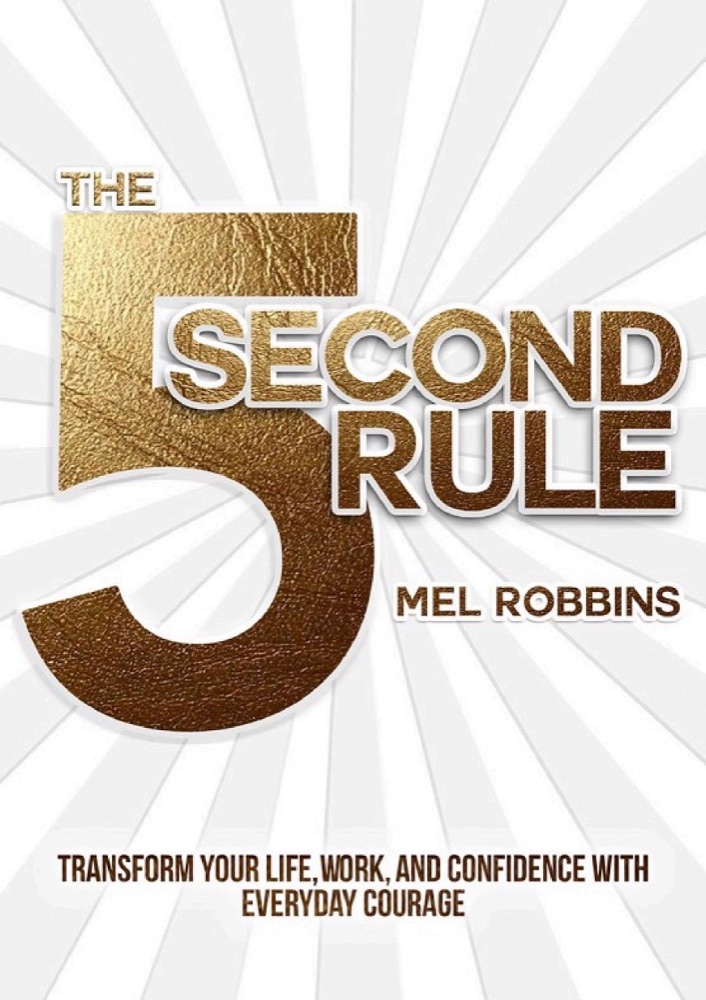 The 5 Second Rule: Transform Your Life, Work, and Confidence with Everyday Courage
 The 4-Hour Workweek
 The Happiness Advantage: The Seven Principles of Positive Psychology That Fuel Success and Performance at Work
 Finding Flow: The Psychology of Engagement with Everyday Life
 Tools of Titans: The Tactics, Routines, and Habits of Billionaires, Icons, and World-Class Performers
 The Happiness Equation: Want Nothing + Do Anything = Have Everything
 Do Epic Shit
 How to Fail at Almost Everything and Still Win Big: Kind of the Story of My Life
 Eat That Frog! 21 Great Ways to Stop Procrastinating and Get More Done in Less Time
 The Mountain Is You: Transforming Self-Sabotage Into Self-Mastery
 Limitless: Upgrade Your Brain, Learn Anything Faster, and Unlock Your Exceptional Life
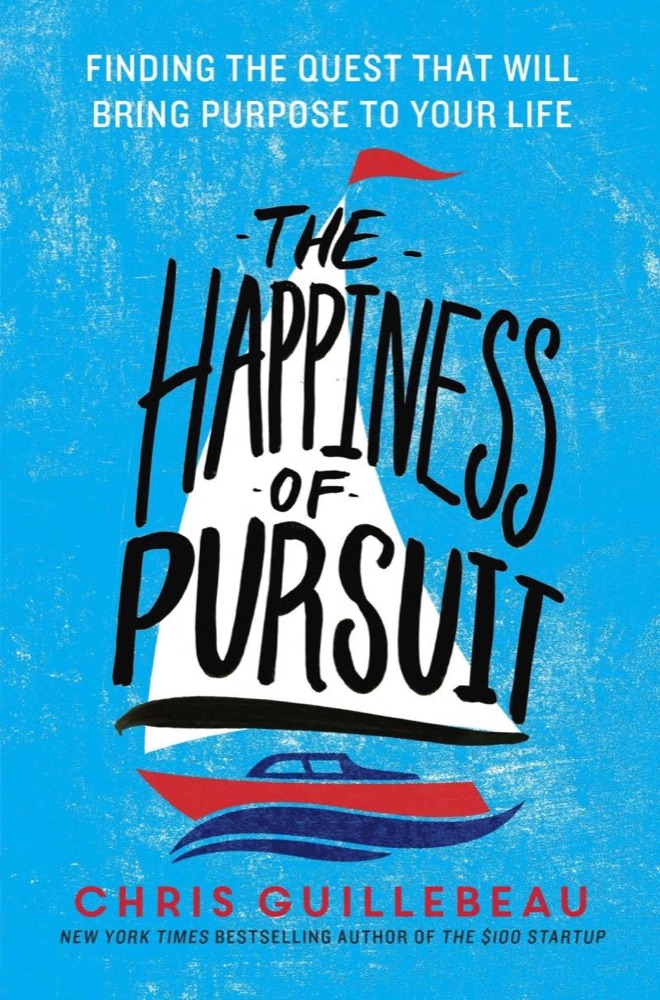 The Happiness of Pursuit: Finding the Quest That Will Bring Purpose to Your Life
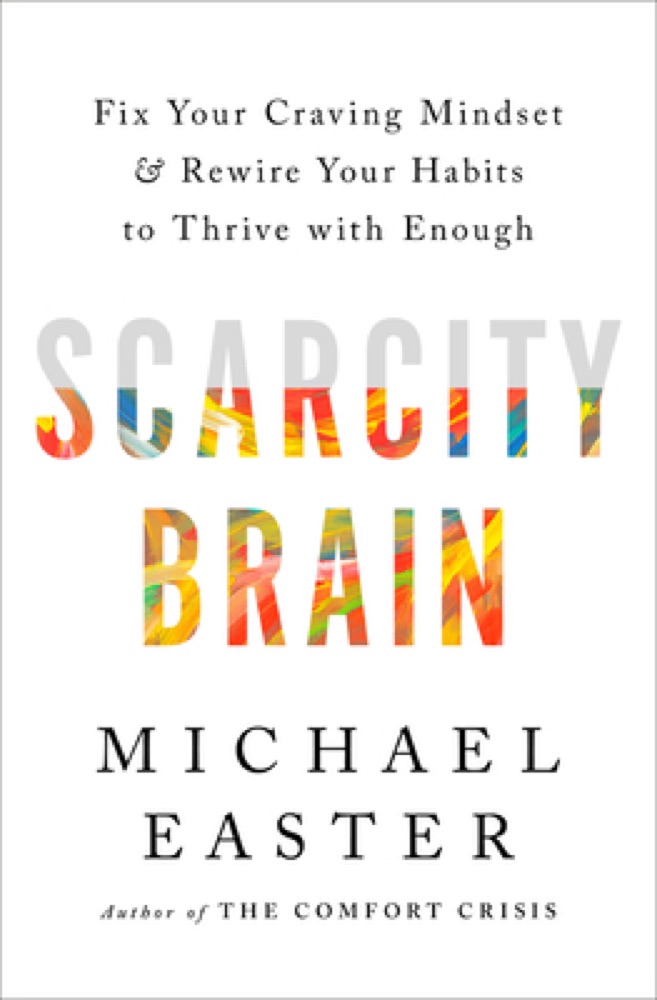 Scarcity Brain: Fix Your Craving Mindset and Rewire Your Habits to Thrive with Enough
 Simple Abundance: A Daybook of Comfort of Joy
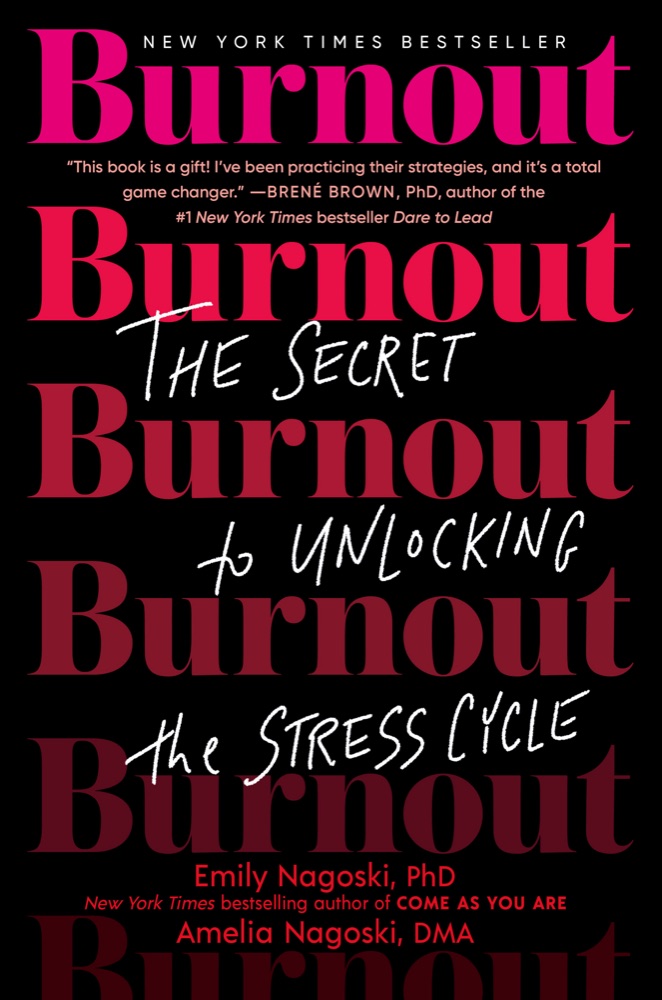 Burnout: The Secret to Unlocking the Stress Cycle