
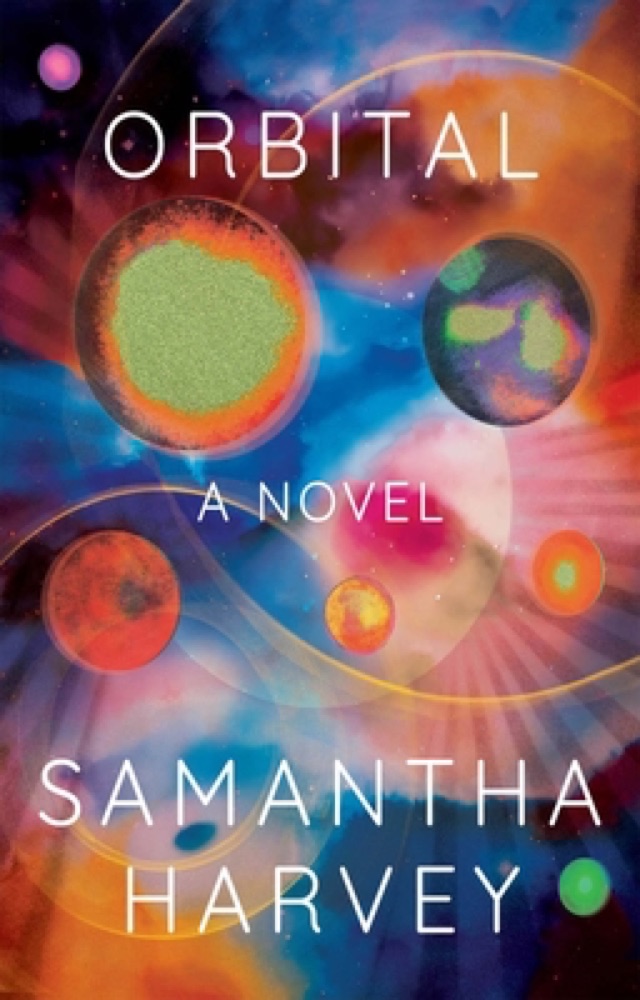
 Orbital
Quotes from the Book
To write fiction you have to engage in organised fraud, the laundering of experience into the offshore haven of words.
10
If the mind is a cacophony, the subconscious is silent theatre.
5
The mind is a prison. And when we write the noise is distilled and alchemised, and the self can find a way out, which I think is what love is – the escape of the self from the self.
4
Sleep. Sleep. Like money, you only think about it when you have too little. Then you think about it all the time, and the less you have the more you think about it. It becomes the prism through which you see the world and nothing can exist except in relation to it.
4
When I don't sleep, it's not that I feel tired so much as assaulted. In the morning after a night of no sleep my eyes are sore and tender and can barely open. My joints ache. There's a taste in my mouth which isn't like any other taste, only a feeling, and that feeling is defeat. My skull aches evenly across its hemisphere. [...] I go to bed at night, I get beaten up, come downstairs in the morning. Then I go about the day as if things were normal and I hadn't been beaten up, and everyone else treats me as if I hadn't been beaten up, and that way I survive, but no more than that. If somebody willed your destruction they could do it this way, by taking away your sleep. Of course, it's tried and tested
4
Writing is lucid dreaming – the work of the subconscious that has a toe in the conscious, just enough to harness the dream’s waywardness. I always heard it said that writing draws on the subconscious, but that isn’t true. It is the subconscious, and it draws on the conscious.
3
The night is itself without narrative – the way the hours move, less like a stream flowing somewhere and more like water swilling in a shallow pool, until suddenly the pool is drained and it’s morning.
2
Poetry can turn phrases that rotate the world, too small a rotation to cause a public commotion but enough to knock a solitary life a fraction off its axis, such that it will never be the same again.
2
I would wish for my last day to involve an act of freedom - a walk by the ocean, a long bike ride, something I love. . . . Final acts acquire holiness. . . If finality makes something holy then every moment is holy, because every moment could be the last. . . . Live each day as if it's your last, we think, and then we don't.
1
But my sleep was ragged that night, she wrote. But she didn’t know anything about ragged sleep when she wrote that. She knew the word ragged and she knew it was an adjective that could describe many things, including sleep, but she knew nothing about ragged sleep. Nowadays she is shocked by the fraudulence of words. Every word claims an authority and every word craves to be believed, and we read others’ words and we find something to relate to, solace in a shared experience. Yet there doesn’t have to be any experience behind a word. A word can be a shadow not cast by any object.
1
What an unlikely wonder is life, that it holds in itself the whole wildness of death – those bacteria didn’t come into life at the point of death, they were always there and they always wanted to eat you, and your cells always contained in them the enzymes that would assist your rotting. It was only ever your vehemence to survive that prevented all that. Did you know, were you ever able to detect within, the passionate warfare that kept you here?
1
Time is the thing that breaks apart life from death, eases apart their embrace. Time, not life, is what we live. Time, not life, is what runs out. Time pushes death over there, where we can see it, and then offers itself as finite protection.
1
I begin to wonder if the makers of Stranger Things intended the series to be a metaphor for insomnia — the dark monotone world that is on the other side of this one, and the monster there that awaits you, a monster you must stare down.
I don’t look at a clock in the night but I’ve spent so many nights awake that I usually know the time within around ten or twenty minutes; I know the texture of the passing hours and the texture of my thoughts as the night abrades them. Around now they begin to show signs of wear. The little calm persuasions become frustrations. The forgiveness becomes laughable, and all the forgiven things that should be outside the room are in fact hovering about by my bed half-satisfied as if there’s something else they need from me.
[The kids have] run around the grassy paths of their granddad's vegetable beds too many times. Let's play something, they say, but are out of ideas. . . At that a tall figure appears in black with a scythe and says, I have a game. Yeah? Yeah. I won't tell you the rules, or what the aim of it is, but you have to play it anyway, and reside with the persistent feeling of playing it wrongly - though there are no rules and there is no aim - and when you have finished playing you will both die. OK? Not really OK. OK? Not rea-- OK! Go, kids. Off sloped the figure in black and the girl and boy, despite themselves, began to play the game for which there were no rules and no aim, because it seemed there was no choice.
Reason is a thing that proves only itself. If you use reason to work out what is valid, you’ll find that the only valid things are those you can reach by reason. These things we call ‘reasonable’. So what? If you use God as the measure of what is valid, you’ll find that the only valid things are those you can reach by God. These things we call ‘godly’. This tells you nothing more about things in themselves, only about your process of arriving at them.
For me, now, a puzzle emerges. What, then, fuels insomnia – fear or anxiety? Anxiety, everyone says. Anxiety, my hypnotherapist says; you are safe in your bed yet your heart is racing as if a tiger is present. You must learn to see that there is no tiger. But there is a tiger: sleep deprivation. Sleep deprivation isn’t a perceived threat but a real one, like thirst or starvation. It is the fear of not sleeping that raises the heart rate and tenses the muscles; fear, not anxiety. Here is where insomnia becomes intractable, because it deploys fear to act like anxiety. Where fear is a response to an external threat, insomnia is almost unique in giving rise to a fear that then causes the external threat. Being afraid of the saber-tooth tiger is what makes the tiger keep coming back – not seem to come back, but in fact come back. It is no use to say ‘don’t be afraid’. There is a tiger in your bedroom, you ought to be afraid.
The Pirahã language and culture is not only literal but evidence-based. How do you know something happened? If the line of hearsay becomes too long, involving too many steps away from experience, the thing is no longer deemed to be of any importance to speak or think about.
Much is said to disparage authors who write outside of their expertise, and worse still, who appropriate the experience of others about whom they cannot know – a white man appropriating the experience of a Bangladeshi woman, a childless woman that of a mother – but nobody took the pen from my hand when I, well-slept, found a notion in my brain of sleeplessness. To write fiction you have to engage in organised fraud, the laundering of experience into the offshore haven of words.
You need to believe that you can sleep again.’ ‘Since when was sleep a matter of faith?
Watch on YouTube
About Samantha Harvey
We have collected 48 quotes from 2 books by Samantha Harvey on BookQuoters.
More about the author →More by Samantha Harvey
Orbital
About the book
A Vulture Best Book of 2020
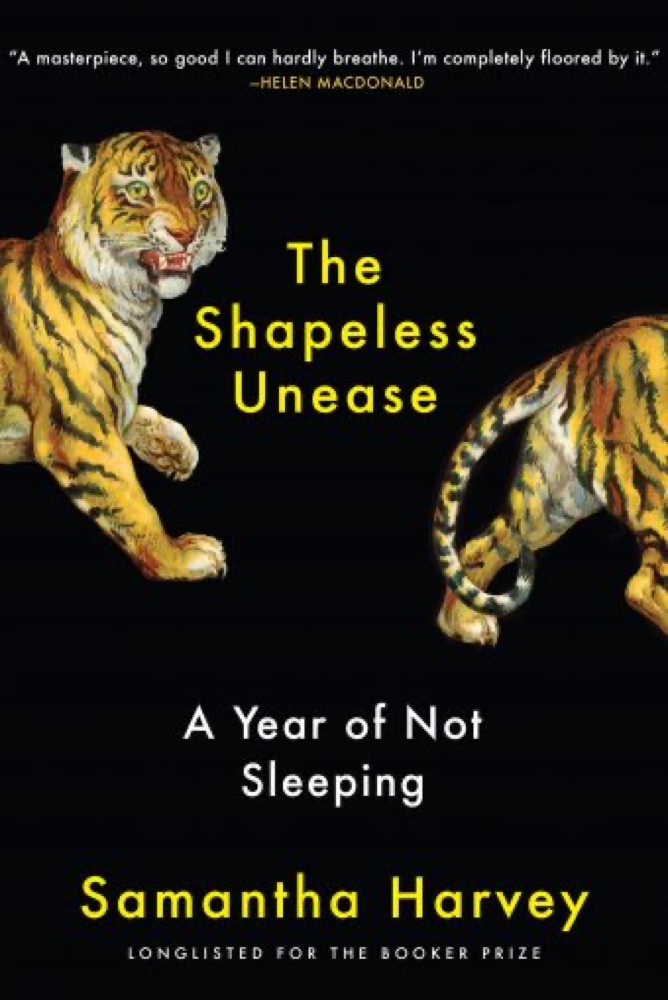
This genre-defying debut memoir by Betty Trask Prize winner, Samantha Harvey, weaves a tapestry of confessional anguish, flash fiction, cathartic poetry, and feverish observations on politics and psychology in a transcendent search for reality and truth.
In 2016, Samantha Harvey began to lose sleep. She tried everything to appease her wakefulness: from medication to therapy, changes in her diet to changes in her living arrangements. Nothing seemed to help.
The Shapeless Unease is Harvey's darkly funny and deeply intelligent anatomy of her insomnia, an immersive interior monologue of a year without one of the most basic human needs. Original and profound, and narrated with a lucid breathlessness, this is a startlingly insightful exploration of memory, writing and influence, death and the will to survive, from "this generation's Virginia Woolf" (Telegra
Book details
- First published
- 2020
- Author
- Samantha Harvey
- Genre
- Nonfiction
- Goodreads rating
- 3.63 (2k ratings)
The buzz
- The New York TimesReview in The New York Timesprofessional review (via Book Marks)
- The New YorkerReview in The New Yorkerprofessional review (via Book Marks)
- The Washington PostReview in The Washington Postprofessional review (via Book Marks)
- The Wall Street JournalReview in The Wall Street Journalprofessional review (via Book Marks)
- The GuardianReview in The Guardianprofessional review (via Book Marks)
- The TimesReview in The Timesprofessional review (via Book Marks)
Keep reading
 The Book of Form and Emptiness
 House of Leaves
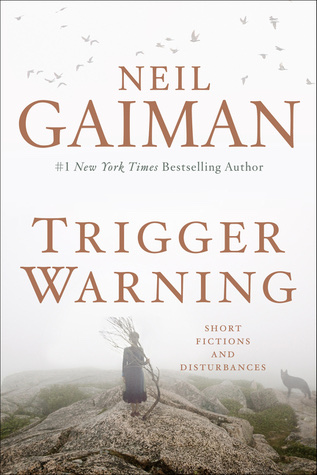 Trigger Warning: Short Fictions and Disturbances
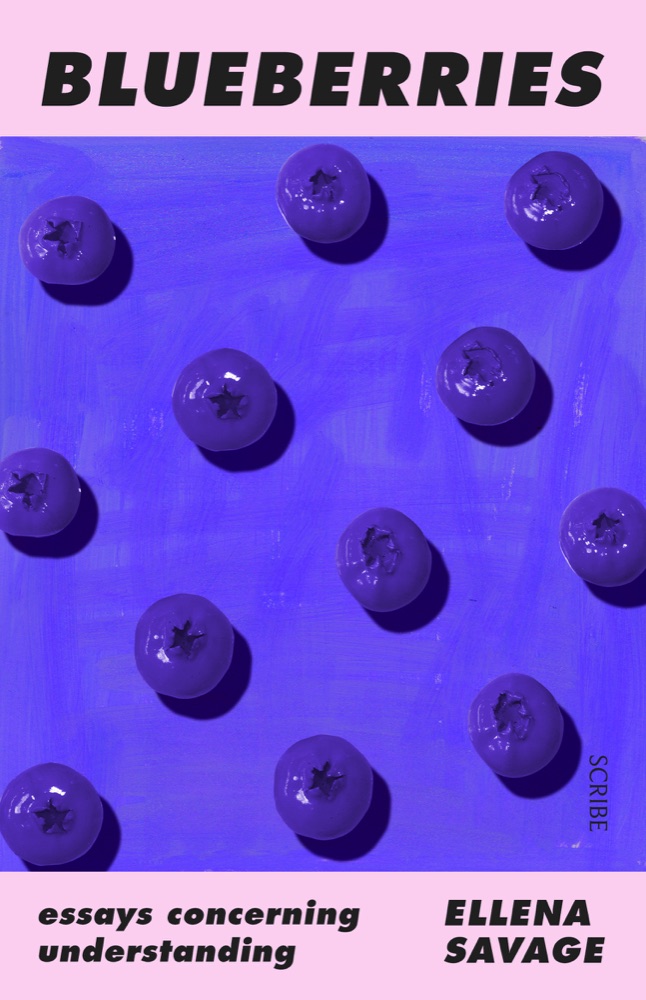 Blueberries: Essays Concerning Understanding
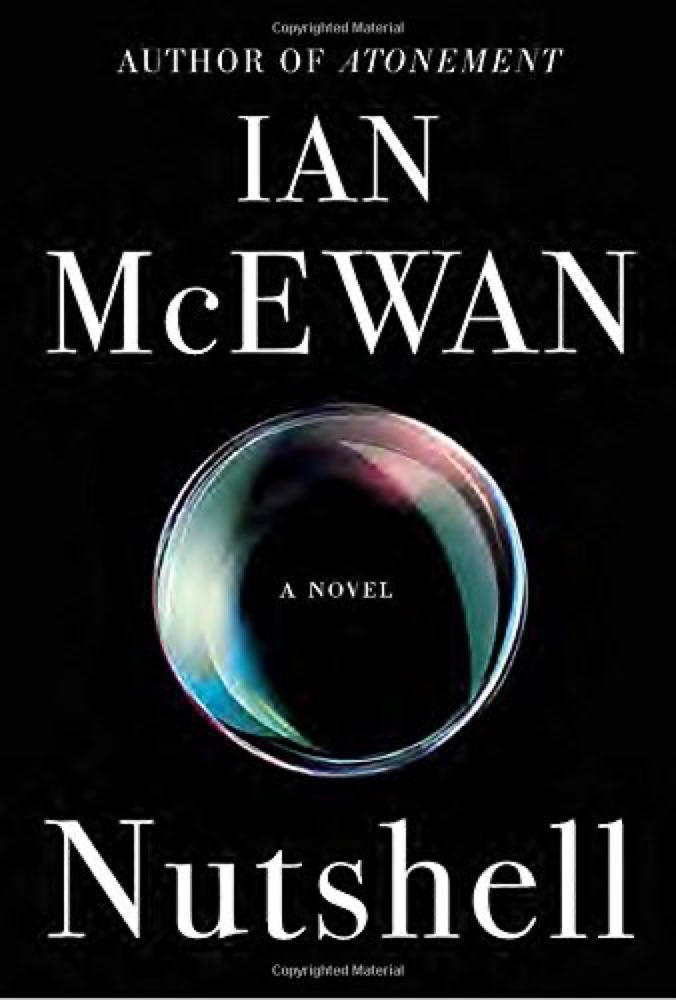 Nutshell
 Flights
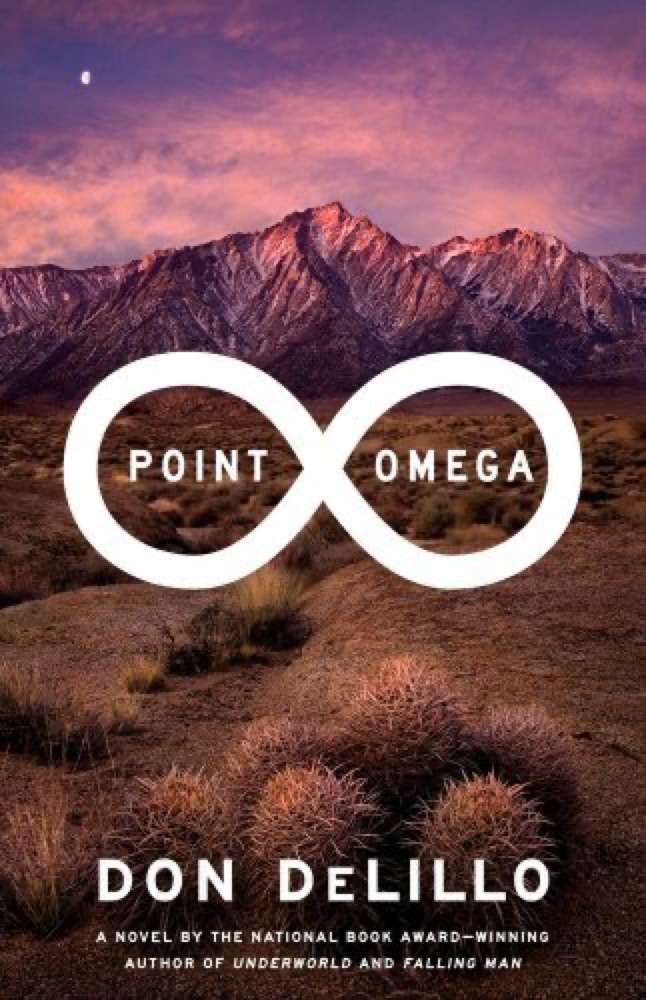 Point Omega
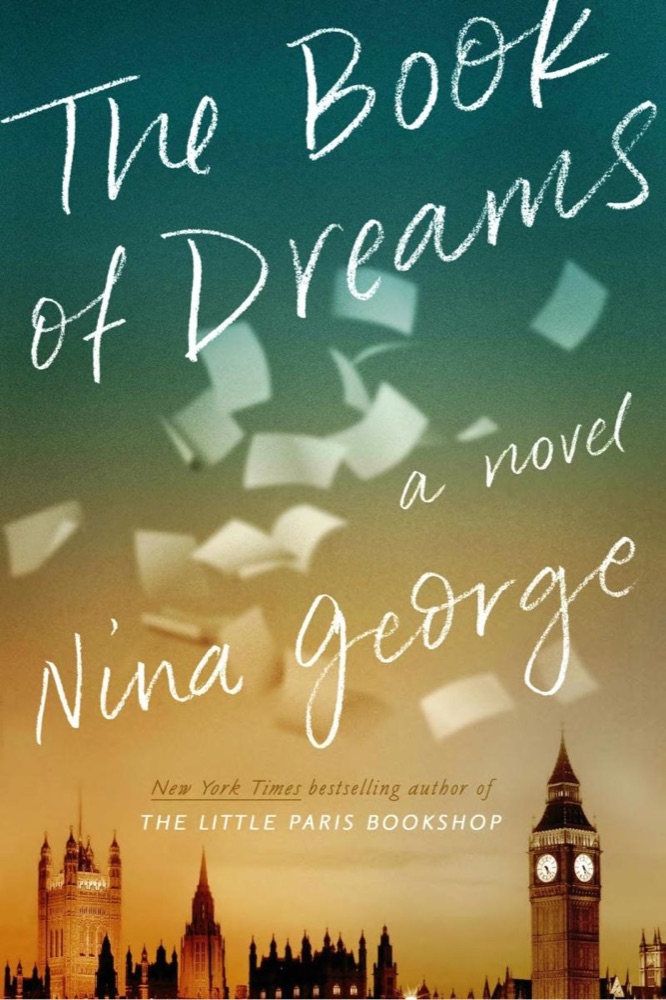 The Book of Dreams
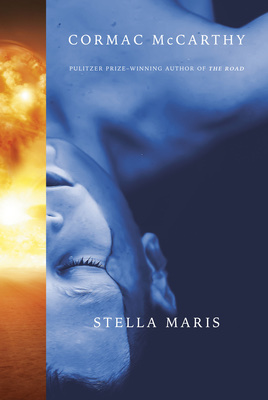 Stella Maris
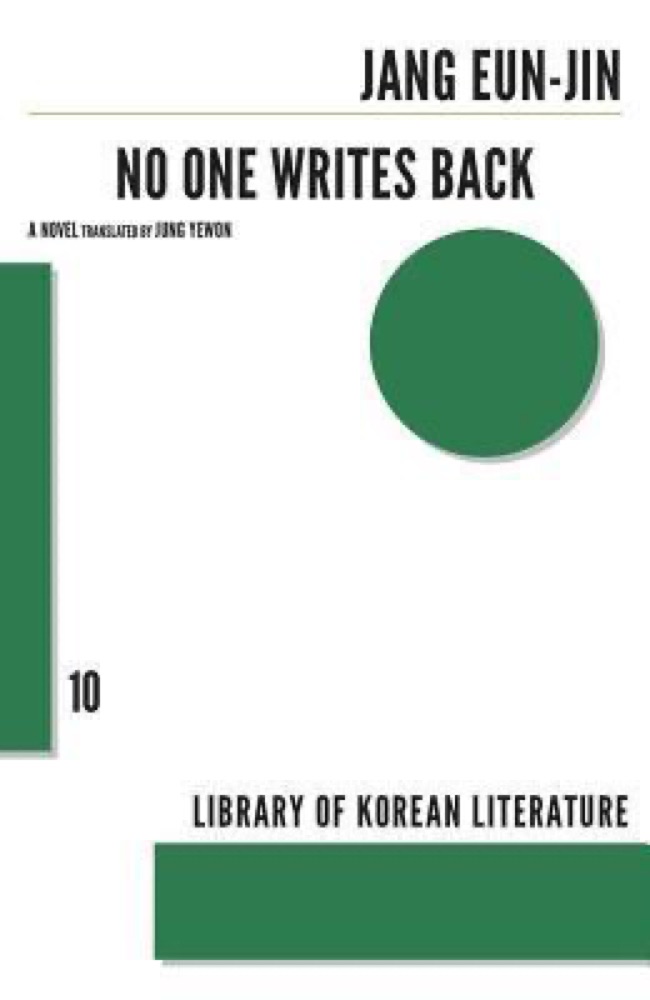 No One Writes Back
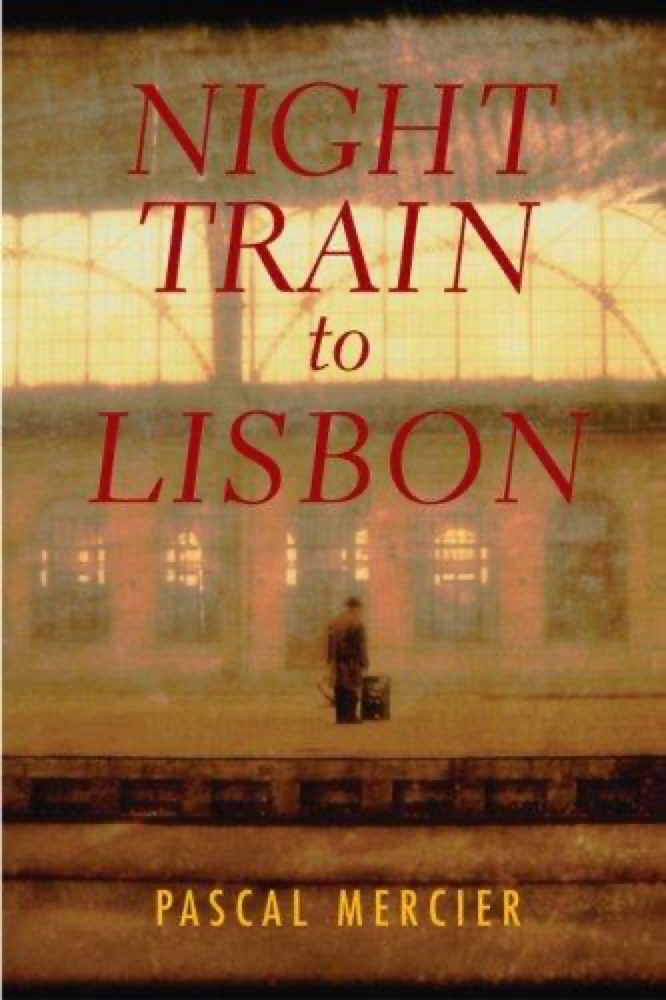 Night Train to Lisbon
 Asymmetry
 Nod
Nod
 Night Side of the River
 In the Dream House
 Imagine Me Gone
 Year of the Monkey
 Speak, Memory
 Drive Your Plow Over the Bones of the Dead
 Enchantment: Awakening Wonder in an Anxious Age
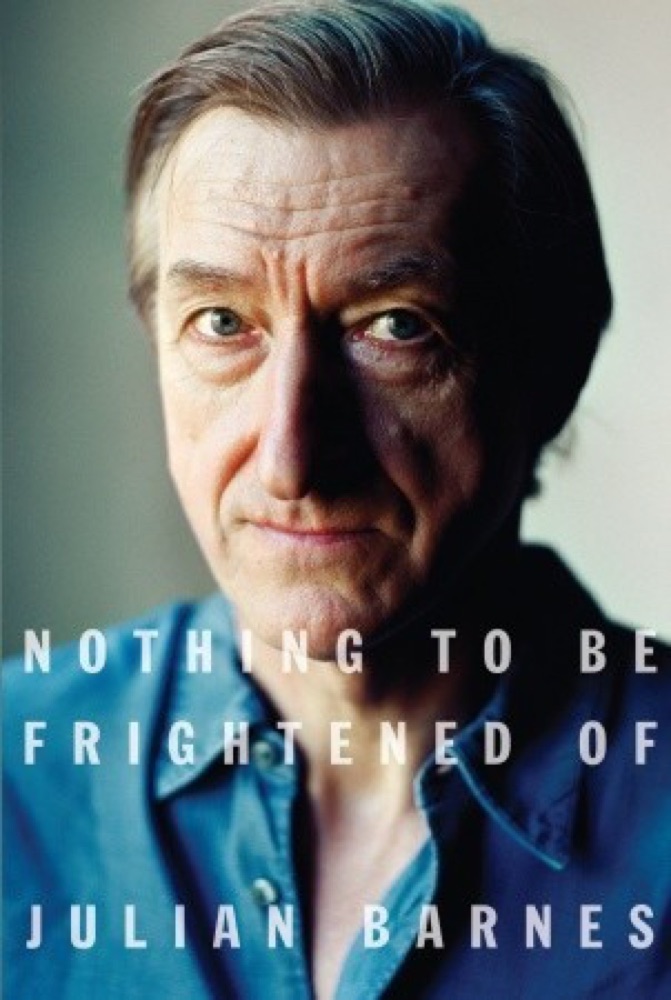 Nothing to Be Frightened Of
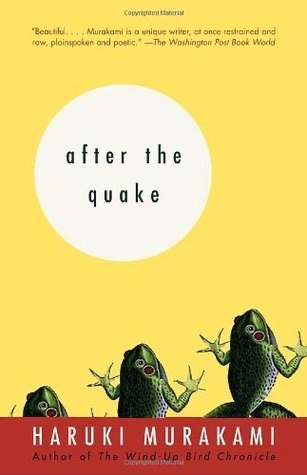 After the Quake
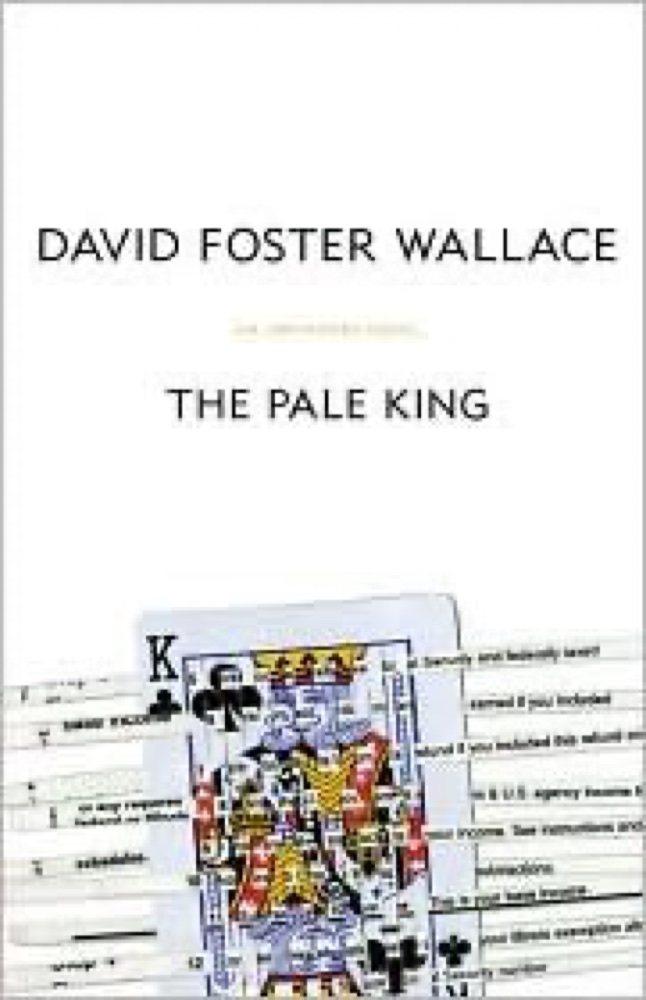 The Pale King
 Smilla's Sense of Snow
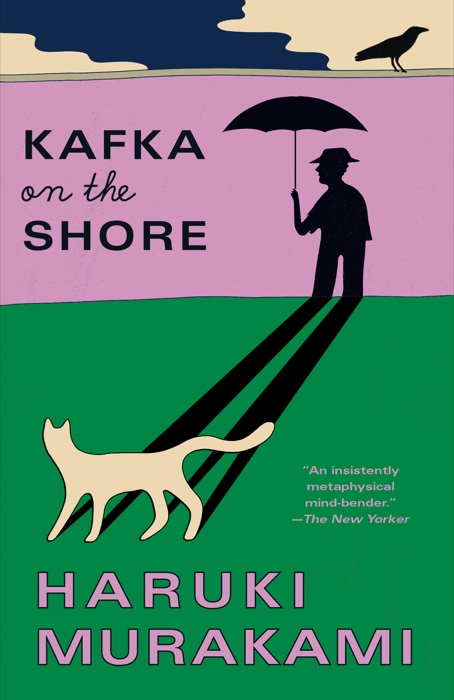 Kafka on the Shore
 The Wind-Up Bird Chronicle
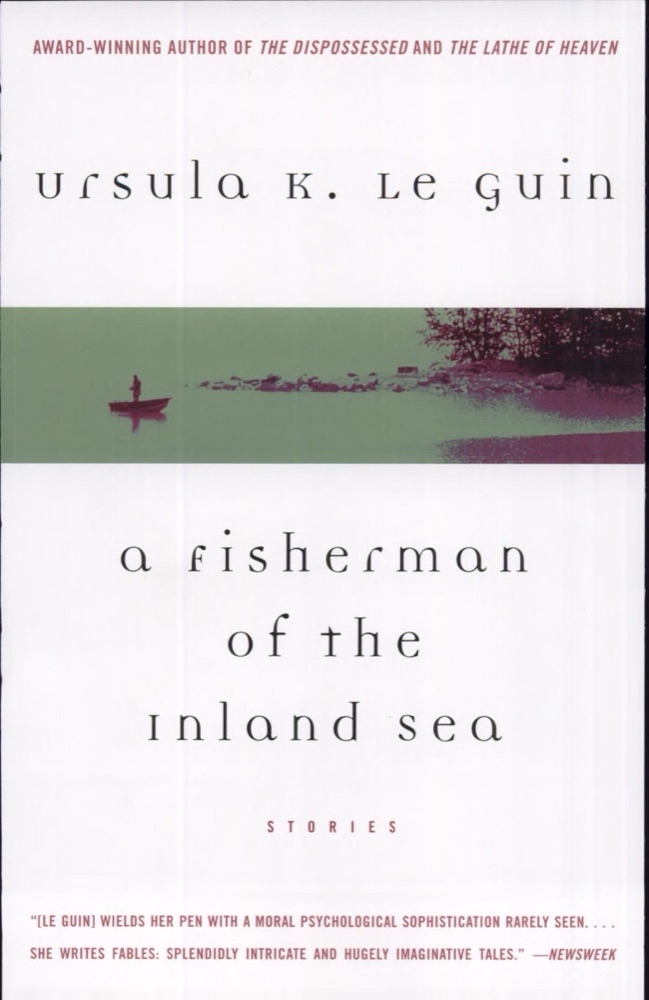 A Fisherman of the Inland Sea
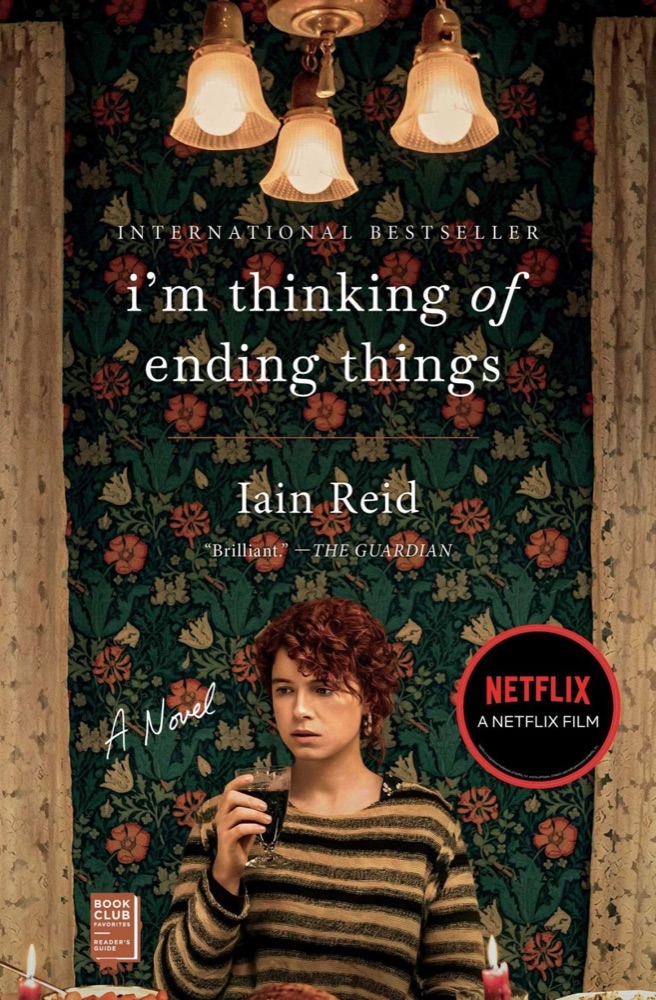 I'm Thinking of Ending Things
 How to Write an Autobiographical Novel
 The Blind Assassin
 Smoke and Mirrors: Short Fiction and Illusions
 The Year of Magical Thinking
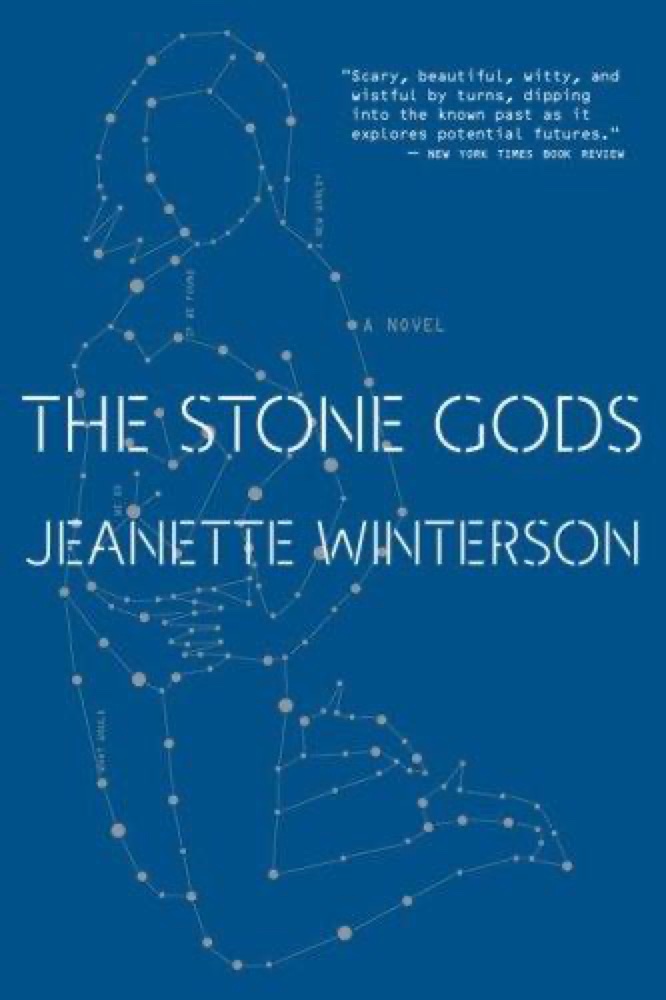 The Stone Gods
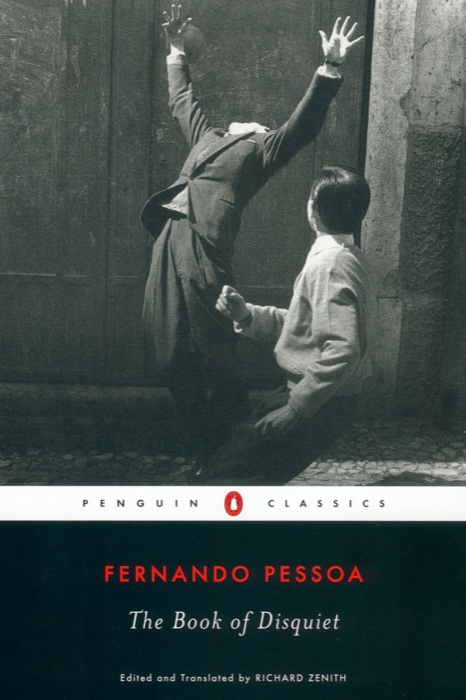 The Book of Disquiet
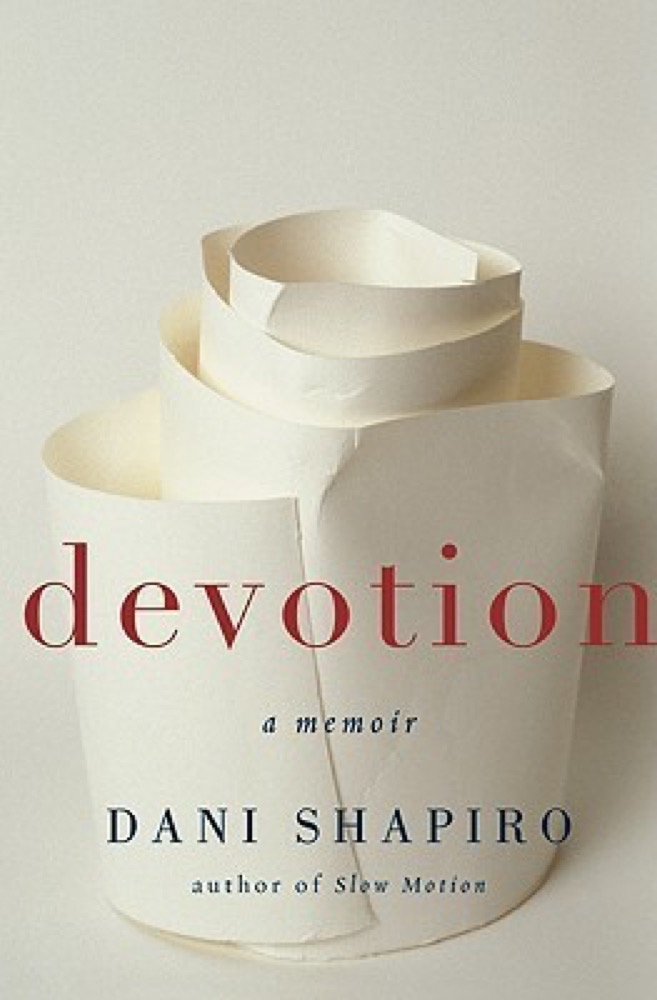 Devotion
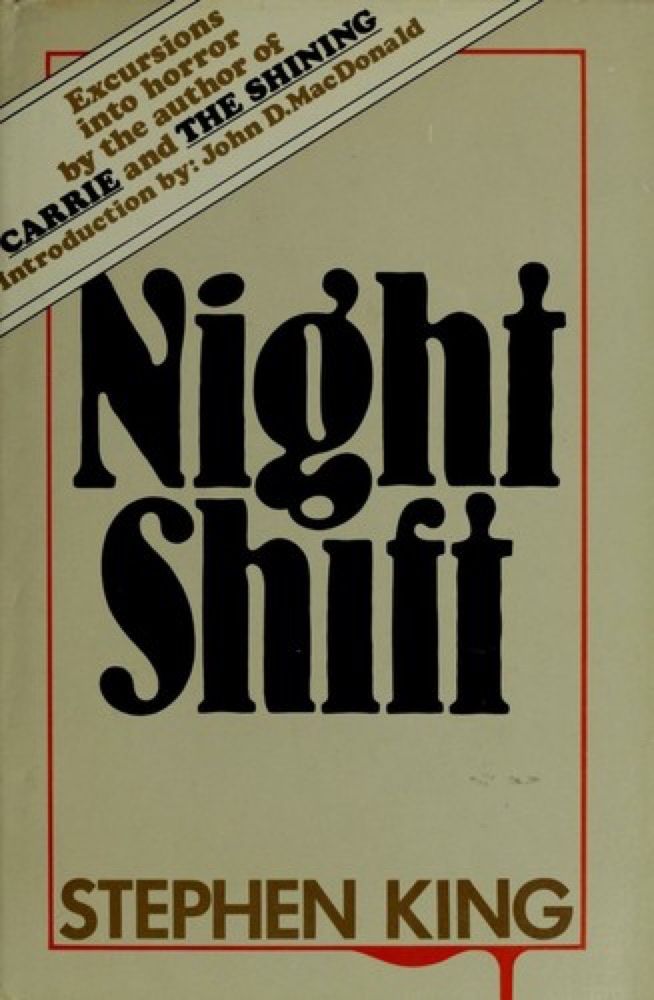 Night Shift
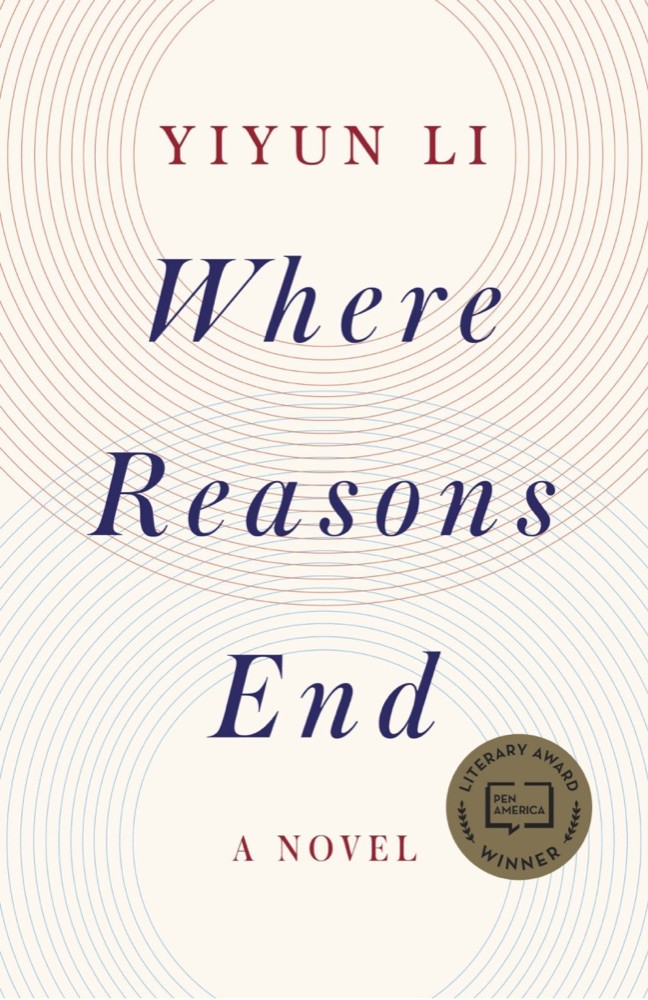 Where Reasons End
 Plainwater: Essays and Poetry
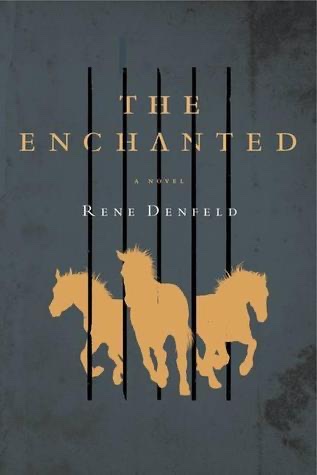 The Enchanted
 Anthropology of an American Girl
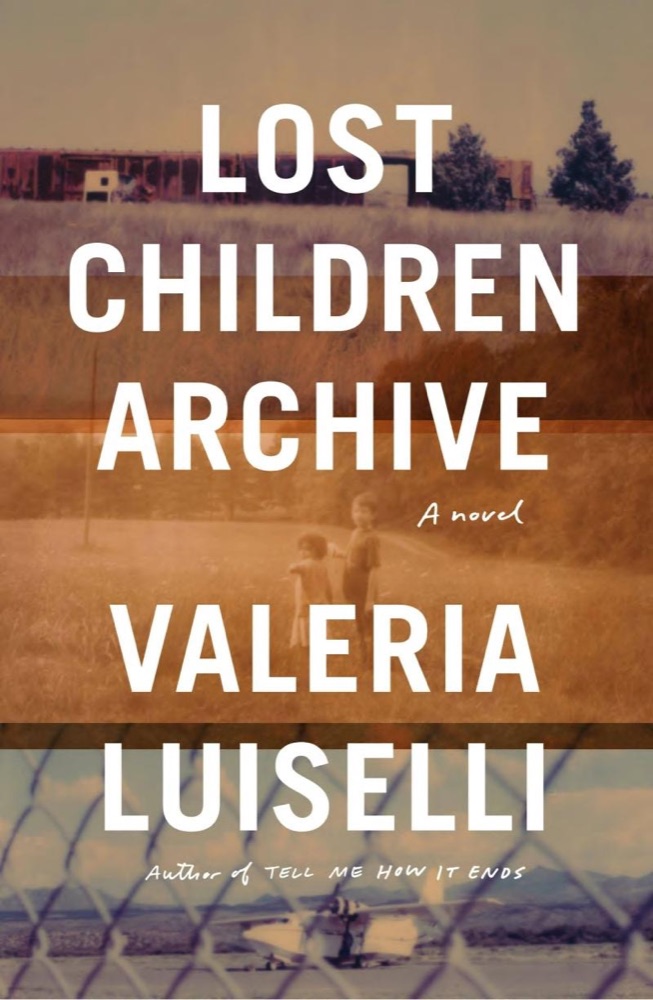 Lost Children Archive
 And Then I Woke Up
 Under the Net
 The End of the World Running Club
 The Dream of Perpetual Motion
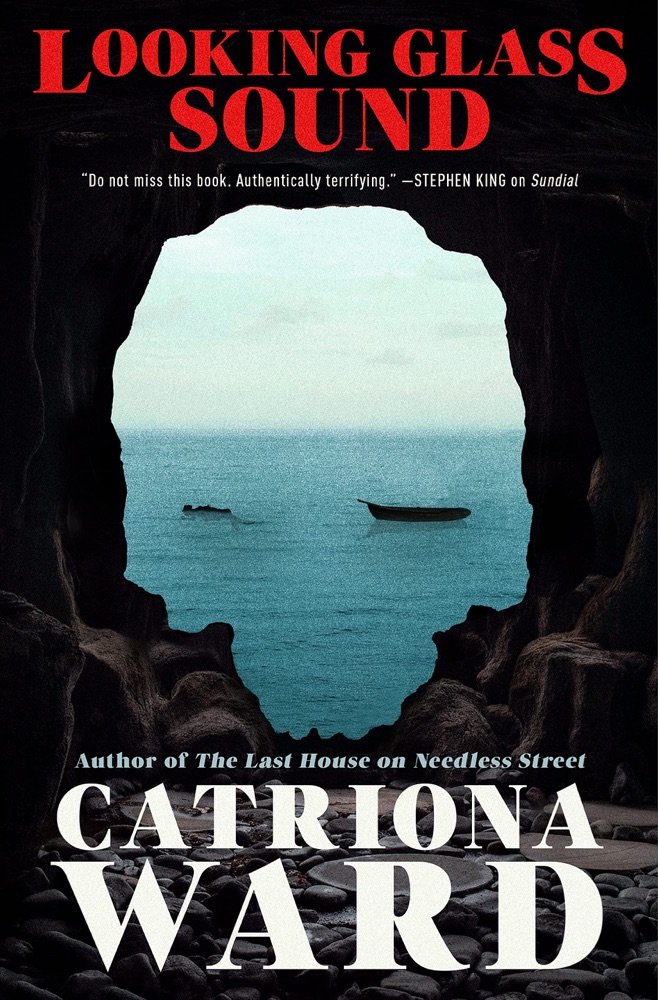 Looking Glass Sound
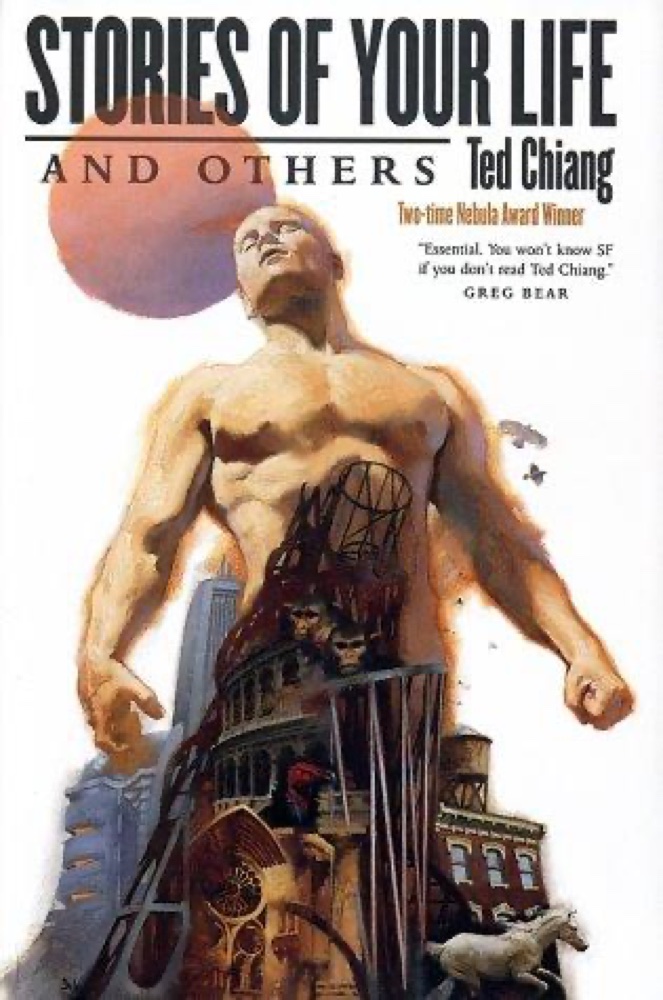 Stories of Your Life and Others
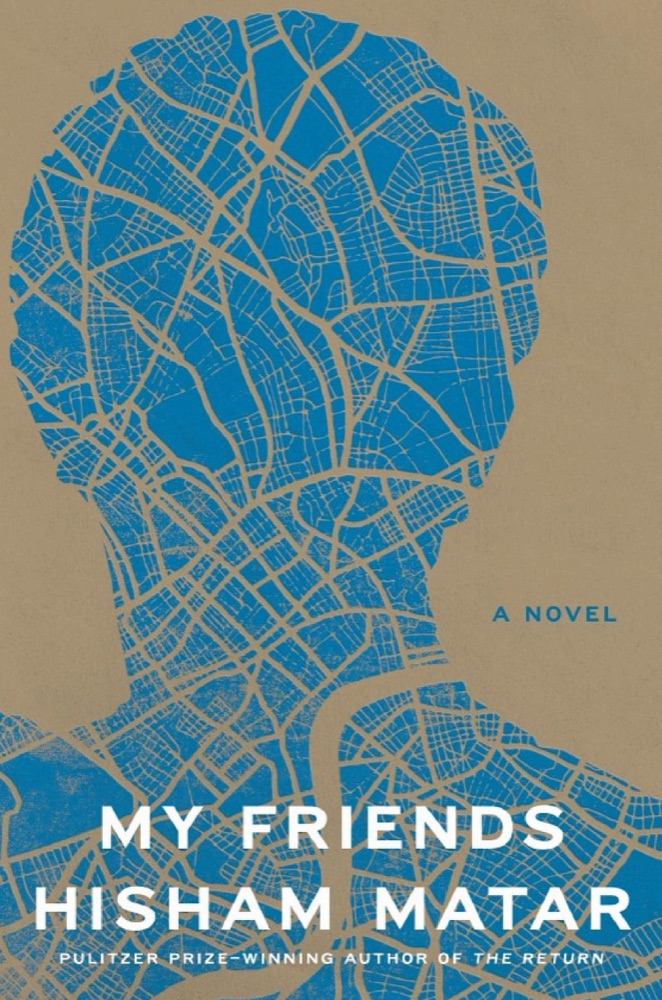 My Friends
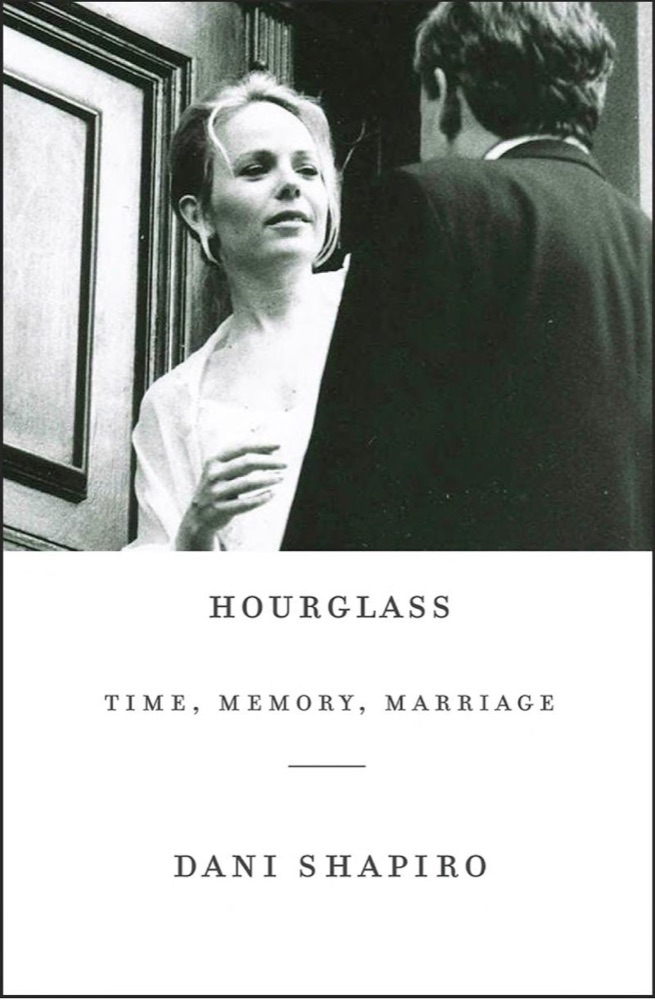 Hourglass: Time, Memory, Marriage
 The Secret History
 The End of Mr. Y
 The Faraway Nearby
 Songs of a Dead Dreamer
 Why Be Happy When You Could Be Normal?
 As I Lay Dying
 Slade House
 The Raw Shark Texts
 The Nobodies Album
 A Tale for the Time Being
 The Collected Stories of Lydia Davis