
 Why Zebras Don't Get Ulcers
Quotes from the Book
Yes: we have arrived at our common thread, the underpinning factor that lets us answer our tangled questions about causes and treatments, symptoms and overlaps. Mental disorders—all of them—are metabolic disorders of the brain.
5
When a flower doesn’t bloom, you fix the environment in which it grows, not the flower. -Alexander den Heijer
4
Do human cells have “drivers” making the cells stop and go? It turns out that they do. The drivers of human cells, and human metabolism, are called mitochondria. And they are the common pathway to mental and metabolic disorders
3
shocking conclusion. It suggested that there appears to be one common pathway to all mental illnesses. Caspi and Moffitt called it the p-factor, in which the p stands for general psychopathology. They argued that this factor appears to predict a person’s liability to develop a mental disorder, to have more than one disorder, to have a chronic disorder, and it can even predict the severity of symptoms. This p-factor is common to hundreds of different psychiatric symptoms and every psychiatric diagnosis. Subsequent research using different sets of people and different methods confirmed the existence of this p-factor.25 However, this research was not designed to tell us what the p-factor is. It only suggests that it exists—that there is an unidentified variable that plays a role in all mental disorders.
3
Still others argue that the attention span of the American population has decreased across the board, likely due to increased time spent in front of screens, and this is being mistaken for ADHD.
2
Reduced levels of ATP have been found in a wide variety of disorders, including schizophrenia, bipolar disorder, major depression, alcoholism, PTSD, autism, OCD, Alzheimer’s disease, epilepsy, cardiovascular disease, type 2 diabetes, and obesity.
2
When stressful life events occur, people will experience a stress response. This is normal and expected. But when the threatening situation is no longer a danger, reducing the stress response can have powerful, beneficial effects. Stress-reduction practices have been used for millennia. Some of these are not usually thought of as “stress-reduction techniques,” but instead as longstanding religious practices, such as meditation, praying, and chanting. Additional practices include yoga, Pilates, tai chi, qigong, mindfulness, and breathing techniques. Many of these interventions have been shown to
1
mitochondria are directly involved in making some of the hormones, such as cortisol, estrogen, and testosterone, so if they are dysfunctional or dysregulated, these hormone levels may be dysregulated, too.
1
The specific psychiatric disorders in which mitochrondrial dysfunction has been identified include the following: schizophrenia, schizoaffective disorder, bipolar disorder, major depression, autism, anxiety disorders, obsessive-compulsive disorder, posttraumatic stress disorder, attention deficit/hyperactivity disorder, anorexia nervosa, alcohol use disorder (aka alcoholism), marijuana use disorder, opioid use disorder, and borderline personality disorder. Dementia and delirium, often thought of an neurological illnesses, also included.
1
In 2005, Dr. Ronald Kessler and colleagues reported the results of the US National Comorbidity Survey Replication, a household survey that included a diagnostic interview of more than nine thousand representative people across the United States.16 Overall, 26 percent of people surveyed met criteria for a mental disorder in the last twelve months—that’s one in four Americans! Of those disorders, 22 percent were serious, 37 percent were moderate, and 40 percent were mild. Anxiety disorders were most common, followed by mood disorders, then impulse control disorders, which include diagnoses like ADHD. Of note, 55 percent of people had only one diagnosis, 22 percent had two diagnoses, and the rest had three or more psychiatric diagnoses. That means almost half the people met criteria for more than one disorder.
1
In some cases, structural defects in cells can lead to a positive feedback cycle that affects metablolism and can make it harder for cells to work. One specific example is myelin, which is an utter protective coating for neurons made by support cells called oligodendrocytes. Myelin makes it easier for neurons to send electrical signals
Additional practices include yoga, Pilates, tai chi, qigong, mindfulness, and breathing techniques. Many of these interventions have been shown to
Stress Reduction Reducing stress is an important part of treatment. In addition to all the ways that psychotherapy and talking with other people can help reduce stress, there are two ways that people can do this on their own: (1) reduce or eliminate stressful environmental factors or
The easiest way to manage stress is to reduce or eliminate stressors when possible. For some, this is a realistic goal. A highly demanding work or school environment that is overwhelmingly stressful can be managed. The employee can find a new job, or the student and parents can reduce course load, seek academic accommodations for a disability, or change schools to find a better fit. Creating a life that is manageable, pleasurable, and rewarding is something we should all strive to do.
If you are using any of these heavily, it could be an important contributing cause to any metabolic or mental symptoms you are having. You will likely need to address this before trying other interventions. If you have trouble doing this on your own, consider seeking professional help.
Depression in children, adolescents, and young adults is increasing as well. From 2006 to 2917, rates of depression the US increased by 68 percent in children ages twelve to seventeen. In people ages eighteen to twenty-five, there was an increase of 49 percent. For adults over the age of twenty-five, the rate of depression supposedly stayed stable.
Watch on YouTube
About Christopher M. Palmer
We have collected 16 quotes from 1 book by Christopher M. Palmer on BookQuoters.
More about the author →About the book
This is the book that will forever change the way we understand and treat mental health.
If you or someone you love is affected by mental illness, it might change your life.
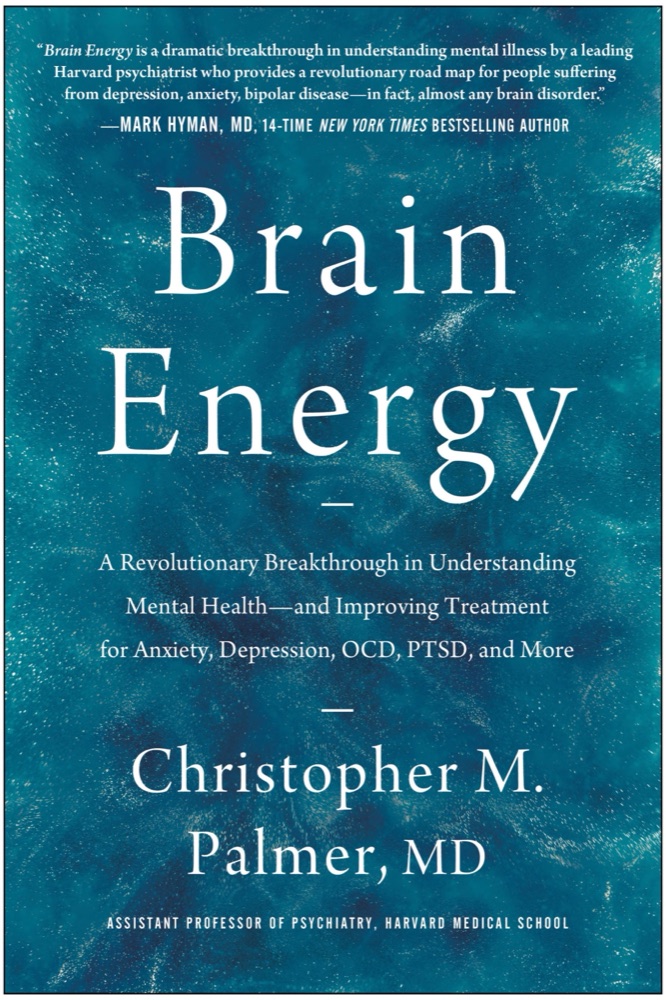
We are in the midst of a global mental health crisis, and mental illnesses are on the rise. But what causes mental illness? And why are mental health problems so hard to treat? Drawing on decades of research, Harvard psychiatrist Dr. Chris Palmer outlines a revolutionary new understanding that for the first time unites our existing knowledge about mental illness within a single framework: Mental disorders are metabolic disorders of the brain.
Brain Energy explains this new understanding of mental illness in detail, from symptoms and risk factors to what is happening in brain cells. Palmer also sheds light on the new treatment pathways this theory opens up—which apply to all mental disorders, including anxi
Book details
- First published
- 2022
- Author
- Christopher M. Palmer
- Genre
- Nonfiction
- Goodreads rating
- 4.12 (4k ratings)
Keep reading
Why Zebras Don't Get Ulcers
 Good Reasons for Bad Feelings: Insights from the Frontier of Evolutionary Psychiatry
 The Upward Spiral: Using Neuroscience to Reverse the Course of Depression, One Small Change at a Time
 Successful Aging: A Neuroscientist Explores the Power and Potential of Our Lives
 When the Body Says No: The Cost of Hidden Stress
 Why We Get Sick: The New Science of Darwinian Medicine
 A User's Guide to the Brain: Perception, Attention, and the Four Theaters of the Brain
 Behave: The Biology of Humans at Our Best and Worst
 Outlive: The Science & Art of Longevity
 Healing Back Pain: The Mind-Body Connection
 My Age of Anxiety: Fear, Hope, Dread, and the Search for Peace of Mind
 The Brain That Changes Itself: Stories of Personal Triumph from the Frontiers of Brain Science
 Spark: The Revolutionary New Science of Exercise and the Brain
 Scarcity Brain: Fix Your Craving Mindset and Rewire Your Habits to Thrive with Enough
 Scattered Minds: The Origins and Healing of Attention Deficit Disorder
 Dopamine Nation: Finding Balance in the Age of Indulgence
 The Sleeping Beauties: And Other Stories of Mystery Illness
 Why Has Nobody Told Me This Before?
 Unfuck Your Brain: Using Science to Get Over Anxiety, Depression, Anger, Freak-Outs, and Triggers
 Lost Connections: Uncovering the Real Causes of Depression - and the Unexpected Solutions
 The Boy Who Was Raised as a Dog: And Other Stories from a Child Psychiatrist's Notebook
 Gut: The Inside Story of Our Body's Most Underrated Organ
 Natural Causes: An Epidemic of Wellness, the Certainty of Dying, and Killing Ourselves to Live Longer
 What Happened To You?: Conversations on Trauma, Resilience, and Healing
 What Doesn't Kill Us: How Freezing Water, Extreme Altitude, and Environmental Conditioning Will Renew Our Lost Evolutionary Strength
 The Anxious Generation: How the Great Rewiring of Childhood Caused an Epidemic of Mental Illness
 Delivered from Distraction: Getting the Most out of Life with Attention Deficit Disorder
 Good Morning, Monster: A Therapist Shares Five Heroic Stories of Emotional Recovery
 No One Cares About Crazy People: The Chaos and Heartbreak of Mental Health in America
 Monkey Mind: A Memoir of Anxiety
 Evolve Your Brain: The Science of Changing Your Mind
 Burnout: The Secret to Unlocking the Stress Cycle
 A First-Rate Madness: Uncovering the Links Between Leadership and Mental Illness
 The Story of the Human Body: Evolution, Health, and Disease
 It Starts with Food: Discover the Whole30 and Change Your Life in Unexpected Ways
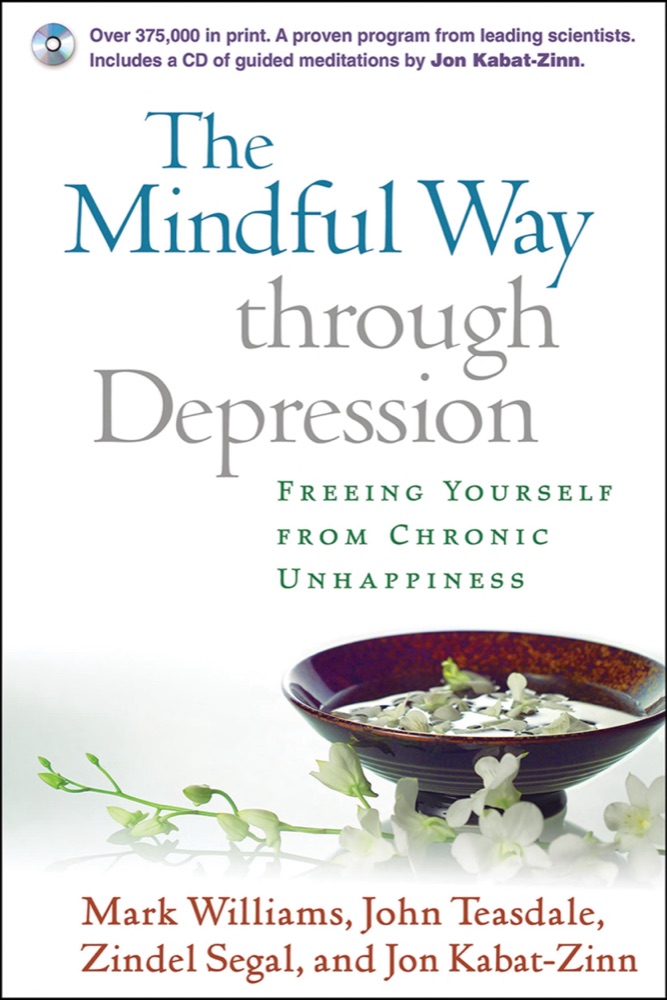 The Mindful Way through Depression: Freeing Yourself from Chronic Unhappiness
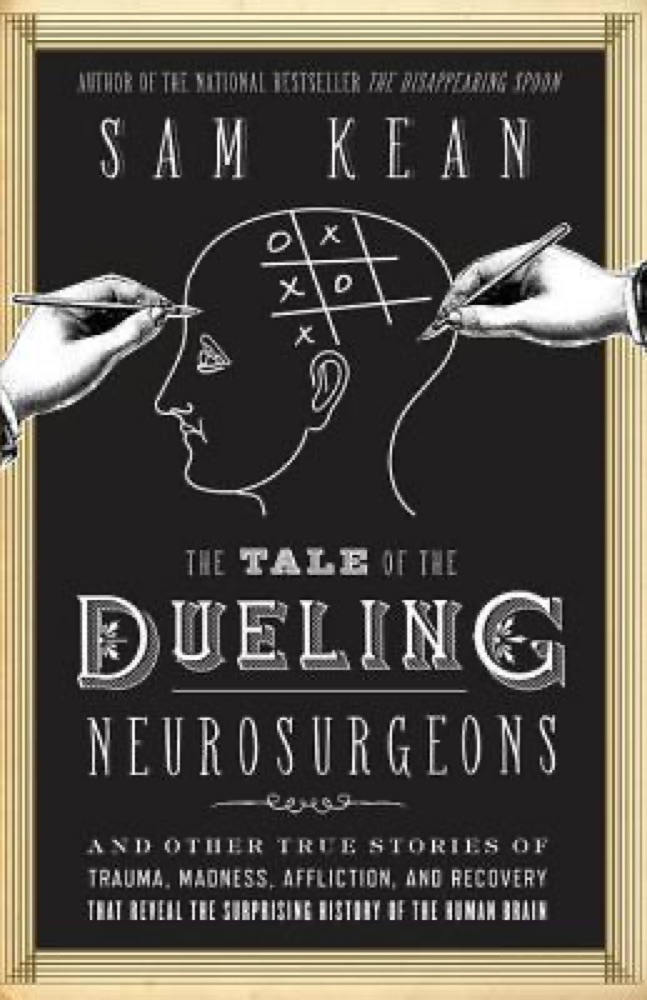 The Tale of the Dueling Neurosurgeons: The History of the Human Brain as Revealed by True Stories of Trauma, Madness, and Recovery
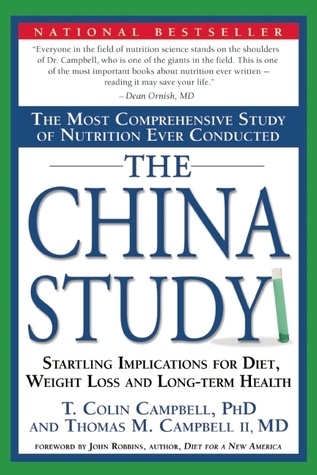 The China Study: The Most Comprehensive Study of Nutrition Ever Conducted and the Startling Implications for Diet, Weight Loss, and Long-term Health
 First, We Make the Beast Beautiful: A New Story About Anxiety
 Life Reimagined: The Science, Art, and Opportunity of Midlife
 A General Theory of Love
 The Center Cannot Hold: My Journey Through Madness
 Rewire Your Brain: Think Your Way to a Better Life
 Social Intelligence: The New Science of Human Relationships
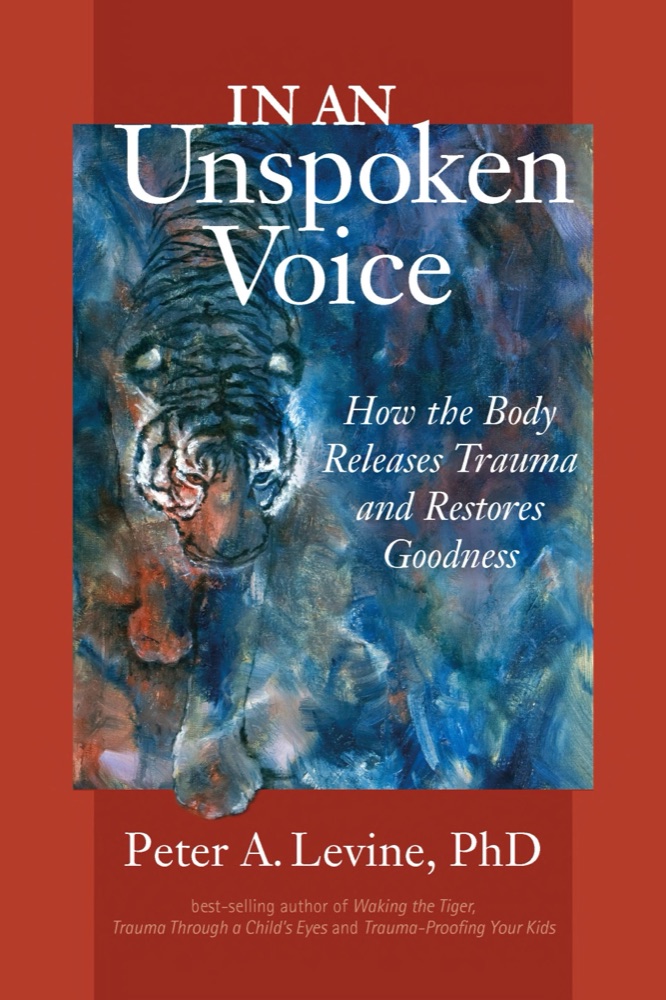 In an Unspoken Voice: How the Body Releases Trauma and Restores Goodness
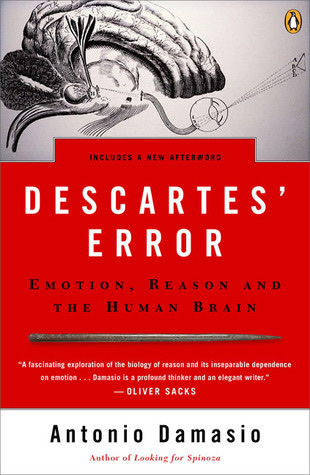 Descartes' Error: Emotion, Reason and the Human Brain
 Hashimoto's Protocol: A 90-Day Plan for Reversing Thyroid Symptoms and Getting Your Life Back
 In the Realm of Hungry Ghosts: Close Encounters with Addiction
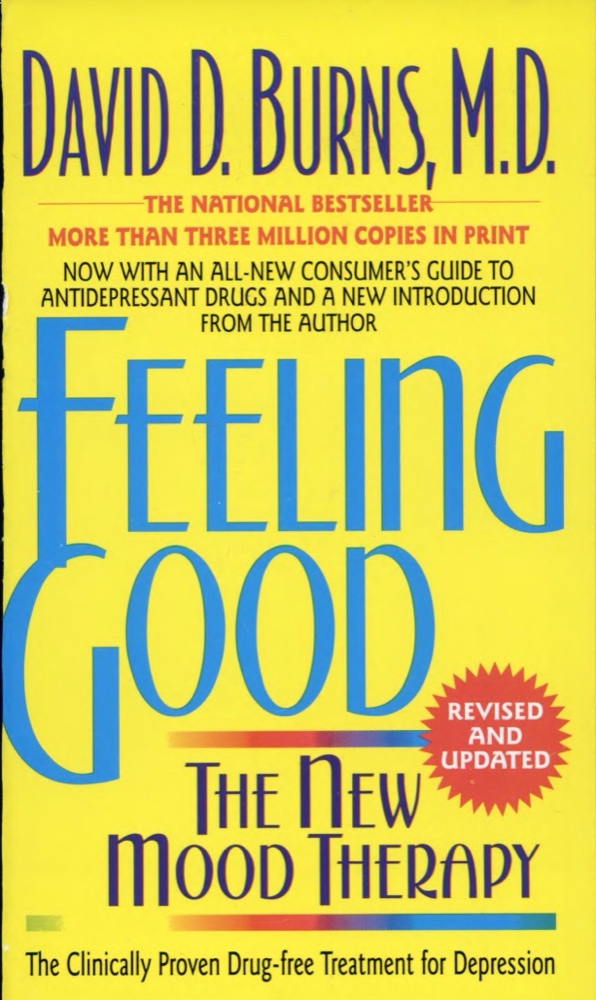 Feeling Good: The New Mood Therapy
 Good Calories, Bad Calories
 The Willpower Instinct: How Self-Control Works, Why It Matters, and What You Can Do to Get More of It
 The Unexpected Joy of Being Sober
 My Stroke of Insight: A Brain Scientist's Personal Journey
 Peak Performance: Elevate Your Game, Avoid Burnout, and Thrive with the New Science of Success
 The Organized Mind: Thinking Straight in the Age of Information Overload
 The Hilarious World of Depression
 Whole: Rethinking the Science of Nutrition
 Letting Go: The Pathway To Surrender
 The Invisible Kingdom: Reimagining Chronic Illness