
 A User's Guide to the Brain: Perception, Attention, and the Four Theaters of the Brain
Quotes from the Book
In order for man to succeed in life, God provided him with two means, education and physical activity. Not separately, one for the soul and the other for the body, but for the two together. With these two means, man can attain perfection. —Plato
26
At every level, from the microcellular to the psychological, exercise not only wards off the ill effects of chronic stress; it can also reverse them. Studies show that if researchers exercise rats that have been chronically stressed, that activity makes the hippocampus grow back to its preshriveled state. The mechanisms by which exercise changes how we think and feel are so much more effective than donuts, medicines, and wine. When you say you feel less stressed out after you go for a swim, or even a fast walk, you are.
20
exercise is as effective as certain medications for treating anxiety and depression.
11
What it means is that you have the power to change your brain. All you have to do is lace up your running shoes.
10
What makes aerobic exercise so powerful is that it’s our evolutionary method of generating that spark. It lights a fire on every level of your brain, from stoking up the neurons’ metabolic furnaces to forging the very structures that transmit information from one synapse to the next.
9
It turns out that moving our muscles produces proteins that travel through the bloodstream and into the brain, where they play pivotal roles in the mechanisms of our highest thought processes.
9
Exercise Is Medicine,” so
8
A little is good, and more is better.” The best, however, based on everything I’ve read and seen, would be to do some form of aerobic activity six days a week, for forty-five minutes to an hour. Four of those days should be on the longer side, at moderate intensity, and two on the shorter side, at high intensity.
8
Today, of course, there’s no need to forage and hunt to survive. Yet our genes are coded for this activity, and our brains are meant to direct it. Take that activity away, and you’re disrupting a delicate biological balance that has been fine-tuned over half a million years. Quite simply, we need to engage our endurance metabolism to keep our bodies and brains in optimum condition. The ancient rhythms of activity ingrained in our DNA translate roughly to the varied intensity of walking, jogging, running, and sprinting. In broad strokes, then, I think the best advice is to follow our ancestors’ routine: walk or jog every day, run a couple of times a week, and then go for the kill every now and then by sprinting.
8
Getting older is unavoidable, but falling apart is not.
8
Just as anxiety can feed on itself, so can courage.
7
about the biology of stress and recovery, stress seems to have an effect on the brain similar to that of vaccines on the immune system. In limited doses, it causes brain cells to overcompensate and thus gird themselves against future demands. Neuroscientists call this phenomenon stress inoculation.
6
One of the prominent features of exercise, which is sometimes not appreciated in studies, is an improvement in the rate of learning,
6
Cognitive flexibility is an important executive function that reflects our ability to shift thinking and to produce a steady flow of creative thoughts and answers as opposed to a regurgitation of the usual responses. The trait correlates with high-performance levels in intellectually demanding jobs. So if you have an important afternoon brainstorming session scheduled, going for a short, intense run during lunchtime is a smart idea.
6
By showing that exercise sparks the master molecule of the learning process, Cotman nailed down a direct biological connection between movement and cognitive function.
5
From an evolutionary perspective, exercise tricks the brain into trying to maintain itself for survival despite the hormonal cues that it is aging.
5
like every other aspect of our psychology, motivation is biological.
5
In the context of stress, the great paradox of the modern age may be that there is not more hardship, just more news—and too much of it. The 24/7 streaming torrent of tragedy and demands flashing at us from an array of digital displays keeps the amygdala flying.
5
physical activity counts as novel experience, at least as far as the brain is concerned.
5
It’s about growth versus decay, activity versus inactivity. The body was designed to be pushed, and in pushing our bodies we push our brains too. Learning and memory evolved in concert with the motor functions that allowed our ancestors to track down food, so as far as our brains are concerned, if we’re not moving, there’s no real need to learn anything.
4
the message I want to leave you with is that even as your body changes, exercise will keep your mind firm and taught.
4
we sometimes lose sight of the fact that the mind, brain, and body all influence one another. In addition to feeling good when you exercise, you feel good about yourself,
4
Exercise is another tool at your disposal, and it’s handy because it’s something you can prescribe for yourself,
4
Chronic stress is linked to some of our most deadly diseases.
4
The way you choose to cope with stress can change not only how you feel, but also how it transforms the brain. If you react passively or if there is simply no way out, stress can become damaging.
4
if you have an important afternoon brainstorming session scheduled, going for a short, intense run during lunchtime is a smart idea.
4
If everyone knew that exercise worked as well as Zoloft, I think we could put a real dent in the disease. Reading
4
The best, however, based on everything I’ve read and seen, would be to do some form of aerobic activity six days a week, for forty-five minutes to an hour. Four of those days should be on the longer side, at moderate intensity, and two on the shorter side, at high
3
An imbalance of these neurotransmitters is why some people with attention-deficit/hyperactivity disorder (ADHD) come across as stress junkies. They have to get stressed to focus. It’s one of the primary factors in procrastination. People learn to wait until the Sword of Damocles is ready to fall—it’s only then, when stress unleashes norepinephrine and dopamine, that they can sit down and do the work.
3
addition to priming our state of mind, exercise influences learning directly, at the cellular level, improving the brain’s potential to log in and process new information.
3
Watch on YouTube
About John J. Ratey
We have collected 41 quotes from 2 books by John J. Ratey on BookQuoters.
More about the author →More by John J. Ratey
A User's Guide to the Brain: Perception, Attention, and the Four Theaters of the Brain
About the book
A groundbreaking and fascinating investigation into the transformative effects of exercise on the brain, from the bestselling author and renowned psychiatrist John J. Ratey, MD.
Did you know you can beat stress, lift your mood, fight memory loss, sharpen your intellect, and function better than ever simply by elevating your heart rate and breaking a sweat? The evidence is incontrovertible: Aerobic exercise physically remodels our brains for peak performance.
In Spark, John J. Ratey, M.D., embarks upon a fascinating and entertaining journey through the mind-body connection, presenting startling research to prove that exercise is truly our best defense against everything from depression to ADD to addiction to aggression to menopause to Alzheimer's.
Filled with amazing case studies (such as the revolutionary fitness program in Naperville, Illinois, which has put this school distric
Book details
- First published
- 2008
- Author
- John J. Ratey
- Genre
- Nonfiction
- Goodreads rating
- 4.13 (18k ratings)
Keep reading
 Outlive: The Science & Art of Longevity
 Rewire Your Brain: Think Your Way to a Better Life
 Why Zebras Don't Get Ulcers
 The Brain That Changes Itself: Stories of Personal Triumph from the Frontiers of Brain Science
 Successful Aging: A Neuroscientist Explores the Power and Potential of Our Lives
 The Upward Spiral: Using Neuroscience to Reverse the Course of Depression, One Small Change at a Time
 What Doesn't Kill Us: How Freezing Water, Extreme Altitude, and Environmental Conditioning Will Renew Our Lost Evolutionary Strength
 Peak Performance: Elevate Your Game, Avoid Burnout, and Thrive with the New Science of Success
 Behave: The Biology of Humans at Our Best and Worst
 The Willpower Instinct: How Self-Control Works, Why It Matters, and What You Can Do to Get More of It
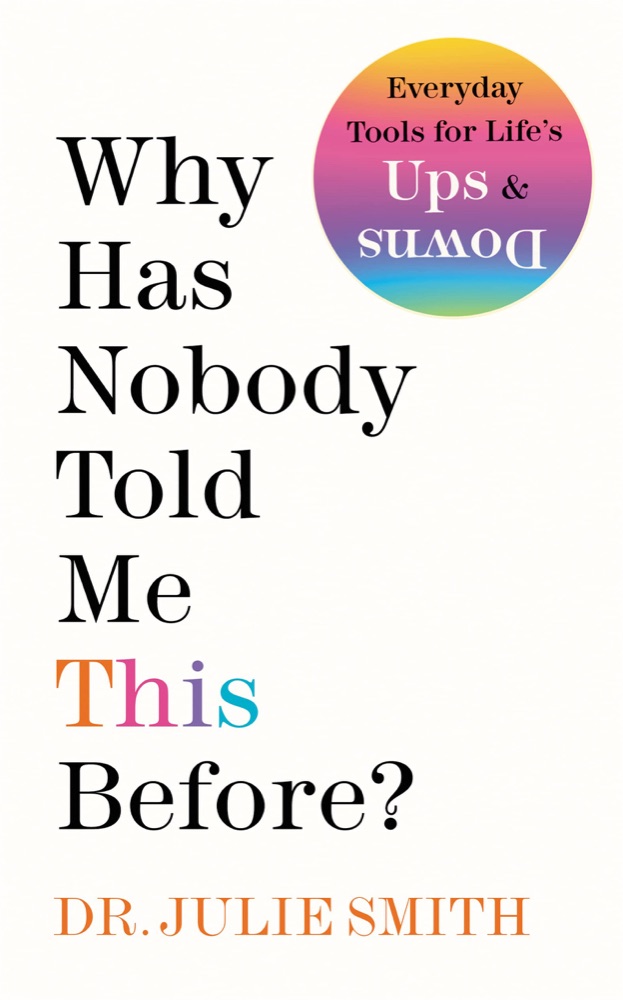 Why Has Nobody Told Me This Before?
A User's Guide to the Brain: Perception, Attention, and the Four Theaters of the Brain
Why Has Nobody Told Me This Before?
A User's Guide to the Brain: Perception, Attention, and the Four Theaters of the Brain
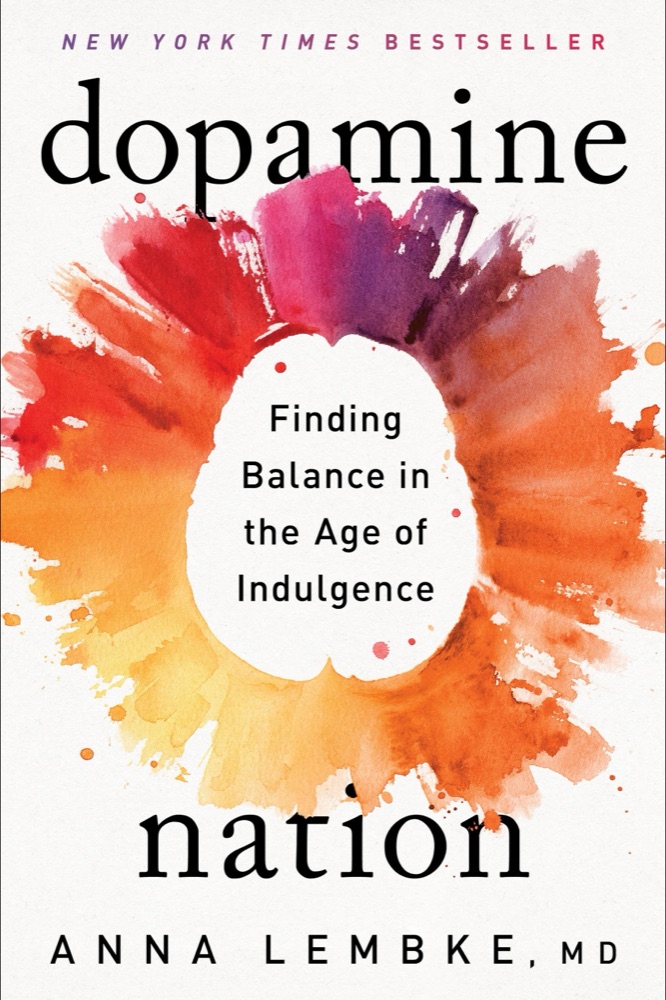 Dopamine Nation: Finding Balance in the Age of Indulgence
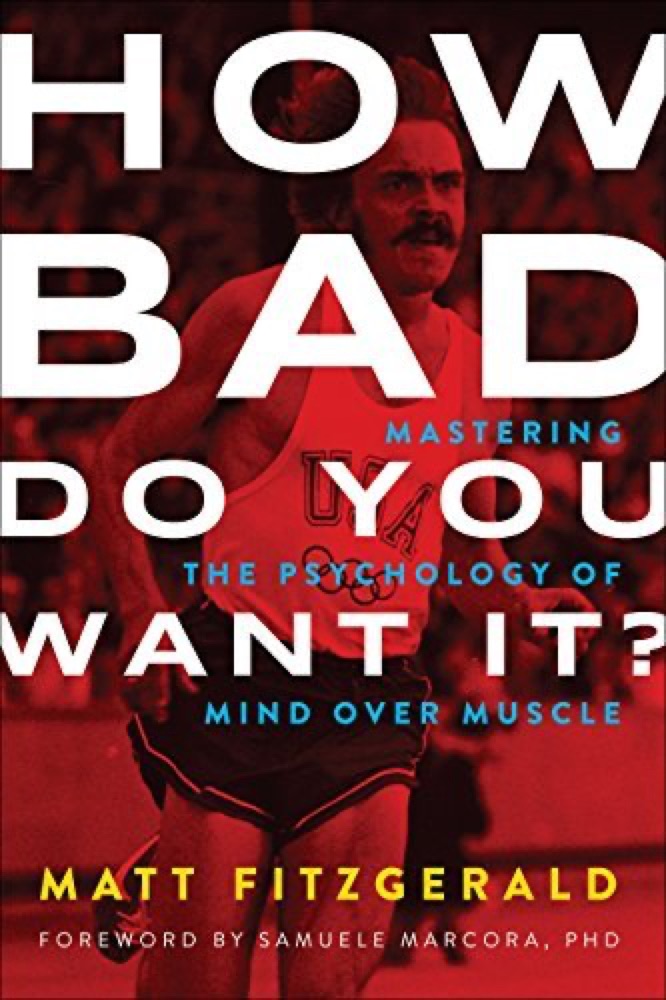 How Bad Do You Want It? Mastering the Psychology of Mind over Muscle
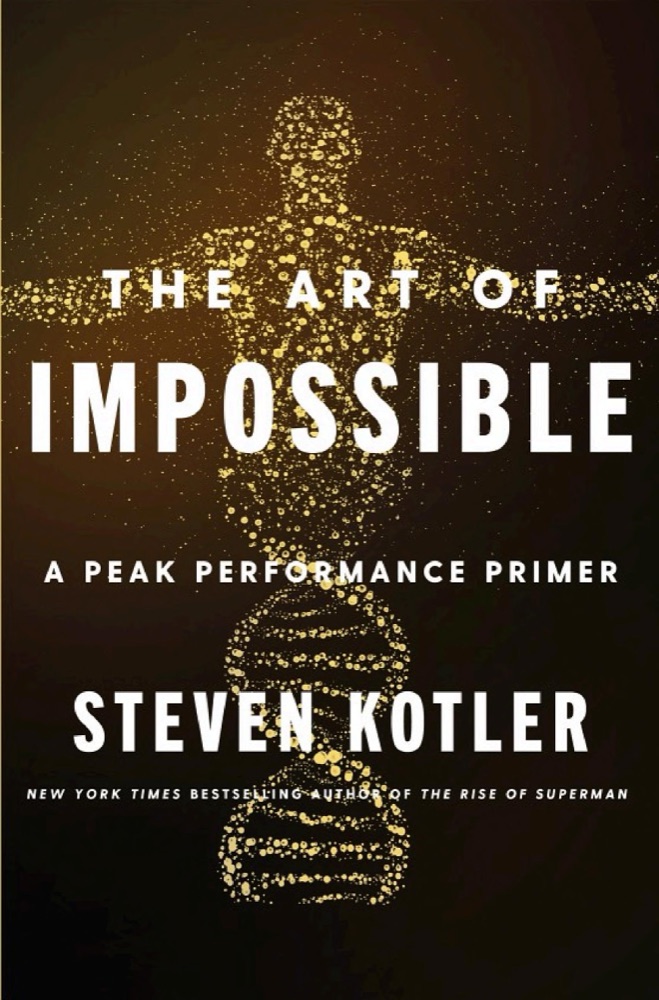 The Art of Impossible: A Peak Performance Primer
 Peak: Secrets from the New Science of Expertise
 Becoming Supernatural: How Common People are Doing the Uncommon
 The Organized Mind: Thinking Straight in the Age of Information Overload
 Evolve Your Brain: The Science of Changing Your Mind
 The 4-Hour Body: An Uncommon Guide to Rapid Fat-Loss, Incredible Sex, and Becoming Superhuman
 The Happiness Advantage: The Seven Principles of Positive Psychology That Fuel Success and Performance at Work
 Flow: The Psychology of Optimal Experience
 Brain Energy: A Revolutionary Breakthrough in Understanding Mental Health—and Improving Treatment for Anxiety, Depression, OCD, PTSD, and More
 Burnout: The Secret to Unlocking the Stress Cycle
 The Rise of Superman: Decoding the Science of Ultimate Human Performance
 Limitless: Upgrade Your Brain, Learn Anything Faster, and Unlock Your Exceptional Life
 Eat & Run: My Unlikely Journey to Ultramarathon Greatness
 It Starts with Food: Discover the Whole30 and Change Your Life in Unexpected Ways
 Meditation for Fidgety Skeptics: A 10% Happier How-To Book
 The Future of the Mind: The Scientific Quest to Understand, Enhance, and Empower the Mind
 You Are the Placebo: Making Your Mind Matter
 Life Reimagined: The Science, Art, and Opportunity of Midlife
 Good Reasons for Bad Feelings: Insights from the Frontier of Evolutionary Psychiatry
 Why We Run: A Natural History
 My Stroke of Insight: A Brain Scientist's Personal Journey
 The Inner Game of Tennis: The Classic Guide to the Mental Side of Peak Performance
 A Mind for Numbers: How to Excel at Math and Science
 Can't Hurt Me: Master Your Mind and Defy the Odds
 Full Catastrophe Living: Using the Wisdom of Your Body and Mind to Face Stress, Pain, and Illness
 Descartes' Error: Emotion, Reason and the Human Brain
 Social Intelligence: The New Science of Human Relationships
 The Mindful Athlete: Secrets to Pure Performance
 Healing Back Pain: The Mind-Body Connection
 Ready for Anything: 52 Productivity Principles for Getting Things Done
 Stolen Focus: Why You Can't Pay Attention— and How to Think Deeply Again
 Learning How to Learn: How to Succeed in School Without Spending All Your Time Studying; A Guide for Kids and Teens
 The Biology of Belief: Unleashing the Power of Consciousness, Matter and Miracles
 Make Time: How to Focus on What Matters Every Day
 Mind Gym: An Athlete's Guide to Inner Excellence
 Hyperfocus: How to Be More Productive in a World of Distraction
 Delivered from Distraction: Getting the Most out of Life with Attention Deficit Disorder
 When the Body Says No: The Cost of Hidden Stress
 First, We Make the Beast Beautiful: A New Story About Anxiety
 Why We Get Sick: The New Science of Darwinian Medicine
 Unfuck Your Brain: Using Science to Get Over Anxiety, Depression, Anger, Freak-Outs, and Triggers
 Natural Causes: An Epidemic of Wellness, the Certainty of Dying, and Killing Ourselves to Live Longer
 The New Psycho-Cybernetics: The Original Science of Self-Improvement and Success That Has Changed the Lives of 30 Million People
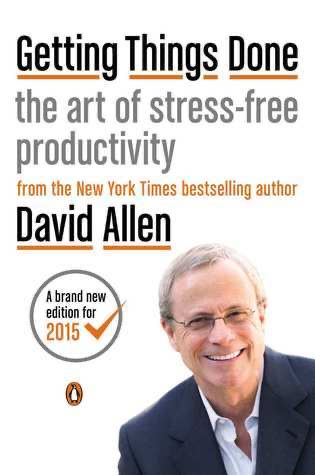 Getting Things Done: The Art of Stress-Free Productivity
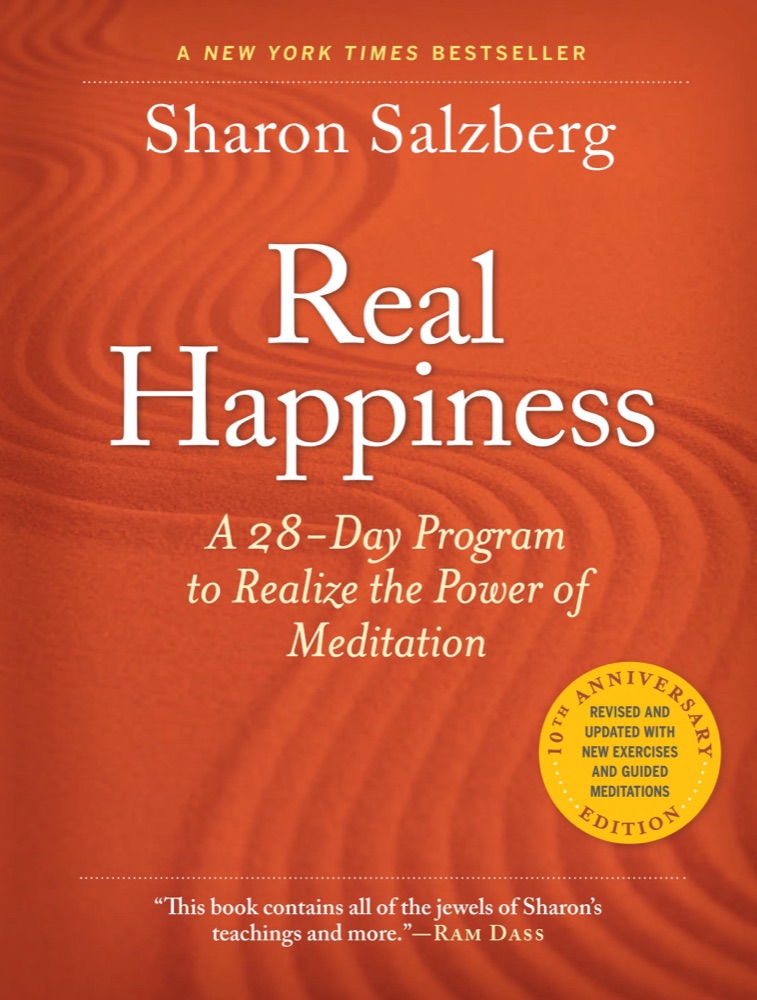 Real Happiness: A 28-Day Program to Realize the Power of Meditation