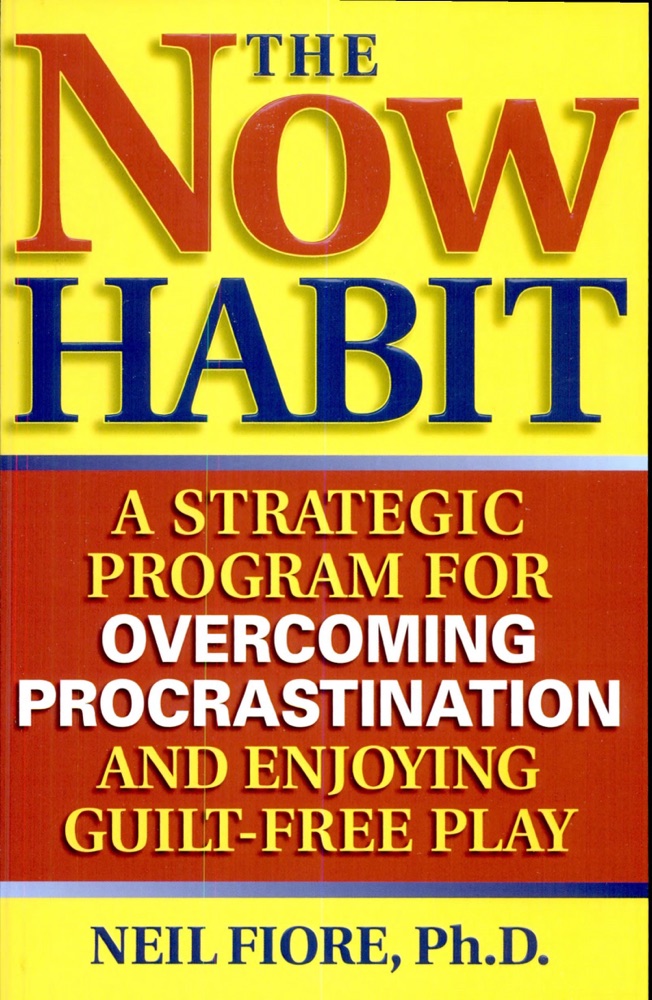
 The Now Habit: A Strategic Program for Overcoming Procrastination and Enjoying Guilt-Free Play
Quotes from the Book
Some people would rather suffer the consequences of procrastination than the humiliation of trying and not doing as well as they had hoped.
6
The timely pursuit of your intentions
1
Steel ultimately identified four main issues that make procrastination more likely—low confidence in succeeding, task aversiveness, distractibility and impulsiveness, and having goals and rewards be too far off in the future.
1
Perfectionists fear that if they make a wrong decision, they will think less of themselves and their feeling of regret will be intolerable. But underneath this apprehension is a belief that they can (and should) be omniscient—able to read the future and guarantee how things will turn out. It is a childhood fantasy that grown-ups know everything (how did your parents figure out that you were lying anyway?) and most of us harbor the wish that someday we, too, will know and control everything. It is indeed hard to accept the reality that we are neither omniscient nor omnipotent—and neither were our parents.
1
It is more tolerable to blame themselves for being disorganized, lazy, or uncooperative than to view themselves as being inadequate and unworthy—the failure they fear so deeply. And it is the fear of this failure that is eased by procrastination.
1
All of these experiences have reinforced our idea that procrastination is not primarily a time management problem or a moral failing but a complex psychological issue. At its core, problem procrastination is a problem with one’s relationship to oneself, reflecting a shaky sense of self-esteem. In our first book, we called it a problem of self-worth. Now we emphasize that self-worth is rooted in the capacity for acceptance, which includes acceptance of our biology, our history, our circumstances, and our many human limits.
1
Technological advances now allow us to work 24/7, but they also tempt us to procrastinate 24/7!
1
Father: That’s not what I would do, but I hope it works out for you. Mother: You should live your life the way you want to. Father: Don’t worry, everybody makes mistakes. It’s only human. Aunt: You really tried your best. Good for you! Brother: No matter what, I’ve got your back. Neighbor: I love being with you. Come visit me anytime.
The writer May Sarton has described the Growth Mindset beautifully. “In the middle of the night, things well up from the past that are not always cause for rejoicing—the unsolved, the painful encounters, the mistakes, the reasons for shame or woe. But all, good or bad, painful or delightful, weave themselves into a rich tapestry, and all give me food for thought, food to grow on.
loosening the grip procrastination holds over your life requires both understanding what leads you to put things off and finding some way to take action.
What happens in your brain influences what you avoid, and what you avoid (or don’t avoid) affects the structure and function of your brain. Because of this “neuroplasticity,” the brain is always changing, and therefore your biological tendencies do not have to be a fixed impediment to your progress.
Ratey, J. (2008). Spark: The revolutionary new science of exercise and the brain. New York: Little Brown.
The journey of a thousand miles begins with a single step,
New cultural situations are stressful; often they pose a conflict between assimilating into the new culture and holding onto family and friends from the old culture. Procrastination helps you avoid making difficult choices and facing the potential loss of important attachments.
Time is passing; the future is coming; you are getting older; there are limits to what you will accomplish in your lifetime; and most starkly inevitable of all, eventually you will die.
The perfectionist believes that if one is truly outstanding, even difficult things should be easy. Creative ideas should flow ceaselessly! Studying should be pure intellectual joy! Decisions should be made immediately with total certainty! Using such impossible standards, a person who must work hard, or even exert a moderate amount of effort to get something done, is likely to feel inferior. A college physics major said, “If I can’t solve a problem instantly, I feel stupid. I understand the concepts and I’m pretty smart, so I should be able to see the answer right away—I get so mad at myself that I can’t stand sitting there. I play video games.
They wish not only for ideal careers and relationships but also to make a masterpiece of the letter they write or the garden they plant. If you expect your everyday performance to be up to the level of your ideal picture of yourself, then whatever you do is bound to seem mediocre in comparison. You devalue the average, the ordinary, the regular, regarding them with contempt. Since mistakes and flaws are an inevitable part of the human condition, people who can’t bear the ordinary find comfort in procrastination. When an ordinary performance can be attributed to the last-minute rush, they can continue to believe their ideal could have been reached, if they’d had more time. This allows perfectionists to avoid feeling contempt for themselves when they are simply average.
Often without realizing it, people who procrastinate are perfectionists. In an attempt to prove they are good enough, they strive to do the impossible, thinking that they should have no problem at all reaching their lofty goals. They usually put unrealistic demands on themselves and then feel overwhelmed when they are unable to meet them. Discouraged, they retreat from the demands by procrastinating.
Even though their skills may have improved over the years, they don’t feel completely safe from the possibility that someone will discover their deficits.
To protect their confidentiality, we’ve changed all names and identifying information;
In fact, over the years there has been an increase in avoidance behavior, with the Internet as the single most powerful cause.2 Now, information is both limitless and instantaneously available; there is far more information than we can manage, let alone use. Too much information, too many decisions, too many options—this overabundance of information leads many of us into procrastination paralysis.
In the middle of the night, things well up from the past that are not always cause for rejoicing—the unsolved, the painful encounters, the mistakes, the reasons for shame or woe. But all, good or bad, painful or delightful, weave themselves into a rich tapestry, and all give me food for thought, food to grow on.
Watch on YouTube
About Jane B. Burka
About the book
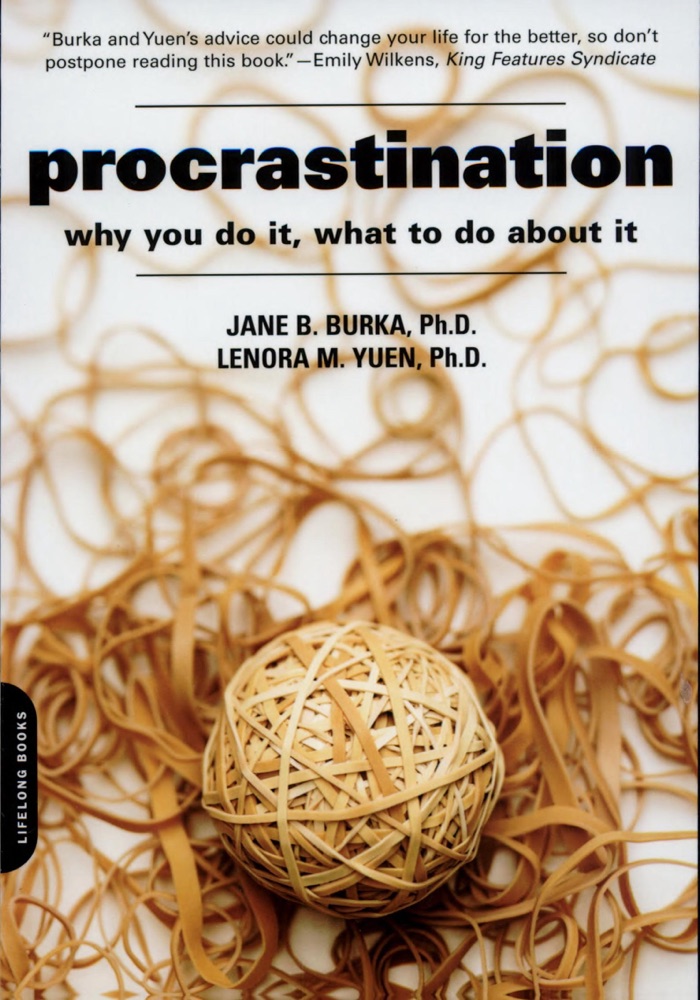
Based on years of counseling, psychologists Jane B. Burka and Lenora M. Yuen offer a probing, sensitive, and sometimes humorous look at the problem that troubles everyone. Revealing the reasons we put off tasks-fears of failure, success, control, separation, and attachment-the authors outline a practical, tested program to overcome procrastination. Candid and understanding, Procrastination is a must-have today for anyone who puts everything off until tomorrow.
Book details
- First published
- 1982
- Author
- Jane B. Burka
- Genre
- Nonfiction
- Goodreads rating
- 3.95 (2k ratings)
Keep reading
The Now Habit: A Strategic Program for Overcoming Procrastination and Enjoying Guilt-Free Play
 The Bullet Journal Method: Track Your Past, Order Your Present, Plan Your Future
 How to ADHD: An Insider's Guide to Working with Your Brain
 Ready for Anything: 52 Productivity Principles for Getting Things Done
 The Willpower Instinct: How Self-Control Works, Why It Matters, and What You Can Do to Get More of It
 Smarter Faster Better: The Secrets of Being Productive in Life and Business
 Antifragile: Things That Gain from Disorder
 A Mind for Numbers: How to Excel at Math and Science
 Getting Things Done: The Art of Stress-Free Productivity
 Solving the Procrastination Puzzle: A Concise Guide to Strategies for Change
 Be Your Future Self Now: The Science of Intentional Transformation
 Four Thousand Weeks: Time Management for Mortals
 I Didn't Do the Thing Today: Letting Go of Productivity Guilt
 Overwhelmed: Work, Love, and Play When No One Has the Time
 Better Than Before: Mastering the Habits of Our Everyday Lives
 The Perfection Trap: Embracing the Power of Good Enough
 The Art of Thinking Clearly
 The Productivity Project: Accomplishing More by Managing Your Time, Attention, and Energy
 The Perfectionist's Guide to Losing Control: A Path to Peace and Power
 Tribe Of Mentors: Transformative Wisdom From Icons and Innovators to Help You Navigate Life's Challenges
 The New Psycho-Cybernetics: The Original Science of Self-Improvement and Success That Has Changed the Lives of 30 Million People
 The Organized Mind: Thinking Straight in the Age of Information Overload
 The 7 Habits of Highly Effective People: Personal Workbook
 Make Time: How to Focus on What Matters Every Day
 Why Has Nobody Told Me This Before?
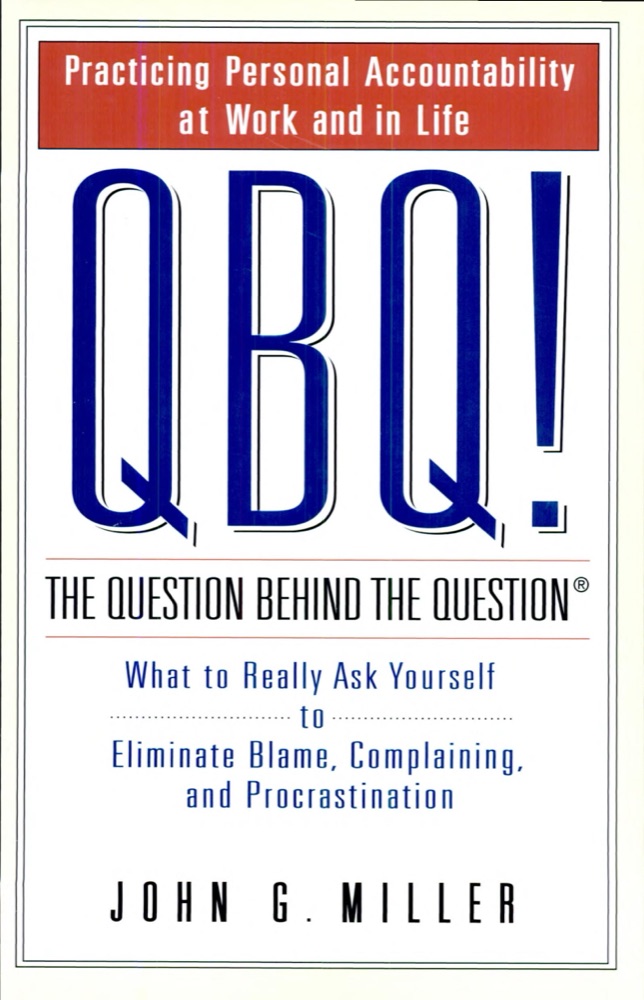 QBQ! The Question Behind the Question: Practicing Personal Accountability in Work and in Life
 First, We Make the Beast Beautiful: A New Story About Anxiety
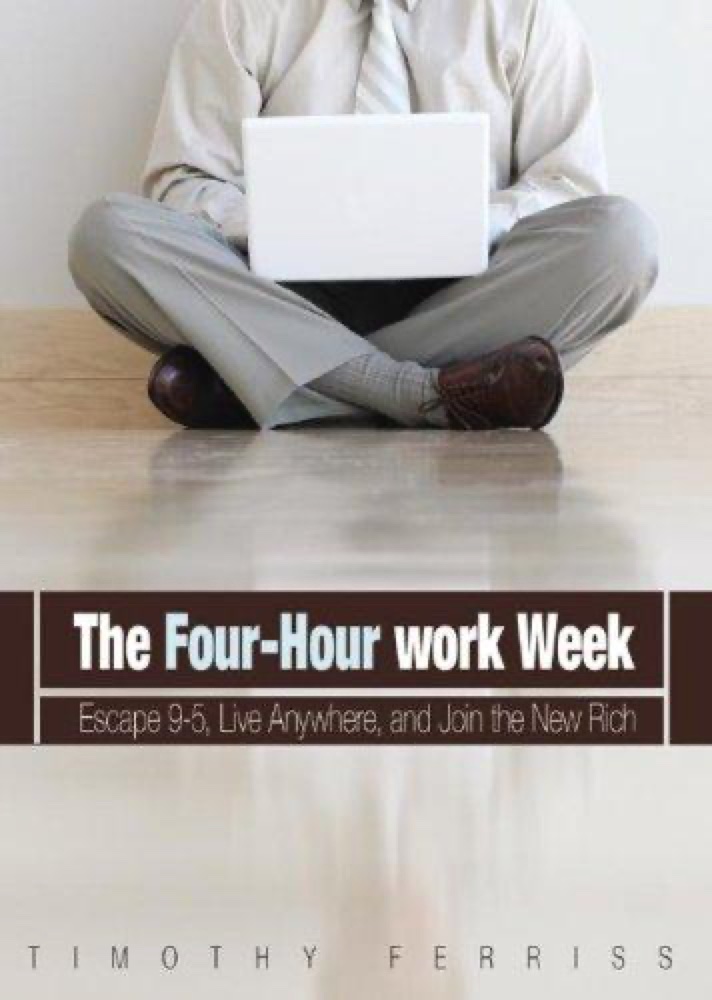 The 4-Hour Workweek
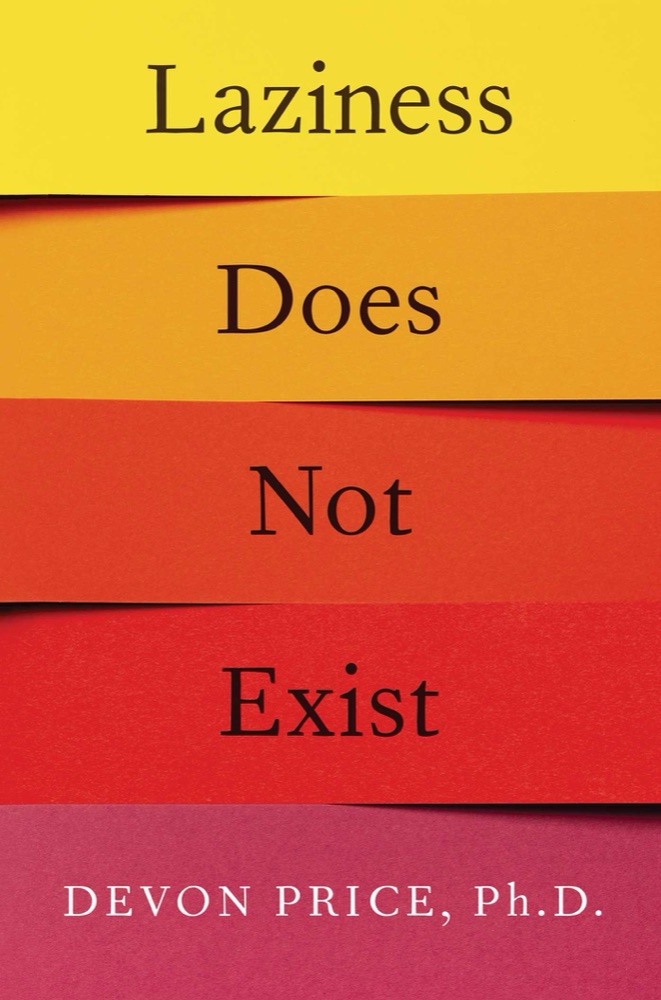 Laziness Does Not Exist
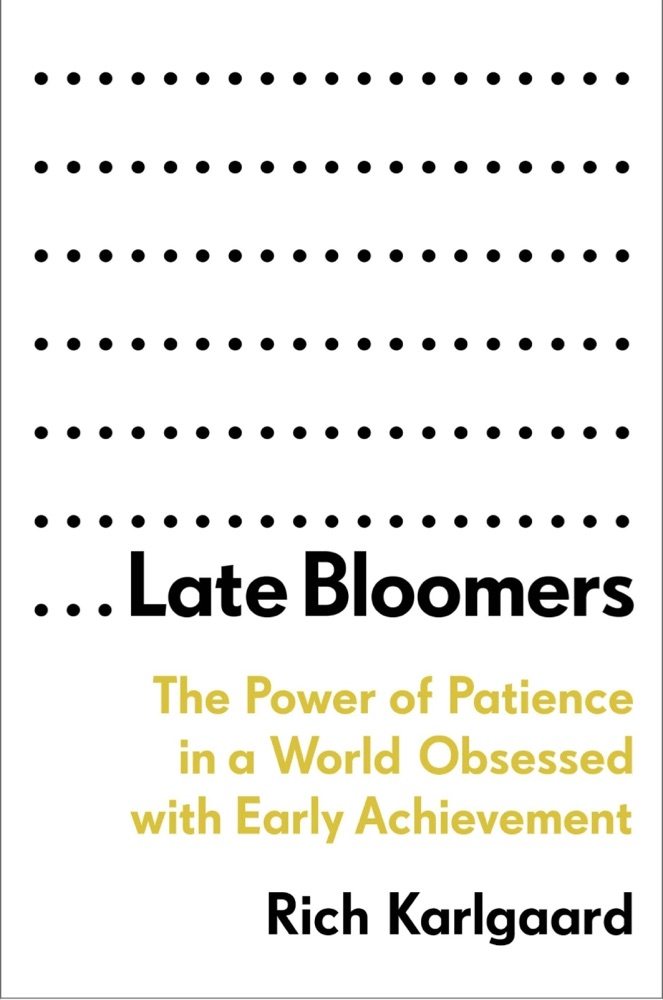 Late Bloomers: The Power of Patience in a World Obsessed with Early Achievement
 Essentialism: The Disciplined Pursuit of Less
 Drive: The Surprising Truth About What Motivates Us
 The Happiness of Pursuit: Finding the Quest That Will Bring Purpose to Your Life
 Stillness Is the Key
 The Practicing Mind: Bringing Discipline and Focus into Your Life
 The Compound Effect: Jumpstart Your Income, Your Life, Your Success
 How to Fail at Almost Everything and Still Win Big: Kind of the Story of My Life
 No Excuses!: The Power of Self-Discipline
 The Antidote: Happiness for People Who Can't Stand Positive Thinking
 The Defining Decade: Why Your Twenties Matter—And How to Make the Most of Them Now
 Personality Isn't Permanent: Break Free from Self-Limiting Beliefs and Rewrite Your Story
 Limitless: Upgrade Your Brain, Learn Anything Faster, and Unlock Your Exceptional Life
 Grit: The Power of Passion and Perseverance
 Awaken The Giant Within
 Psycho-Cybernetics
 Mastery
 Finding Flow: The Psychology of Engagement with Everyday Life
 Burnout: The Secret to Unlocking the Stress Cycle
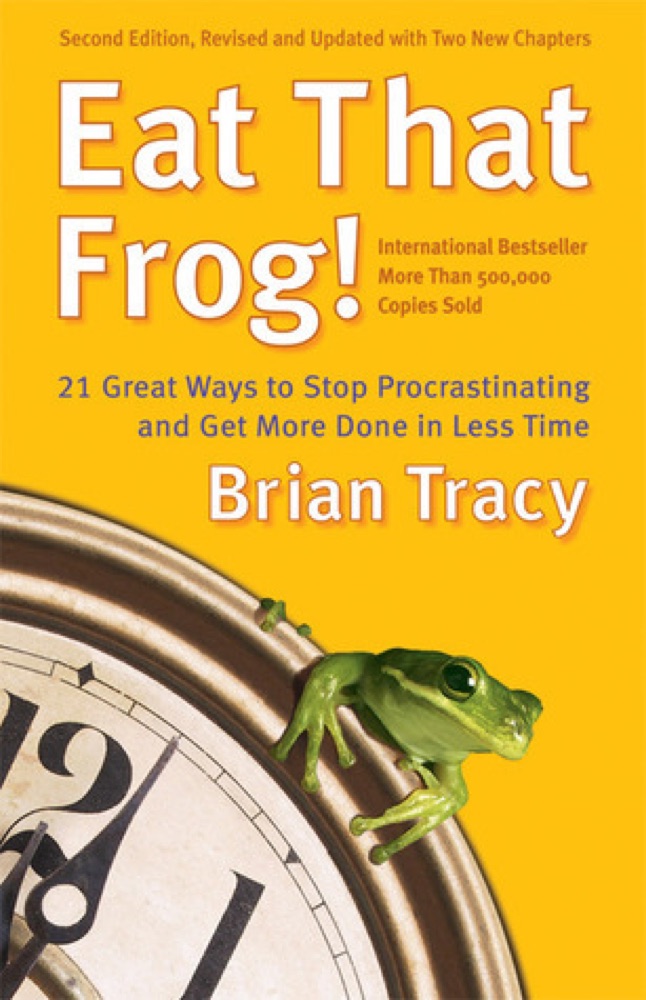 Eat That Frog! 21 Great Ways to Stop Procrastinating and Get More Done in Less Time
 Flow: The Psychology of Optimal Experience
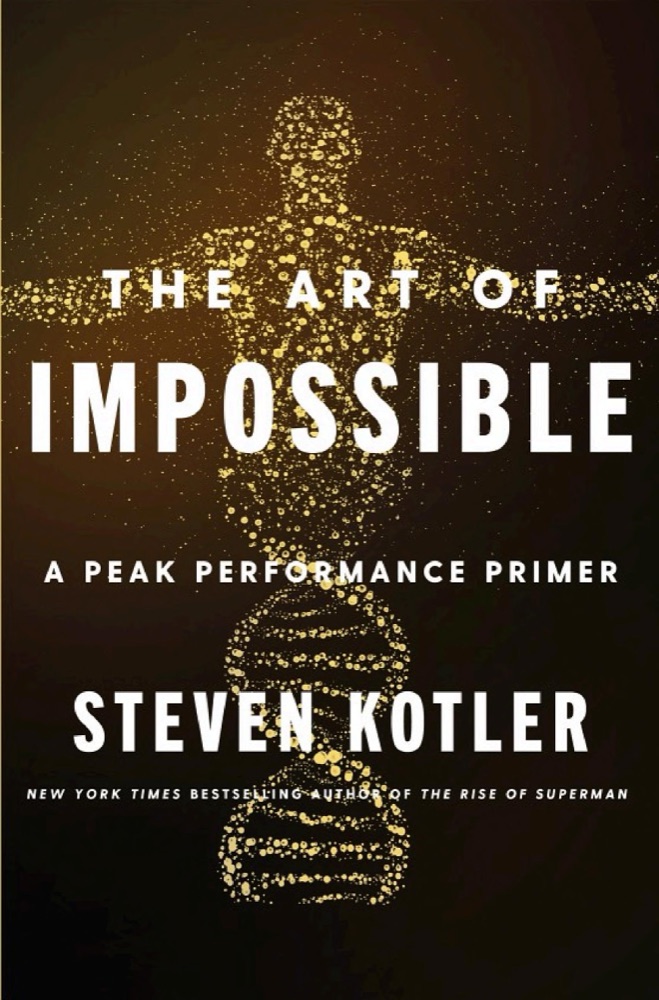 The Art of Impossible: A Peak Performance Primer
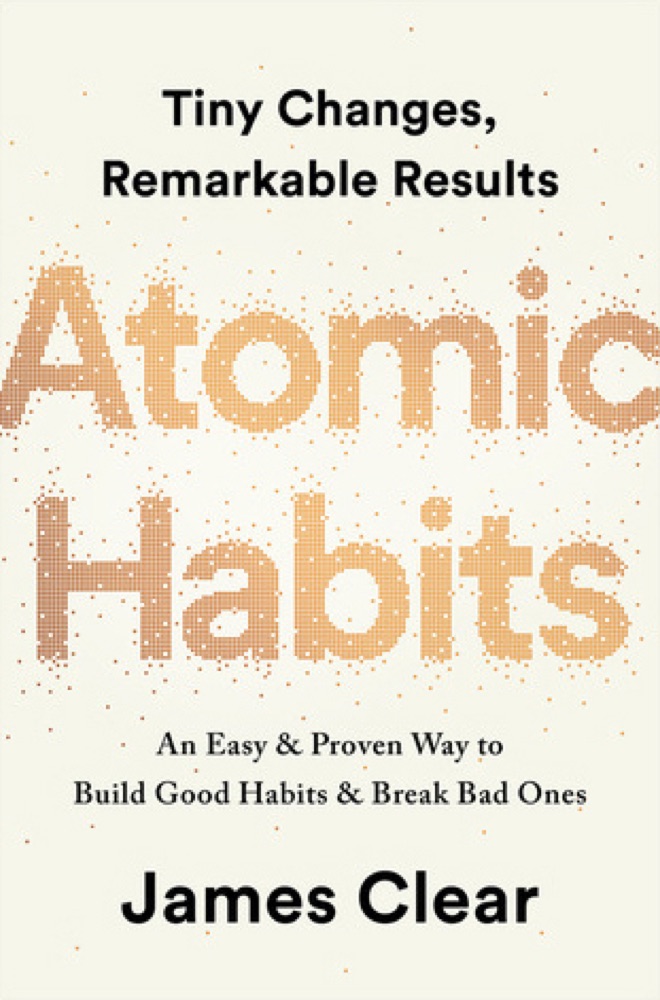 Atomic Habits: An Easy & Proven Way to Build Good Habits & Break Bad Ones
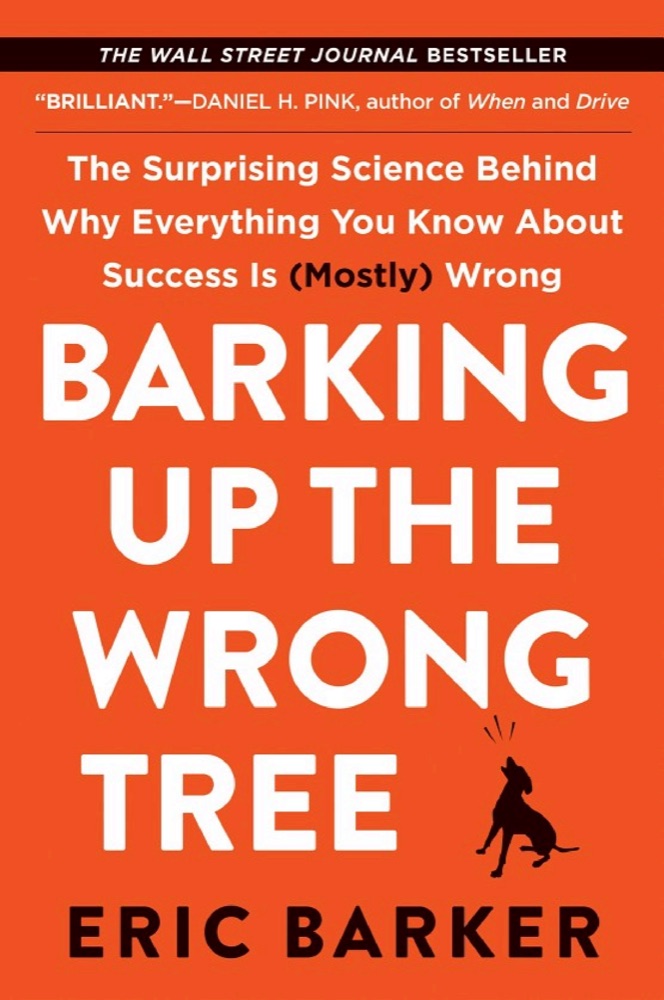 Barking Up the Wrong Tree: The Surprising Science Behind Why Everything You Know About Success Is (Mostly) Wrong
 The Mountain Is You: Transforming Self-Sabotage Into Self-Mastery
 Outwitting the Devil: The Secret to Freedom and Success
 Tools of Titans: The Tactics, Routines, and Habits of Billionaires, Icons, and World-Class Performers
 The Power of Focus
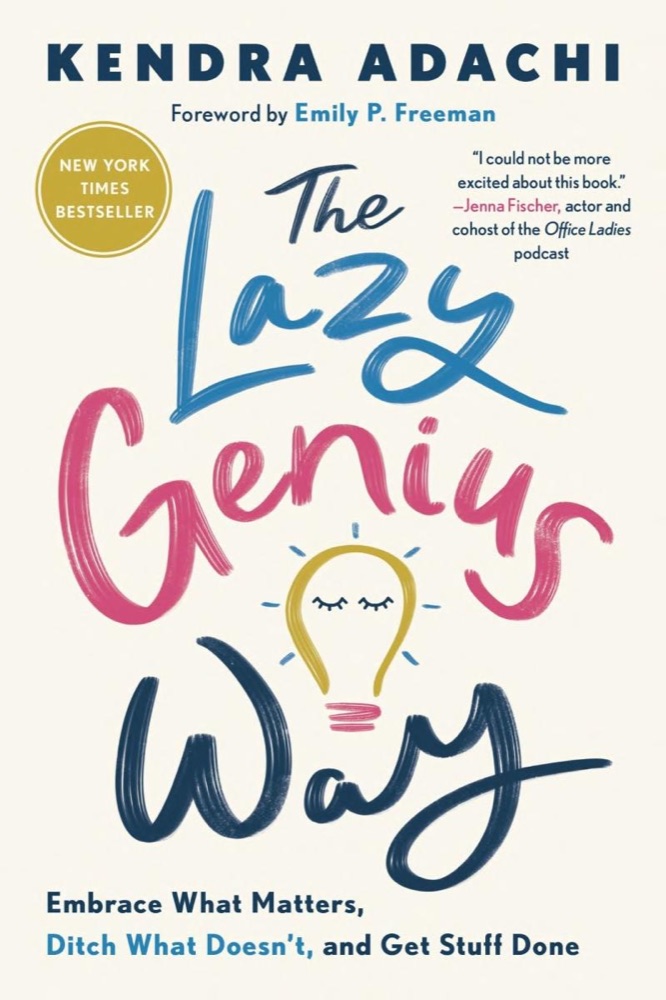 The Lazy Genius Way: Embrace What Matters, Ditch What Doesn't, and Get Stuff Done
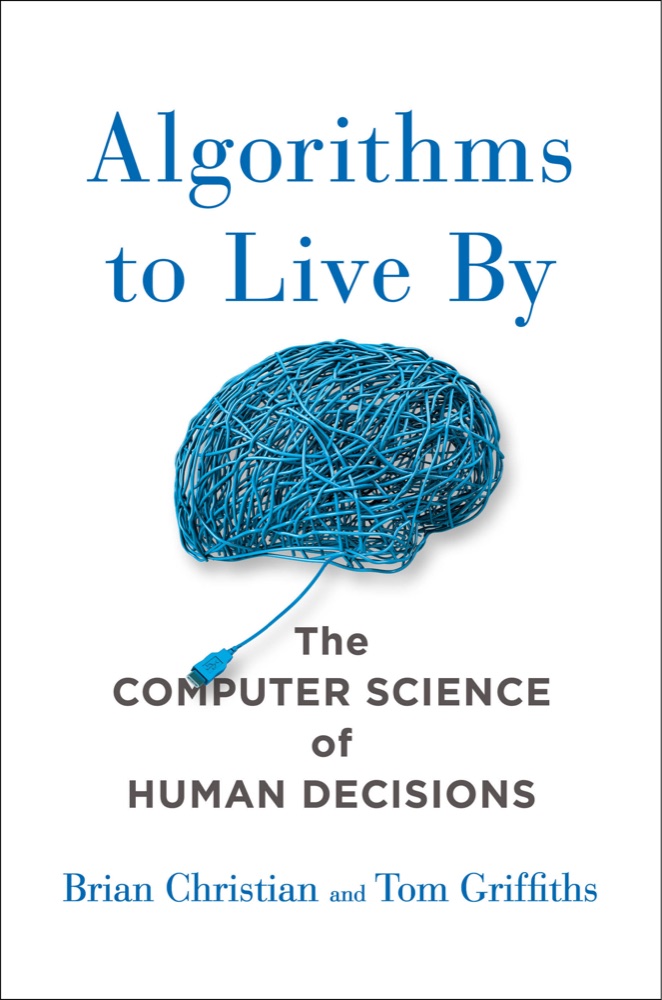 Algorithms to Live By: The Computer Science of Human Decisions
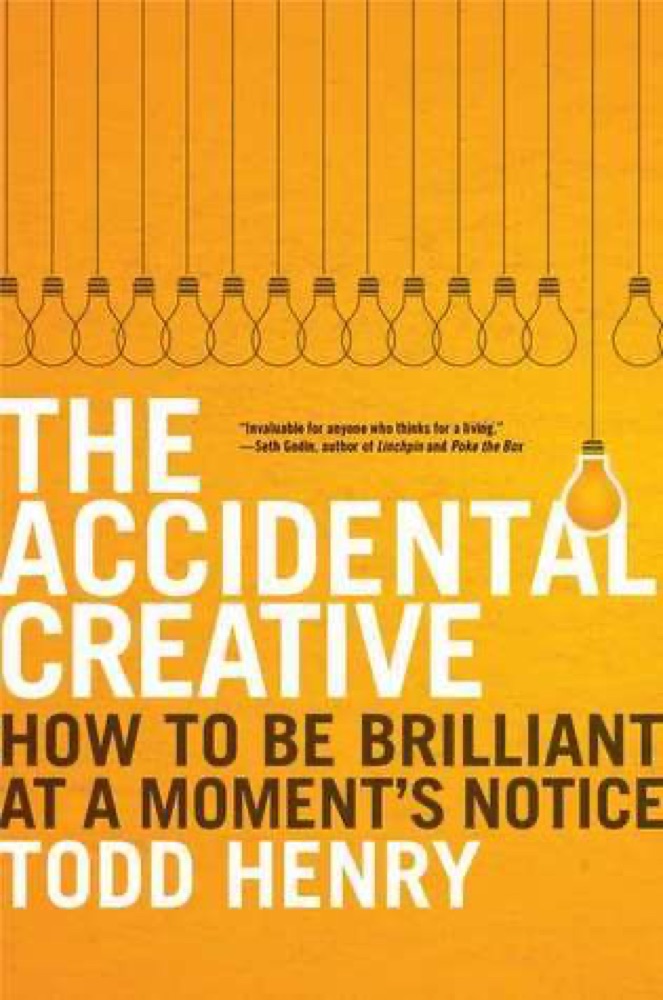 The Accidental Creative: How to Be Brilliant at a Moment's Notice