
 Love and Will
Quotes from the Book
Love is more than a cultural ideal; it is a social foundation for the self. Yet, the cultural resources that make it constitutive of the self have been depleted.
3
Never really either private or public, the modern self establishes its value through processes that are at once psychological and sociological, private and public, emotional and ritualistic. Clearly, then, in modern erotic/romantic relationships what is at stake are the self, its emotions, interiority, and, mostly, the way these are recognized (or fail to be recognized) by others.
2
Heterosexual romantic love contains the two most important cultural revolutions of the twentieth century: the individualization of lifestyles and the intensification of emotional life projects; and the economization of social relationships, the pervasiveness of economic models to shape the self and its very emotions.
2
If the sociologist could hear the voices of men and women searching for love, s/he would hear a long and loud litany of moans and groans.
1
This is reminiscent of the words by the poet Theodore Roethke, quoted by psychologist Timothy Wilson: “[S]elf-contemplation is a curse/ That makes an old confusion worse.”112 Eugene is waiting for an emotional self-revelation which he cannot achieve through rational introspection because the self is not a “hard,” fixed, knowable entity with clear edges, and with content. The social self is in fact a pragmatic entity, ongoingly shaped by circumstances and others' actions. In engaging in introspection, we try to discover fixed needs or wants, but these needs or wants are being shaped in response to situations. For this reason, introspection interferes with the capacity to feel strong and unmitigated emotions, activated through non-rational cognitive circuits.
The “pornification” of culture takes place in a context of the commodified emancipation of sexual desire and fantasies, free from the shackles of moral regulation. The morality of modern sexuality consists now in affirming mutual freedom, symmetry, and autonomy, rather than in respecting, say, sexual honor or norms of monogamy.
Freedom has been the quintessential trademark of modernity, the rallying cry of oppressed groups, the glory of democracies, the pride of capitalist economic markets, and the reproof to authoritative regimes. It has been and remains the great accomplishment of modern political institutions.
Even the sociologists who conceded that modernity meant progress over ignorance, chronic poverty, and pervasive subjection still viewed it as an impoverishment of our capacities to tell beautiful stories and to live in richly textured cultures. Modernity sobered people up from the powerful but sweet delusions and illusions that had made the misery of their lives bearable. Devoid of these fantasies, we would lead our lives without commitment to higher principles and values, without the fervor and ecstasy of the sacred, without the heroism of saints, without the certainty and orderliness of divine commandments, but most of all without those fictions that console and beautify.
Will the dwindling of religion and community jeopardize social order? Will we be able to live meaningful lives in the absence of sacredness? In particular, Max Weber was troubled by Dostoevsky's and Tolstoy's questions: If we are no longer afraid of God, what will make us moral? If we are not engaged in and compelled by sacred, collective, and binding meanings, what will make our lives meaningful? If the individual rather than God is at the center of morality, what will become of the ethic of brotherliness that had been the driving force of religions?
Si la sociología oyera la voz de esas mujeres y esos hombres que buscan el amor, llegaría a sus oídos una letanía ruidosa e incesante de quejidos y gruñidos.
El amor apasionado implica dolor y ese dolor no nos debe atormentar. En palabras de Franzen, “el dolor duele pero no mata. Si uno considera la alternativa —un sueño anestesiado de autosuficiencia que la tecnología ampara—, el dolor surge como producto e indicador natural del estar vivo en un mundo que resiste. Vivir una vida entera sin dolor es no haber vivido”.
Watch on YouTube
About Eva Illouz
We have collected 11 quotes from 1 book by Eva Illouz on BookQuoters.
More about the author →About the book
Few of us have been spared the agonies of intimate relationships. They come in many shapes: loving a man or a woman who will not commit to us, being heartbroken when we're abandoned by a lover, engaging in Sisyphean internet searches, coming back lonely from bars, parties, or blind dates, feeling bored in a relationship that is so much less than we had envisaged - these are only some of the ways in which the search for love is a difficult and often painful experience.
Despite the widespread and almost collective character of these experiences, our culture insists they are the result of faulty or insufficiently mature psyches. For many, the Freudian idea that the family designs the pattern of an individual's erotic career has been the main explanation for why and how we fail to find or sustain love. Psychoanalysis and popular psychology have succeeded spectacularly in convincing us tha
Book details
- First published
- 2011
- Author
- Eva Illouz
- Genre
- Nonfiction
- Goodreads rating
- 3.99 (2k ratings)
Keep reading
Love and Will
 Mating in Captivity: Reconciling the Erotic and the Domestic
 Civilization and Its Discontents
 Anti-Oedipus: Capitalism and Schizophrenia
 The State of Affairs: Rethinking Infidelity
 The Sane Society
 The Art of Loving
 All About Love: New Visions
 Communion: The Female Search for Love
 Sexual Personae: Art and Decadence from Nefertiti to Emily Dickinson
 The Culture of Narcissism: American Life in An Age of Diminishing Expectations
 Love's Executioner and Other Tales of Psychotherapy
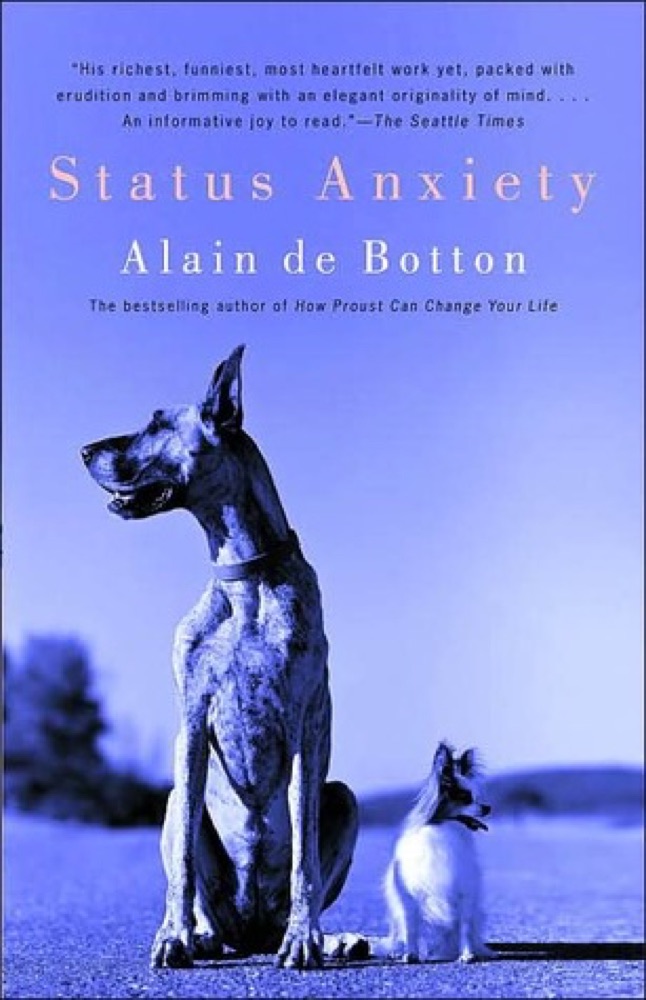 Status Anxiety
 Eros and Civilization: A Philosophical Inquiry into Freud
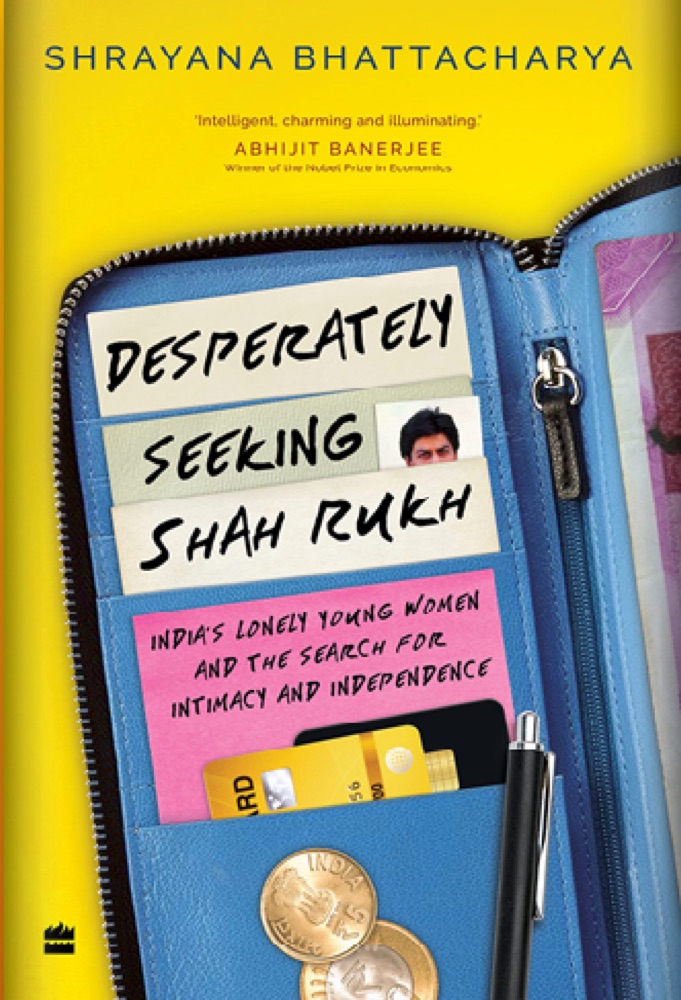 Desperately Seeking Shah Rukh: India's Lonely Young Women and the Search for Intimacy and Independence
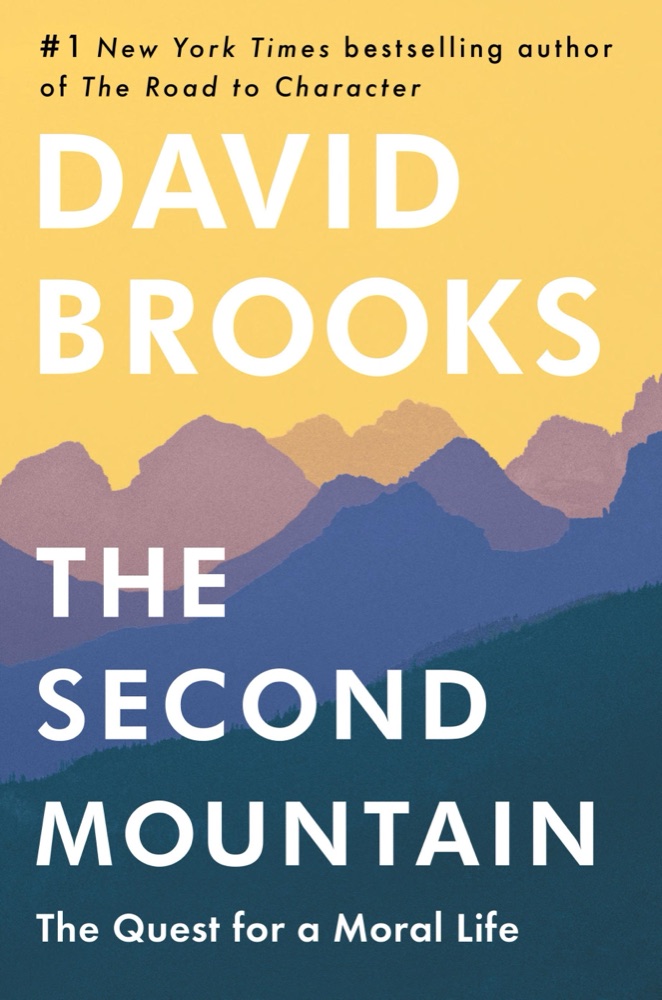 The Second Mountain
 Undoing Gender
 On Love
 Literary Theory: An Introduction
 The Age of Absurdity: Why Modern Life makes it Hard to be Happy
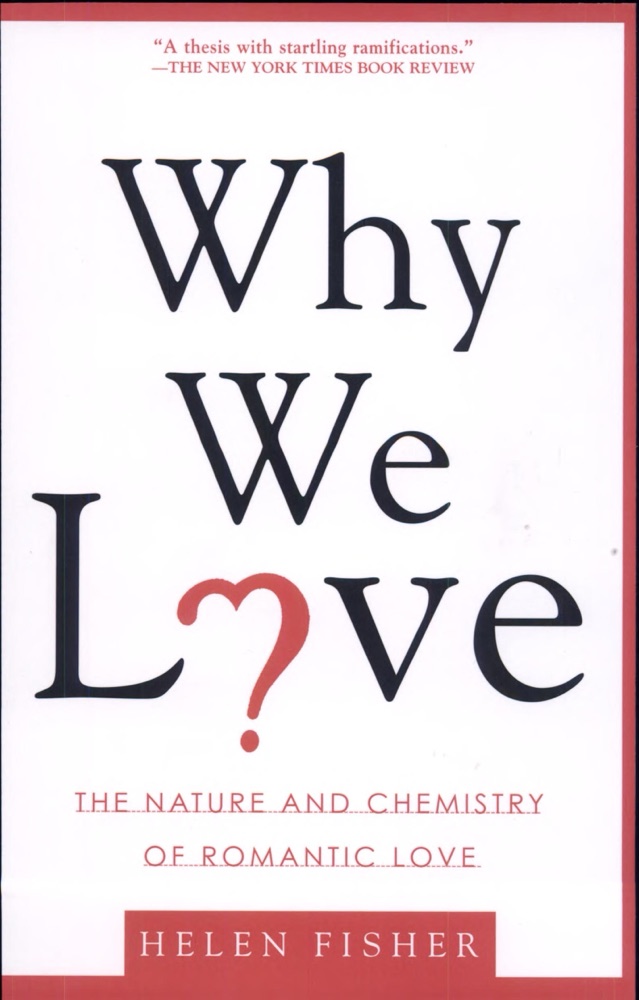 Why We Love: The Nature and Chemistry of Romantic Love
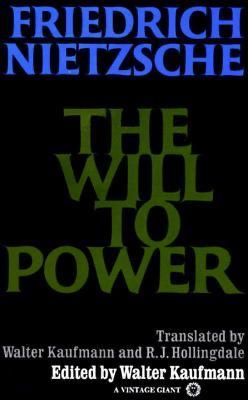 The Will to Power
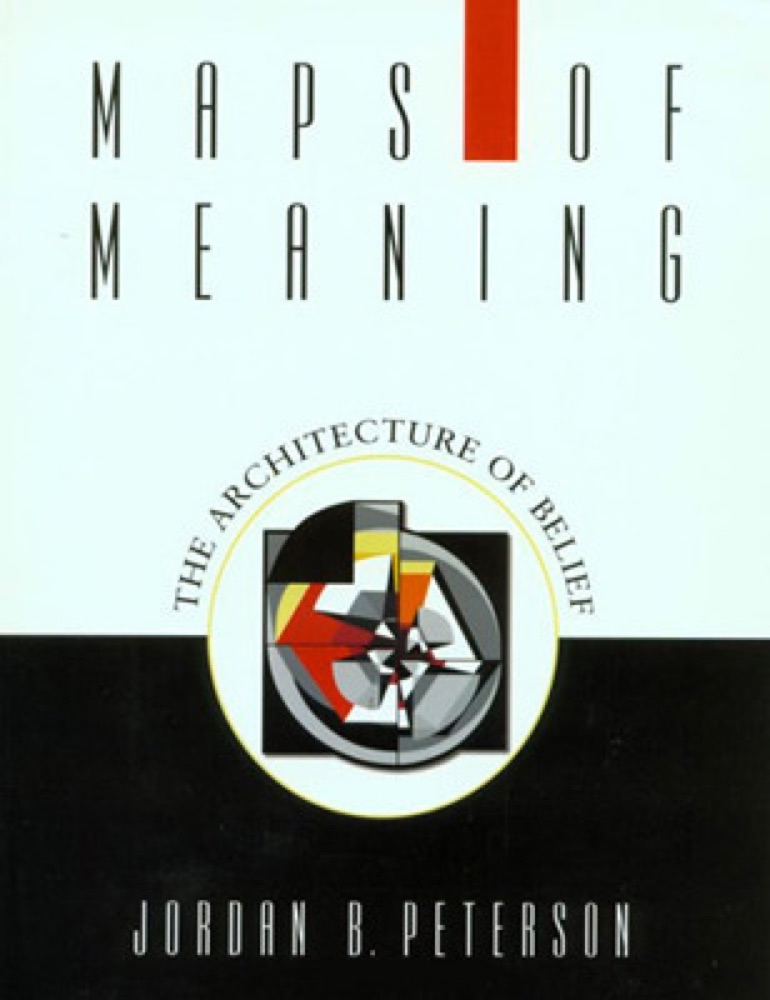 Maps of Meaning: The Architecture of Belief
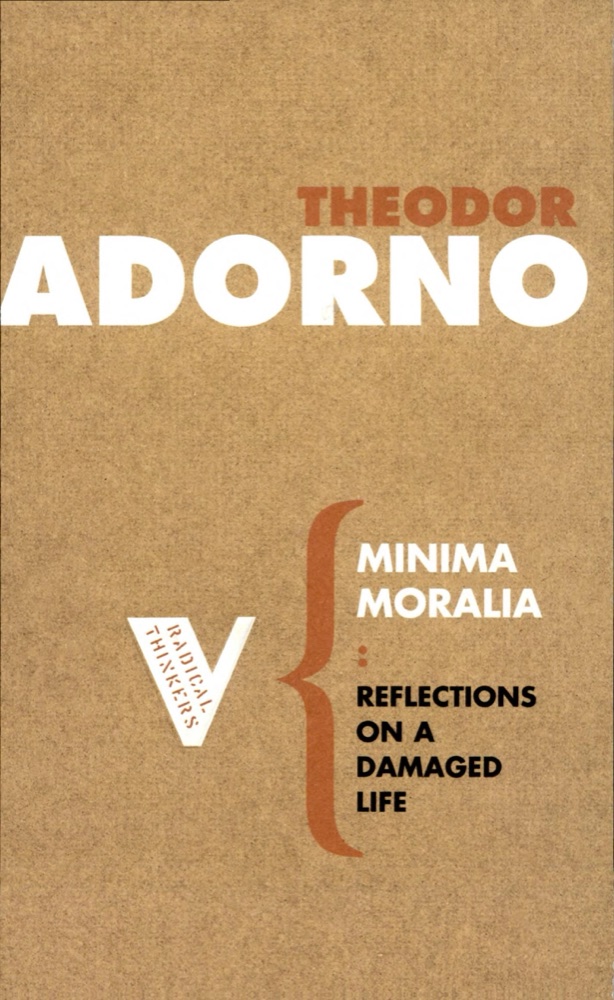 Minima Moralia: Reflections on a Damaged Life
 Passionate Marriage: Keeping Love and Intimacy Alive in Committed Relationships
 The Argonauts
 The Art of Seduction
 Toward a Psychology of Being
 How to Think More About Sex
 The Blank Slate: The Modern Denial of Human Nature
 Daybreak: Thoughts on the Prejudices of Morality
 Man's Search for Himself
 Sex at Dawn: The Prehistoric Origins of Modern Sexuality
 A General Theory of Love
 Untimely Meditations
 The Symposium
 Solitude: A Return to the Self
 Works of Love
 The Burnout Society
 The Interpretation of Murder
 Escape from Freedom
 The Dialectic of Sex: The Case for Feminist Revolution
 On Freedom: Four Songs of Care and Constraint
 After Virtue
 Man and His Symbols
 Finding Meaning in the Second Half of Life: How to Finally, Really Grow Up
 Identity
 A Language Older Than Words
 The Mother of All Questions
 Brave New World / Brave New World Revisited
 Dialectic of Enlightenment: Philosophical Fragments
 The Human Condition
 The Possibility of an Island
 Figuring
 Whose Story Is This? Old Conflicts, New Chapters
 The Ballad of the Sad Café and Other Stories
 Irrational Man: A Study in Existential Philosophy
 Eros the Bittersweet
 From Dawn to Decadence: 500 Years of Western Cultural Life, 1500 to the Present
 The Source of Self-Regard: Selected Essays, Speeches, and Meditations