
 The Course of Love
Quotes from the Book
Perhaps it is true that we do not really exist until there is someone there to see us existing, we cannot properly speak until there is someone who can understand what we are saying in essence, we are not wholly alive until we are loved.
435
Every fall into love involves the triumph of hope over self-knowledge. We fall in love hoping we won't find in another what we know is in ourselves, all the cowardice, weakness, laziness, dishonesty, compromise, and stupidity. We throw a cordon of love around the chosen one and decide that everything within it will somehow be free of our faults. We locate inside another a perfection that eludes us within ourselves, and through our union with the beloved hope to maintain (against the evidence of all self-knowledge) a precarious faith in our species.
417
We are all more intelligent than we are capable, and awareness of the insanity of love has never saved anyone from the disease.
297
We fall in love because we long to escape from ourselves with someone as beautiful, intelligent, and witty as we are ugly, stupid, and dull. But what if such a perfect being should one day turn around and decide they will love us back? We can only be somewhat shocked-how can they be as wonderful as we had hoped when they have the bad taste to approve of someone like us?
283
To be loved by someone is to realize how much they share the same needs that lie at the heart of our own attraction to them. Albert Camus suggested that we fall in love with people because, from the outside, they look so whole, physically whole and emotionally 'together' - when subjectively we feel dispersed and confused. We would not love if there were no lack within us, but we are offended by the discovery of a similar lack in the other. Expecting to find the answer, we find only the duplicate of our own problem.
235
It was no longer her absence that wounded me, but my growing indifference to it. Forgetting, however calming, was also a reminder of infidelity to what I had at one time held so dear.
234
The more familiar two people become, the more the language they speak together departs from that of the ordinary, dictionary-defined discourse. Familiarity creates a new language, an in-house language of intimacy that carries reference to the story the two lovers are weaving together and that cannot be readily understood by others.
214
Everyone returns us to a different sense of ourselves, for we become a little of who they think we are.
155
.. if you asked most people whether they believed in love or not, they’d probably say they didn’t. Yet that’s not necessarily what they truly think. It’s just the way they defend themselves against what they want. They believe in it, but pretend they don’t until they’re allowed to. Most people would throw away all their cynicism if they could. The majority just never gets the chance.
140
Perhaps the easiest people to fall in love with are those about whom we know nothing. Romances are never as pure as those we imagine during long train journeys, as we secretly contemplate a beautiful person who is gazing out of the window – a perfect love story interrupted only when the beloved looks back into the carriage and starts up a dull conversation about the excessive price of the on-board sandwiches with a neighbour or blows her nose aggressively into a handkerchief.
111
Must being in love always mean being in pain?
111
Unrequited love may be painful, but it is safely painful, because it does not involve inflicting damage on anyone but oneself, a private pain that is as bitter-sweet as it is self-induced. But as soon as love is reciprocated, one must be prepared to give up the passivity of simply being hurt to take on the responsibility of perpetrating hurt oneself.
99
The most attractive are not those who allow us to kiss them at once [we soon feel ungrateful] or those who never allow us to kiss them [we soon forget them], but those who coyly lead us between the two extremes.
98
The telephone becomes an instrument of torture in the demonic hands of a beloved who doesn't call.
84
If cynicism and love lie at opposite ends of a spectrum, do we not sometimes fall in love in order to escape the debilitating cynicism to which we are prone? Is there not in every coup de foudre a certain willful exaggeration of the qualities of the beloved, an exaggeration which distracts us from our habitual pessimism and focuses our energies on someone in whom we can believe in a way we have never believed in ourselves?
81
As Proust once said, classically beautiful women should be left to men without imagination.
69
What is so frightening is the extent to which we may idealize others when we have such trouble tolerating ourselves
56
Her lie was symptomatic of a certain pride she took in mocking the romantic, in being unsentimental, matter-of-fact, stoic; yet at heart she was the opposite: idealistic, dreamy, giving, and deeply attached to everything she liked verbally to dismiss as "mushy.
51
There is a longing for a return to a time without the need for choices, free of the regret at the inevitable loss that all choice (however wonderful) has entailed.
51
In the oasis complex, the thirsty man images he sees water, palm trees, and shade not because he has evidence for the belief, but because he has a need for it. Desperate needs bring about a hallucination of their solution: thirst hallucinates water, the need for love hallucinates a prince or princess. The oasis complex is never a complete delusion: the man in the desert does see something on the horizon. It is just that the palms have withered, the well is dry, and the place is infected with locusts.
50
The inability to live in the present lies in the fear of leaving the sheltered position of anticipation or memory, and so of admitting that this is the only life that one is ever likely (heavenly intervention aside) to live.
48
In the end, I've found that it doesn't really matter who you marry. If you like them at the beginning, you probably won't like them at the end. And if you start off hating them, there's always the chance you'll end up thinking they're all right.
47
The longing for destiny is nowhere stronger than in our romantic life.
47
We wanted to test each other's capacity for survival: only if we had tried in vain to destroy one another would we know we were safe.
37
Perhaps because the origins of a certain kind of love lie in an impulse to escape ourselves and out weaknesses by an alliance with the beautiful and noble. But if the loved ones love us back, we are forced to return to ourselves, and are hence reminded of the things that had driven us into love in the first place. Perhaps it was not love we wanted after all, perhaps it was simply someone in whom to believe, but how can we continue to believe the the beloved now that they believe in us?
36
Do you love me enough that I may be weak with you? Everyone loves strength, but Do you love me for my weakness? That is the real test. Do you love me stripped of everything that might be lost, for only the things I will have for ever?
25
There is usually a Marxist moment in every relationship, the moment when it becomes clear that love is reciprocated. The way it is resolved depends on the balance between self-love and self-hatred. If self-hatred gains the upper hand, then the one who has received love will declare that the beloved (on some excuse or other) is not good enough for them (not good enough by virtue of associating with no-goods). But if self-love gains the upper hand, both partners may accept that seeing their love reciprocated is not proof of how low the beloved is, but of how lovable they have themselves turned out to be.
24
By forty, everyone has the face they deserve,’ wrote George Orwell,
24
There is an Arabic saying that the soul travels at the pace of a camel. While most of us are led by the strict demands of timetables and diaries, our soul, the seat of the heart, trails nostalgically behind, burdened by the weight of memory. If every love affair adds a certain weight to the camel’s load, then we can expect the soul to slow according to the significance of love’s burden.
23
Watch on YouTube
About Alain de Botton
We have collected 333 quotes from 12 books by Alain de Botton on BookQuoters.
More about the author →More by Alain de Botton
All books by Alain de Botton →

About the book
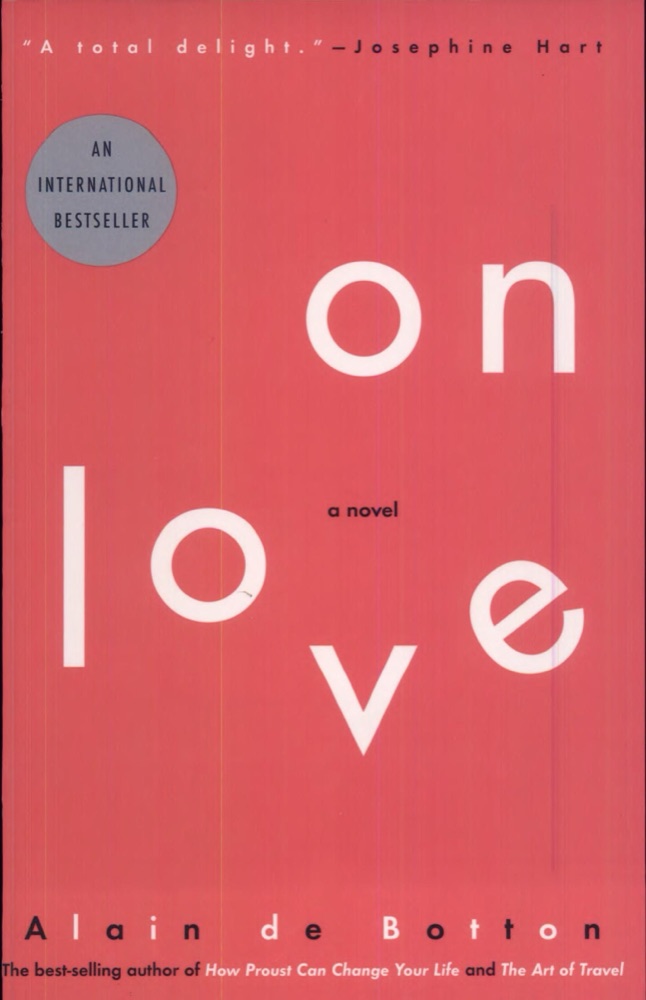
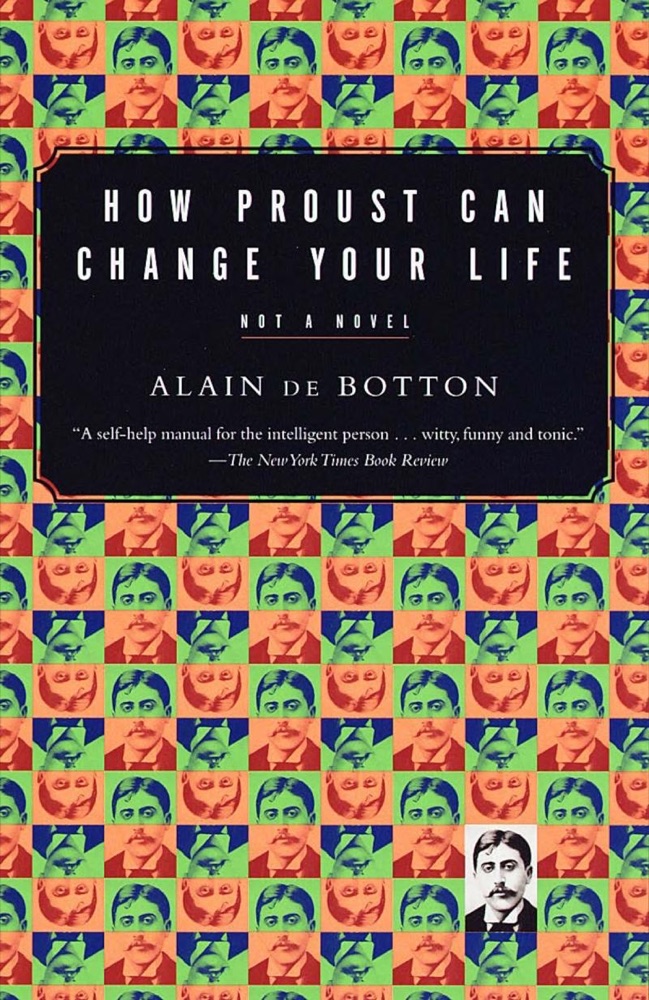
"The longing for a destiny is nowhere stronger than in our romantic life" we are told at the outset of Alain de Botton's On Love, a hip, charming, and devastatingly witty rumination on the thrills and pitfalls of romantic love.
The narrator is smitten by Chloe on a Paris-London flight, and by the time they've reached the luggage carousel, he knows he is in love. He loves her chestnut hair and pale nape and watery green eyes, the way she drives a car and eats Chinese food, the gap that makes her teeth Kantian and not Platonic, her views on Heidegger's Being and Time - although he hates her taste in shoes. On Love plots the course of their affair from the initial delirium of infatuation to the depths of suicidal despair, through the (Groucho) "Marxist" stage of coming to terms with being loved by the unattainable beloved, through a fit of anhedonia, defined in medical texts as a dise
Book details
- First published
- 1993
- Author
- Alain de Botton
- Genre
- Philosophy
- Goodreads rating
- 3.95 (36k ratings)
Keep reading
The Course of Love
 The Unbearable Lightness of Being
 Conversations on Love
 The Passion
 Committed: A Skeptic Makes Peace with Marriage
 A Lover's Discourse: Fragments
 Panenka
 The 5 Love Languages: The Secret to Love that Lasts
 All About Love: New Visions
 Mating in Captivity: Reconciling the Erotic and the Domestic
 Shantaram
 Identity
 The Truth: An Uncomfortable Book About Relationships
 So Much More
 Dear Dolly
 Arch of Triumph
 Works of Love
 The Only Story
 The Moon and Sixpence
 Love and Will
 The Devil in the Flesh
 The State of Affairs: Rethinking Infidelity
 Adultery
 The Secret Life of Prince Charming
 The End of the Affair
 Aphorisms on Love and Hate
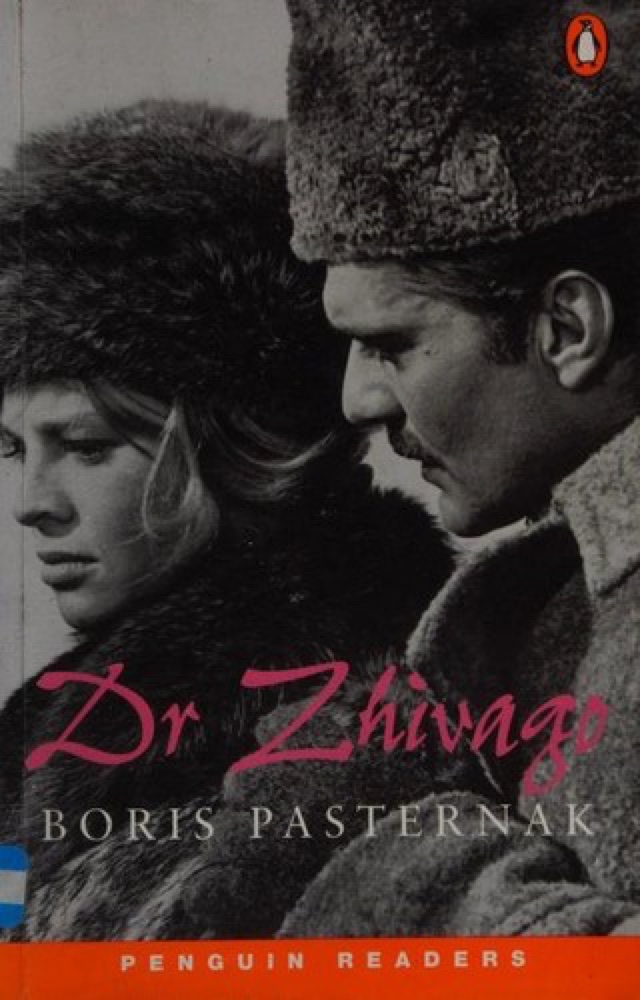 Doctor Zhivago
 The Art of Loving
 Always Remember: Ben's Story
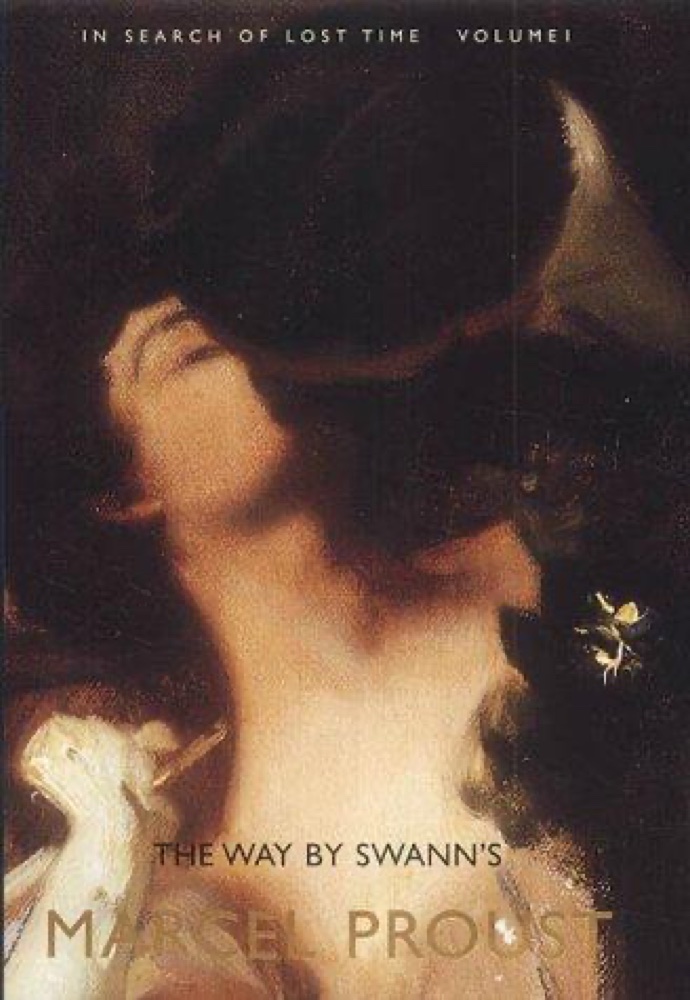 In Search of Lost Time
 The Valley of Amazement
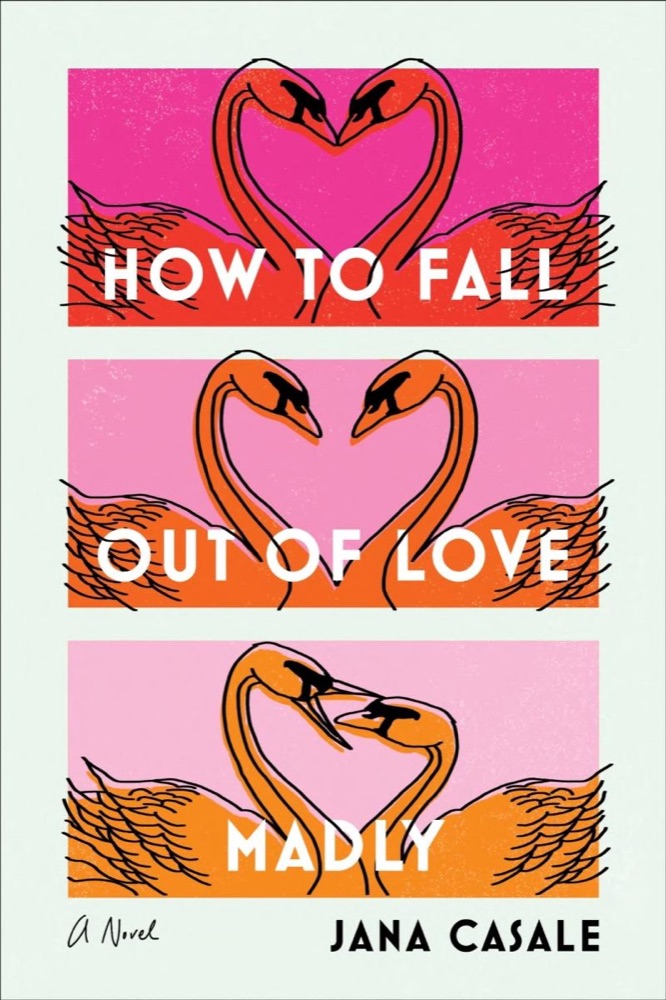 How to Fall Out of Love Madly
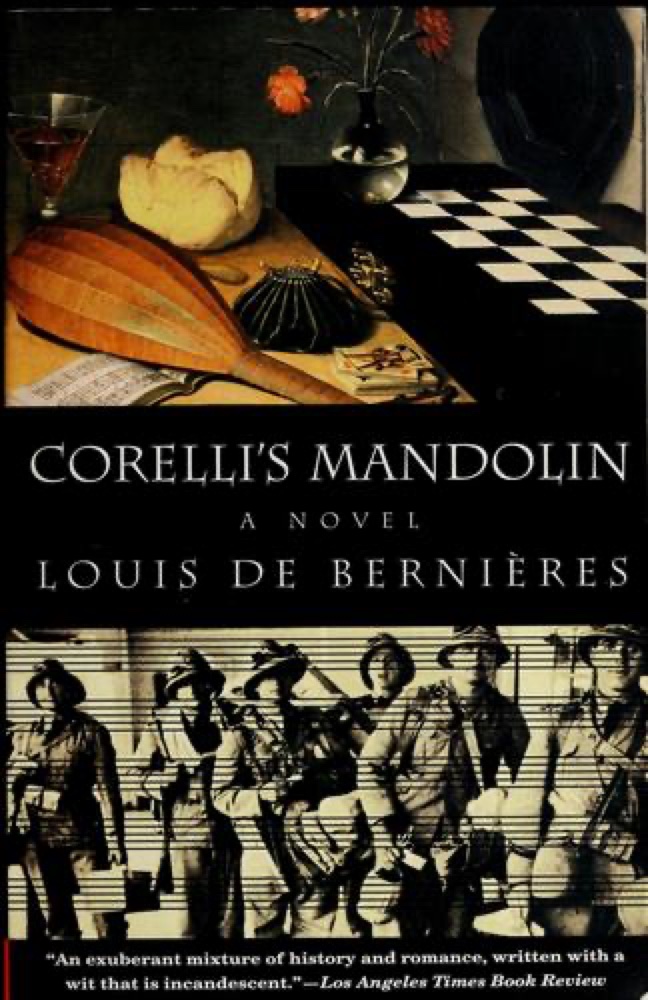 Corelli's Mandolin
 Chain of Thorns
 A Well-Tempered Heart
 The Ballad of the Sad Café and Other Stories
 The Silent Patient
 Eat, Pray, Love
 Intermezzo
 Confessions of a Mask
 The Symposium
 Before Us
 The Realm of You: A Novel
 Open Water
 Thirst for Salt
 Love, Freedom, and Aloneness: The Koan of Relationships
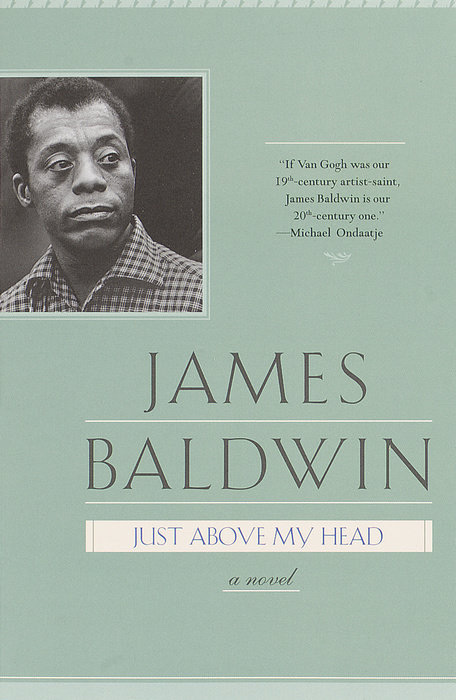 Just Above My Head
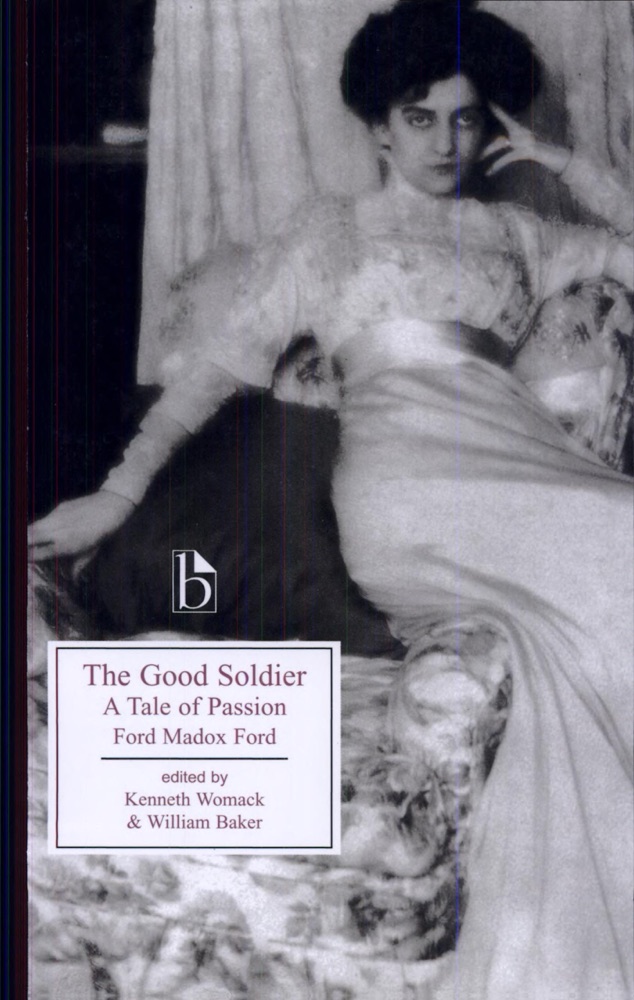 The Good Soldier
 The Death of the Heart
 Dying to Know You
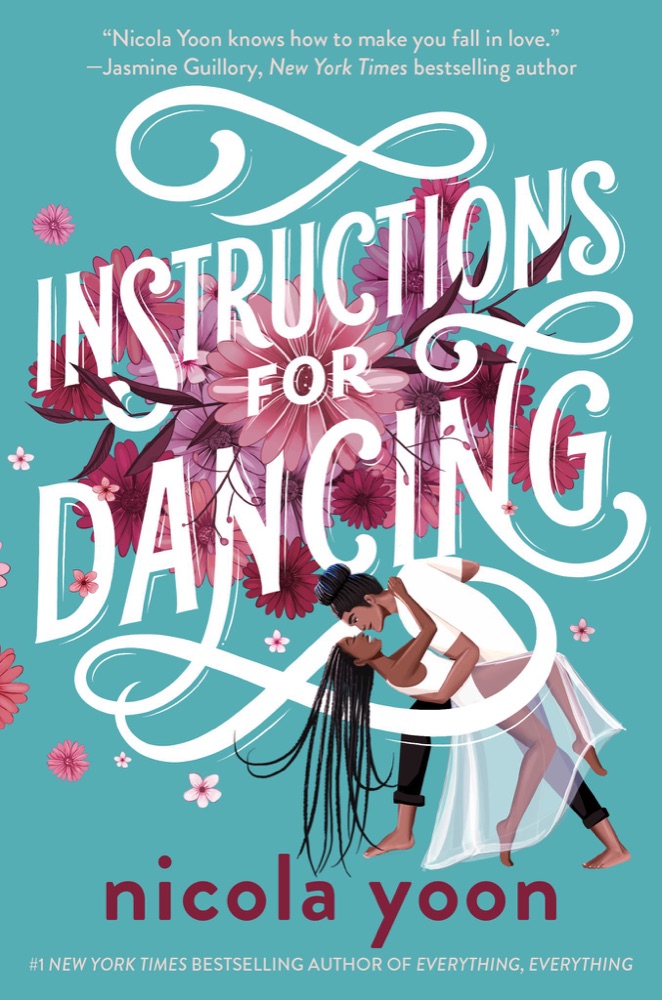 Instructions for Dancing
 Kokoro
 By the River Piedra I Sat Down and Wept
 Trust: Betrayed
 Seven Types of Ambiguity
 The Mountain Shadow
 The Proposal
 Women in Love
 A Small Indiscretion
 Our Chemical Hearts