
 Faye, Faraway
Quotes from the Book
Men don't need linguistic talent; they just need courage and words.
31
Falling in love was not really a choice; it just struck me.
27
Take dopamine. Elevated levels of dopamine in the brain produce extremely focussed attention,2 as well as unwavering motivation and goal-directed behaviors.3 These are central characteristics of romantic love. Lovers intensely focus on the beloved, often to the exclusion of all around them. Indeed, they concentrate so relentlessly on the positive qualities of the adored one that they easily overlook his or her negative traits;4 they even dote on specific events and objects shared with this sweetheart.
10
We need food. We need water. We need warmth. And the lover feels he/she needs the beloved. Plato had it right over two thousand years ago. The god of love “lives in a state of need.
8
Men with high baseline levels of testosterone marry less frequently, have more adulterous affairs, commit more spousal abuse, and divorce more often.
8
Commit. Listen “actively” to your partner. Ask questions. Give answers. Appreciate. Stay attractive. Keep growing intellectually. Include her. Give him privacy. Be honest and trustworthy. Tell your mate what you need. Accept his/her shortcomings. Mind your manners. Exercise your sense of humor. Respect him. Respect her. Compromise. Argue constructively. Never threaten to depart. Forget the past. Say “no” to adultery. Don’t assume the relationship will last forever; build it one day at a time. And never give up.
6
He who learns must suffer. And even in our sleep, pain that cannot forget falls drop by drop upon the heart, and in our own despair, against our will, comes wisdom to us by the awful grace of god.
6
each is associated with different neurochemicals. Lust is associated primarily with the hormone testosterone in both men and women. Romantic love is linked with the natural stimulant dopamine and perhaps norepinephrine and serotonin. And feelings of male-female attachment are produced primarily by the hormones oxytocin and vasopressin. Moreover,
6
The reverse can also happen: as a man becomes more and more attached to his family, levels of testosterone can decline. In fact, at the birth of a child, expectant fathers experience a significant decline in levels of testosterone.66 Even when a man holds a baby, levels of testosterone decrease. This
5
some psychiatrists believe that exercise (aerobic or anaerobic) can be as effective in healing depression as psychotherapy or antidepressant drugs.
4
Scientists are beginning to pinpoint the brain regions that become active when one feels fusion with a “higher power,” such as God.36 Perhaps this brain region is also involved in love.
3
El clima del amor es tan agradable. En efecto, cuando estamos enamorados, resplandecemos. También sentimos la angustia de la agonía y de la espera. El amor romántico es un ímpetu, un deseo, una necesidad, un impulso primigenio del apareamiento que a veces puede ser más poderoso que el hambre.
1
Para contrarrestar este modo de pensar convencional, los terapeutas aconsejan seguir varias prácticas establecidas: Comprometerse. Escuchar "activamente" a nuestra pareja. Hacer preguntas. Dar respuestas. Valorar. Permanecer atractivo. Seguir creciendo intelectualmente. Contar con ella. Dejarle intimidad a él. Ser sincero y digno de confianza. Contar a nuestra pareja lo que necesitamos. Aceptar sus defectos. Cuidar los modales. Practicar el sentido del humor. Respetarse. Llegar a acuerdos. Discutir constructivamente. No amenazar nunca con abandonarle. Olvidar el pasado. Decir "no" al adulterio. No dar por hecho que la relación durará para siempre, vivir cada día. Y no rendirse nunca.
Su carácter pareció cambiar cuando cambió su suerte. Olvidó sus penas, su estado deprimido y asumió toda la sencillez y la vivacidad de una mente joven... Se volvió juguetona, llena de confianza, amabilidad y compasión. Los ojos mostraban un nuevo brillo y las mejillas un color y una suavidad también nuevas. Su hoz se hizo alegre, su carácter rebosaba una bondad universal; y una cautivadora sonrisa llena de ternura iluminaba día tras día su semblante. Mary Wollstonecraft, se había enamorado.
Watch on YouTube
About Helen Fisher
We have collected 20 quotes from 2 books by Helen Fisher on BookQuoters.
More about the author →More by Helen Fisher
Faye, Faraway
About the book
"If you want flashes and particular experiences of romantic love, read novels. If you want to understand this central quality of human nature to its roots, read Why We Love ." ― Edward O. Wilson
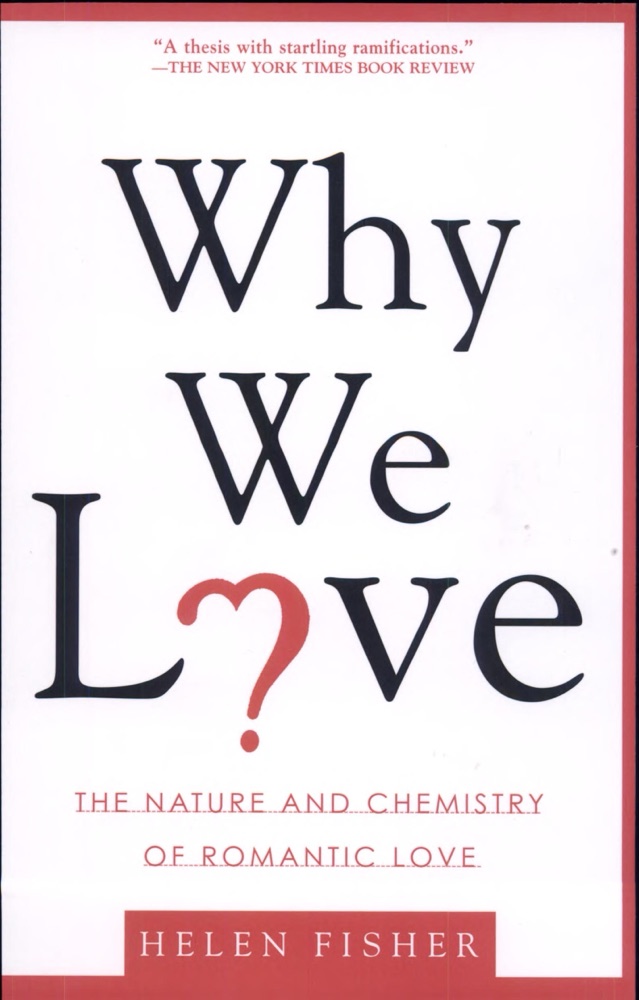
In Why We Love , renowned anthropologist Helen Fisher offers a new map of the phenomenon of love―from its origins in the brain to the thrilling havoc it creates in our bodies and behavior. Working with a team of scientists to scan the brains of people who had just fallen madly in love, Fisher proved what psychologists had until recently only suspected: when you fall in love, specific areas of the brain "light up" with increased blood flow. This sweeping new book uses this data to argue that romantic passion is hardwired into our brains by millions of years of evolution. It is not an emotion; it is a drive as powerful as hunger.
Provocative, enlightening, engaging, and persuasive, Why We Love of
Book details
- First published
- 2004
- Author
- Helen Fisher
- Genre
- Nonfiction
- Goodreads rating
- 3.74 (3k ratings)
Keep reading
 The 5 Love Languages: The Secret to Love that Lasts
 A General Theory of Love
 Mating in Captivity: Reconciling the Erotic and the Domestic
 The Art of Loving
 Love and Will
 Women's Bodies, Women's Wisdom: Creating Physical and Emotional Health and Healing
 Messages from the Masters: Tapping into the Power of Love
 The State of Affairs: Rethinking Infidelity
 All About Love: New Visions
 On Love
 The Mastery of Love: A Practical Guide to the Art of Relationship: A Toltec Wisdom Book
 All Is Not Forgotten
 The Truth: An Uncomfortable Book About Relationships
 Passionate Marriage: Keeping Love and Intimacy Alive in Committed Relationships
 The Course of Love
 The Devil in the Flesh
 He: Understanding Masculine Psychology
 A History of the World in 10½ Chapters
 If the Buddha Dated: A Handbook for Finding Love on a Spiritual Path
 Corelli's Mandolin
 The Art of Seduction
 Heartbreak: A Personal and Scientific Journey
 The Unbearable Lightness of Being
 A Return to Love: Reflections on the Principles of "A Course in Miracles"
 Why Love Hurts: A Sociological Explanation
 Committed: A Skeptic Makes Peace with Marriage
 The Interpretation of Murder
 The Symposium
 Men Are from Mars, Women Are from Venus
 Sexus
Sexus
 The Passion
 The Love Dare
 The Five Love Languages for Singles
 Love, Freedom, and Aloneness: The Koan of Relationships
 Oblomov
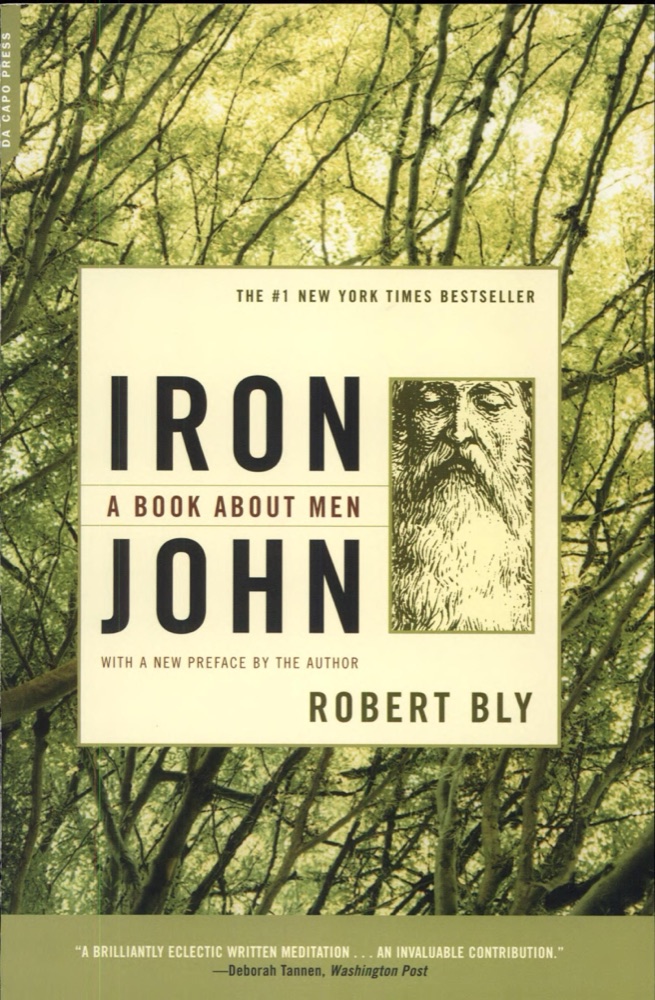 Iron John: A Book About Men
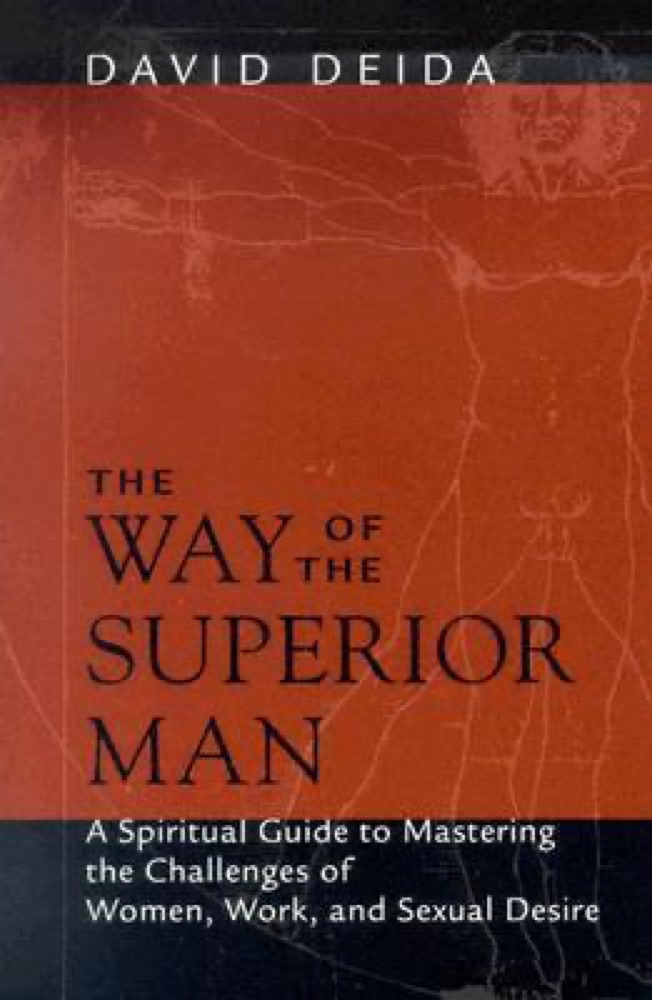 The Way of the Superior Man: A Spiritual Guide to Mastering the Challenges of Women, Work, and Sexual Desire
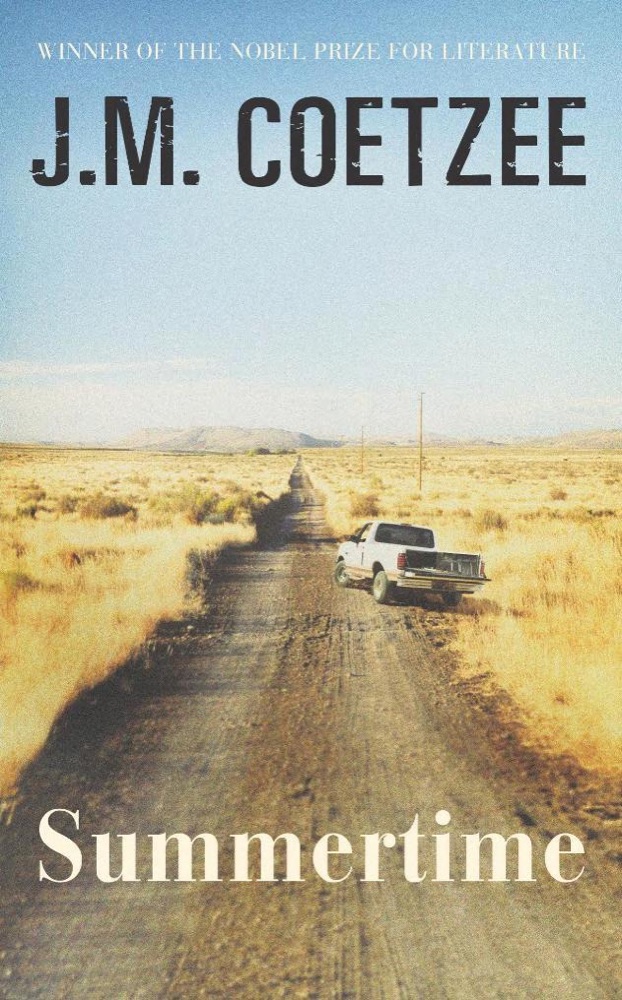 Summertime
 Woman: An Intimate Geography
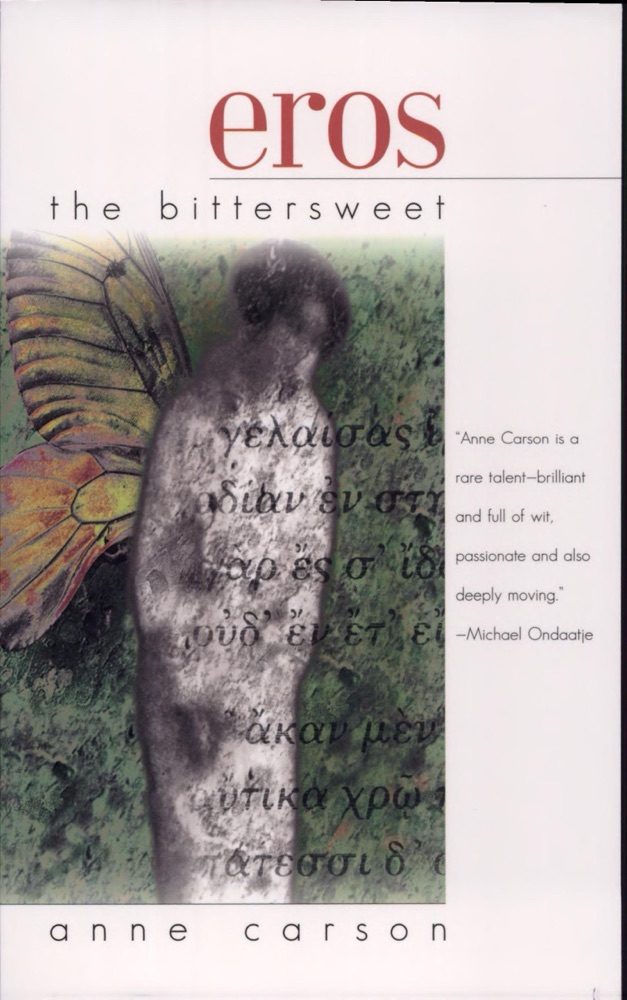 Eros the Bittersweet
 How to Be an Adult in Relationships: The Five Keys to Mindful Loving
 Shantaram
 Good Morning, Destroyer of Men's Souls: A Memoir of Women, Addiction, and Love
 8 Rules of Love: How to Find It, Keep It, and Let It Go
 A Luminous Republic
 Love's Executioner and Other Tales of Psychotherapy
 The Ethical Slut: A Guide to Infinite Sexual Possibilities
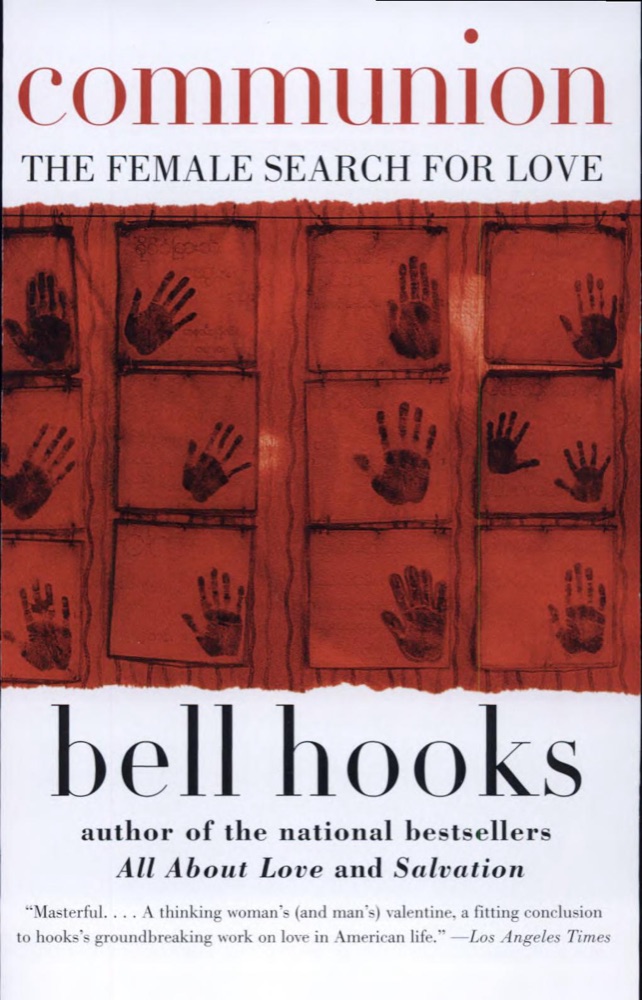 Communion: The Female Search for Love
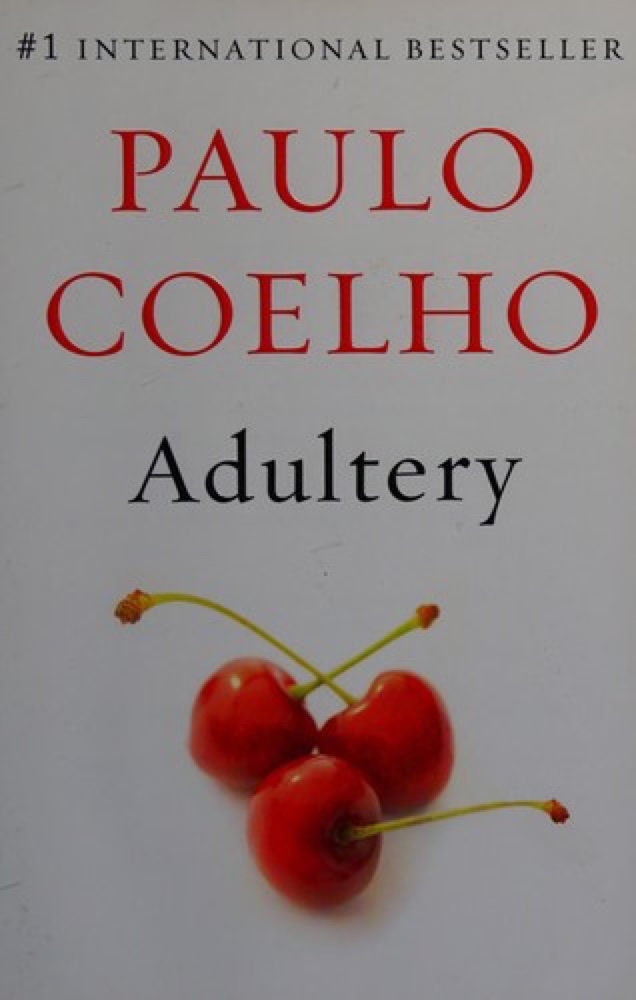 Adultery
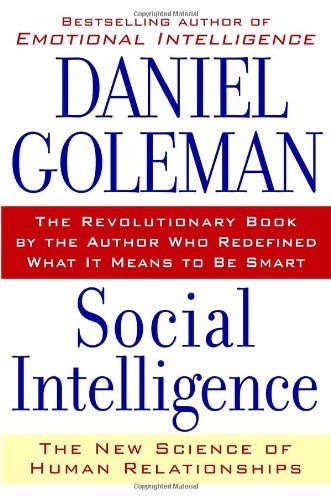 Social Intelligence: The New Science of Human Relationships
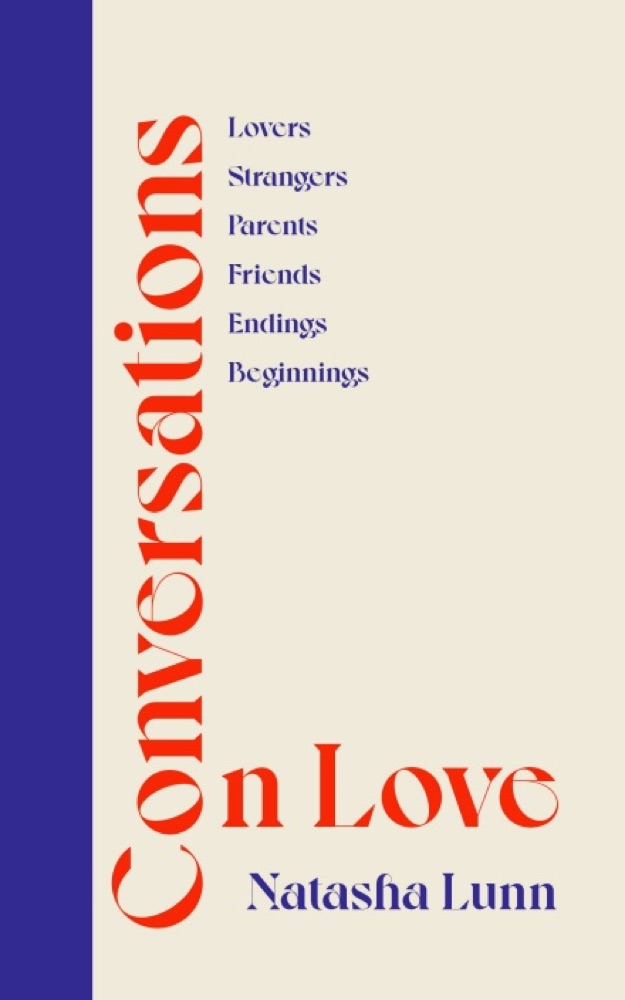 Conversations on Love
 Love and War: Finding the Marriage You've Dreamed Of
 Emma in the Night
 Love and Responsibility
 Identity
 Our Chemical Hearts
 A Certain Hunger
 Like Water for Chocolate
 The Art of Hearing Heartbeats