
 Communion: The Female Search for Love
Quotes from the Book
Expecting a woman in this landscape to demonstrate dissent by cutting ties with her family—the only institution that provides her material security in the absence of a supportive state or an inclusive market that values her labour—is, perhaps, asking for too much.
8
Critics often say that DDLJ, with its emphasis on patriarchal permission for young love, discourages dissent. This argument narrows the space for dissent by legitimizing it only in its most blatant, combative form, demanding that dissent always be obvious and 'out there' in full view of TV cameras and Twitter. So, no act of protest short of elopement, short of the most radical rejection of family, would suffice. Demanding such all-or-nothing actions doesn't account for the costs that eloping and actively abandoning their families would impose on women from any economic strata. The way we express resistance is subject to our own personal calculus of risk and reward.
7
Fantasizing about an impossibly idealized kind of love they’d seen an actor perform on-screen. Yet, all their real-world efforts were extremely pragmatic, often sacrificing the love they fantasized about as a price for earning status, security, and financial freedom.
6
If the sex is good, it’s tough to walk away. Because sex is so important, yaar. It’s the only good kind of attention men can give women. But most boys in India don’t know what to do, and most girls I know don’t know how to enjoy it. No one tells us about it, we can only learn from porn, and that doesn’t show what we women like. It’s made for boys mostly, and I think it’s just teaching them to keep attacking our bodies in bed!
5
These women relied on Shah Rukh when they found the real world and all its pandemics and practicalities inhospitable. Because only the deepest dissatisfaction with reality drives us to dwell in fantasy.
5
On good days, my singledom feels like a hard-won ally. She allows me the space to design my life as I please, to be selfish and embrace a more public role than most women in my country can enjoy. On bad days, my singledom becomes my nemesis, reminding me that I never chose her, that I am alone because love never arrayed itself into my life. She chastises me for failing to settle for a sensible man. At her very worst, she resurrects buried fantasies of finding a partner and love. As the fantasies resurface, so do old doubts. My singledom conjures images from failed romances, asking uncomfortable questions, tearing into past choices. As you’ll soon discover, not very long ago, I spent too much of my time obsessing over some idealized-gentry-type or another. Encouraged by my singledom to wallow in past misery, I excavate the ugly remains of my romantic past. Why didn’t he pick me? Why couldn’t I have been the One? Why is no one madly in love with me? Am I not good enough? Am I too picky? A map replete with signposts of romantic rejection haunts me. I must endeavour to exorcize my ghost.
4
Indians are the most depressed people in the world and women are fifty per cent more likely to suffer episodes of depression than men.
4
Our tryst with global modernity enables new choices and norms that create their own problems and their own solutions. The opportunity to study, work and find your own partner exposes us to the harsh markets for mates and monies. Philosophers tell us that capitalism has made us all complicit in our own commoditization. Love, as much as labour, has become an object of trade and exchange value—circulating in a marketplace, compelling us to become slaves to the rational logic of incentives, costs and scarcity.
4
Given the continent-like size and heterogeneity of India, it is perfectly possible to live in a micro-milieu which feels like New York, full of ambitious and professionally successful women, without recognizing how small and statistically insignificant these spaces are.
3
We leave partners using the framework of opportunity costs as we’re convinced there are better options out there; we lose weight to become more appealing and raise our value in the marketplace. We maintain beauty because attractiveness is an endowment, which improves one’s chances of finding love.
3
In its most common usage, maryada, or modesty, connotes social traditions and boundaries, the mores and norms a woman must abide by to earn love and respect from her family and immediate community.
3
For all the sorrows and joys of love depicted in Hindi cinema, men and women are rarely seen talking to each other about the terms of their love and intimacy. They recite poetic praise for their beloved, sing songs, dance in coordination, hold hands and perform soft porn, but remain comically squeamish when it comes to conversing about sex.
3
Most people see the problem of love primarily as that of being loved, rather than that of loving, of one’s capacity to love. Hence the problem to them is how to be loved, how to be lovable … Many of the ways to make oneself lovable are the same as those used to make oneself successful, to ‘win friends and influence people’. As a matter of fact, what most people in our culture mean by being lovable is essentially a mixture between being popular and having sex appeal.
2
This book isn’t about Shah Rukh Khan. Rather, I hope to reveal how female fans use his icon to talk about themselves. Their stories will illustrate how his films, songs and interviews are invoked to frame a feminine conversation on inequality within families, workplaces and contemporary romances.
2
I am one of those women your friends talk about. You know, the woman from the infamous refrain, ‘So many great single women but so very few great single men.’ At work, I am competent and composed. At love, I am a fumbling failure.
2
Our institutions, so ad hoc and dysfunctional when it counts, have displayed a surpassing efficiency at reinforcing gender identity. Somehow, we ensure that men and women inhale what society expects of them, and magically, most of us play out our respective gender identities and idioms. Men must earn money and women must earn love.
1
Life can often be described as the distance we travel between the people we are and the people we want to be.
1
Even in 2018, eighty per cent of victims of reported kidnapping and abduction cases were women. Between 2001 and 2017, data published by the Indian National Crime Records Bureau showed that ‘love’ was a far more frequent reason for the murder of women than terrorism. Beyond honour killings, it remains common for us to read reports of young single women being murdered for simply rejecting the romantic overtures of men interested in them.
1
Big-budget romantic Hindi films rarely accede that a sexual encounter between decent people may simply be for pleasure or play, that sex may never lead to love or marriage.
1
For who can find an iota of love in the world outside if they can’t broker some ease within themselves?
In commenting on how films sell fantasy in India, scholars often draw links between the income poverty of the country and the on-screen displays of hyper-consumption and excessive wealth. These are meant to project the neoliberal aspirations of a growing middle class and its desire to at once uphold community traditions and encourage individualism. Simultaneously, the images are intended to enchant and distract the masses from their everyday drudgery.
Maryada maps the boundaries of what is appropriate or ‘normative behaviour’ for a woman, what she ought to do and be, demarcating the possibilities for her spirit and self.
A woman on celluloid is always the Beauty, the Bitch or the Bechari, never even our own muddled desi Bridget Jones.
Watch on YouTube
About Shrayana Bhattacharya
We have collected 23 quotes from 1 book by Shrayana Bhattacharya on BookQuoters.
More about the author →About the book
In this pathbreaking work, Shrayana Bhattacharya maps the economic and personal trajectories--the jobs, desires, prayers, love affairs and rivalries--of a diverse group of women. Divided by class but united in fandom, they remain steadfast in their search for intimacy, independence and fun. Embracing Hindi film idol Shah Rukh Khan allows them a small respite from an oppressive culture, a fillip to their fantasies of a friendlier masculinity in Indian men. Most struggle to find the freedom-or income-to follow their favourite actor.
Bobbing along in this stream of multiple lives for more than a decade-from Manju's boredom in 'rurban' Rampur and Gold's anger at having to compete with Western women for male attention in Delhi's nightclubs, to Zahira's break from domestic abuse in Ahmedabad-Bhattacharya gleans the details on what Indian women think about men, money, movies, beauty, helples
Book details
- First published
- 2021
- Author
- Shrayana Bhattacharya
- Genre
- Nonfiction
- Goodreads rating
- 4.26 (2k ratings)
Keep reading
Communion: The Female Search for Love
 The Female Eunuch
 The Dialectic of Sex: The Case for Feminist Revolution
 Unspeakable Things: Sex, Lies and Revolution
 A Woman's Worth
 A Certain Hunger
 The Mother of All Questions
 The State of Affairs: Rethinking Infidelity
 Mating in Captivity: Reconciling the Erotic and the Domestic
 The Cost of Living: A Working Autobiography
 The Art of Seduction
 The Beauty Myth
 The Truth Will Set You Free, But First It Will Piss You Off!: Thoughts on Life, Love, and Rebellion
 The Soul of a Woman
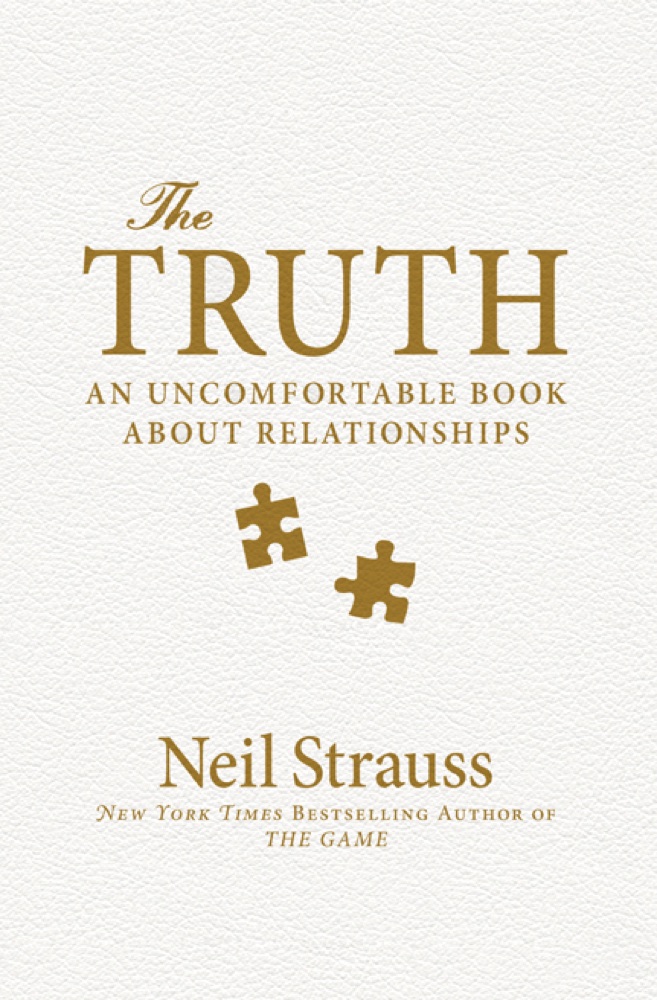 The Truth: An Uncomfortable Book About Relationships
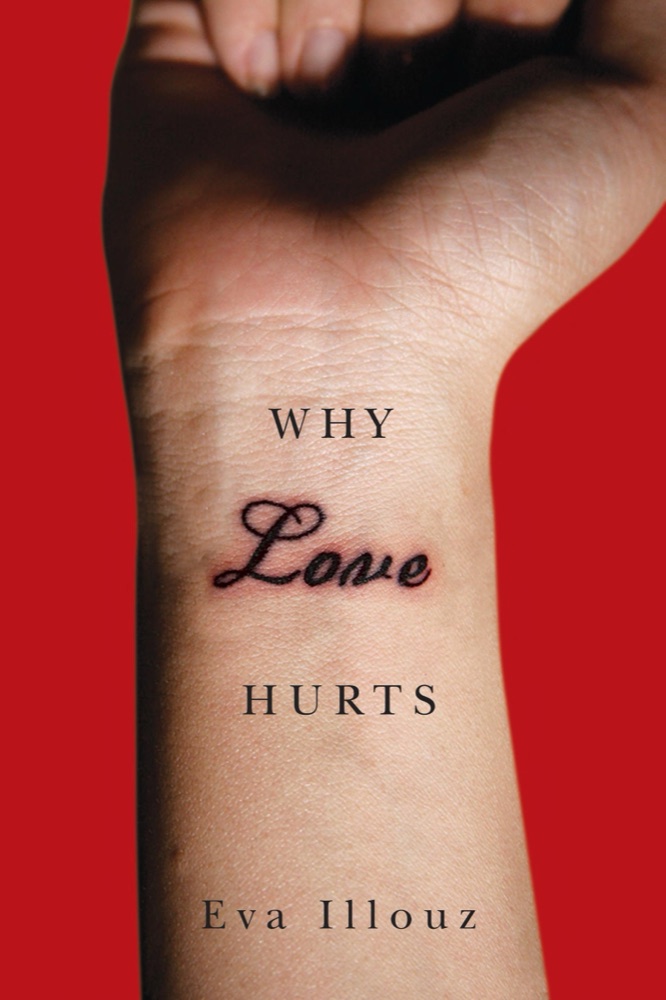 Why Love Hurts: A Sociological Explanation
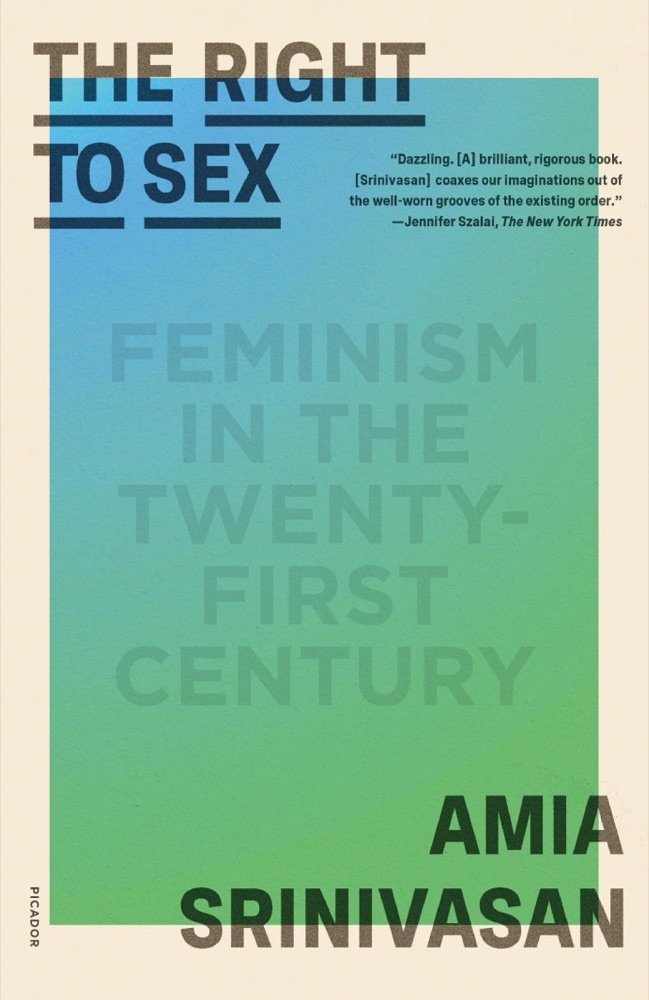 The Right to Sex: Feminism in the Twenty-First Century
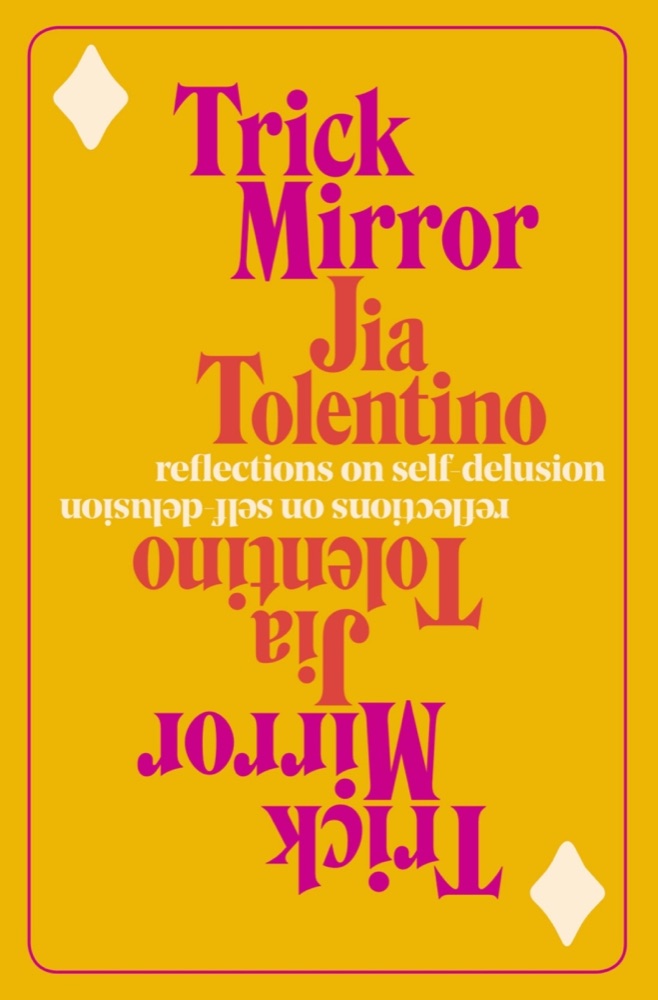 Trick Mirror: Reflections on Self-Delusion
 The Argonauts
 Love, Loss, and What We Ate: A Memoir
 Status Anxiety
 The Ethical Slut: A Guide to Infinite Sexual Possibilities
 The Second Sex
 Passionate Marriage: Keeping Love and Intimacy Alive in Committed Relationships
 The Heroine's Journey: Woman's Quest for Wholeness
 Sex Object: A Memoir
 On Love
 The Loneliness of Sonia and Sunny
 The Game: Penetrating the Secret Society of Pickup Artists
 The Feminine Mystique
 All About Love: New Visions
 The Case Against the Sexual Revolution: A New Guide to Sex in the 21st Century
 Too Fat, Too Slutty, Too Loud: The Rise and Reign of the Unruly Woman
 SCUM Manifesto
 Committed: A Skeptic Makes Peace with Marriage
 Good Morning, Destroyer of Men's Souls: A Memoir of Women, Addiction, and Love
 This Is Not a Book About Benedict Cumberbatch: The Joy of Loving Something--Anything--Like Your Life Depends On It
 It's Not About the Burqa
 On Our Best Behavior: The Seven Deadly Sins and the Price Women Pay to Be Good
 The Master's Tools Will Never Dismantle the Master's House
 The Favorite Sister
 Spinster: Making a Life of One's Own
 The Post-Birthday World
 The Rational Male
 The Course of Love
 Snow Flower and the Secret Fan
 Of Woman Born: Motherhood as Experience and Institution
 Sita: Warrior of Mithila
 Intercourse
 Far from the Madding Crowd
 The Centre
 MILF: Motherhood, Identity, Love and F*ckery
 My Life on the Road
 Cunt: A Declaration of Independence
 An Experiment in Love
 Butter
 Serious Men
 Passages: Predictable Crises of Adult Life
 On Beauty
 Woman: An Intimate Geography