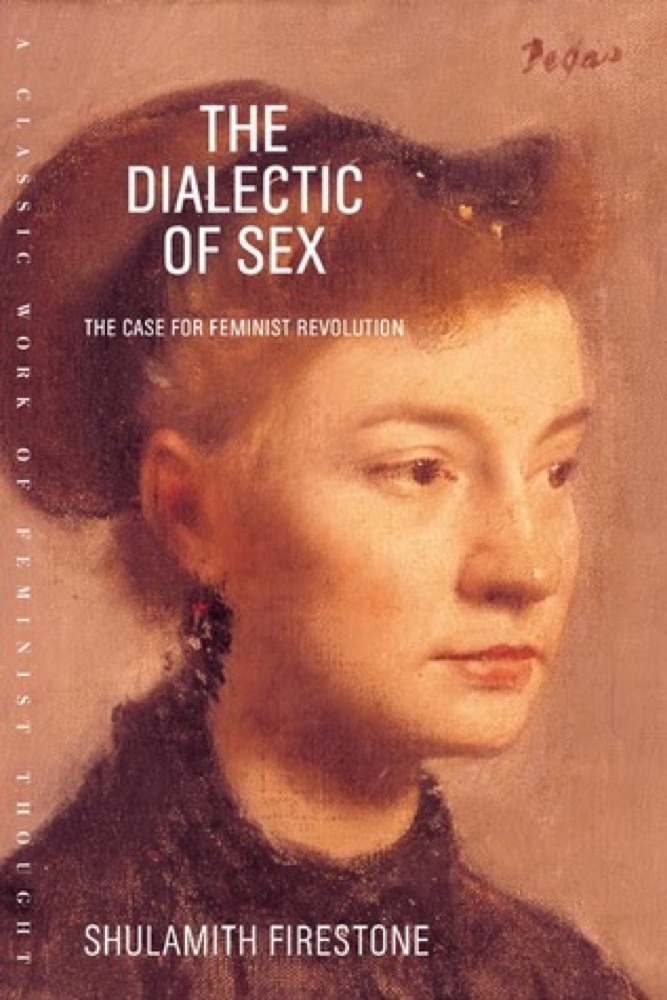

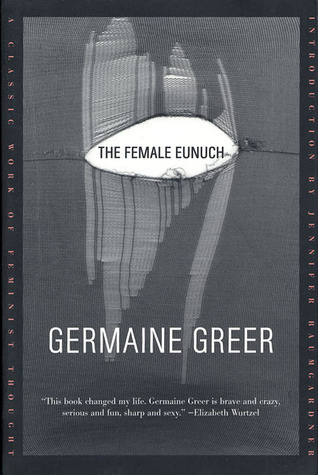
 The Female Eunuch
Quotes from the Book
...love is essentially a much simpler phenomenon--it becomes complicated, corrupted or obstructed by an unequal balance of power.
35
(Male) culture was (and is) parasitical, feeding on the emotional strength of women without reciprocity.
32
If women are differentiated only by superficial physical attributes, men appear more individual and irreplaceable than they really are.
29
He has let her in not because he genuinely loved her, but only because she played so well into his preconceived fantasies.
28
In my own case, I had to train myself out of that phony smile, which is like a nervous tic on every teenage girl. And this meant that I smiled rarely, for in truth, when it came down to real smiling, I had less to smile about. My 'dream' action for the women's liberation movement: a smile boycott, at which declaration all women would instantly abandon their 'pleasing' smiles, henceforth smiling only when something pleased them.
24
A fair and generous woman is (at best) respected, but seldom loved.
22
a revolutionary in every bedroom cannot fail to shake up the status quo. And if it is your wife that is revolting, you can't just split to the suburbs. Feminism, when it truly achieves it's goals, will crack through the most basic structures of our society.
22
Thus her whole identity hangs in the balance of her love life. She is allowed to love herself only if a man finds her worthy of love.
21
To be worshiped is not freedom.
18
...he will go to his grave feeling cheated, never realizing that there isn't much difference between one woman and the other, that it is the loving that creates the difference.
16
It would take a denial of all cultural tradition for women to produce even a true 'female' art. For a woman who participates in (male) culture must achieve and be rated by standards of a tradition she had no part in making - and certainly there is no room in that tradition for a female view, even if she could discover what it was.
15
It is only after we have integrated the dark side of the moon into our world view that we can begin to talk seriously of universal culture.
14
A mother who undergoes a nine-month pregnancy is likely to feel that the product of all that pain and discomfort 'belongs' to her.
12
...childbirth is at best necessary and tolerable. It is not fun. (Like shitting a pumpkin, a friend of mine told me when I inquired about the Great-Experience-You-Are-Missing.)
12
All men are selfish, brutal and inconsiderate--and I wish I could find one.
12
In the radical feminist view, the new feminism is not just the revival of a serious political movement for social equality. It is the second wave of the most important revolution in history. Its aim: the overthrow of the oldest, most rigid class/caste system in existence, the class system based on sex - a system consolidated over thousands of years, lending the archetypal male and female roles and undeserved legitimacy and seeming permanence.
11
Emancipated' women found out that the honesty, generosity, and camaraderie of men was a lie.
11
The patriarchal family was only the most recent in a string of 'primary' social organizations, all of which defined woman as a different species due to her unique childbearing capacity. The term family was first used by the Romans to denote a social unit the head of which ruled over wife, children, and slaves - under Roman law he was invested with the rights of life and death over them all; famulus means domestic slave, and familia is the total number of slaves belonging to one man.
10
...the end goal of feminist revolution must be...not just the elimination of male privilage but of the sex distinction itself: genital differences between human beings would no longer matter culturally.
9
Women and love are underpinnings. Examine them and you threaten the very structure of culture.
9
Love has never been understood, though it may have been fully experienced, and that experience communicated.
9
The best way to raise a child is to LAY OFF!
9
But in psychoanalysis there are no unimportant thoughts; there are only thoughts that pretend to be unimportant in order to not be told.
8
The pervasion of image has so deeply altered our very relationships to ourselves that even men have become objects--if never erotic objects.
7
But what about women who have contributed directly to culture? There aren't many. And in those cases where individual women have participated in male culture, they have had to do so on male terms. And it shows. Because they have had to compete as men, in a male game - while still be pressured to prove themselves in the old female roles, a role at odds with their self-appointed ambitions - it is not surprising that they are seldom as skilled as men at the game of culture. Women have no means of coming to an understanding of what their experience is, or even that it is different from male experience. The tool for representing, for objectifying one's experience in order to deal with it, culture, is so saturated with male bias that women almost never have a chance to see themselves culturally through their own eyes. So that finally, signals from their direct experience that conflict with the prevailing (male) culture are denied and repressed.
6
It is dangerous to feel sorry for one’s oppressor — women are especially prone to this failing — but I am tempted to do it in this case. Being unable to love is hell.
5
...new theories and new movements do not develop in a vacuum, they arise to spearhead the necessary social solutions to new problems resulting from contradictions in the environment.
5
The demands of Sex Privatization contradict the demands of the Beauty Ideal, causing the severe feminine neurosis about personal appearance.
5
Believe me, if all wives whose husbands had affairs left them, we would only have divorced women in this country.
5
It is only the failure of my plots I fear.
5
Watch on YouTube
About Shulamith Firestone
We have collected 30 quotes from 1 book by Shulamith Firestone on BookQuoters.
More about the author →About the book
Originally published in 1970, when Shulamith Firestone was just twenty-five years old, and going on to become a bestseller, The Dialectic of Sex was the first book of the women's liberation movement to put forth a feminist theory of politics.
Beginning with a look at the radical and grassroots history of the first wave (with its foundation in the abolition movement of the time), Firestone documents its major victory, the granting of the vote to women in 1920, and the fifty years of ridicule that followed. She goes on to deftly synthesize the work of Freud, Marx, de Beauvoir, and Engels to create a cogent argument for feminist revolution. Identifying women as a caste, she declares that they must seize the means of reproduction for as long as women (and only women) are required to bear and rear children, they will be singled out as inferior. Ultimately she presents feminism as the key r
Book details
- First published
- 1970
- Author
- Shulamith Firestone
- Genre
- Nonfiction
- Goodreads rating
- 3.83 (3k ratings)
Keep reading
The Female Eunuch
 The Feminine Mystique
 Unspeakable Things: Sex, Lies and Revolution
 The Second Sex
 SCUM Manifesto
 The Right to Sex: Feminism in the Twenty-First Century
 The Soul of a Woman
 Sexual Politics
 Right Wing Women
 Intercourse
 A Vindication of the Rights of Woman
 The Truth Will Set You Free, But First It Will Piss You Off!: Thoughts on Life, Love, and Rebellion
 Of Woman Born: Motherhood as Experience and Institution
 Female Chauvinist Pigs: Women and the Rise of Raunch Culture
 The Case Against the Sexual Revolution: A New Guide to Sex in the 21st Century
 A Certain Hunger
 A Woman's Worth
 Feminism Is for Everybody: Passionate Politics
 Communion: The Female Search for Love
 The Women's Room
 Difficult Women: A History of Feminism in 11 Fights
 Herland
 The Master's Tools Will Never Dismantle the Master's House
 An Experiment in Love
 Cunt: A Declaration of Independence
 The Rational Male
 Dead Blondes and Bad Mothers
 The Mad Women's Ball
 The Beauty Myth
 Women's Liberation and the African Freedom Struggle
 Men Explain Things to Me
 Outrageous Acts and Everyday Rebellions
 The Heroine's Journey: Woman's Quest for Wholeness
 On Beauty
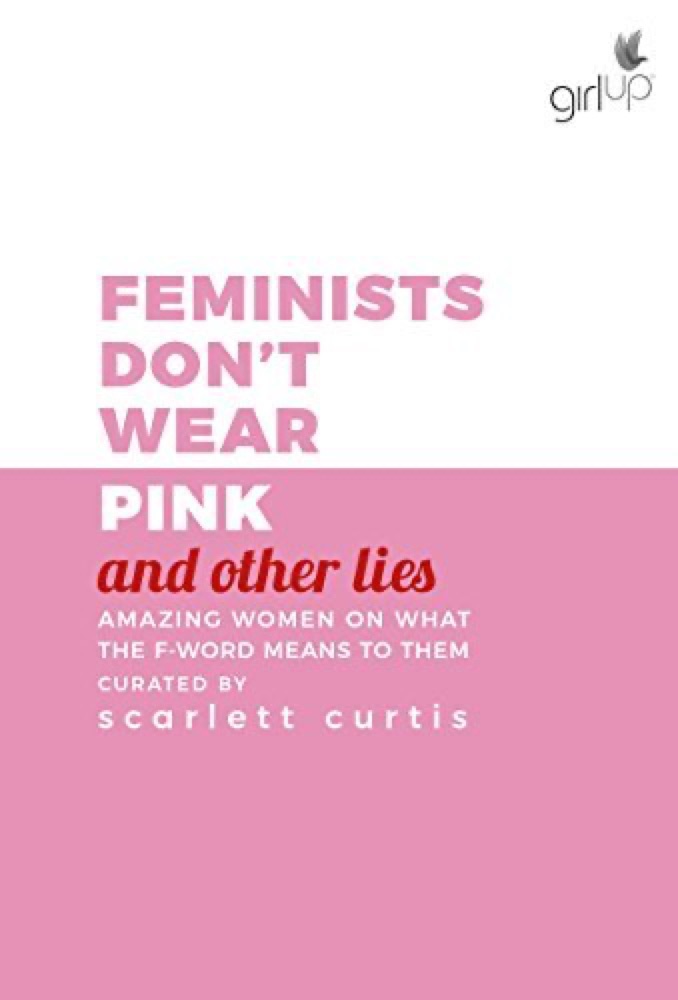 Feminists Don't Wear Pink (And Other Lies): Amazing Women on What the F-Word Means to Them
 Her Majesty's Royal Coven
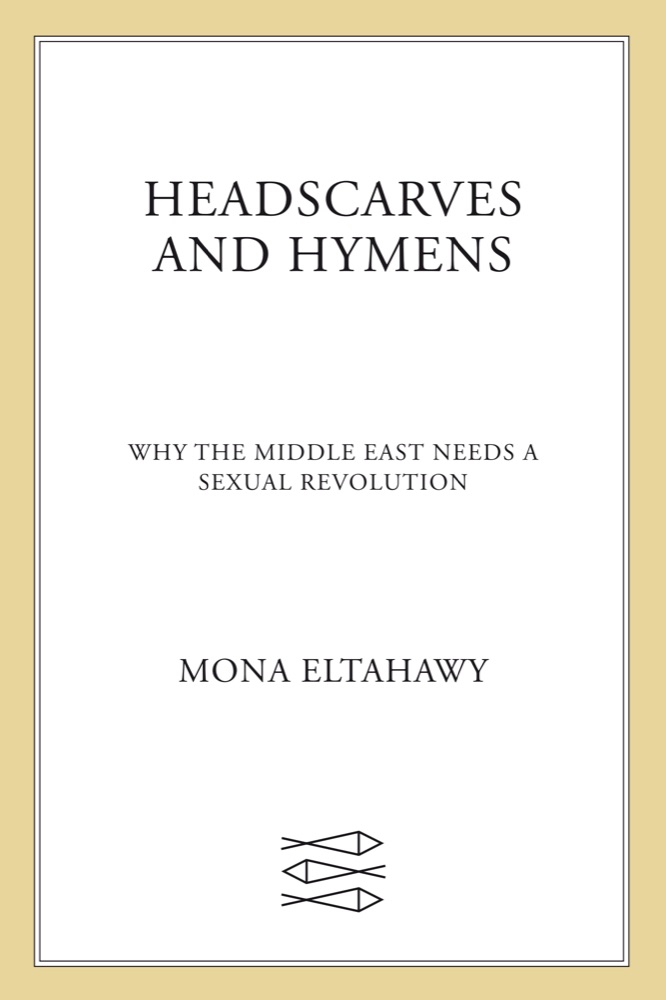 Headscarves and Hymens: Why the Middle East Needs a Sexual Revolution
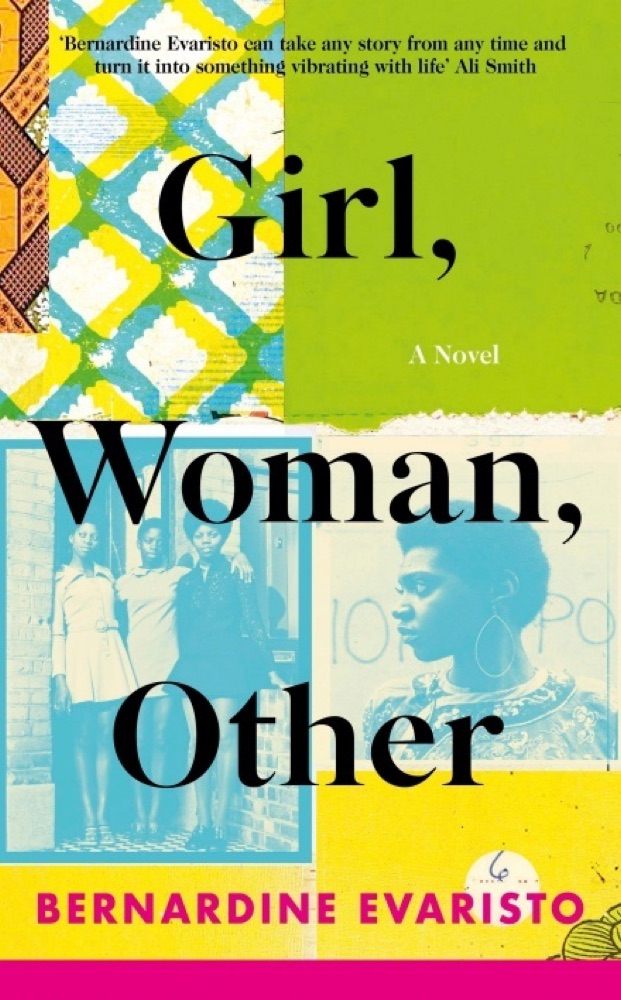 Girl, Woman, Other
 Sex Object: A Memoir
 The Argonauts
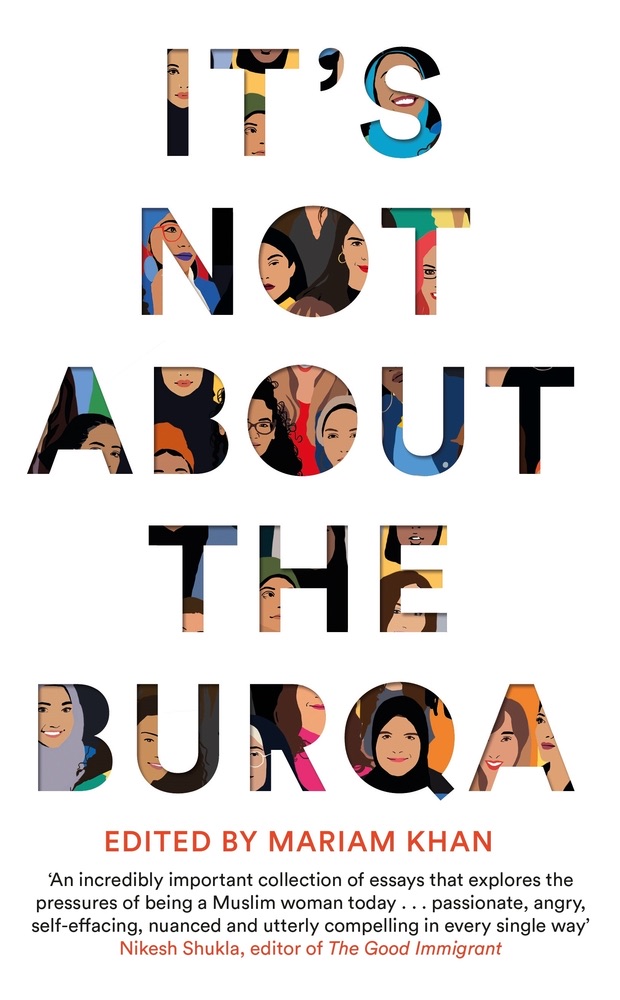 It's Not About the Burqa
 Brief Interviews with Hideous Men
 Lady Chatterley's Lover
 This Bridge Called My Back: Writings by Radical Women of Color
 Women Talking
 Pornography: Men Possessing Women
 Desperately Seeking Shah Rukh: India's Lonely Young Women and the Search for Intimacy and Independence
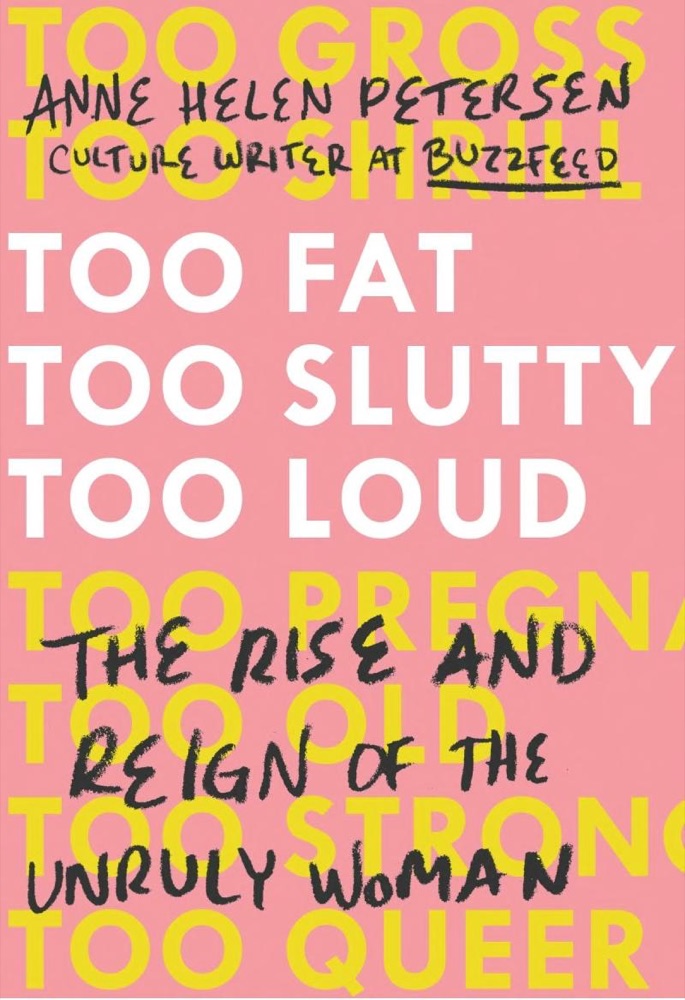 Too Fat, Too Slutty, Too Loud: The Rise and Reign of the Unruly Woman
 The Anti-Mary Exposed: Rescuing the Culture from Toxic Femininity
 Cassandra Speaks: When Women Are the Storytellers, the Human Story Changes
 Trainwreck: The Women We Love to Hate, Mock, and Fear... and Why
 Far from the Madding Crowd
 Grotesque
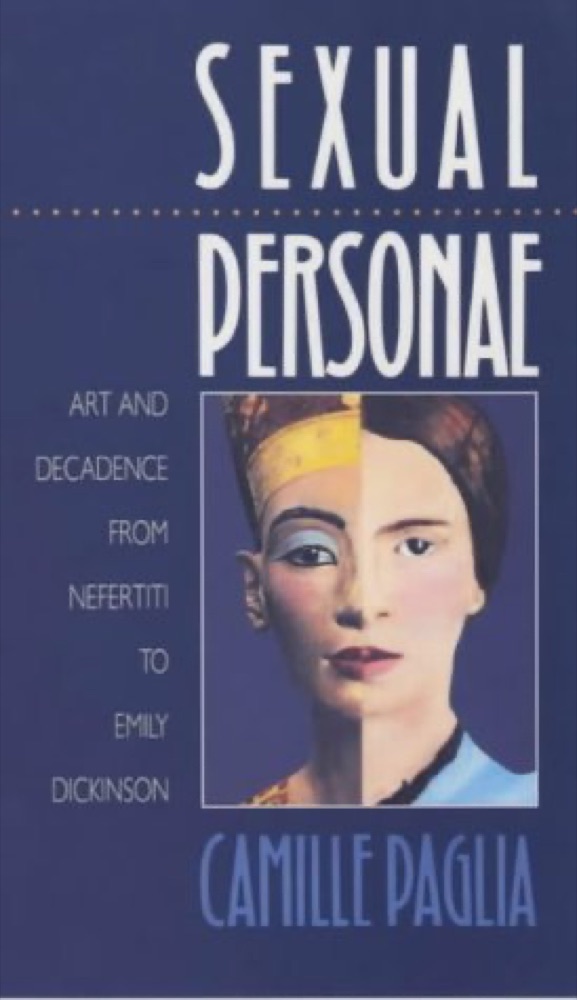 Sexual Personae: Art and Decadence from Nefertiti to Emily Dickinson
 The Mother of All Questions
 Native Tongue
 The Cost of Living: A Working Autobiography
 Not That Bad: Dispatches from Rape Culture
 A Girl Is a Body of Water
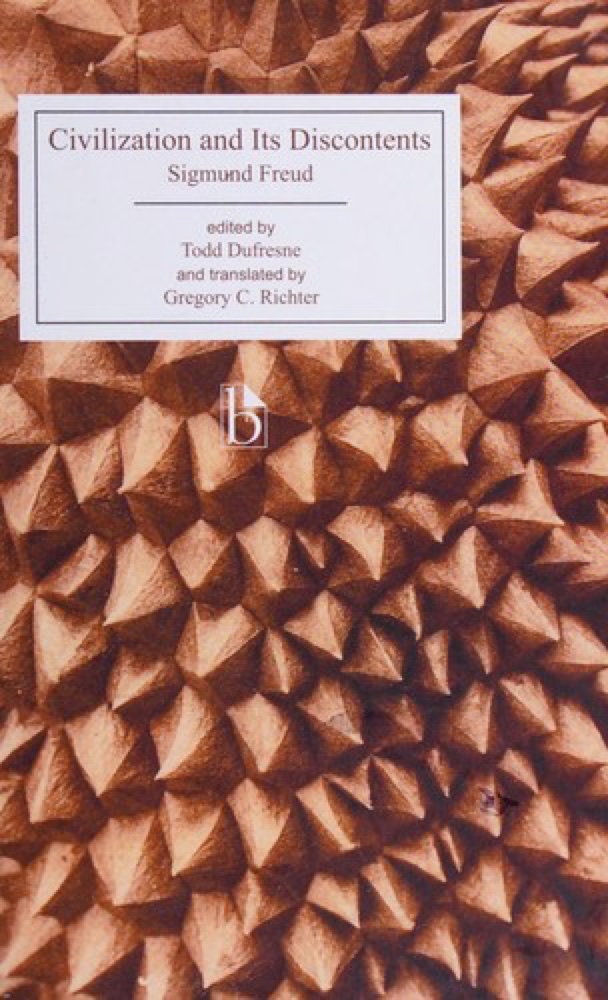 Civilization and Its Discontents