
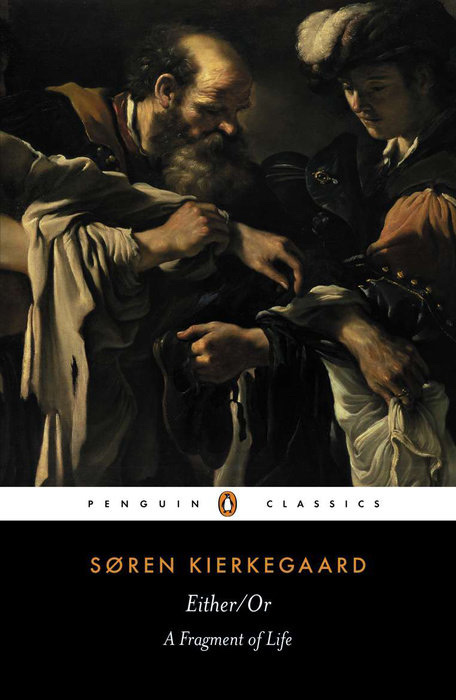
 Either/Or: A Fragment of Life
Quotes from the Book
When one has once fully entered the realm of love, the world — no matter how imperfect — becomes rich and beautiful, it consists solely of opportunities for love.
91
With respect to love we speak continually about perfection and the perfect person. With respect to love Christianity also speaks continually about perfection and the perfect person. Alas, but we men talk about finding the perfect person in order to love him. Christianity speaks about being the perfect person who limitlessly loves the person he sees.
51
Men think that it is impossible for a human being to love his enemies, for enemies are hardly able to endure the sight of one another. Well, then, shut your eyes--and your enemy looks just like your neighbor.
38
To grumble about the world and its unhappiness is always easier than to beat one's breast and groan over oneself.
36
To have distinctiveness is to believe in the distinctiveness of everyone else, because distinctiveness is not mine but is God’s gift by which he gives being to me, and he indeed gives to all, gives being to all. (p. 271)
20
the measure of a person’s disposition is this: how far is he from what he understands to what he does, how great is the distance between his understanding and his actions.
17
Spontaneous love makes a person free and at the next moment dependent. It is just as with a person’s coming into existence; by coming into existence, by becoming a self, he becomes free, but at the next moment he is dependent on this self.
7
As the calm lake stems from the deep spring that no eye saw, so too a person's love has a still deeper ground, in God's love. If there were no gushing spring at the bottom, if Hod were not love, then neither would there be the little lake nor either a person's love. As the calm lake stems darkly from the deep spring, so a person's love originate mysteriously in God's. As the calm lake indeed invites you to contemplate it, yet with the darkness of the reflection prevents you from seeing through it, so does love's mysterious origin in God's love prevent you from seeing its ground. When you think you see it, it is a reflection that deceives you, as if what only hides the deeper ground were itself the ground.
7
salvation consists primarily in his beginning to sorrow earnestly over himself!
6
When the depressed person desires to be rid of life, indeed, of himself, is this not because he is unwilling to learn earnestly and rigorously to love himself?
4
All distinctions between the many different kinds of love are essentially abolished by Christianity.
4
Love believes all things," for to believe all things means precisely, even though love is not apparent, even though the opposite is seen, to presuppose that love is nevertheless present fundamentally, even in the misguided, even in the corrupt, even in the hateful.
3
However ridiculous, however backward, however inexpedient loving one's neighbour may seem in he world, it is still the highest a man is capable of doing.
2
The actor’s art is the art of deceiving; the art is the deception. To be able to deceive is the great thing, and to allow oneself to be deceived is just as great. Therefore one must not be able and must not want to see the actor through the costume; therefore it is the pinnacle of art when the actor becomes one with what he represents, because this is the pinnacle of deception.
2
The best defense against hypocrisy is love; indeed, it is not only a defense but a chasmic abyss; in all eternity it has nothing to do with hypocrisy. This also is a fruit by which love is known—it secures the loving one against falling into the snare of the hypocrite.
2
The poet can understand everything, in riddles, and wonderfully explain everything, in riddles, but he cannot understand himself or understand that he himself is a riddle
2
Only when it is a duty to love, only then is love eternally and happily secured against despair
2
Forsake the dissimilarities so that you can love the neighbor. Alas, perhaps it is not even necessary to say this to you; perhaps you found no beloved in this world, no friend along the way, so that you are walking alone.
2
Pues amar a Dios significa amarse de verdad a uno mismo; ayudar a otro ser humano a que ame a Dios es amar a otro ser humano; ser ayudado por otro ser humano para amar a Dios significa ser amado.
2
Knowledge is like the sheerest transparency, precisely the most perfect and purest, like the purest water, which has no taste at all. The magistrate is not defiled because he knows more about the plots than the criminal. No, knowledge does not defile a man; it is mistrust which defiles a man's knowledge just as love purifies it.
1
No poet, if he understands himself, would think of singing its praises. What the poet sings about must have the sadness, which is the riddle of his own life, that it must blossom—and, alas, must perish.
1
perhaps most individuals live in a diluted social morality and need the rigorous ethical imperative of vision and requirement
1
O you quiet martyrs of an unhappy erotic love, what you suffered by having, out of love, to hide your love certainly remained a secret; it never became known, so great was your love that involved this sacrifice—yet your love became known by its fruits! And perhaps these very fruits, the ones matured by the quiet fire of a hidden pain, became the most precious.
1
what paganism called love, as distinguished from self-love, was preference. But if passionate preference is essentially another form of self-love, then one sees here again the truth in the saying of the venerable fathers: “that the virtues of paganism are glittering vices
1
In erotic love and friendship, the two love each other by virtue of the dissimilarity or by virtue of the similarity that is based on dissimilarity (as when two friends love each other by virtue of similar customs, characters, occupations, education, etc., that is, on the basis of the similarity by which they are different from other people, or in which they are like each other as different from other people). Therefore the two can become one self in a selfish sense.
1
The poet does indeed love solitude, loves it—in order to discover in solitude the missing happiness of erotic love and friendship, just as one who in wonder wants to observe the stars seeks a dark place.
1
Watch on YouTube
About Søren Kierkegaard
We have collected 136 quotes from 6 books by Søren Kierkegaard on BookQuoters.
More about the author →More by Søren Kierkegaard
Either/Or: A Fragment of Life
 Fear and Trembling
 The Sickness Unto Death: A Christian Psychological Exposition for Upbuilding and Awakening
 The Essential Kierkegaard
About the book
The various kinds and conditions of love are a common theme for Kierkegaard, beginning with his early Either/Or , through "The Diary of the Seducer" and Judge William's eulogy on married love, to his last work, on the changelessness of God's love. Works of Love , the midpoint in the series, is also the monumental high point, because of its penetrating, illuminating analysis of the forms and sources of love. Love as feeling and mood is distinguished from works of love, love of the lovable from love of the unlovely, preferential love from love as the royal law, love as mutual egotism from triangular love, and erotic love from self-giving love.
This work is marked by Kierkegaard's Socratic awareness of the reader, both as the center of awakened understanding and as the initiator of action. Written to be read aloud, the book conveys a keenness of thought and an insightful, poetic imagin
Book details
- First published
- 1847
- Author
- Søren Kierkegaard
- Genre
- Philosophy
- Goodreads rating
- 4.36 (2k ratings)
Keep reading
 The Symposium
 The Brothers Karamazov
 De Profundis
 The Art of Loving
 Aphorisms on Love and Hate
 No Man Is an Island
 Love, Freedom, and Aloneness: The Koan of Relationships
 Love and Responsibility
 The Will to Power
 The Gay Science
The Sickness Unto Death: A Christian Psychological Exposition for Upbuilding and Awakening
The Gay Science
The Sickness Unto Death: A Christian Psychological Exposition for Upbuilding and Awakening
 Gravity and Grace
 On Love
 Love and Will
 When Nietzsche Wept
 The Four Loves
 The Problem of Pain
 The Consolation of Philosophy
 Mere Christianity
Either/Or: A Fragment of Life
Mere Christianity
Either/Or: A Fragment of Life
 The Unbearable Lightness of Being
 Phaedrus
 Ben-Hur: A Tale of the Christ
 The Letters of Abélard and Héloïse
 Shantaram
 The Road Less Travelled
 The God Who Weeps: How Mormonism Makes Sense of Life
 The Book of Mirdad: The Strange Story of a Monastery Which Was Once Called the Ark
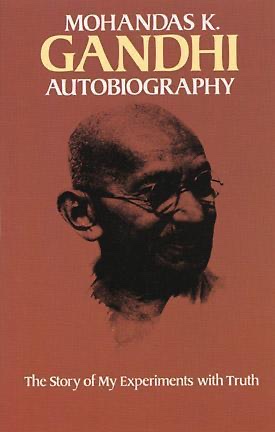 The Story of My Experiments With Truth
 The Mountain Shadow
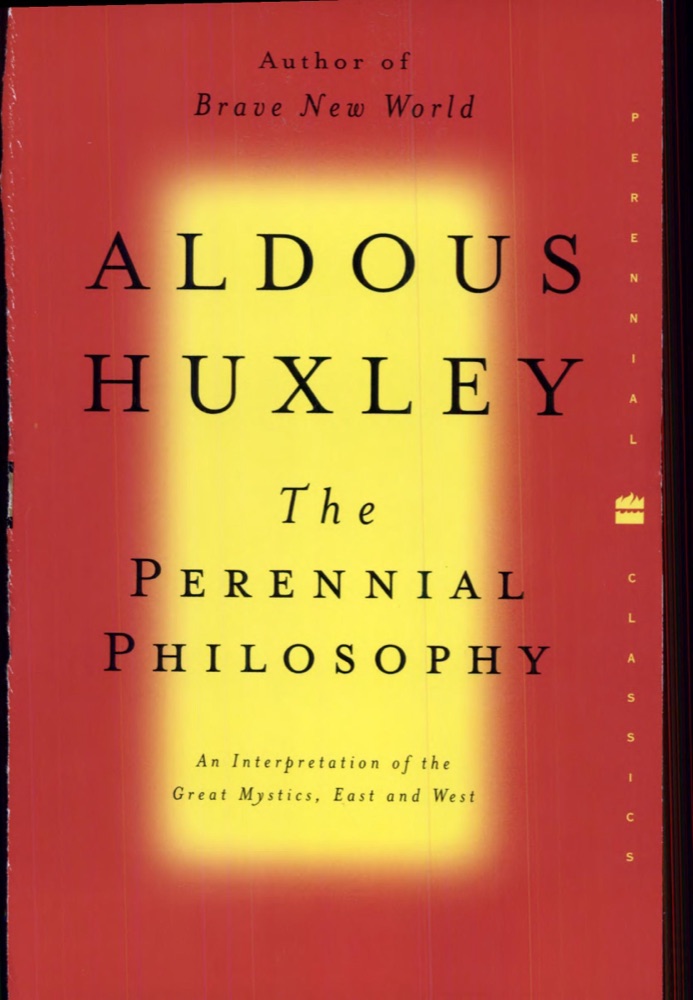 The Perennial Philosophy
 The Seven Storey Mountain
 Intermezzo
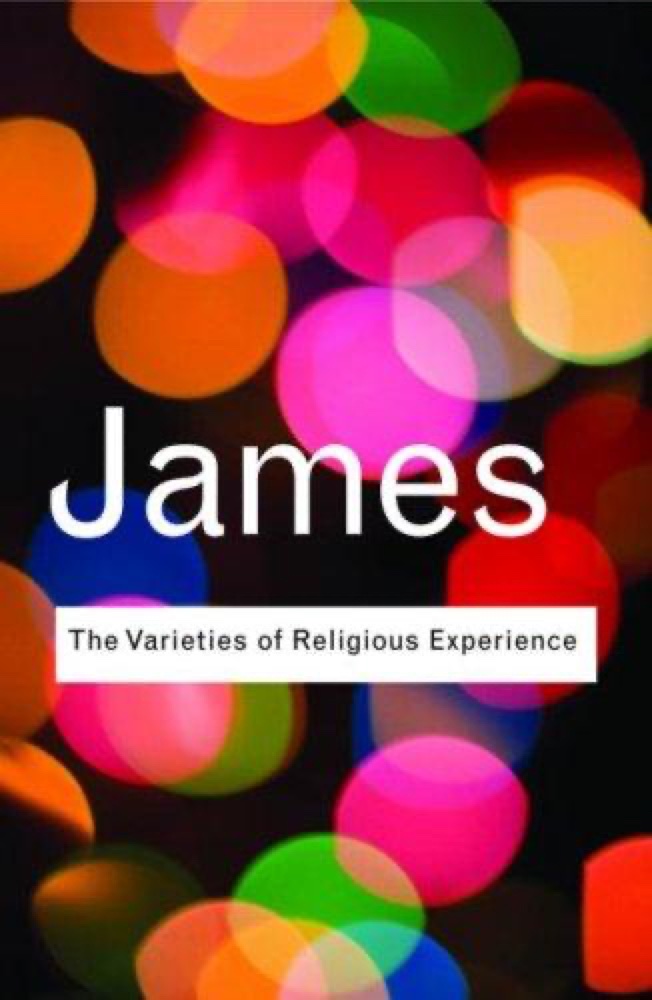 The Varieties of Religious Experience
Fear and Trembling
The Varieties of Religious Experience
Fear and Trembling
 Les Misérables
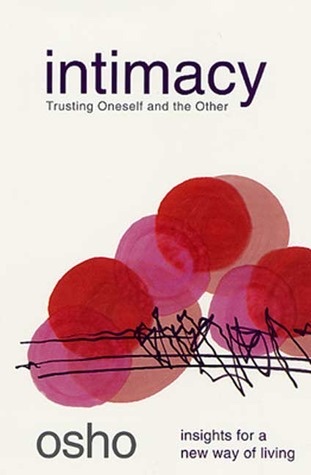 Intimacy: Trusting Oneself and the Other
 Corelli's Mandolin
 Man's Search for Ultimate Meaning
 The Fall
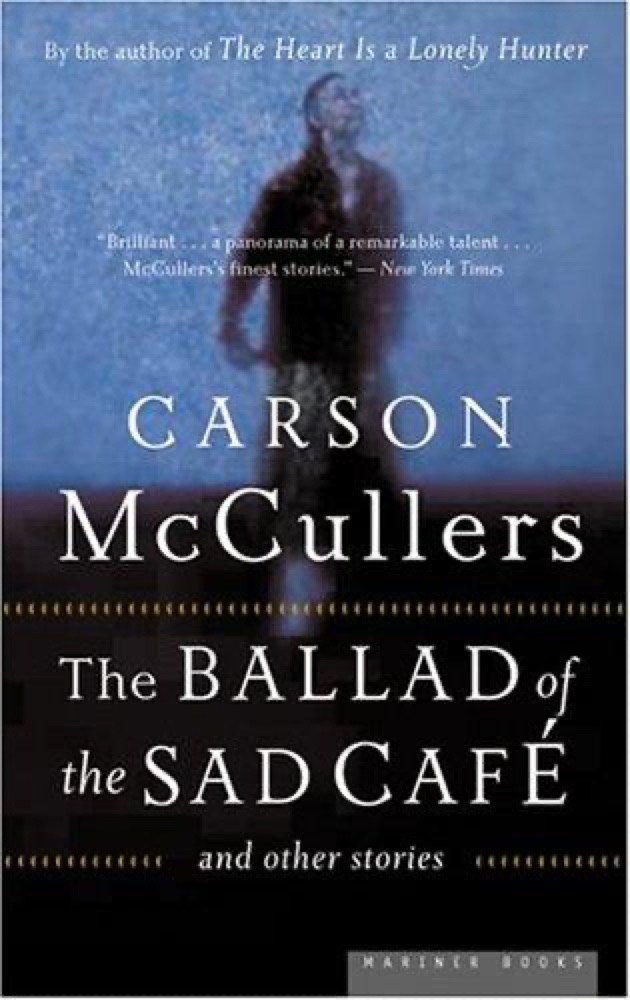 The Ballad of the Sad Café and Other Stories
 Oblomov
 The Essential Writings of Ralph Waldo Emerson
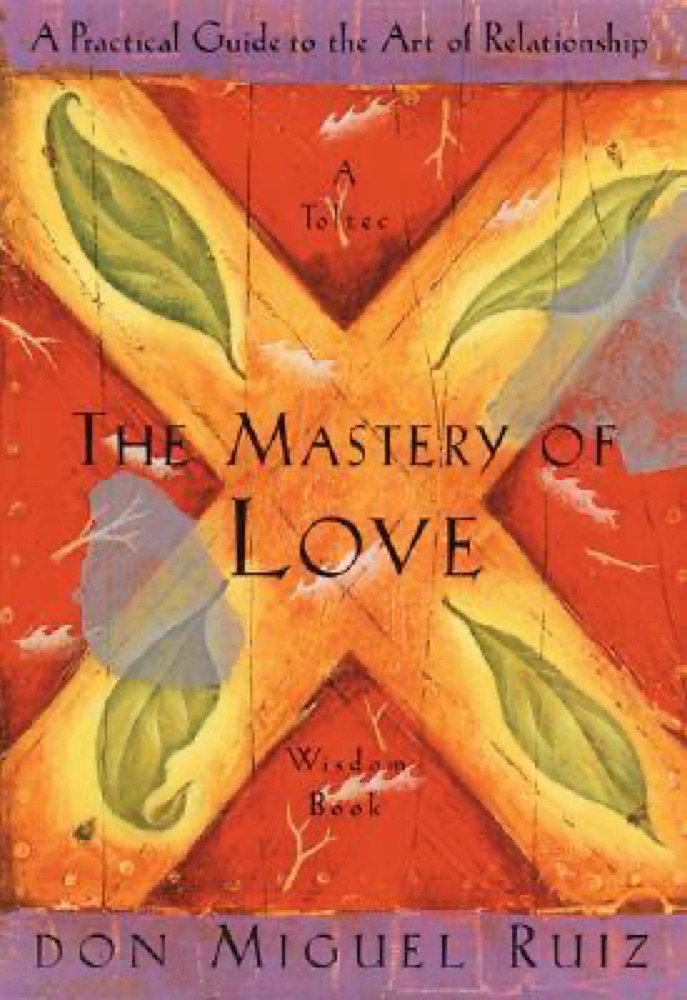 The Mastery of Love: A Practical Guide to the Art of Relationship: A Toltec Wisdom Book
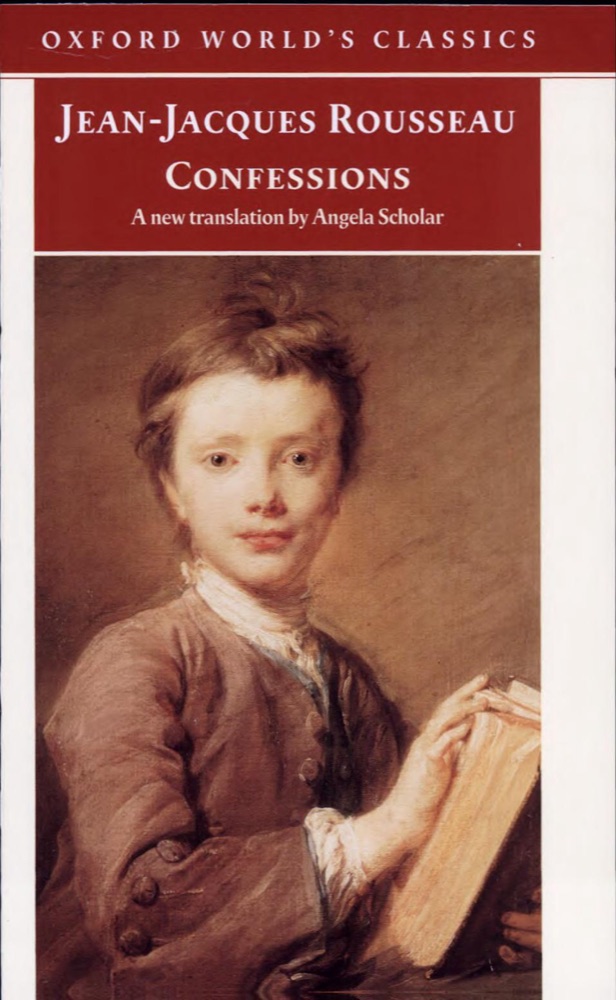 Confessions
 Doctor Zhivago
 The Ego and Its Own
 All About Love: New Visions
 Orthodoxy
 Strength to Love
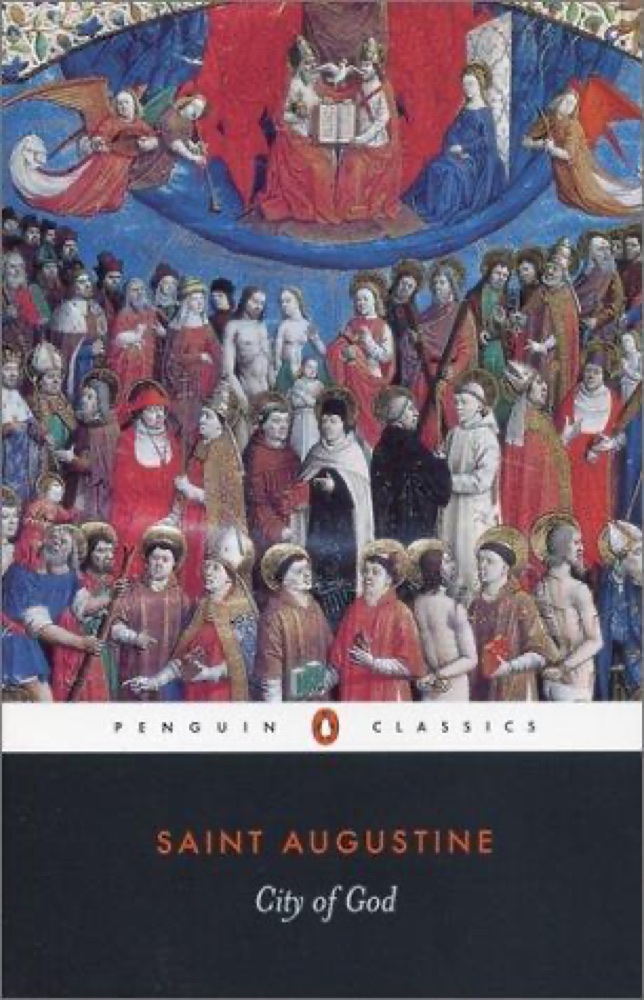 City of God
 The Way to Love: The Last Meditations of Anthony de Mello
 Demian
 Eyeless in Gaza
 Searching for God Knows What
 The Fountainhead
 The Joke
 East of Eden
 The World as Will and Representation, Vol 1
 The Prophet