
 The State of Affairs: Rethinking Infidelity
Quotes from the Book
Today, we turn to one person to provide what an entire village once did: a sense of grounding, meaning, and continuity. At the same time, we expect our committed relationships to be romantic as well as emotionally and sexually fulfilling. Is it any wonder that so many relationships crumble under the weight of it all?
151
For [erotically intelligent couples], love is a vessel that contains both security and adventure, and commitment offers one of the great luxuries of life: time. Marriage is not the end of romance, it is the beginning. They know that they have years in which to deepen their connection, to experiment, to regress, and even to fail. They see their relationship as something alive and ongoing, not a fait accompli. It’s a story that they are writing together, one with many chapters, and neither partner knows how it will end. There’s always a place they haven’t gone yet, always something about the other still to be discovered.
144
Love rests on two pillars: surrender and autonomy. Our need for togetherness exists alongside our need for separateness.
120
Love enjoys knowing everything about you; desire needs mystery. Love likes to shrink the distance that exists between me and you, while desire is energized by it. If intimacy grows through repetition and familiarity, eroticism is numbed by repetition. It thrives on the mysterious, the novel, and the unexpected. Love is about having; desire is about wanting. An expression of longing, desire requires ongoing elusiveness. It is less concerned with where it has already been than passionate about where it can still go. But too often, as couples settle into the comforts of love, they cease to fan the flame of desire. They forget that fire needs air.
101
The grand illusion of committed love is that we think our partners are ours. In truth, their separateness is unassailable, and their mystery is forever ungraspable. As soon as we can begin to acknowledge this, sustained desire becomes a real possibility. It’s remarkable to me how a sudden threat to the status quo (an affair, an infatuation, a prolonged absence, or even a really good fight) can suddenly ignite desire. There’s nothing like the fear of loss to make those old shoes look new again.
70
Love is a vessel that contains both security and adventure, and commitment offers one of the great luxuries of life: time. Marriage is not the end of romance, it is the beginning.
62
Our partner's sexuality does not belong to us. It isn't just for and about us, and we should not assume that it rightfully falls within our jurisdiction.
60
Beginnings are always ripe with possibilities, for they hold the promise of completion. Through love we imagine a new way of being. You see me as I’ve never seen myself. You airbrush my imperfections, and I like what you see. With you, and through you, I will become that which I long to be. I will become whole. Being chosen by the one you chose is one of the glories of falling in love. It generates a feeling of intense personal importance. I matter. You confirm my significance.
59
It’s hard to feel attracted to someone who has abandoned her sense of autonomy.
54
It's hard to experience desire when you're weighted down by concern.
38
We're walking contradictions, seeking safety and predictability on one hand and thriving on diversity on the other.
36
We are afraid that our adult sexuality will somehow damage our kids, that it’s inappropriate or dangerous. But whom are we protecting? Children who see their primary caregivers at ease expressing their affection (discreetly, within appropriate boundaries) are more likely to embrace sexuality with the healthy combination of respect, responsibility, and curiosity it deserves. By censoring our sexuality, curbing our desires, or renouncing them altogether, we hand our inhibitions intact to the next generation.
36
Proust, “The real voyage of discovery consists not in seeking new landscapes but in having new eyes.
32
Eroticism thrives in the space between the self and the other.
32
Love is at once an affirmation and a transcendence of who we are.
29
We no longer plow the land together; today we talk. We have come to glorify verbal communication. I speak; therefore I am. We naively believe that the essence of who we are is most accurately conveyed through words.
28
And what is true for human beings is true for every living thing: all organisms require alternating periods of growth and equilibrium. Any person or system exposed to ceaseless novelty and change risks falling into chaos; but one that is too rigid or static ceases to grow and eventually dies. This never-ending dance between change and stability is like the anchor and the waves. Adult relationships mirror these dynamics all too well. We seek a steady, reliable anchor in our partner. Yet at the same time we expect love to offer a transcendent experience that will allow us to soar beyond our ordinary lives. The challenge for modern couples lies in reconciling the need for what’s safe and predictable with the wish to pursue what’s exciting, mysterious, and awe-inspiring.
27
The more we trust, the farther we are able to venture.
26
Love is an exercise in selective perception
26
Monogamy, it follows, is the sacred cow of the romantic ideal, for it is the marker of our specialness: I have been chosen and others renounced. When you turn your back on other loves, you confirm my uniqueness; when your hand or mind wanders, my importance is shattered. Conversely, if I no longer feel special, my own hands and mind tingle with curiosity. The disillusioned are prone to roam. Might someone else restore my significance
25
Like dreams and works of art, fantasies are far more than what they appear to be on the surface. They’re complex psychic creations whose symbolic content mustn’t be translated into literal intent. “Think poetry, not prose,
23
It takes two people to create a pattern, but only one to change it.
22
We used to moralize; today we normalize, and performance anxiety is the secular version of our old religious guilt.
21
The smaller we feel in the world, the more we need to shine in the eyes of our partner.
20
Where there is nothing left to hide, there is nothing left to seek.
20
The extended family, the community, and religion may indeed have limited our freedom, sexual and otherwise, but in return they offered us a much-needed sense of belonging. For generations, these traditional institutions provided order, meaning, continuity, and social support. Dismantling them has left us with more choices and fewer restrictions than ever. We are freer, but also more alone. As Giddens describes it, we have become ontologically more anxious.
19
In my work, I see couples who no longer wait for an invitation into their partner's interiority, but instead demand admittance, as if they are entitled to unrestricted access into the private thoughts of their loved ones
19
Despite a 50 percent divorce rate for first marriages and 65 percent the second time around; despite the staggering frequency of affairs; despite the fact that monogamy is a ship sinking faster than anyone can bail it out, we continue to cling to the wreckage with absolute faith in its structural soundness.
18
We don't like to be intimate alone. Some couples take this one step further, confusing intimacy with control. What passes for care is actually convert surveillance. .. When the impulse to share becomes obligatory, when personal boundaries are no longer respected, when only the shared space of togetherness is acknowledged and private space is denied, fusion replaces intimacy and possession co-opts love.
17
Watch on YouTube
About Esther Perel
We have collected 59 quotes from 2 books by Esther Perel on BookQuoters.
More about the author →More by Esther Perel
The State of Affairs: Rethinking Infidelity
About the book
Esther Perel takes on tough questions, grappling with the obstacles and anxieties that arise when our quest for secure love conflicts with our pursuit of passion. She invites us to explore the paradoxical union of domesticity and sexual desire, and explains what it takes to bring lust home.
In her 20 years of clinical experience, Perel has treated hundreds of couples whose home lives are empty of passion. They describe relationships that are open and loving, yet sexually dull. What is going on?
In this explosively original book, Perel explains that our cultural penchant for equality, togetherness, and absolute candor is antithetical to erotic desire for both men and women. Sexual excitement doesn't always play by the rules of good citizenship. It is politically incorrect. It thrives on power plays, unfair advantages, and the space between self and other. More exciting, playful, eve
Book details
- First published
- 2006
- Author
- Esther Perel
- Genre
- Nonfiction
- Goodreads rating
- 4.17 (51k ratings)
Keep reading
The State of Affairs: Rethinking Infidelity
 Passionate Marriage: Keeping Love and Intimacy Alive in Committed Relationships
 If the Buddha Dated: A Handbook for Finding Love on a Spiritual Path
 Committed: A Skeptic Makes Peace with Marriage
 Conversations on Love
 The 5 Love Languages: The Secret to Love that Lasts
 How to Think More About Sex
 The Truth: An Uncomfortable Book About Relationships
 On Love
 All About Love: New Visions
 8 Rules of Love: How to Find It, Keep It, and Let It Go
 The Ethical Slut: A Guide to Infinite Sexual Possibilities
 How to Be an Adult in Relationships: The Five Keys to Mindful Loving
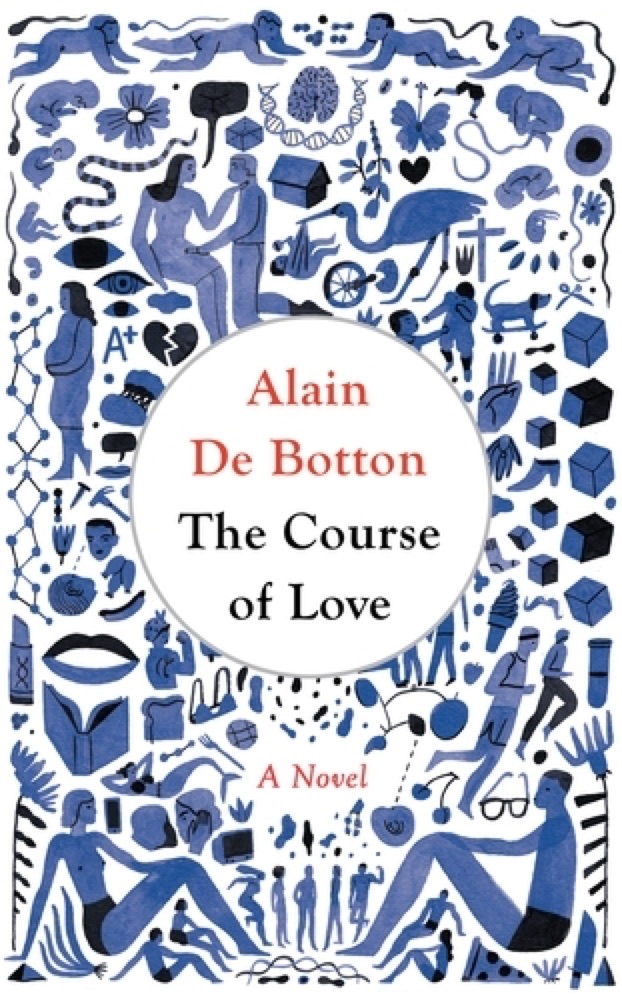 The Course of Love
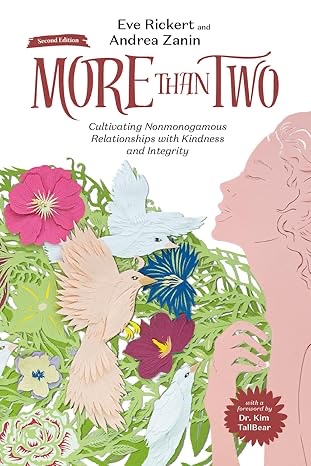 More Than Two: A Practical Guide to Ethical Polyamory
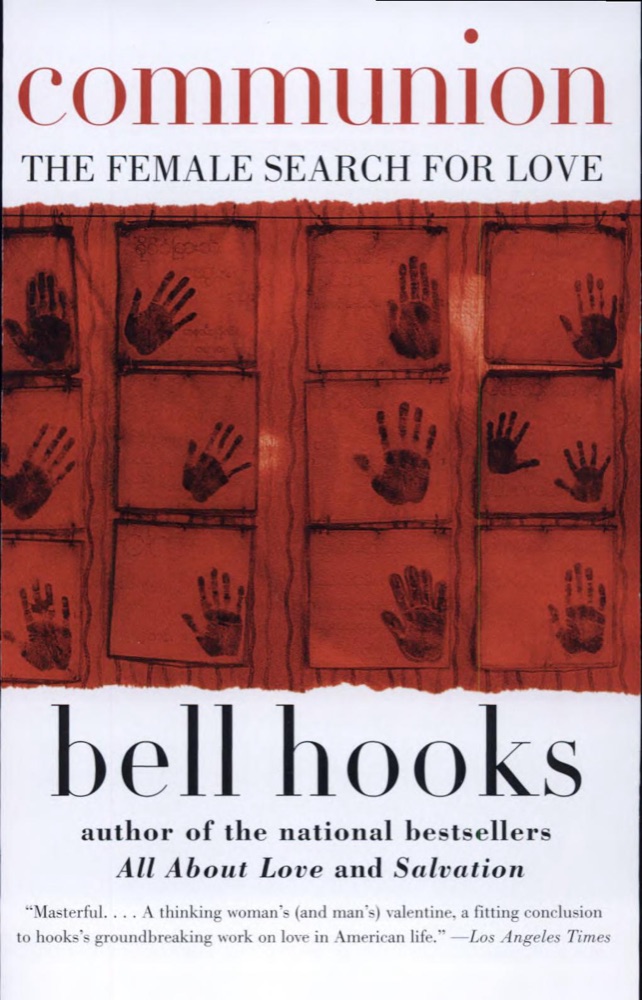 Communion: The Female Search for Love
 The Art of Loving
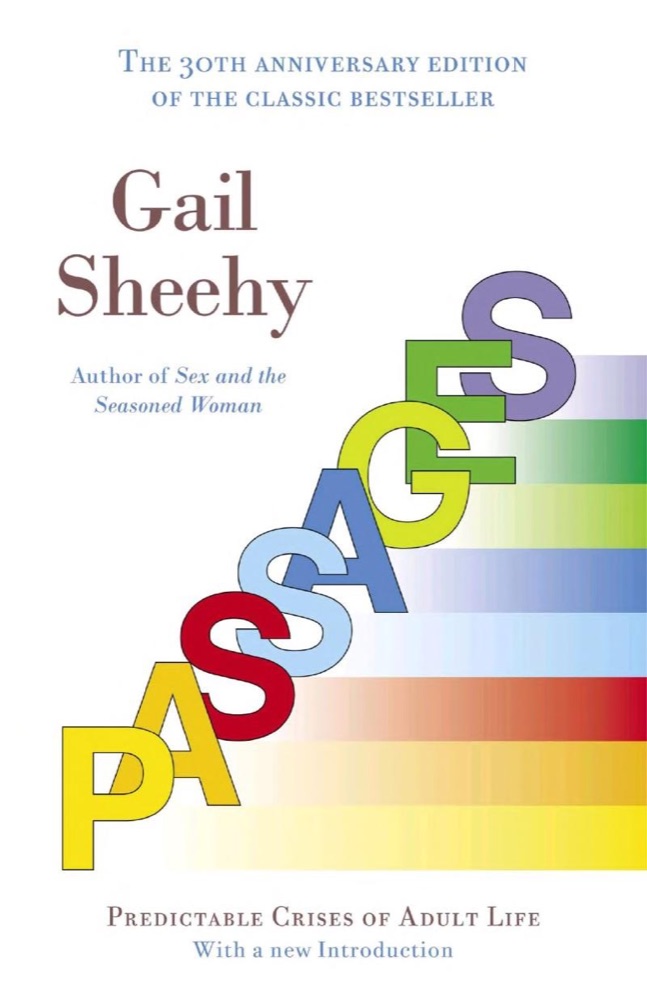 Passages: Predictable Crises of Adult Life
 The Argonauts
 Dear Dolly
 The Art of Seduction
 What It Takes to Heal: How Transforming Ourselves Can Change the World
 A Return to Love: Reflections on the Principles of "A Course in Miracles"
 The Unbearable Lightness of Being
 Love's Executioner and Other Tales of Psychotherapy
 Love and War: Finding the Marriage You've Dreamed Of
 Us: Getting Past You and Me to Build a More Loving Relationship
 Love and Will
 The Passion
 A General Theory of Love
 Make It Scream, Make It Burn
 Open Water
 Like Streams to the Ocean: Notes on Ego, Love, and the Things That Make Us Who We Are
 Gift from the Sea
 Eros the Bittersweet
 A Lover's Discourse: Fragments
 Sexing the Cherry
 Intimacy: Trusting Oneself and the Other
 Love, Freedom, and Aloneness: The Koan of Relationships
 Fierce Love: Creating a Love that Lasts―One Conversation at a Time
 On Such a Full Sea
 Identity
 Hourglass: Time, Memory, Marriage
 The Road Less Travelled
 A Luminous Republic
 Enduring Love
 Adultery
 The Five Love Languages for Singles
 Eat, Pray, Love
 Figuring
 Good Morning, Destroyer of Men's Souls: A Memoir of Women, Addiction, and Love
 Why We Love: The Nature and Chemistry of Romantic Love
 So Much More
 This Could Be Us
 The Devil in the Flesh
 Why Love Hurts: A Sociological Explanation
 See No Stranger: A Memoir and Manifesto of Revolutionary Love
 The Bridge Across Forever: A True Love Story
 Pleasure Activism: The Politics of Feeling Good
 Foreverland: On the Divine Tedium of Marriage