

 Confessions of a Mask
Quotes from the Book
Unhappiness is caused when we cannot let go of our memories.
32
The ways of happiness and meaning are not the same. To find happiness, a man need only live in the moment; he need only live for the moment. But if he wants meaning—the meaning of his dreams, his secrets, his life—a man must reinhabit his past, however dark, and live for the future, however uncertain. Thus nature dangles happiness and meaning before us all, insisting only that we choose between them.
30
Disgust is so reassuring; it feels like a moral proof.
20
Wrong way to think about it. Don't try to figure it out all at once.
12
A woman is at her greatest peril in the presence of a beautiful man.
10
There is no mystery to happiness. Unhappy men are all alike. Some wound they suffered long ago, some wish denied, some blow to pride, some kindling spark of love put out by scorn -- or worse, indifference -- cleaves to them, or they to it, and so they live each day within a shroud of yesterdays. The happy man dies not look back. He doesn't look ahead. He lives in the present.
9
On certain social occasions, otherwise dignified and serious men will begin behaving unconsciously like players on a stage, performing as they talk, acting as they gesticulate. The cause is invariably a woman.
9
I know he is--sensitive--on some points, Detective, but you must bear in mind how hard it is for an honest man to do his work in relative obscurity, while dishonest men attain wealth and renown. That is why corruption is so pernicious. It breaks the will of good men.
8
Satisfying a savage instinct is incomparably more pleasurable than satisfying a civilized one.
7
No man can keep a secret. If his lips are silent, he chatters with his fingertips.
7
I am the deepest of unbelievers. Every neurosis is a religion to its owner and religions is the universal neurosis of mankind. This is much beyond doubt: the characteristics we attribute to God reflect the fears and wishes we first feel as infants and as small children. Anyone who does not see that much cannot have understood the first thing about human psychology, If it is religion you are looking for, do not follow me.
6
The pity of it was that this discovery, if such it was, now seemed so stale, so profitless to me. What good was it? What good did thinking ever do?
5
For society, marriage is undoubtedly beneficial. But the burdens of civilized morality are too heavy for many to bear.
5
All feeling is painful, one way or another. The most exquisite joy is a sting to the heart, and love - love is a crisis of the soul.
2
Well since you force me gentlemen" said Clara "I'll confess our secret. Women are men's inferiors. I know it is backward of me to say so, but to deny it is folly.... A woman's love for a man is half animal passion and half hate. The more a woman loves a man, the more she hates him. If a man is worth having, he must be a woman's superior; if he is her superior, part of her must hate him. It is only in beauty we surpass you, and it is therefore no wonder that we worship beauty above all else. That is why a woman", she wound up "is at her greatest peril in the presence of a beautiful man.
1
Her nevroz, kişi için bir dindir ve din, insanoğlunun evrensel nevrozudur. Şu hiç şüphesiz doğru: Tanrı'ya atfettiğimiz özellikler ve güçler, önce bebekken ve sonra da küçük çocukken taşıdığımız korkuları ve dileklerimizi yansıtıyor.
1
Watch on YouTube
About Jed Rubenfeld
We have collected 16 quotes from 1 book by Jed Rubenfeld on BookQuoters.
More about the author →About the book
In the summer of 1909, Sigmund Freud arrived by steamship in New York Harbor for a short visit to America. Though he would live another thirty years, he would never return to this country. Little is known about the week he spent in Manhattan, and Freud's biographers have long speculated as to why, in his later years, he referred to Americans as "savages" and "criminals."
In The Interpretation of Murder, Jed Rubenfeld weaves the facts of Freud's visit into a riveting, atmospheric story of corruption and murder set all over turn-of-the-century New York. Drawing on case histories, Shakespeare's Hamlet, and the historical details of a city on the brink of modernity, The Interpretation of Murder introduces a brilliant new storyteller, a novelist who, in the words of The New York Times, "will be no ordinary pop-cultural sensation."
Book details
- First published
- 2006
- Author
- Jed Rubenfeld
- Genre
- Fiction
- Goodreads rating
- 3.57 (16k ratings)
Keep reading
Confessions of a Mask
 The Moon and Sixpence
 Of Human Bondage
 Human, All Too Human
 The Good Soldier
 The Heart of the Matter
 The Joke
 Père Goriot
 Man and Superman
 Notes from Underground
 The Golden Notebook
 The Idiot
 The Secret History
 The Consolation of Philosophy
 The Picture of Dorian Gray
 The Razor's Edge
 Selected Stories
 The Fall
 Civilization and Its Discontents
 The Elementary Particles
 Disgrace
 The Screwtape Letters
 East of Eden
 The Proposal
 The Snowman
 Selected Stories of Anton Chekhov
 Cuckold
 He: Understanding Masculine Psychology
 The Story of the Lost Child
 Nutshell
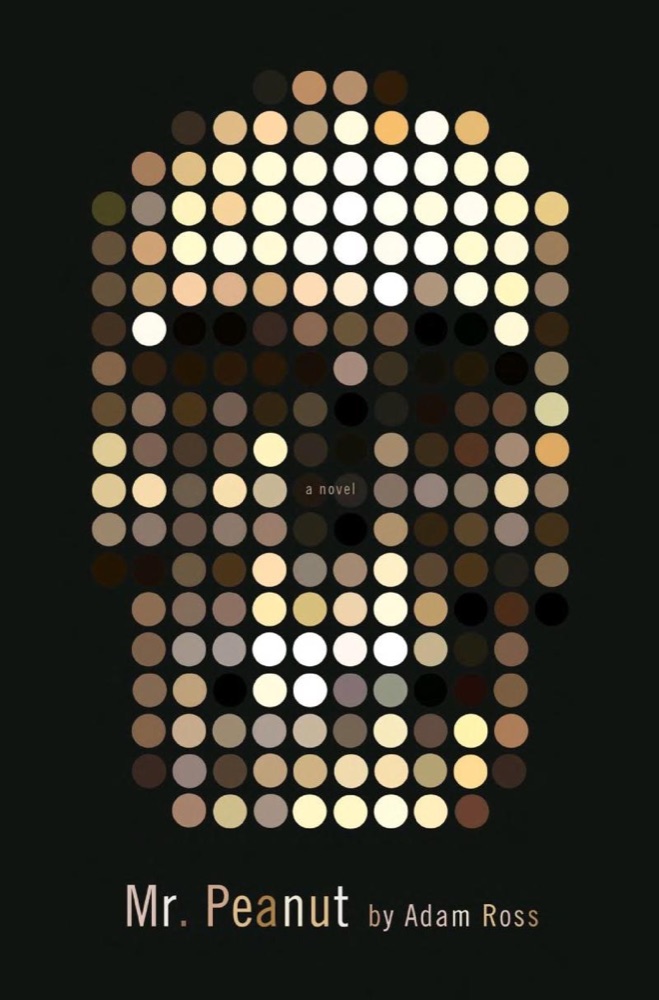 Mr. Peanut
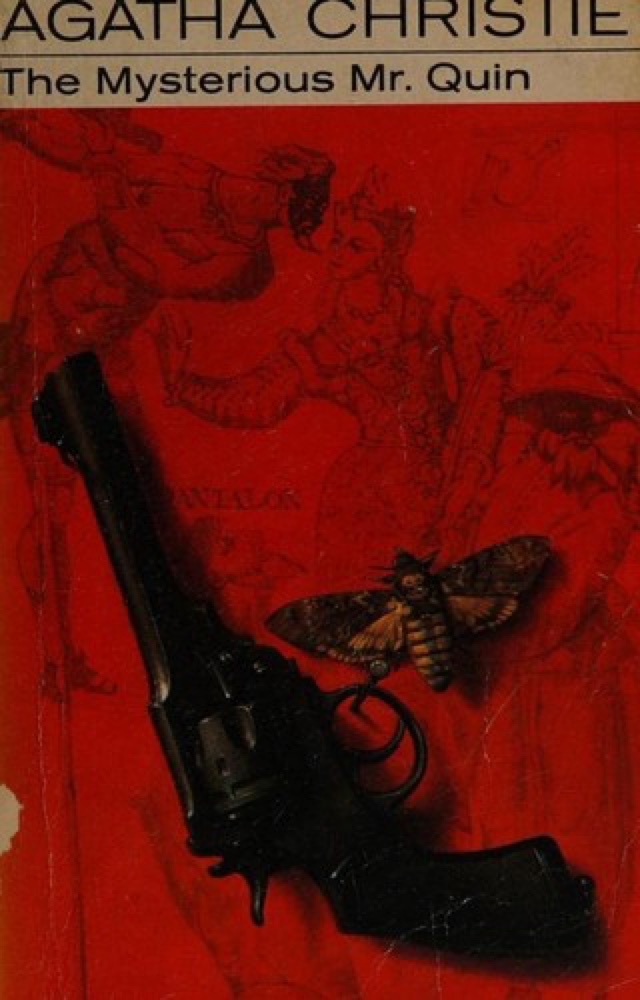 The Mysterious Mr. Quin
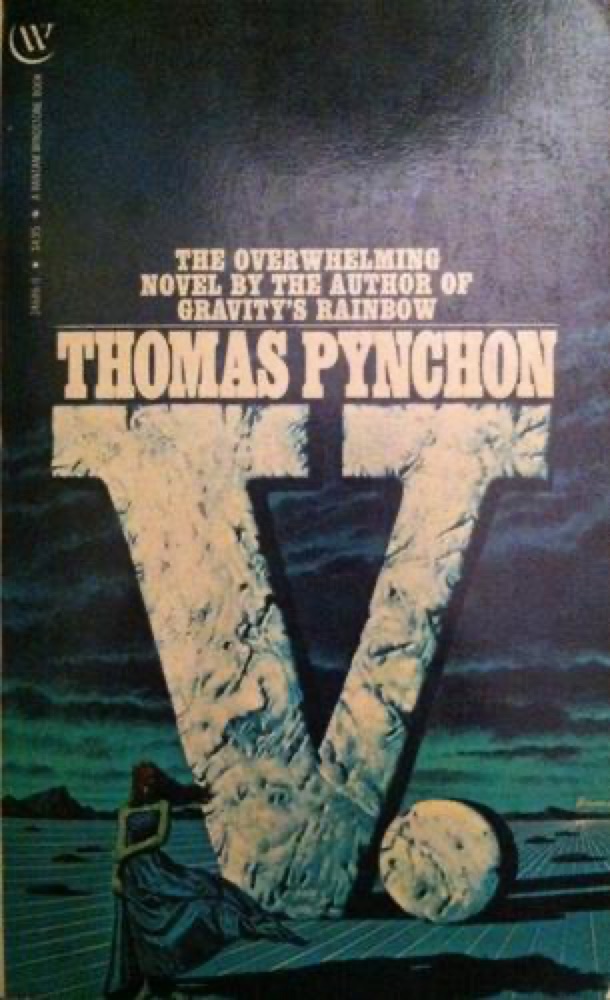 V.
V.
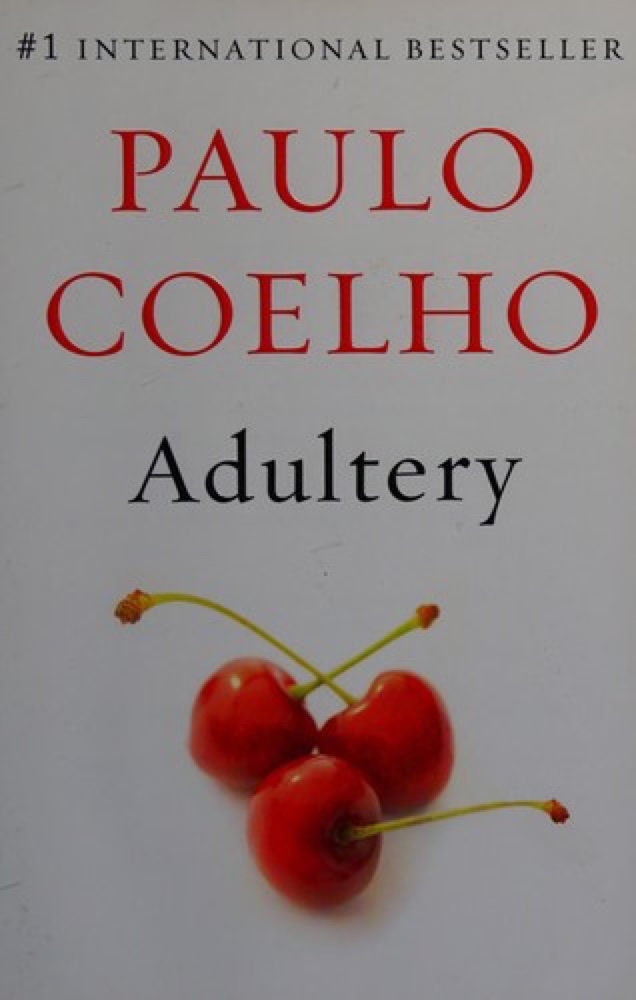 Adultery
 The Devil in the Flesh
 The Man in the High Castle
 Thirst for Love
 The Post-Birthday World
 Point Counter Point
 The Book of Laughter and Forgetting
 The Adolescent
 Doctor Zhivago
 The Myth of Sisyphus and Other Essays
 An Instance of the Fingerpost
 The Dice Man
 The Lost World
 The Fall of Babel
 The Empusium
 Sexus
Sexus
 American Pastoral
 The Death of the Heart
 Aphorisms on Love and Hate
 The Count of Monte Cristo
 White Teeth
 Desperate Remedies
 Embers
 The Home and the World
 The Magic Mountain
 Arch of Triumph
 The Magus