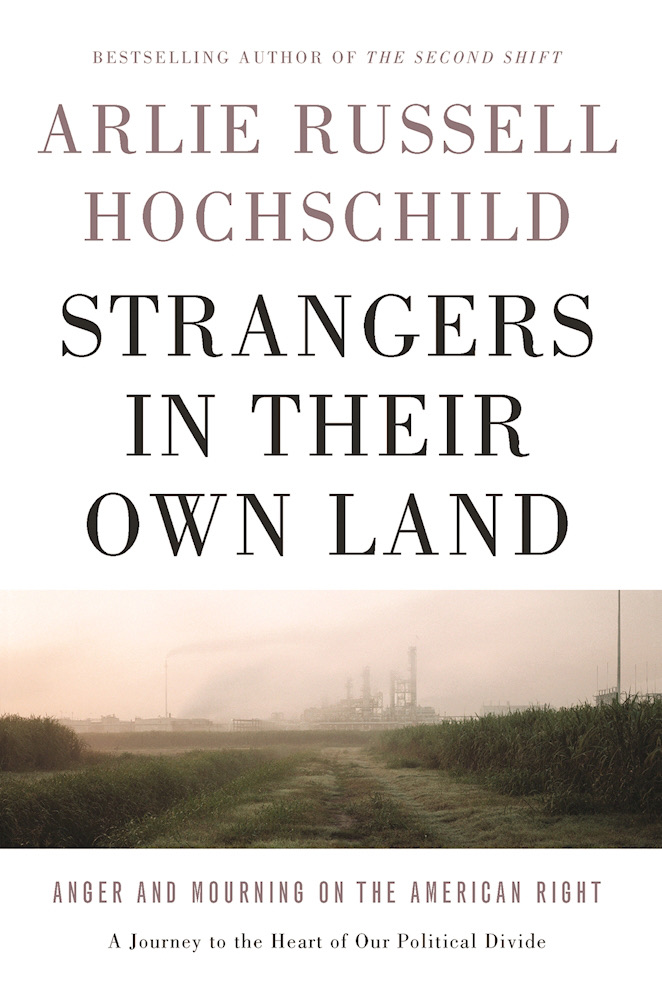

 Deer Hunting with Jesus: Dispatches from America's Class War
Quotes from the Book
Across the country, red states are poorer and have more teen mothers, more divorce, worse health, more obesity, more trauma-related deaths, more low-birth-weight babies, and lower school enrollment. On average, people in red states die five years earlier than people in blue states. Indeed, the gap in life expectancy between Louisiana (75.7) and Connecticut (80.8) is the same as that between the United States and Nicaragua. Red states suffer more in another highly important but little-known way, one that speaks to the very biological self-interest in health and life: industrial pollution.
18
In 1960, when a survey asked American adults whether it would “disturb” them if their child married a member of the other political party, no more than 5 percent of either party answered “yes.” But in 2010, 33 percent of Democrats and 40 percent of Republicans answered “yes.” In fact, partyism, as some call it, now beats race as the source of divisive prejudice.
10
Those on the far right I came to know felt two things. First, they felt the deep story was true. Second, they felt that liberals were saying it was not true, and that they themselves were not feeling the right feelings. Blacks and women who were beneficiaries of affirmative action, immigrants, refugees, and public employees were not really stealing their place in line, liberals said. So don't feel resentful. Obama's help to these groups was not really a betrayal, liberals said. The success of those who cut ahead was not really at the expense of white men and their wives. In other words, the far right felt that the deep story was their real story and that there was a false PC cover-up of that story. They felt scorned. "People think we're not good people if we don't fee sorry for blacks and immigrants and Syrian refugees," one man told me. "But I am a good person and I don't feel sorry for them." With the cover-up, as my new friends explained to me, came the need to manage the appearance of their real feelings and even, to some extent, the feelings themselves. They didn't have to do this with friends, neighbors, and family. But they realized that the rest of America did not agree. ("I know liberals want us to feel sorry for blacks. I know they think they are so idealistic and we aren't," one woman told me.) My friends on the right felt obliged to try to modify their feelings, and they didn't like having to do that; they felt under the watchful eye of the "PC police." In the realm of emotions, the right felt like they were being treated as the criminals, and the liberals had the guns.
9
For the left, the flashpoint is up the class ladder (between the very top and the rest); for the right, it is down between the middle class and the poor. For the left, the flashpoint is centered in the private sector; for the right, in the public sector. Ironically, both call for an honest day’s pay for an honest day’s work.
8
The choice is not, Reich argues, between a governed and an ungoverned market, but between a market governed by laws favoring monopolistic companies and one governed by those favoring small business.
7
An empathy wall is an obstacle to deep understanding of another person, one that can make us feel indifferent or even hostile to those who hold different beliefs or whose childhood is rooted in different circumstances.
6
But if we get our souls saved, we go to Heaven, and Heaven is for eternity. We’ll never have to worry about the environment from then on. That’s the most important thing. I’m thinking long-term.
6
Tea Party adherents seemed to arrive at their dislike of the federal government via three routes--through their religious faith (the government curtailed the church, they felt), through hatred of taxes (which they saw as too high and too progressive), and through its impact on their loss of honor.
6
Conservatives of yesterday seem moderate or liberal to us today.
6
The split has widened because the right has moved right, not because the left has moved left. Republican presidents Eisenhower, Nixon, and Ford all supported the Equal Rights Amendment. In 1960, the GOP platform embraced "free collective bargaining" between management and labor. REpublicans boasted of "extending the minimum wage to several million more workers" and "strengthening the unemployment insurance system and extension of its benefits." Under Dwight Eisenhower, top earners were taxed at 91 percent; in 2015, it was 40 percent. Planned Parenthood has come under serious attack from nearly all Republican presidential candidates running in 2016. Yet a founder of the organization was Peggy Goldwater, wife of the 1968 conservative Republican candidate for president Barry Goldwater. General Eisenhower called for massive invenstment in infrastructure, and now nearly all congressional Republicans see such a thing as frightening government overreach. Ronald Reagan raised the national debt and favored gun control, and now the Republican state legislature of Texas authorizes citizens to "open carry" loaded guns into churches and banks. Conservatives of yesterday seem moderate or liberal today.
4
Virtually every Tea Party advocate I interviewed for this book has personally benefited from a major government service or has close family who have.
4
As one man explains, "A lot of us have done okay, but we don't want to lose what we've got, see it given away." When I ask him what he saw as being "given away," it was not public waters given to dumpers, or clean air give to smoke stacks. It was not health or years of life. It was not lost public sector jobs. What he felt was being given away was tax money to support non-working people and non-deserving people--and not just tax money, but honor too.
4
We, on both sides, wrongly imagine that empathy with the “other” side brings an end to clearheaded analysis when, in truth, it’s on the other side of that bridge that the most important analysis can begin.
3
Memory, Evans-Pritchard reasoned, was an indirect expression of power. The Arenos faced structural amnesia about something else and linked it to a different source of power: the Louisiana Chemical Association, the Society of the Plastics Industry, the Vinyl Institute, Shell Oil, PPG Industries, and their leaders in government. Spokesmen for this source of power drew the popular imagination to the exciting economic fugure. The Arenos felt that their silent bayou, their buried kin, their dead trees were forgotten.
3
The Measure of America, a report of the Social Science Research Council, ranks every state in the United States on its “human development.” Each rank is based on life expectancy, school enrollment, educational degree attainment, and median personal earnings. Out of the 50 states, Louisiana ranked 49th and in overall health ranked last. According to the 2015 National Report Card, Louisiana ranked 48th out of 50 in eighth-grade reading and 49th out of 50 in eighth-grade math. Only eight out of ten Louisianans have graduated from high school, and only 7 percent have graduate or professional degrees. According to the Kids Count Data Book, compiled by the Annie E. Casey Foundation, Louisiana ranked 49th out of 50 states for child well-being. And the problem transcends race; an average black in Maryland lives four years longer, earns twice as much, and is twice as likely to have a college degree as a black in Louisiana. And whites in Louisiana are worse off than whites in Maryland or anywhere else outside Mississippi. Louisiana has suffered many environmental problems too: there are nearly 400 miles of low, flat, subsiding coastline, and the state loses a football field–size patch of wetland every hour. It is threatened by rising sea levels and severe hurricanes, which the world’s top scientists connect to climate change.
3
If, in 2010, you lived in a county with a higher exposure to toxic pollution, we discovered, you are more likely to believe that Americans “worry too much” about the environment and to believe that the United States is doing “more than enough” about it. You are also more likely to describe yourself as a strong Republican.
3
The right seeks release from liberal notions of what they should feel—happy for the gay newlywed, sad at the plight of the Syrian refugee, unresentful about paying taxes. The left sees prejudice.
3
In the aftermath of Hurricane Katrina, the state legislature set up the Southeast Flood Control Commission to come up with a plan for protecting Louisiana from floods. They concluded that the best course of action was to fill in the canals and repair the shore. Since this was a task the oil companies had in their contracts agreed to do, and had not done, in 2014 the commission did what had never been done: it sued the ninety-seven responsible oil companies. Governor Jindal quickly squashed the upstart commission. He removed members from it. He challenged its right to sue. In another unprecedented move, the legislature voted to nullify—retroactively—the lawsuit by withdrawing the authority to file it from those who had done so. A measure (SB 553) called for costs of repairs to be paid, not by the oil companies, but by the state’s taxpayers.
3
Just 158 rich families contributed nearly half of the $176 million given to candidates in the first phase of the presidential election of 2016—$138 million to Republicans and $20 million to Democrats.
3
the more that people confine themselves to likeminded company, the more extreme their views become.
2
Blacks, women, immigrants, refugees, brown pelicans—all have cut ahead of you in line. But it’s people like you who have made this country great. You feel uneasy. It has to be said: the line cutters irritate you. They are violating rules of fairness. You resent them, and you feel it’s right that you do. So do your friends. Fox commentators reflect your feelings, for your deep story is also the Fox News deep story.
2
Fox News stokes fear. And the fear seems to reflect that of the audience it most serves—white middle- and working-class people.
2
The more at risk a person is to exposure to hazardous waste, nationwide, we discovered, the less likely a person was to be worried about it, and the more likely to be a conservative Republican.
2
A Lake Charles-based artist, Sally was a progressive Democrat who in 2016 primary favored Bernie Sanders. Sally's very dear friend and worl-traveling flight attendant from Opelousas, Louisiana, Shirley was an enthusiast for the Tea Party and Donald Trump. Both woman had joined sororities at LSU. Each had married, had three children, lived in homes walking distance apart in Lake Charles, and had keys to each other's houses. Each loved the other's children. Shirley knew Sally's parents and even consulted Sally's mother when the two go to "fussing to much." They exchanged birthday and Christmas gifts and jointly scoured the newspaper for notices of upcoming cultural events they had, when they were neighbors in Lake Charles, attended together. One day when I was staying as Shirley's overnight guest in Opelousas, I noticed a watercolor picture hanging on the guestroom wall, which Sally had painted as a gift for Shirley's eleven-year-old daughter, who aspired to become a ballerina. With one pointed toe on a pudgy, pastel cloud, the other lifted high, the ballerina's head was encircled by yellow star-like butterflies. It was a loving picture of a child's dream--one that came true. Both women followed the news on TV--Sally through MSNBC's Rachel Maddow, and Shirley via Fox News's Charles Krauthammer, and each talked these different reports over with a like-minded husband. The two women talk by phone two or three times a week, and their grown children keep in touch, partly across the same politcal divide. While this book is not about the personal lives of these two women, it couldn't have been written without them both, and I believe that their friendship models what our country itself needs to forge: the capacity to connect across difference.
2
Our polarization, and the increasing reality that we simply don't know each other, makes it too easy to settle for dislike and contempt.
2
Many workers in the petrochemical plants were conservative Republicans and avid hunters and fishers and felt caught in a terrible bind. They loved their magnificent wilderness. They remembered it as children. They knew it and respect it as sportsmen. But their jobs were in industries that polluted--often legally--this same wilderness.
2
The Greek word “nostalgia” derives from the root nostros, meaning “return home,” and algia, meaning “longing.” Doctors in seventeenth-century Europe considered nostalgia an illness, like the flu, mainly suffered by displaced migrant servants, soldiers, and job seekers, and curable through opium, leeches, or, for the affluent, a journey to the Swiss Alps. Throughout time, such feeling has been widely acknowledged. The Portuguese have the term saudade. The Russians have toska. The Czechs have litost. Others too name the feeling: for Romanians, it’s dor, for Germans, it’s heimweh. The Welsh have hiraeth, the Spanish mal de corazon. Many
2
A political campaign has a central place in the cultural life of a people. It tells citizens what issues powerful people think are worth hearing about.
2
Issued in February 2012, and still online as of May 5, 2016, the report was written by one set of state officials for another. After a chilling description of a “cancer slope factor,” the report continues, in a matter-of-fact tone, to advise the recreational fisherman on how to prepare a contaminated fish to eat: “Trimming the fat and skin on finfish, and removing the hepatopancreas from crabs, will reduce the amount of contaminants in the fish and shellfish,” the document reads.
1
Watch on YouTube
About Arlie Russell Hochschild
We have collected 29 quotes from 1 book by Arlie Russell Hochschild on BookQuoters.
More about the author →About the book
In Strangers in Their Own Land, the renowned sociologist Arlie Russell Hochschild embarks on a thought-provoking journey from her liberal hometown of Berkeley, California, deep into Louisiana bayou country – a stronghold of the conservative right. As she gets to know people who strongly oppose many of the ideas she famously champions, Russell Hochschild nevertheless finds common ground and quickly warms to the people she meets – among them a Tea Party activist whose town has been swallowed by a sinkhole caused by a drilling accident – people whose concerns are actually ones that all Americans share: the desire for community, the embrace of family, and hopes for their children.
Strangers in Their Own Land goes beyond the commonplace liberal idea that these are people who have been duped into voting against their own interests. Instead, Russell Hochschild finds lives ripped apart by st
Book details
- First published
- 2016
- Author
- Arlie Russell Hochschild
- Genre
- Nonfiction
- Goodreads rating
- 4.12 (18k ratings)
Keep reading
Deer Hunting with Jesus: Dispatches from America's Class War
 The Audacity of Hope: Thoughts on Reclaiming the American Dream
 Evil Geniuses: The Unmaking of America
 Why We're Polarized
 White Trash: The 400-Year Untold History of Class in America
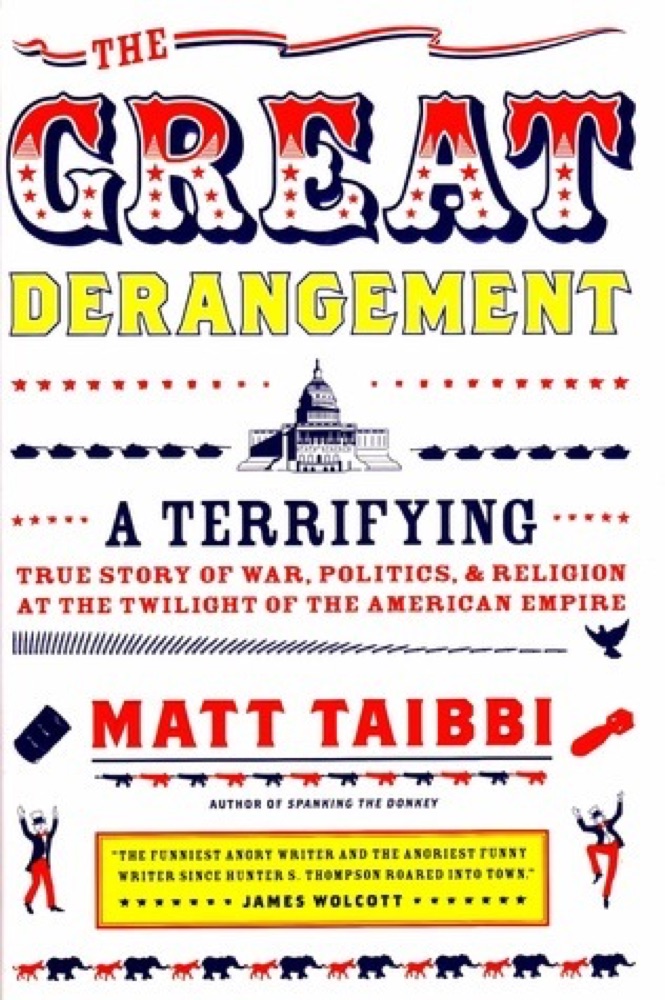 The Great Derangement: A Terrifying True Story of War, Politics, and Religion at the Twilight of the American Empire
 Shortest Way Home: One Mayor's Challenge and a Model for America's Future
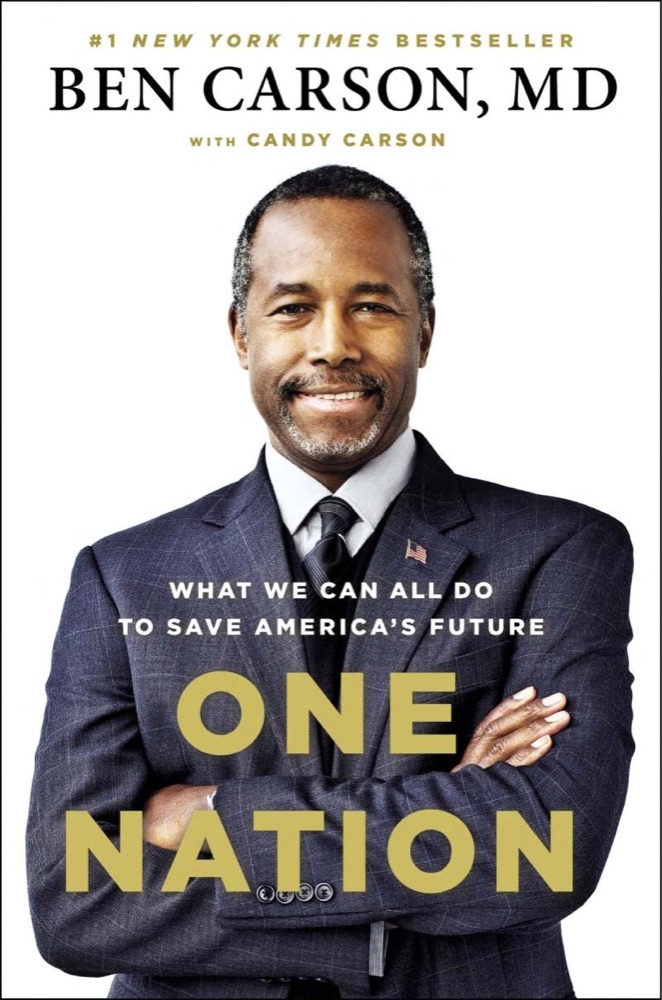 One Nation: What We Can All Do to Save America's Future
 The View From Flyover Country: Essays by Sarah Kendzior
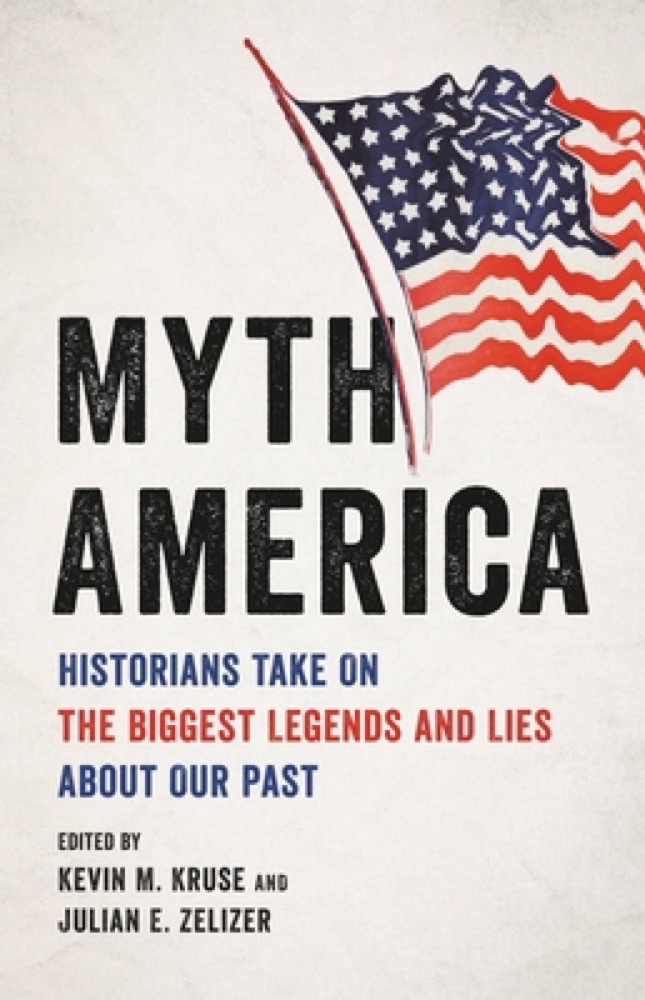 Myth America: Historians Take On the Biggest Legends and Lies About Our Past
 Ill Fares the Land
 What's Left?
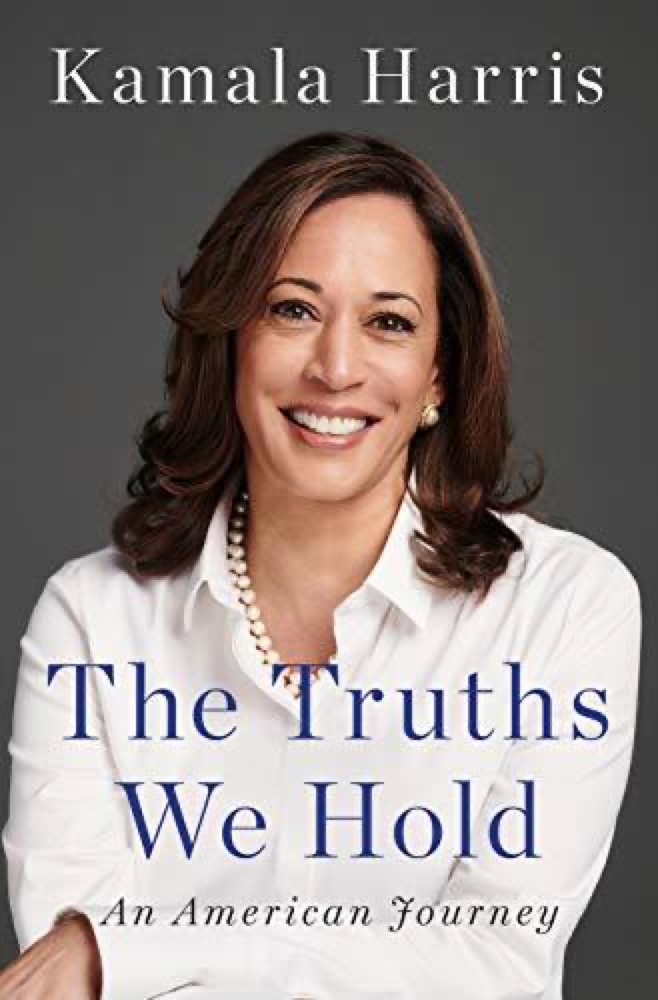 The Truths We Hold: An American Journey
 Power Systems: Conversations on Global Democratic Uprisings and the New Challenges to U.S. Empire
 America: The Farewell Tour
 The Invisible Bridge: The Fall of Nixon and the Rise of Reagan
 Occupy
 The Sum of Us: What Racism Costs Everyone and How We Can Prosper Together
 A Fighting Chance
 Un-Trumping America: A Plan to Make America a Democracy Again
 Nixonland: The Rise of a President and the Fracturing of America
 We Were Eight Years in Power: An American Tragedy
 What Unites Us: Reflections on Patriotism
 Edge of Eternity
 Coming Apart: The State of White America, 1960-2010
 Notes from No Man's Land
 Identity: The Demand for Dignity and the Politics of Resentment
 Becoming Madam Secretary
 Twilight of the Elites: America After Meritocracy
 Promises to Keep: On Life and Politics
 The Path to Power
 Trumpocracy: The Corruption of the American Republic
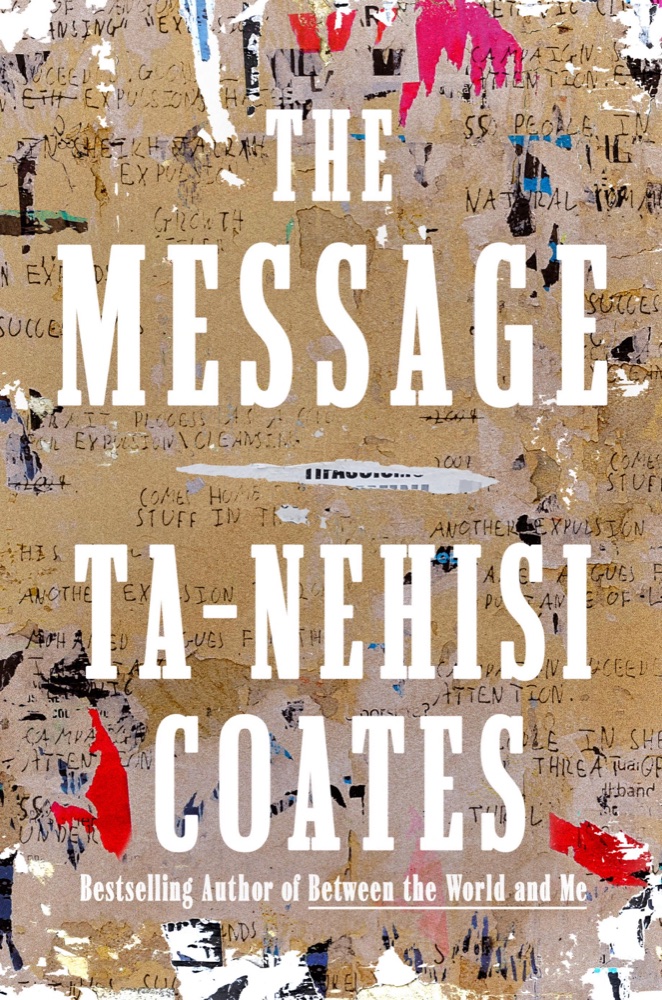 The Message
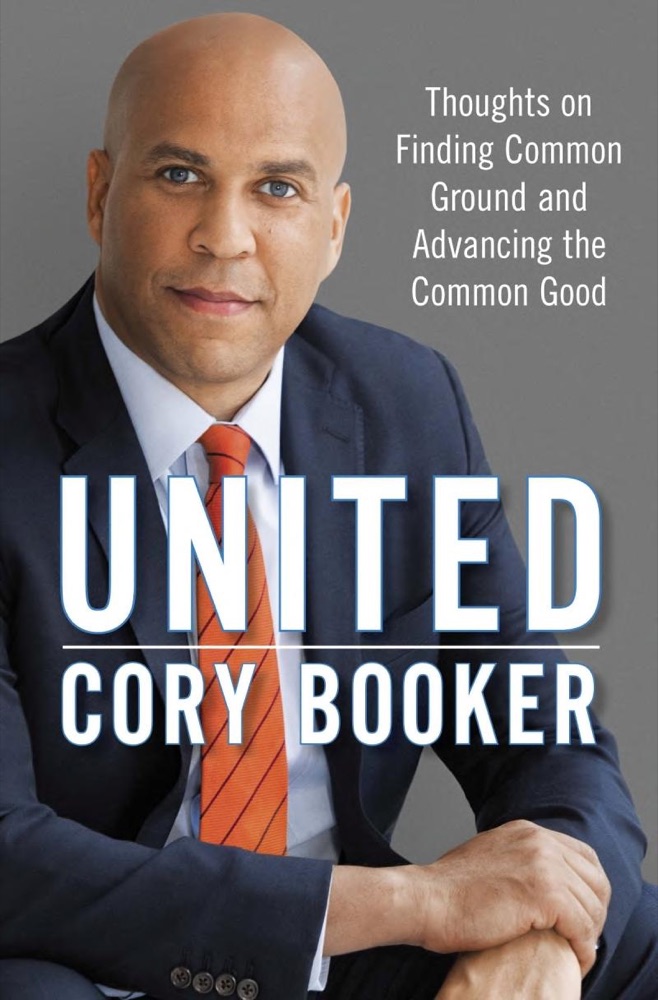 United: Thoughts on Finding Common Ground and Advancing the Common Good
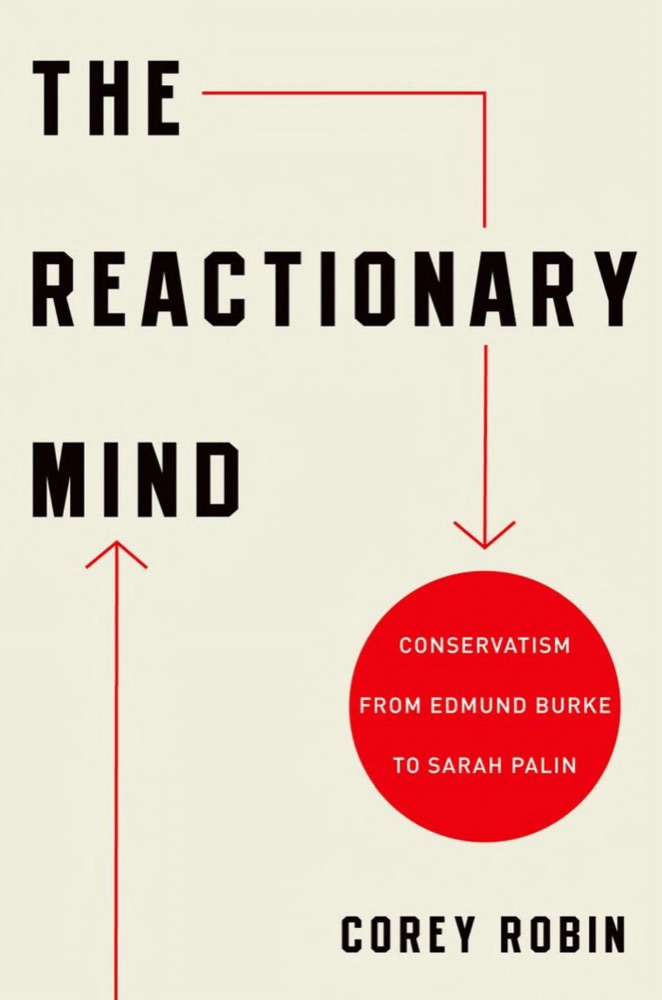 The Reactionary Mind: Conservatism from Edmund Burke to Sarah Palin
 A People's History of the United States
 America (The Book): A Citizen's Guide to Democracy Inaction
 The Mandibles: A Family, 2029–2047
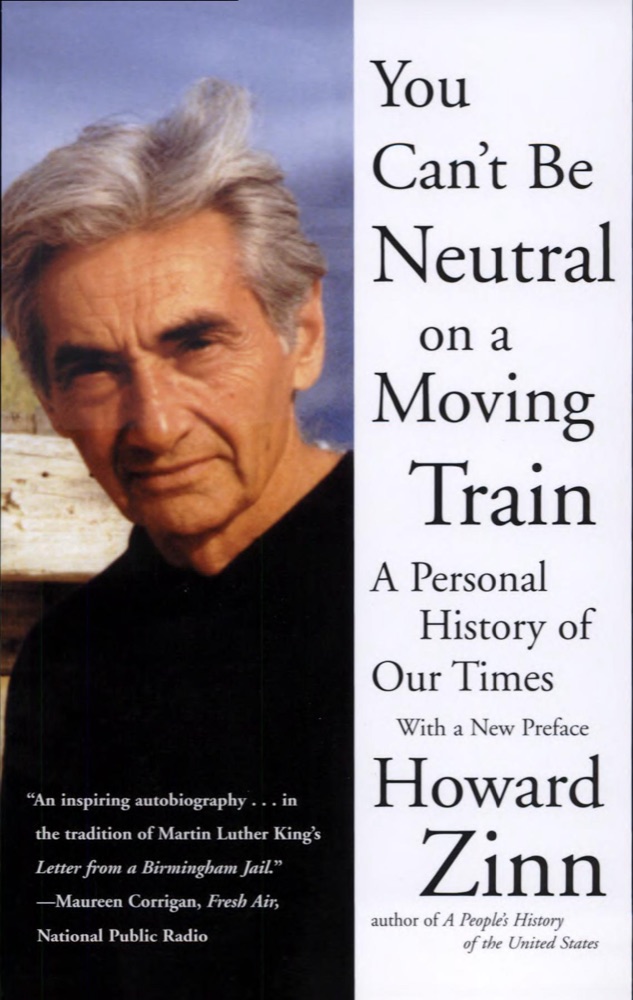 You Can't Be Neutral on a Moving Train: A Personal History of Our Times
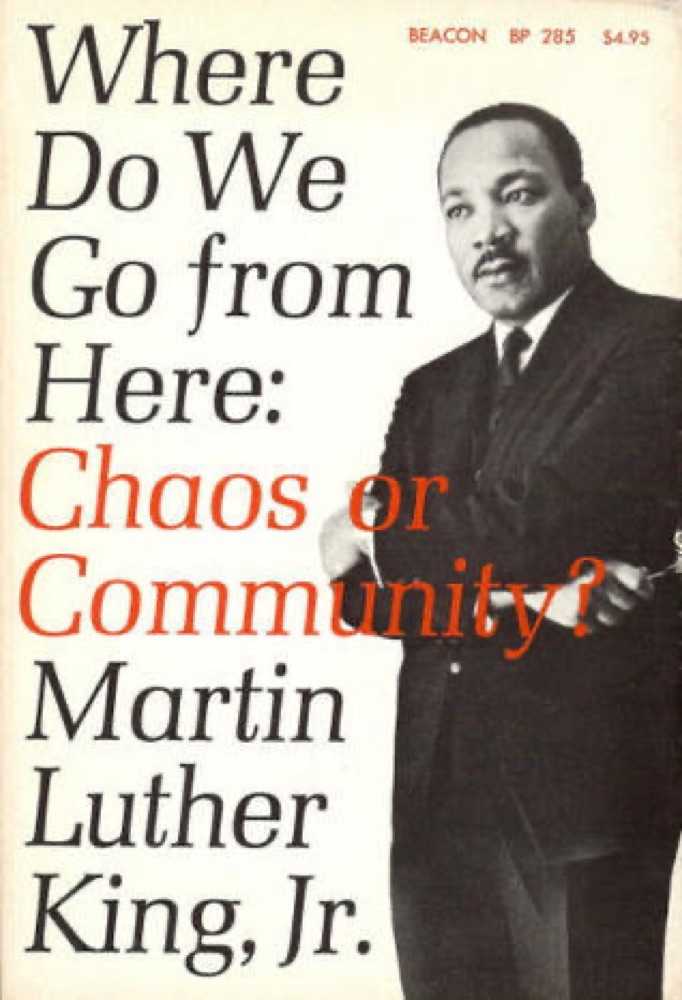 Where Do We Go from Here: Chaos or Community?
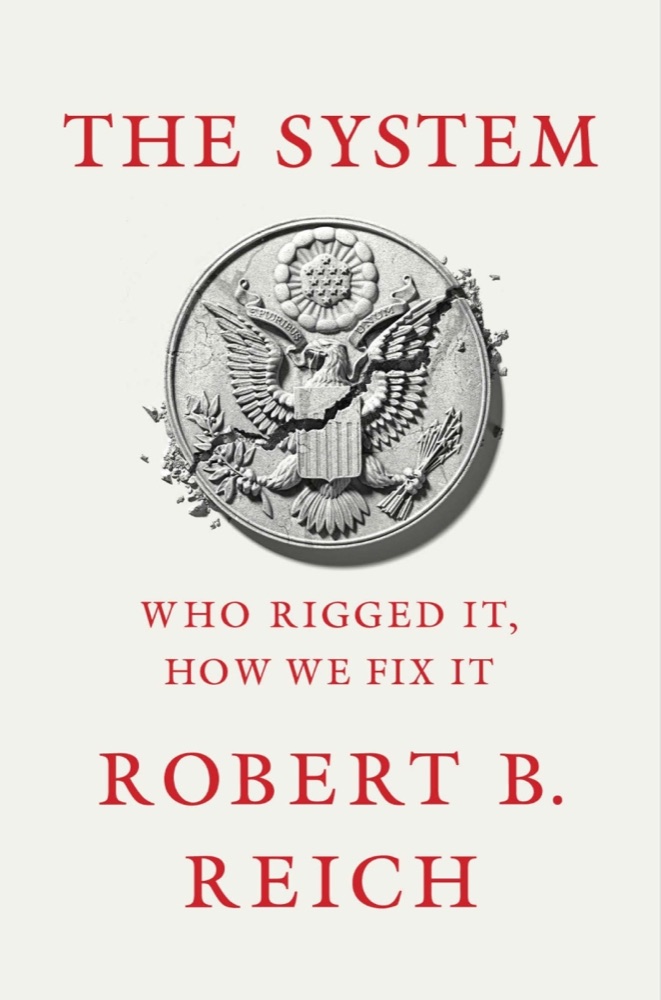 The System: Who Rigged It, How We Fix It
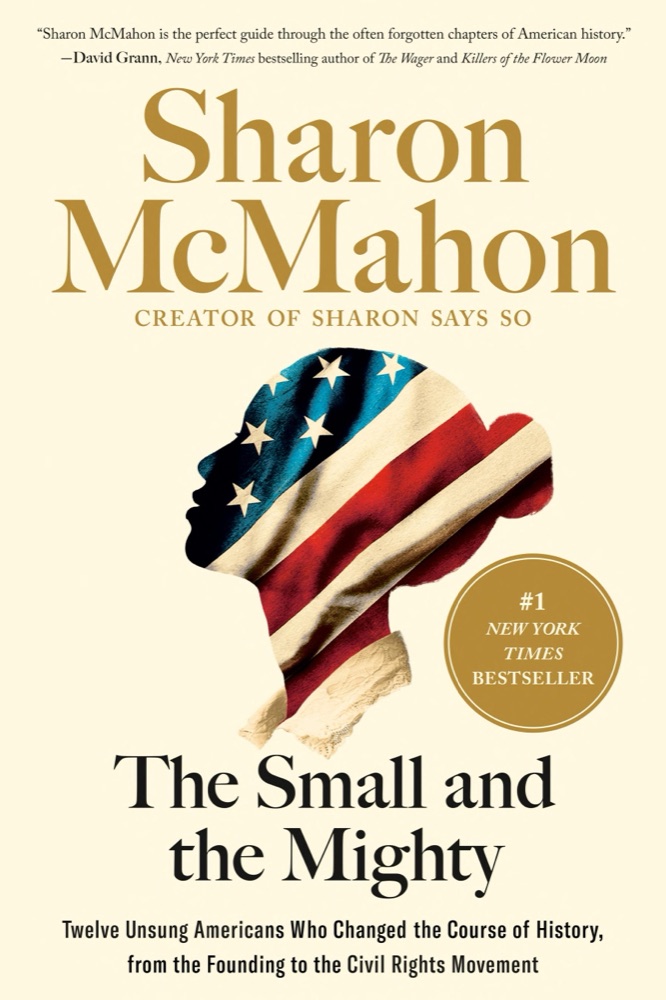 The Small and the Mighty: Twelve Unsung Americans Who Changed the Course of History, from the Founding to the Civil Rights Movement
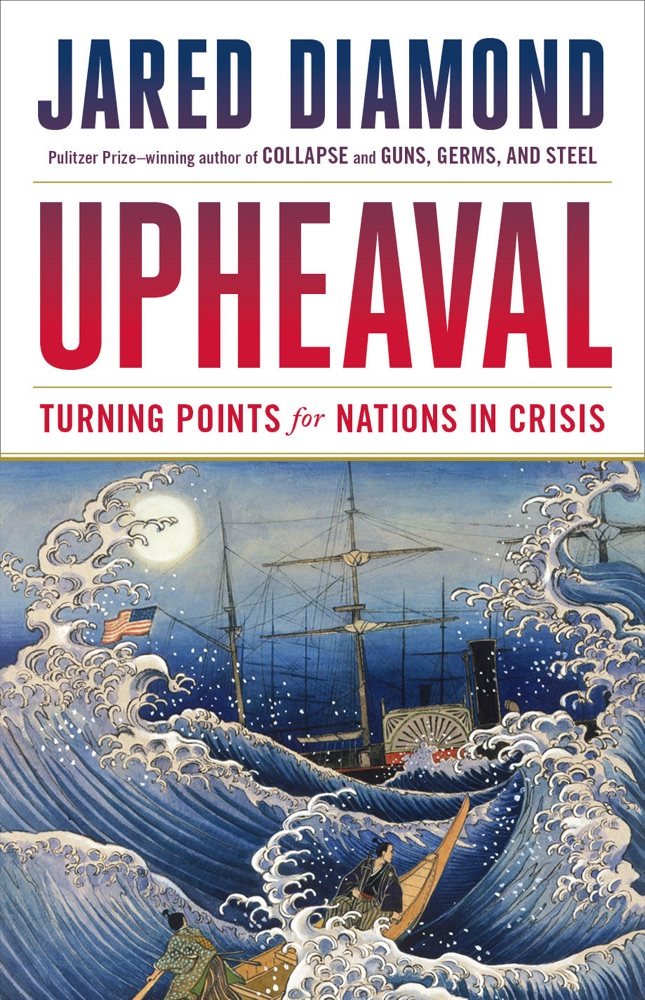 Upheaval: Turning Points for Nations in Crisis
 Twilight of Democracy: The Seductive Lure of Authoritarianism
 What's Our Problem?: A Self-Help Book for Societies
 Wealth, Poverty and Politics: An International Perspective
 White Rage: The Unspoken Truth of Our Racial Divide
 Glenn Beck's Common Sense: The Case Against an Out-of-Control Government, Inspired by Thomas Paine
 Elite Capture: How the Powerful Took Over Identity Politics
 Behold a Pale Horse
 Creation Lake
 Blood Done Sign My Name: A True Story
 Go Back to Where You Came From: And Other Helpful Recommendations on How to Become American
 Dead Fall
 A Promised Land
 The Soul of America: The Battle for Our Better Angels
 The End of the Myth: From the Frontier to the Border Wall in the Mind of America
 How Long 'til Black Future Month?
 Doppelganger: A Trip into the Mirror World