
 A Fever in the Heartland: The Ku Klux Klan's Plot to Take Over America, and the Woman Who Stopped Them
Quotes from the Book
Success often lies not in what happens but in what you prevent from happening
16
If one black man, aided by a bevy of good, decent, dedicated, open-, and liberal-minded whites and Jews can succeed in prevailing over a group of white racists by making them look like the ignorant fools they truly are, then imagine what a nation of like-minded individuals can accomplish.
12
The white nationalist, nativist politics that we see today were first imagined and applied by David Duke during the heyday of his Grand Wizardshop, and the time of my undercover Klan investigation. This hatred is never gone away, but has been reinvigorated in the dark corners of the internet, Twitter trolls, alt-right publications, and a nativist president in Trump. The Republican Party of the 19th century, being the party of Lincoln, was the opposition to the rise of the Ku Klux Klan and white supremacist domination insofar as America's newly freed Black slaves were concerned; it is my belief that the Republican Party of the 21st century finds a symbiotic connection to white nationalist groups like the Klan, neo-Nazis, skinheads, militias, and alt-right white supremacist thinking. Evidence of this began in the Lyndon Johnson administration with the departure of Southern Democrats (Dixiecrats) to the Republican Party in protest of his civil rights agenda. The Republicans began a spiral slide to the far right that embrace all things abhorrent to nonwhites. David Duke twice ran for public office in Louisiana as a Democrat and lost. When he switched his affiliation to Republican, because he was closer in ideology and racial thinking to the GOP than to the Democrats, and ran again for the Louisiana House of Representatives, the conservative voters in his district rewarded him with a victory. In each case his position on the issues remain the same; white supremacist/ethno-nationalist endorsement of a race-centered rhetoric and nativist populism. What change were the voters. Democrats rejected Duke politics while Republicans embraced him.
5
The phone call ended, and we all started laughing. First they got their ideas about how to light a cross from a James Bond movie, and now they were bragging about secret handshakes. It was as if Dennis the Menace were running a hate group.
5
Duke upgraded his approach to propaganda by “professionalizing” it. He avoided wearing his Klan robe in public media appearances, preferring a suit and tie instead. He personally avoided using derogatory epithets to refer to blacks in public, in particular the word “nigger,” and encouraged his followers to do the same when representing the Klan and presenting their case to an audience. In essence, he mainstreamed the Klan, making it seem an acceptable and viable alternative for those looking for a means to express their displeasure with the status quo of their lives and government representatives.
3
Publicly he would not talk about hate but about heritage and history. He spawned a new racism for the right-wing masses, one that melded the antipathy to blacks and other minorities to general dissatisfaction with government and fear of an ever-changing complex world.
3
Duke told me of planned...efforts against police response. As soon as possible after such conversations I would call the appropriate law enforcement agency in that city's jurisdictional area and alert them to Duke's information. Several times in follow-up conversations Duke would convey his surprise at how well prepared certain police agencies were to the Klan's presence, almost as if they knew beforehand what was going to happen
3
The importance of The Birth of a Nation in relationship to the modern Ku Klux Klan cannot be overstated
3
The media all too often unwittingly creates the very news it reports because of its zeal to get a story. This only benefits the person or subject being covered and gives them or it a power neither deserves.
2
A Klan armed watch along the Rio Grande border of Mexico was in keeping with David Duke’s approach to immigration control.
2
Traditionally, the burning of a cross, or a ‘cross-lighting ceremony,’ is considered a religious celebration. The burning of a religious symbol has never been seen by Klan members as a sign of desecration; it has always been considered an honorable representation of their Christian faith and beliefs. But they historically used it to strike terror in those who feared the force and wrath of the Klan. In other words, from its very beginning the Ku Klux Klan and it’s members were dedicated to the cause of domestic terrorism.
2
In essence, [David Duke] mainstreamed the Klan, making it seem an acceptable and viable alternative for those looking for a means to express their displeasure with the status quo of their lives and government representatives.
2
The media all to often unwittingly creates the very news it reports because of its zeal to get a story. This only benefits the person or subject being covered and gives them or it a power neither deserves.
2
Each time a man stands up for an ideal, or acts to improve the lot of others, or strikes out against injustice, he sends forth a tiny ripple of hope.
2
As undercover investigators we would never have challenged Ken, who was—I can’t stress this enough—a total idiot. We stroked his ego, made him feel like a great leader. He would never be suspicious of someone who thought he was doing a great job.
2
The most common way people give up their power is by thinking they don’t have any.
1
Watch on YouTube
About Ron Stallworth
We have collected 16 quotes from 1 book by Ron Stallworth on BookQuoters.
More about the author →About the book
In 1978 the community of Colorado Springs, Colorado experienced a growth of Ku Klux Klan (KKK) membership. One man dared to challenge their effort and thwart attempts to take over the city, Police Detective Ron Stallworth. He launched an undercover investigation into the Klan, gained membership into the organization, briefly served as Duke's bodyguard, and was eventually asked to be the leader of the Colorado Springs chapter. The irony of this investigation was that Stallworth is… A Black man. In the process he battled internal departmental politics to successfully pull off this "sting." Black Klansman explains how he overcame these obstacles and accomplished this almost unbelievable unique achievement.
Book details
- First published
- 2014
- Author
- Ron Stallworth
- Genre
- Nonfiction
- Goodreads rating
- 3.62 (22k ratings)
Keep reading
A Fever in the Heartland: The Ku Klux Klan's Plot to Take Over America, and the Woman Who Stopped Them
 Why We Can't Wait
 White Rage: The Unspoken Truth of Our Racial Divide
 Blood Done Sign My Name: A True Story
 We Were Eight Years in Power: An American Tragedy
 Where Do We Go from Here: Chaos or Community?
 Edge of Eternity
 The Invisible Bridge: The Fall of Nixon and the Rise of Reagan
 Culture Warlords: My Journey Into the Dark Web of White Supremacy
 Uncomfortable Conversations With a Black Man
 Invisible Man, Got the Whole World Watching: A Young Black Man's Education
 Devil in the Grove: Thurgood Marshall, the Groveland Boys, and the Dawn of a New America
 The Blood of Emmett Till
 Stamped: Racism, Antiracism, and You
 Four Hundred Souls: A Community History of African America, 1619-2019
 The Small and the Mighty: Twelve Unsung Americans Who Changed the Course of History, from the Founding to the Civil Rights Movement
 Dark Days
 Black Like Me
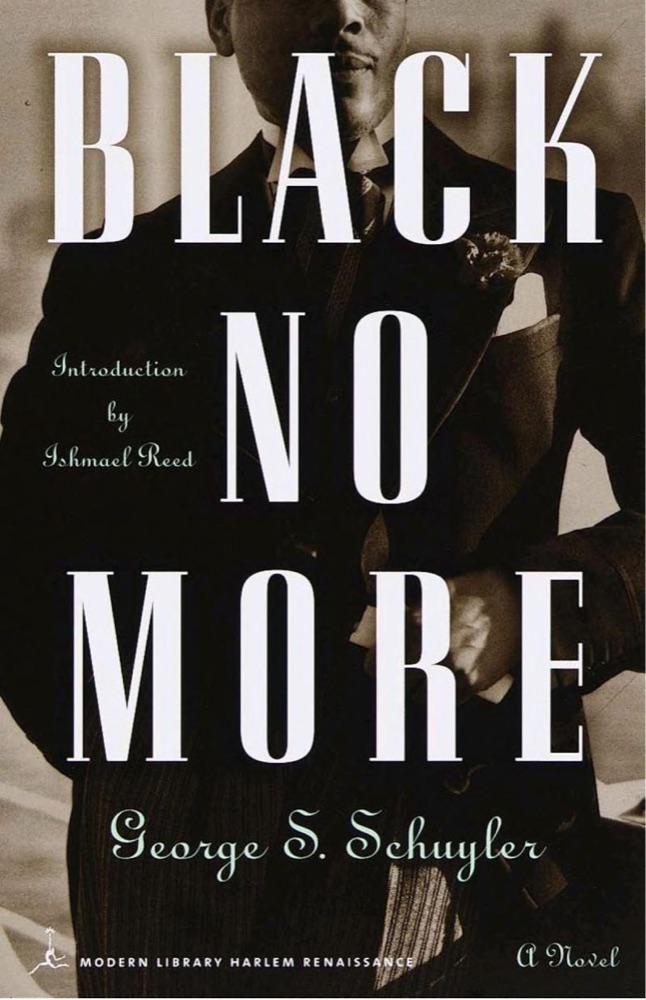 Black No More
 Nobody Knows My Name
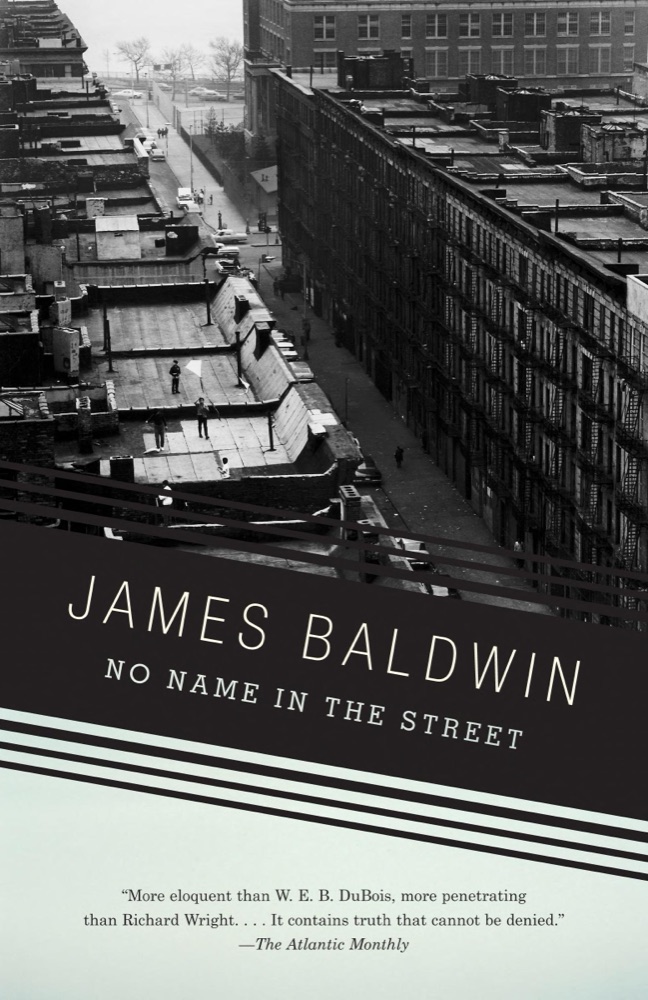 No Name in the Street
 Tears We Cannot Stop: A Sermon to White America
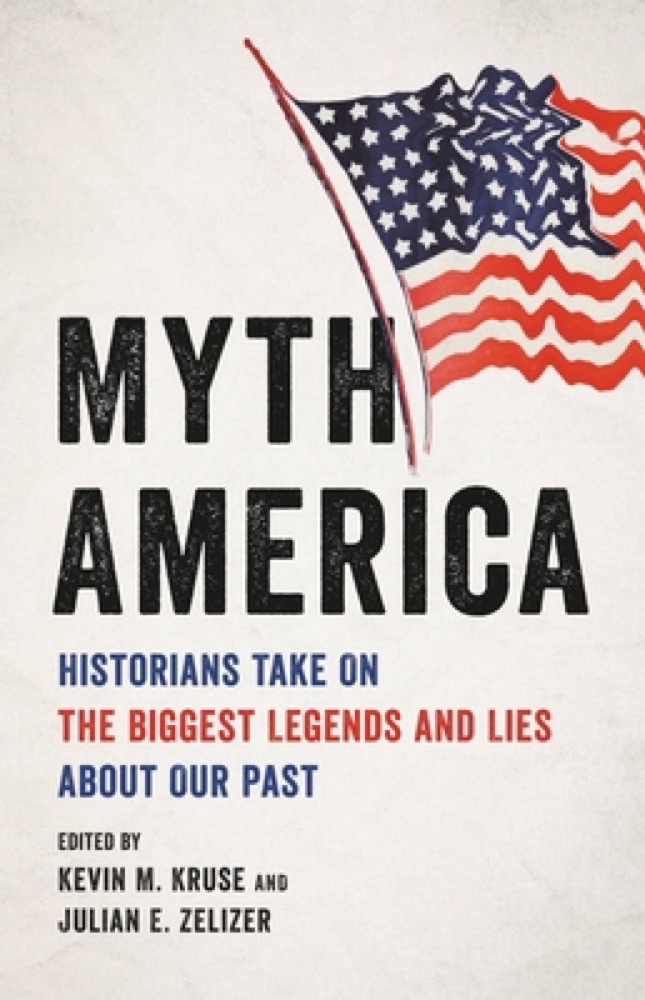 Myth America: Historians Take On the Biggest Legends and Lies About Our Past
 Arguably: Selected Essays
 Begin Again: James Baldwin's America and Its Urgent Lessons for Our Own
 Revolution for Dummies: Laughing through the Arab Spring
 We Gon' Be Alright: Notes on Race and Resegregation
 Letter from the Birmingham Jail
 Becoming Abolitionists: Police, Protests, and the Pursuit of Freedom
 Between the World and Me
 Behold a Pale Horse
 Assata: An Autobiography
 A Colony in a Nation
 Notes from No Man's Land
 The Black Wolf
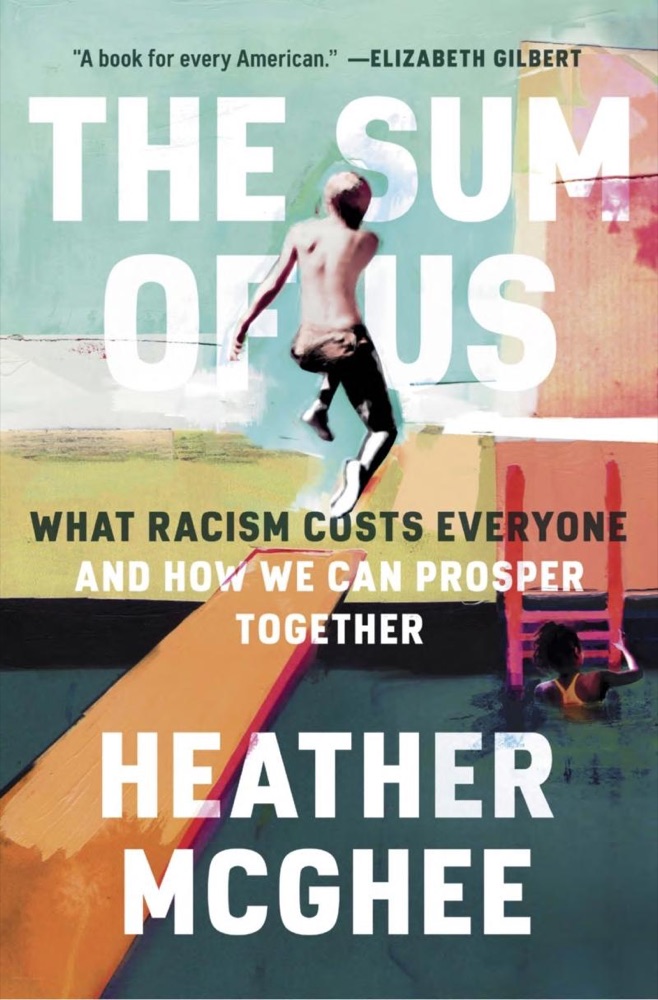 The Sum of Us: What Racism Costs Everyone and How We Can Prosper Together
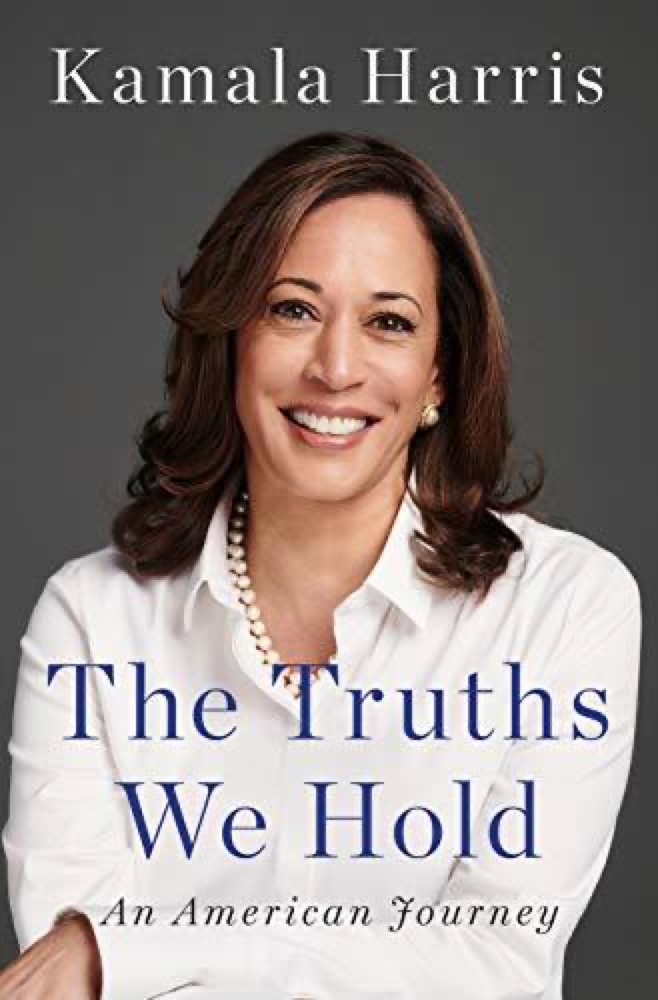 The Truths We Hold: An American Journey
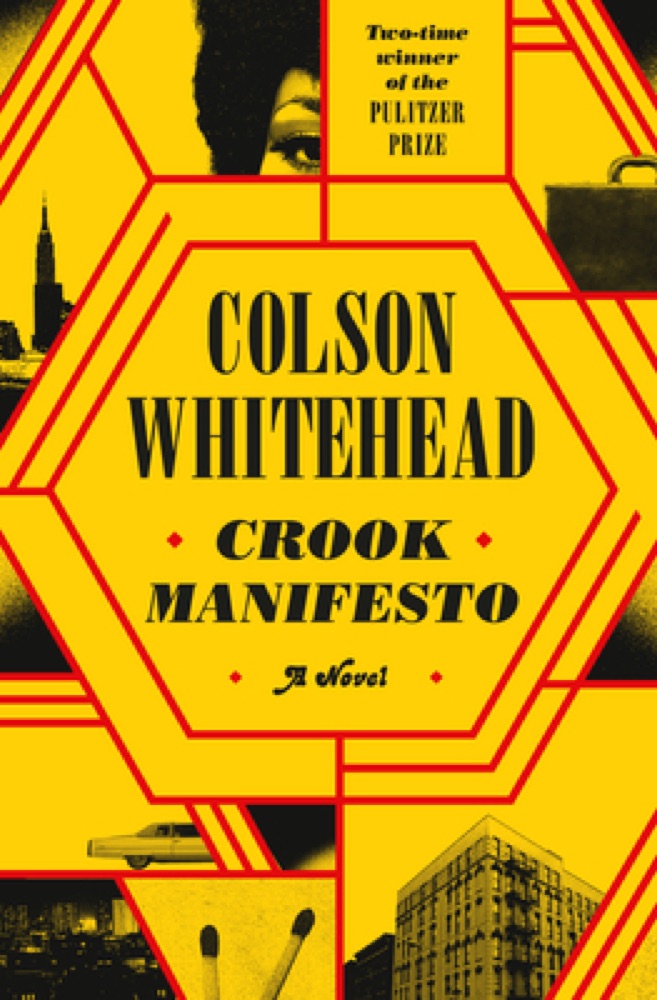 Crook Manifesto
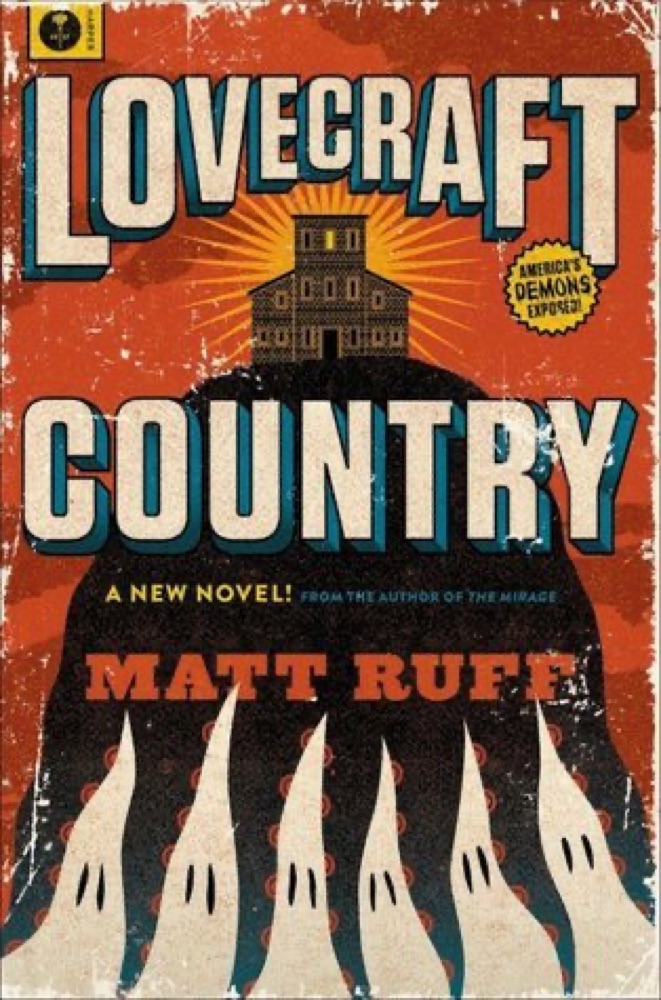 Lovecraft Country
 The Autobiography of an Ex-Coloured Man
 Bearing the Cross: Martin Luther King, JR., and the Southern Christian Leadership Conference
 Shortest Way Home: One Mayor's Challenge and a Model for America's Future
 A People's History of the United States
 Dead Fall
 You Can't Be Neutral on a Moving Train: A Personal History of Our Times
 On Tyranny: Twenty Lessons from the Twentieth Century
 The Message
 The Warmth of Other Suns: The Epic Story of America's Great Migration
 The Path to Power
 Simple Justice: The History of Brown v. Board of Education and Black America's Struggle for Equality
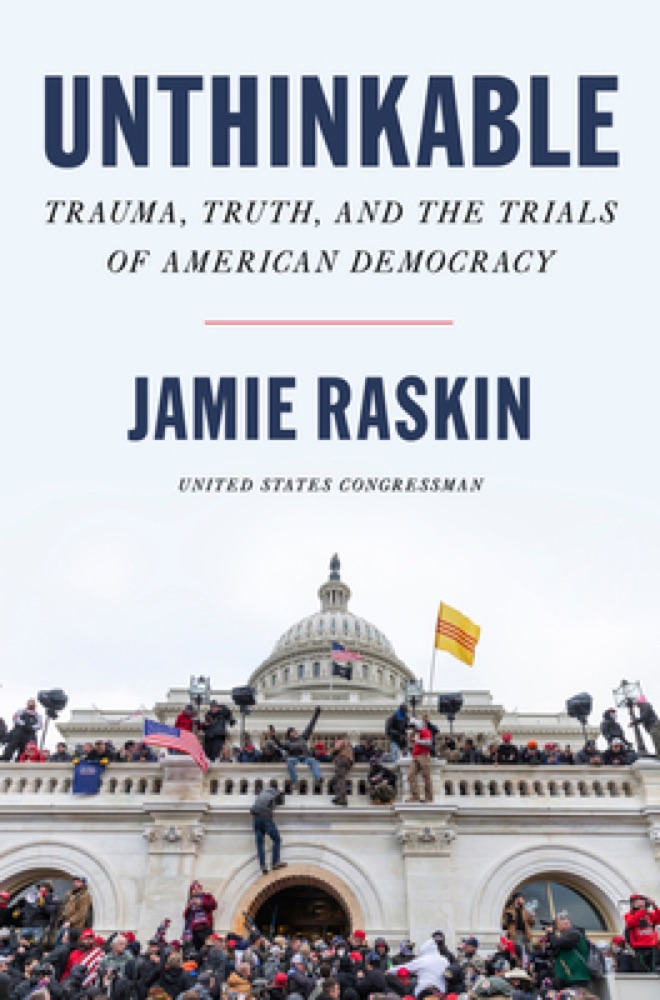 Unthinkable: Trauma, Truth, and the Trials of American Democracy
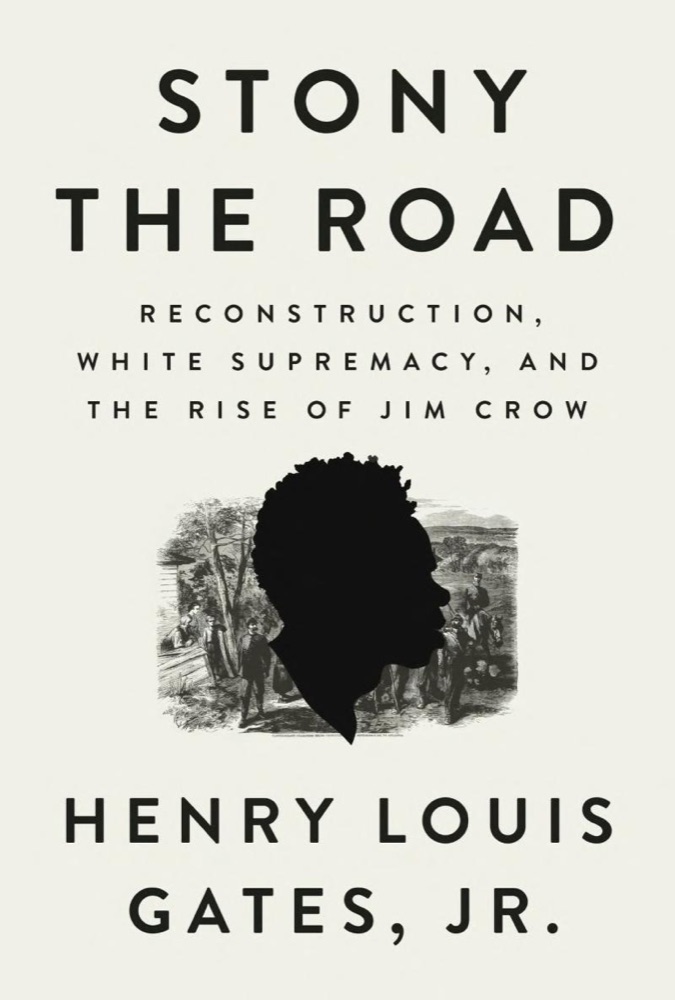 Stony the Road: Reconstruction, White Supremacy, and the Rise of Jim Crow
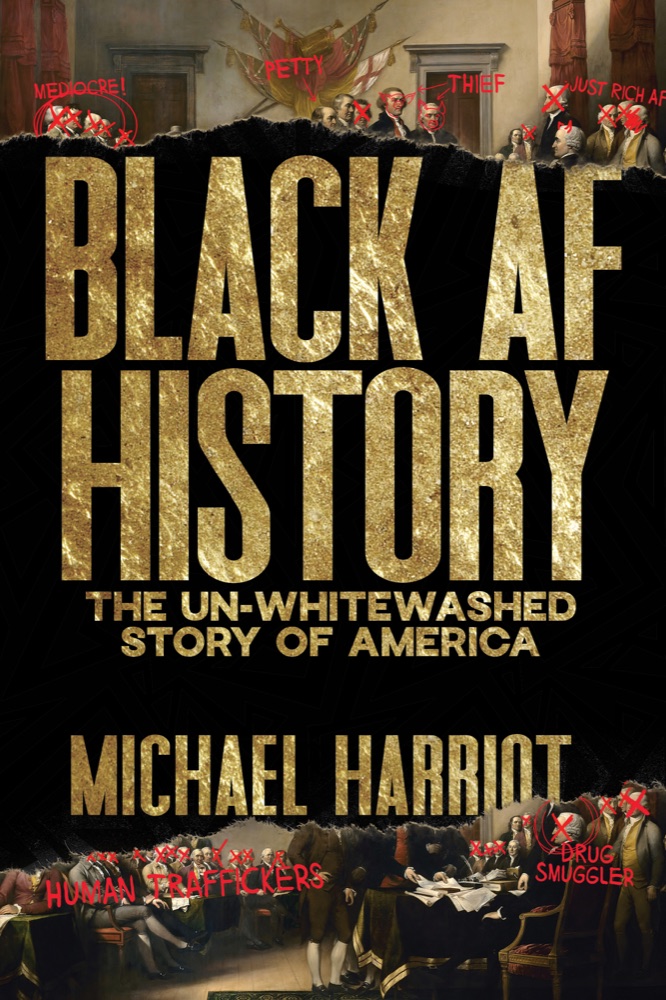 Black AF History: The Un-Whitewashed Story of America
 How Long 'til Black Future Month?
 Radio Free Albemuth
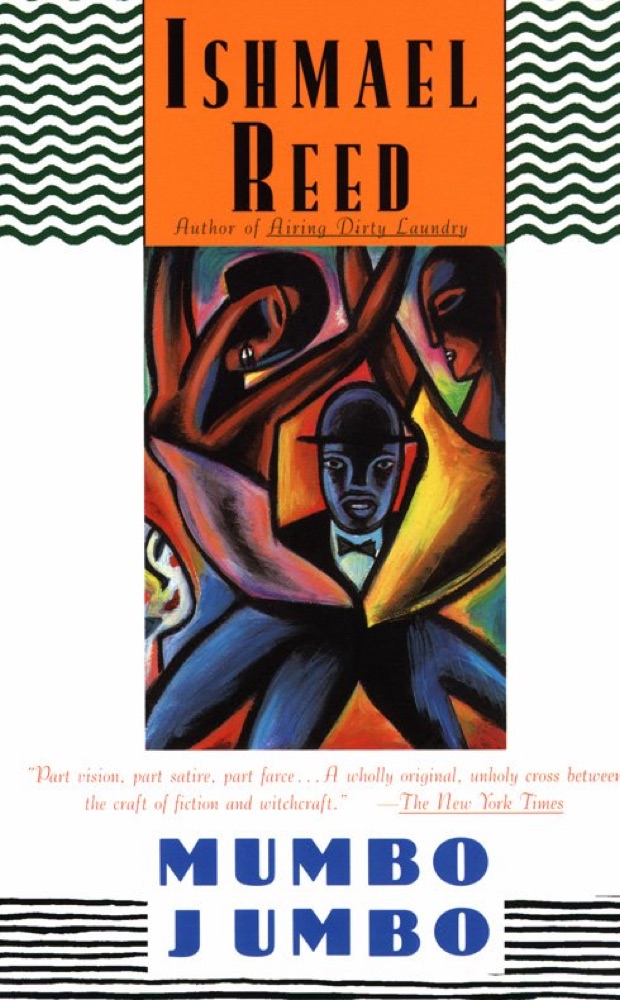 Mumbo Jumbo
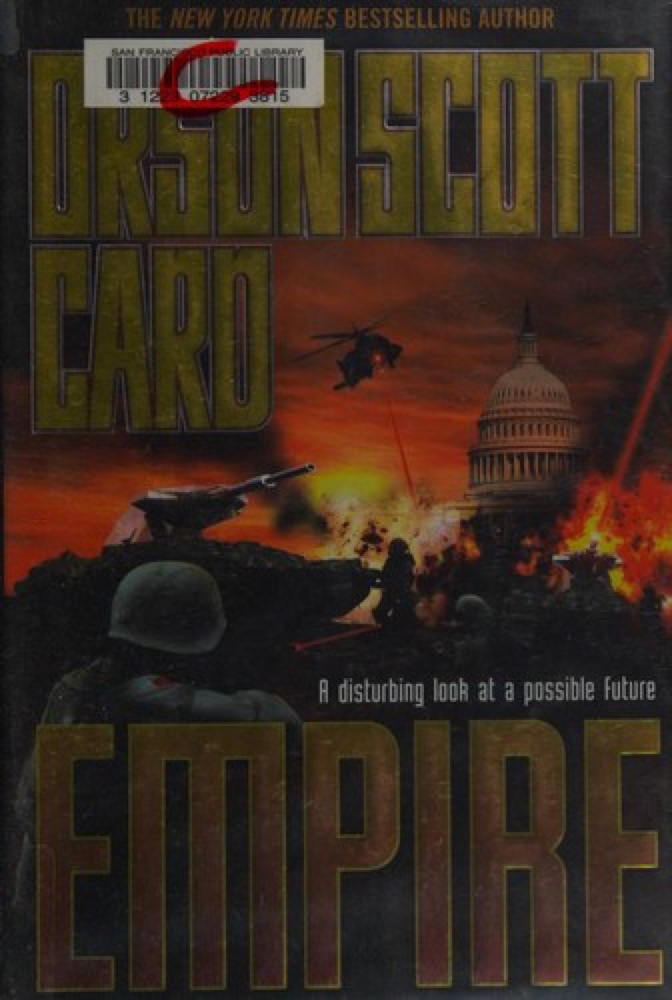 Empire
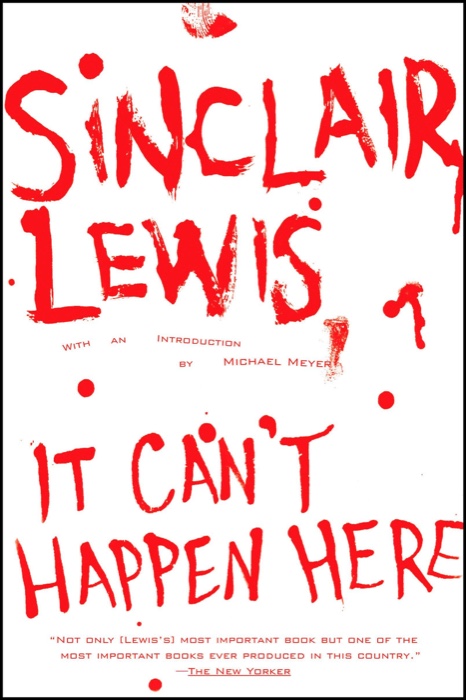 It Can't Happen Here
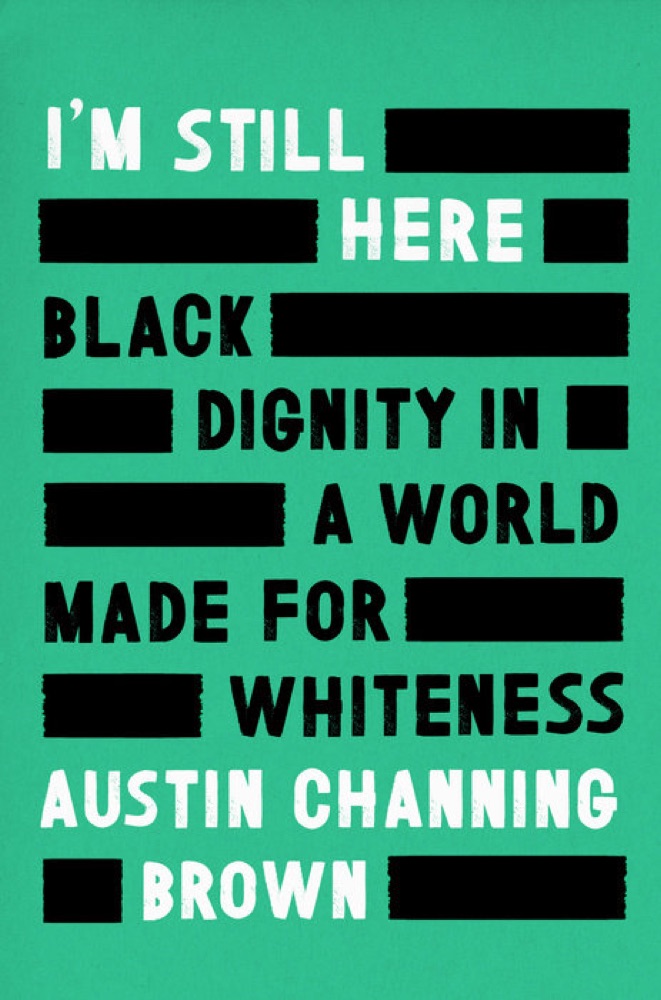 I'm Still Here: Black Dignity in a World Made for Whiteness
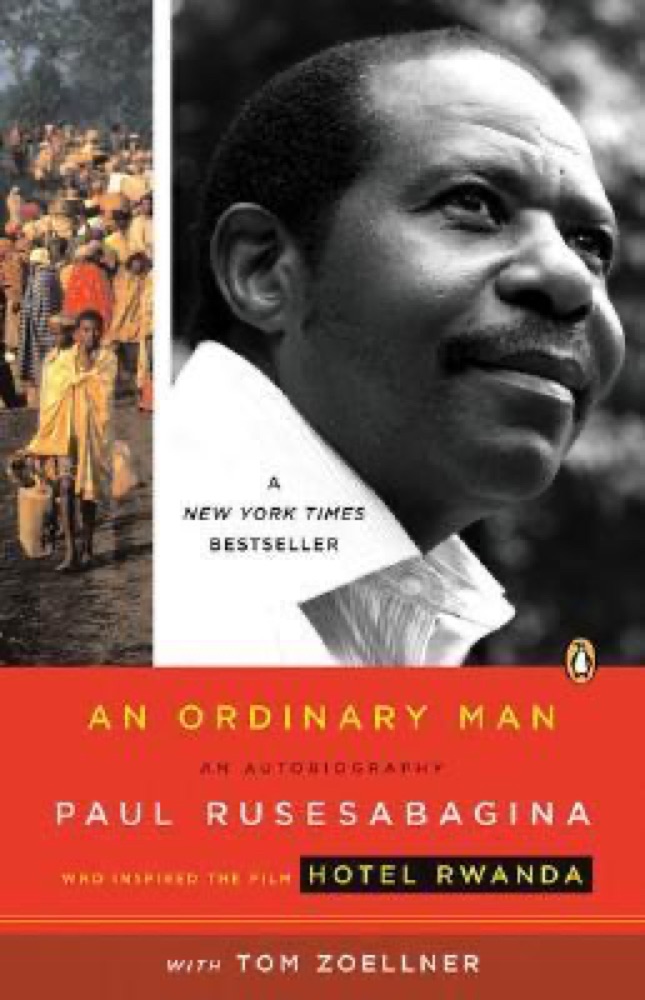 An Ordinary Man: An Autobiography