
 Holy Bible: ESV Bible
Quotes from the Book
essence of nonviolence was a refusal to retaliate against evil, a refusal based on the realization that “the law of retaliation is the law of the multiplication of evil.
the Negro must come to the point of refusing to cooperate with evil,” but without ever hating the evildoers. “I have no malice toward anyone, not even the white policeman who almost broke my arm, who choked and kicked me. Let there be no malice among you.
Mass action by everyday black people was just as powerful a tool for social change as the lawsuit, and maybe more so. If
The real goal, however, was not to defeat the white man, but “to awaken a sense of shame within the oppressor and challenge his false sense of superiority.… The end is reconciliation; the end is redemption; the end is the creation of the beloved community” where all men would treat each other as brothers and equals. “There are great resources of goodwill in the southern white man that we must somehow tap,
We must understand,” Rustin wrote, “that our refusal to accept jim crow in specific areas challenges the entire social, political and economic order that has kept us second class citizens.… Those who oppose us, understand this.
King spoke of how the Pilgrimage would be an appeal to the nation, and the Congress, to pass a civil rights bill that would give the Justice Department the power to file law suits against discriminatory registration and voting practices anywhere in the South.
King’s primary responsibility, though, was to issue a call for action, and stress the need to expand the struggle on all fronts. Up to now we have thought of the color question as something which could be solved in and of itself. We know now that while it [is] necessary to say ‘No’ to racial injustice, this must be followed by a positive program of action: the struggle for the right to vote, for economic uplift of the people. A part of this is the realization that men are truly brothers, that the Negro cannot be free so long as there are poor and underprivileged white people.… Equality for Negroes is related to the greater problem of economic uplift for Negroes and poor white men. They share a common problem and have a common interest in working together for economic and social uplift. They can and must work together.
What is new in your fight is the fact that it was initiated, fed, and sustained by students.
King remarked, thinking back to Montgomery four years earlier. “If there is one lesson experience has taught us … it is that when you have found by the help of God a correct course, a morally sound objective, you do not equivocate, you do not retreat—you struggle to win a victory.
Coretta told Daddy King of Kennedy’s phone call as they prepared to see Morris Abram. King, Sr., was ecstatic, and said that this was enough to shift his traditionally Republican presidential preference and vote instead for Kennedy, the man who had called his daughter-in-law.
on November 1 he issued a statement that stopped just short of an endorsement. “I want to make it palpably clear,” King said, “that I am deeply grateful to Senator Kennedy for the genuine concern he expressed.… [He] exhibited moral courage of a high order.” In private, he added that the contrast between Kennedy’s call and Nixon’s inaction was very real to him. Even though Nixon had known him longer, he had done nothing. “I really considered him a moral coward,” King remarked.
Several weeks later, President Eisenhower complained to reporters that Nixon had lost simply because of a “couple of phone calls.
I think I received a new understanding of the meaning of suffering,” he wrote Harold DeWolf, “and I came away more convinced than ever before that unearned suffering is redemptive.” The imprisonment had not been pleasant, but he did feel that his faith had benefited from the experience.20
how valuable mass nonviolent resistance could be. The real goal, however, was not to defeat the white man, but “to awaken a sense of shame within the oppressor and challenge his false sense of superiority.… The end is reconciliation; the end is redemption; the end is the creation of the beloved community” where all men would treat each other as brothers and equals. “There are great resources of goodwill in the southern white man that we must somehow tap,” King asserted, and we must work to “speed up the coming of the inevitable.
The time had come, King said, to “move from protest to reconciliation.
King told the student leaders not to forget that the struggle was justice versus injustice, not black versus white, and reminded them always to be open to compromise with local whites.
first two days of Montgomery’s integrated bus service were without incident. Then, at 1:30 A.M. on Sunday morning, December 23, a shotgun blast ripped through the front door of King’s home. The floodlights were on, but no watchman was present. King, Coretta, and Yoki were asleep, and no one was injured. King chose not to call the police, but he did announce the incident to his Dexter congregation later that morning. “It may be that some of us may have to die,” he solemnly remarked. That evening, at a mass meeting, he declared that “I would like to tell whoever did it that it won’t do any good to kill me
Tell Montgomery they can keep shooting and I’m going to stand up to them; tell Montgomery they can keep bombing and I’m going to stand up to them. If I had to die tomorrow morning I would die happy because I’ve been to the mountaintop and I’ve seen the promised land and it’s going to be here in Montgomery.
Watch on YouTube
About Unknown
We have collected 3744 quotes from 245 books by Unknown on BookQuoters.
More about the author →More by Unknown
Holy Bible: ESV Bible
 Holy Bible, NKJV
 The New Oxford Annotated Bible: New Revised Standard Version
 Hagakure: The Book of the Samurai
Book details
- Author
- Unknown
- Genre
- History
- Goodreads rating
- 4.33 (2k ratings) →
Keep reading
 The Blood of Emmett Till
 Why We Can't Wait
 Where Do We Go from Here: Chaos or Community?
 Blood Done Sign My Name: A True Story
 Simple Justice: The History of Brown v. Board of Education and Black America's Struggle for Equality
 Devil in the Grove: Thurgood Marshall, the Groveland Boys, and the Dawn of a New America
 The Soul of America: The Battle for Our Better Angels
 Letter from the Birmingham Jail
 Master of the Senate
 White Rage: The Unspoken Truth of Our Racial Divide
 Across That Bridge: A Vision for Change and the Future of America
 Edge of Eternity
 We Were Eight Years in Power: An American Tragedy
 April 1865: The Month That Saved America
 The Small and the Mighty: Twelve Unsung Americans Who Changed the Course of History, from the Founding to the Civil Rights Movement
 The Nickel Boys
 Four Hundred Souls: A Community History of African America, 1619-2019
 The Passage of Power
 The Civil War, Vol. 3: Red River to Appomattox
 Stony the Road: Reconstruction, White Supremacy, and the Rise of Jim Crow
 Killing Kennedy: The End of Camelot
 Black Klansman: A Memoir
 The Path to Power
 The Warmth of Other Suns: The Epic Story of America's Great Migration
 The Heart of a Woman
 The Confessions of Nat Turner
 The Truths We Hold: An American Journey
 Between the World and Me
 A Full Life: Reflections at Ninety
 Dark Days
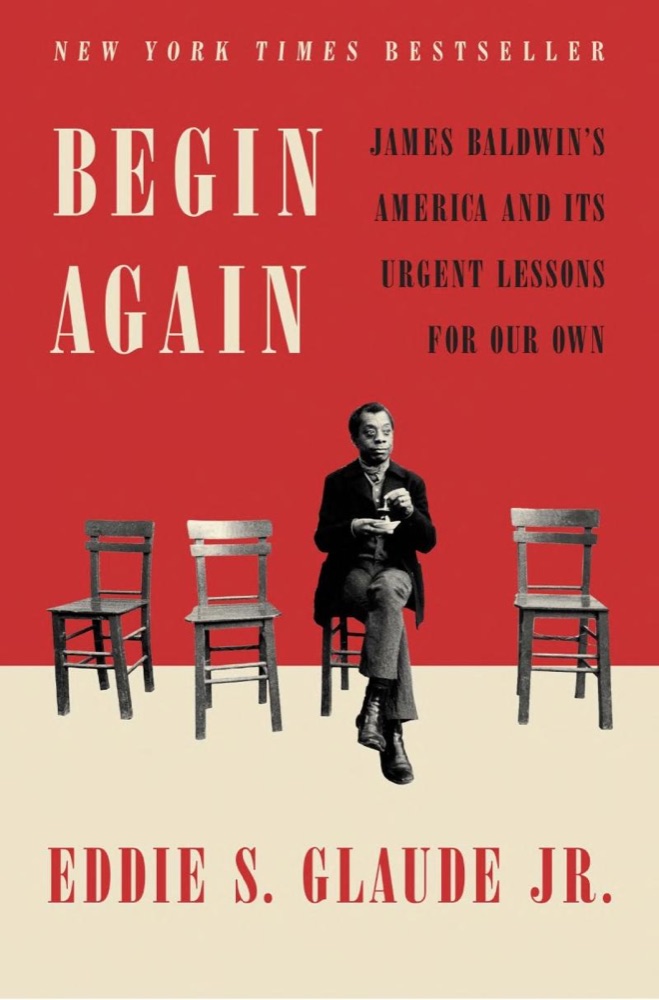 Begin Again: James Baldwin's America and Its Urgent Lessons for Our Own
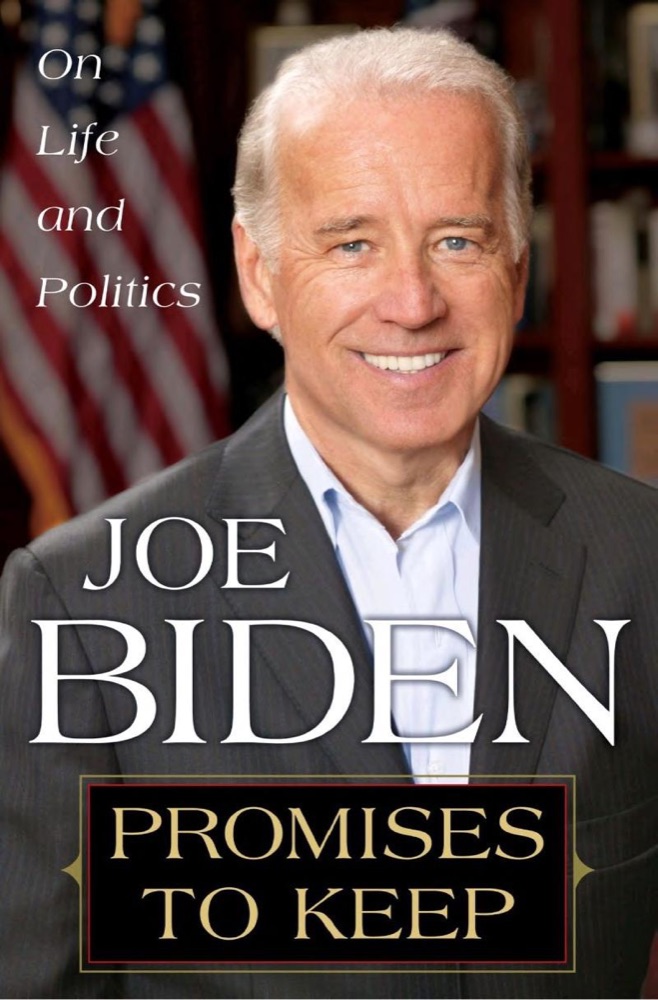 Promises to Keep: On Life and Politics
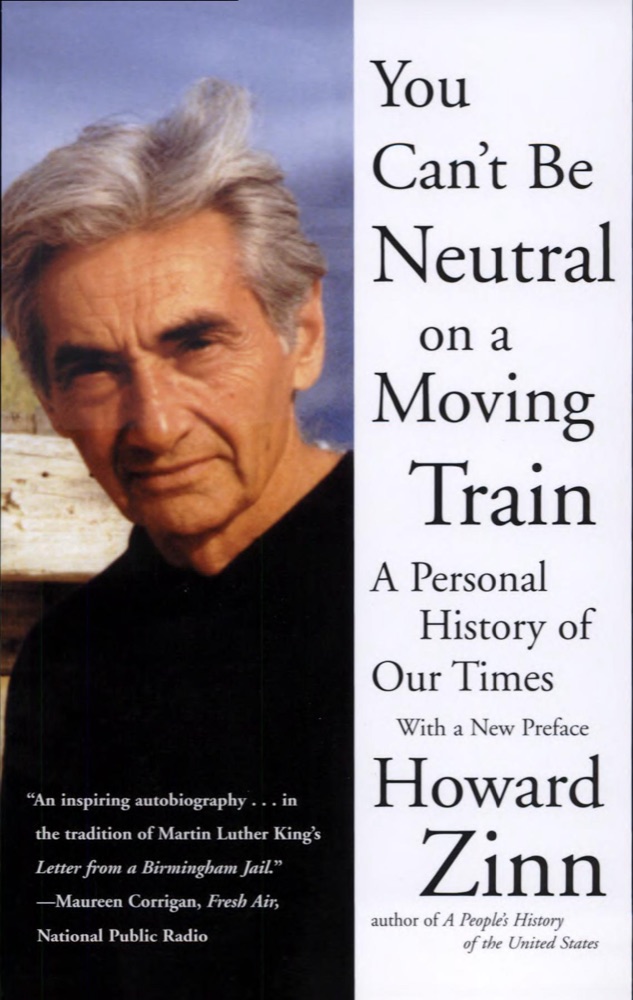 You Can't Be Neutral on a Moving Train: A Personal History of Our Times
 Uncomfortable Conversations With a Black Man
 Nixonland: The Rise of a President and the Fracturing of America
 The Man
 Homegoing
 No Name in the Street
 The Autobiography of Eleanor Roosevelt
 Black Like Me
 Black No More
 United: Thoughts on Finding Common Ground and Advancing the Common Good
 Truman
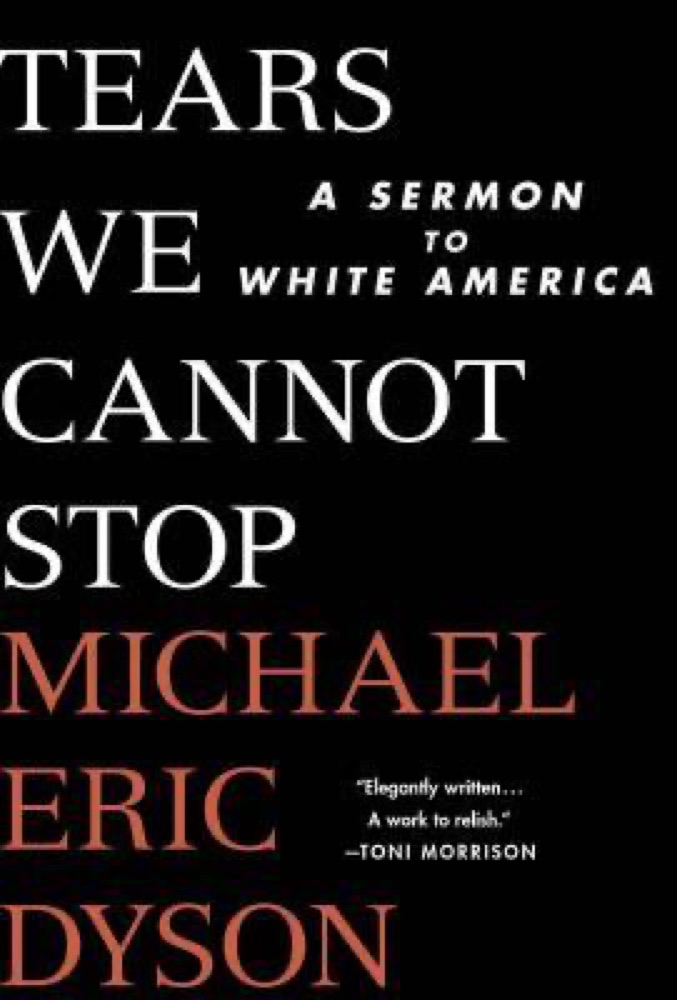 Tears We Cannot Stop: A Sermon to White America
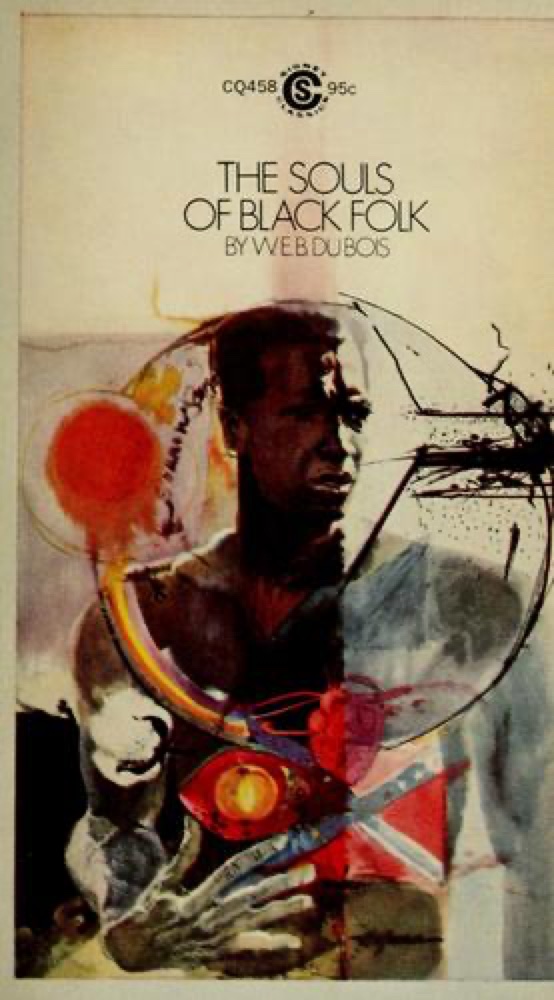 The Souls of Black Folk
 Silent Covenants: Brown v. Board of Education and the Unfulfilled Hopes for Racial Reform
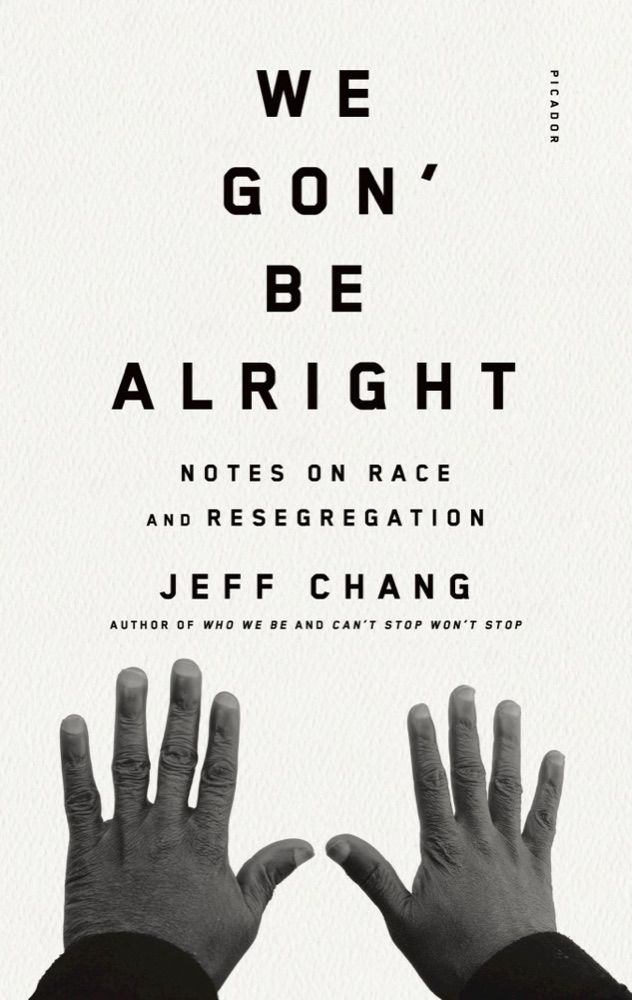 We Gon' Be Alright: Notes on Race and Resegregation
 Nobody Knows My Name
 Native Son
 A Fever in the Heartland: The Ku Klux Klan's Plot to Take Over America, and the Woman Who Stopped Them
 Unthinkable: Trauma, Truth, and the Trials of American Democracy
 Battle Cry of Freedom
 What Truth Sounds Like: Robert F. Kennedy, James Baldwin, and Our Unfinished Conversation About Race in America
 Lovecraft Country
 The Invisible Bridge: The Fall of Nixon and the Rise of Reagan
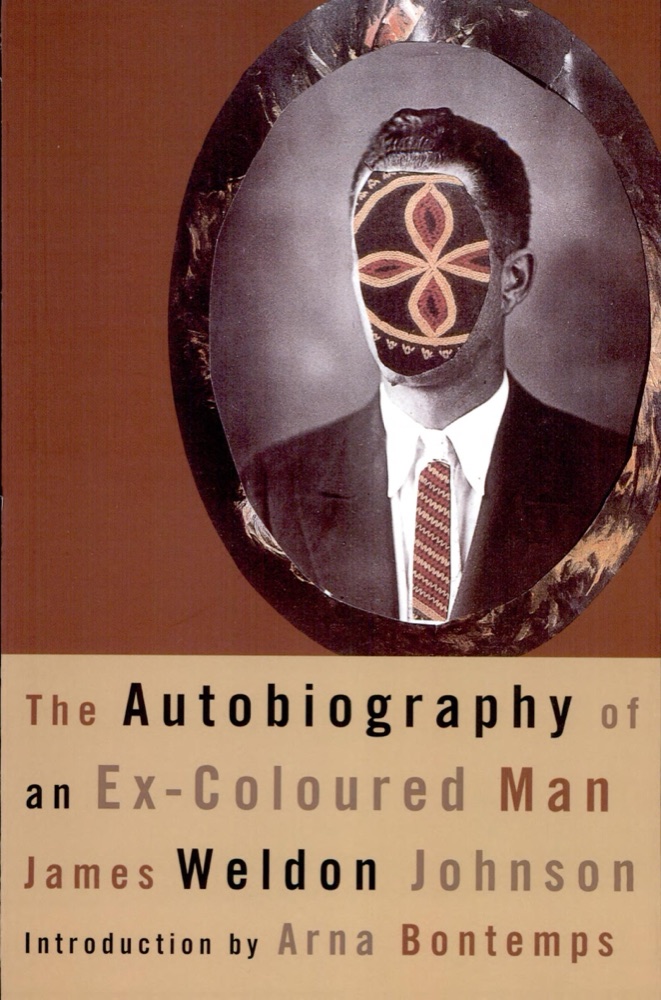 The Autobiography of an Ex-Coloured Man
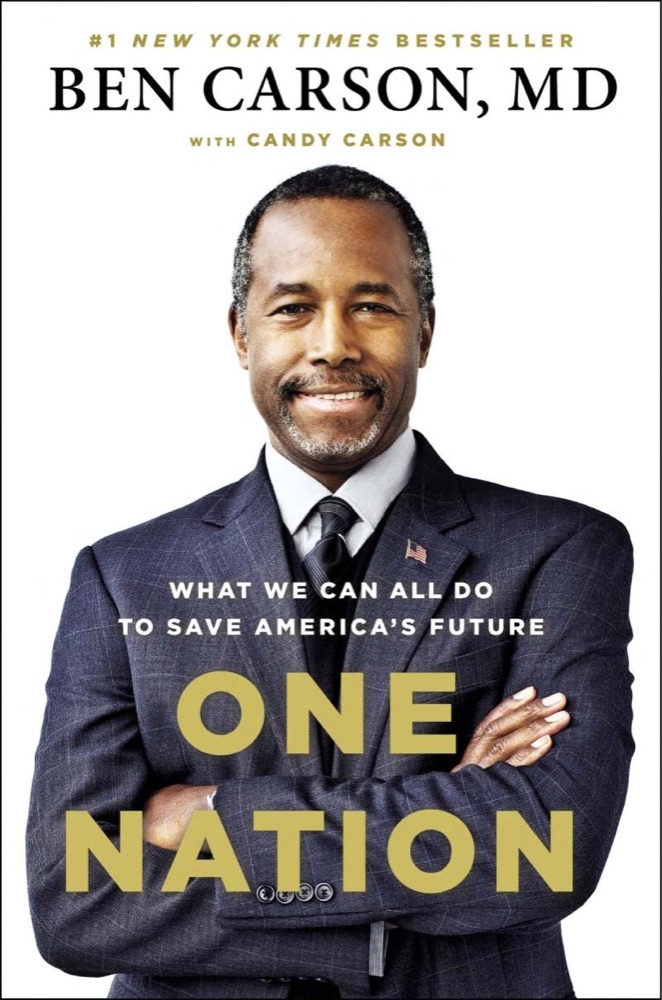 One Nation: What We Can All Do to Save America's Future
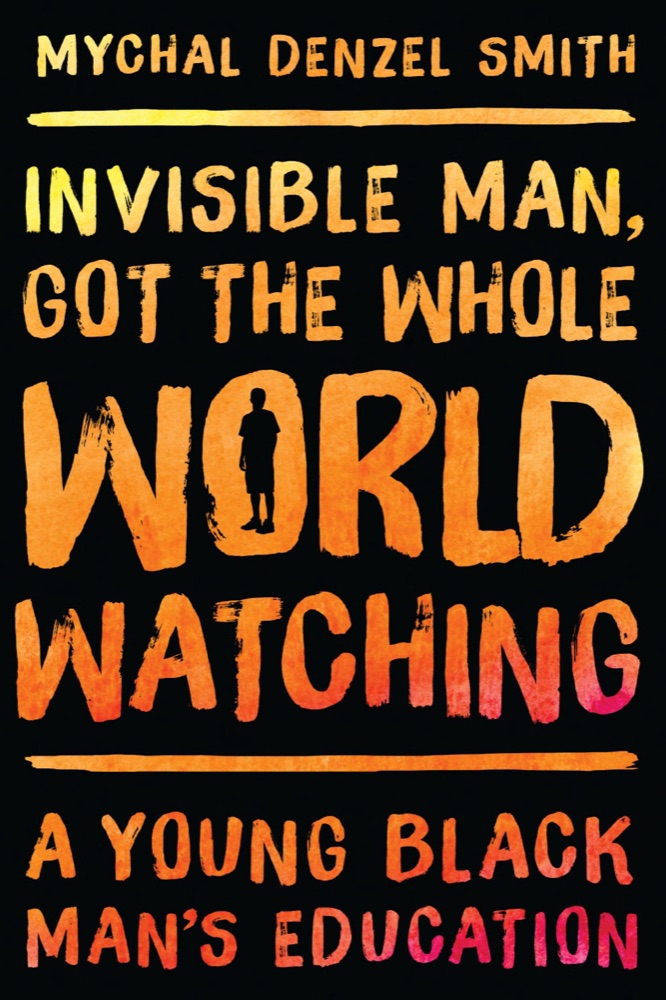 Invisible Man, Got the Whole World Watching: A Young Black Man's Education
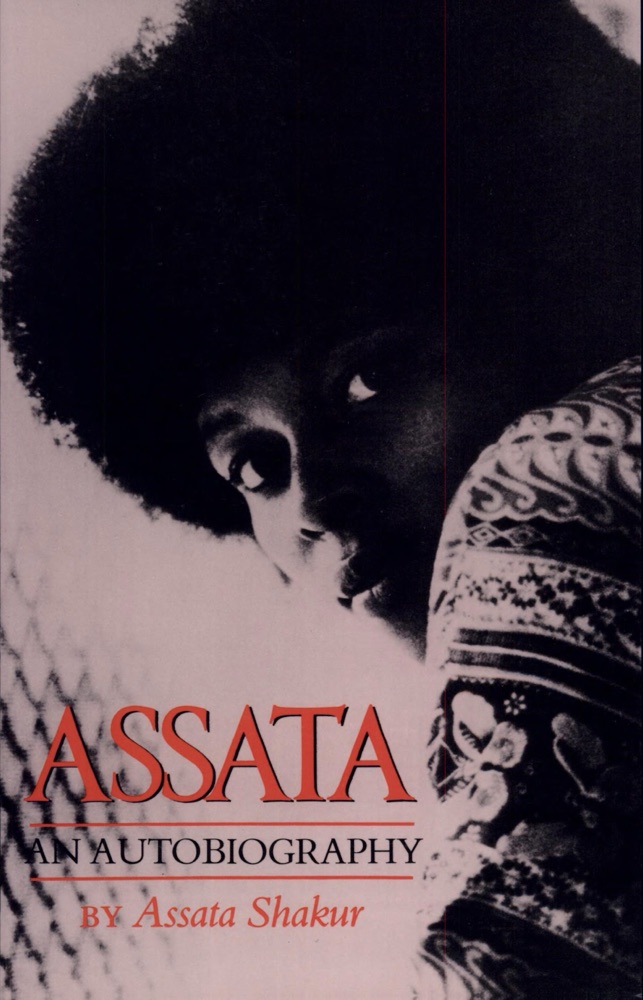 Assata: An Autobiography
 My Own Words