
 The Art of Thinking Clearly
Quotes from the Book
We may have a perfectly adequate way of doing something, but that does not mean there cannot be a better way. So we set out to find an alternative way. This is the basis of any improvement that is not fault correction or problem solving.
Creativity involves provocation, exploration and risk taking. Creativity involves "thought experiments." You cannot tell in advance how the experiment is going to turn out. But you want to be able to carry out the experiment.
There may be more danger in prejudices which are apparently founded in logic than in those which are acknowledged as emotions. (p69)
It is not the logical part of thinking that changes emotions but the perceptual part. If we see something differently, our emotions may alter with the altered perception. (p64)
It may be that Japanese culture is not ego-based like Western culture: argument has often a strong ego base. The most likely explanation is that Japanese culture was not influenced by those Greek thinking idioms which were refined and developed by medieval monks as a means of proving heretics to be wrong. (p36)
Real life, however, is very different from school sums. There is usually more than one answer. Some answers are much better than others: they cost less, are more reliable or are more easy to implement. There is no reason at all for supposing that the first answer has to be the best one.
Watch on YouTube
About Edward de Bono
We have collected 6 quotes from 1 book by Edward de Bono on BookQuoters.
More about the author →Book details
- Author
- Edward de Bono
- Genre
- Nonfiction
- Goodreads rating
- 3.71 (14k ratings) →
Keep reading
The Art of Thinking Clearly
 Think Again: The Power of Knowing What You Don't Know
 How We Decide
 Think: A Compelling Introduction to Philosophy
 Black Box Thinking: Why Some People Never Learn from Their Mistakes - But Some Do
 How the Mind Works
 The Fourth Way
 Think Like a Rocket Scientist: Simple Strategies You Can Use to Make Giant Leaps in Work and Life
 God's Debris: A Thought Experiment
 Rationality: From AI to Zombies
 Originals: How Non-Conformists Move the World
 A Whack on the Side of the Head: How You Can Be More Creative
 Antifragile: Things That Gain from Disorder
 Emotional Design: Why We Love (or Hate) Everyday Things
 Gödel, Escher, Bach: An Eternal Golden Braid
 Alchemy: The Surprising Power of Ideas That Don't Make Sense
 The Happiness Hypothesis: Finding Modern Truth in Ancient Wisdom
 The Art of Creative Thinking
 Superforecasting: The Art and Science of Prediction
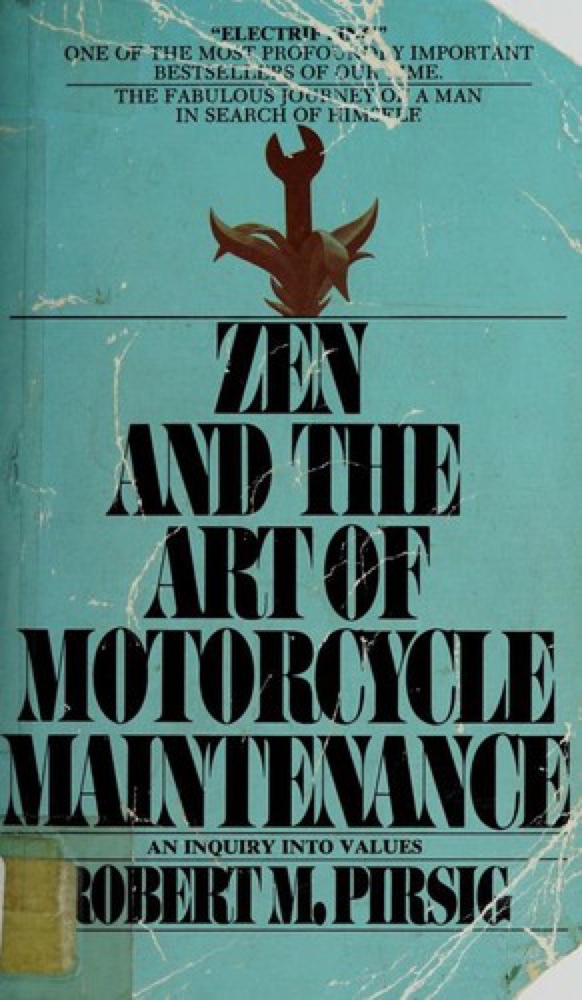 Zen and the Art of Motorcycle Maintenance
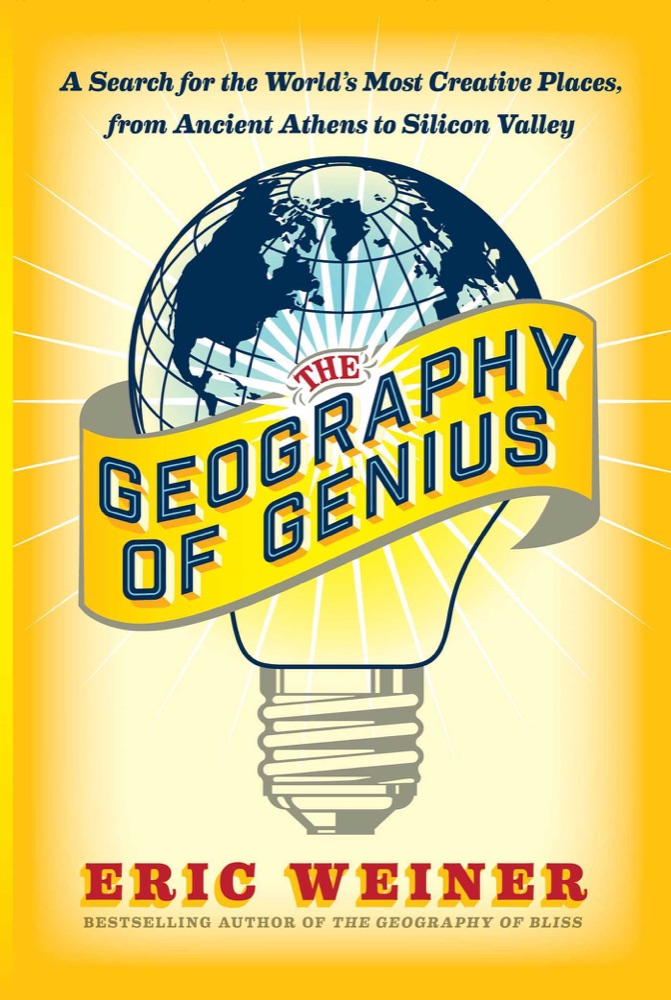 The Geography of Genius: A Search for the World's Most Creative Places from Ancient Athens to Silicon Valley
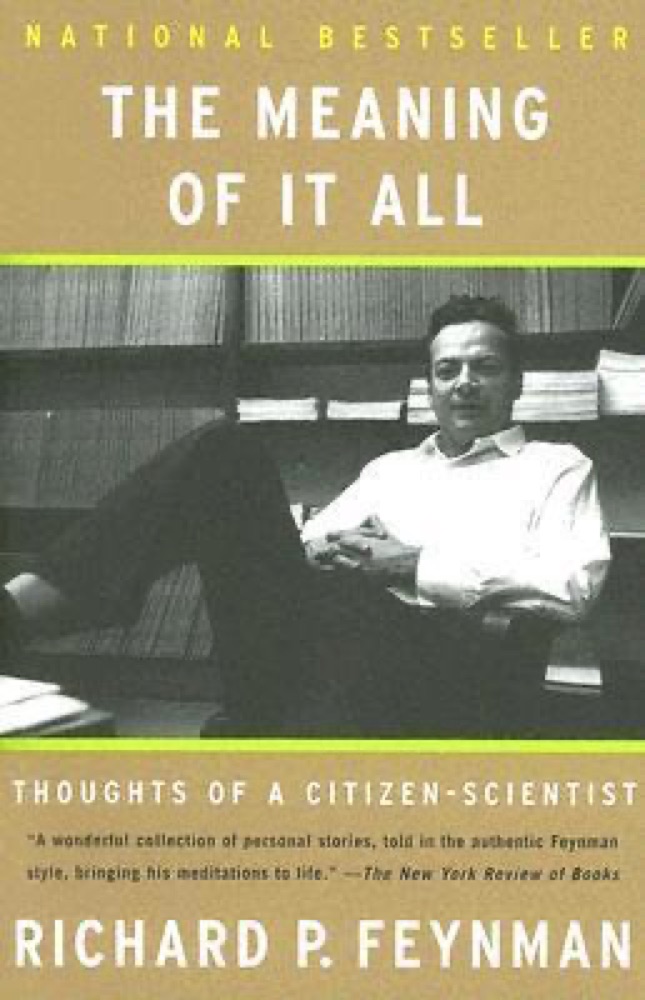 The Meaning of It All: Thoughts of a Citizen-Scientist
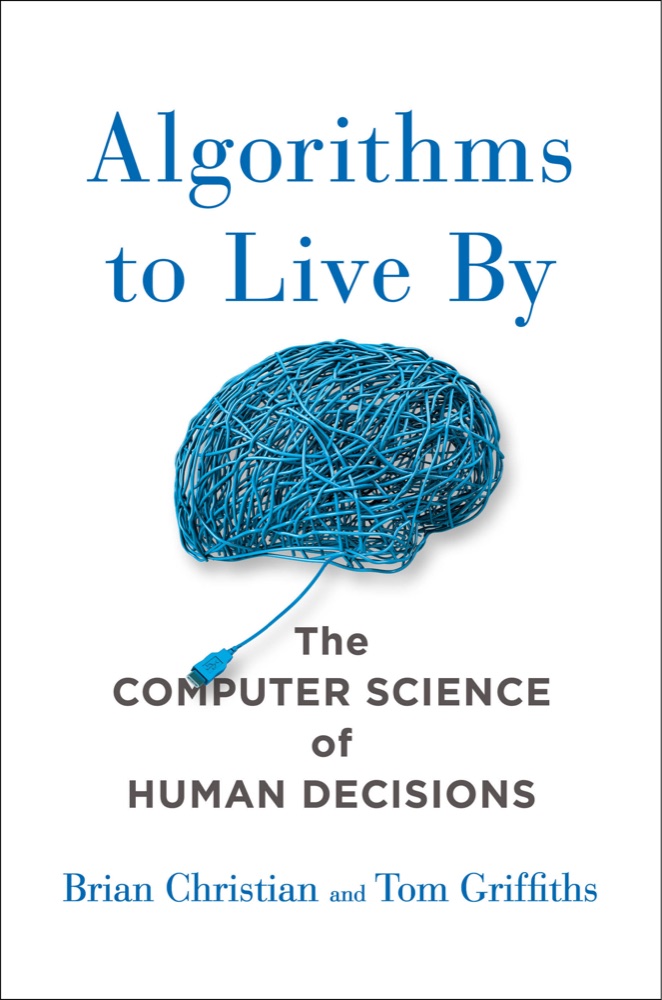 Algorithms to Live By: The Computer Science of Human Decisions
 Think Like a Freak
 Being Wrong: Adventures in the Margin of Error
 You Are Not So Smart
 What Do You Care What Other People Think?
 21 Lessons for the 21st Century
 The Elephant in the Brain: Hidden Motives in Everyday Life
 Walden Two
 How to Fly a Horse: The Secret History of Creation, Invention, and Discovery
 Mastermind: How to Think Like Sherlock Holmes
 How to Stay Sane
 Blink: The Power of Thinking Without Thinking
 But What If We're Wrong? Thinking About the Present As If It Were the Past
 Intuition: Knowing Beyond Logic
 Math with Bad Drawings
 Imagine: How Creativity Works
 The Element: How Finding Your Passion Changes Everything
 The Stuff of Thought: Language as a Window into Human Nature
 Made to Stick: Why Some Ideas Survive and Others Die
 The Undoing Project: A Friendship That Changed Our Minds
 Smarter Faster Better: The Secrets of Being Productive in Life and Business
 Fooled by Randomness: The Hidden Role of Chance in Life and in the Markets
 Barking Up the Wrong Tree: The Surprising Science Behind Why Everything You Know About Success Is (Mostly) Wrong
 Creativity, Inc.: Overcoming the Unseen Forces That Stand in the Way of True Inspiration
 Principles: Life and Work
 Psycho-Cybernetics
 The Black Swan: The Impact of the Highly Improbable
 How to Take Smart Notes
 The Social Animal: The Hidden Sources of Love, Character, and Achievement
 Genesis
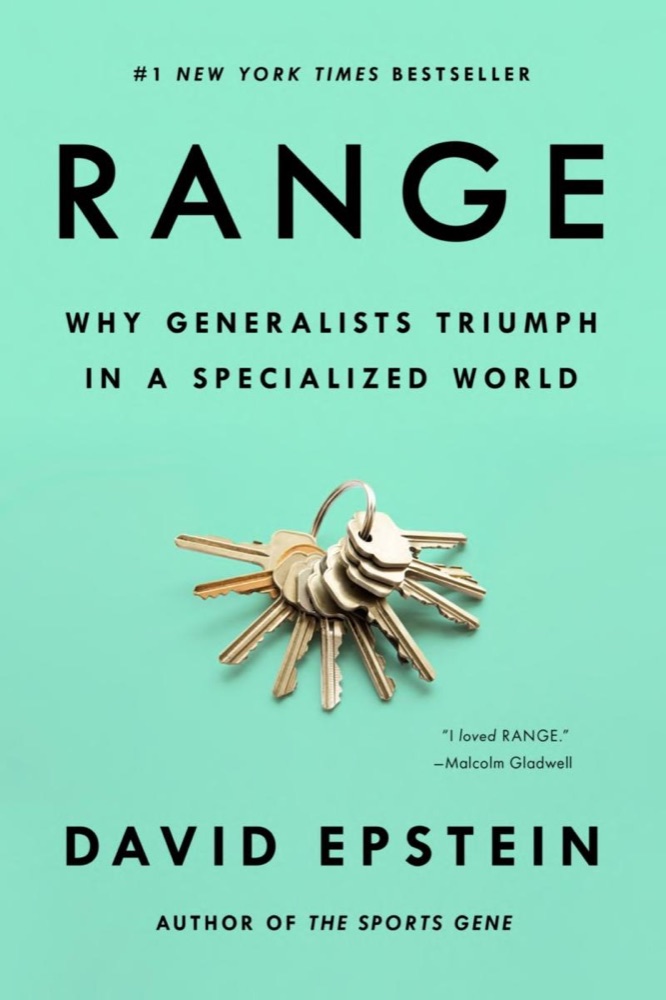 Range: Why Generalists Triumph in a Specialized World
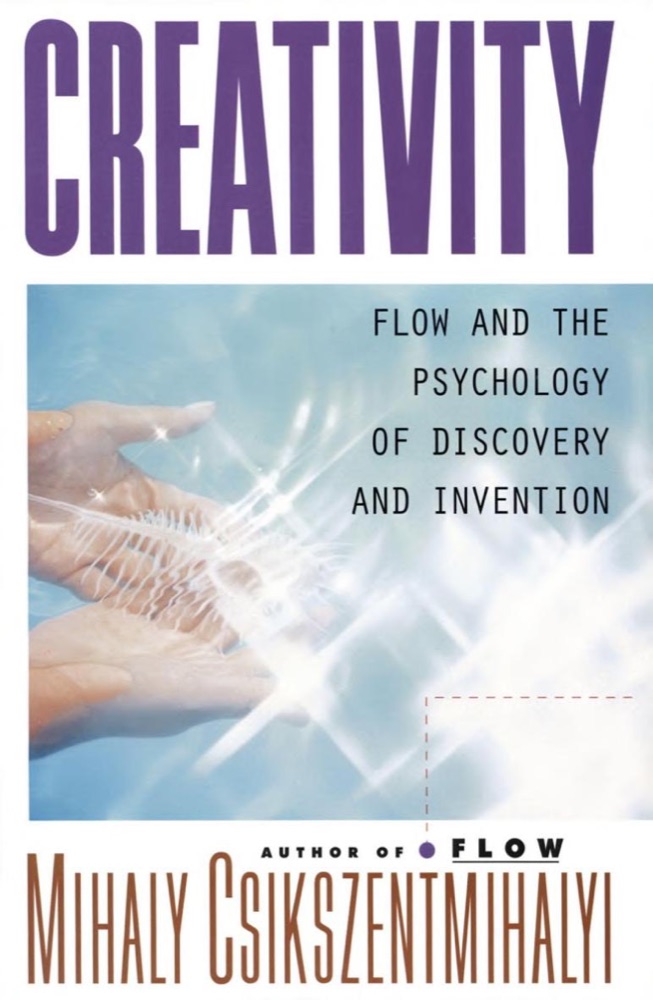 Creativity: Flow and the Psychology of Discovery and Invention
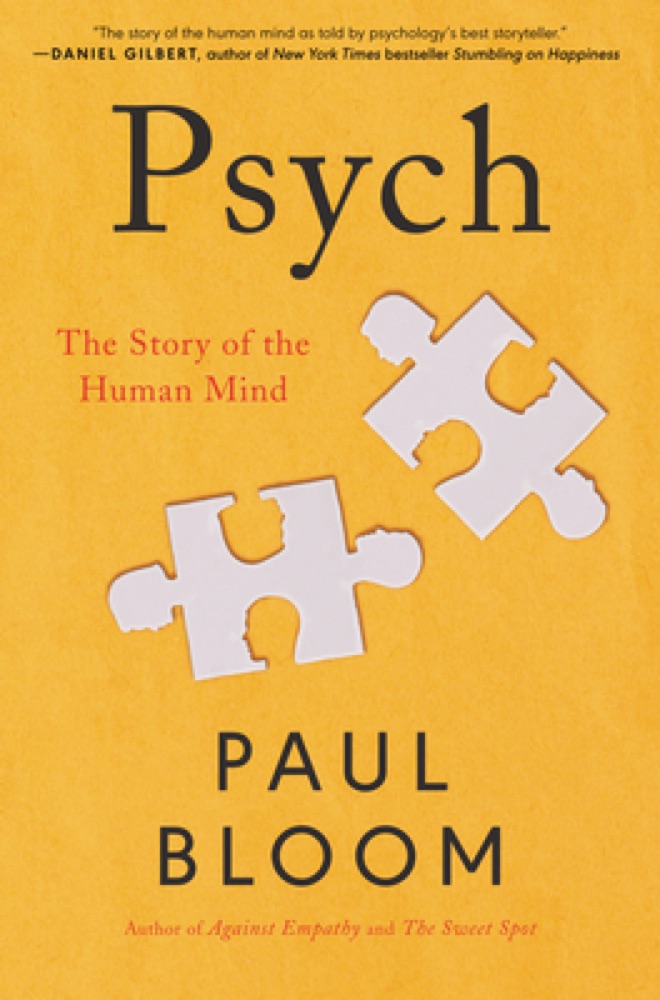 Psych: The Story of the Human Mind
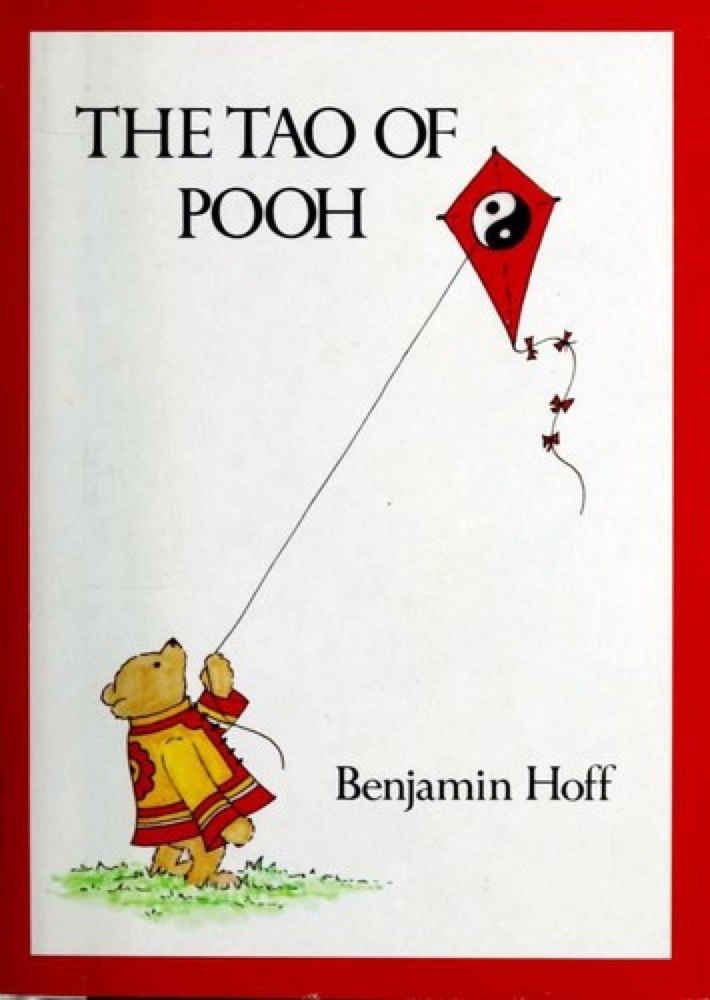 The Tao of Pooh
 My Ishmael