
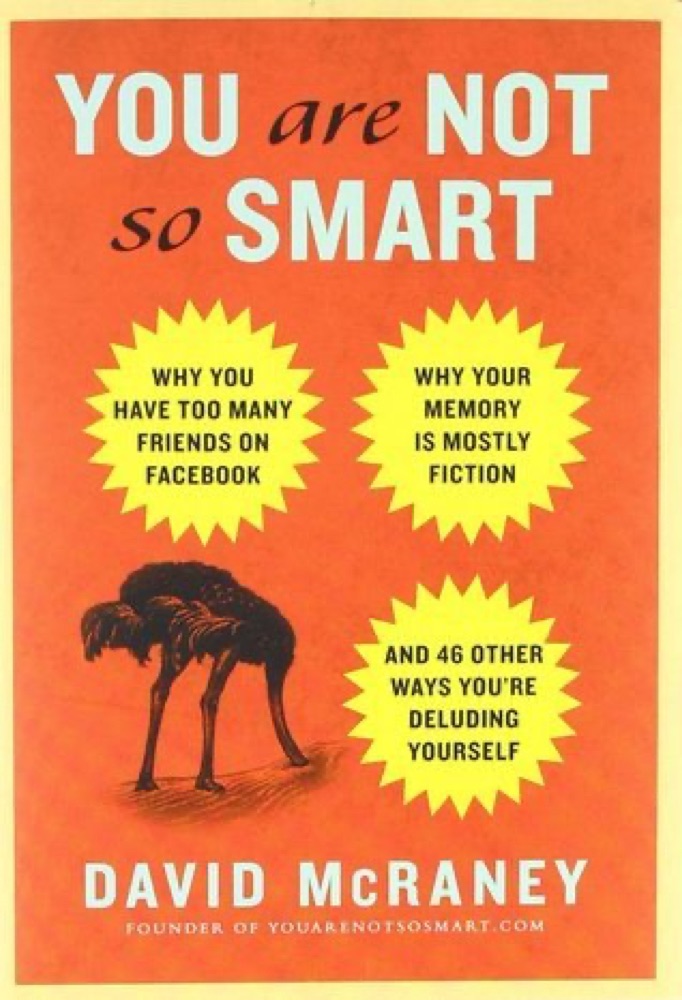
 You Are Not So Smart
Quotes from the Book
When examining evidence relevant to a given belief, people are inclined to see what they expect to see, and conclude what they expect to conclude. Information that is consistent with our pre-existing beliefs is often accepted at face value, whereas evidence that contradicts them is critically scrutinized and discounted. Our beliefs may thus be less responsive than they should to the implications of new information
32
People will always prefer black-and-white over shades of grey, and so there will always be the temptation to hold overly-simplified beliefs and to hold them with excessive confidence
31
What we believe is heavily influenced by what we think others believe
26
We humans seem to be extremely good at generating ideas, theories, and explanations that have the ring of plausibility. We may be relatively deficient, however, in evaluating and testing our ideas once they are formed
14
it seems that once again people engage in a search for evidence that is biased toward confirmation. Asked to assess the similarity of two entities, people pay more attention to the ways in which they are similar than to the ways in which they differ. Asked to assess dissimilarity, they become more concerned with differences than with similarities. In other words, when testing a hypothesis of similarity, people look for evidence of similarity rather than dissimilarity, and when testing a hypothesis of dissimilarity, they do the opposite. The relationship one perceives between two entities, then, can vary with the precise form of the question that is asked
14
For desired conclusions, we ask ourselves, "Can I believe this?", but for unpalatable conclusions we ask, "Must I believe this?
13
When we do cross paths with people whose beliefs and attitudes conflict with our own, we are rarely challenged.
11
We hold many dubious beliefs, in other words, not because they satisfy some important psychological need, but because they seem to be the most sensible conclusions consistent with the available evidence. People hold such beliefs because they seem, in the words of Robert Merton, to be the “irresistible products of their own experience.”7 They are the products, not of irrationality, but of flawed rationality.
5
How do we distinguish between the legitimate skepticism of those who scoffed at cold fusion, and the stifling dogma of the seventeenthcentury clergymen who, doubting Galileo's claim that the earth was not the center of the solar system, put him under house arrest for the last eight years of his life? In part, the answer lies in the distinction between skepticism and closed-mindedness. Many scientists who were skeptical about cold fusion nevertheless tried to replicate the reported phenomenon in their own labs; Galileo's critics refused to look at the pertinent data.
5
A person's conclusions can only be as solid as the information on which they are based. Thus, a person who is exposed to almost nothing but inaccurate information on a given subject almost inevitably develops an erroneous belief, a belief that can seem to be "an irresistible product" of the individual's (secondhand) experience.
2
some evidence has accumulated that people who habitually fail to put the most favorable cast on their circumstances run the risk of depression.
1
Finally, it has been shown that the tendency for people to think of themselves as above average is reduced—even for ambiguous traits—when people are required to use specific definitions of each trait in their judgments.
1
People rate themselves more favorably on amorphous traits like sensitivity and idealism (at the 73rd percentile, on average) than on relatively straightforward traits like thriftiness and being well-read (48th percentile).
1
One of the simplest and yet most powerful ways we do so lies in how we frame the very question we ask of the evidence. When we prefer to believe something, we may approach the relevant evidence by asking ourselves, “what evidence is there to support this belief?
1
Our motivations thus influence our beliefs through the subtle ways we choose a comforting pattern from the fabric of evidence.
1
Psychologists have known for some time that rewarding desirable responses is generally more effective in shaping behavior than punishing undesirable responses.19 However, the average person tends to find this fact surprising, and punishment has been the preferred reinforcer for the majority of parents in both modern society19 and in earlier periods.
1
When people learn no tools of judgment and merely follow their hopes, the seeds of political manipulation are sown.”11 As individuals and as a society, we should be less accepting of superstition and sloppy thinking, and should strive to develop those “habits of mind” that promote a more accurate view of the world.
1
we believe certain things because they ought to be true.
1
It appears that the probabilistic sciences of psychology and medicine teach their students to apply statistical and methodological rules to both scientific and everyday-life problems, whereas the nonprobabilistic science of chemistry and the nonscientific discipline of the law do not affect their students in these respects (p. 438)…. the luxury of not being confronted with messy problems that contain substantial uncertainty and a tangled web of causes means that chemistry does not teach some rules that are relevant to everyday life
One can only agree with the general argument that generating more interest in the scientific enterprise would be helpful in these regards. There is an intriguing twist to this general contention, however. A set of recent studies suggests—albeit only tentatively at this point—that a particular kind of science education may be especially effective in developing the habits of mind necessary for thinking clearly about the evidence of everyday experience. The logic that motivated these studies was quite simple: Exposure to the “probabilistic” sciences may be more effective than experience with the “deterministic” sciences in teaching people how to evaluate adequately the kind of messy, probabilistic phenomena that are often encountered in everyday life. Probabilistic sciences are those such as psychology and economics that deal mainly with phenomena that are not perfectly predictable, and with causes that are generally neither necessary nor sufficient.
We therefore should be more skeptical than we seem to be about evidence presented to us secondhand. We should become accustomed to asking ourselves where the information originated, and how much distortion—deliberate or otherwise—is likely to have been introduced along the way.
develop the habit of employing one of several “consider the opposite” strategies. We can learn to ask ourselves, for example, “Suppose the exact opposite had occurred. Would I consider that outcome to be supportive of my belief as well?” Alternatively, we can ask, “How would someone who does not believe the way I do explain this result?”,
Perhaps the most general and most important mental habit to instill is an appreciation of the folly of trying to draw conclusions from incomplete and unrepresentative evidence. An essential corrollary of this appreciation should be an awareness of how often our everyday experience presents us with biased samples of information.
The most favorable attitudes toward ESP were found in a survey of Canadian college students, of whom 80% reported a belief in psi.21 National surveys of the U.S. population have found that roughly 50% of the population are believers, including 67% of those who are college educated.22 Perhaps
Successes, in other words, are generally seen as confirmations of one’s underlying strategy, whereas failures tend to be thought of only as failures of outcome, not as failures of strategy.
This tendency to focus too heavily on the occasional success is helped along by an asymmetry in the way we evaluate success and failure. A single success generally does more to confirm a strategy’s effectiveness than a single failure does to disconfirm it. Indeed, successes tend to be taken as prima facie evidence that the strategy is effective.
Consider the common belief among some segments of the population that “the only way to get anywhere with the opposite sex is to come on strong.” Someone who holds such a belief will consistently come on strong and, at some point, will succeed in meeting his or her objective. The occasional success, however rare, will then be attributed to the choice of tactics, and its effectiveness will seem to be an unassailable fact of the person’s own experience. Because no single failure serves to disconfirm the strategy’s effectiveness (after all, nothing works all the time), the only way it can be shown to be ineffective is by discovering that the rate of success is lower with this strategy than with others. Given that alternative techniques are rarely if ever employed, the person is in no danger of having his or her favorite theories disabused.
Flattery, then, is like the other strategies discussed above in that it should be ineffective; unlike the others, however, it usually works. As Milan Kundera points out, “How defenseless we are in the face of flattery!”4 An argument could even be made that flattery is a strategy that is actually underutilized.
The more ambiguous the criterion, the easier it is to detect evidence of success. It is for precisely this reason that many alternative health practices do not offer precise remedies for specific disabilities. They promise instead to bring about “wellness,” “higher functioning,” or “better integration”—ambiguous benefits that may be hard to refute. Faith healers take full advantage of ambiguous criteria and studiously avoid pinning themselves down to verifiable predictions.
Watch on YouTube
About Thomas Gilovich
We have collected 29 quotes from 1 book by Thomas Gilovich on BookQuoters.
More about the author →About the book
Thomas Gilovich offers a wise and readable guide to the fallacy of the obvious in everyday life.
When can we trust what we believe—that "teams and players have winning streaks," that "flattery works," or that "the more people who agree, the more likely they are to be right"—and when are such beliefs suspect? Thomas Gilovich offers a guide to the fallacy of the obvious in everyday life. Illustrating his points with examples, and supporting them with the latest research findings, he documents the cognitive, social, and motivational processes that distort our thoughts, beliefs, judgments and decisions. In a rapidly changing world, the biases and stereotypes that help us process an overload of complex information inevitably distort what we would like to believe is reality. Awareness of our propensity to make these systematic errors, Gilovich argues, is the first step to more effective analy
Book details
- First published
- 1991
- Author
- Thomas Gilovich
- Genre
- Nonfiction
- Goodreads rating
- 3.95 (3k ratings)
Keep reading
You Are Not So Smart
 Think Again: The Power of Knowing What You Don't Know
 The Drunkard's Walk: How Randomness Rules Our Lives
 Mistakes Were Made (But Not by Me): Why We Justify Foolish Beliefs, Bad Decisions, and Hurtful Acts
 You Are Now Less Dumb: How to Conquer Mob Mentality, How to Buy Happiness, and All the Other Ways to Outsmart Yourself
 Misbelief: What Makes Rational People Believe Irrational Things
 The Art of Thinking Clearly
 Thinking, Fast and Slow
 The Black Swan: The Impact of the Highly Improbable
 Being Wrong: Adventures in the Margin of Error
 Rationality: From AI to Zombies
 God's Debris: A Thought Experiment
 Superforecasting: The Art and Science of Prediction
 Influence: The Psychology of Persuasion
 The Age of Magical Overthinking: Notes on Modern Irrationality
 Fooled by Randomness: The Hidden Role of Chance in Life and in the Markets
 Black Box Thinking: Why Some People Never Learn from Their Mistakes - But Some Do
 Think: A Compelling Introduction to Philosophy
 But What If We're Wrong? Thinking About the Present As If It Were the Past
 The Moral Landscape: How Science Can Determine Human Values
 The Undoing Project: A Friendship That Changed Our Minds
 Why People Believe Weird Things: Pseudoscience, Superstition, and Other Confusions of Our Time
 How the Mind Works
 The Elephant in the Brain: Hidden Motives in Everyday Life
 Alchemy: The Surprising Power of Ideas That Don't Make Sense
 Stumbling on Happiness
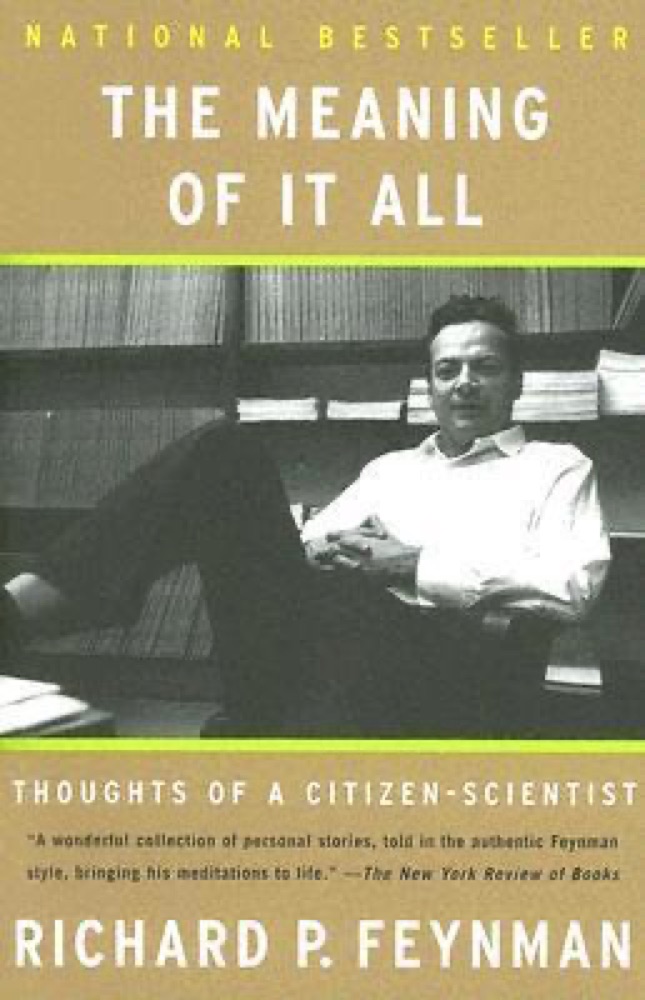 The Meaning of It All: Thoughts of a Citizen-Scientist
 The Social Animal: The Hidden Sources of Love, Character, and Achievement
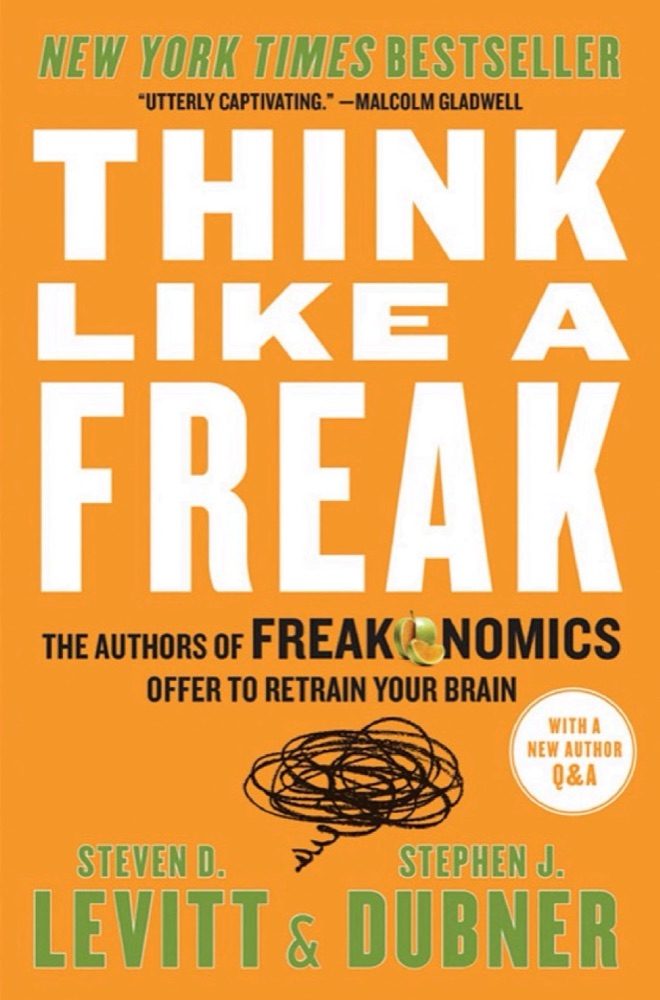 Think Like a Freak
 Predictably Irrational: The Hidden Forces That Shape Our Decisions
 Blink: The Power of Thinking Without Thinking
 The Signal and the Noise: Why So Many Predictions Fail—But Some Don't
 Antifragile: Things That Gain from Disorder
 The Blank Slate: The Modern Denial of Human Nature
 Think Like a Rocket Scientist: Simple Strategies You Can Use to Make Giant Leaps in Work and Life
 Made to Stick: Why Some Ideas Survive and Others Die
 The Influencing Machine: Brooke Gladstone on the Media
 21 Lessons for the 21st Century
 The Righteous Mind: Why Good People Are Divided by Politics and Religion
 The Happiness Hypothesis: Finding Modern Truth in Ancient Wisdom
 Algorithms to Live By: The Computer Science of Human Decisions
 How We Decide
 The Laws of Human Nature
 Psych: The Story of the Human Mind
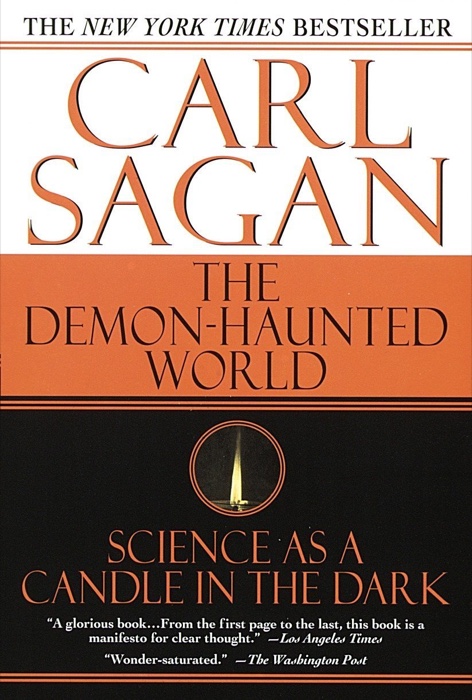 The Demon-Haunted World: Science as a Candle in the Dark
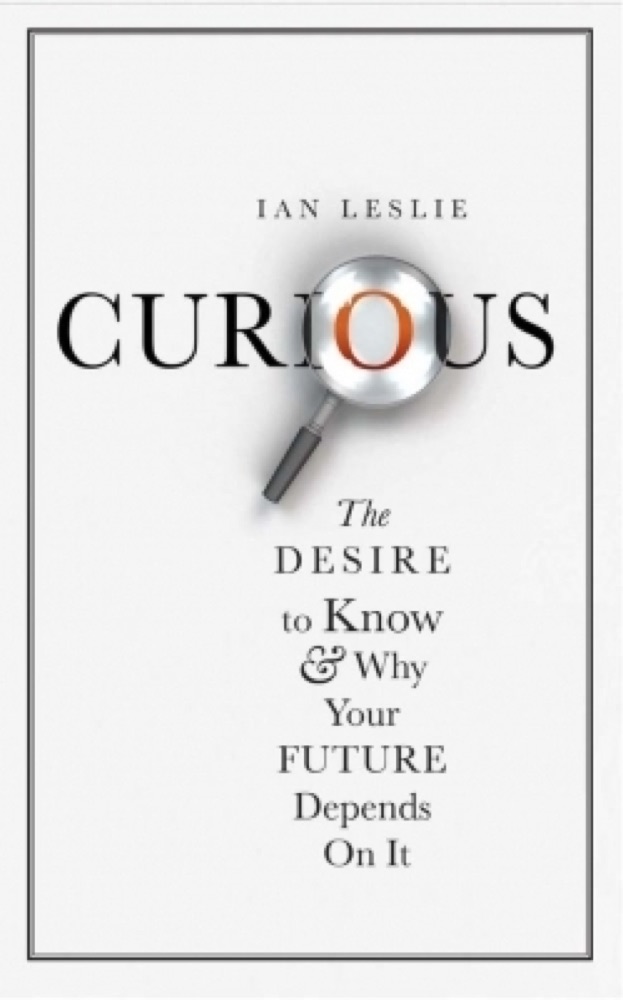 Curious: The Desire to Know and Why Your Future Depends On It
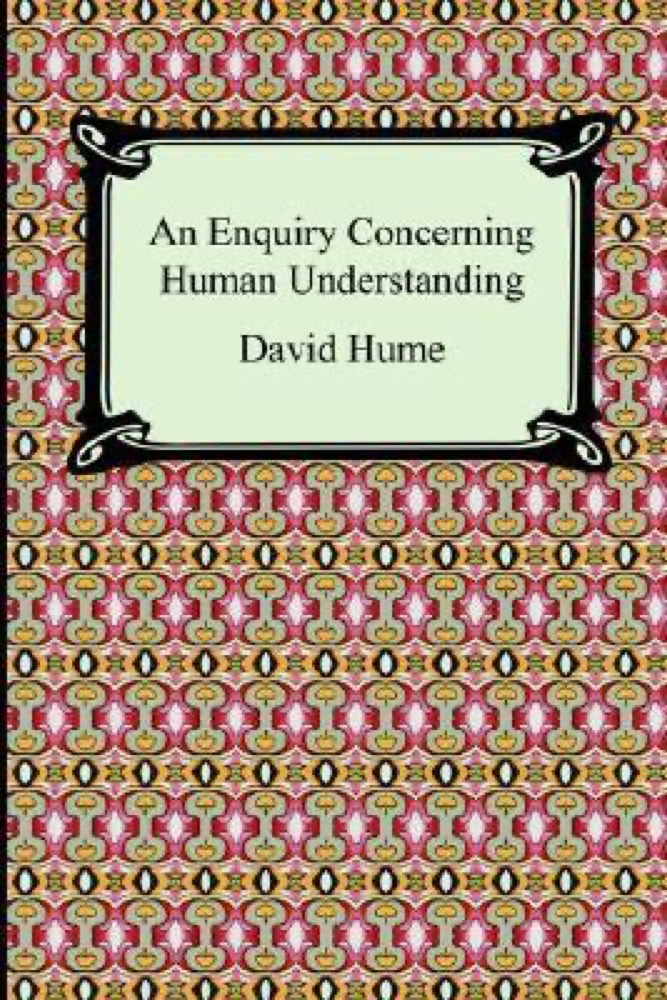 An Enquiry Concerning Human Understanding
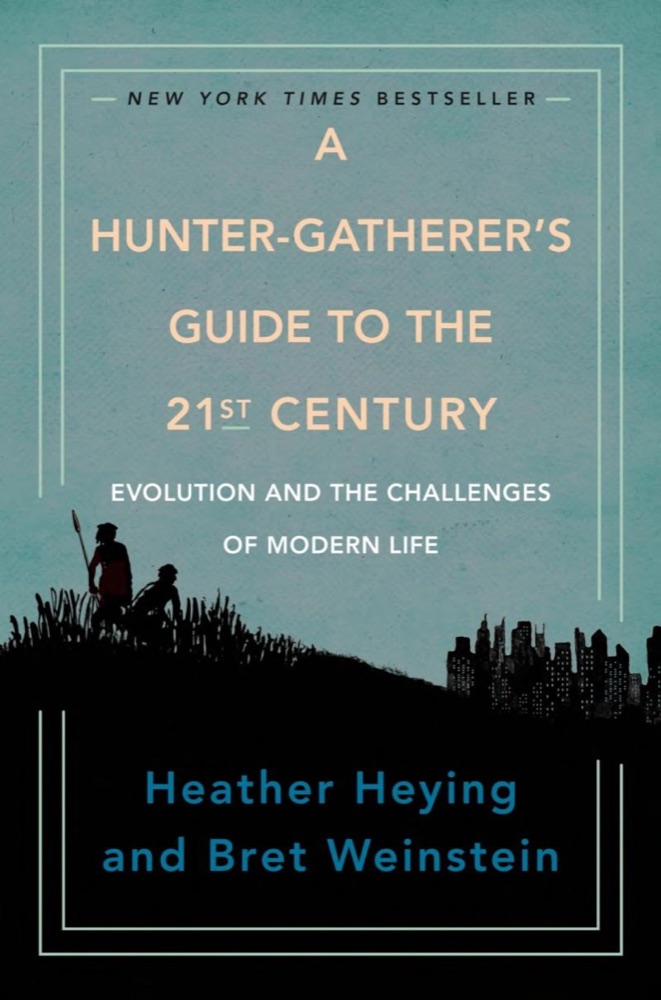 A Hunter-Gatherer's Guide to the 21st Century: Evolution and the Challenges of Modern Life
 Bright-Sided: How the Relentless Promotion of Positive Thinking Has Undermined America
 On Certainty
 Eating the Dinosaur
 Maps of Meaning: The Architecture of Belief
 The Fatal Conceit: The Errors of Socialism
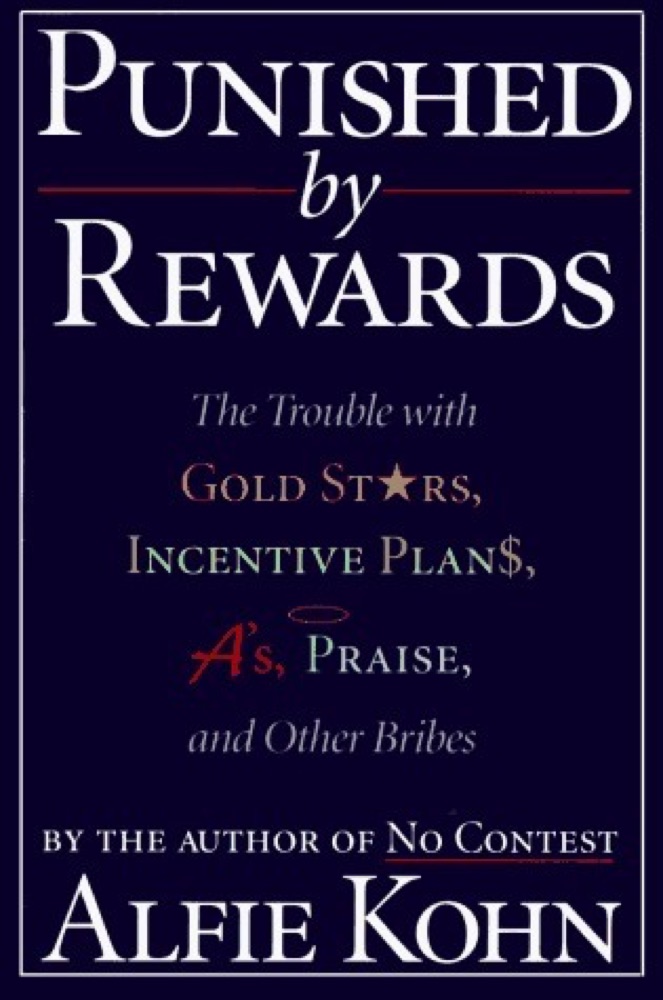 Punished by Rewards: The Trouble with Gold Stars, Incentive Plans, A's, Praise and Other Bribes
 The Art of Choosing
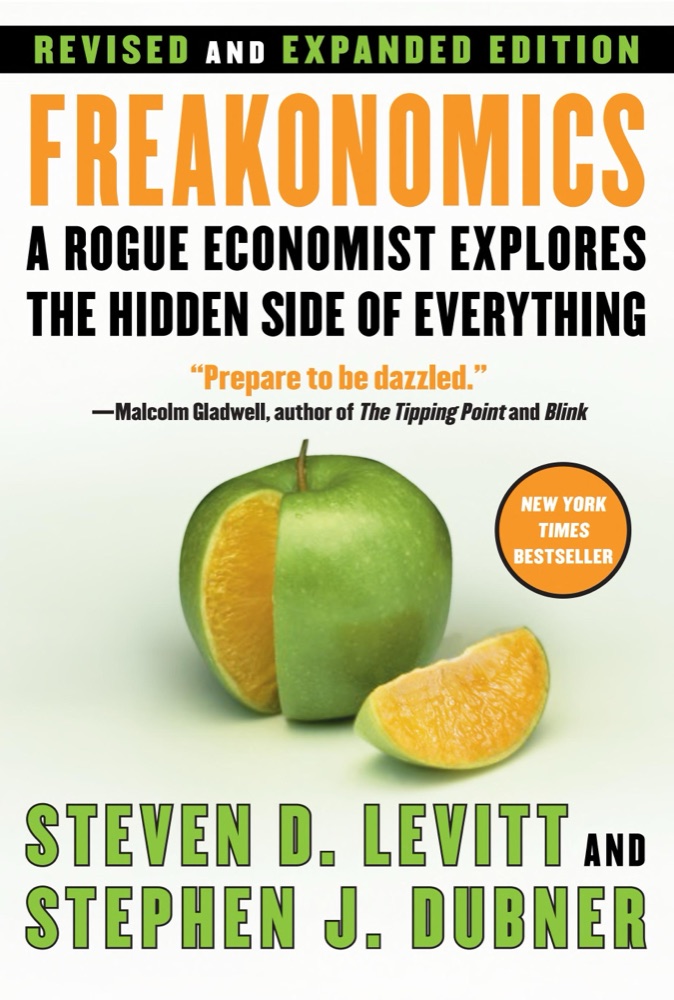 Freakonomics: A Rogue Economist Explores the Hidden Side of Everything
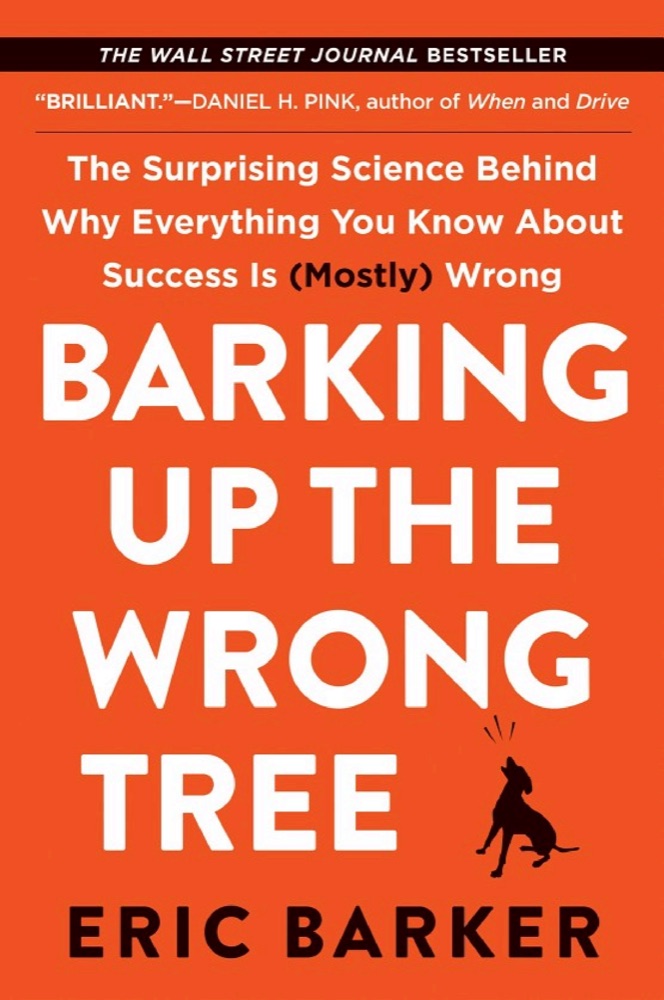 Barking Up the Wrong Tree: The Surprising Science Behind Why Everything You Know About Success Is (Mostly) Wrong
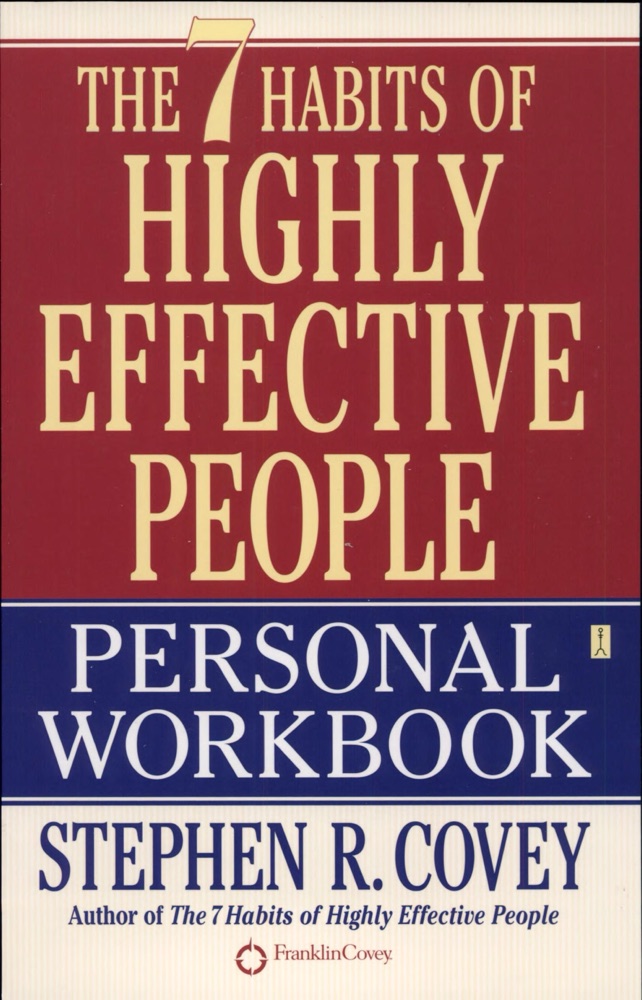 The 7 Habits of Highly Effective People: Personal Workbook
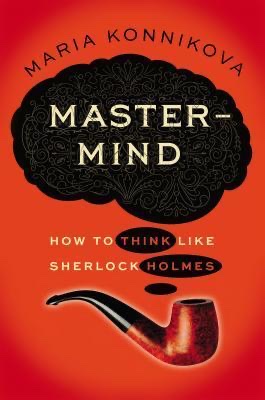 Mastermind: How to Think Like Sherlock Holmes