

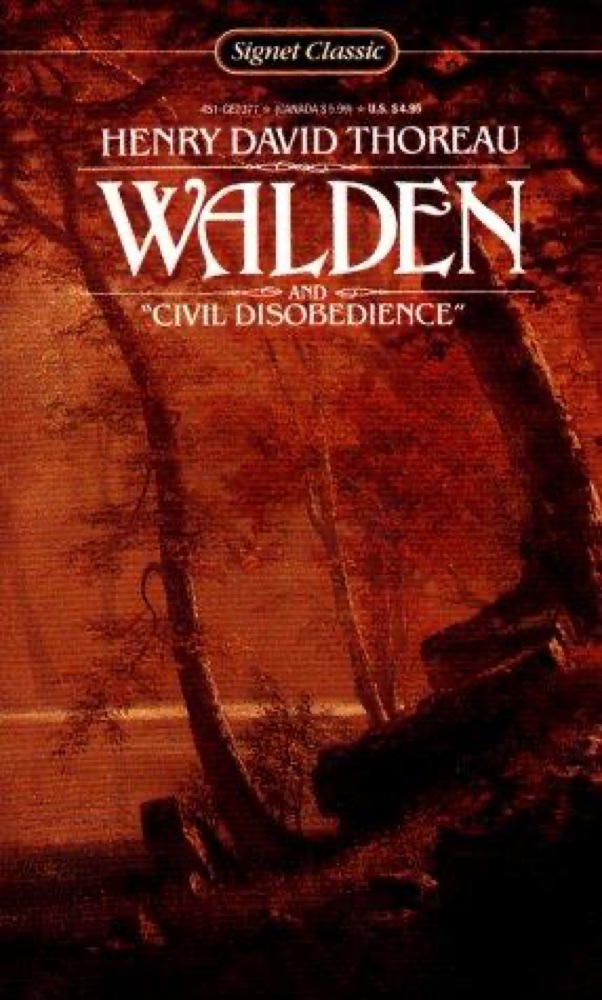
 Walden & Civil Disobedience
Quotes from the Book
The mass of men lead lives of quiet desperation. What is called resignation is confirmed desperation. From the desperate city you go into the desperate country, and have to console yourself with the bravery of minks and muskrats. A stereotyped but unconscious despair is concealed even under what are called the games and amusements of mankind. There is no play in them, for this comes after work. But it is a characteristic of wisdom not to do desperate things..
If the injustice is part of the necessary friction of the machine of government, let it go, let it go: perchance it will wear smooth--certainly the machine will wear out… but if it is of such a nature that it requires you to be the agent of injustice to another, then I say, break the law. Let your life be a counter-friction to stop the machine. What I have to do is to see, at any rate, that I do not lend myself to the wrong which I condemn.
Unjust laws exist; shall we be content to obey them, or shall we endeavor to amend them, and obey them until we have succeeded, or shall we transgress them at once? Men generally, under such a government as this, think that they ought to wait until they have persuaded the majority to alter them. They think that, if they should resist, the remedy would be worse than the evil. But it is the fault of the government itself that the remedy is worse than the evil. It makes it worse. Why is it not more apt to anticipate and provide for reform? Why does it not cherish its wise minority? Why does it cry and resist before it is hurt? Why does it not encourage its citizens to be on the alert to point out its faults, and do better than it would have them?
If a plant cannot live according to its nature, it dies; and so a man.
Even voting for the right is doing nothing for it. It is only expressing to men feebly your desire that it should prevail. A wise man will not leave the right to the mercy of chance, nor wish it to prevail through the power of the majority. There is but little virtue in the action of masses of men.
My desire for knowledge is intermittent; but my desire to bathe my head in atmospheres unknown to my feet is perennial and constant
Must the citizen ever for a moment, or in the least degree, resigns his conscience to the legislator? Why has every man a conscience then? I think that we should be men first, and subjects afterward.
We should treat our minds, that is, ourselves, as innocent and ingenuous children, whose guardians we are, and be careful what objects and what subjects we thrust on their attention. Read not the Times. Read the Eternities.. Knowledge does not come to us by details, but in flashes of light from heaven.
I could not help being struck with the foolishness of that institution which treated me as if I were mere flesh and blood and bones, to be locked up.
Absolutely speaking, the more money, the less virtue; for money comes between a man and his objects, and obtains them for him; it was certainly no great virtue to obtain it.
I wish my countrymen to consider, that whatever the human law may be, neither an individual nor a nation can ever commit the least act of injustice against the obscurest individual, without having to pay the penalty for it. A government which deliberately enacts injustice, and persists in it, will at length ever become the laughing-stock of the world.
They who have been bred in the school of politics fail now and always to face the facts.
I am too high born to be propertied, To be a second at control, Or useful serving-man and instrument To any sovereign state throughout the world.
I think that we should be men first, and subjects afterward. It is not desirable to cultivate a respect for the law, so much as for the right. The only obligation which I have a right to assume is to do at any time what I think right. It is truly enough said that a corporation has no conscience; but a corporation of conscientious men is a corporation with a conscience.
A very few, as heroes, patriots, martyrs, reformers in the great sense, and men, serve the State with their consciences also, and so necessarily resist it for the most part; and they are commonly treated by it as enemies.
Is a democracy, such as we know it, the last improvement possible in government? Is it not possible to take a step further towards recognizing and organizing the rights of man?
Our legislators have not yet learned the comparative value of free-trade and of freedom, of union, and of rectitude, to a nation. They have no genius or talent for comparatively humble questions of taxation and finance, commerce and manufacturers and agriculture. Nuestros legisladores no han aprendido todavía el valor comparativo del libre cambio y la libertad, la unión y la rectitud hacia la nación. No tienen genio ni talento para hacerse preguntas humildes sobre impuestos y finanzas, comercio, manufactura y agricultura.
The mass of men serve the state thus, not as men mainly, but as machines, with their bodies
I believe,—“That government is best which governs not at all;” and when men are prepared for it, that will be the kind of government which they will have.
The ways by which you may get your money almost without exception lead downward. To have done anything by which you earn money 'merely' is to be truly idle or worse. If the labourer gets no more than the wages which his employer pays him, he is cheated, he cheats himself.. If I should sell both my forenoons and afternoons to society, as most appear to do, I am sure that for me there would be nothing left worth living for.. You must get your living by loving.
The objections which have been brought against a standing army, and they are many and weighty, and deserve to prevail, may also at last be brought against a standing government.
The authority of government, even such as I am willing to submit to— for I will cheerfully obey those who know and can do better than I, and in many things even those who neither know nor can do so well— is still an impure one: to be strictly just, it must have the sanction and consent of the governed. It can have no pure right over my person and property but what I concede to it.
La loi n'a jamais rendu les hommes plus justes d'un iota ; et, à cause du respect qu'ils lui marquent, les êtres bien disposés eux-même deviennent les agents de l'injustice.
Cold and hunger seem more friendly to my nature than those methods which men have adopted and advise to ward them off.
The rush to California, for instance, and the attitude, not merely of merchants, but of philosophers and prophets, so called, in relation to it, reflect the greatest disgrace on mankind. That so many are ready to live by luck, and so get the means of commanding the labor of others less lucky, without contributing any value to society! And that is called enterprise!
Quanto ad adottare le soluzioni offerte dallo Stato per portare rimedio al male - io, quelle soluzioni, non le conosco: richiedono troppo tempo e un uomo morirebbe prima di riuscire a metterle in atto. Ho altre cose cui badare. Venni al mondo non principalmente per trasformarlo in un luogo buono dove vivere ma per vivervi, buono o cattivo che fosse. Un uomo non deve fare tutto, ma qualche cosa; e poiché tutto non lo può fare, non è necessario che faccia qualcosa di sbagliato.
We rarely meet a man who can tell us any news which he has not read in a newspaper, or been told by his neighbor; and, for the most part, the only difference between us and our fellow is, that he has seen the newspaper, or been out to tea, and we have not.
Jamás existirá un Estado realmente libre e iluminado hasta cuando ese Estado reconozca al individuo como un poder más alto e independiente, del cual se deriva su propio poder y autoridad y lo trate de acuerdo a ello. Me complace imaginar un Estado que finalmente pueda darse el lujo de ser justo con todos, y que trate al individuo con respecto; más aún, que no llegue a pensar que es inconsistente con su propia tranquilidad si unos cuantos viven separados de él, no mezclándose con él, sin abrazarlo, pero cumpliendo con su obligación de vecinos y compañeros.
Watch on YouTube
About Henry David Thoreau
We have collected 188 quotes from 8 books by Henry David Thoreau on BookQuoters.
More about the author →More by Henry David Thoreau
All books by Henry David Thoreau →

Book details
- Author
- Henry David Thoreau
- Genre
- Classics
- Goodreads rating
- 3.94 (20k ratings) →
Keep reading
 Civil Disobedience
 Democracy in America
 Reflections on the Revolution in France
 Rights of Man
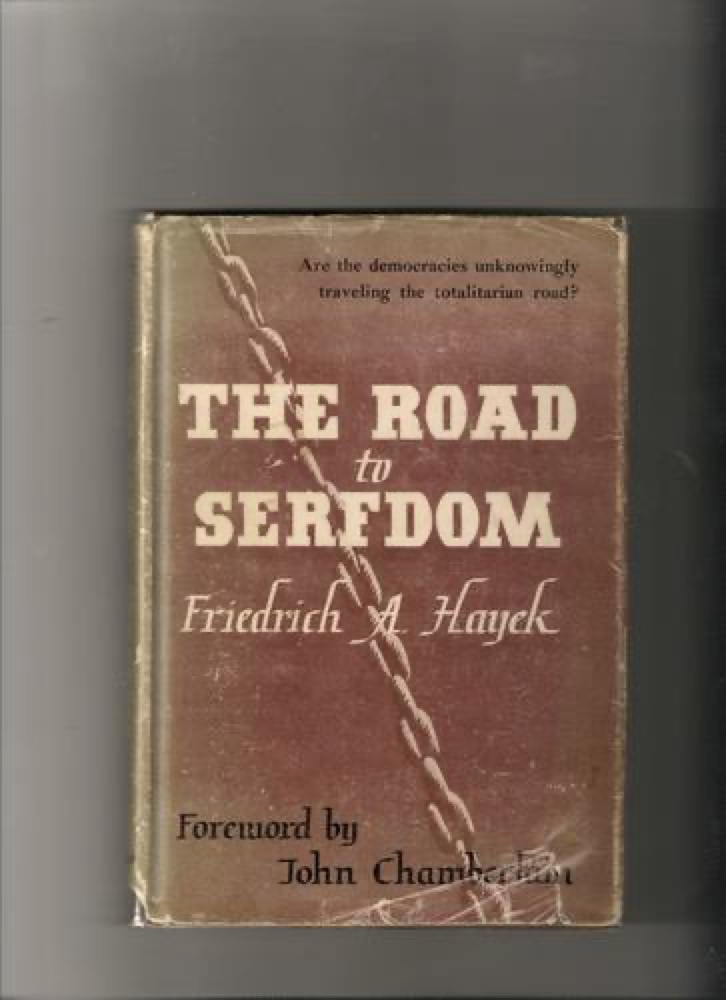 The Road to Serfdom
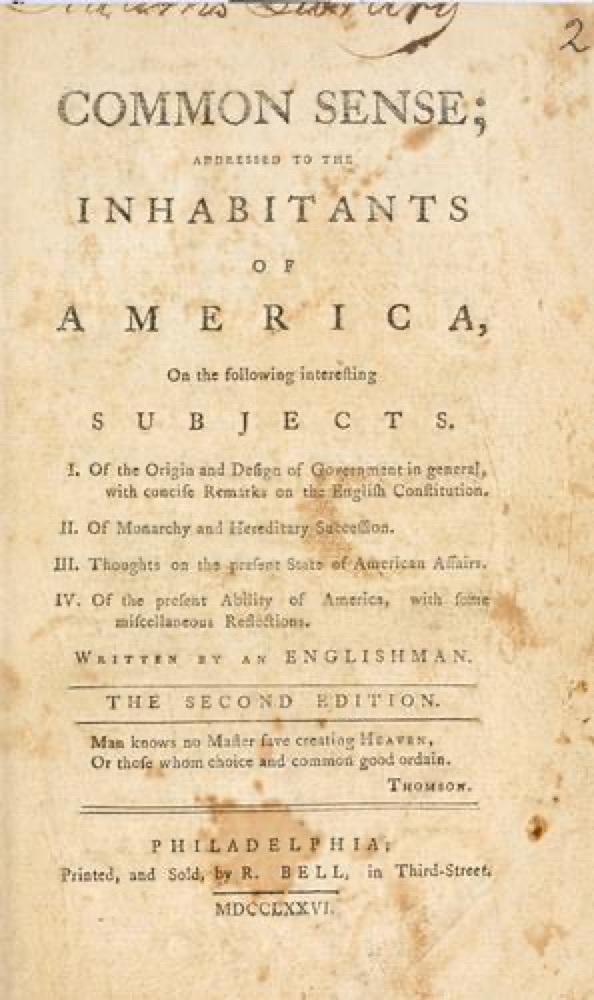 Common Sense
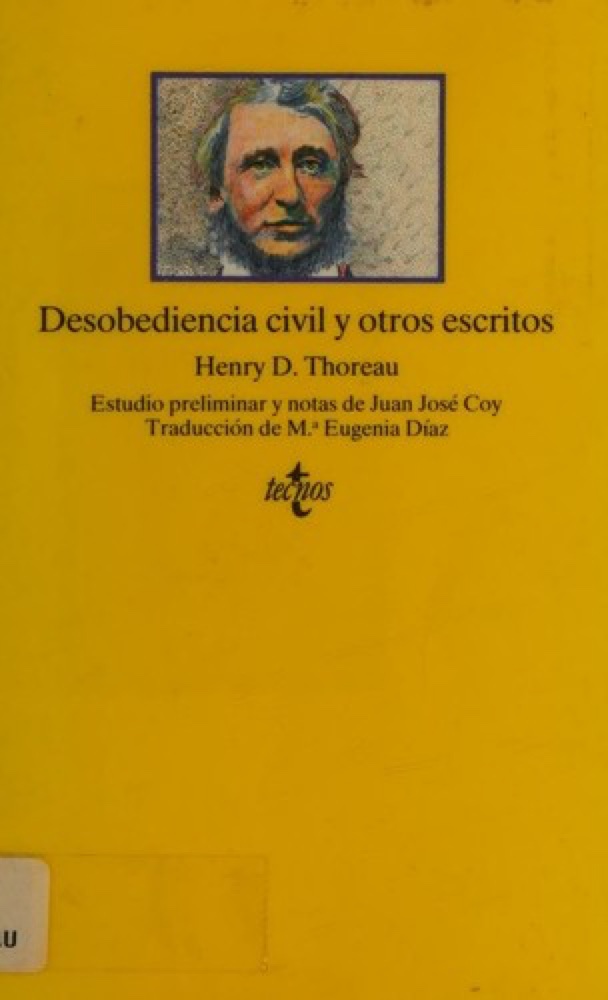 Life Without Principle
 On Liberty
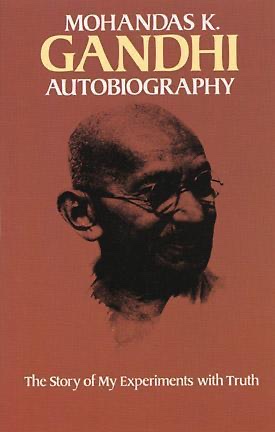 The Story of My Experiments With Truth
 God Emperor of Dune
 Politics
 Anarchy, State, and Utopia
 Walden Two
Walden & Civil Disobedience
Walden Two
Walden & Civil Disobedience
 What's Wrong with the World
 Rules for Radicals: A Pragmatic Primer for Realistic Radicals
 De la Démocratie en Amérique, tome II
 Behold a Pale Horse
 Ill Fares the Land
 Self-Reliance and Other Essays
 Starship Troopers
 The Soul of Man Under Socialism
 Letter from the Birmingham Jail
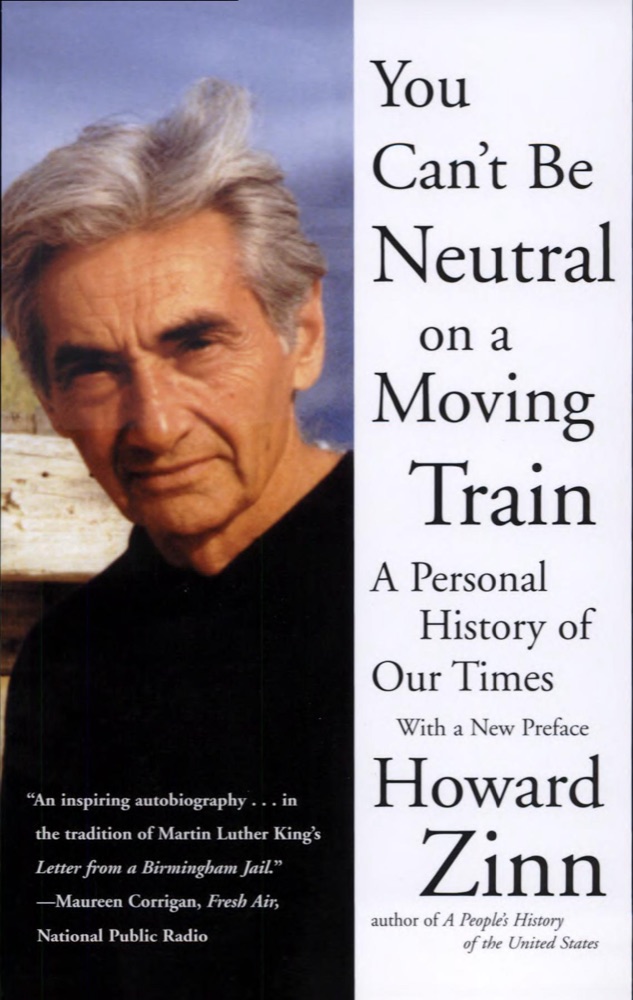 You Can't Be Neutral on a Moving Train: A Personal History of Our Times
 Children of Dune
 The Secret Agent
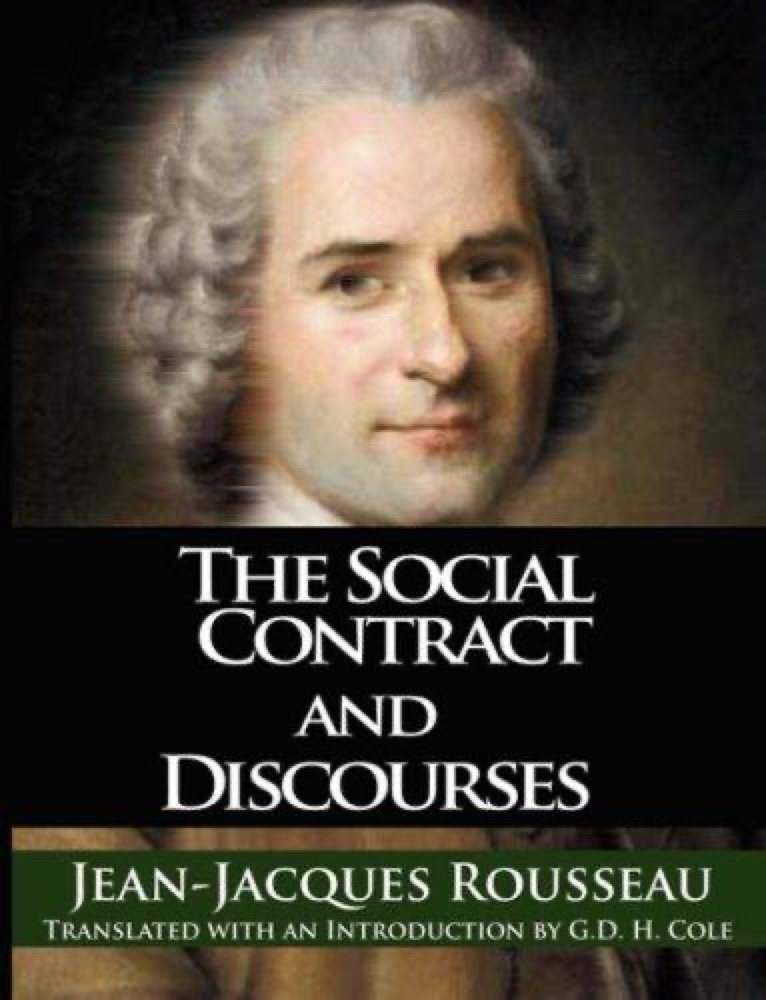 The Social Contract
 The Dispossessed
 Brave New World / Brave New World Revisited
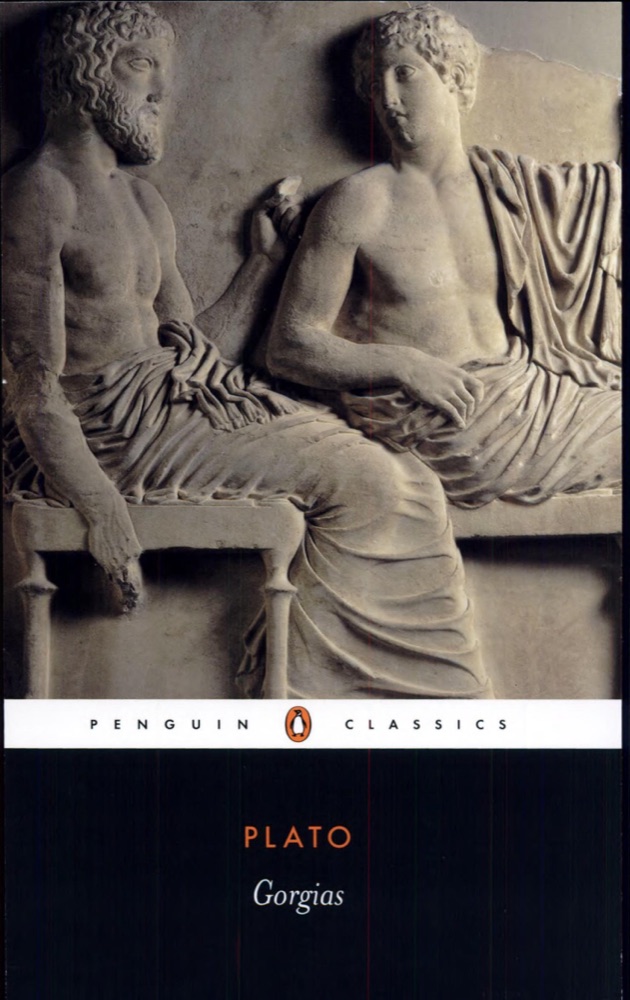 Gorgias
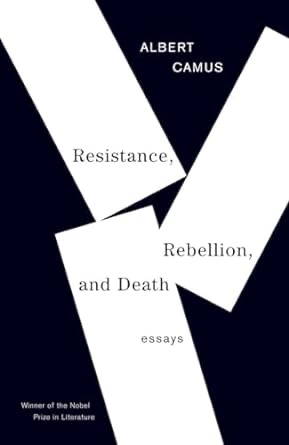 Resistance, Rebellion and Death: Essays
 In Praise of Idleness and Other Essays
 The Machiavellians: Defenders of Freedom
 Erewhon
 The Republic
 The Moon is a Harsh Mistress
 Liberalism: The Classical Tradition
 Persian Letters
 Utopia
 History of the Peloponnesian War
 Heretics
 Twilight of the Idols
 The Constitution of Liberty
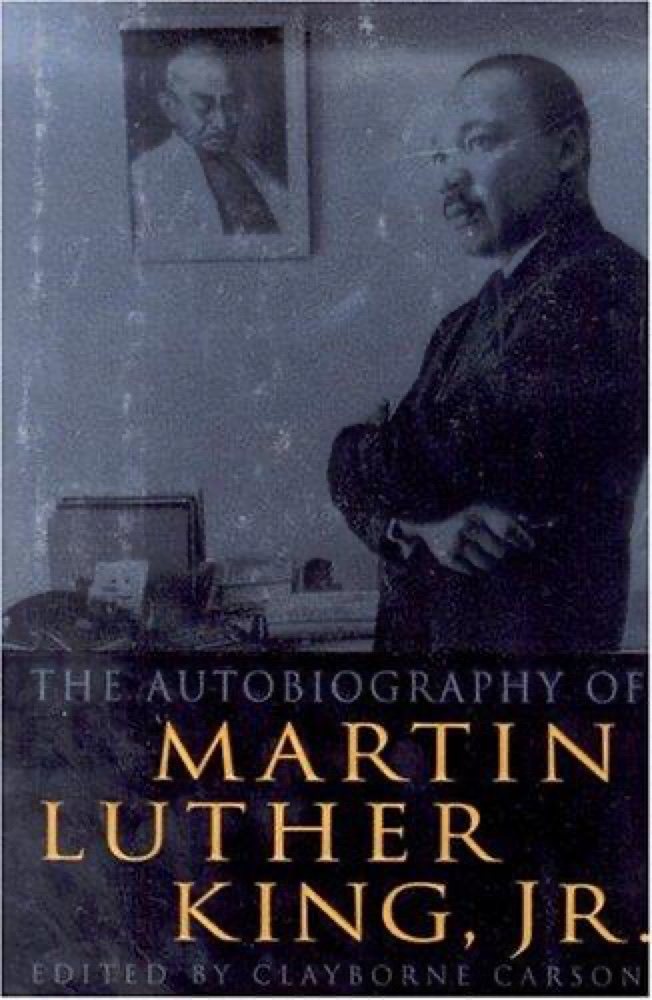 The Autobiography of Martin Luther King, Jr.
 The Iron Heel
 The Audacity of Hope: Thoughts on Reclaiming the American Dream
 The Revolution: A Manifesto
 Human Action: A Treatise on Economics
 On the Republic / On the Laws
 The Abolition of Man
 Notes from Underground
 The People of the Abyss
 Justice: What's the Right Thing to Do?
 The Ides of March
 Friday
 Darkness at Noon
 Emile or On Education
 Point Counter Point
 The Dosadi Experiment
 Letters to a Young Contrarian