 Beyond Freedom and Dignity
Quotes from the Book
The only geniuses produced by the chaos of society are those who do something about it. Chaos breeds geniuses. It offers a man something to be a genius about.
140
No one asks how to motivate a baby. A baby naturally explores everything it can get at, unless restraining forces have already been at work. And this tendency doesn't die out, it's wiped out.
75
We are only just beginning to understand the power of love because we are just beginning to understand the weakness of force and aggression.
61
A fourth-grade reader may be a sixth-grade mathematician. The grade is an administrative device which does violence to the nature of the developmental process.
56
What is love except another name for the use of positive reinforcement? Or vice versa.
55
Some of us learn control, more or less by accident. The rest of us go all our lives not even understanding how it is possible, and blaming our failure on being born the wrong way.
53
The mob rushes in where individuals fear to tread.
37
A scientist may not be sure of the answer, but he's often sure he can find one. And that's a condition which is clearly not enjoyed by philosophy.
35
At this very moment enormous numbers of intelligent men and women of goodwill are trying to build a better world. But problems are born faster than they can be solved.
35
Democracy is the spawn of despotism. And like father, like son. Democracy is power and rule. It's not the will of the people, remember; it's the will of the majority.
32
Society attacks early, when the individual is helpless. It enslaves him almost before he has tasted freedom. The 'ologies' will tell you how its done Theology calls it building a conscience or developing a spirit of selflessness. Psychology calls it the growth of the superego. Considering how long society has been at it, you'd expect a better job. But the campaigns have been badly planned and the victory has never been secured.
29
The majority of people don't want to plan. They want to be free of the responsibility of planning. What they ask for is merely some assurance that they will be decently provided for. The rest is a day-to-day enjoyment of life. That's the explanation for your Father Divines; people naturally flock to anyone they can trust for the necessities of life... They are the backbone of a community--solid, trust-worthy, essential.
26
It is not a question of starting. The start has been made. It's a question of what's to be done from now on.
23
A piece of music is an experience to be taken by itself.
21
Going out of style isn't a natural process, but a manipulated change which destroys the beauty of last year's dress in order to make it worthless.
21
Promising paradise or threatening hell-fire is, we assumed, generally admitted to be unproductive. It is based upon a fundamental fraud which, when discovered, turns the individual against society and nourishes the very thing it tries to stamp out. What Jesus offered in return of loving one's enemies was heaven on earth, better known as peace of mind.
20
But restraint is the only one sort of control, and absence of restraint isn't freedom. It's not control that's lacking when one feels 'free', but the objectionable control of force.
17
Each of us has interests which conflict the interests of everybody else... 'everybody else' we call 'society'. It's a powerful opponent and it always wins. Oh, here and there an individual prevails for a while and gets what he wants. Sometimes he storms the culture of a society and changes it to his own advantage. But society wins in the long run, for it has the advantage of numbers and of age.
17
In the world at large we seldom vote for a principle or a given state of affairs. We vote for a man who pretends to believe in that principle or promises to achieve that state. We don't want a man, we want a condition of peace and plenty-- or, it may be, war and want-- but we must vote for a man.
16
Any single historical event is too complex to be adequately known by anyone. It transcends all the intellectual capacities of men. Our practice is to wait until a sufficient number of details have been forgotten. Of course things seem simpler then! Our memories work that way; we retain the facts which are easiest to think about.
15
Society already possesses the psychological techniques needed to obtain universal observance of a code -- a code which would guarantee the success of a community or state. The difficulty is that these techniques are in the hands of the wrong people--or, rather, there aren't any right people.
14
It is a mistake to suppose that the whole issue is how to free man. The issue is to improve the way in which he is controlled.
11
The world's a poor standard. any society which is free of hunger and violence looks bright against that background.
10
The severest trial of oppression is the constant outrage which one suffers at the thought of the oppressor. What Jesus discovered was how to avoid the inner devastations. His technique was to practice the opposite emotion... [a man] may not get his freedom or possessions back, but he's less miserable. It's a difficult lesson.
10
Something doing every minute' may be a gesture of despair--or the height of a battle against boredom.
9
The tender sentiment of the 'one and only' has less to do with constancy of heart than with singleness of opportunity.
9
Why did colleges make their students take examinations, and why did they give grade? What did a grade really mean? When a student "studied" did he do anything more than read and think-- or was there something special which no one in Walden Two would know about? Why did the professors lecture to the students? Were the students never expected to do anything except answer questions? Was it true that students were made to read books they were not interested in?
8
Fame is also won at the expense of others. Even the well-deserved honors of the scientist or man of learning are unfair to many persons of equal achievements who get none. When one man gets a place in the sun, the others are put in a denser shade. From the point of view of the whole group there's no gain whatsoever, and perhaps a loss.
8
Nowadays, everybody fancies himself an expert in government and wants to have a say.
7
Watch on YouTube
About B.F. Skinner
We have collected 39 quotes from 2 books by B.F. Skinner on BookQuoters.
More about the author →More by B.F. Skinner
Beyond Freedom and Dignity
About the book
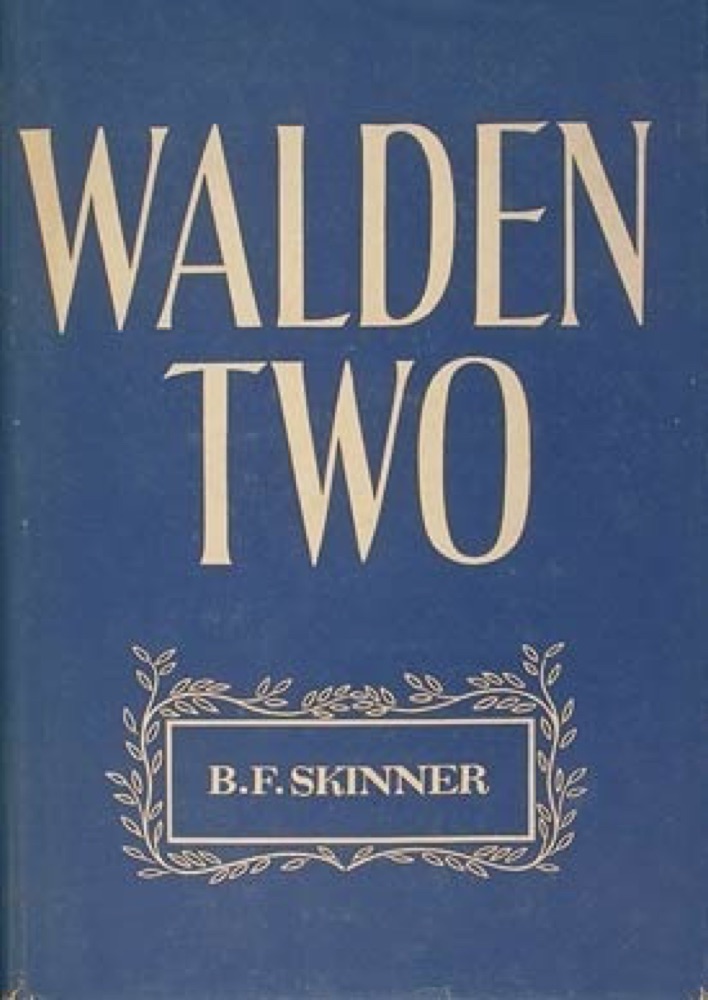
This fictional outline of a modern utopia has been a center of controversy since its publication in 1948. Set in the United States, it pictures a society in which human problems are solved by a scientific technology of human conduct.
Book details
- First published
- 1948
- Author
- B.F. Skinner
- Genre
- Fiction
- Goodreads rating
- 3.52 (8k ratings)
Keep reading
 What's Wrong with the World
 Humankind: A Hopeful History
 Revolution
 In Praise of Idleness and Other Essays
 Emile or On Education
 Genesis
 The Meaning of It All: Thoughts of a Citizen-Scientist
 God Emperor of Dune
 The Soul of Man Under Socialism
 Brave New World Revisited
 Even Cowgirls Get the Blues
 Escape from Freedom
 Green Mars
 Heretics
 The Blank Slate: The Modern Denial of Human Nature
 The Abolition of Man
 Homo Deus: A History of Tomorrow
 Children of Dune
 Behold a Pale Horse
 The Shockwave Rider
 Too Like the Lightning
 Endgame, Vol. 1: The Problem of Civilization
 From Dawn to Decadence: 500 Years of Western Cultural Life, 1500 to the Present
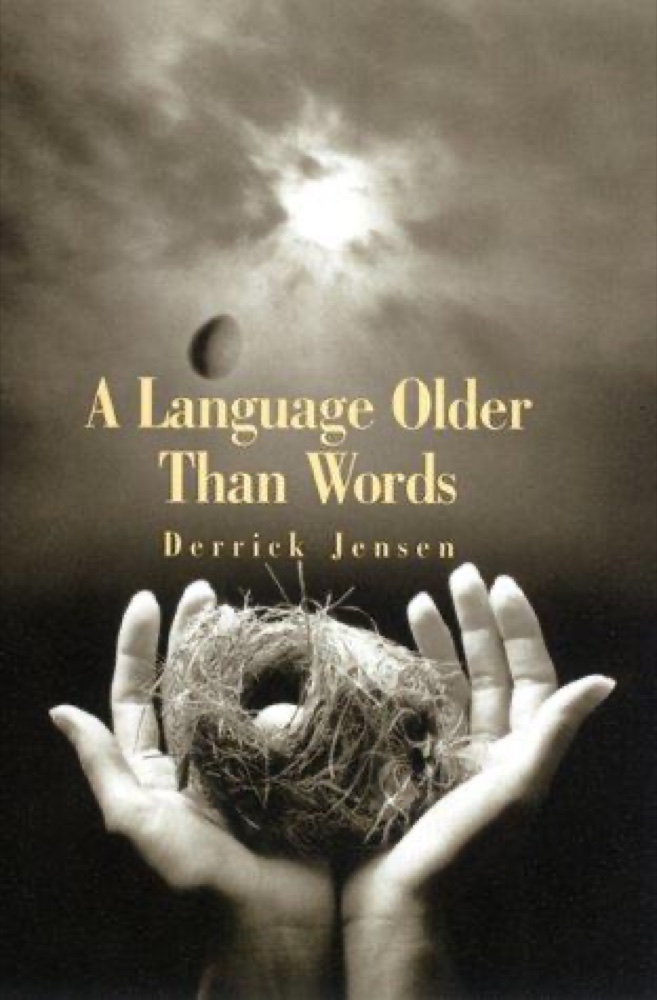 A Language Older Than Words
 The Sane Society
 Prelude to Foundation
 Human, All Too Human
 Enlightenment Now: The Case for Reason, Science, Humanism, and Progress
 Parable of the Talents
 Human Action: A Treatise on Economics
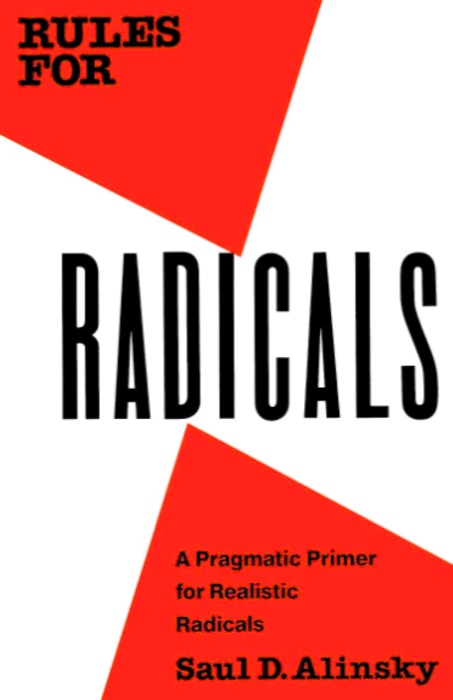 Rules for Radicals: A Pragmatic Primer for Realistic Radicals
 Erewhon
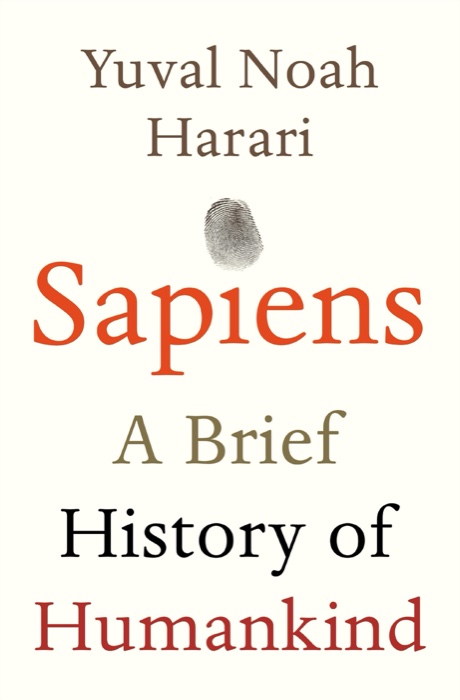 Sapiens: A Brief History of Humankind
 Venus Plus X
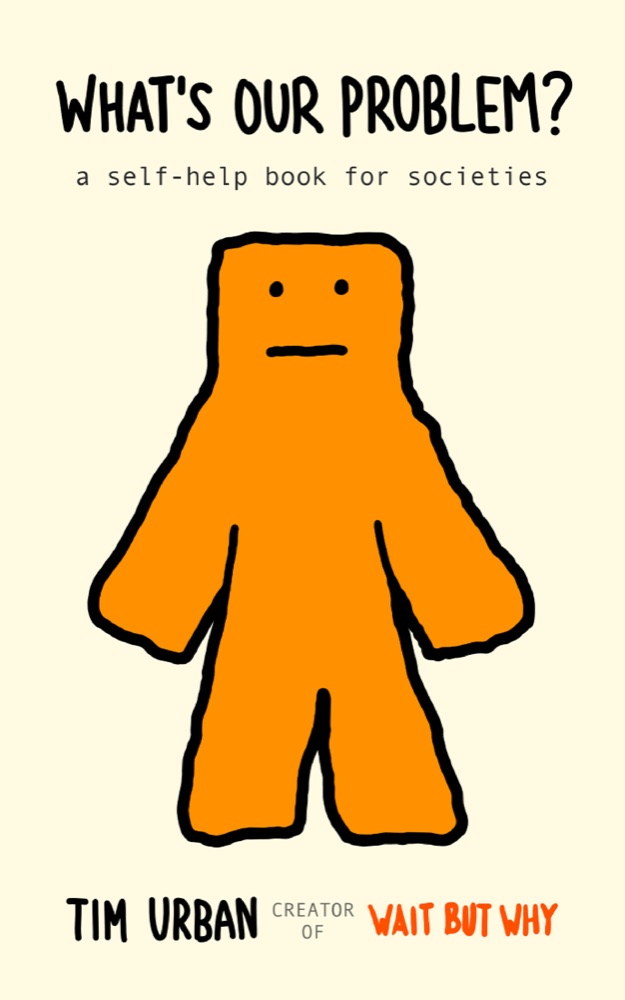 What's Our Problem?: A Self-Help Book for Societies
 The Republic
 Daybreak: Thoughts on the Prejudices of Morality
 The Wisdom of Life
 Democracy in America
 Independent Study
 12 Rules for Life: An Antidote to Chaos
 Utopia
 21 Lessons for the 21st Century
 Ishmael: An Adventure of the Mind and Spirit
 The Vanishing American Adult: Our Coming-of-Age Crisis—and How to Rebuild a Culture of Self-Reliance
 Hocus Pocus
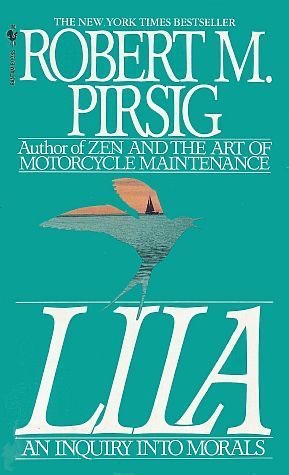 Lila: An Inquiry Into Morals
 Reflections on the Revolution in France
 The Will to Power
 The Closing of the American Mind
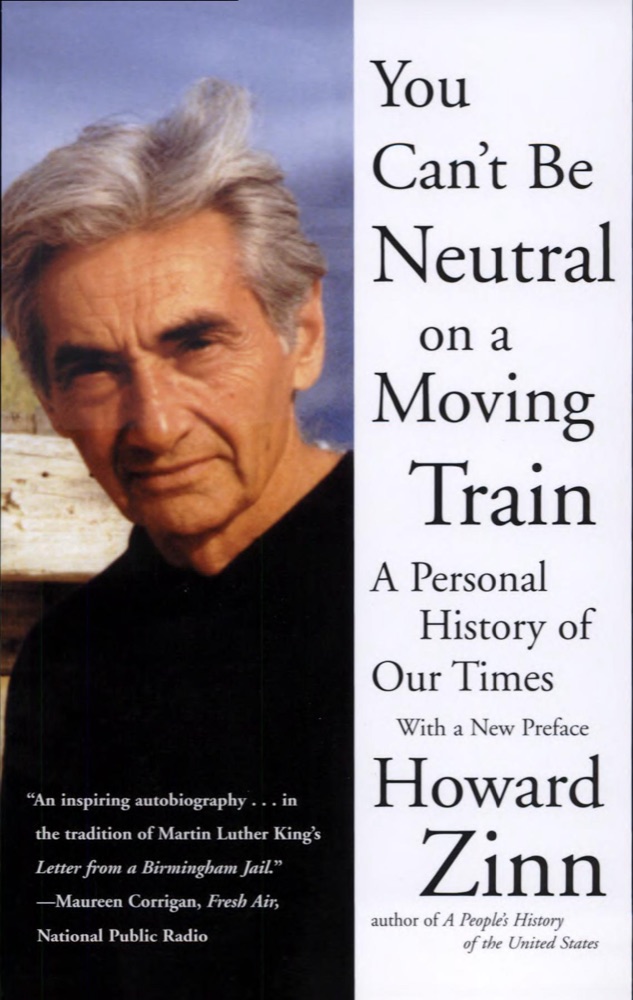 You Can't Be Neutral on a Moving Train: A Personal History of Our Times
 On Liberty
 What I Believe
 Gnomon
 Friday
 The Road to Serfdom
 No Time To Spare: Thinking About What Matters
 Civil Disobedience and Other Essays
 The Midwich Cuckoos
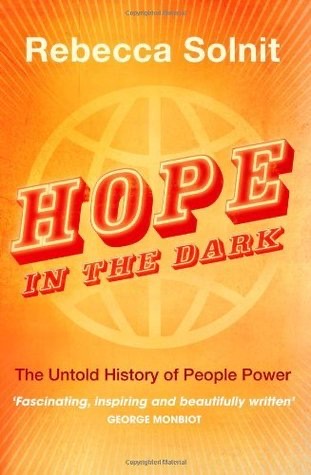 Hope in the Dark: The Untold History of People Power