 Ficciones
Quotes from the Book
Geometry exist everywhere.It is necessary, however, to have eyes to see it, intelligence to understand it , and spirit to wonder at it.The wild Bedouin sees geometric forms but doesn't understand them ; the Sunni understands them but does not admire them; the artist, finally, perceives the perfection of figures, understands beauty, and admires order and harmony.God was the Great Geometer.He geometrized heaven and earth.
3
Every bird, with its wings outspread, is a book, its pages open to heaven.
2
Quien no desconfía de sí mismo no merece la confianza de los otros.
2
Acautelai-vos - aconselhou - contra os juízos arrebatados pela paixão porque esta desfigura muitas vezes a verdade. Aquele que olha por um vidro de cor vê todos os objetos da cor desse vidro: se o vidro é vermelho, tudo lhe parece rubro; se é amarelo, tudo se lhe apresenta completamente amarelado. A paixão está para nós como a cor do vidro para os olhos. Se alguém nos agrada, tudo lhe louvamos e desculpamos; se, ao contrário, nos aborrece, tudo lhe condenamos, ou interpretamos de modo desfavorável.
1
A collection of facts is as far from forming a body of knowledge as a mirage in the desert is from being a real oasis.
What is this?" I asked him. "Are you sad? Do you feel a longing for your own country, or are you simply planning new calculations? Is it mathematics or nostalgia?" "My friend..." he replied, "nostalgia and calculations are not unrelated.
A poor wise man is he who seeks out the rich, but a nobler rich man he who seeks out wise men.
Only someone who has been even for a brief moment within the gloomy walls of a dungeon can know how to solve those problems in which numbers form a terrible part of human misery.
Even before the sun shone on us, even before there was air to breathe, the square of the hypotenuse was equal to the sum of the squares on the other two sides.
This is the wisdom of the proud--to find a mere crumb and call it the Himalayas.
Unhappy is he who assumes the burden of a debt whose worth cannot be measured by the simple means of his own intelligence.
The theory that we study today, and that appears to us impractical, might have implications in the future.... Who can imagine the repercussions of an enigma through the centuries?
To cultivate science only for its practical purpose is to despoil the soul of science.
[People] in general are good calculators.... the soldier on campaign who estimates distance in a single glance... the poet who counts syllables and verifies the cadence of his verses... the musician who applies in his compositions the laws of perfect harmony... the painter who draws with the unvarying proportions of perspective in his mind... the humble rug maker who arranges one by one the threads of his labor... All of these, O King, are fine and accomplished calculators.
If you do not know how to calculate exactly, your visions are worth nothing; if you arrive at them through calculation alone, I disbelieve them.
From the uncertainty of calculations comes the undeniable prestige of the mathematician.
It has never occurred to me that counting millions of leaves and swarms of bees could make money. Who could possibly be interested in how many branches there are in a tree, how many birds in a flight that crosses the sky?
El hombre sólo vale por lo que sabe. Saber es poder. Los sabios educan con el ejemplo, y nada hay que conquiste al espíritu humano más profundamente que el ejemplo (...) Socrates, filósofo griego, afirmaba con el peso de la autoridad enorme: "Sólo es útil el conocimiento que nos hace mejores". Séneca, otro pensador famoso, decía incrédulo: "¿Qué importa saber qué es una línea recta, si no se sabe lo que es la rectitud?".
La felicidad es difícil porque somos muy difíciles en materia de felicidad. No hables de felicidad a alguien menos feliz que tú. Cuando no se tiene lo que uno ama, hay que amar lo que se tiene.
Dame, Oh Dios, fuerzas para hacer que mi amor sea fructífero y útil. Dame fuerzas para no despreciar jamás al pobre ni plegar mis rodillas ante el poder insolente. Dame fuerzas para levantar el espíritu bien alto, por encima de las banalidades cotidianas. Dame fuerzas para que me humille, con amor ante ti.
Que tu sabiduría no sea humillación para tu prójimo. Guarda el dominio de ti mismo y nunca te abandones a la cólera. Si esperas la paz definitiva, sonríe al destino que te hiere y no hieras a nadie.
los números hace cuatrocientos años cuando un hindú, cuyo nombre no ha llegado hasta nosotros, creó un signo especial, el cero, para señalar en un número escrito la falta de toda unidad de orden decimal, no efectivamente representada en cifras. Gracias a este invento, todos los signos especiales, las letras y los apóstrofes resultaban inútiles. Así quedaron sólo nueve cifras y el cero. La posibilidad de escribir un número cualquiera por medio de diez caracteres solamente fue el primer gran milagro del cero.
Watch on YouTube
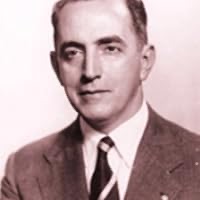
About Malba Tahan
We have collected 22 quotes from 1 book by Malba Tahan on BookQuoters.
More about the author →About the book
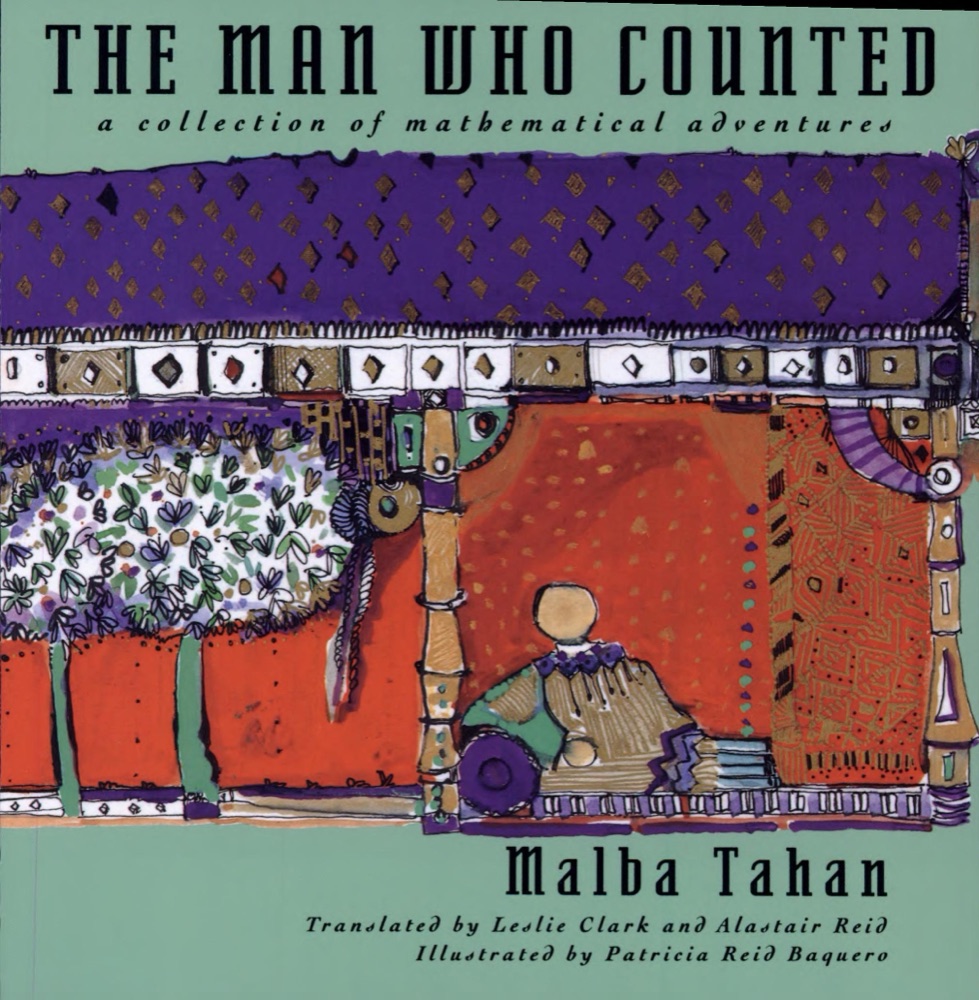
A collection of famous mathematical puzzles, taken from a popular newspaper column, features the "writings" of the fictional author, Malba Tahan, who describes different mathematical puzzles and solutions applied to real situations. Malba Tahan is the creation of a celebrated Brazilian mathematician who was looking for a way to bring some of the mysteries and delights of mathematics to a wider public. He turned out to be a born storyteller.
The adventures of Beremiz Samir, The Man Who Counted , take the reader on an exotic journey in which, time and again, he summons his extraordinary mathematical powers to settle disputes, give wise advice, overcome dangerous enemies, and win for himself fame and fortune. as we accompany him, we learn much of the history of famous mathematicisns who preceded him; we undergo a series of trials at the hands of the wise men of the day; and we come to ad
Book details
- First published
- 1938
- Author
- Malba Tahan
- Genre
- Fiction
- Goodreads rating
- 4.10 (7k ratings)
Keep reading
Ficciones
 Galileo
 The Aleph and Other Stories
 The Charioteer
 Soul Mountain
 Phaedo
 The Double
 The Star Diaries
 Think of a Number
 Foucault's Pendulum
 Chess Story
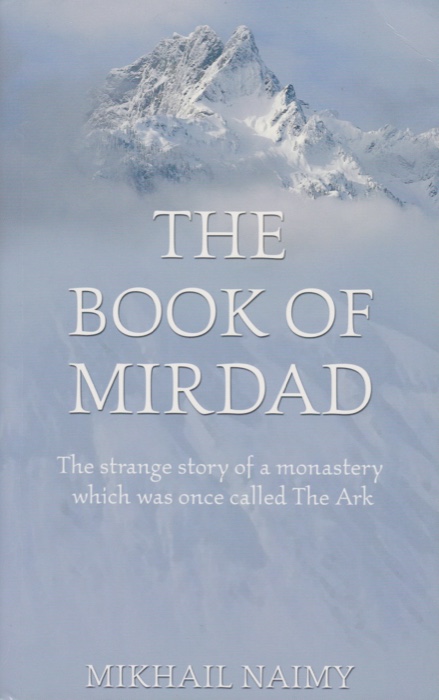 The Book of Mirdad: The Strange Story of a Monastery Which Was Once Called the Ark
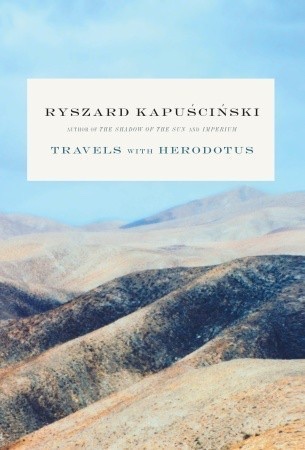 Travels with Herodotus
 The Historian's Craft: Reflections on the Nature and Uses of History and the Techniques and Methods of Those Who Write It.
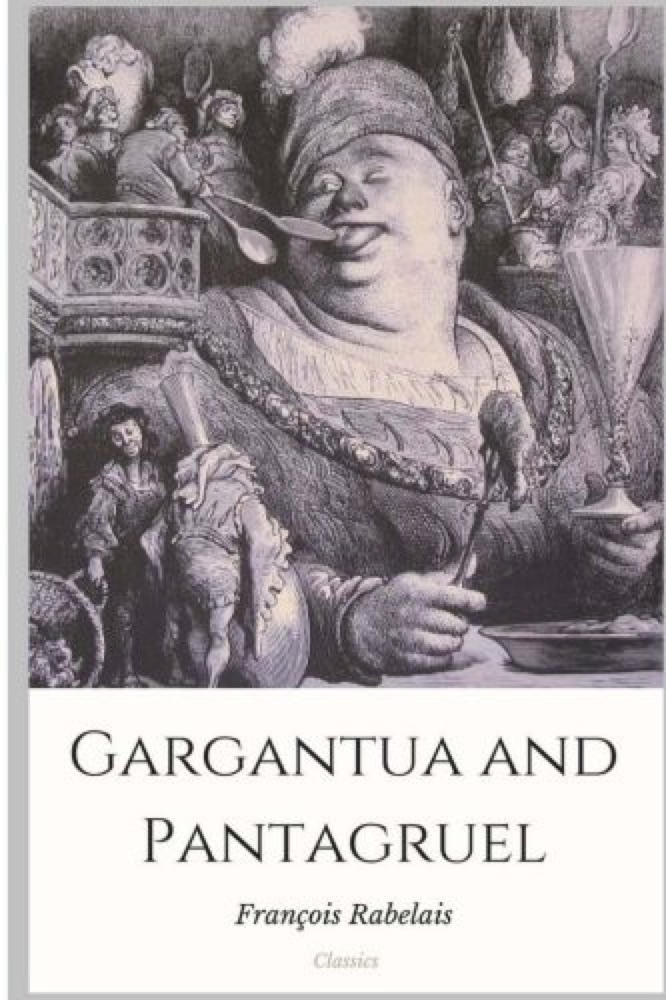 Gargantua and Pantagruel
 Leonardo's Notebooks
 Heretics of Dune
 The Blue Flower
 A General Theory of Oblivion
 Mysteries
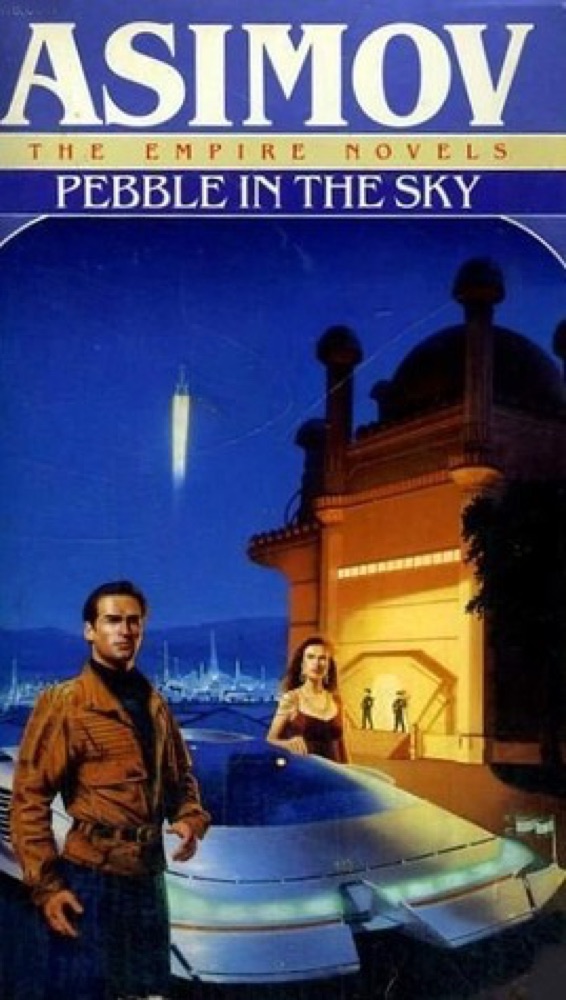 Pebble in the Sky
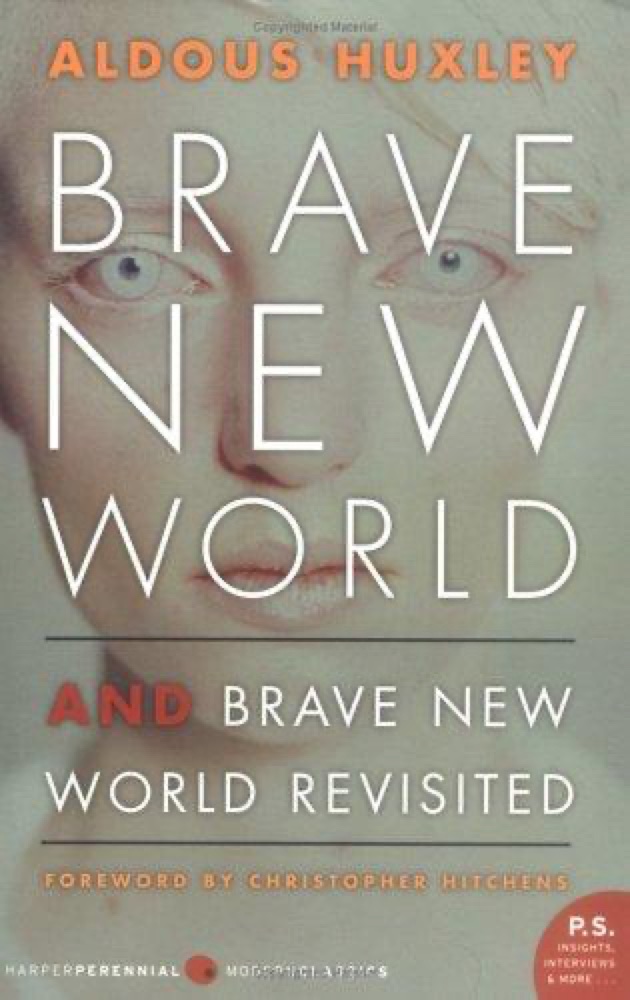 Brave New World / Brave New World Revisited
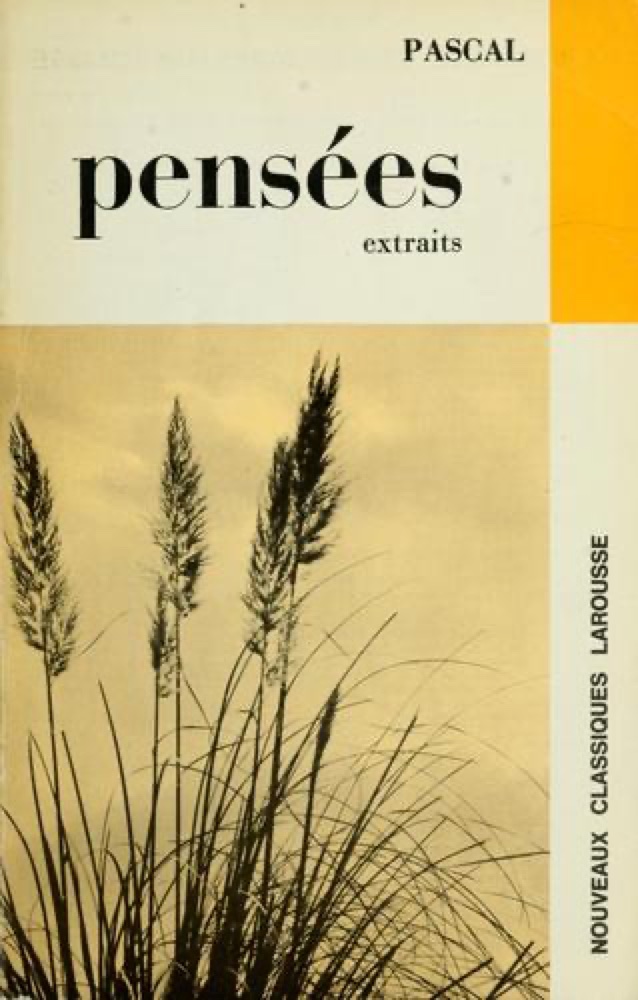 Pensées
 The Periodic Table
 Skinny Legs and All
 What Do You Care What Other People Think?
 The Book of Sand and Shakespeare's Memory
 The Analyst
 The Essays of Ralph Waldo Emerson
 Kingdom of the Golden Dragon
 The Spinoza Problem
 Doctor Glas
 The Man Without Qualities
 The Invention of Morel
 The Island of the Day Before
 Phaedrus
 The Dwarf
 How to Be a Stoic: Using Ancient Philosophy to Live a Modern Life
 In the Light of What We Know
 Under Western Eyes
 The End of Eternity
 A Study in Scarlet
 Like Water for Chocolate
 The Robe
 The Anomaly
 Prelude to Foundation
 The Gay Science
 The Man Who Laughs
 Manifestoes of Surrealism
 The Physician
 The House of the Spirits
 Paris Spleen
 The Narrow Road Between Desires
 Elizabeth Costello
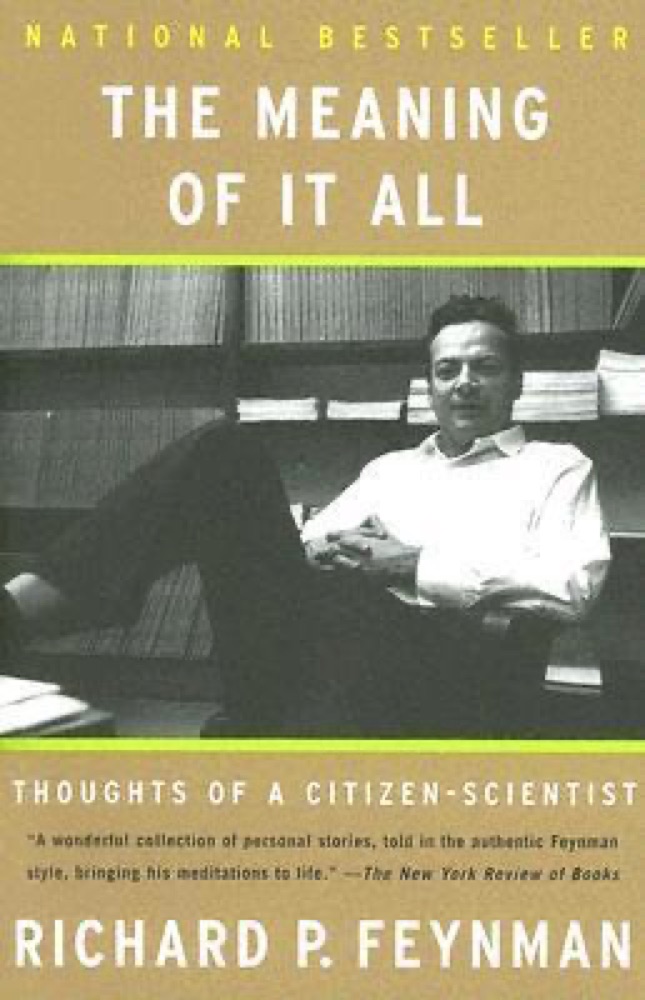 The Meaning of It All: Thoughts of a Citizen-Scientist
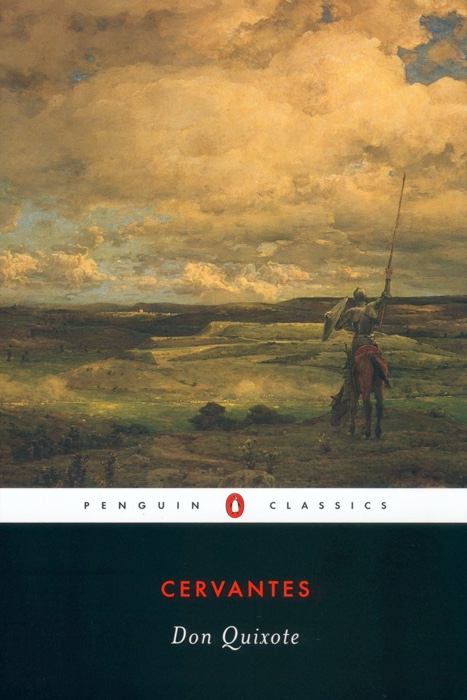 Don Quixote
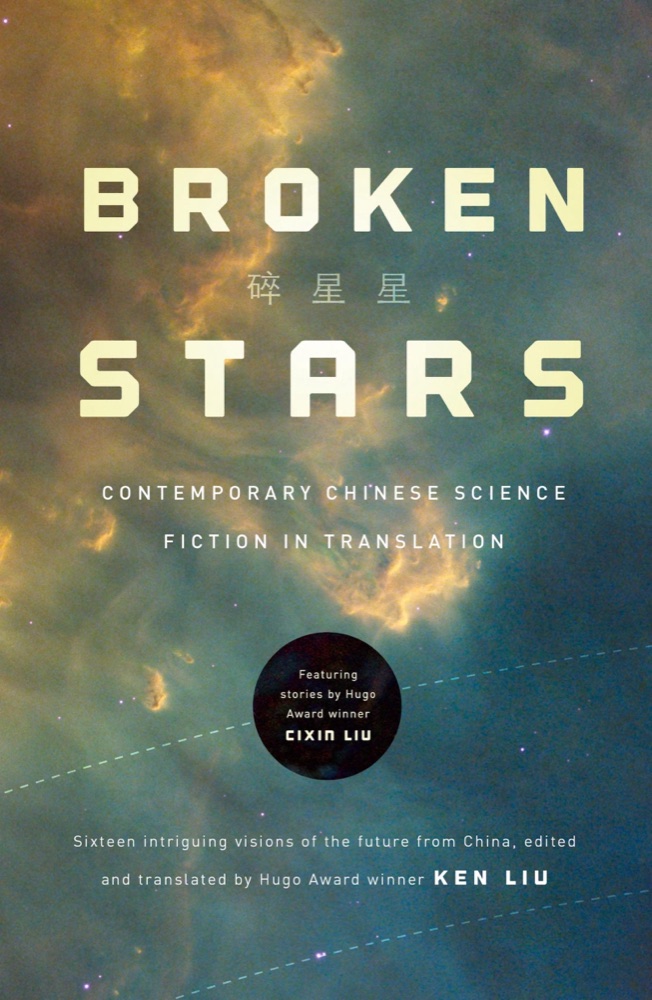 Broken Stars: Contemporary Chinese Science Fiction in Translation
 The Teachings of Don Juan: A Yaqui Way of Knowledge
 An Instance of the Fingerpost
 Lord of Light