
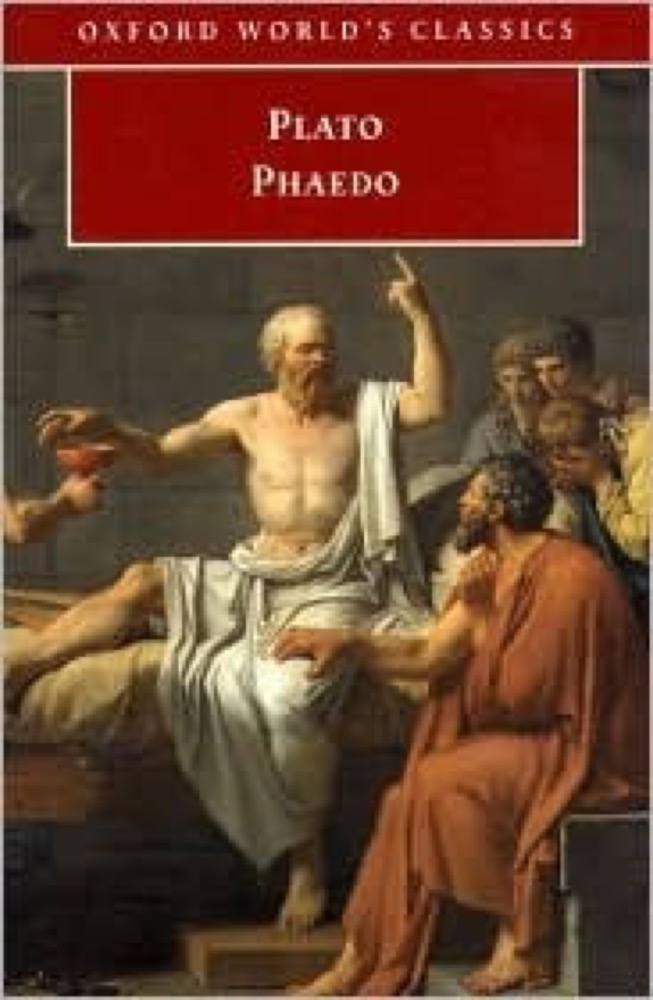
 Phaedo
Quotes from the Book
Better to endure pain in an honorable manner than to seek joy in a shameful one.
19
One of the first lessons from Stoicism, then, is to focus our attention and efforts where we have the most power and then let the universe run as it will. This will save us both a lot of energy and a lot of worry. Another
15
The problem nowadays is that, by and large, we do a pretty bad job of picking role models. We glorify actors, singers, athletes, and generic “celebrities,” only to be disappointed when—predictably—it turns out that their excellence at reciting, singing, playing basketball, or racking up Facebook likes and Twitter followers has pretty much nothing to do with their moral fiber.
8
realize that by “philosophers” Epictetus doesn’t mean professional academics (trust me, you don’t want to make a habit of socializing mostly with them), but rather people who are interested in following virtue and cultivating their character.
3
Stoicism is about developing the tools to deal as effectively as humanly possible with the ensuing conflicts, does not demand perfection, and does not provide specific answers: those are for fools (Epictetus’s word) who think the world is black and white, good versus evil, where it is always possible to clearly tell the good guys from the bad guys. That is not the world we live in, and to pretend otherwise is more than a bit dangerous and not at all wise.
3
Nothing can be traded if the price is compromising of your character.
3
all types of virtue are really just different aspects of wisdom.
3
Señor, concédeme serenidad para aceptar todo aquello que no puedo cambiar, fortaleza para cambiar lo que soy capaz de cambiar, y sabiduría para entender la diferencia.
3
Ahora he interiorizado la actitud estoica de que tengo control sobre algunas cosas (lo que como, si hago ejercicio), pero no sobre otras (mis genes, mis primeras experiencias y una serie de factores externos, incluida la eficacia de mi régimen de ejercicios). Por eso el resultado —el cuerpo que tengo, el grado de salud que disfruto— se tiene que aceptar con ecuanimidad; se «elige, pero no se desea», como afirma Cicerón. Me siento satisfecho sabiendo que, sin importar el resultado real, estoy haciendo todo lo que puedo.
2
above all, we need to be cognizant of what our integrity is worth: if we decide to sell it, it shouldn’t be for cheap. It is hard to read those words and not think about political scandals and corruption, but perhaps the cleanup should start closer to home, with our own behavior, our own too-often-unacknowledged propensity to compromise principles for the sake of convenience, our lack of courage when it is called for, our mostly theoretical sense of justice, our often flaunted temperance, and our own manifestly very limited wisdom in managing whatever life happens to throw at us.
2
Los estoicos adoptaron la clasificación de Sócrates de los cuatro aspectos de la virtud, que consideraban que eran cuatro rasgos de carácter estrechamente relacionados: sabiduría (práctica), valor, templanza y justicia. La sabiduría práctica nos permite tomar decisiones que mejoran nuestra eudaimonía, la buena vida (desde el punto de vista ético). El valor puede ser físico, pero en un sentido más amplio se refiere al aspecto moral, por ejemplo la capacidad para actuar bien bajo circunstancias adversas, como hicieron Prisco y Malala. La templanza nos permite controlar nuestros deseos y nuestras acciones para que no nos dejemos llevar por los excesos. La justicia, para Sócrates y los estoicos, no se refiere a una teoría abstracta de cómo se tiene que gobernar la sociedad, sino más bien a la práctica de tratar a los otros seres humanos con dignidad y ecuanimidad.
2
the nature of the world (and by extension, one’s place in it) and the nature of human reasoning (including when it fails, as it so often does).
2
Habitualmente, los estudiosos distinguen entre agápe, éros, philía y storgē. Agápe se refiere al tipo de amor que se siente por la esposa y los hijos, y que posteriormente los cristianos asociaron con el amor de Dios por toda la humanidad: como lo explicó Tomás de Aquino, agápe es la voluntad de hacer el bien a los demás. Si cree que sabe lo que significa éros, tendrá que pensar un poco más. Sí, la palabra tiene el significado claro de placer sensual y atracción sexual, pero, como explicó Platón en El banquete, éros amplía su significado en un aprecio por la belleza interior de la persona, y a través de él expresamos nuestra admiración por la propia belleza, sin importar su encarnación específica. Philía es el amor desapasionado y virtuoso que sentimos por los amigos, la familia y la comunidad porque los vemos y tratamos como iguales. Finalmente, storgē, una palabra que se usa mucho menos, se refiere específicamente al amor por los hijos, pero también, y esto resulta interesante, por el país o el equipo deportivo. Lleva aparejado el significado de un amor que se siente intrínsecamente sin que tenga nada ver con la razón o la reflexión.[4]
2
But that would be exactly the wrong way to look at him, because it would be an attempt to make him a godlike figure capable of doing what no human being can do: completely transcend his own upbringing. Instead, we should assess him by the standards of his own culture and time. By those standards, he was a role model indeed.
2
El universo no se inclina ante sus deseos, sino que hace lo que hace; su jefe, sus compañeros, los accionistas de la empresa, los clientes y una serie de factores adicionales forman parte del universo, así que ¿por qué iba a esperar que cumplieran con su deseo?
2
Por eso resulta crucial para la vida social no solo trabajar para mejorar nuestro carácter, sino ser capaz de evaluar el carácter de las otras personas. En este sentido hay una buena historia sobre Diógenes el Cínico. Un día (presumiblemente antes de convertirse en filósofo a jornada completa, cuando seguía siendo un banquero, nada menos), le pidieron una carta de presentación. Le dijo a su interlocutor: «Eres un hombre, y eso se lo dirán sus ojos; pero si eres bueno o malo lo acabará descubriendo si tiene la capacidad de diferenciar el bueno del malo; y si no tiene esa capacidad, nunca lo descubrirá aunque le escriba diez mil cartas».
2
Yesterday I had an iron lamp beside my household gods, and hearing a noise I rushed to the window. I found the lamp had been carried off. I reasoned with myself, that the man who took it yielded to some plausible feeling. What do I conclude? Tomorrow, I say, you will find one of earthenware. I lost my lamp, because in the matter of vigilance the thief was a stronger man than I. But he bought his lamp for this price: for a lamp he became a thief, for a lamp he broke his faith, for a lamp he became a brute.
1
Algunas cosas están en nuestro poder, otras no Debemos hacer lo mejor con las cosas que están en nuestro poder, y tomar el resto como las presenta la naturaleza. EPICTETO, Disertaciones, I.
1
Watch on YouTube
About Massimo Pigliucci
We have collected 18 quotes from 1 book by Massimo Pigliucci on BookQuoters.
More about the author →About the book
In the tradition of How to Live and How Proust Can Change Your Life, a philosopher asks how ancient Stoicism can help us flourish today
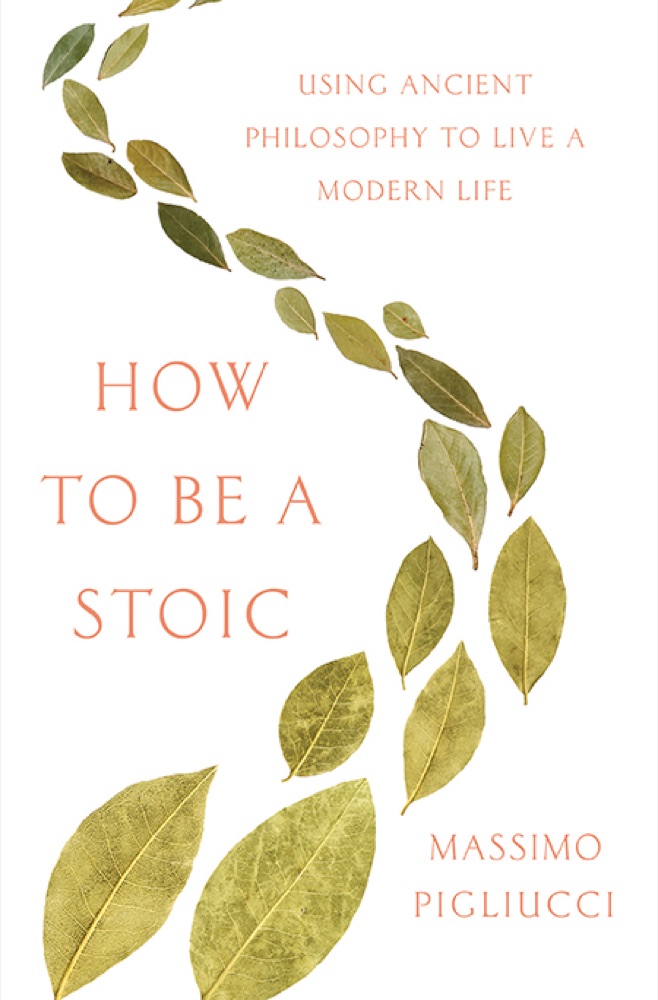
Whenever we worry about what to eat, how to love, or simply how to be happy, we are worrying about how to lead a good life. No goal is more elusive. In How to Be a Stoic, philosopher Massimo Pigliucci offers Stoicism, the ancient philosophy that inspired the great emperor Marcus Aurelius, as the best way to attain it. Stoicism is a pragmatic philosophy that focuses our attention on what is possible and gives us perspective on what is unimportant. By understanding Stoicism, we can learn to answer crucial questions: Should we get married or divorced? How should we handle our money in a world nearly destroyed by a financial crisis? How can we survive great personal tragedy? Whoever we are, Stoicism has something for us–and How to Be a Stoic is the essent
Book details
- First published
- 2017
- Author
- Massimo Pigliucci
- Genre
- Philosophy
- Goodreads rating
- 4.03 (15k ratings)
Keep reading
Phaedo
 The Little Virtues
 Stoicism and the Art of Happiness
 Lives of the Stoics: The Art of Living from Zeno to Marcus Aurelius
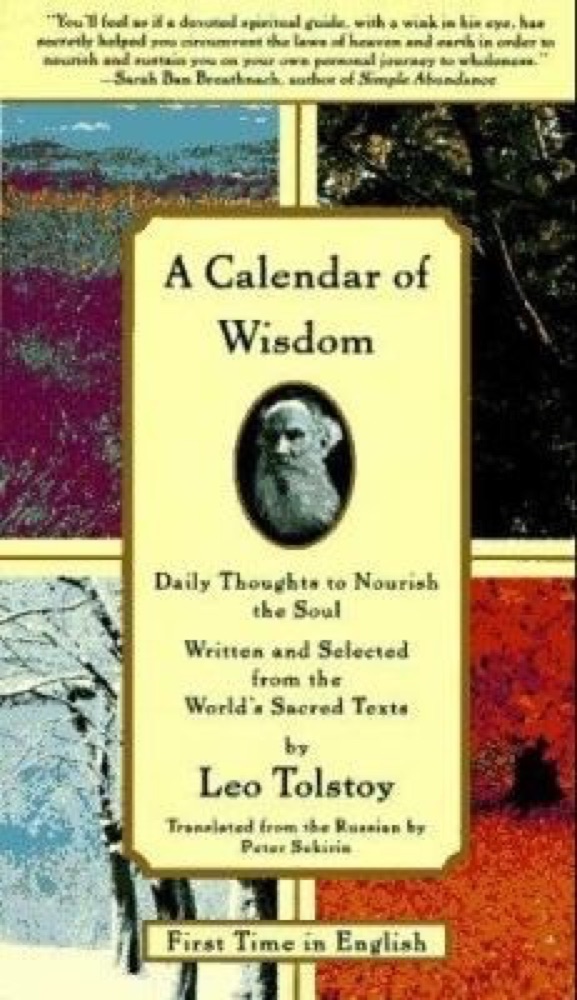 A Calendar of Wisdom: Daily Thoughts to Nourish the Soul
 The Will to Power
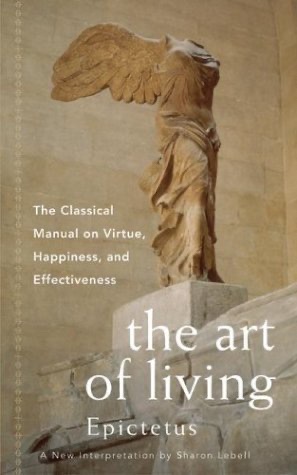 The Art of Living: The Classical Manual on Virtue, Happiness and Effectiveness
 Conversations with God: An Uncommon Dialogue, Book 1
 The Fencing Master
 Twilight of the Idols
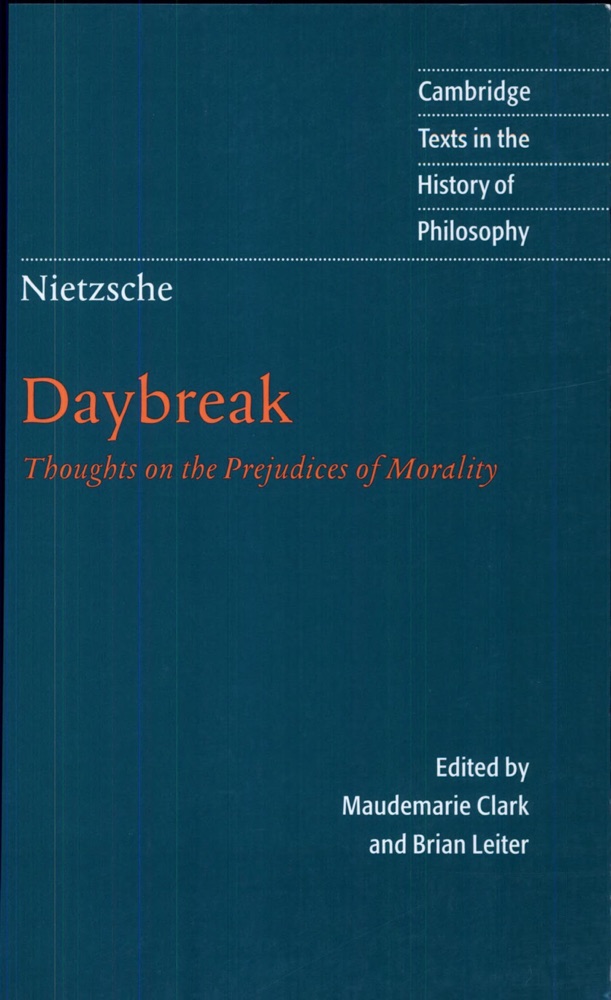 Daybreak: Thoughts on the Prejudices of Morality
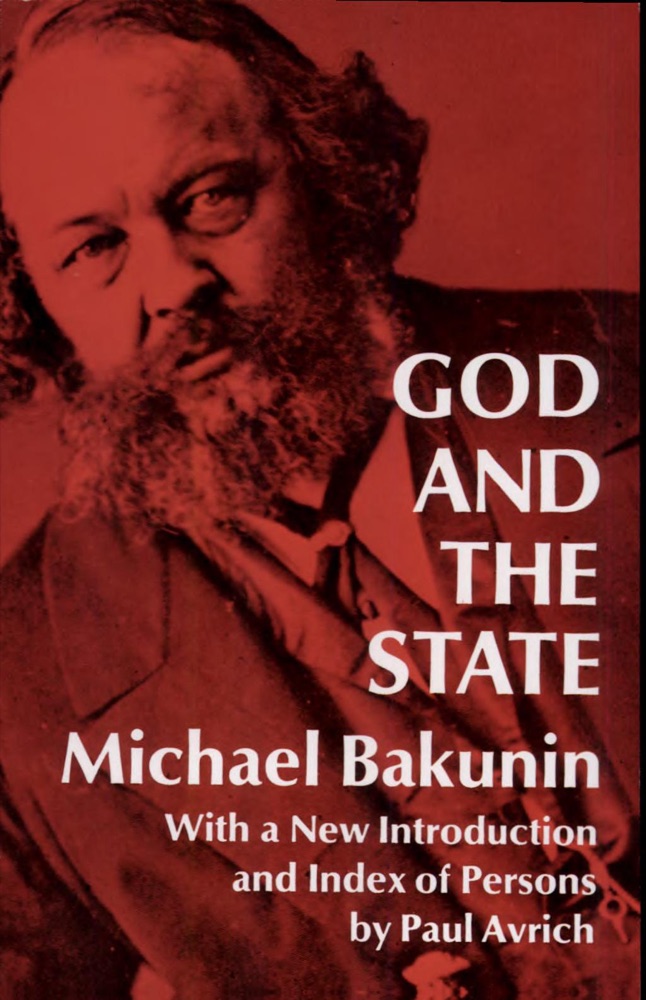 God and the State
 How to Be Perfect: The Correct Answer to Every Moral Question
 The Socrates Express: In Search of Life Lessons from Dead Philosophers
 The Intellectual Life: Its Spirit, Conditions, Methods
 Tragic Sense of Life
 Self-Reliance and Other Essays
 The Philosopher and the Wolf
 Heretics
 Power vs. Force
 The Ego and Its Own
 The Daily Stoic: 366 Meditations on Wisdom, Perseverance, and the Art of Living
 Self-Reliance: An Excerpt from Collected Essays, First Series
 Nasty, Brutish, and Short: Adventures in Philosophy with My Kids
 Gorgias
 How to Be Free: An Ancient Guide to the Stoic Life
 De Profundis and Other Writings
 Brave New World / Brave New World Revisited
 Phaedrus
 12 Rules for Life: An Antidote to Chaos
 After Virtue
 The Spinoza Problem
 The Revolt of the Masses
 Hello, Habits: A Minimalist's Guide to a Better Life
 The Wisdom of Life
 The Story of My Experiments With Truth
 The Story of Philosophy: The Lives and Opinions of the World's Greatest Philosophers
 The Age of Absurdity: Why Modern Life makes it Hard to be Happy
 The Ides of March
 The Book of Chuang Tzu
 The World's Last Night: And Other Essays
 The Dream of Scipio
 Galileo
 Dictator
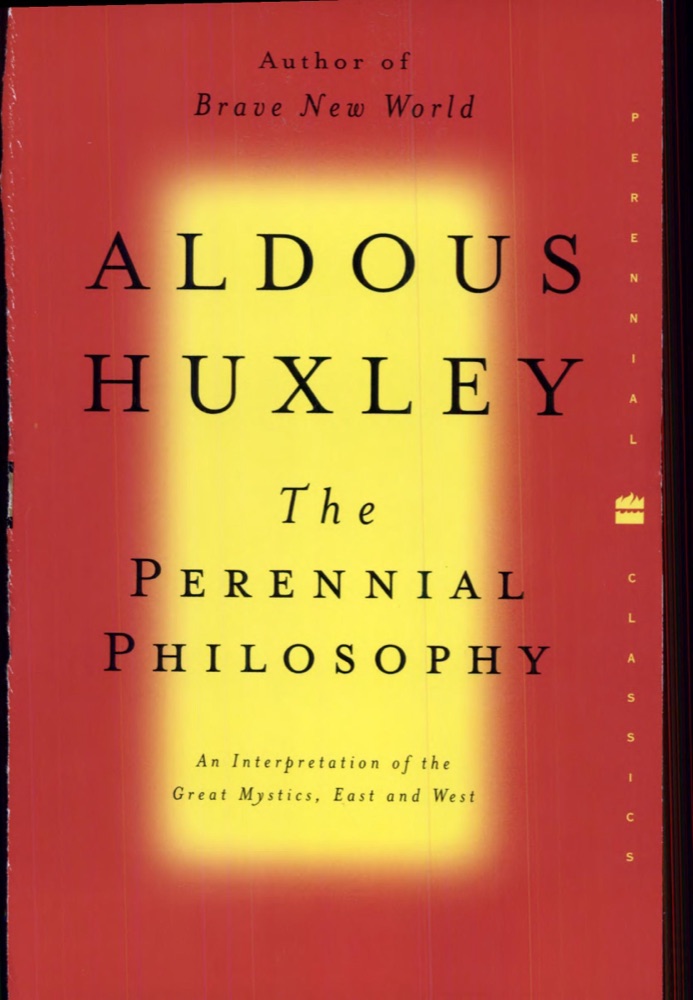 The Perennial Philosophy
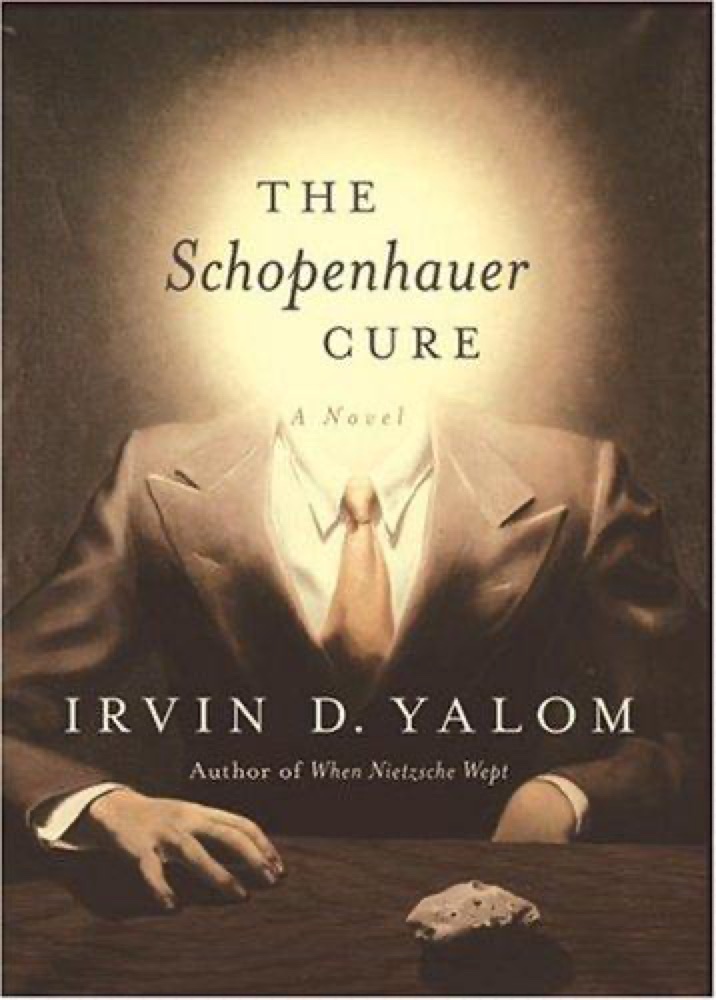 The Schopenhauer Cure
 How to Use Your Enemies
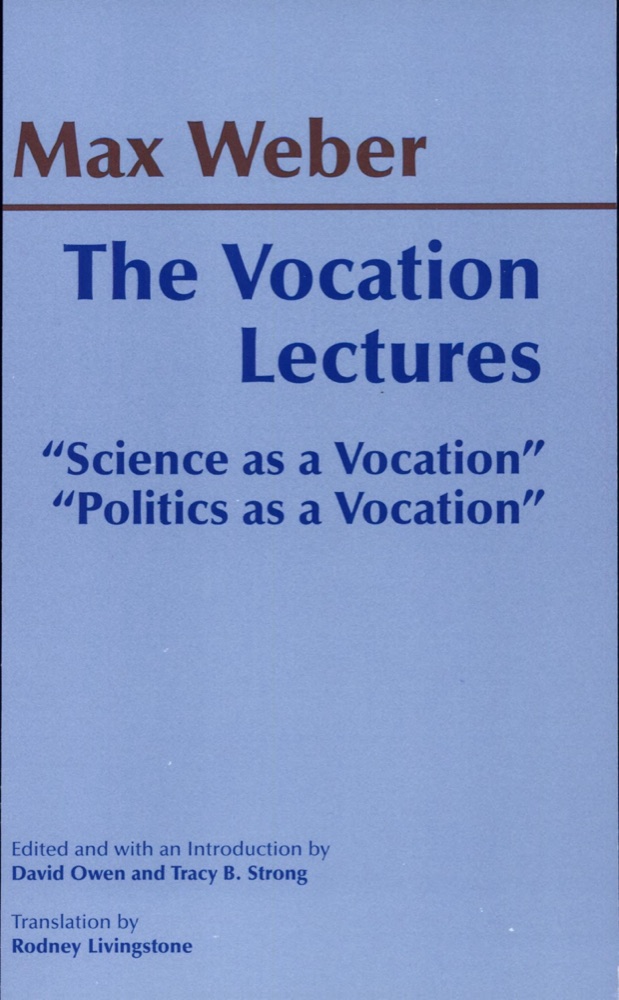 The Vocation Lectures: Science as a Vocation/Politics as a Vocation
 Ficciones
 The Temptation to Exist
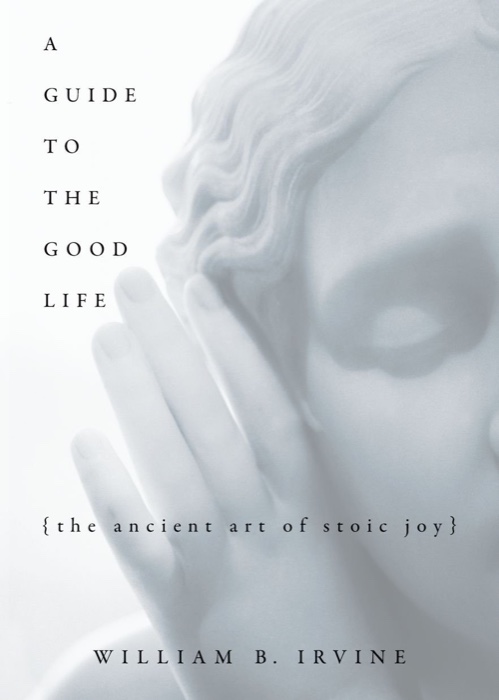 A Guide to the Good Life: The Ancient Art of Stoic Joy
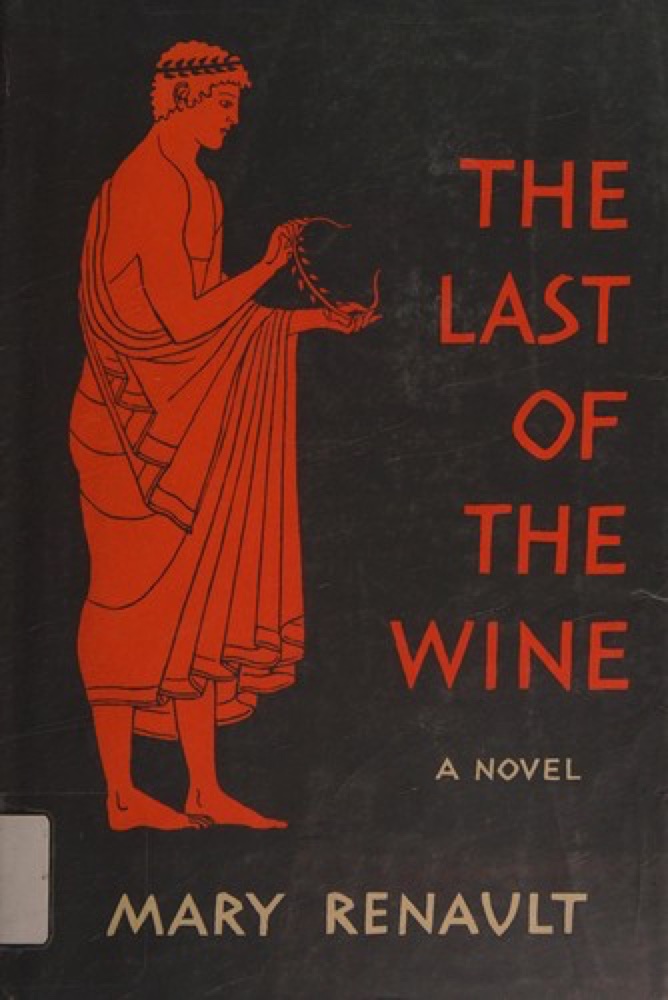 The Last of the Wine
 Emile or On Education
 Soul Mountain
 The Nicomachean Ethics
 The Aleph and Other Stories
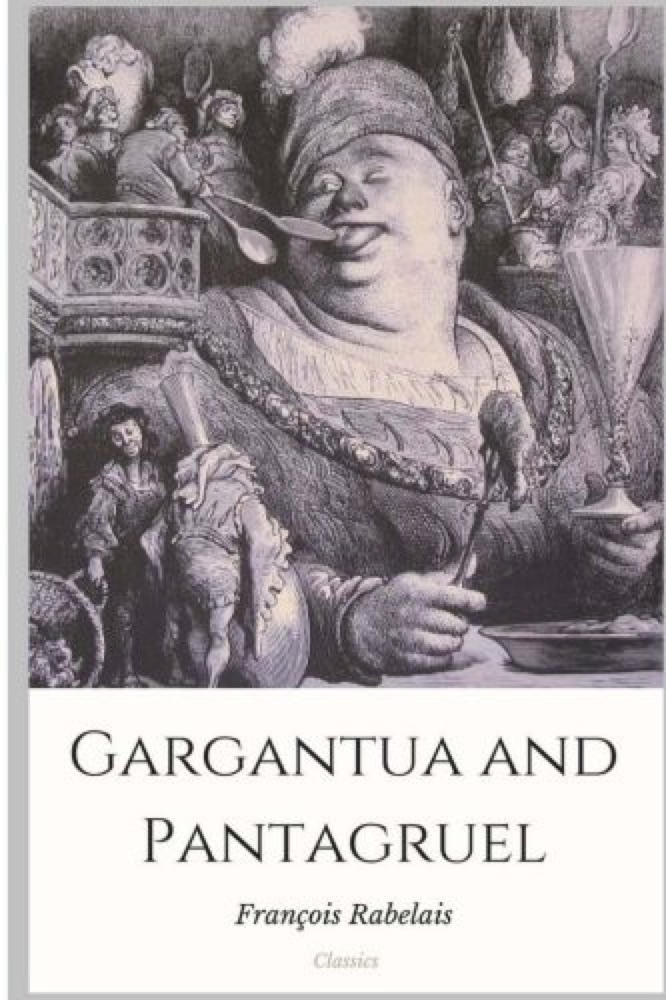 Gargantua and Pantagruel
 The Charioteer
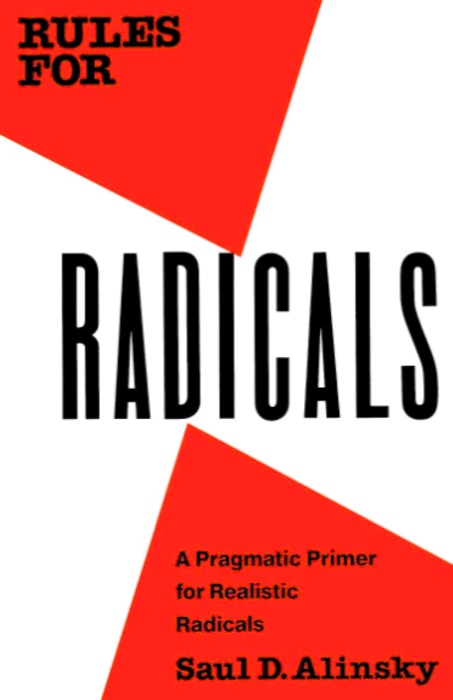 Rules for Radicals: A Pragmatic Primer for Realistic Radicals