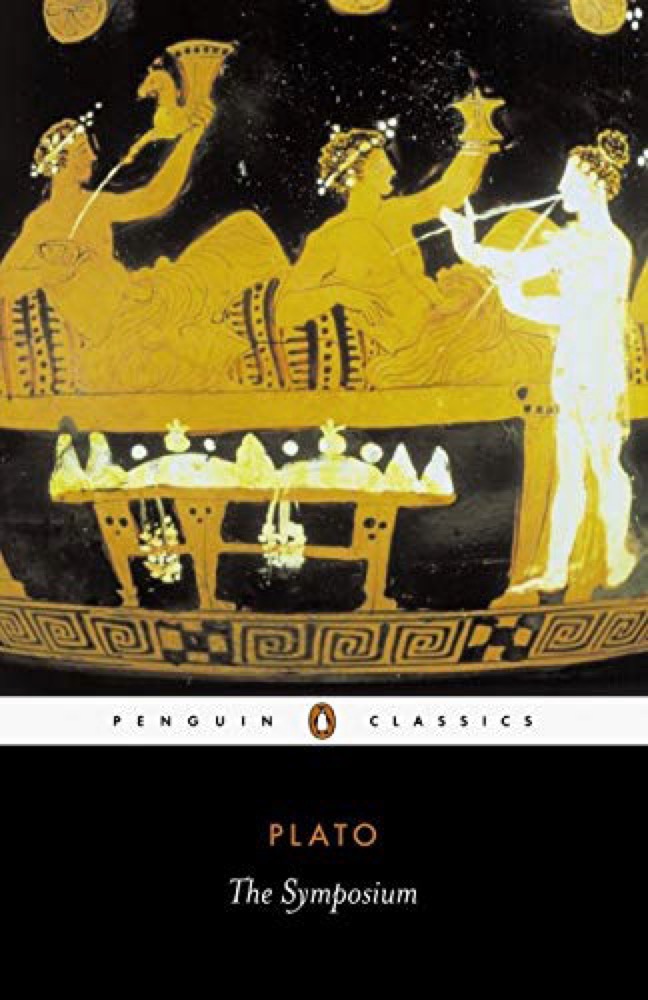
 The Symposium
Quotes from the Book
The first and greatest victory is to conquer yourself; to be conquered by yourself is of all things most shameful and vile.
34
there is simple ignorance, which is the source of lighter offences, and double ignorance, which is accompanied by a conceit of wisdom; and he who is under the influence of the latter fancies that he knows all about matters of which he knows nothing.
3
If justice is a healthy state of the soul, then injustice is a disease of the soul in need of curing via punishment... I maintain that it would be better by far that good men start off life in prison, and work their way towards freedom. Good men, maintained as those who are able to control themselves, will not find this a burden, but a reward of virtue. Bad men will only find harm done to them, as they can not rule themselves.
2
Human beliefs about the gods have changed, and laws should change with them.
2
Education certainly gives victory, although victory sometimes produces forgetfulness of education; for many have grown insolent from victory in war, and this insolence has engendered in them innumerable evils; and many a victory has been and will be suicidal to the victors; but education is never suicidal.
2
... because if a human institution gets off to a good and careful start, there is a sort of divine guarantee that it will prosper.
2
in a family there may be several brothers, and the bad may be a majority; and when the bad majority conquer the good minority, the family are worse than themselves.
2
Self-love is the source of that ignorant conceit of knowledge which is always doing and never succeeding.
2
Moreover, in fits of anger, in fears, in the disturbances that come over souls in bad fortune and the release from such things that comes with good fortune, in the experiences brought by diseases and wars and poverty, and the experiences brought upon human beings by the opposite circumstances — in all such situations what is noble and what is ignoble in each case must be taught and defined.
2
repetitions. The Greek is in places very ungrammatical and intractable.
2
He who has the divine has the human added to him; but he who has lost the greater is deprived of both. The lesser goods are health, beauty, strength, and, lastly, wealth; not the blind God, Pluto, but one who has eyes to see and follow wisdom. For mind or wisdom is the most divine of all goods; and next comes temperance, and justice springs from the union of wisdom and temperance with courage, which is the fourth or last. These four precede other goods, and the legislator will arrange all his ordinances accordingly, the human going back to the divine, and the divine to their leader mind.
1
My first observation is, that your lawgiver ordered you to endure hardships, because he thought that those who had not this discipline would run away from those who had. But he ought to have considered further, that those who had never learned to resist pleasure would be equally at the mercy of those who had, and these are often among the worst of mankind. Pleasure, like fear, would overcome them and take away their courage and freedom.
1
And we must remember further that we are speaking of the education, not of a trainer, or of the captain of a ship, but of a perfect citizen who knows how to rule and how to obey; and such an education aims at virtue, and not at wealth or strength or mere cleverness. To the good man, education is of all things the most precious, and is also in constant need of renovation. 'We agree.' And we have before agreed that good men are those who are able to control themselves, and bad men are those who are not. Let me offer you an illustration which will assist our argument. Man is one; but in one and the same man are two foolish counsellors who contend within him—pleasure and pain, and of either he has expectations which we call hope and fear; and he is able to reason about good and evil, and reason, when affirmed by the state, becomes law.
1
A mere speck that nevertheless constantly contributed to the good of the whole--is you, you who have forgotten that nothing is created except to provide the entire universe with a life of prosperity. You forget that creation is not for your benefit: you exist for the sake of the universe.
1
The fairest music is that which delights the best and best educated.
1
anarchy should have no place in the life of man or of the beasts who are subject to man.
1
Watch on YouTube
About Plato
We have collected 265 quotes from 14 books by Plato on BookQuoters.
More about the author →
About the book
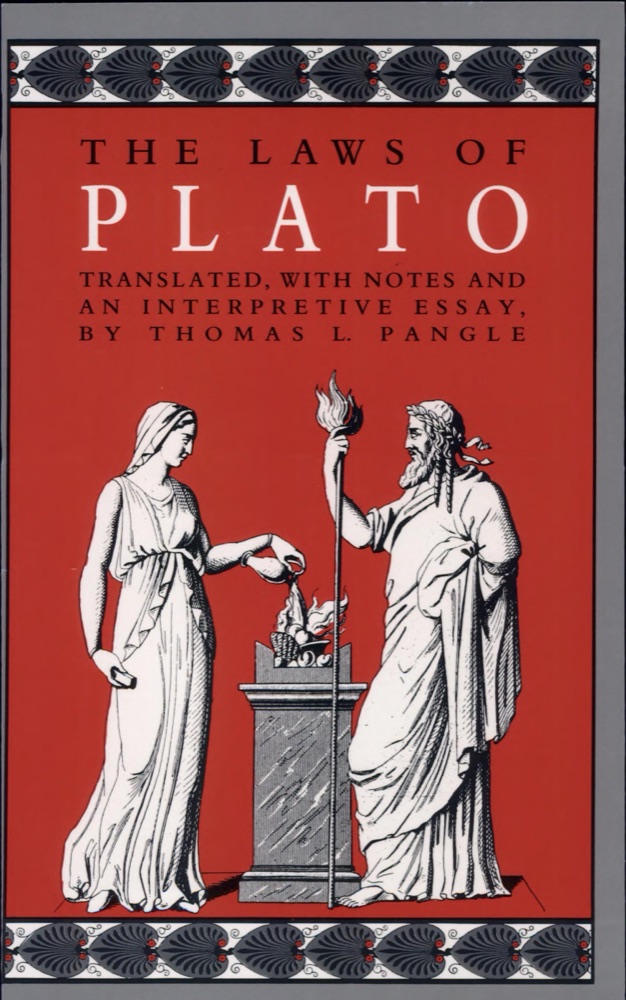
The Laws , Plato's longest dialogue, has for centuries been recognized as the most comprehensive exposition of the practical consequences of his philosophy, a necessary corrective to the more visionary and utopian Republic . In this animated encounter between a foreign philosopher and a powerful statesman, not only do we see reflected, in Plato's own thought, eternal questions of the relation between political theory and practice, but we also witness the working out of a detailed plan for a new political order that embodies the results of Plato's mature reflection on the family, the status of women, property rights, criminal law, and the role of religion and the fine arts in a healthy republic.
"Because it succeeds in being both literal and comprehensive, it is by far superior to any translation available. By reproducing dramatic detail often omitted, such as oaths, hesitations, repetit
Book details
- First published
- 1988
- Author
- Plato
- Genre
- Philosophy
- Goodreads rating
- 4.05 (3k ratings)
Keep reading
 The Republic
 The Will to Power
 Philosophical Dictionary
 The Nicomachean Ethics
 Emile or On Education
 On the Genealogy of Morals
 On the Republic / On the Laws
 Daybreak: Thoughts on the Prejudices of Morality
 Persian Letters
 The Wisdom of Life
 Gorgias
 Heretics
 Reflections on the Revolution in France
 Ethics
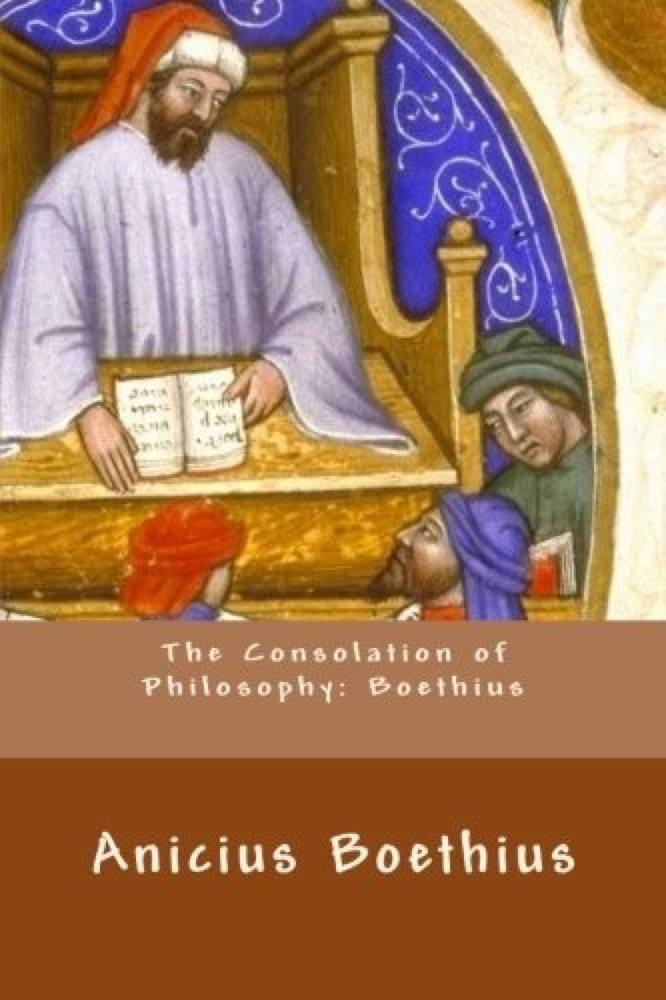 The Consolation of Philosophy
 God Emperor of Dune
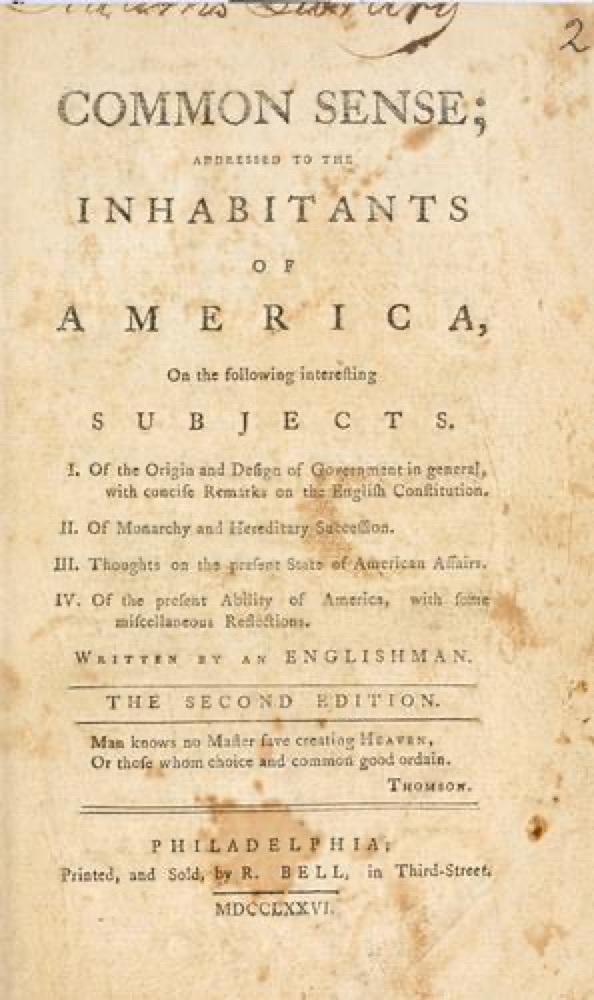 Common Sense
 Utopia
 Discourse on the Origin of Inequality
 The Story of Philosophy: The Lives and Opinions of the World's Greatest Philosophers
 The Ides of March
 The Story of My Experiments With Truth
 On Liberty
 What I Believe
 Leviathan
 The Soul of Man Under Socialism
 City of God
 The Greek Way
 The Muqaddimah: An Introduction to History
 The Enneads
 Fragments
 Self-Reliance and Other Essays
 Theological-Political Treatise
 The Discovery of India
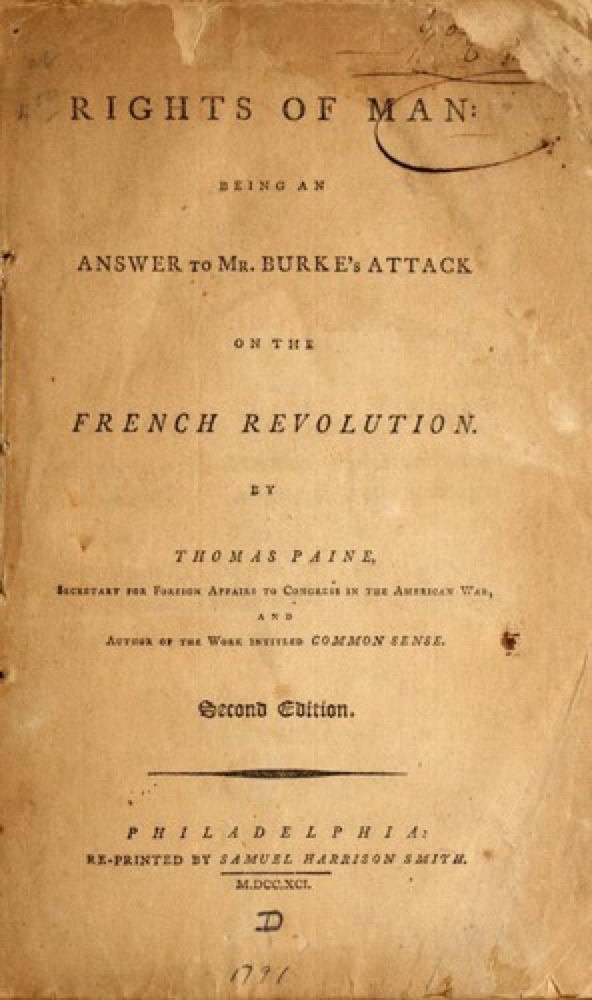 Rights of Man
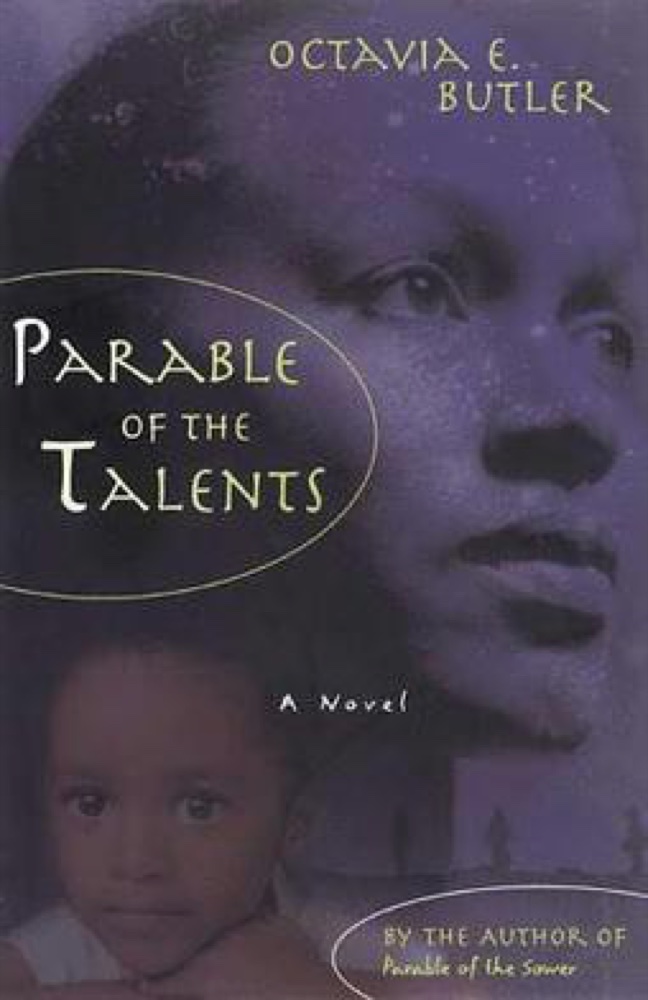 Parable of the Talents
 The Theory of Moral Sentiments
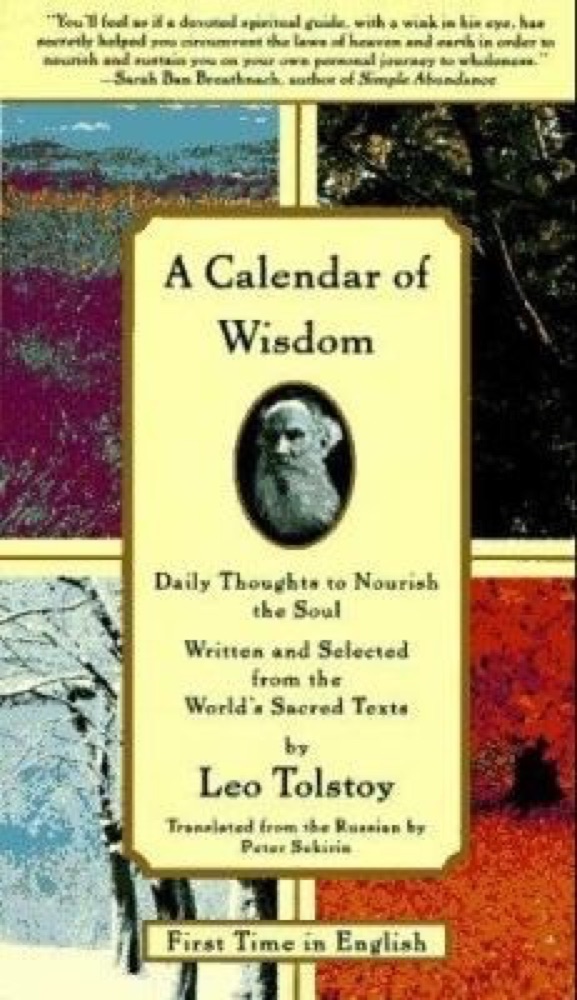 A Calendar of Wisdom: Daily Thoughts to Nourish the Soul
 The Schopenhauer Cure
 The Abolition of Man
 Phaedrus
 The Education of Henry Adams
 A History of Western Philosophy
 The Social Contract
 Letters and Papers from Prison
 Erewhon
 Politics
 Children of Dune
 The Consolations of Philosophy
 The Art of Happiness
 The World as Will and Representation, Vol 1
 The Once and Future King
 The Sixteen Satires
 Ninety-Three
 Walden Two
 The Histories
 The Book of Chuang Tzu
 From Dawn to Decadence: 500 Years of Western Cultural Life, 1500 to the Present
 Too Like the Lightning
 The Rhetoric & The Poetics of Aristotle