

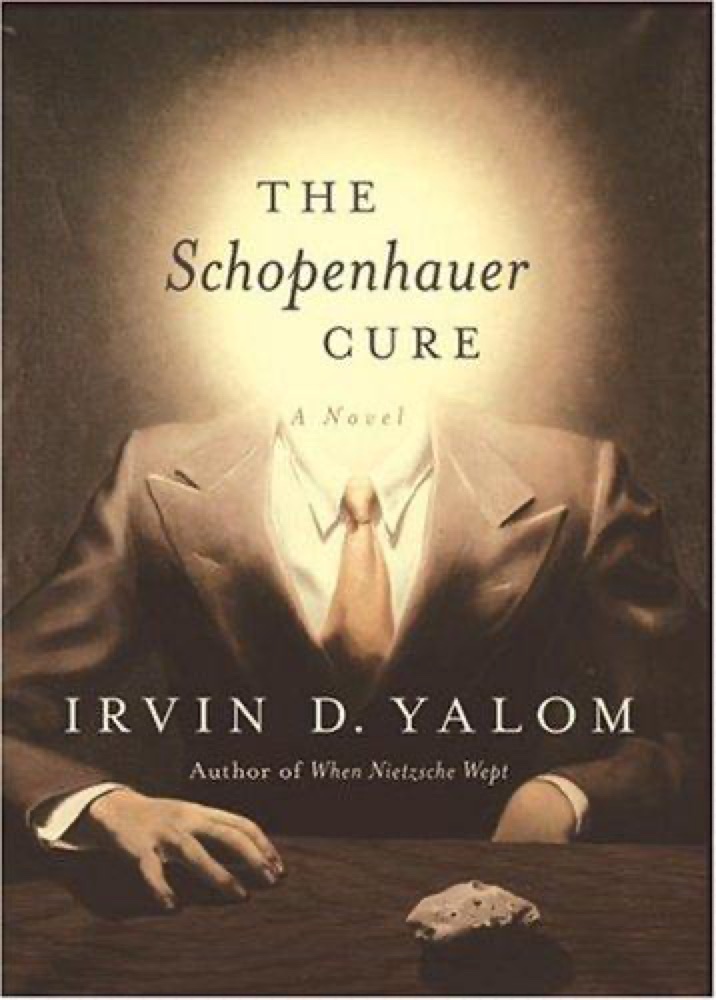
 The Schopenhauer Cure
Quotes from the Book
Psychiatry is a strange field because, unlike any other field of medicine, you never really finish. Your greatest instrument is you, yourself, and the work of self-understanding is endless. I'm still learning.
92
You will search the world over and not find a nonsuperstitious community. As long as there is ignorance, there will be adherence to superstition. Dispelling ignorance is the only solution. That is why I teach.
55
We should cherish things because they are true, not because they are old.
20
Each time a goal is attained, it merely breeds additional needs. Thus more scurrying, more seeking, ad infinitum.
20
When a man is prey to his emotions, he is not his own master, but lies at the mercy of fortune.
13
Why does the same book elicit such a range of responses? There must be something in the particular reader that leaps out to embrace the book. His life, his psychology, his image of himself. There must be something lurking deep in the mind—or, as this Freud says, the unconscious—that causes a particular reader to fall in love with a particular writer.
10
Fame, for example, consists of the opinions of others and requires that we must live our life as others wish.
10
Spinoza was the supreme rationalist. He saw an endless stream of causality in the world. For him there is no such entity as will or will power. Nothing happens capriciously. Everything is caused by something prior, and the more we devote ourselves to the understanding of this causative network, the more free we become." ... "I'm sure he would have said that you are subject to passions that are driven by inadequate ideas rather than by the ideas that flow from a true quest for understanding the nature of reality." ... "He states explicitly that a passion ceases to be a passion as soon as we form a more clear and distinct idea of it--that is, the causative nexus underlying the passion." p.
6
I dare to hope that one day we will have AI that will listen to all the dumb shit we write and say and will point out (just to us, maybe) our cognitive biases, uninformed assumptions, and prejudices
3
Don’t complicate your life with such trivial goals as riches and fame: they are the enemy of ataraxia. Fame, for example, consists of the opinions of others and requires that we must live our life as others wish. To achieve and maintain fame, we must like what others like and shun whatever it is that they shun. Hence, a life of fame or a life in politics? Flee from it. And wealth? Avoid it! It is a trap. The more we acquire the more we crave, and the deeper our sadness when our yearning is not satisfied. Lads, listen to me: if you crave happiness, do not waste your life struggling for that which you really do not need.
3
Spinoza says that reason is no match for passion and what we must do is to turn reason into a passion.
3
I submit that God has no wishes about how, or even if, we glorify Him. Allow me, then, Jacob, to love God in my own fashion.” Franco’s
3
Miracles exist only through man's ignorance. In ancient times any occurrence that could not be explained through natural causes was considered a miracle, and the greater the ignorance of the masses about the workings of Nature, the greater the number of miracles.
2
I dare to hope that education will get a much-needed facelift, incorporating not only therapeutic practices to help children with their emotional development, but also letting them run around and scrape their knees and get into all sorts of trouble.
2
Not exactly a certified philosopher—my degree is in engineering and architecture, but my true home was philosophy, and even at the Polytechnic I found some learned professors who guided my private readings.
2
Look. Everyone is on the move. Scurrying back and forth all day, all their lives. To what end? Riches? Fame? Pleasures of the appetites? Surely these ends represent wrong turns.
2
People like people who are interested in them.
2
Husserl—he’s one of the greats. His term noema refers to the thing as we experience it, the thing as structured by us.
2
Yes, Bento had one weak spot, and Simon had discovered it. Bento was in love with books—not only the reading of books but the possession of them.
2
…It seems impossible to overestimate their capacity for irrationality. Somewhere in this world, with every blink of the eye, a fool is born.
2
You say that imperishable happiness lies elsewhere. Tell me about this ‘elsewhere.’” “I only know that it does not lie in perishable objects. It lies not outside but within. It is the mind that determines what is fearful, worthless, desirable, or priceless, and therefore it is the mind, and only the mind, that must be altered.” “What
2
Watch on YouTube
About Irvin D. Yalom
We have collected 227 quotes from 11 books by Irvin D. Yalom on BookQuoters.
More about the author →More by Irvin D. Yalom
The Schopenhauer Cure
 Lying on the Couch
 Love's Executioner and Other Tales of Psychotherapy
 Momma and the Meaning of Life: Tales of Psychotherapy
About the book
When sixteen-year-old Alfred Rosenberg is called into his headmaster’s office for anti-Semitic remarks he made during a school speech, he is forced, as punishment, to memorize passages about Spinoza from the autobiography of the German poet Goethe. Rosenberg is stunned to discover that Goethe, his idol, was a great admirer of the Jewish seventeenth-century philosopher Baruch Spinoza. Long after graduation, Rosenberg remains haunted by this “Spinoza problem”: how could the German genius Goethe have been inspired by a member of a race Rosenberg considers so inferior to his own, a race he was determined to destroy?
Spinoza himself was no stranger to punishment during his lifetime. Because of his unorthodox religious views, he was excommunicated from the Amsterdam Jewish community in 1656, at the age of twenty-four, and banished from the only world he had ever known. Though his life was s
Book details
- First published
- 2012
- Author
- Irvin D. Yalom
- Genre
- Philosophy
- Goodreads rating
- 4.26 (19k ratings)
Keep reading
 Daybreak: Thoughts on the Prejudices of Morality
 The Will to Power
 Twilight of the Idols
 Emile or On Education
 Asymmetry
 The Man Without Qualities
The Schopenhauer Cure
The Man Without Qualities
The Schopenhauer Cure
 The Story of My Experiments With Truth
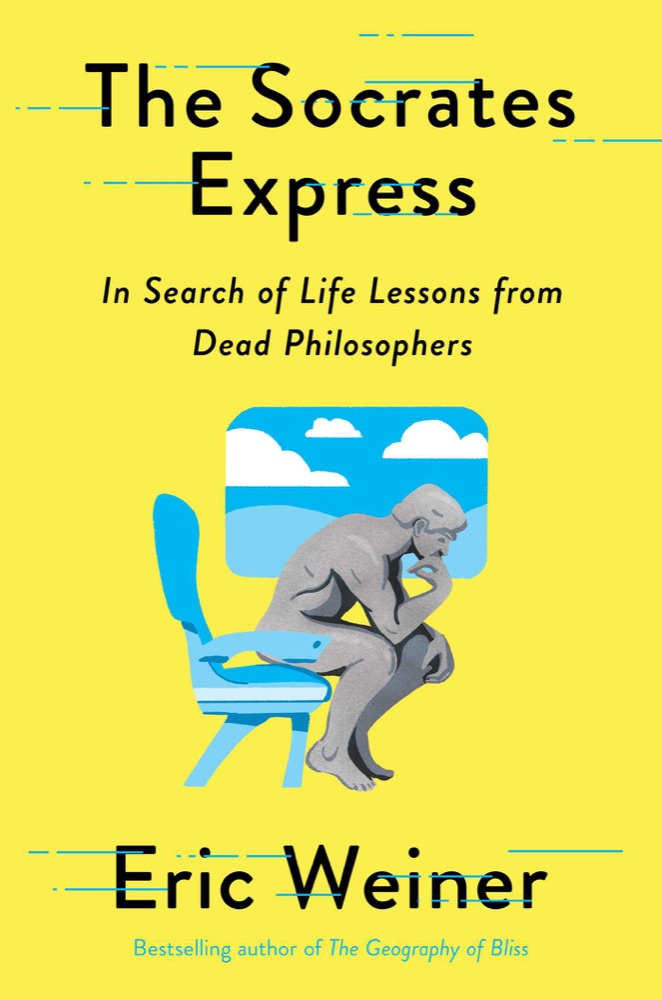 The Socrates Express: In Search of Life Lessons from Dead Philosophers
 The Wisdom of Life
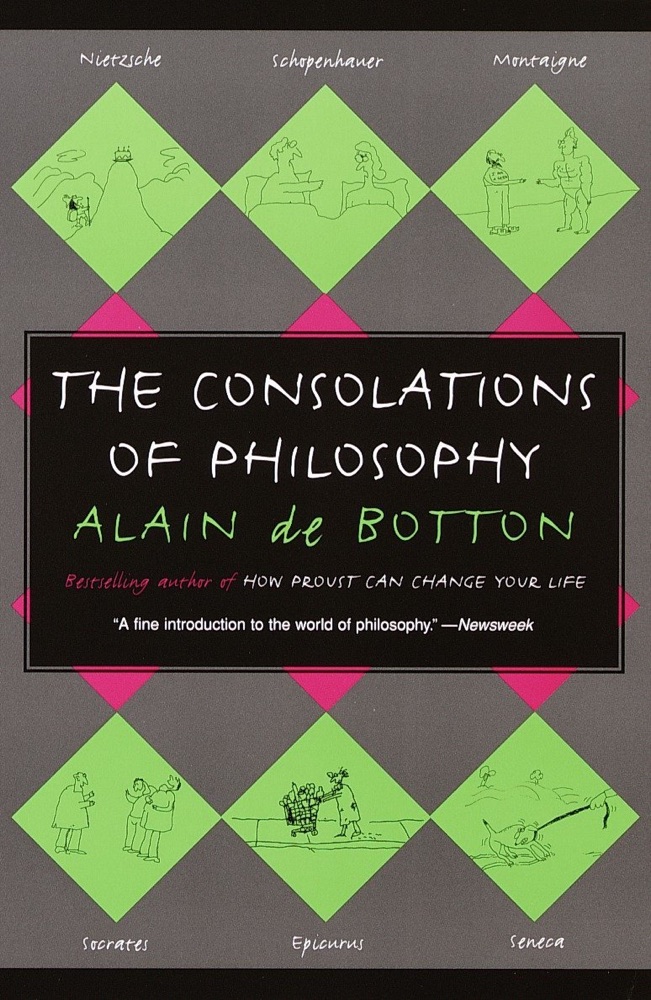 The Consolations of Philosophy
 Heretics
 A Circle of Quiet
 The Myth of Sisyphus
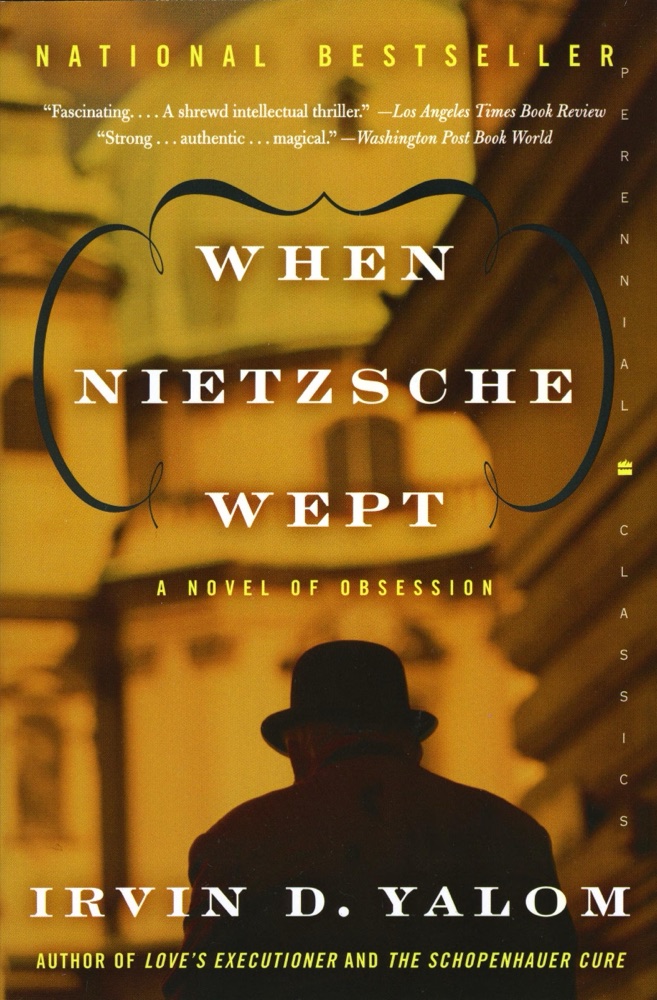 When Nietzsche Wept
 The Fall
 Children of Dune
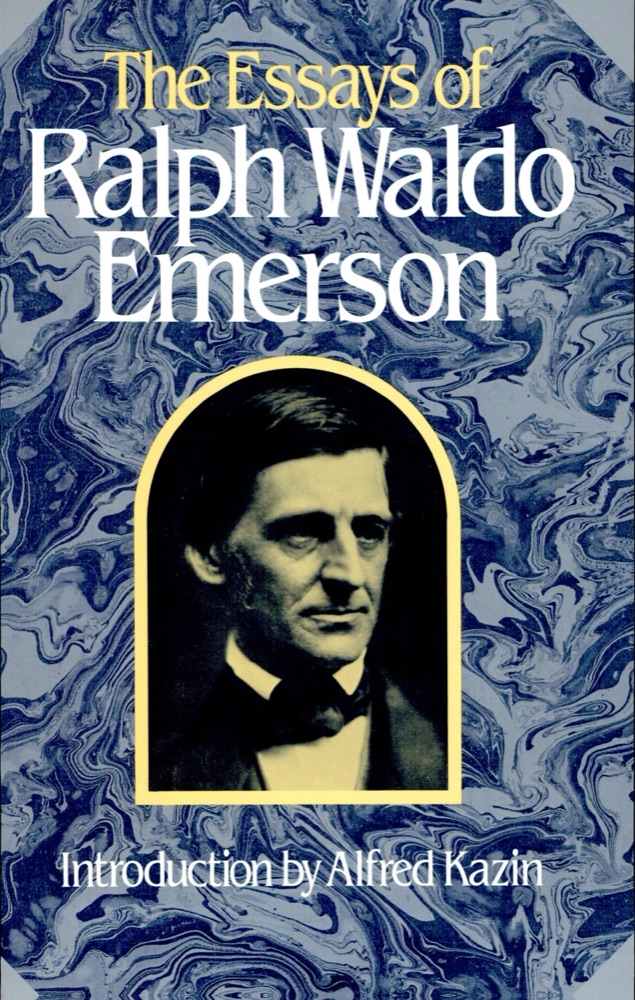 The Essays of Ralph Waldo Emerson
 The Varieties of Religious Experience
 In the Light of What We Know
 The Republic
 Six Characters in Search of an Author
 The Intellectual Life: Its Spirit, Conditions, Methods
 Foucault's Pendulum
 Demian
 Phaedrus
 The Seven Storey Mountain
 The Social Animal: The Hidden Sources of Love, Character, and Achievement
 Eyeless in Gaza
 The World's Last Night: And Other Essays
 How to Live: A Life of Montaigne in One Question and Twenty Attempts at an Answer
 The World as Will and Representation, Vol 1
 The Fall of Babel
 The Glass Bead Game
 The Myth of Sisyphus and Other Essays
 The Ides of March
 The Magic Mountain
 Daniel Deronda
 Flaubert's Parrot
 The Discovery of India
 Orthodoxy
 Stories of Your Life and Others
 How to Be Perfect: The Correct Answer to Every Moral Question
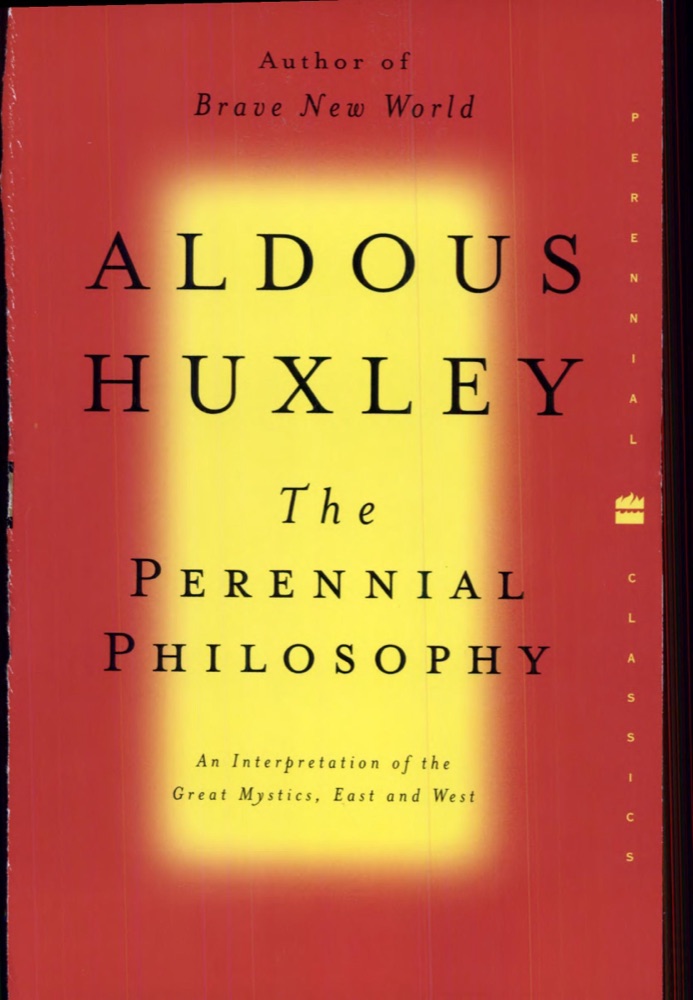 The Perennial Philosophy
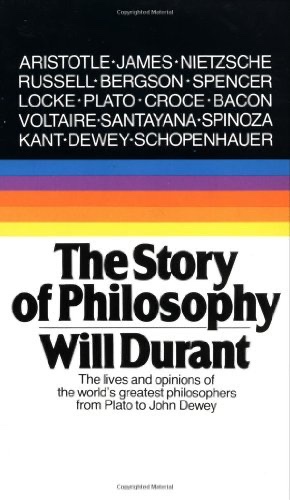 The Story of Philosophy: The Lives and Opinions of the World's Greatest Philosophers
 The Manticore
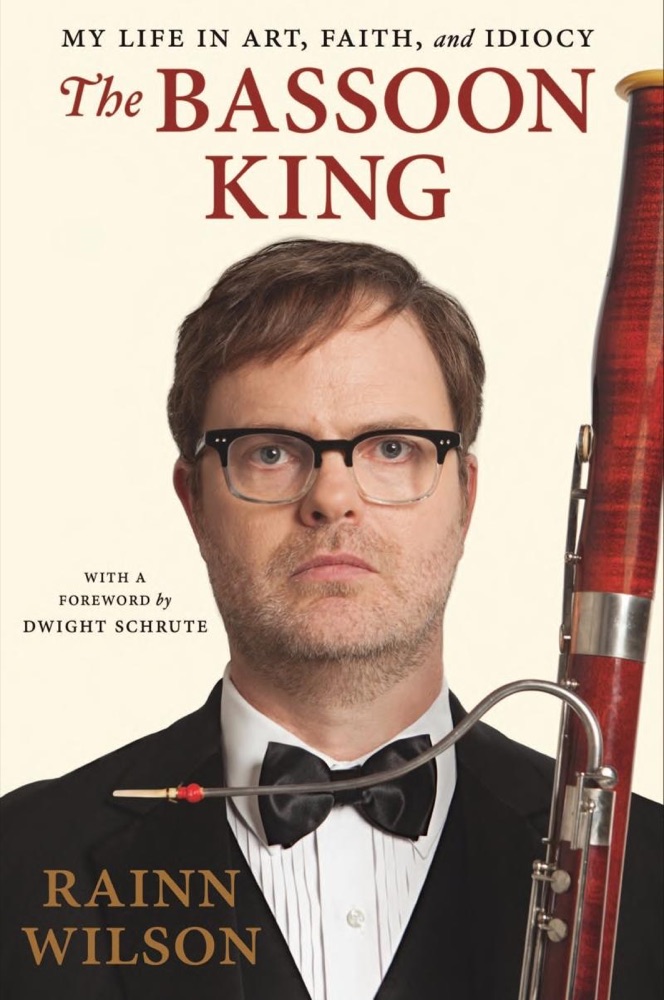 The Bassoon King: My Life in Art, Faith, and Idiocy
 Breaking the Spell: Religion as a Natural Phenomenon
 Think: A Compelling Introduction to Philosophy
 Self-Reliance and Other Essays
 No Time To Spare: Thinking About What Matters
 Creativity: Flow and the Psychology of Discovery and Invention
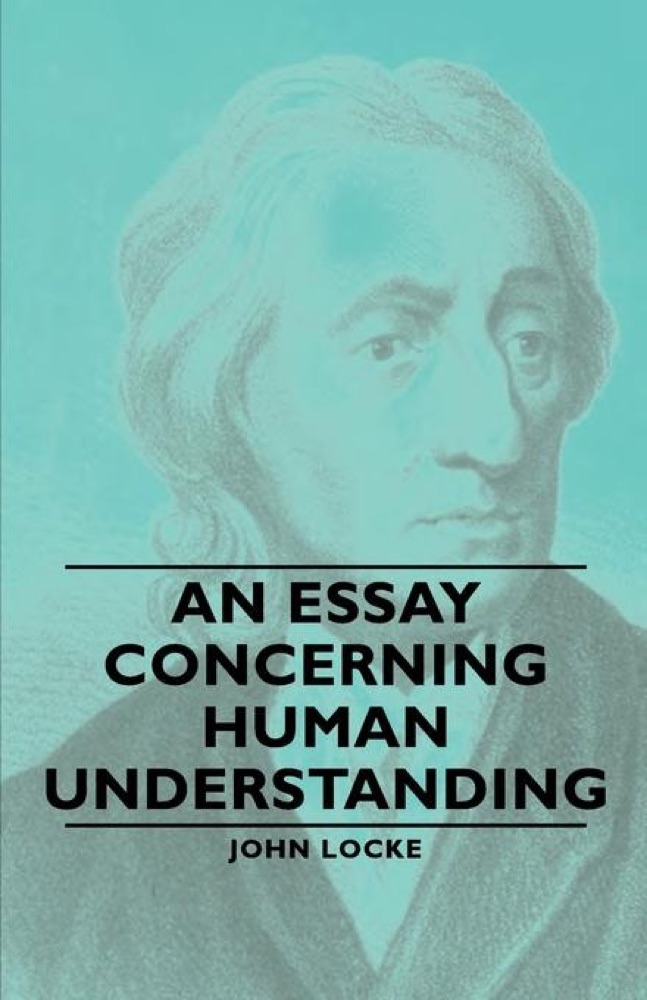 An Essay Concerning Human Understanding
 Parable of the Talents
 The Ego and Its Own
 The Razor's Edge
 A Calendar of Wisdom: Daily Thoughts to Nourish the Soul
 Knife: Meditations After an Attempted Murder
 What I Believe
 The Consolation of Philosophy