 A History of Western Philosophy
Quotes from the Book
Even if the open windows of science at first make us shiver after the cozy indoor warmth of traditional humanizing myths, in the end the fresh air brings vigor, and the great spaces have a splendor of their own.
176
I cannot, therefore, prove that my view of the good life is right; I can only state my view, and hope that as many as possible will agree. My view is this: The good life is one inspired by love and guided by knowledge.
19
The good life is one inspired by love and guided by knowledge. Neither love without knowledge, nor knowledge without love can produce a good life.
10
It is we who create value and our desires which confer value. In this realm we are kings, and we debase our kingship if we bow down to Nature. It is for us to determine the good life, not for Nature - not even for Nature personified as God.
9
the great world, so far as we know it from philosophy of nature, is neither good nor bad, and is not concerned to make us happy or unhappy. All such philosophies spring from self-importance, and are best corrected by a little astronomy.
7
Many a man has borne himself proudly on the scaffold; surely the same pride should teach us to think truly about man's place in the world. Even if the open windows of science at first make us shiver after the cosy indoor warmth of traditional humanising myths, in the end the fresh air brings vigour, and the great spaces have a splendour of their own.
7
If we were not afraid of death, I do not believe that the idea of immortality would ever have arisen.
3
Suffering to the criminal can never be justified by the notion of vindictive punishment. If education combined with kindness is equally effective, it is to be preferred; still more is it to be preferred if it is more effective.
3
It was so obvious to him that war between nation states was unnecessary, and therefore deeply stupid, that he found it hard to believe that anything could explain it other than a passion for destruction and a desire by the combatants to inflict suffering on others at no matter what price in suffering for themselves.
3
Two people between whom there is love succeed or fail together, but when two people hate each other the success of either is the failure of the other. If
2
most holders of authority were bigoted, illogical and not to be taken seriously. I
2
But there is no conceivable way of making people do things they do not wish to do. What is possible is to alter their desires by a system of rewards and penalties, among which social approval and disapproval are not the least potent. The question for the legislative moralist is, therefore: How shall this system of rewards and punishments be arranged so as to secure the maximum of what is desired by the legislative authority? If I say that the legislative authority has bad desires, I mean merely that its desires conflict with those of some section of the community to which I belong. Outside human desires there is no moral standard.
1
What we ‘ought’ to desire is merely what someone else wishes us to desire. Usually it is what the authorities wish us to desire — parents, school-masters, policemen, and judges. If you say to me ‘you ought to do so-and-so’, the motive power of your remark lies in my desire for your approval — together, possibly, with rewards or punishments attached to your approval or disapproval. Since all behaviour springs from desire, it is clear that ethical notions can have no importance except as they influence desire. They do this through the desire for approval and the fear of disapproval.
1
When I said that the good life consists of love guided by knowledge, the desire which prompted me was the desire to live such a life as far as possible, and to see others living it; and the logical content of the statement is that, in a community where men live in this way, more desires will be satisfied than in one where there is less love or less knowledge.
1
The superfluity of theoretical ethics is obvious in simple cases. Suppose, for instance, that your child is ill. Love makes you wish to cure it, and science tells you how to do so. There is not an intermediate stage of ethical theory, where it is demonstrated that your child had better be cured. Your act springs directly from desire for an end, together with knowledge of means. This is equally true of all acts, whether good or bad. The ends differ, and the knowledge is more adequate in some cases than in others. But there is no conceivable way of making people do things they do not wish to do. What is possible is to alter their desires by a system of rewards and penalties, among which social approval and disapproval are not the least potent... If I say that the legislative authority has bad desires, I mean merely that its desires conflict with those of some section of the community to which I belong. Outside human desire there is no moral standard.
1
The energy used in thinking seems to have a chemical origin; for instance, a deficiency of iodine will turn a clever man into an idiot.
1
So far, it has been physical science that has had most effect upon our lives, but in the future physiology and psychology are likely to be far more potent. When we have discovered how character depends upon physiological conditions, we shall be able, if we choose, to produce far more of the type of human being that we admire. Intelligence, artistic capacity, benevolence – all these things no doubt could be increased by science. There seems scarcely any limit to what could be done in the way of producing a good world, if only men would use science wisely.
1
Watch on YouTube
About Bertrand Russell
We have collected 178 quotes from 8 books by Bertrand Russell on BookQuoters.
More about the author →More by Bertrand Russell
A History of Western Philosophy
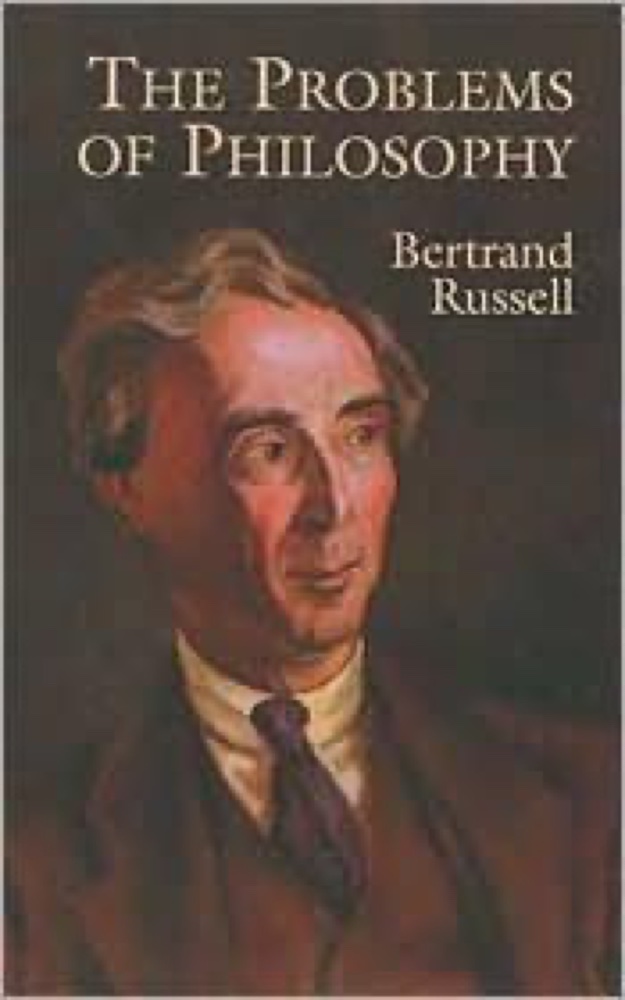 The Problems of Philosophy
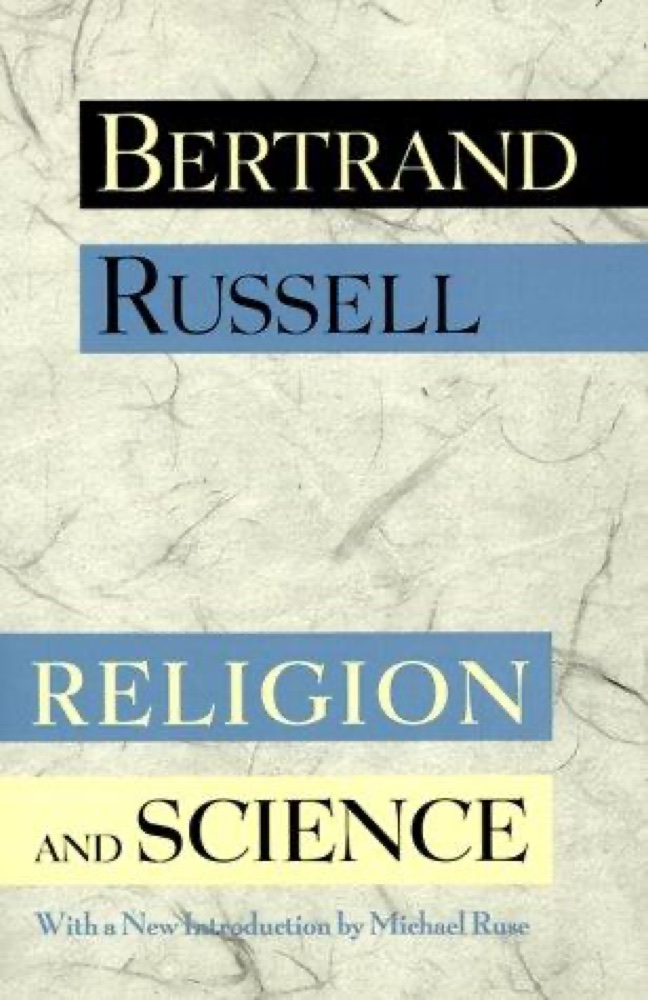 Religion and Science
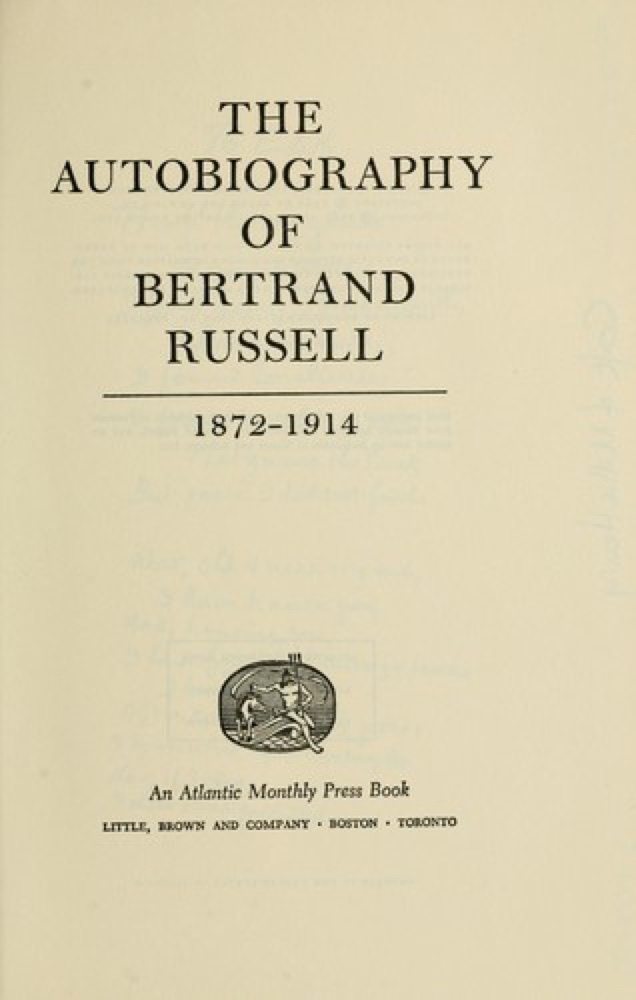 The Autobiography of Bertrand Russell
About the book
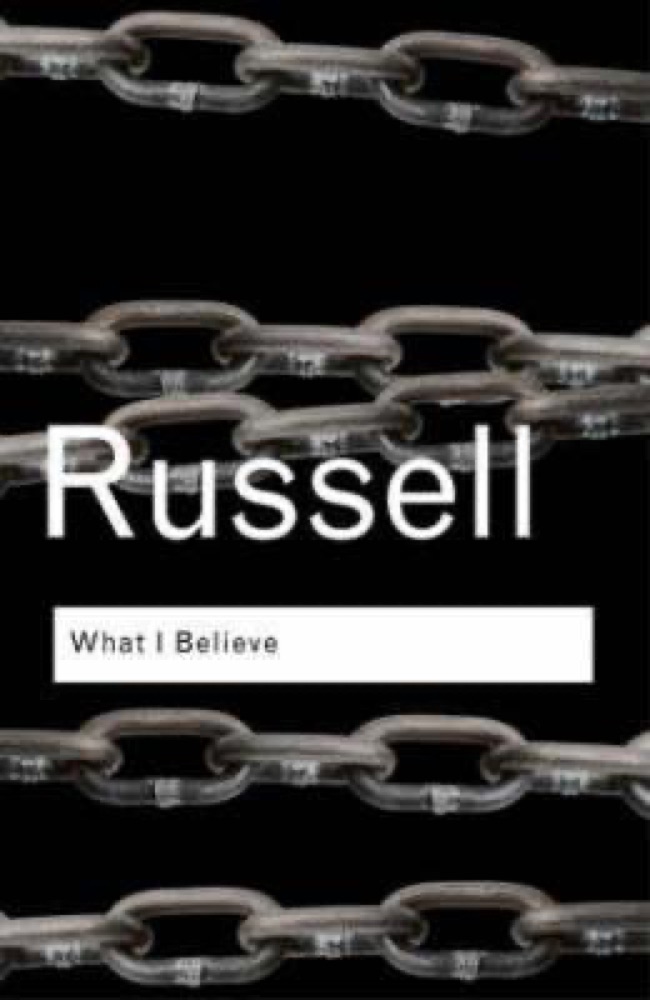
Along with Why I Am Not a Christian, this essay must rank as the most articulate example of Russell's famed atheism. It is also one of the most notorious. Used as evidence in a 1940 court case in which Russell was declared unfit to teach college-level philosophy, What I Believe was to become one of his most defining works. The ideas contained within were and are controversial, contentious and - to the religious - downright blasphemous. A remarkable work, it remains the best concise introduction to Russell's thought.
Book details
- First published
- 1925
- Author
- Bertrand Russell
- Genre
- Philosophy
- Goodreads rating
- 4.07 (4k ratings)
Keep reading
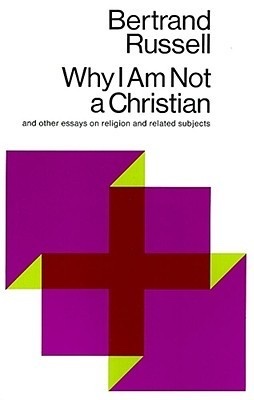 Why I Am Not a Christian and Other Essays on Religion and Related Subjects
 Heretics
 The Will to Power
 The Varieties of Religious Experience
 The Abolition of Man
 Daybreak: Thoughts on the Prejudices of Morality
 Emile or On Education
 The Gay Science
 The Wisdom of Life
 The Story of My Experiments With Truth
 The Meaning of It All: Thoughts of a Citizen-Scientist
 Think: A Compelling Introduction to Philosophy
 Ethics
 The Moral Landscape: How Science Can Determine Human Values
 Walden Two
 The World's Last Night: And Other Essays
 The Spinoza Problem
 In Praise of Idleness and Other Essays
 The Blank Slate: The Modern Denial of Human Nature
 Enlightenment Now: The Case for Reason, Science, Humanism, and Progress
A History of Western Philosophy
Enlightenment Now: The Case for Reason, Science, Humanism, and Progress
A History of Western Philosophy
 Breaking the Spell: Religion as a Natural Phenomenon
 Persian Letters
 The Consolations of Philosophy
 An Enquiry Concerning Human Understanding
 An Essay Concerning Human Understanding
 A Language Older Than Words
 The Perennial Philosophy
 The Laws of Plato
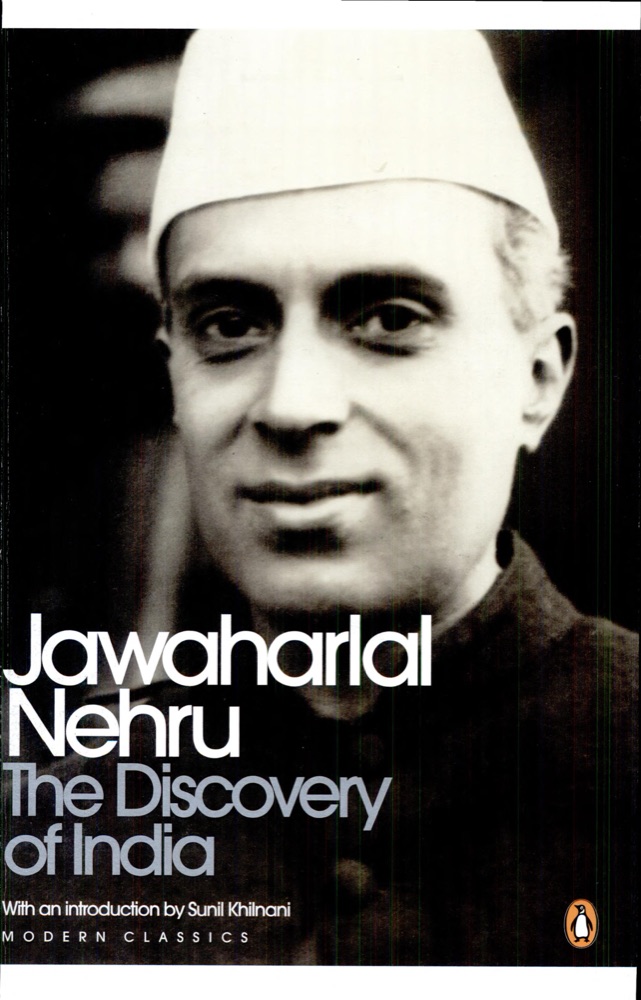 The Discovery of India
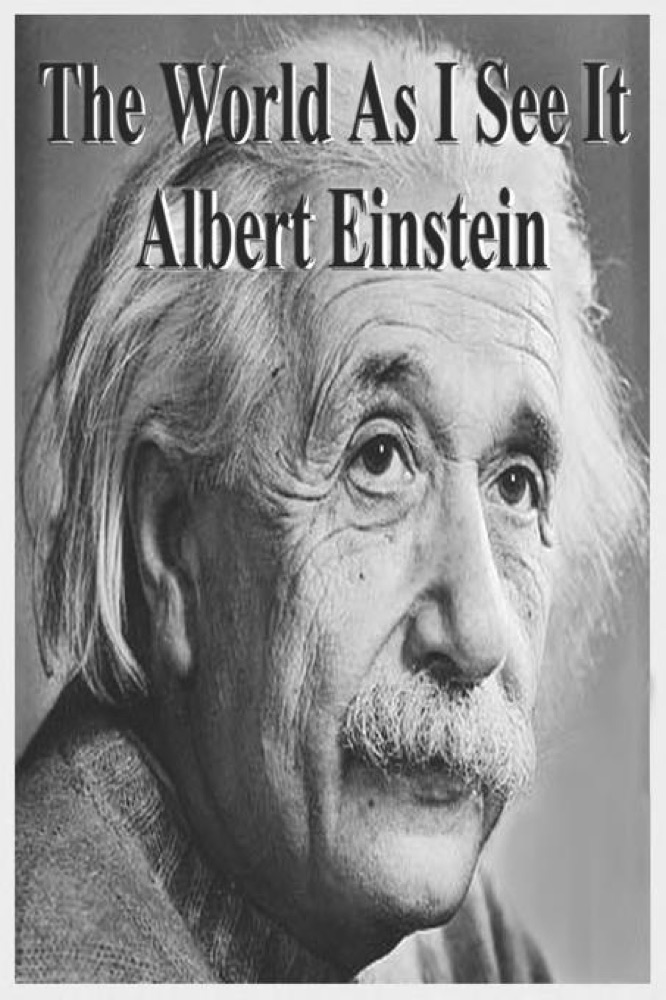 The World As I See It
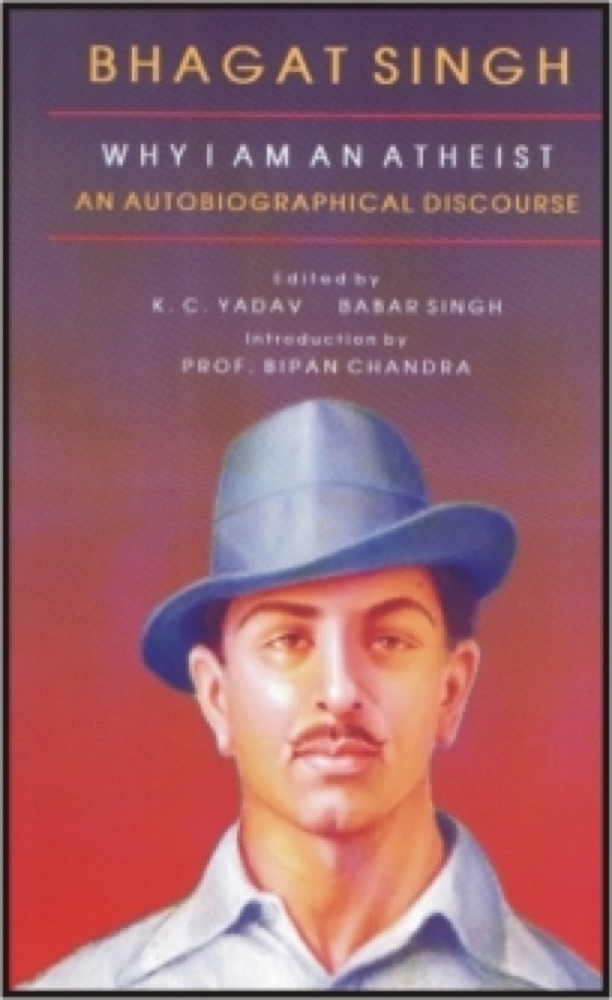 Why I Am An Atheist: An Autobiographical Discourse
 The Myth of Sisyphus
 The World as Will and Representation, Vol 1
 Orthodoxy
 Erewhon
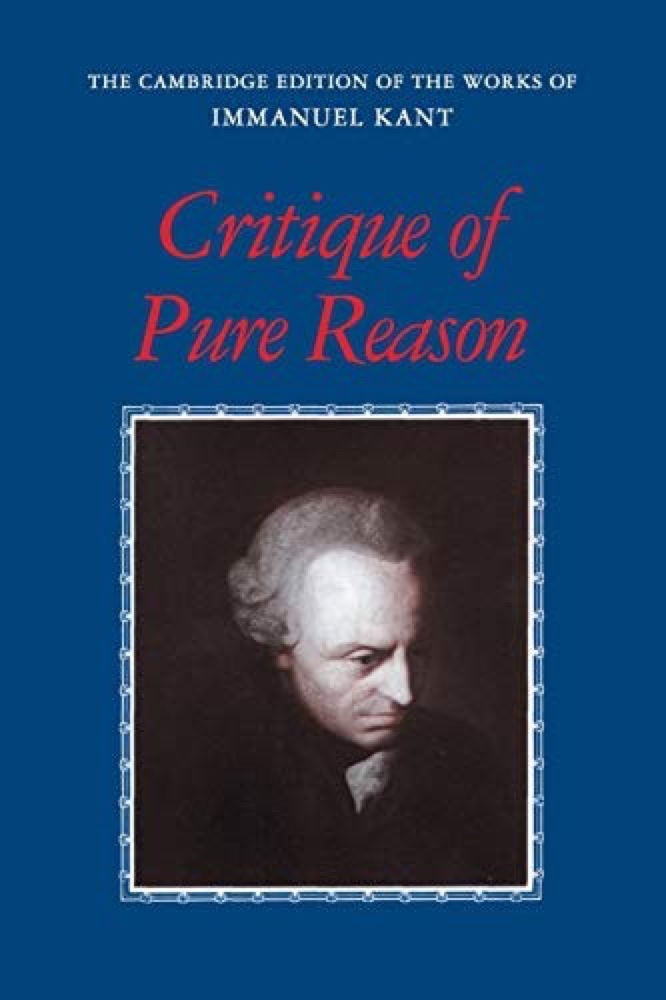 Critique of Pure Reason
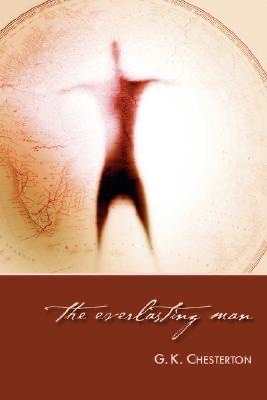 The Everlasting Man
 When I Was a Child I Read Books
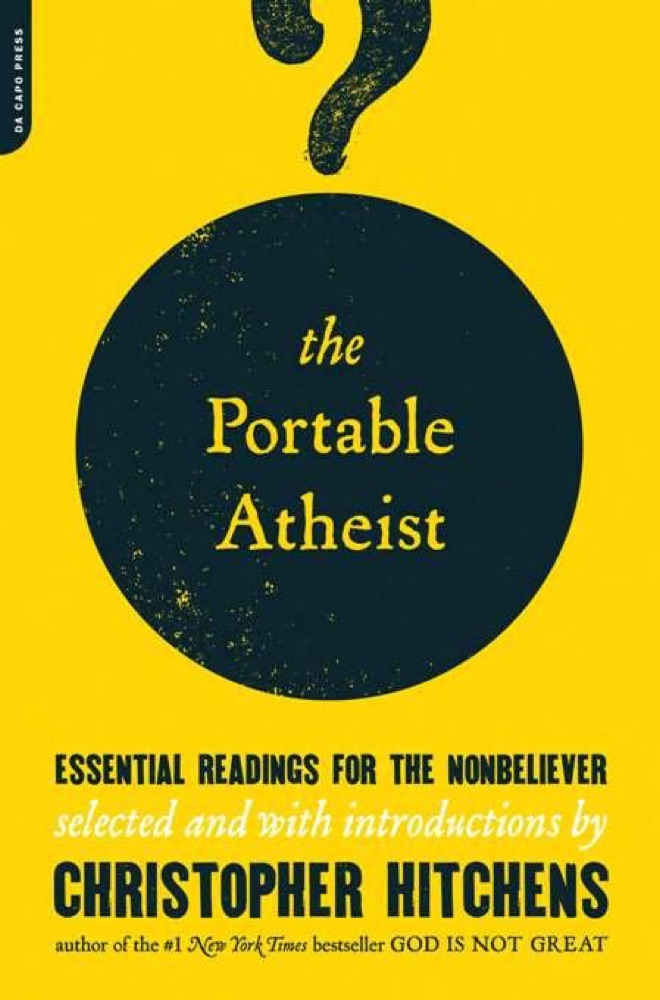 The Portable Atheist: Essential Readings for the Nonbeliever
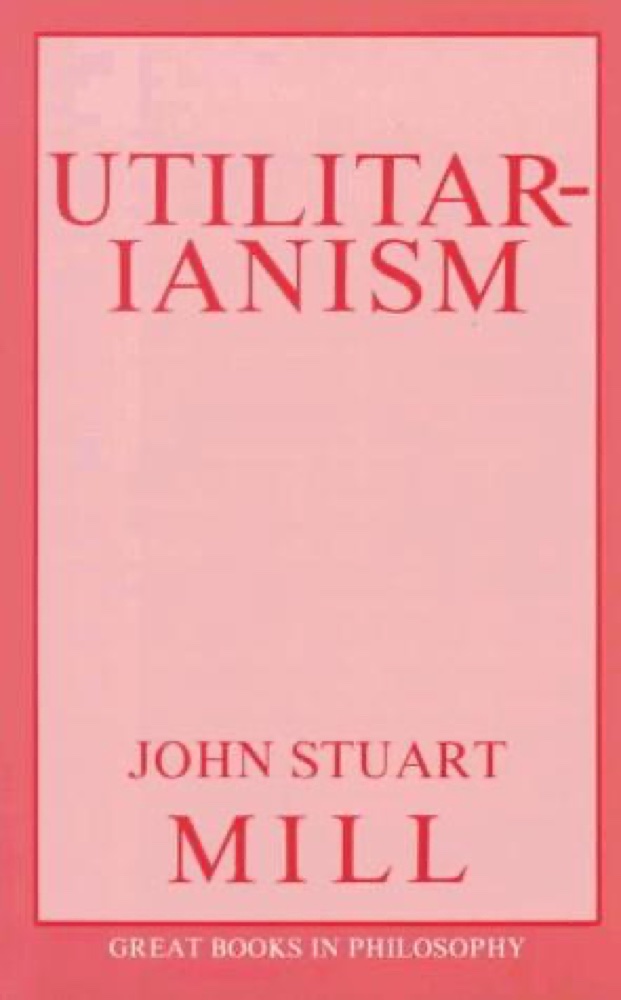 Utilitarianism
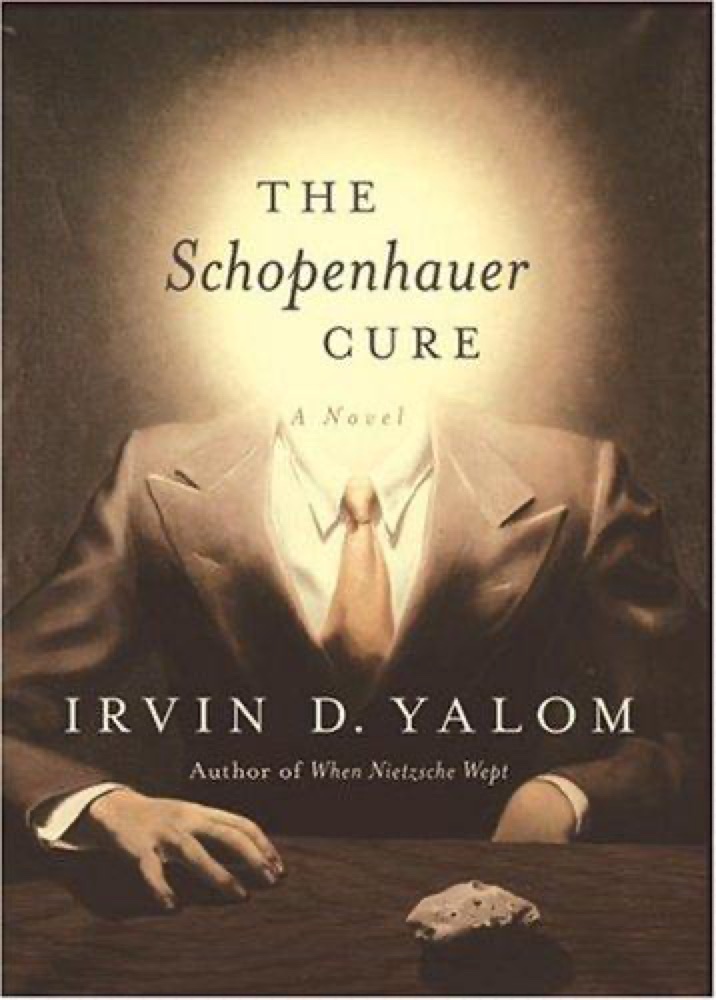 The Schopenhauer Cure
 Humankind: A Hopeful History
 A Treatise of Human Nature
 The Occult
 After Virtue
 A Confession
 Philosophical Dictionary
 The Story of Philosophy: The Lives and Opinions of the World's Greatest Philosophers
 A Calendar of Wisdom: Daily Thoughts to Nourish the Soul
 Straw Dogs: Thoughts on Humans and Other Animals
 The Closing of the American Mind
 Ethics for the New Millennium
 The Magic Mountain
 The Mind of the Maker: Dorothy L. Sayers' Witty Classic on the Trinity, Christianity, and Human Creativity
 The Soul of Man Under Socialism
 How to Be Perfect: The Correct Answer to Every Moral Question
 The Future of an Illusion
 Dialogues Concerning Natural Religion
 No Time To Spare: Thinking About What Matters