 Phenomenology of Spirit
Quotes from the Book
The owl of Minerva begins its flight only with the coming of the dusk.
97
What is reasonable is real; that which is real is reasonable.
28
Uneducated people delight in argument and fault-finding, for it is easy to find fault, but difficult to recognize the good and its inner necessity.
19
When a father inquired about the best method of educating his son in ethical conduct, a Pythagorean replied: "Make him a citizen of a state with good laws
13
But if they realize that their true freedom consists in the acceptance of principles, of laws which are the own, a synthesis of universal and particular interests becomes possible.
6
The important question of how poverty can be remedied is one which agitates and torments modern societies especially
6
By means of the simple folk remedy of ascribing to feeling what is the millennia-long labor of reason and of its understanding, all are spared the bother of rational insight and knowledge.
6
The middle class, to which the civil servants belong, has a political consciousness and is the most conspicuously educated class. For this reason, it is the mainstay of the state as far as integrity and intelligence are concerned. Consequently, the level of a state which has no middle class cannot be high.
3
Every kind of falsehood and truth is present in public opinion, but it is the prerogative of the great man to discover the truth within it. He who expresses the will of his age, tells it what its will is, and accomplishes this will, is the great man of the age.
2
Education in its early stages always begins with fault-finding, but when it is complete, it sees the positive element in everything.
2
One cannot speak of an injustice of nature in the unequal distribution of possessions and resources, for nature is not free and is therefore neither just nor unjust.
2
Man is an animal, but even in his animal functions, he is not confined to the implicit, as the animal is; he becomes conscious of them, recognizes them, and lifts them, as, for instance, the process of digestion, into self-conscious science. In this way man breaks the barrier of his implicit and immediate character, so that precisely because he knows that he is an animal, he ceases to be an animal and attains knowledge of himself as spirit.
2
When we hear it said that freedom in general consists in being able to do as one pleases
1
Everything that is rational is real, and everything that is real is rational.
1
The concept of this Idea has being only as mind, as something knowing itself and actual, because it is the objectification of itself, the movement running through the form of its moments. It is therefore (A) ethical mind in its natural or immediate phase—the Family. This substantiality loses its unity, passes over into division, and into the phase of relation, i.e. into (B) Civil Society—an association of members as self-subsistent individuals in a universality which, because of their self-subsistence, is only abstract. Their association is brought about by their needs, by the legal system—the means to security of person and property—and by an external organisation for attaining their particular and common interests. This external state (C) is brought back, to and welded into unity in the Constitution of the State which is the end and actuality of both the substantial universal order and the public life devoted thereto.
1
The spirit has actuality, and the individuals are its accidents. Thus, there are always only two possible viewpoints in the ethical realm: either one starts from substantiality, or one proceeds atomistically and moves upward from the basis of individuality [Einzelheit]. This latter viewpoint excludes spirit, because it leads only to an aggregation, whereas spirit is not something individual [nichts Einzelnes] but the unity of the individual and the universal.
1
Only by resolving can a human being step into actuality, however bitter this may be to him. Inertia lacks the will to abandon the inward brooding which allows it to retain everything as as a possibility. But possibility is not yet actuality.
1
Freedom is to will something determinate
The basis [Boden] of right is the realm of spirit in general and its precise location and point of departure is the will; the will is free
Watch on YouTube
About Georg Wilhelm Friedrich Hegel
We have collected 30 quotes from 2 books by Georg Wilhelm Friedrich Hegel on BookQuoters.
More about the author →More by Georg Wilhelm Friedrich Hegel
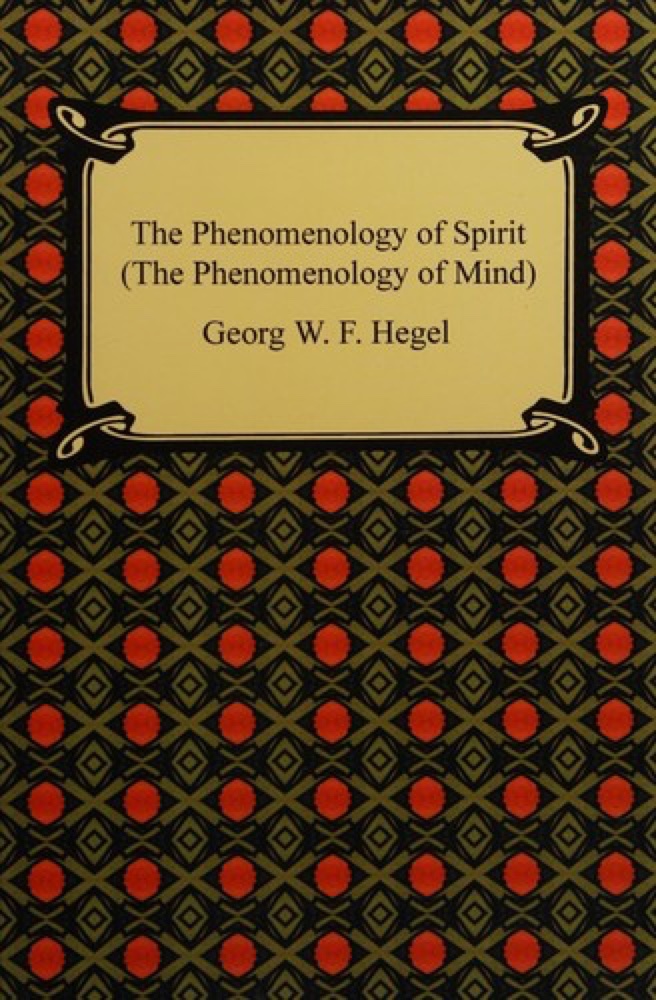
Phenomenology of Spirit
About the book
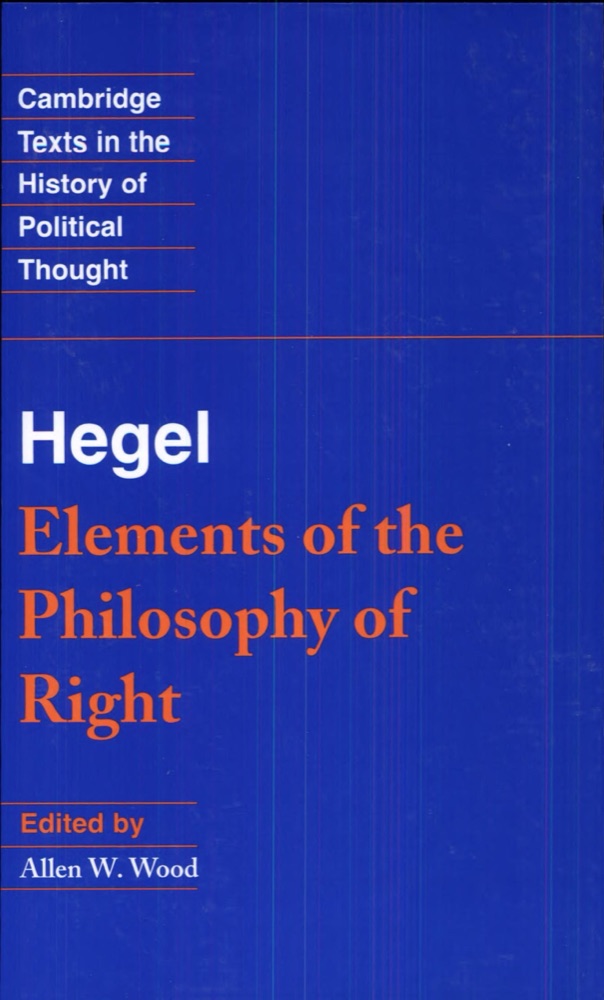
This book is a translation of a classic work of modern social and political thought, Elements of the Philosophy of Right. Hegel's last major published work, is an attempt to systematize ethical theory, natural right, the philosophy of law, political theory and the sociology of the modern state into the framework of Hegel's philosophy of history. Hegel's work has been interpreted in radically different ways, influencing many political movements from far right to far left, and is widely perceived as central to the communication tradition in modern ethical, social and political thought. This edition includes extensive editorial material informing the reader of the historical background of Hegel's text, and explaining his allusions to Roman law and other sources, making use of lecture materials which have only recently become available. The new translation is literal, readable and consistent
Book details
- First published
- 1821
- Genre
- Philosophy
- Goodreads rating
- 3.88 (4k ratings)
Keep reading
 The Science of Mind
 On Liberty
 Groundwork of the Metaphysics of Morals
 Rights of Man
 The Ethics of Ambiguity
 On the Republic / On the Laws
 Justice: What's the Right Thing to Do?
 An Enquiry Concerning Human Understanding
 After Virtue
 Truth and Method
 Ethics
 The Republic
 A Theory of Justice
 The Perennial Philosophy
 The Metaphysics of Morals
 The Human Condition
 Anarchy, State, and Utopia
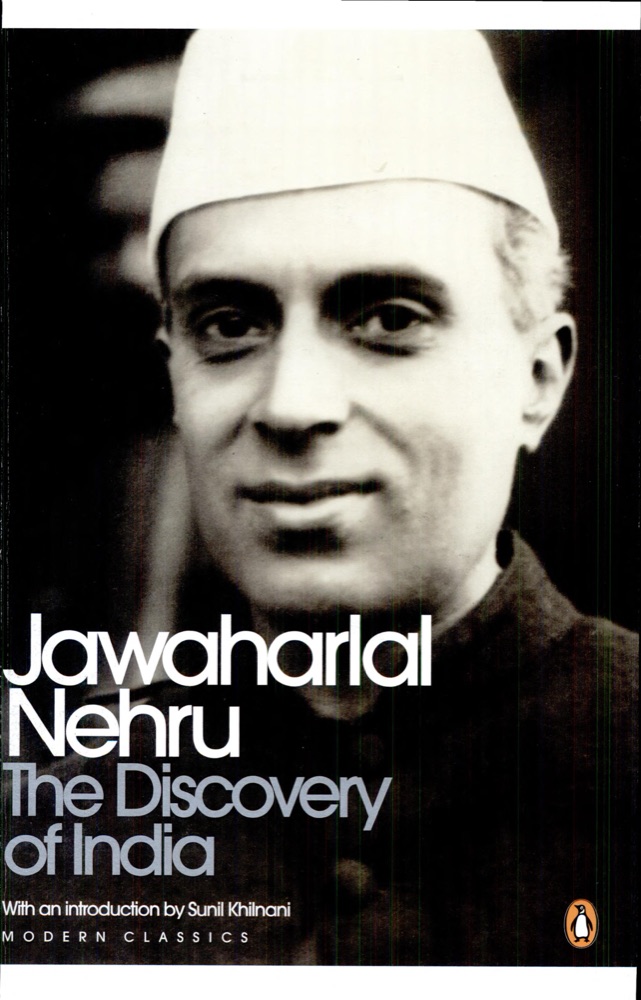 The Discovery of India
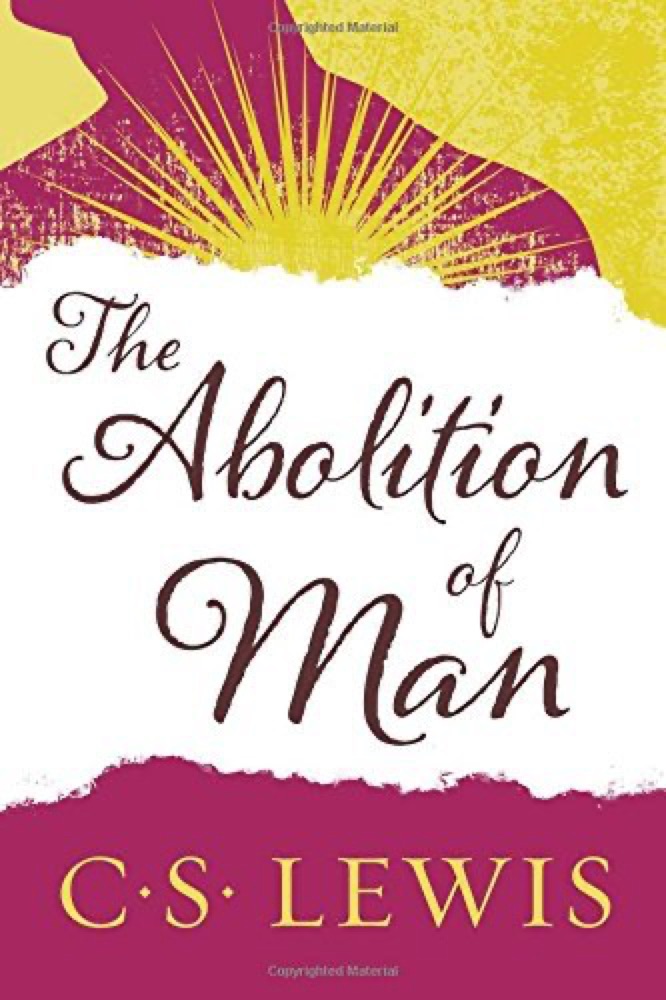 The Abolition of Man
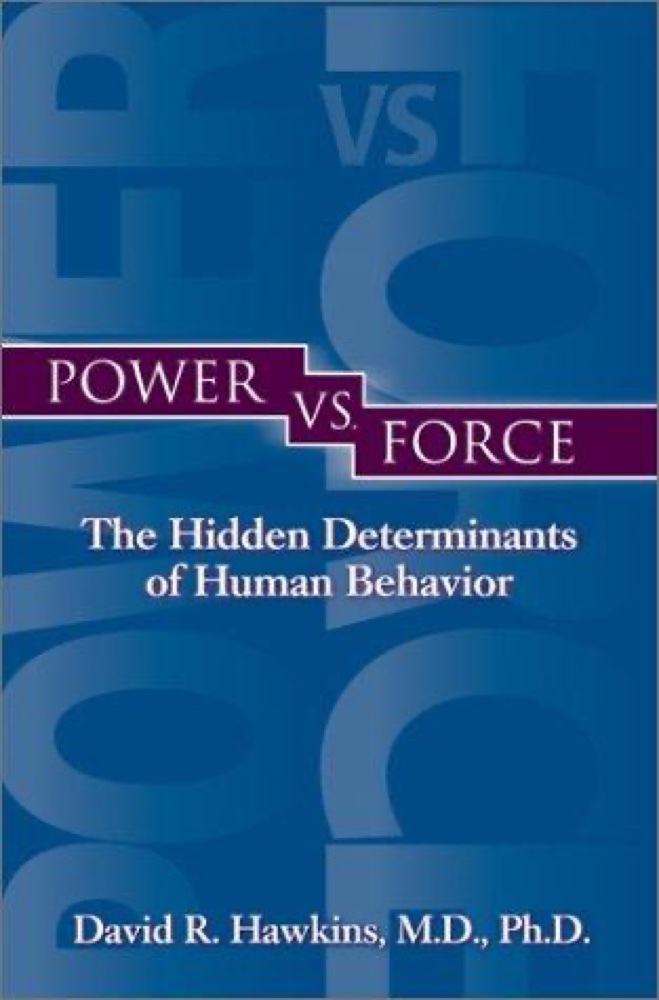 Power vs. Force
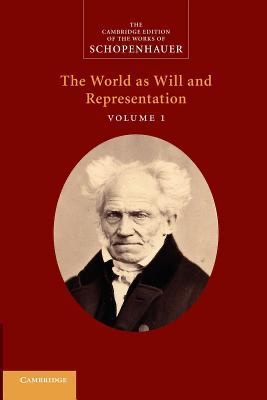 The World as Will and Representation, Vol 1
 Twilight of the Idols
 The Closing of the American Mind
 Metaphysics
 The Constitution of Liberty
 Critique of Pure Reason
 The Will to Power
 A History of Western Philosophy
 Selections from the Prison Notebooks
 Think: A Compelling Introduction to Philosophy
 Rules for Radicals: A Pragmatic Primer for Realistic Radicals
 Political Theology: Four Chapters on the Concept of Sovereignty
 Philosophical Dictionary
 An Essay Concerning Human Understanding
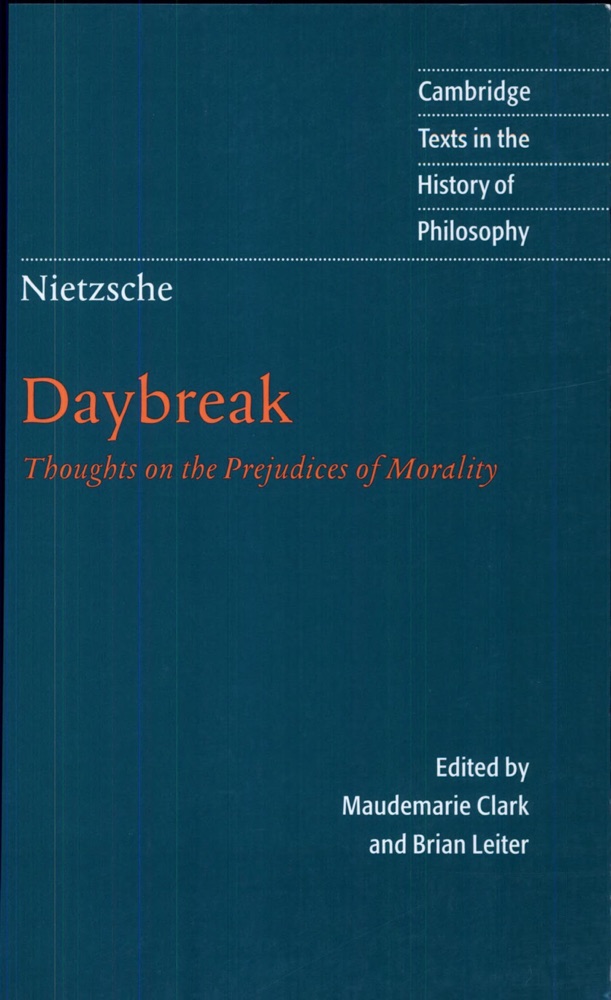 Daybreak: Thoughts on the Prejudices of Morality
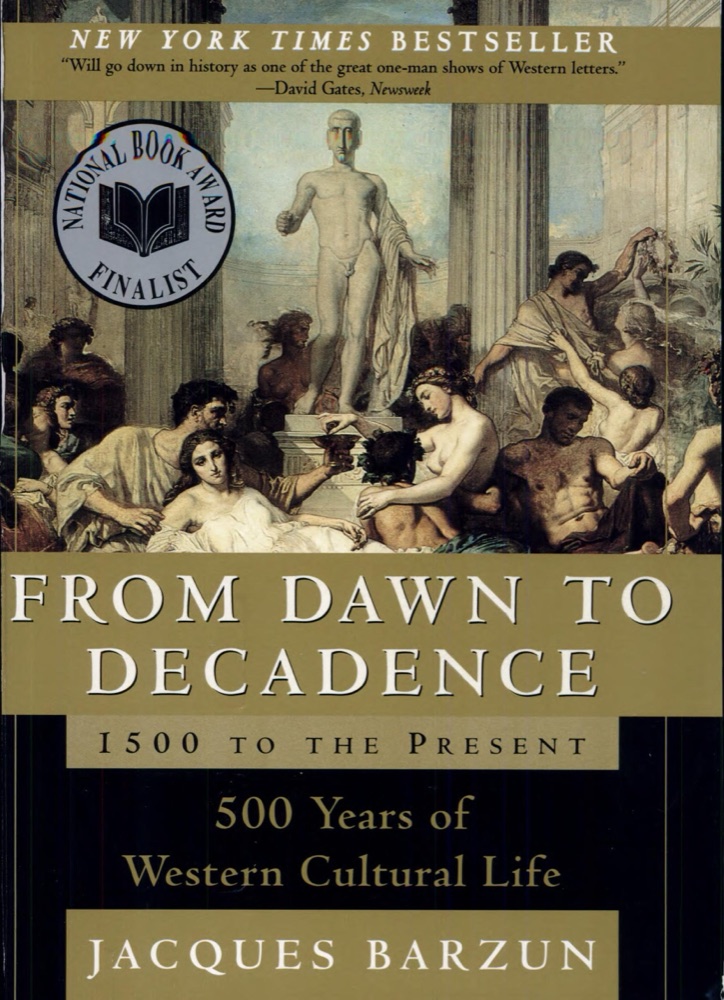 From Dawn to Decadence: 500 Years of Western Cultural Life, 1500 to the Present
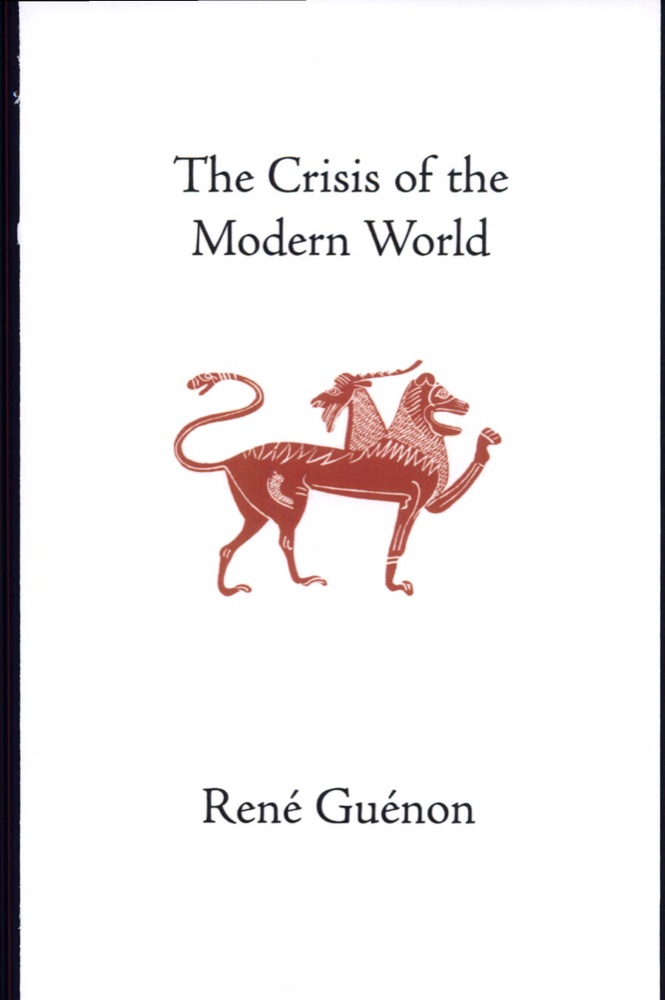 The Crisis of the Modern World
 Discourse on the Origin of Inequality
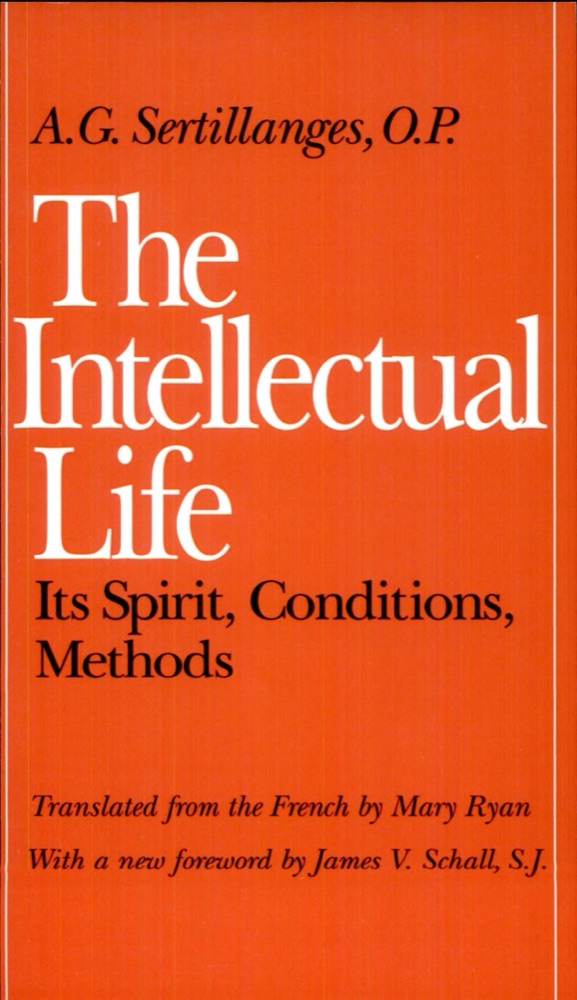 The Intellectual Life: Its Spirit, Conditions, Methods
 The Nicomachean Ethics
 The Philosopher and the Wolf
 The Way of Zen
 Politics
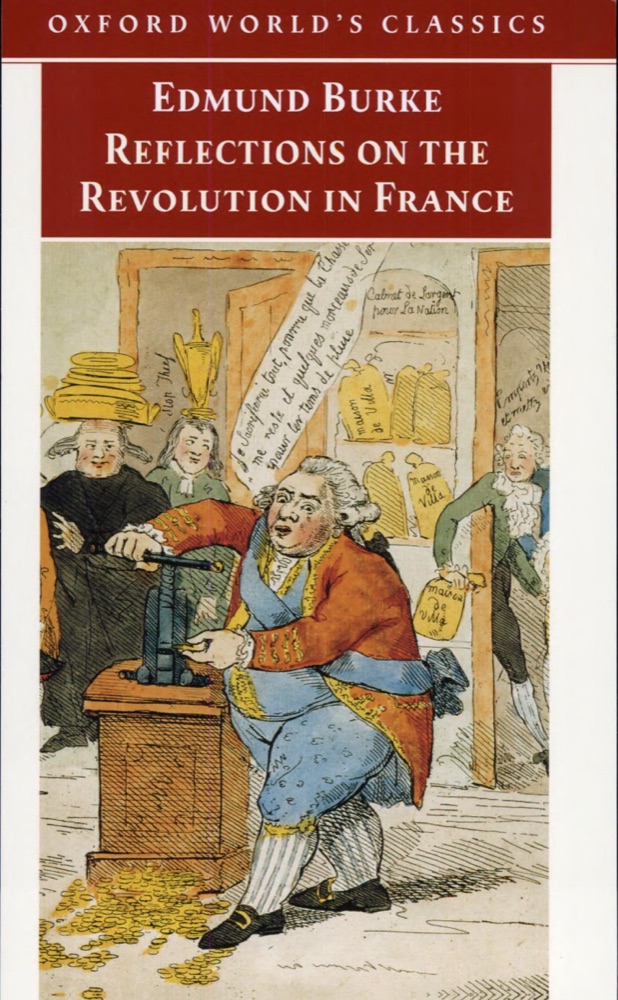 Reflections on the Revolution in France
 The Muqaddimah: An Introduction to History
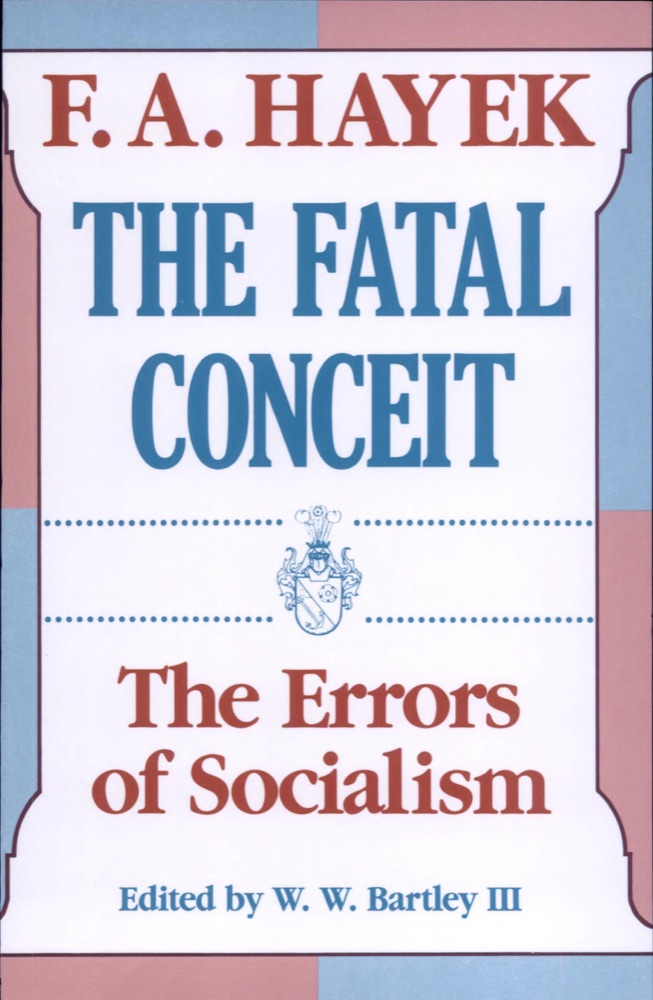 The Fatal Conceit: The Errors of Socialism
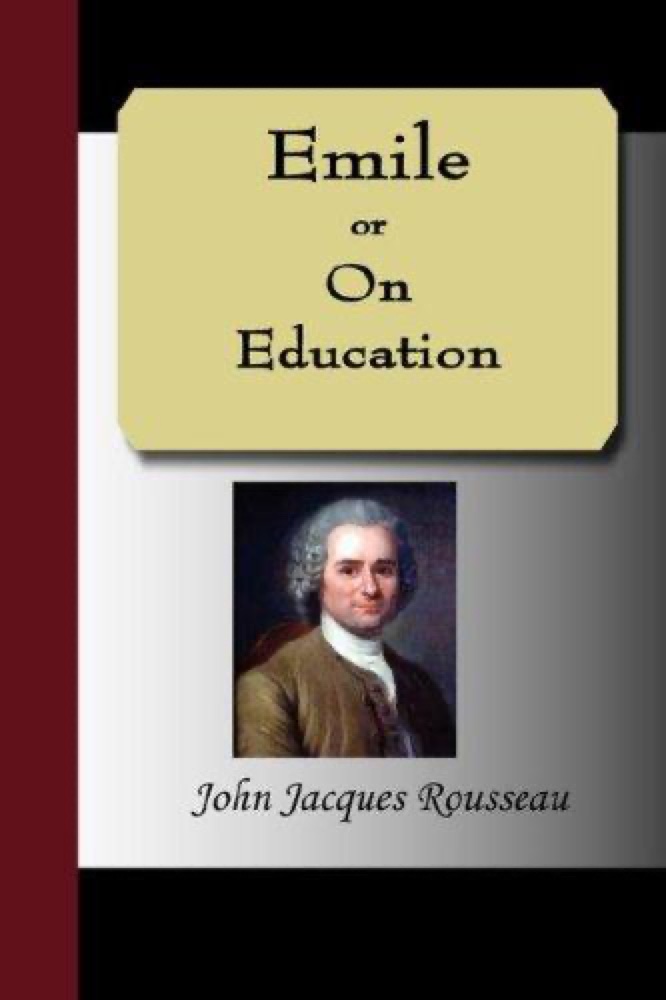 Emile or On Education
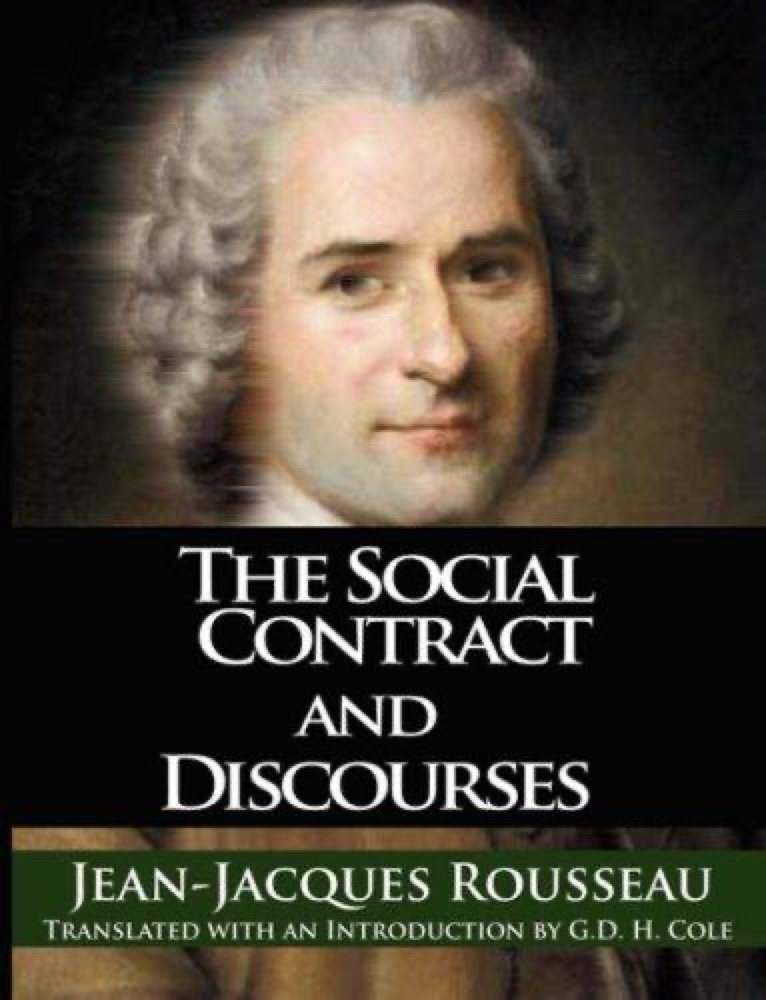 The Social Contract
 The Art of Happiness
 Children of Dune
 The Laws of Plato
 Irrational Man: A Study in Existential Philosophy
 Theological-Political Treatise
 Enlightenment Now: The Case for Reason, Science, Humanism, and Progress
 The Argumentative Indian: Writings on Indian History, Culture and Identity
 A Treatise of Human Nature
 The Ego and Its Own
 Human Action: A Treatise on Economics
 The Accursed Share: An Essay on General Economy, Volume I: Consumption
 Dialectic of Enlightenment: Philosophical Fragments