
 The Socrates Express: In Search of Life Lessons from Dead Philosophers
Quotes from the Book
In the end, it is our defiance that redeems us. If wolves had a religion – if there was a religion of the wolf – that it is what it would tell us.
What is best about our lives -the moments when we are, as we would put it, at our happiest- is both pleasant and deeply unpleasant. Happiness is not a feeling; it is a way of being. If we focus on the feelings, we will miss the point.
Civilization is only possible for deeply unpleasant animals. It is only an ape that can be truly civilized.
Cheaters never prosper, we tell ourselves. But the ape in us knows it's not true. Clumsy, untutored, cheats never prosper. They are discovered and suffer the consequences [...]But what we apes despise is the clumsiness of their effort, the ineptness, the gaucherie. The ape in us does not despise the cheating itself; [...]
When you play each point as it comes, or play each delivery on its own merits, you are doing just that: playing. But when the value of each point or delivery becomes instrumental, what you are doing is work.
It is consciousness that brings both suffering and enjoyment to the world.
It is a common misconception — pervasive and tenacious, but a misconception nonetheless — that arses are made for sitting on. It seems, instead, they are made for running.
On every long run that has gone right, there comes a point where thinking stops and thoughts begin.
It is therefore not implausible that there is a connection between the rhythm of the body involved in running and the presence of the brain activity involved in higher cognitive functions.
You choke when your focus switches from the individual point you are playing or delivery you are facing and start worrying about your situation in the wider context of the game — or, indeed, how you fared on previous points or even in previous games.
antidote to choking or the yips is always the same: focus on this moment, this point, this delivery and nothing else.
The function of religion is to make us feel better, by peddling a lie. The function of philosophy, and a carefully chosen birthday card, is to make us feel worse, by telling the truth. And the truth is of course: we get worse.
In a similar vein, Taoism identifies freedom with wu wei: acting without acting.
The key to building distance in the long run is the ability of the mind to lie to the body — and be convincing.
We do other creatures an injustice and ourselves a disservice when we forget from where our intelligence came. It did not come for free. In our distant evolutionary past we went down a certain road, a road that wolves, for whatever reason, did not travel. We can be neither blamed nor congratulated for the road we took. There was no choice involved. In evolution, there never is. But while there is no choice involved, there are consequences. Our complexity, our sophistication, our art, our culture, our science, our truths—our, as we like to see it, greatness: all of this we purchased, and the coin was schemes and deception. Machination and mendacity lie at the core of our superior intelligence, like worms coiled at the core of an apple.
Love has many faces. And if you love, you have to be strong enough to look upon all of them. The essence of philia is, I think, far harsher, far crueller, than we care to admit. There is one thing without which philia cannot exist; and this is not a matter of feeling but of the will. Philia—the love appropriate to your pack—is the will to do something for those who are of your pack, even though you desperately don’t want to do it, even though it horrifies and sickens you, and even though you may ultimately have to pay a very high price for it, perhaps heavier than you can bear. You do this because that is what is best for them. You do this because you must. You may never have to do this. But you must always be ready to do it. Love is sometimes sickening. Love can damn you for all eternity. Love will take you to hell. But if you are lucky, if you are very lucky, it will bring you back again.
A zoologist from another universe, where we can suppose the two laws do not apply, might justifiably classify most earthly fauna as subspecies of worm. We are superstructures built on and around our alimentary canal — on and around the worm that we once were.
Bad things need to be addressed, but good things do not. That is why consciousness will tend to focus on the bad.
The marathon lane is largely empty, mostly silent: the road of the damned rather than the saved.
A hole is defined by its edges, and these are not part of the hole. So a hole can exist only if there is something that is not a hole.
In tutte le corse lunghe ben riuscite, arriva il punto in cui smetto di pensare, e a quel punto cominciano i pensieri. A volte sono insignificanti, a volte no. Correre è lo spazio aperto dove vanno a giocare i pensieri. Non corro per pensare. Ma quando corro, i pensieri arrivano. Non sono esterni alla corsa, come una sorta di premio o di valore aggiunto. Fanno parte di quel che è la corsa stessa, della sua essenza. Quando il mio corpo corre, anche i miei pensieri corrono e in un modo che ha ben poco a che fare con i miei stratagemmi o le mie scelte.
Running, in other words, removed an important constraint on our development as a species.
The meaning of life — that is something for a simpler time.
Nietzsche tells us: be strong. What does not kill me makes me stronger.
Running, I shall argue, is a way of understanding what is important or valuable in life.
On the long run, there is an experience of freedom, of a certain sort — the freedom of spending time with the mind.
Pheidippides ran twenty-six miles from Marathon to Athens with news of the Greek victory.
The place that gave us the marathon also gave us philosophy. That place was the city-state of Athens in the fourth and fifth centuries BCE.
The most important way of remembering someone is by being the person they made us — at least in part — and living the life they have helped shape. Sometimes they are not worth remembering. In that case, our most important existential task is to expunge them from the narrative of our lives. But when they are worth remembering, then being someone they have helped fashion and living a life they have helped forge are not only how we remember them they are how we honour them.
1
Incluso fui vegetariano estricto durante un tiempo y, moralmente hablando, debería seguir siéndolo: es la única posición moral coherente con respecto a los animales. Sin embargo, aunque no soy tan malo como podría ser, tampoco soy tan bueno como debería.
1
O tempo dos lobos, suspeito, é um círculo, não uma linha. Cada momento da vida de um lobo é em si completo. E a felicidade para eles encontra-se sempre no eterno retorno do mesmo. Se o tempo é um círculo, não existe o nunca mais. E por conseguinte a existência de cada um não gira à volta da vida como um processo de perda. A regularidade e a repetição na nossa vida, durante o último ano de vida de Brenin, proporcionou-me um fugaz e indistinto vislumbre do eterno retorno do mesmo. Onde não há a sensação de nunca mais, onde não há a sensação de perda. Para um lobo, ou um cão, a morte é realmente o limite da vida. E por isso, a morte não tem controlo sobre eles.
One theme is an unflinching pioneer optimism. You can do great things. Everyone has this capacity. Every day, you can be better than you were yesterday; and there is nothing that exceeds your grasp if you put your mind to it. This sort of optimism is, of course, a semi-ubiquitous mantra of American life. I love this belief, and I find its profession, by large swathes of the American population, touching and sincere. The only problem is that I'm pretty sure it's not true. Most things lie outside the grasp of most people. And the one unbreakable truth of life is that we get worse.
La culpa no la tiene ninguna de las personas a las que llamo amigos, sino yo. Me falta algo. Y con el paso de los años me he ido dando cuenta poco a poco de que las decisiones que he tomado y la vida que he vivido han sido una respuesta a esa falta. Lo más significativo de mí, supongo, es lo que me falta.
Watch on YouTube
About Mark Rowlands
We have collected 33 quotes from 1 book by Mark Rowlands on BookQuoters.
More about the author →About the book
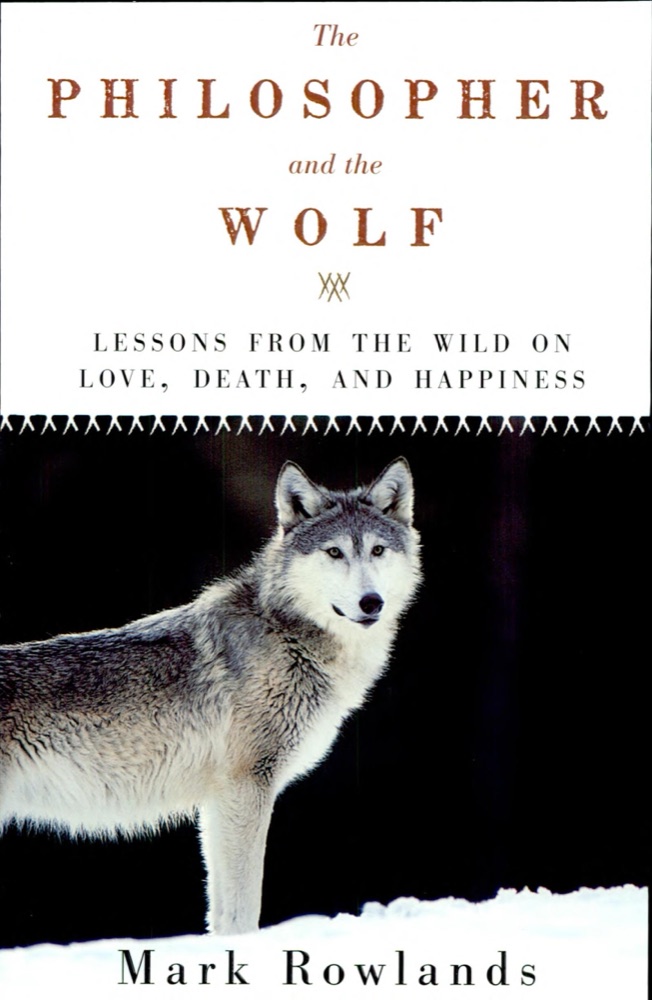
This fascinating book charts the relationship between Mark Rowlands, a rootless philosopher, and Brenin, his well-traveled wolf. After acquiring Brenin as a cub, it quickly became apparent that Brenin was never to be left alone, as the consequences to Mark’s house and its contents were dire. As a result, Brenin and Mark went everywhere together—from classroom lecture to Ireland, England, and France. More than just an exotic pet, Brenin exerted an immense influence on Rowlands as both a person, and, strangely enough, as a philosopher, leading him to re-evaluate his attitude to love, happiness, nature and death. By turns funny (what do you do when your wolf eats your air-conditioning unit?) and poignant, this life-affirming book will make you reappraise what it means to be human.
Book details
- First published
- 2008
- Author
- Mark Rowlands
- Genre
- Philosophy
- Goodreads rating
- 4.13 (3k ratings)
Keep reading
The Socrates Express: In Search of Life Lessons from Dead Philosophers
 The Gay Science
 The Zürau Aphorisms
 Drive Your Plow Over the Bones of the Dead
 The Schopenhauer Cure
 Twilight of the Idols
 The Consolations of Philosophy
 The Magic Mountain
 Point Counter Point
 Zen and the Art of Motorcycle Maintenance
 Maps of Meaning: The Architecture of Belief
 Genesis
 Hunters of Dune
 The Fifth Science
 Sea of Rust
 Daybreak: Thoughts on the Prejudices of Morality
 A Joseph Campbell Companion: Reflections on the Art of Living
 The Hod King
 The Fall
 Stories of Your Life and Others
 How to Be Perfect: The Correct Answer to Every Moral Question
 Dune
Dune
 The Zahir
 Power vs. Force
 Flaubert's Parrot
 The World as Will and Representation, Vol 1
 The Stone Gods
 The Book That Broke the World
 The Quiet Game
 No Time To Spare: Thinking About What Matters
 365 Tao: A Study of Taoist Wisdom for Daily Life
 The Social Animal: The Hidden Sources of Love, Character, and Achievement
 Even Cowgirls Get the Blues
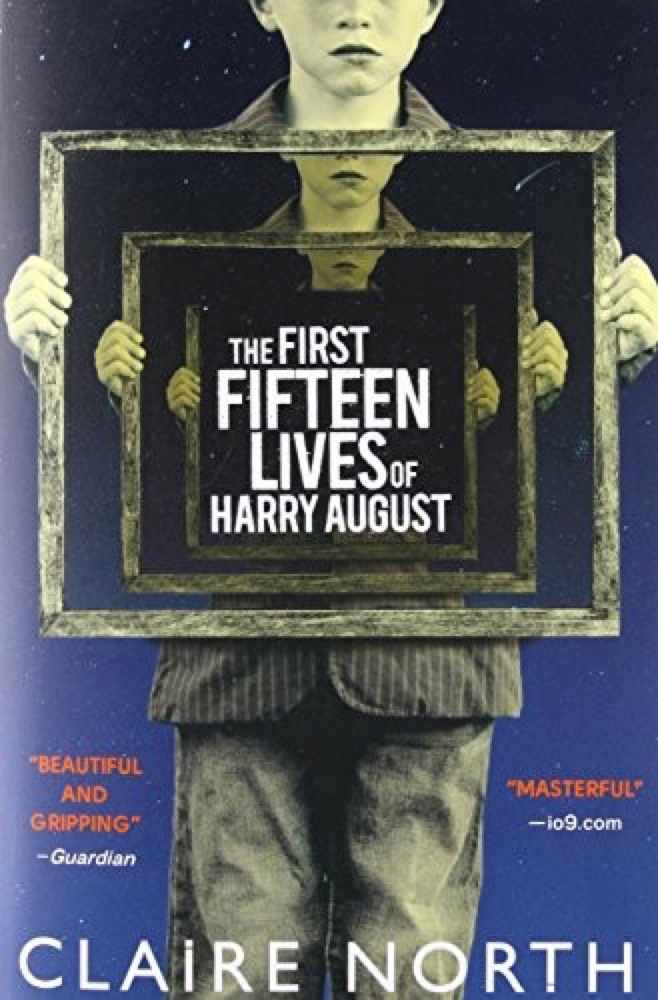 The First Fifteen Lives of Harry August
 The Ides of March
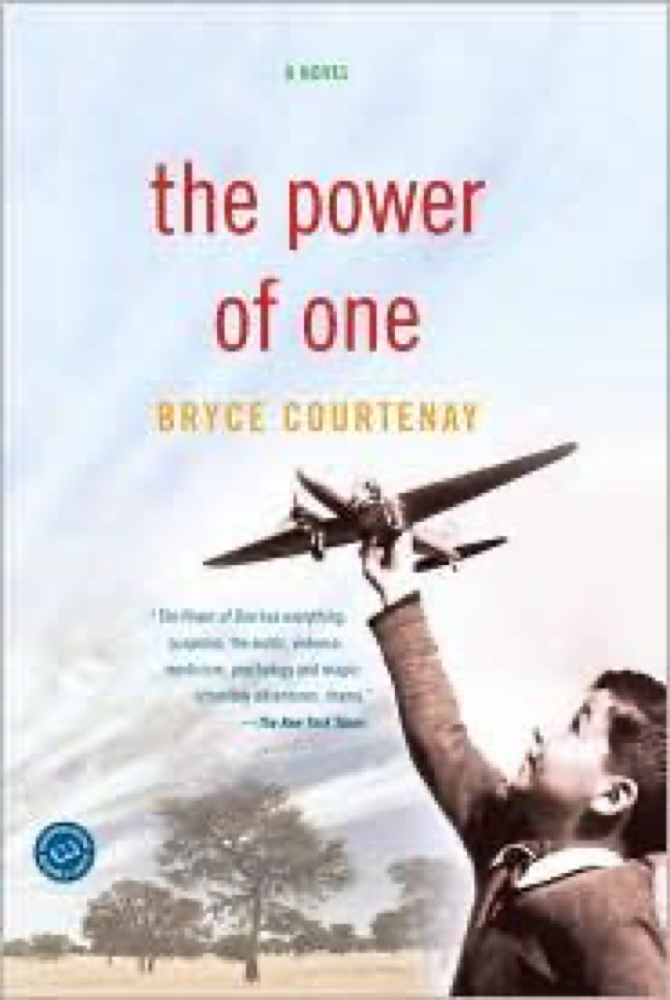 The Power of One
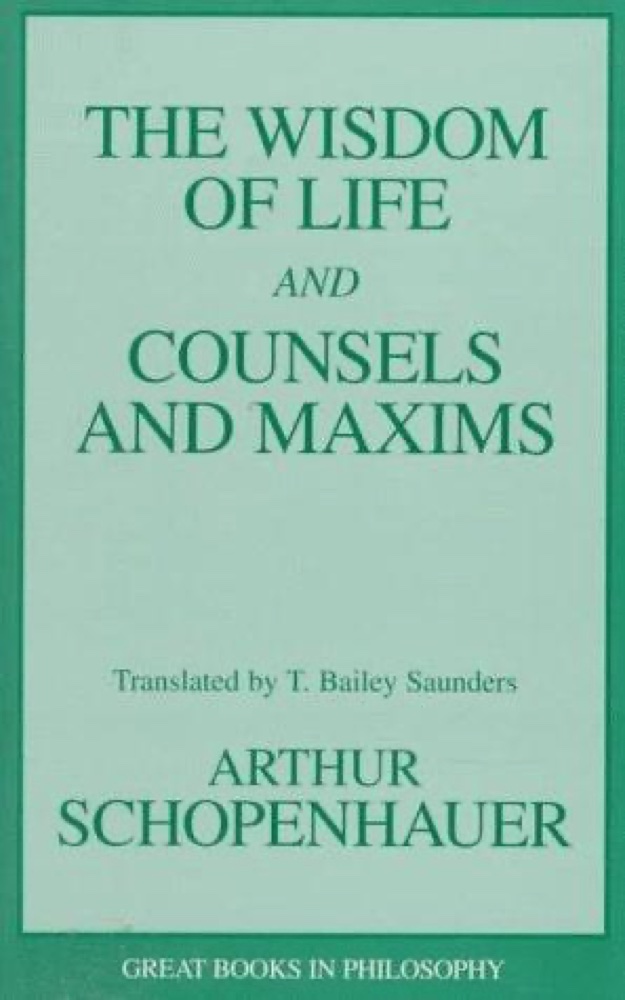 The Wisdom of Life
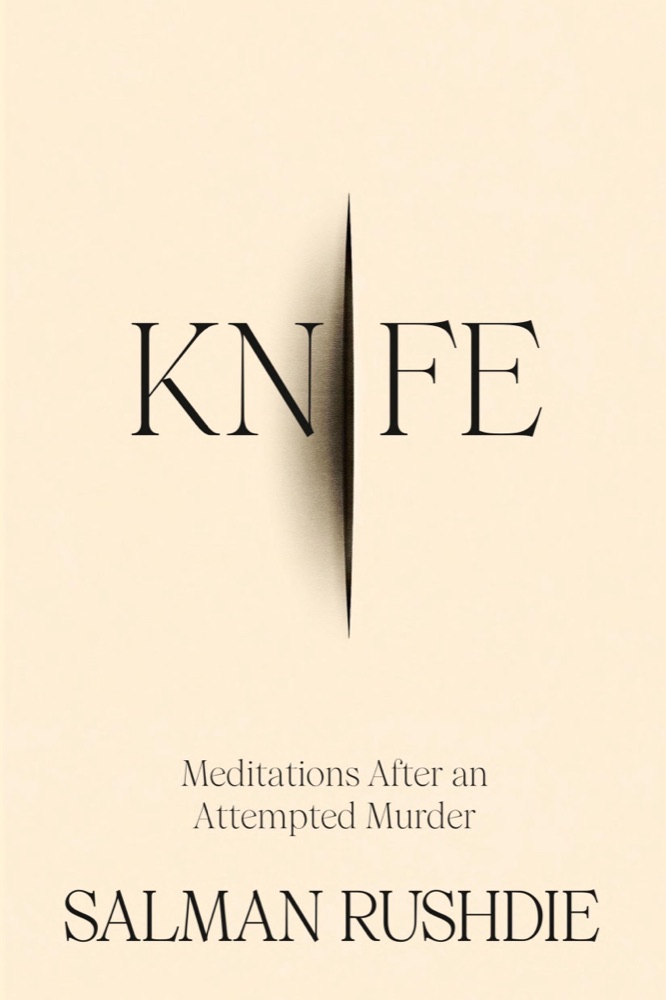 Knife: Meditations After an Attempted Murder
 The Fall of Babel
 Anthills of the Savannah
 The Myth of Sisyphus
 Random Acts Of Heroic Love
 The Screwtape Letters
 No One Writes Back
 The Elementary Particles
 Sacred Journey of the Peaceful Warrior
 Children of the Mind
 When Nietzsche Wept
 Flights
 The Left Hand of Darkness
 The Humans
 The Intellectual Life: Its Spirit, Conditions, Methods
 The Pilgrimage
 The Art of Racing in the Rain
 Psych: The Story of the Human Mind
 Myths to Live By
 The Way of Zen
 How to Live: A Life of Montaigne in One Question and Twenty Attempts at an Answer
 The Everlasting Man
 A Sudden Light