
 The Perfectionist's Guide to Losing Control: A Path to Peace and Power
Quotes from the Book
That’s the thing about high standards: they don’t have to come with insecurity. Only perfectionism grafts the two together. As Paul understands it, perfectionism isn’t about perfecting things or tasks, nor is it about striving for especially high standards in, say, your assignments, appearances, parenting, or relationships. It’s far, far deeper than that. It’s about perfecting ourselves, or to be more exact, perfecting our imperfect selves; going through life in defensive mode, concealing every last blemish, flaw, and shortcoming from those around us.
8
When we speak of privilege, we often focus on the frills of advantage, forgetting the more basic benefit: an absence of obstacles.
7
That's the thing about high standards: they don't have to come with insecurity. Only perfectionism grafts the two together.
5
In other words, perfectionists use procrastination as a way of surviving struggle, challenge and failure without the inevitable emotional damage. But eventually, they’re just damaged by the passage of time.
4
How we behave is influenced by how others behave. We like to think we’re as free as birds, that we’re completely unique individuals, and certainly very different from most people around us. But in actual fact, we’re not unique in the slightest.
4
Procrastination is often portrayed as a time management problem. But in actual fact, it’s an anxiety management problem.
3
Is that impossible version of me really worth living in fear for?
3
Globally, international retail sales are expected to reach an eye-watering $31 trillion by 2025. To keep that thermonuclear consumption going, not only do the products we buy need manufacturing, but so too do our desires for them. Hence, in the past forty or so years, the public relations, marketing, advertising and finance industries have boomed.
1
Contrary to Nietzsche’s famous maxim, perfectionists aren’t strengthened in the trying times. They’re weakened. Left untreated, repeated knockdowns so injure perfectionists’ self-esteem that they begin to feel helpless, and in extreme cases like mine, hopeless. No wonder perfectionism is so enormously damaging. ‘There’s this assumption that perfectionism means we’re more resilient,’ Paul told me. ‘But actually, perfectionism is the opposite of resilience – anti-resilience – if you will. It makes people extremely insecure, self-conscious and vulnerable to even the smallest hassles. If you don’t seek help, it’s easy to see how that vulnerability creates substantial, deep-rooted and enduring distress.
1
The most visible feature of self-oriented perfectionism is this hypercompetitive streak fused to a sense of never being good enough. Hypercompetitiveness reflects a paradox because people high in self-oriented perfectionism can recoil from competition due to fear of failure and fear of losing other people's approval. Socially-prescribed perfectionism makes for a hugely pressured life, spent at the whim of everyone else's opinions, trying desperately to be somebody else, somebody perfect. Perfectionism lurks beneath the surface of mental distress. Someone who scores high on perfectionism also scores high on anxiety. The ill-effects of self-oriented perfectionism correlate with anxiety and it predicts increases in depression over time. There are links between other-oriented perfectionism and higher vindictiveness, a grandiose desire for admiration and hostility toward others, as well as lower altruism, compliance with social norms and trust. People with high levels of socially-prescribed perfectionism typically report elevated loneliness, worry about the future, need for approval, poor-quality relationships, rumination and brooding, fears of revealing imperfections to others, self-harm, worse physical health, lower life satisfaction and chronically low self-esteem. Perfectionism makes people extremely insecure, self-conscious and vulnerable to even the smallest hassles. Perfection is man's ultimate illusion. It simply doesn't exist in the universe. If you are a perfectionist, you are guaranteed to be a loser in whatever you do. Socially-prescribed perfectionism has an astonishingly strong link with burnout. What I don't have - or how perfectionism grows in the soil of our manufactured discontent. No matter what the advertisement says, you will go on with your imperfect existence whether you make that purchase or not. And that existence is - can only ever be - enough. Make a promise to be kind to yourself, taking ownership of your imperfections, recognizing your shared humanity and understanding that no matter how hard your culture works to teach you otherwise, no one is perfect and everyone has an imperfect life. Socially-prescribed perfectionism is the emblem of consumer culture. Research shows that roaming outside, especially in new places, contributes to enhanced well-being. Other benefits of getting out there in nature include improved attention, lower stress, better mood, reduced risk of psychiatric disorders and even upticks in empathy and cooperation. Perfection is not necessary to live an active and fulfilling life.
1
In 1989, the average young person was high-to-very-high in self-oriented and other-oriented perfectionism (most people slightly agree or agree with statements), and moderate-to-low in socially prescribed perfectionism (most people neither agree nor disagree with statements). Not the healthiest profile in terms of personal expectations, admittedly, but good news regarding socially prescribed perfectionism – young people seemed to report that expectations and pressures on them weren’t excessively demanding. By 2016, however, that profile had drastically changed. Self-oriented and other-oriented perfectionism had edged even higher, which was bad enough. But it was the trend for socially prescribed perfectionism that really worried us. It surged from low-to-moderate in 1989 to moderate-to-high in 2016. Projecting those increases into the future shows us where we might be headed. By 2050, based on the models we tested, self-oriented perfectionism will move above the very high threshold (most people agree with statements) and socially prescribed perfectionism above the high threshold (most people slightly agree or agree with statements).
OTHER-ORIENTED PERFECTIONISM is directed outward. It involves the belief that other people must be perfect.
SOCIALLY PRESCRIBED PERFECTIONISM is directed from the environment. It involves the belief that others expect me to be perfect.
Watch on YouTube
About Thomas Curran
We have collected 13 quotes from 1 book by Thomas Curran on BookQuoters.
More about the author →About the book
A BLOOMBERG BEST BOOK OF 2023
“Offers a hopeful beacon and a steady path for anyone struggling to find their footing in a world of impossible standards.” —Daniel H. Pink, #1 New York Times bestselling author of Drive and The Power of Regret
In the tradition of Brené Brown’s bestseller The Gifts of Imperfection , this illuminating book by an acclaimed professor at the London School of Economics explores how the pursuit of perfection can become a dangerous obsession that leads to burnout and depression—keeping us from achieving our goals.
Today, burnout and depression are at record levels, driven by a combination of intense workplace competition, oppressively ubiquitous social media encouraging comparisons with others, the quest for elite credentials, and helicopter parenting. Society continually broadcasts the need to want more, and to be perfect.
Gathering a wide range of con
Book details
- First published
- 2023
- Author
- Thomas Curran
- Genre
- Nonfiction
- Goodreads rating
- 3.94 (3k ratings)
The buzz
- The Wall Street JournalReview in The Wall Street Journalprofessional review (via Book Marks)
- EconomistReview in Economistprofessional review (via Book Marks)
- Kirkus ReviewsReview in Kirkus Reviewsprofessional review (via Book Marks)
- Publishers WeeklyReview in Publishers Weeklyprofessional review (via Book Marks)
Keep reading
The Perfectionist's Guide to Losing Control: A Path to Peace and Power
 Selfie: How the West Became Self-Obsessed
 Procrastination: Why You Do It, What To Do About It
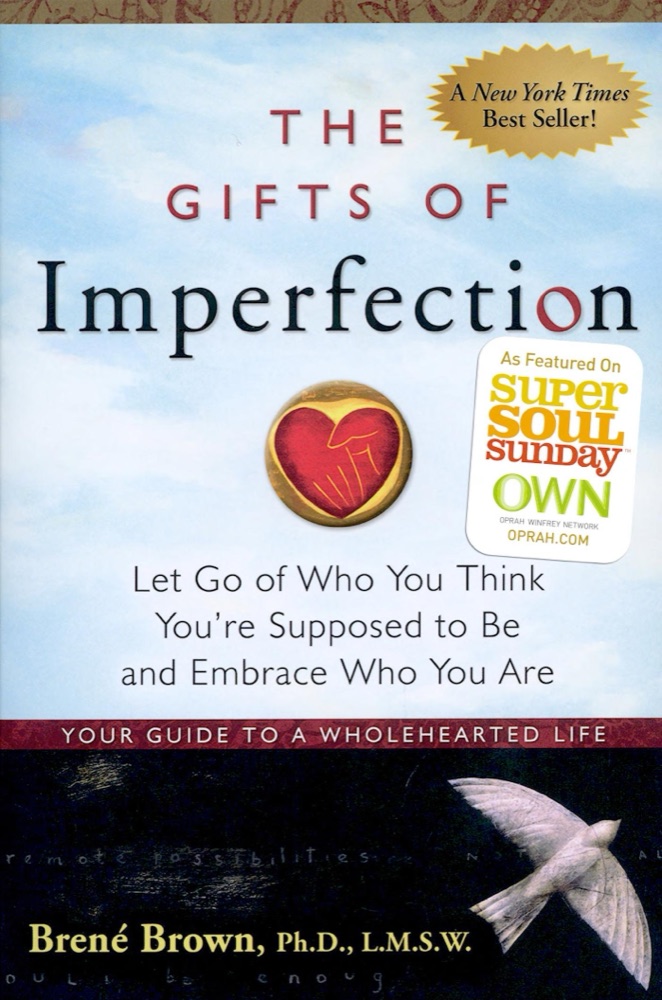 The Gifts of Imperfection
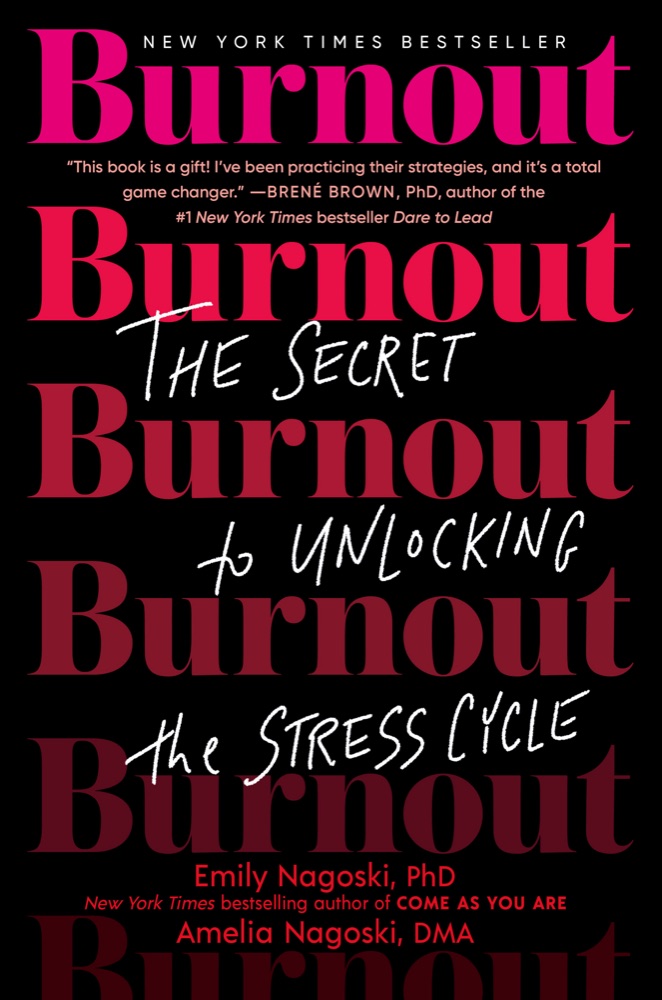 Burnout: The Secret to Unlocking the Stress Cycle
 First, We Make the Beast Beautiful: A New Story About Anxiety
 Six Pillars of Self-Esteem
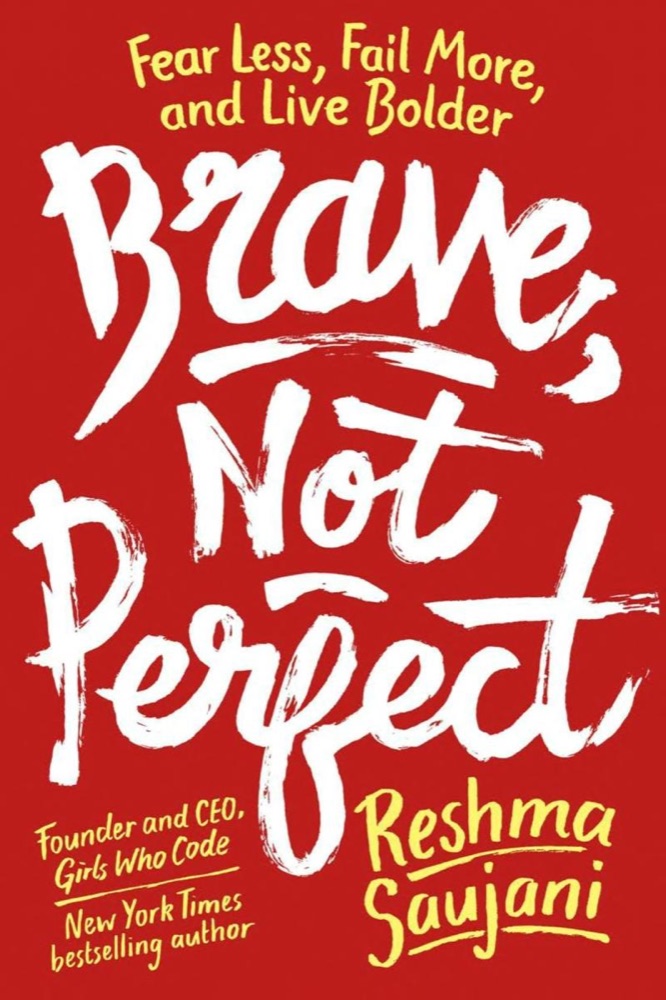 Brave, Not Perfect: Fear Less, Fail More, and Live Bolder
 What If This Were Enough?: Essays
 The Now Habit: A Strategic Program for Overcoming Procrastination and Enjoying Guilt-Free Play
 The Courage to Be Disliked: How to Free Yourself, Change Your Life and Achieve Real Happiness
 Toward a Psychology of Being
 The Antidote: Happiness for People Who Can't Stand Positive Thinking
 The Algebra of Happiness: Notes on the Pursuit of Success, Love, and Meaning
 Barking Up the Wrong Tree: The Surprising Science Behind Why Everything You Know About Success Is (Mostly) Wrong
 Psycho-Cybernetics
 Antifragile: Things That Gain from Disorder
 101 Essays That Will Change The Way You Think
 How to Be Perfect: The Correct Answer to Every Moral Question
 Your Erroneous Zones: Step-By-Step Advice for Escaping the Trap of Negative Thinking and Taking Control of Your Life
 Girl, Stop Apologizing: A Shame-Free Plan for Embracing and Achieving Your Goals
 Social Intelligence: The New Science of Human Relationships
 Never Finished: Unshackle Your Mind and Win the War Within
 The New Psycho-Cybernetics: The Original Science of Self-Improvement and Success That Has Changed the Lives of 30 Million People
 The 7 Habits Of Highly Effective Teens
 Mastery
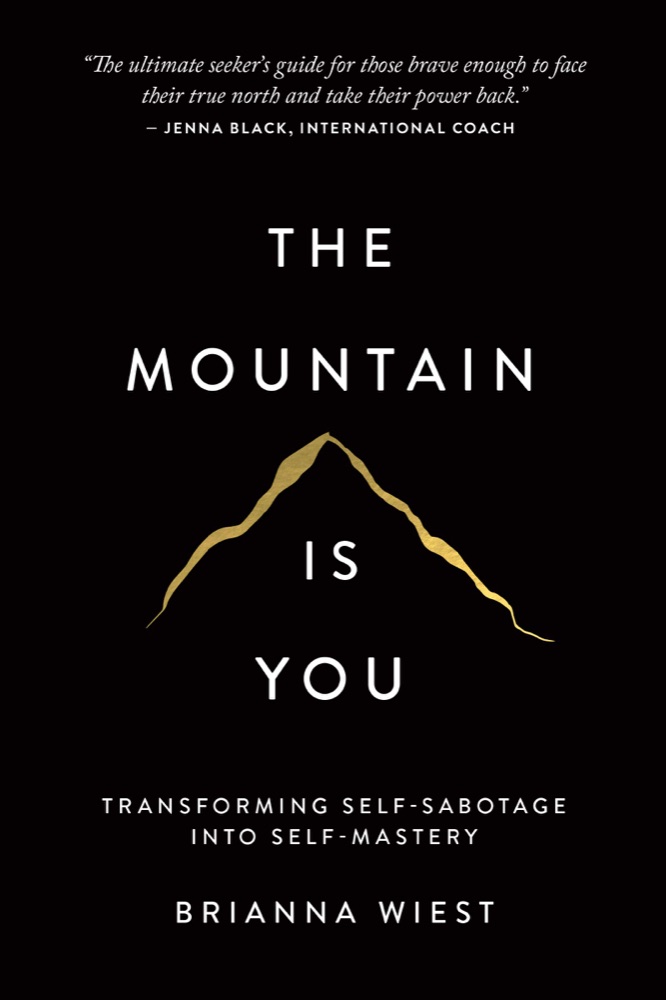 The Mountain Is You: Transforming Self-Sabotage Into Self-Mastery
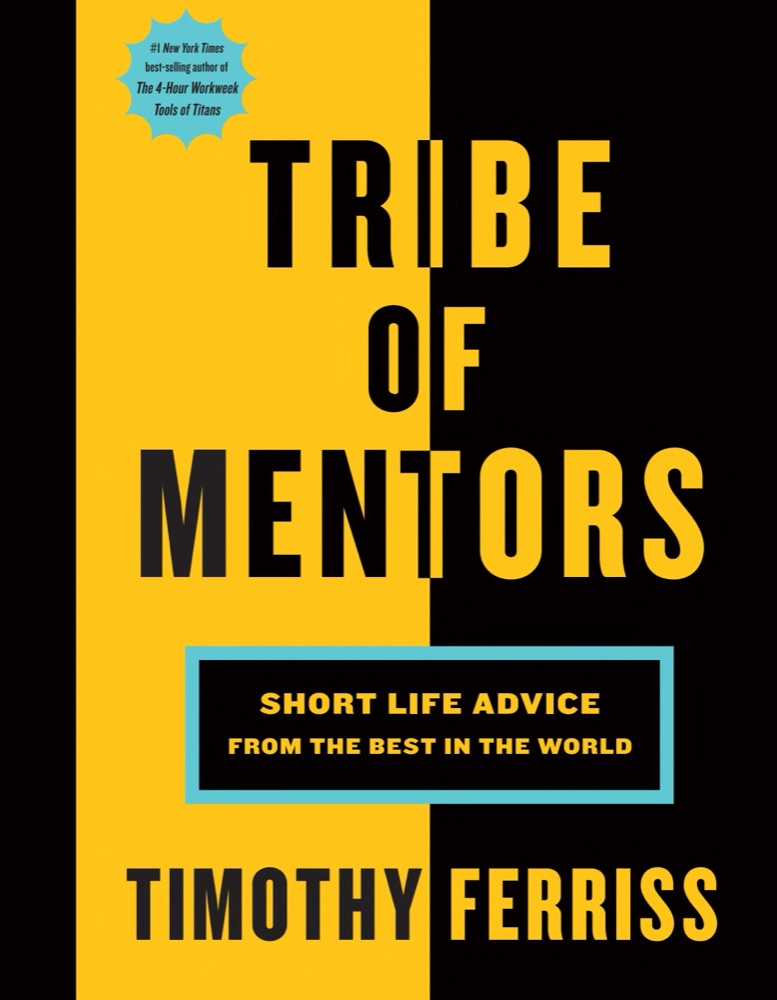 Tribe Of Mentors: Transformative Wisdom From Icons and Innovators to Help You Navigate Life's Challenges
 How Do We Know We're Doing It Right: & Other Essays on Modern Life
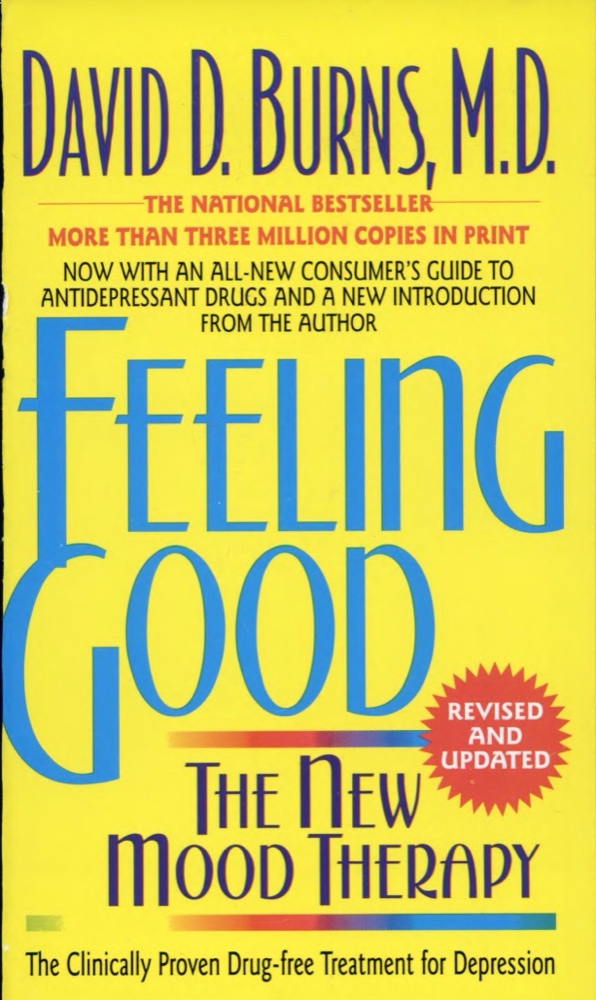 Feeling Good: The New Mood Therapy
 Status Anxiety
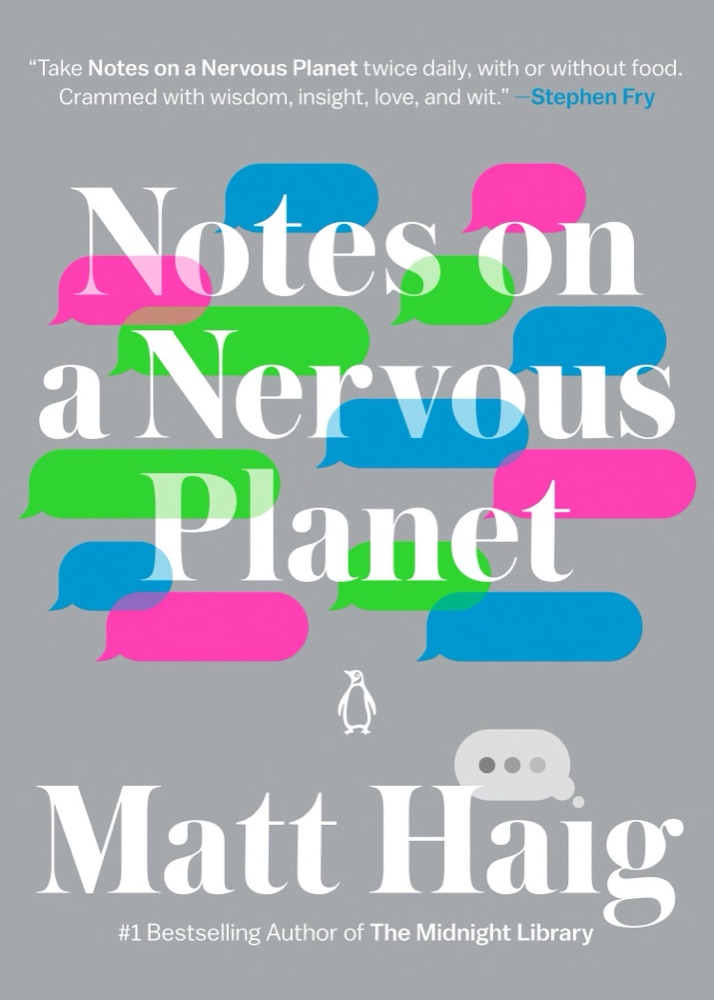 Notes on a Nervous Planet
 David and Goliath: Underdogs, Misfits, and the Art of Battling Giants
 Revolution from Within: A Book of Self-Esteem
 Love for Imperfect Things: How to Accept Yourself in a World Striving for Perfection
 Grit: The Power of Passion and Perseverance
 The Social Animal: The Hidden Sources of Love, Character, and Achievement
 Late Bloomers: The Power of Patience in a World Obsessed with Early Achievement
 Atlas of the Heart: Mapping Meaningful Connection and the Language of Human Experience
 The Age of Magical Overthinking: Notes on Modern Irrationality
 Ego Is the Enemy
 The Art of Thinking Clearly
 How to Fail at Almost Everything and Still Win Big: Kind of the Story of My Life
 Paris: A Memoir for Young Women in the Age of Influencers
 The Tools: Transform Your Problems into Courage, Confidence, and Creativity
 On Confidence
 The Subtle Art of Not Giving a F*ck: A Counterintuitive Approach to Living a Good Life
 The Truth: An Uncomfortable Book About Relationships
 The Laws of Human Nature
 Bright-Sided: How the Relentless Promotion of Positive Thinking Has Undermined America
 Dare to Lead
 The School of Life: An Emotional Education
 Social: Why Our Brains Are Wired to Connect
 12 Rules for Life: An Antidote to Chaos
 Safety in Numbers: From 56 to 221 Pounds, My Battle with Eating Disorders
 Troubled: A Memoir of Foster Care, Family, and Social Class
 Personality Isn't Permanent: Break Free from Self-Limiting Beliefs and Rewrite Your Story
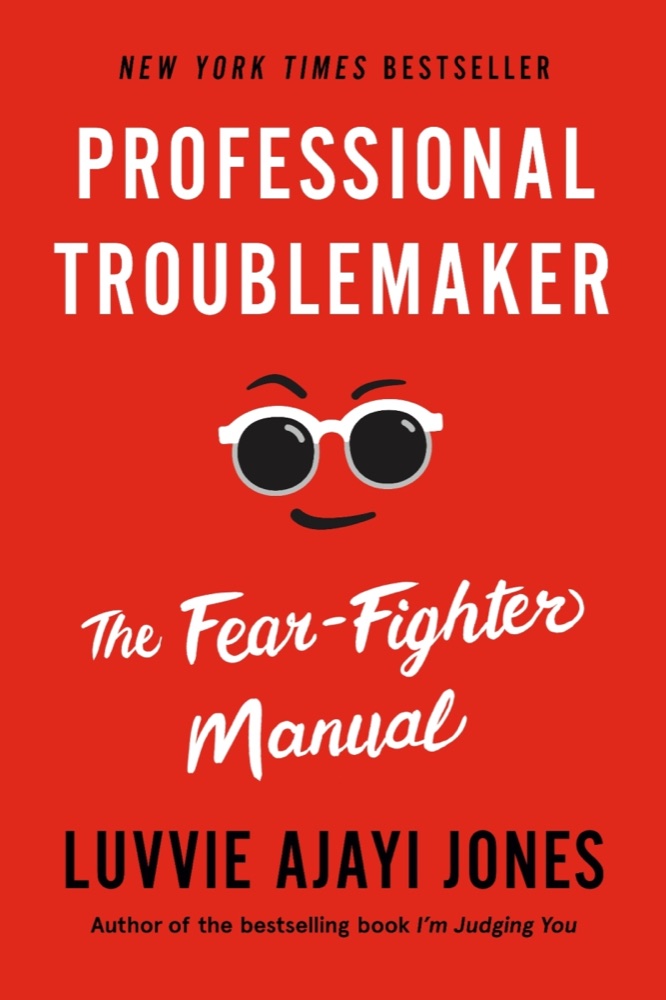 Professional Troublemaker: The Fear-Fighter Manual
 The Algebra of Wealth: A Simple Formula for Financial Security
 The World of Divergent: The Path to Allegiant