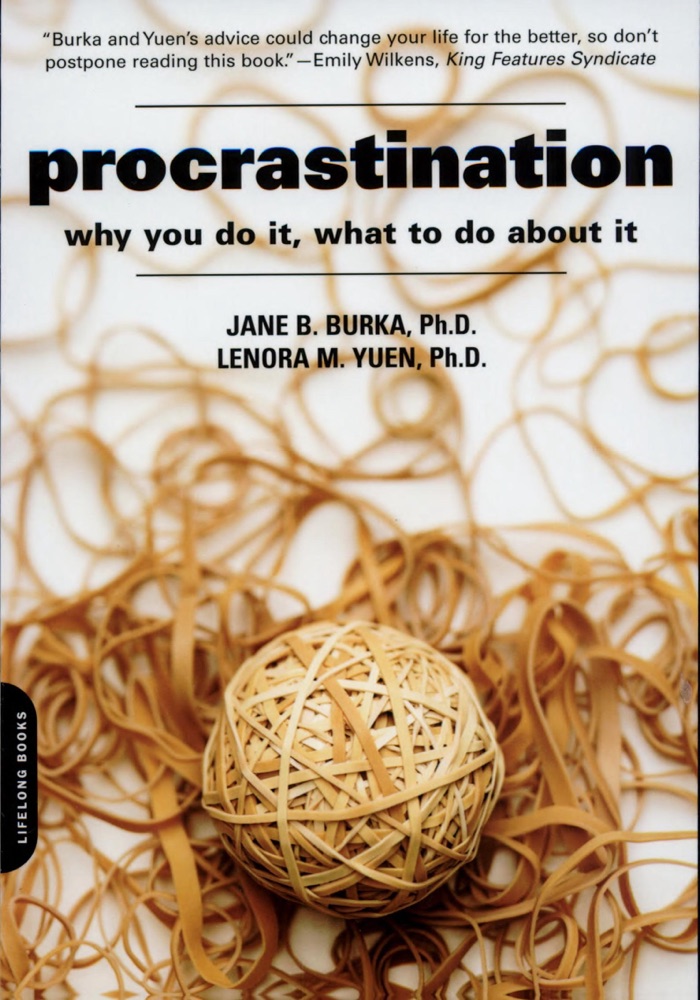
 Procrastination: Why You Do It, What To Do About It
Quotes from the Book
In most cases you are the one who confuses just doing the job with testing your worth. Replace 'I have to' with 'I choose to'.
19
The choice is not working or not working, but which type of work; even feeling guilty because of procrastinating takes some effort. When you commit to a goal, you're committing to a form of work that brings ongoing rewards. When you procrastinate, you're choosing a self-punishing form of work.
10
Replace “This project is so big and important” with “I can take one small step.
9
the fear of failure, the fear of being imperfect (perfectionism), and the fear of impossible expectations (being overwhelmed) that prevent us from acting on and attaining humanly possible goals and relationships.
9
Remember to avoid self-criticism about setbacks or obstacles that appear in the midst of your project. As management consultant Michael Durst says, “You may not be responsible for causing what happens to you, but you are responsible for what you do to correct it.” This powerful message contains a crucial concept that many people miss: let go of worrying about the initial cause of the problem so that you can direct your energies to where they can do the most good—on the solution.
7
Just because you find more work and problems on your path than you anticipated doesn’t mean that you made a wrong choice or a mistake!
6
People don’t procrastinate just to be ornery or because they’re irrational. They procrastinate because it makes sense, given how vulnerable they feel to criticism, failure, and their own perfectionism.
6
you are the one who confuses just doing the job with testing your worth, where one possible mistake would feel like the end of the world.
5
Whenever you begin to feel overwhelmed by the large, grand project that looms before you, remind yourself, “I can take one small step. One small step; one rough, rough draft; one imperfect sketch; one small hello. That’s all I need to do now.
4
You’ll need to drop the model of self-alienation that you learned as a child—the one that tells you, “You are lazy and need someone to force you to work.
4
Procrastination is a mechanism for coping with the anxiety associated with starting or completing any task or decision.
4
I’m not leaving the plane that way,” I said to myself. That’s when I discovered the power of choice—a third place that is neither “have to” or “want to.” That discovery freed me to move forward to make two other choices: I’m not going to be kicked out of this plane; and If I’m going to leave this plane, it will be under my own power. I’m going to maximize my chances of a safe exit. The change in my feelings at that moment was quite dramatic. Stress was replaced with purposeful action; a sense of victimhood was transformed into empowerment. There was no hesitation, no ambivalence.
4
Having a fear of failure means you believe that even the smallest error could be evidence that you are a worthless and awful person. Having a fear of being imperfect means that it is difficult for you to accept yourself as you are—imperfect and, therefore, perfectly human—and so you interpret any criticism, rejection, or judgment by others as a threat to your very tenuous grasp on perfection. Having a fear of impossible expectations means fearing that even after you’ve worked hard and achieved the goals set for you, your only reward will be continually higher and more difficult goals to achieve, with no rest and no time to savor your achievements.
3
The Now Habit perspective does not accept that laziness, disorganization, or any other character defect is the reason you procrastinate.
3
In extreme cases of perfectionism, there is no distinction between judgment of one’s work and one’s sense of value as a person.
3
Procrastination is not the cause of our problems with accomplishing tasks; it is an attempt to resolve a variety of underlying issues, including low self-esteem, perfectionism, fear of failure and of success, indecisiveness, an imbalance between work and play, ineffective goal-setting, and negative concepts about work and yourself.
2
The main reason we learn any habit, as Drs. Frederick Kanfer and Jeanne Phillips tell us in Learning Foundations of Behavior Therapy, is that even a seemingly counterproductive habit like procrastination is immediately followed by some reward. Procrastination reduces tension by taking us away from something we view as painful or threatening. The more painful work is for you, the more you will try to seek relief through avoidance or through involvement in more pleasurable activities. The more you feel that endless work deprives you of the pleasure of leisure time, the more you will avoid work.
2
Denis Waitley, the author of The Psychology of Winning and The Joy of Working, who defines procrastination as “a neurotic form of self-defensive behavior” aimed at protecting one’s self-worth.
2
To make changes, you’ll need to break out of automatic pilot and start making conscious choices when
2
you don’t have to do anything to be a worthwhile person. If you’re going to do it, however, you might as well choose to do it with full responsibility for the consequences. Your mind and body will be able to cooperate with that message. Every ‘I have to’ needs to be replaced with an adult decision about how you will begin the project or how you will explain to your boss that you will not do it.” She began after that first session to challenge every “I have to” with a decision—a clear choice that she made as a mature adult.
2
The healthy individual has an appetite for fruitful activity and for a high quality of life. —GEORGE BERNARD SHAW
2
As you begin to speak to yourself in a language that focuses on results rather than blame
Just count the number of times you think “should” or “shouldn’t” within a ten-minute period, and you will have a good estimate of your degree of depression.
Yale psychologist Patricia W. Linville, who found that the more complex and varied your sense of self, the less likely you are to become depressed over stress in one area, because “you have these uncontaminated areas of your life that can act as buffers.
Perfectionism and self-criticism are, in fact, the chief causes of fear of failure.
You can resist by dragging your feet and giving a halfhearted effort. If you are in a one-down position—a student, a subordinate, a private in the army—procrastination may be the safest way to exercise some power and control over your life.
The more painful work is for you, the more you will try to seek relief through avoidance or through involvement in more pleasurable activities. The more you feel that endless work deprives you of the pleasure of leisure time, the more you will avoid work.
In my work with thousands of procrastinators I have discovered that there is one main reason why we procrastinate: it rewards us with temporary relief from stress.
There seems to be no way of pleasing their parents or teachers. Early in life they learn that all they can expect from finishing a project is criticism or so-called constructive feedback on how it might be improved
This early family pattern is typical of many procrastinators. Praise is often withheld because “it might go to your head,” leaving the child with a sense that their efforts are never good enough.
Watch on YouTube
About Neil A. Fiore
About the book
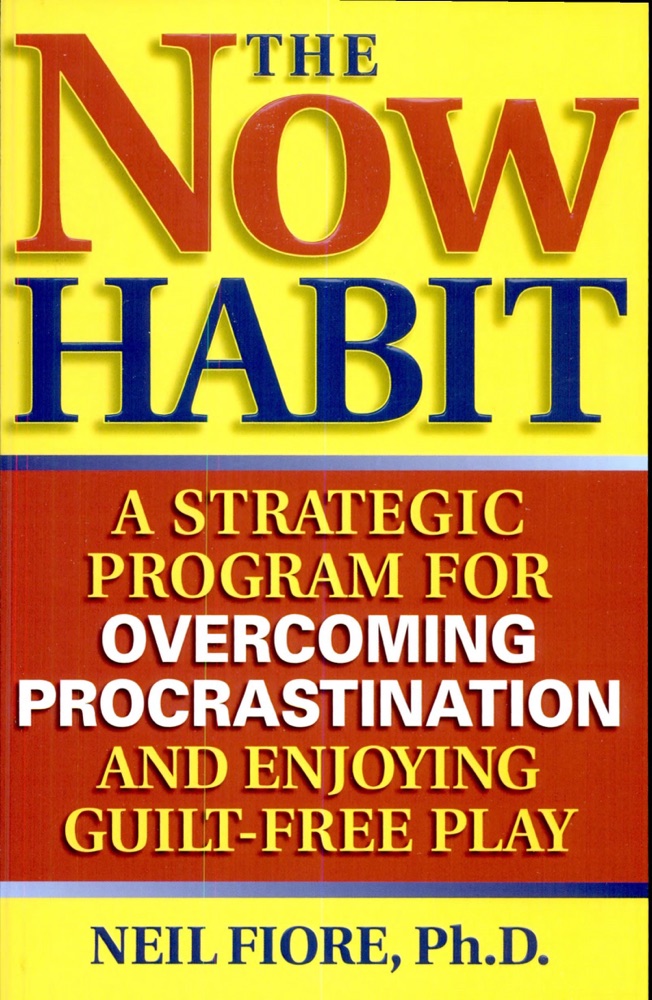
Learn how to overcome procrastination and enjoy guilt-free play! One of the most effective programs to combat procrastination, THE NOW HABIT has sold over 100,000 copies, has been translated into 11 languages, and is now revised and updated.
Featuring a new introduction and a new section providing strategies to understand and deal with the role technology plays in procrastination today, THE NOW HABIT offers a comprehensive plan to help readers lower their stress and increase their time to enjoy guilt-free play. Dr. Fiore’s techniques will help any busy person start tasks sooner and accomplish them more quickly, without the anxiety brought on by the negative habits of procrastination and perfectionism.
Book details
- First published
- 1988
- Author
- Neil A. Fiore
- Genre
- Nonfiction
- Goodreads rating
- 3.87 (17k ratings)
Keep reading
Procrastination: Why You Do It, What To Do About It
 Better Than Before: Mastering the Habits of Our Everyday Lives
 The Bullet Journal Method: Track Your Past, Order Your Present, Plan Your Future
 Ready for Anything: 52 Productivity Principles for Getting Things Done
 The Perfectionist's Guide to Losing Control: A Path to Peace and Power
 Getting Things Done: The Art of Stress-Free Productivity
 The Willpower Instinct: How Self-Control Works, Why It Matters, and What You Can Do to Get More of It
 No Excuses!: The Power of Self-Discipline
 Tribe Of Mentors: Transformative Wisdom From Icons and Innovators to Help You Navigate Life's Challenges
 A Mind for Numbers: How to Excel at Math and Science
 The Mountain Is You: Transforming Self-Sabotage Into Self-Mastery
 The Practicing Mind: Bringing Discipline and Focus into Your Life
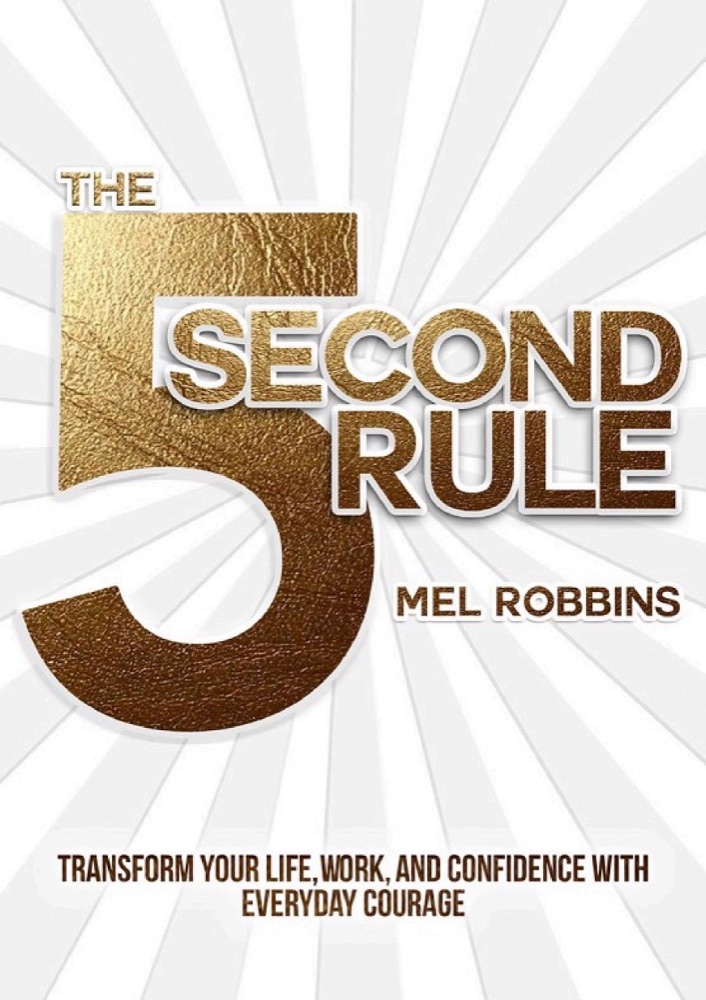 The 5 Second Rule: Transform Your Life, Work, and Confidence with Everyday Courage
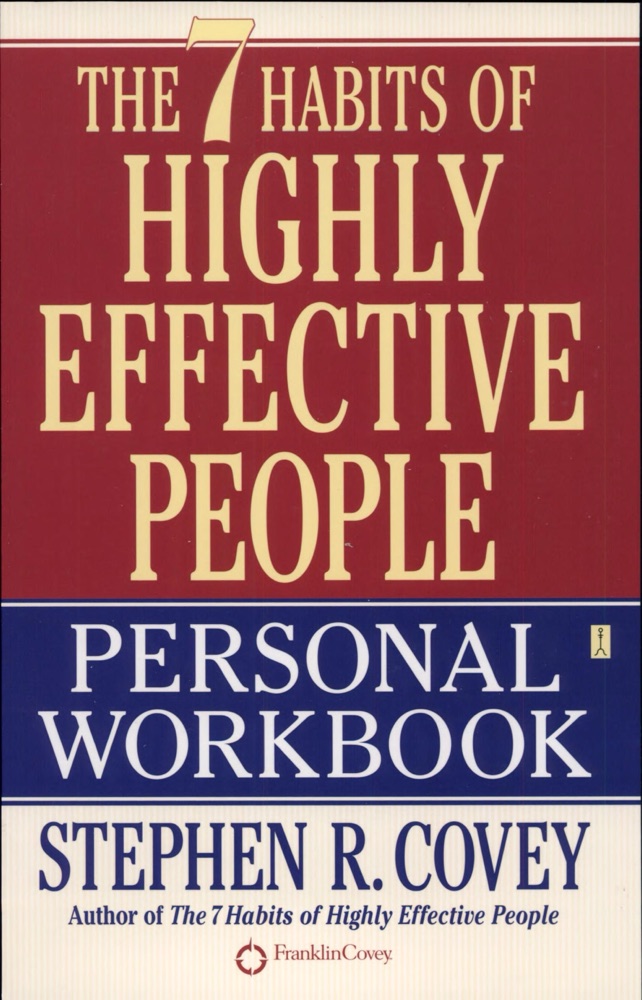 The 7 Habits of Highly Effective People: Personal Workbook
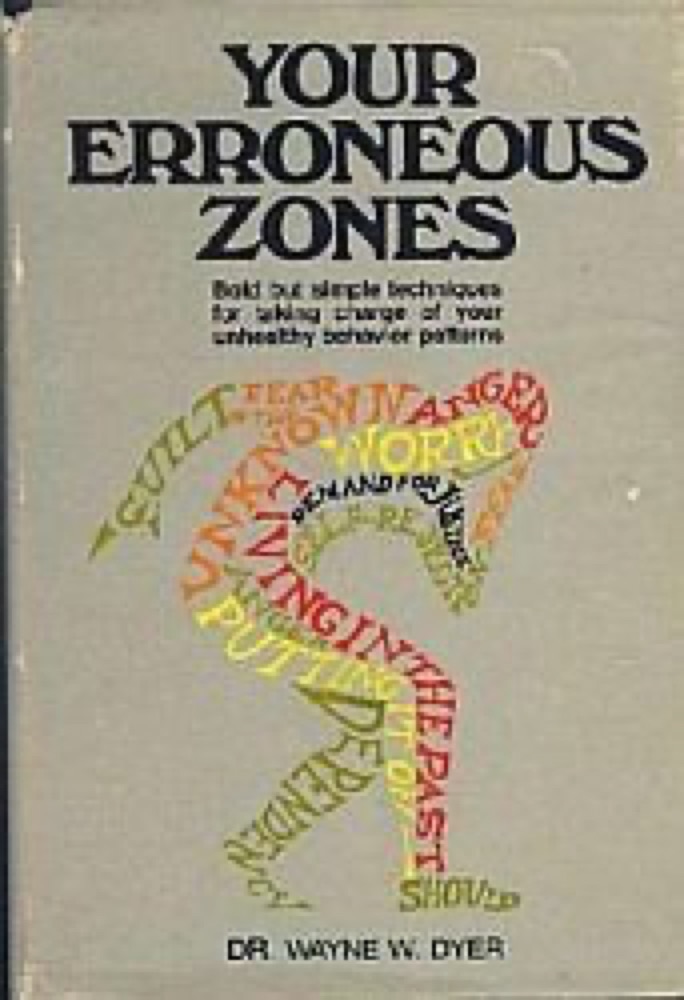 Your Erroneous Zones: Step-By-Step Advice for Escaping the Trap of Negative Thinking and Taking Control of Your Life
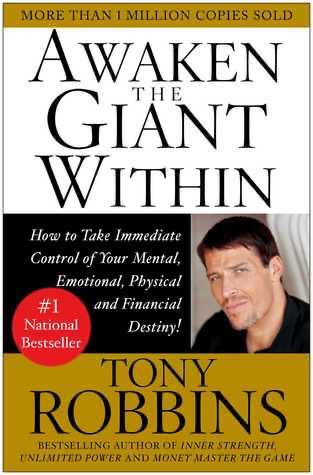 Awaken The Giant Within
 The Productivity Project: Accomplishing More by Managing Your Time, Attention, and Energy
 Make Time: How to Focus on What Matters Every Day
 How to Keep House While Drowning
 Be Your Future Self Now: The Science of Intentional Transformation
 Atomic Habits: An Easy & Proven Way to Build Good Habits & Break Bad Ones
 How to ADHD: An Insider's Guide to Working with Your Brain
 The Accidental Creative: How to Be Brilliant at a Moment's Notice
 How to Fail at Almost Everything and Still Win Big: Kind of the Story of My Life
 Solving the Procrastination Puzzle: A Concise Guide to Strategies for Change
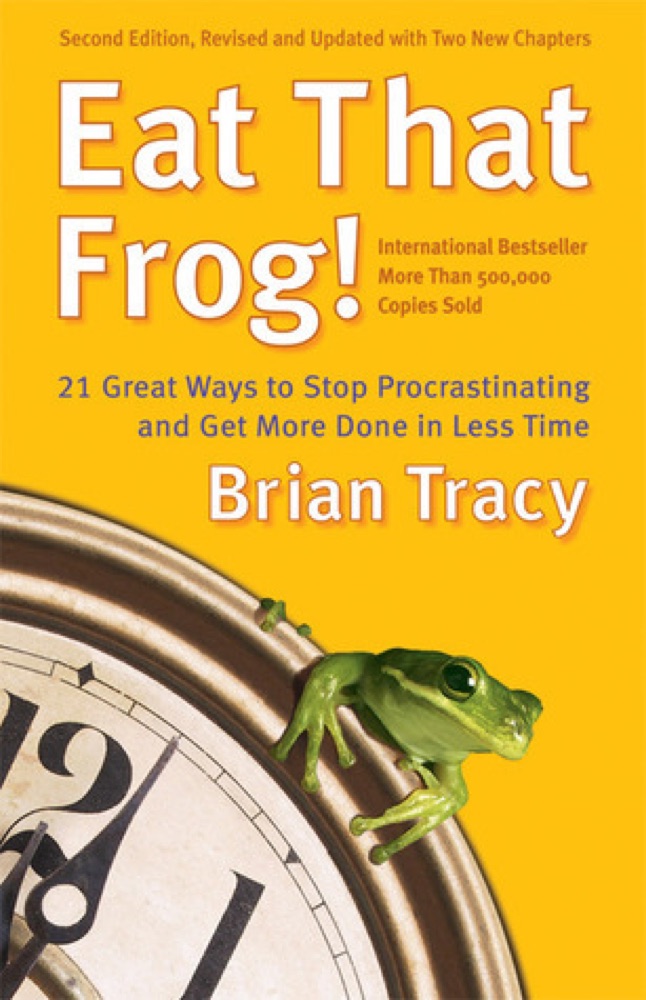 Eat That Frog! 21 Great Ways to Stop Procrastinating and Get More Done in Less Time
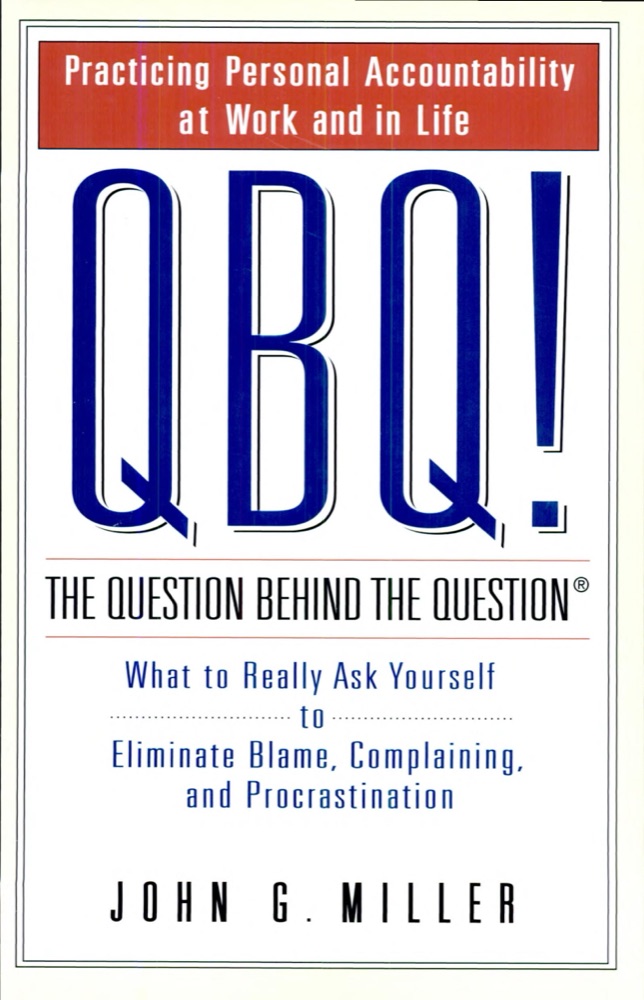 QBQ! The Question Behind the Question: Practicing Personal Accountability in Work and in Life
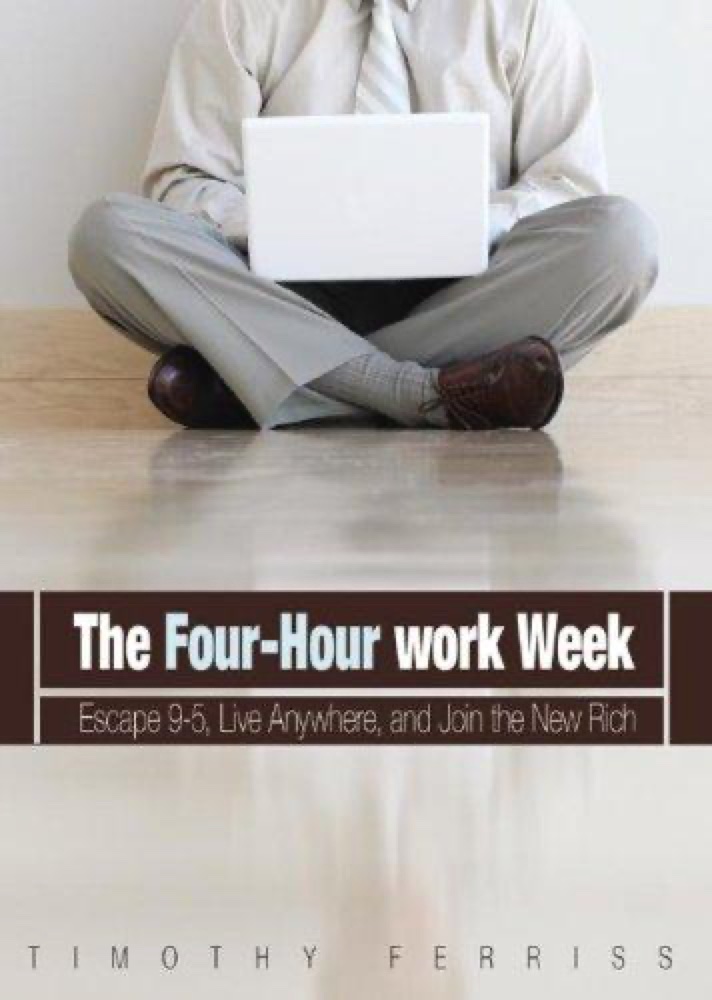 The 4-Hour Workweek
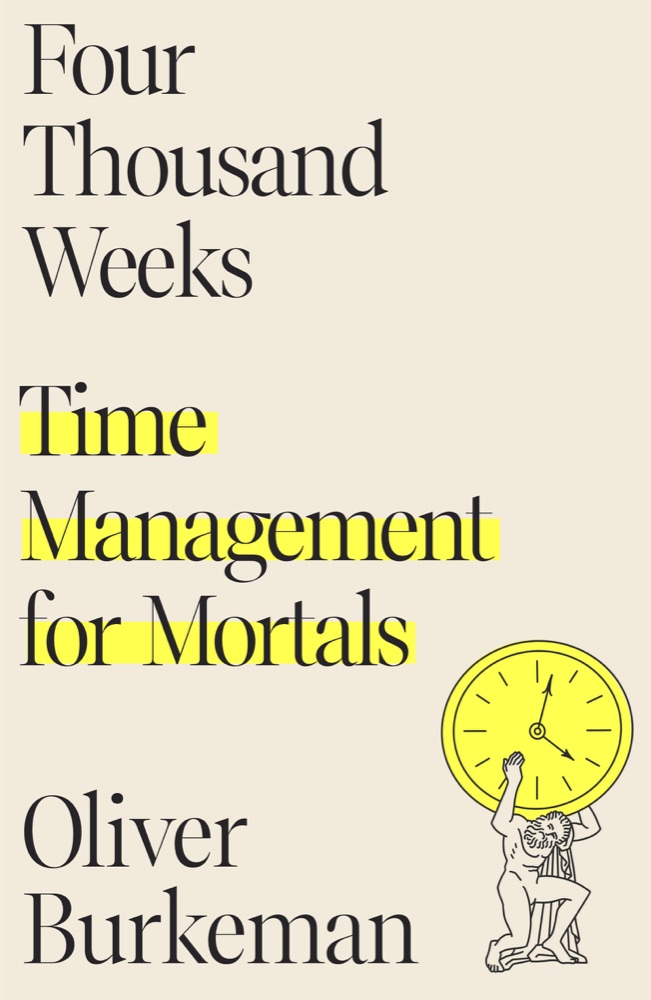 Four Thousand Weeks: Time Management for Mortals
 I Didn't Do the Thing Today: Letting Go of Productivity Guilt
 How to Be a Bawse: A Guide to Conquering Life
 Smarter Faster Better: The Secrets of Being Productive in Life and Business
 The Happiness of Pursuit: Finding the Quest That Will Bring Purpose to Your Life
 The Compound Effect: Jumpstart Your Income, Your Life, Your Success
 The Power of Focus
 Be Useful: Seven Tools for Life
 Discipline Is Destiny: The Power of Self-Control
 Psycho-Cybernetics
 The 12 Week Year
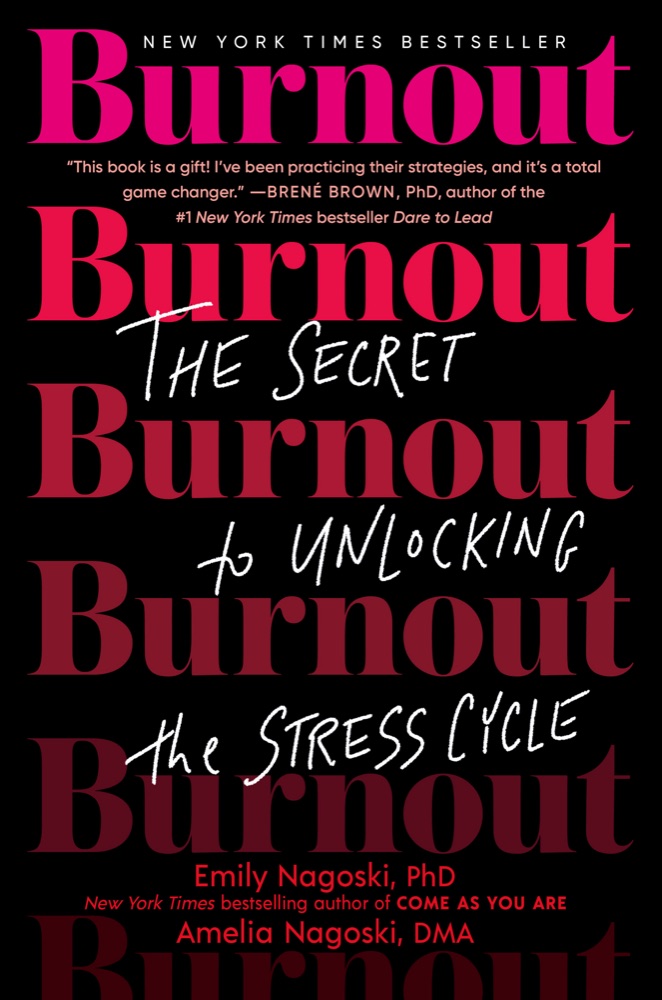 Burnout: The Secret to Unlocking the Stress Cycle
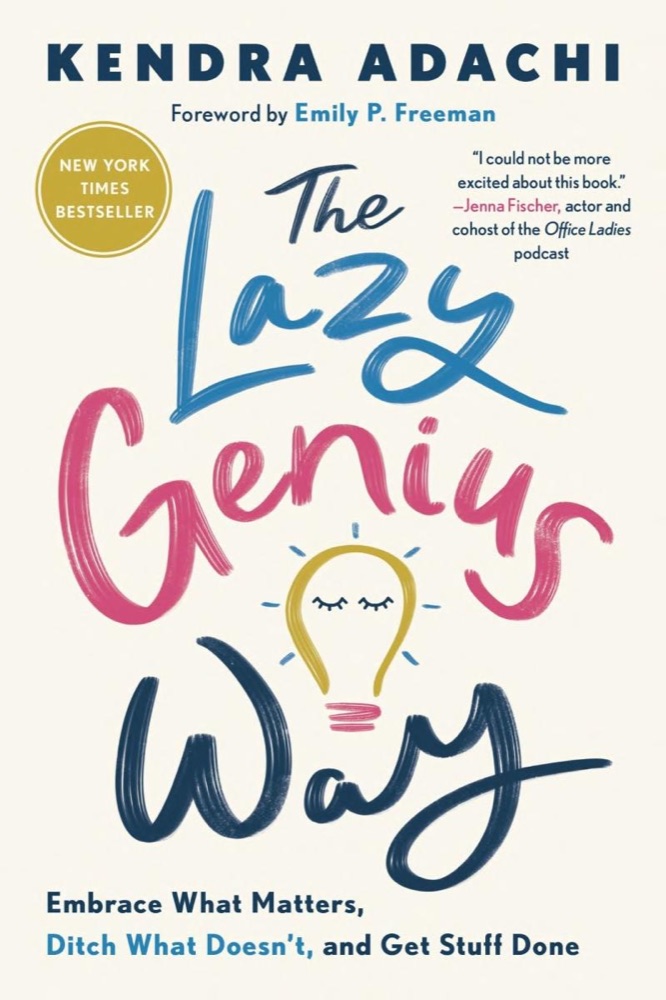 The Lazy Genius Way: Embrace What Matters, Ditch What Doesn't, and Get Stuff Done
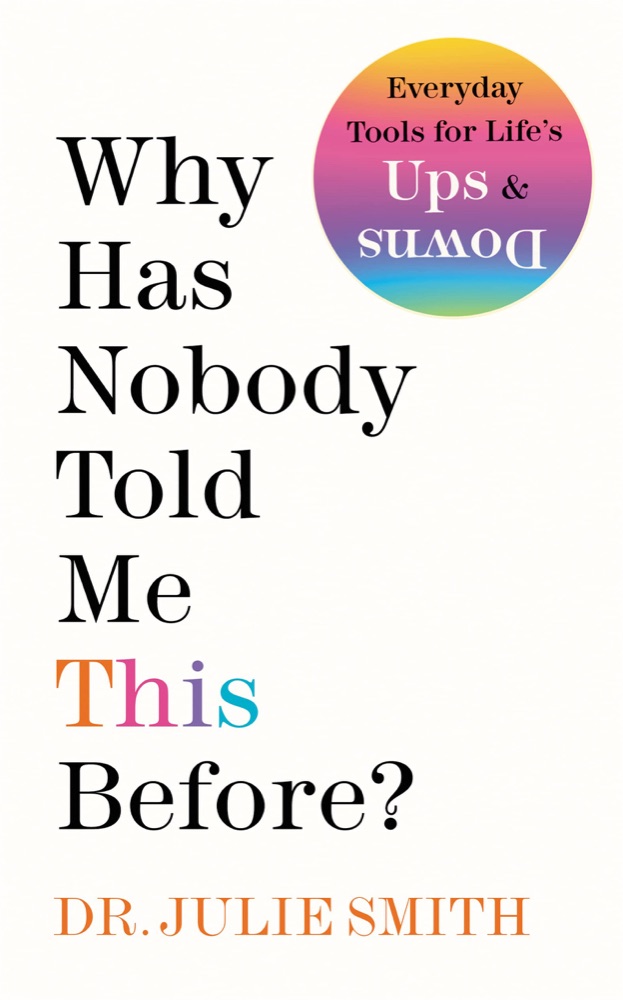 Why Has Nobody Told Me This Before?
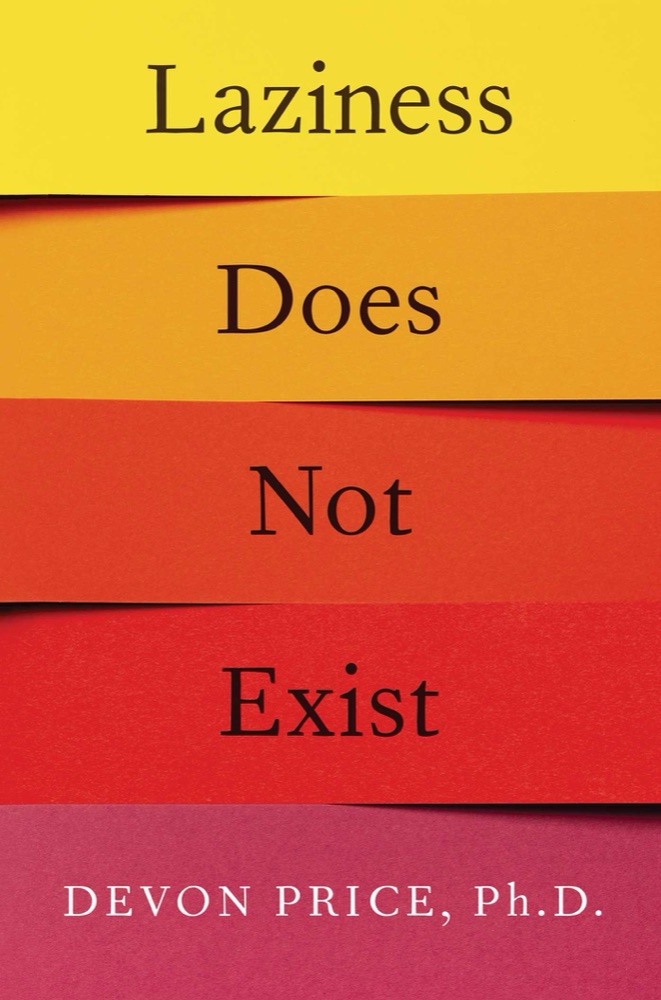 Laziness Does Not Exist
 How to Be Here: A Guide to Creating a Life Worth Living
 Tools of Titans: The Tactics, Routines, and Habits of Billionaires, Icons, and World-Class Performers
 Never Finished: Unshackle Your Mind and Win the War Within
 Do Over: Rescue Monday, Reinvent Your Work, and Never Get Stuck
 The Success Principles: How to Get from Where You Are to Where You Want to Be
 Essentialism: The Disciplined Pursuit of Less
 Lead the Field
 The Obstacle Is the Way: The Timeless Art of Turning Trials into Triumph
 Don't Sweat the Small Stuff ... and it's all small stuff: Simple Ways to Keep the Little Things from Taking Over Your Life
 Overwhelmed: Work, Love, and Play When No One Has the Time
 You Are a Badass at Making Money: Master the Mindset of Wealth
 The Creative Habit: Learn It and Use It for Life
 First Things First
 High Performance Habits: How Extraordinary People Become That Way
 The Art of Thinking Clearly
 Maximum Achievement: Strategies and Skills That Will Unlock Your Hidden Powers to Succeed